
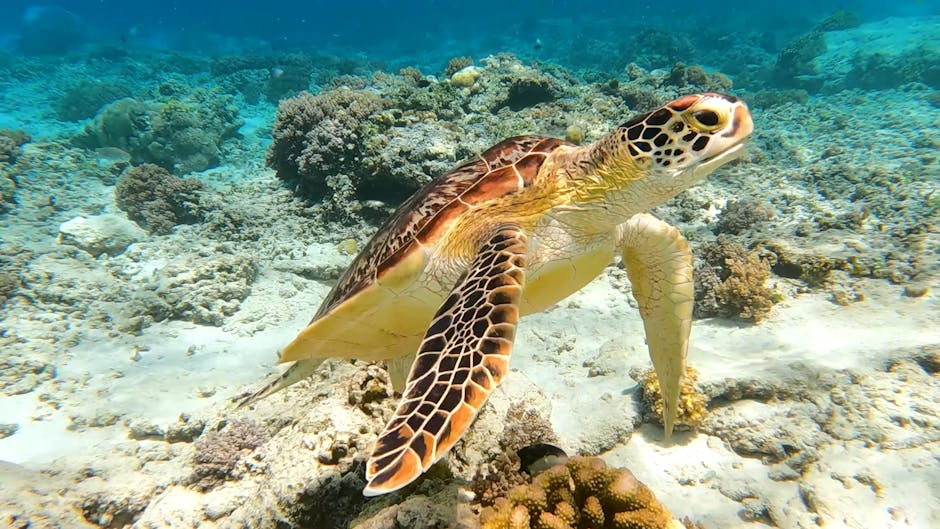
There’s something quietly humbling about watching a sea turtle move through the water. With barely a flicker of effort, they glide through an element that, for us, requires gear and training just to survive in. These animals have been doing this for longer than most things on Earth have existed, and yet we’re still learning things about them that genuinely surprise scientists.
Sea turtles aren’t just charismatic ocean dwellers worth admiring from a distance. They’re also deeply connected to the health of the very oceans they swim in, functioning as linchpins in ecosystems that billions of people depend on. Once you understand what these creatures actually do, and how they do it, the ocean starts to look like a very different place.
#1: They’ve Outlasted Almost Everything, Including the Dinosaurs
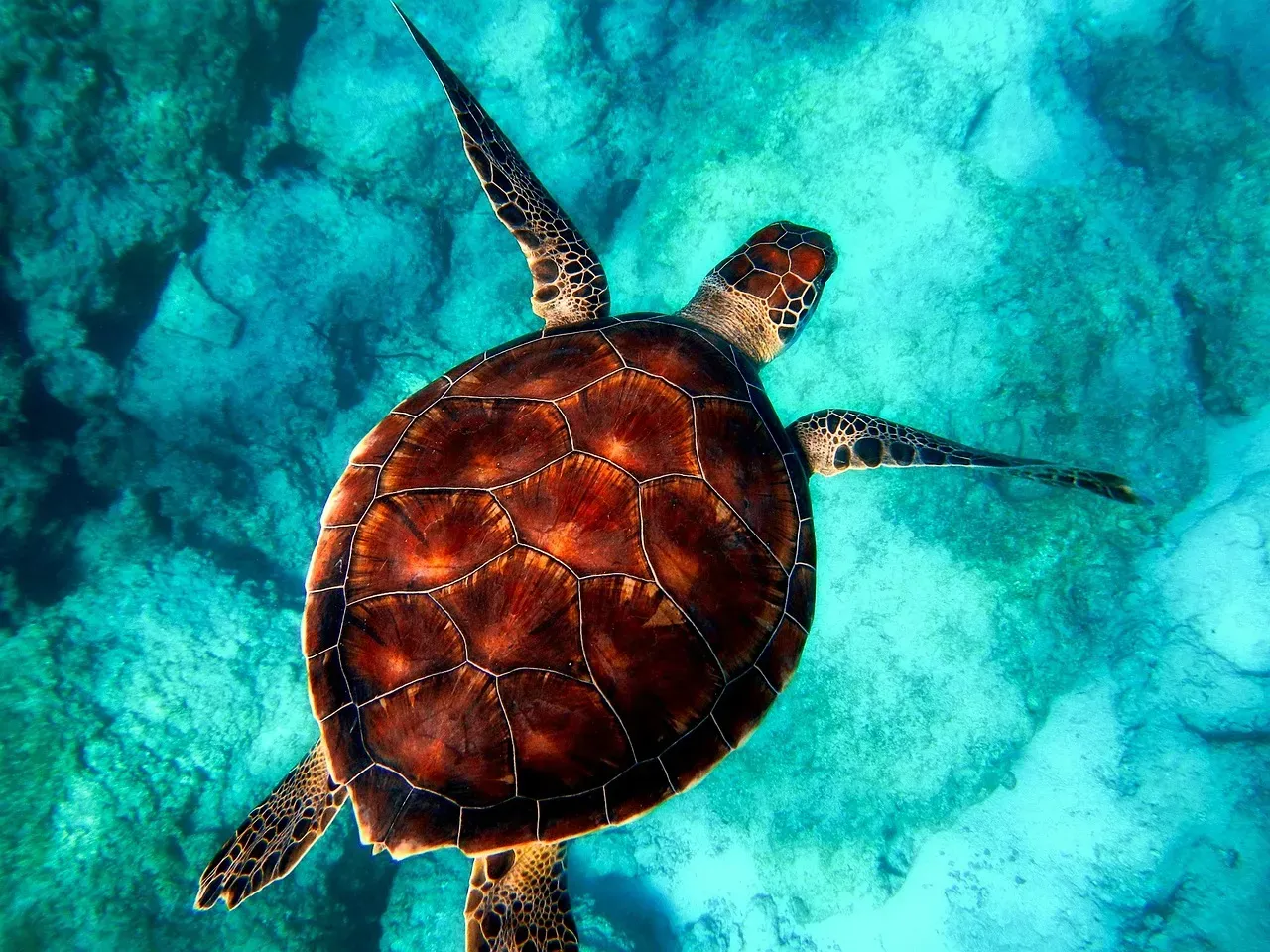
Sea turtles were around at the same time as dinosaurs. In fact, sea turtles as we know them today evolved around 110 million years ago and have changed remarkably little in the time since. That kind of staying power is almost impossible to wrap your head around. While entire species rose and collapsed around them, sea turtles kept swimming.
This means they not only coexisted with dinosaurs for around 45 million years, but they also outlived them, surviving the mass extinction event that took place approximately 65 million years ago. They’ve endured ice ages, continental drift, and the complete reshaping of ocean chemistry. The fact that we share the planet with them right now isn’t something to take lightly.
#2: They Use Earth’s Magnetic Field as an Internal GPS
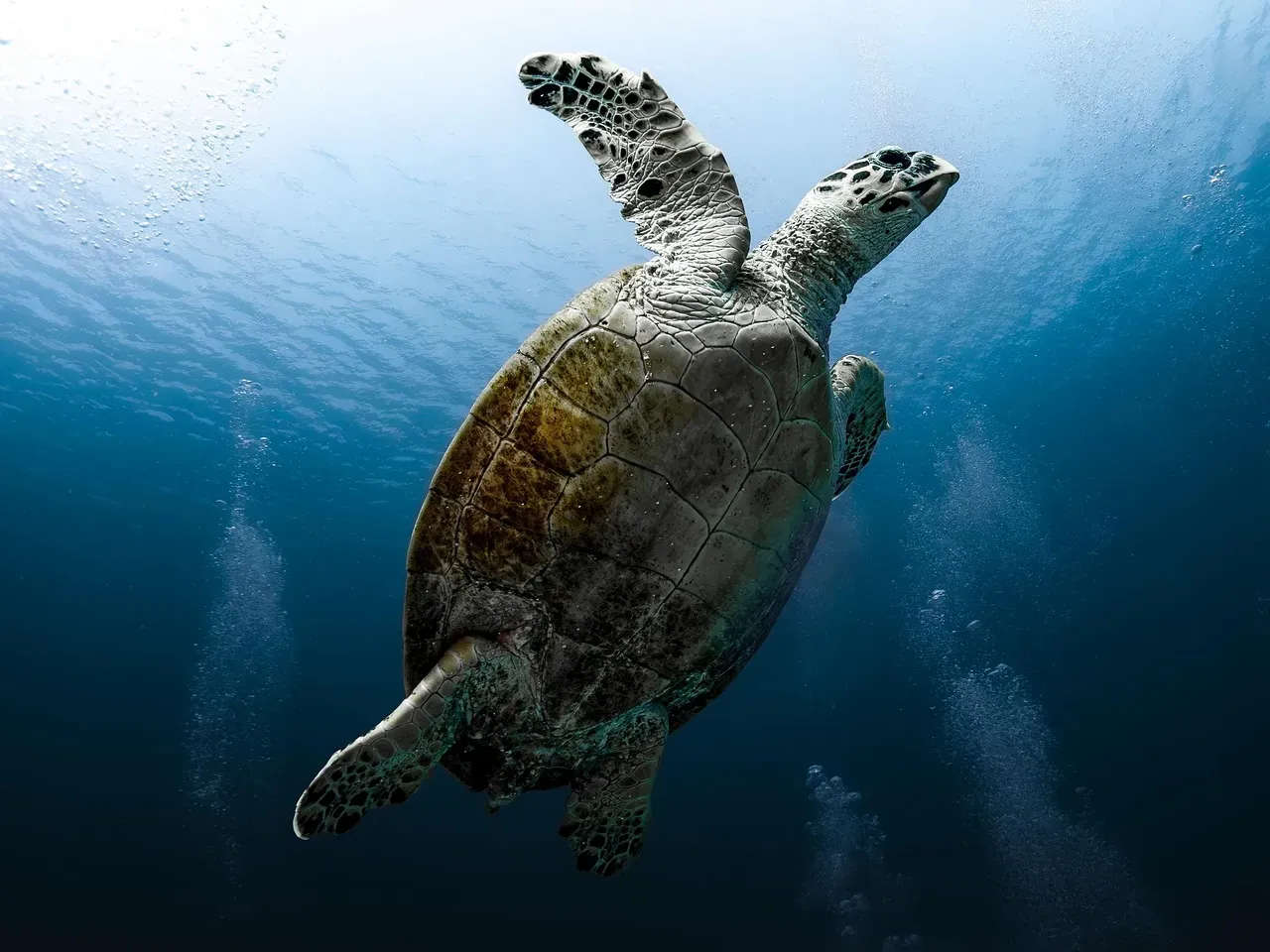
Marine turtles’ remarkable ability to navigate comes from their sensitivity to the Earth’s magnetic fields. This isn’t a vague directional sense. It’s a sophisticated, precise system that allows them to track their position across thousands of miles of open ocean with no landmarks in sight.
Research has shown that different oceanic regions have distinct magnetic signatures, characterized by unique intensities and inclinations of Earth’s magnetic field. Young turtles are able to detect these variations and adjust their swimming direction accordingly, allowing them to stay on course during migration. Over time, juveniles develop what scientists call “magnetic maps,” an internalized representation of the magnetic topography of their surroundings, which aids them in homing towards specific feeding and nesting sites. It’s essentially a biological compass and map rolled into one, encoded at birth.
#3: Females Return to the Exact Beach Where They Were Born
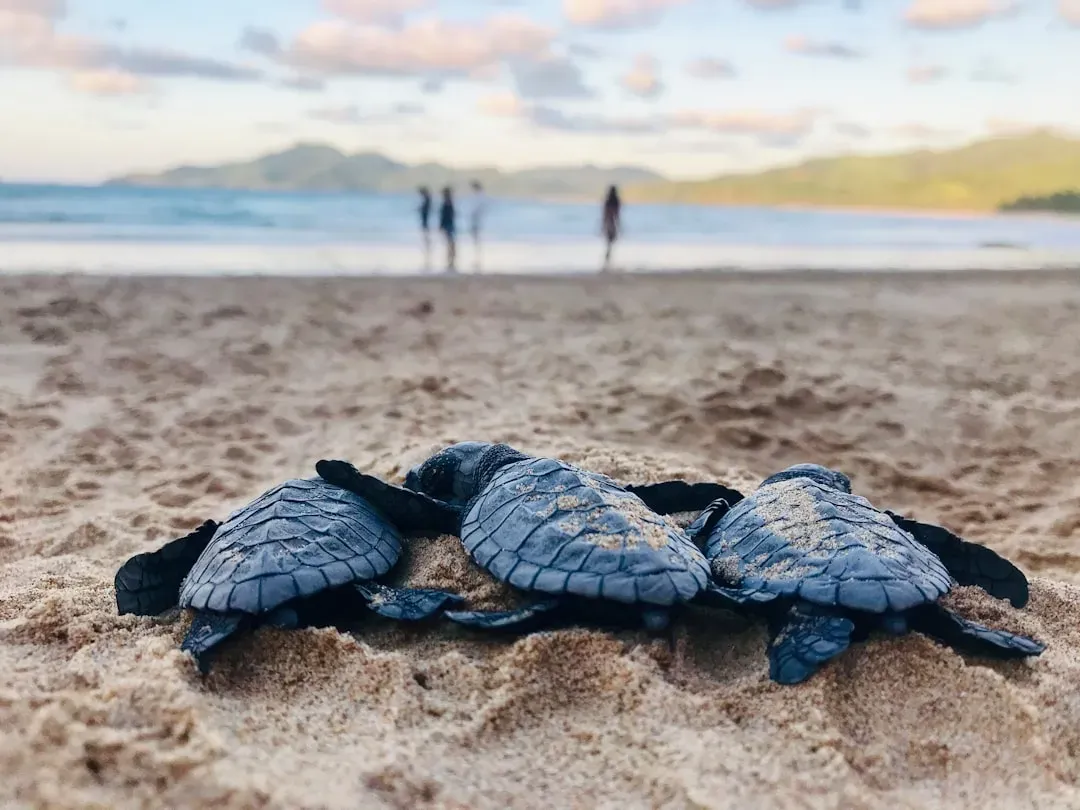
Although sea turtles live most of their lives in the ocean, adult females must return to land to lay their eggs. Scientists believe that nesting female turtles return to the same beach on which they were born. This behavior, known as natal homing, is one of the most remarkable feats in the animal kingdom. After decades at sea, covering thousands of miles, they find their way back to a single stretch of shoreline.
Researchers suggest that sea turtles return to the places where they started life because successful nesting requires a number of rare environmental features, such as soft sand, few predators, and the right temperature with easy access to the beach. As one researcher noted, the only way a female turtle can be sure she is nesting in a place favorable for egg development is to nest on the same beach where she hatched. It’s a strategy refined over millions of years, and it still works.
#4: Sand Temperature Decides Whether Hatchlings Are Male or Female
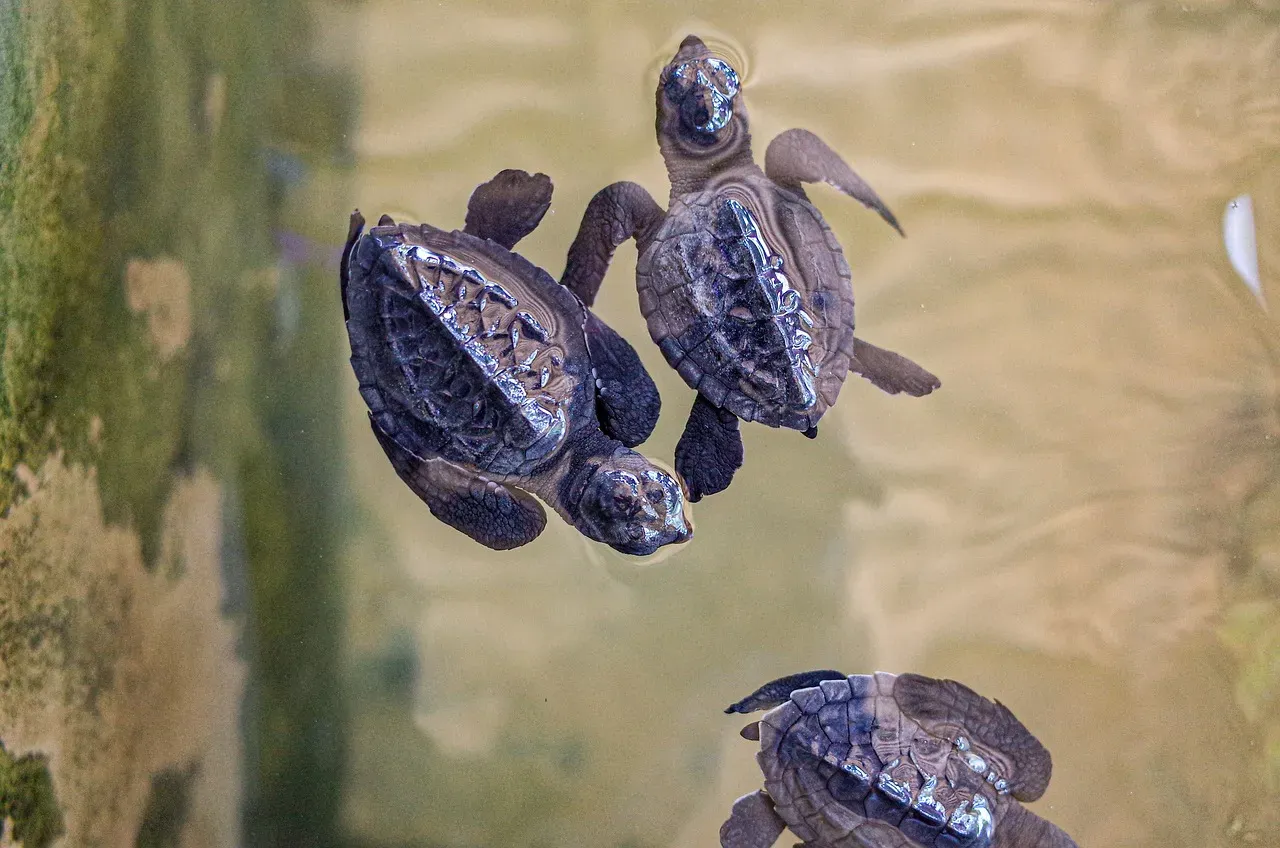
When a female turtle lays her eggs deep in the sand, the eggs are fertilized, but the sex of each embryo has yet to be decided. The temperature of the sand during the middle portion of the 45 to 65 days that the sea turtle eggs incubate will determine whether the egg hatches a boy or a girl turtle. Generally, eggs that incubate at temperatures above 31°C will produce 100% female sea turtles, whereas temperatures below 27.5°C result in 100% male turtles. There’s no chromosome lottery here. The environment makes the call entirely.
As climate change causes temperatures at nesting beaches to rise, the issue of an unbalanced sex ratio has become a topic of concern. Researchers have been tracking alarming trends as global temperatures rise, with fewer male turtles hatching from nesting beaches. If warming continues unchecked, entire populations could become overwhelmingly female, threatening their long-term survival in ways that are still being studied.
#5: The Leatherback Can Dive Deeper Than Most Marine Mammals
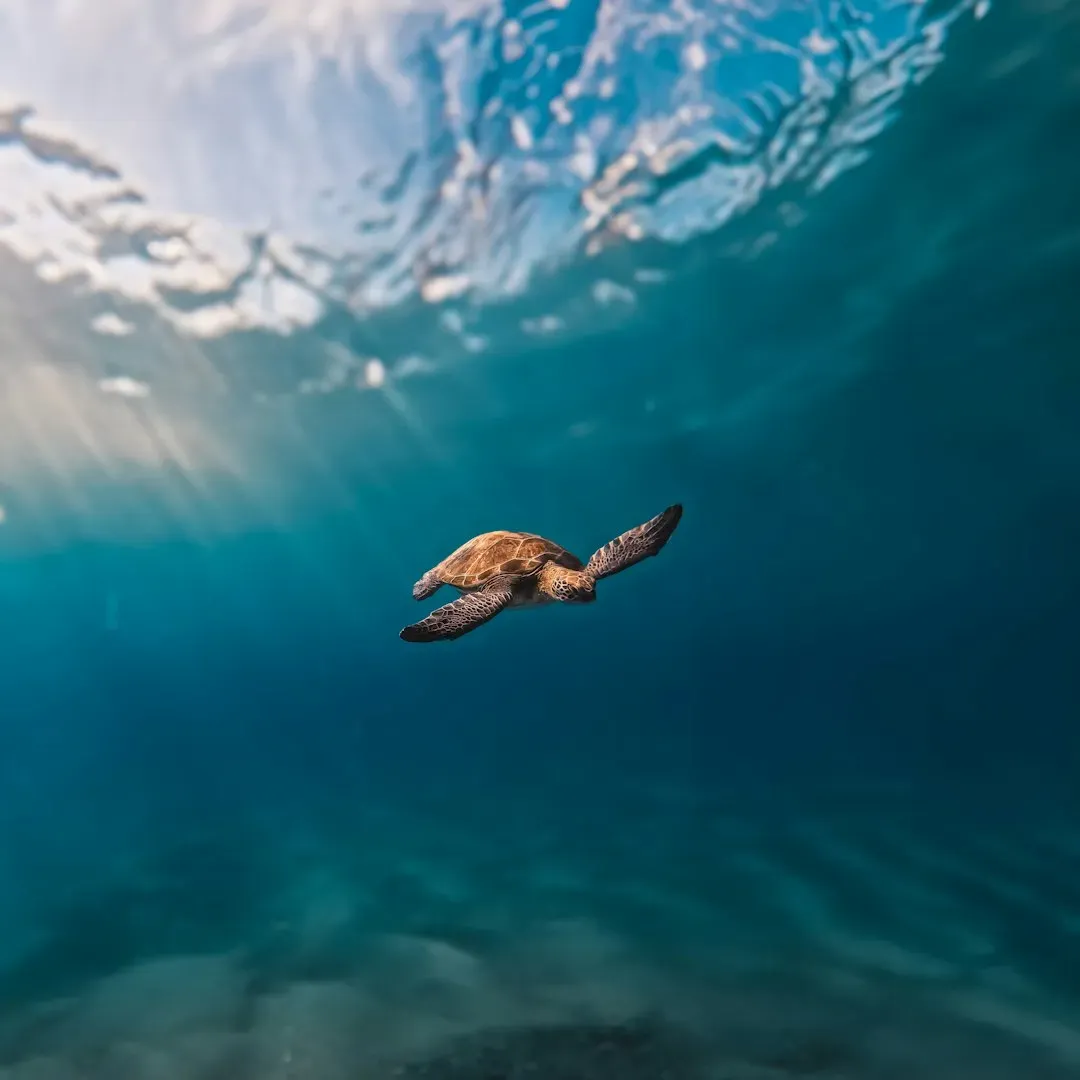
The leatherback sea turtle is the largest turtle in the world. They are the only species of sea turtle that lacks scales and a hard shell. They are named for their tough rubbery skin and have existed in their current form since the age of the dinosaurs. Their physical design alone sets them apart from every other turtle species on the planet.
While hard-shelled sea turtle species prefer shallow coastal waters, leatherbacks are masters of the deep, regularly diving to depths of over 1,000 meters, far deeper than most air-breathing animals. The deepest dive ever recorded by a leatherback was an astonishing 4,409 feet. Leatherbacks can only dive to these impressive depths due to special adaptations like a compressible shell that can withstand intense pressure and oxygen management capabilities that include the ability to absorb nitrogen through their carapace, thereby preventing decompression sickness. They’re essentially built like submarines.
#6: A Single Leatherback Can Swim Over 10,000 Miles in a Year
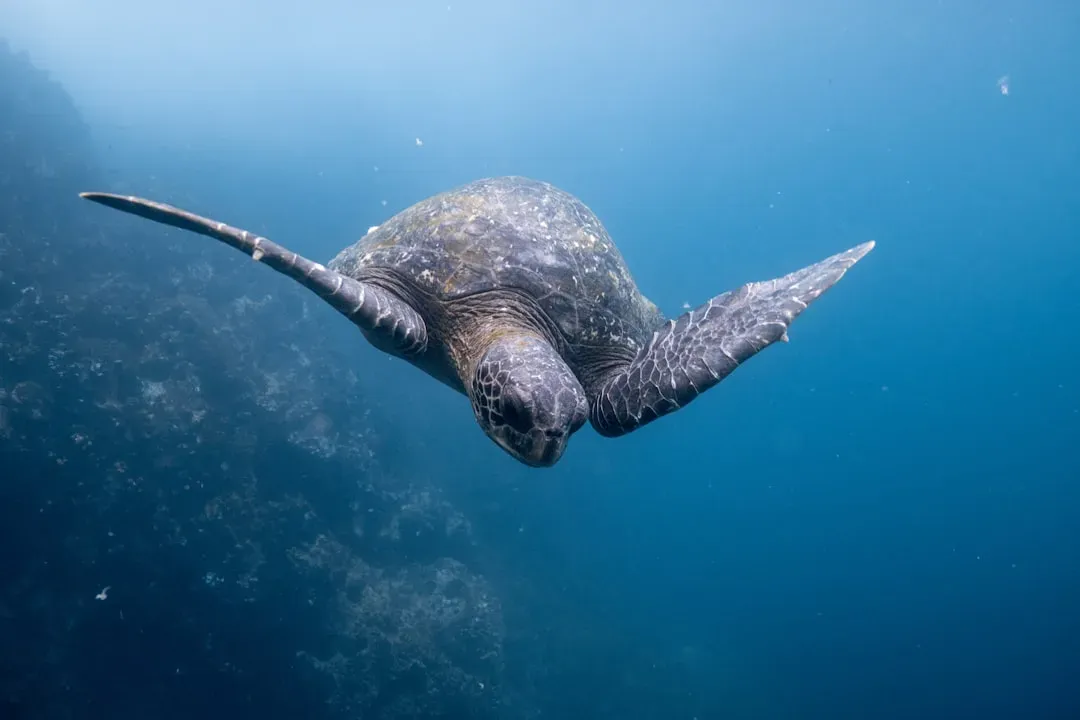
Leatherbacks are highly migratory, some swimming over 10,000 miles a year between nesting and foraging grounds. They are also accomplished divers, with the deepest recorded dive reaching nearly 4,000 feet, deeper than most marine mammals. That kind of annual travel distance is comparable to crossing the continental United States more than three times over.
The longest known migration record belongs to a female leatherback who swam nearly 13,000 miles over 647 days, from Indonesia to the west coast of America. That works out to over 20 miles a day. No fuel, no maps, no rest stops. Just open ocean and that extraordinary internal navigation system guiding the way.
#7: Green Sea Turtles Are Named for What They Eat, Not What They Look Like
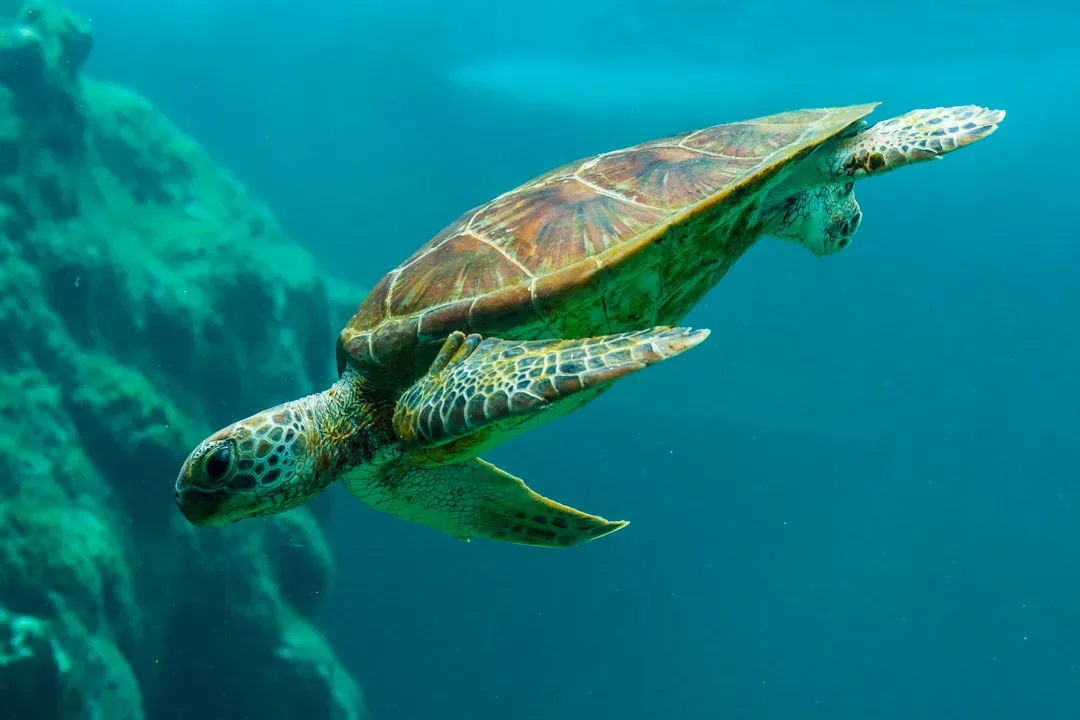
Green sea turtles are unique among sea turtles in that they are primarily herbivores, eating mostly seagrasses and algae. This diet is what gives their cartilage and fat a greenish color, not their shells, which is where their name actually comes from. It’s one of those quirks of animal naming that makes perfect sense once you hear the explanation, but surprises almost everyone the first time.
Adult green sea turtles are mostly herbivores, grazing on seagrasses and algae. Their jaws are finely serrated, like the edge of a saw, which helps them tear and chew tough plant material. An adult green sea turtle will eat around 2kg of seagrass every day, typically cropping the grass just a few centimetres from the bottom of the blade. That’s a precise, daily routine that has a profound effect on the entire underwater landscape around them.
#8: Sea Turtles Are Keystone Species That Shape the Ocean’s Health
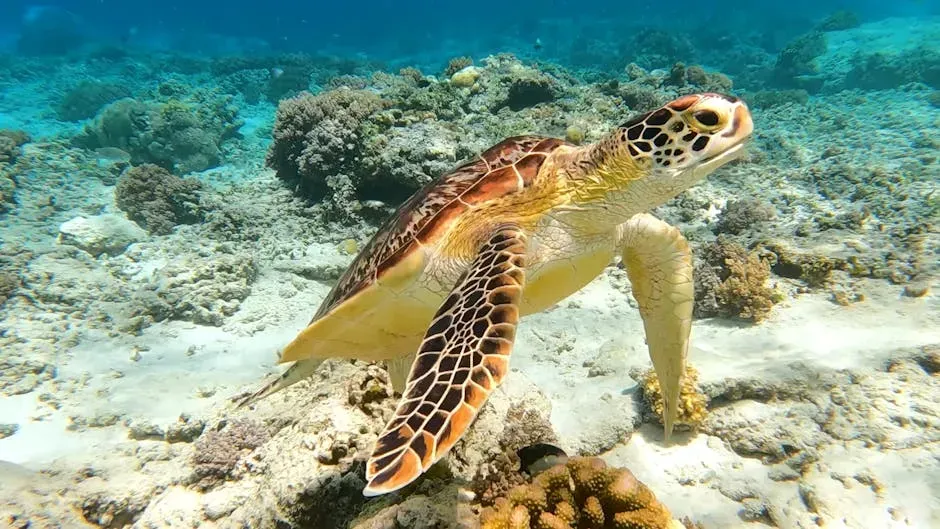
Sea turtles play a vital role in supporting productive oceans. They help maintain coral reef and seagrass ecosystems and transport essential nutrients from the oceans to beaches and coastal dunes. Sea turtles are a “keystone species,” which means they are an essential part of their environment, and they influence other species around them. Remove them from the equation, and the effects ripple outward through entire marine systems.
Studies have shown that seagrass beds grazed by sea turtles have higher species richness and diversity compared to ungrazed areas. The grazing activities of sea turtles also help to maintain the structure and function of seagrass ecosystems, which in turn support a wide range of marine life, including commercially important fish species. Their decline could disrupt these ecosystems, with cascading effects on biodiversity and human livelihoods. Protecting sea turtles is therefore not only a conservation priority but also essential for sustaining ecosystem services upon which coastal communities depend.
#9: Their Faces Are as Unique as Fingerprints
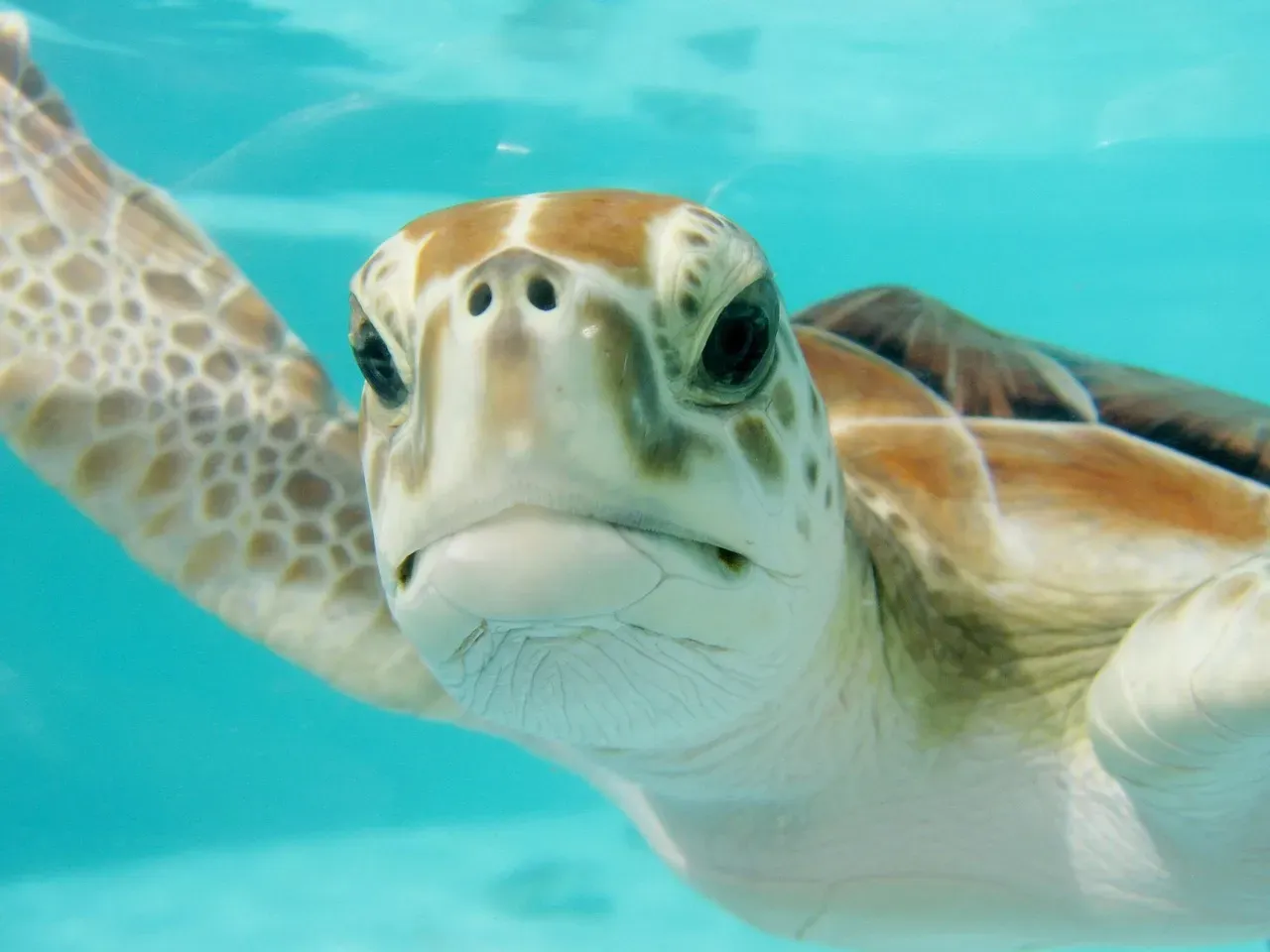
Not only can you tell sea turtle species apart by the patterns on their shells and faces, you can also tell individual turtles apart. The scale pattern on a turtle’s face is as unique as a fingerprint, and scientists are now using those unique patterns to identify and keep track of individual sea turtles. This has opened up a surprisingly practical tool for conservation researchers who need to monitor population movements over time.
You can tell sea turtle species apart by the color, shape, and pattern of their shells and the pattern of the scales on their faces. Each species has unique “scute patterns” on their shells and faces that offer the only surefire way to distinguish between species. Combine that with individual variation at the face level, and you have a natural biometric system that’s been in place long before we thought to use it.
#10: The First Years of a Sea Turtle’s Life Are Still Largely a Mystery
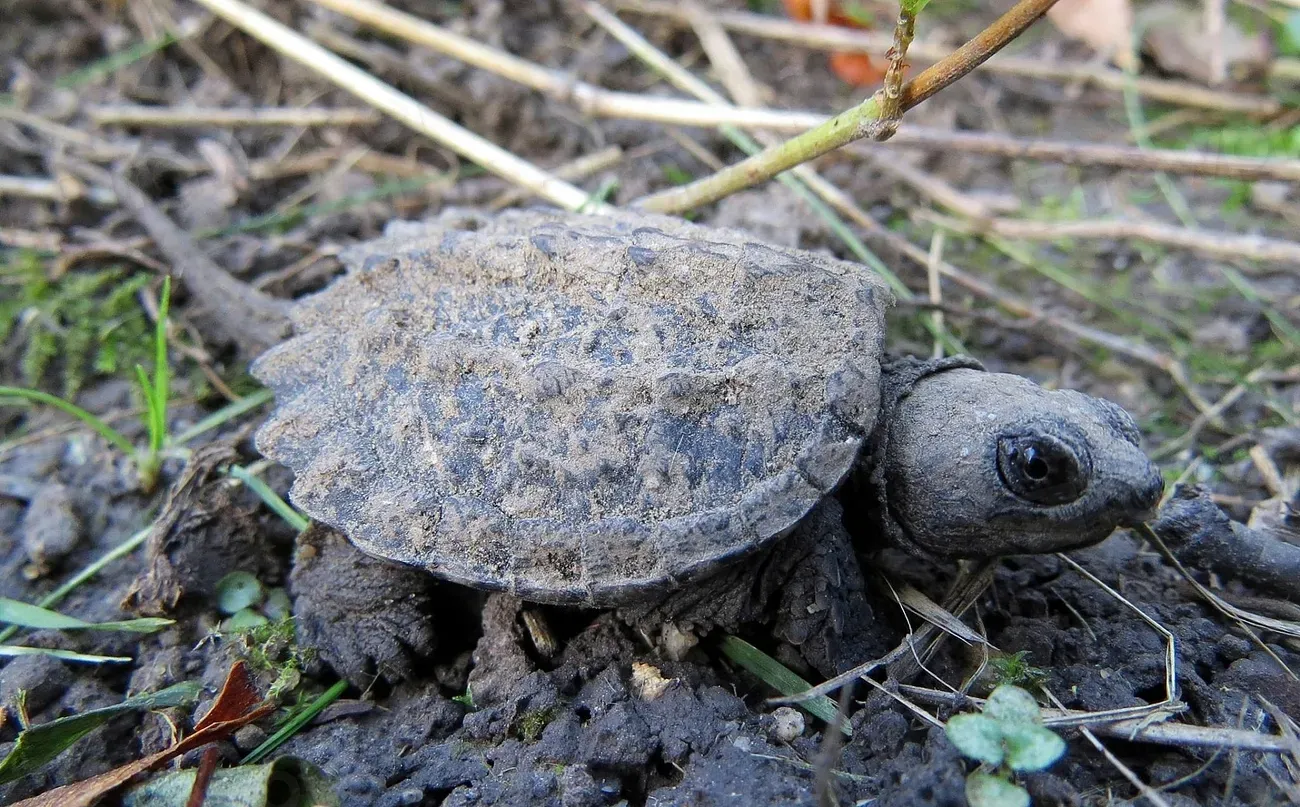
The first few years of a marine turtle’s life are known as the “lost years.” That’s because the time between when the hatchlings emerge until they return to coastal shallow waters to forage is incredibly difficult to study. The lost years they spend at sea, which can be up to 20 years, largely remain a mystery. These animals essentially vanish into the open ocean as tiny hatchlings and reappear as juveniles without scientists having a clear picture of where they went or how they survived.
Researchers do not yet know how long baby turtles spend in the open sea, or exactly where they go. It is theorized that they spend their earliest, most vulnerable years floating in giant beds of sargasso weeds, where they do little more than eat and grow. Once turtles reach a certain size, they appear at feeding grounds in nearshore waters. It’s estimated that only around 1 in 1,000 marine turtle hatchlings make it to adulthood, which means every adult turtle you see has already beaten extraordinary odds just to reach that point.
Why All of This Actually Matters
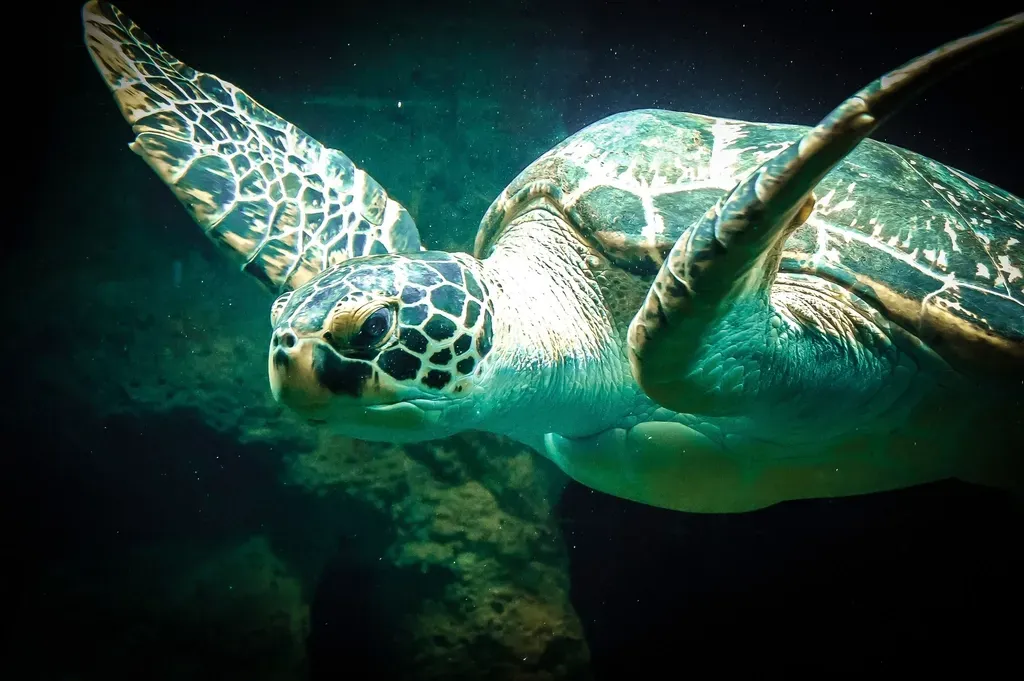
Sea turtles aren’t just survivors of deep time, they’re active participants in the ocean’s ongoing health. Their grazing, their migrations, their nesting, all of it feeds back into ecosystems that support marine life in ways we’re still mapping out. In a notable conservation milestone, green sea turtles were globally reclassified on the IUCN Red List of Threatened Species from “Endangered” to “Least Concern” in 2025, a sign that sustained protection efforts can genuinely move the needle.
Still, the picture isn’t uniformly optimistic. Pollution remains a key threat, with turtles often mistaking plastic bags for food. One study estimated that at least 1,000 sea turtles die each year from plastic entanglement, though the true number is likely far higher. The story of sea turtles is ultimately a story about what the ocean can sustain, and what we choose to protect in it.
These animals have navigated ice ages, extinction events, and shifting continents. The one challenge they didn’t evolve to face is us. That’s worth sitting with for a moment the next time you see one drifting quietly through the blue.

- 7 US States With the Largest Moose Populations - July 31, 2026
- Which Zodiac Signs Bond Best With Large Dogs - July 31, 2026
- 12 Unique Animal Mating Rituals That Are Stranger Than Fiction - July 31, 2026