

Most people picture a predator and think of raw aggression. A creature driven by hunger and instinct, operating on some basic, unknowable frequency. Orcas shatter that idea completely. These are animals that grieve their dead, teach their children specialized languages, lead their families through decades of accumulated wisdom, and hunt in coordinated strikes that would make a military strategist pause.
They’re called killer whales, yet they’re not whales at all. They carry a name given by sailors who feared them, a name that barely scratches the surface of what they actually are. The more science uncovers about orcas, the more the line between “predator” and something far more complex begins to blur.
#1: Orcas Are Actually the World’s Largest Dolphin, Not a Whale
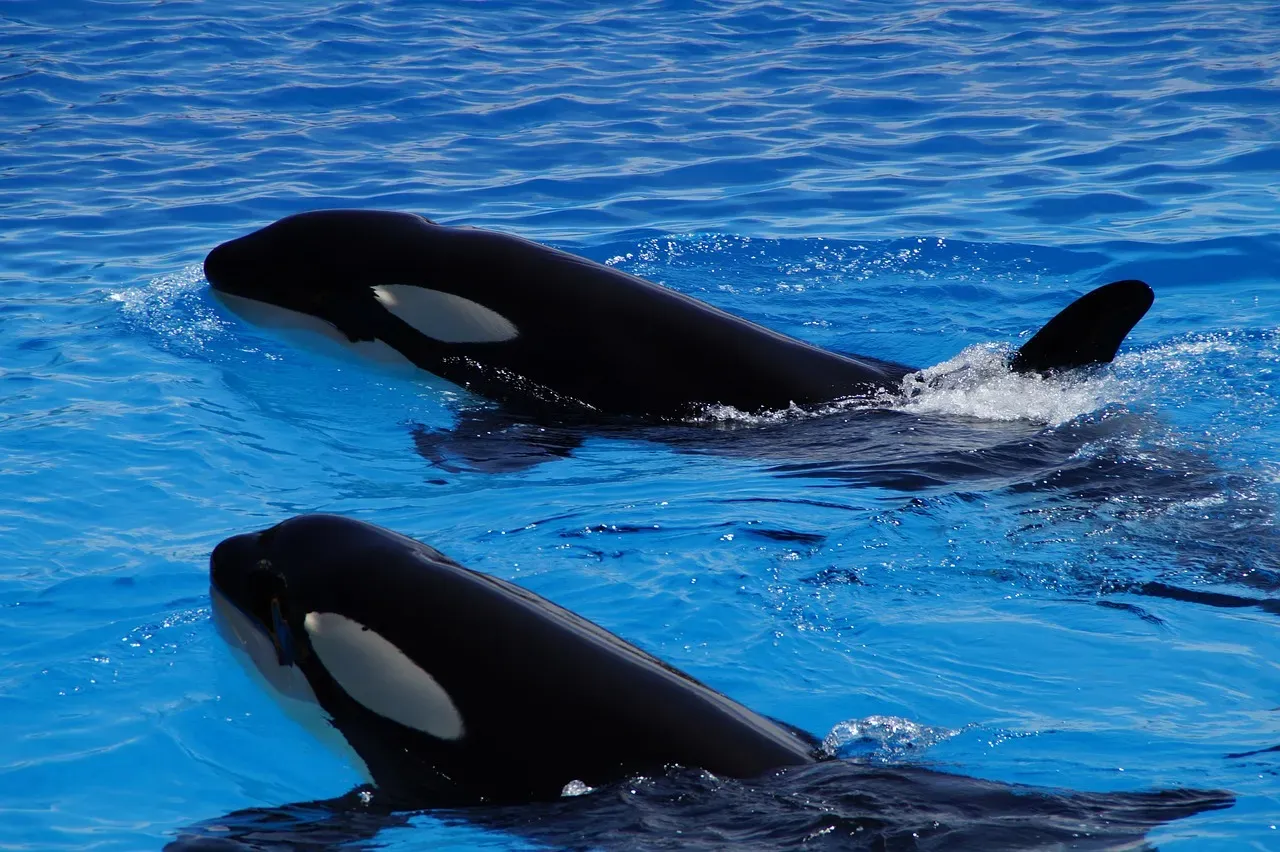
The name “killer whale” has stuck around for centuries, but it’s technically misleading. Despite their common name, killer whales are not true whales. Orcas are the largest members of the oceanic dolphin family, Delphinidae. That puts them in the same family as bottlenose dolphins and common dolphins, just scaled up to a startling degree.
Male killer whales can grow impressively large, reaching up to 32 feet long and weighing as much as 10 tons or more, with females being a bit smaller. That’s dolphin intelligence packed into a body the size of a city bus. Orcas were given the name “killer whale” by ancient sailors who observed groups of orcas hunting and preying on larger whale species. They called orcas ballena asesina, or “killer whale.”
Their Latin name, Orcinus orca, also reflects this observation of orcas feeding on large whales. Orcinus translates to “of the kingdom of the dead,” and orca refers to a kind of whale. The name is ancient, dramatic, and only tells part of the story.
#2: They Have a Brain Built for Society and Strategy
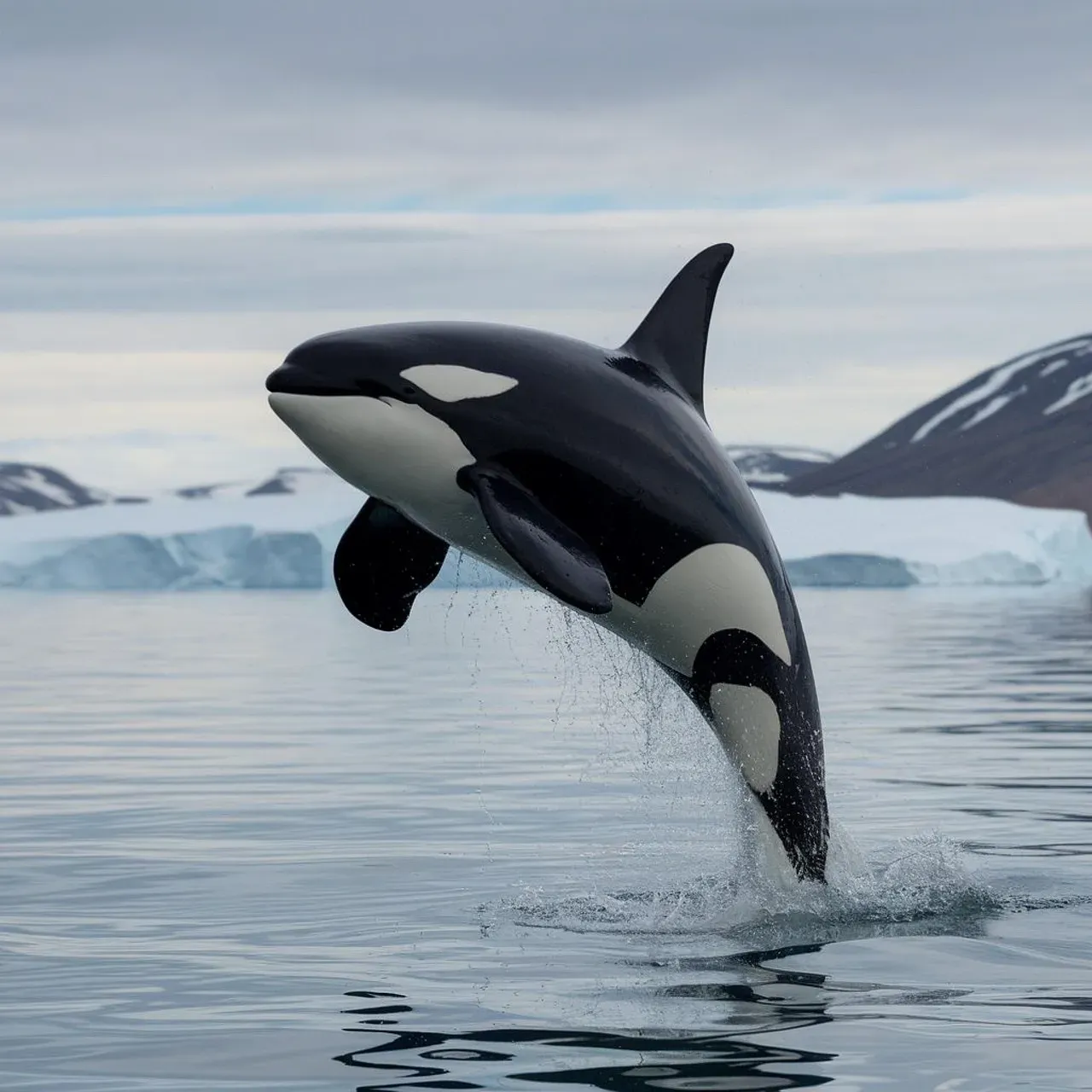
Orcas are known for their high intelligence and problem-solving abilities, which they utilize when hunting in groups. In fact, they have the second-largest brain of all marine animals when comparing brain mass to body size. That’s a remarkable distinction in a ocean full of complex creatures.
A killer whale’s brain can weigh as much as 15 pounds, with some evidence suggesting their IQ is equivalent to that of a 15 or 16-year-old human. Beyond raw brain weight, the architecture matters too. Like humans, orcas have a powerful display of personality, identity, and range of emotion, including playfulness and empathy, due to their highly developed insular cortex.
Orca brains are the heaviest on the planet, with a proportionally bigger cerebrum than humans. Female orcas have a higher brain-to-body ratio than males, giving them even more computational power, which helps matriarchs recall fishing spots. That detail alone is worth sitting with for a moment.
#3: Every Pod Speaks Its Own Dialect
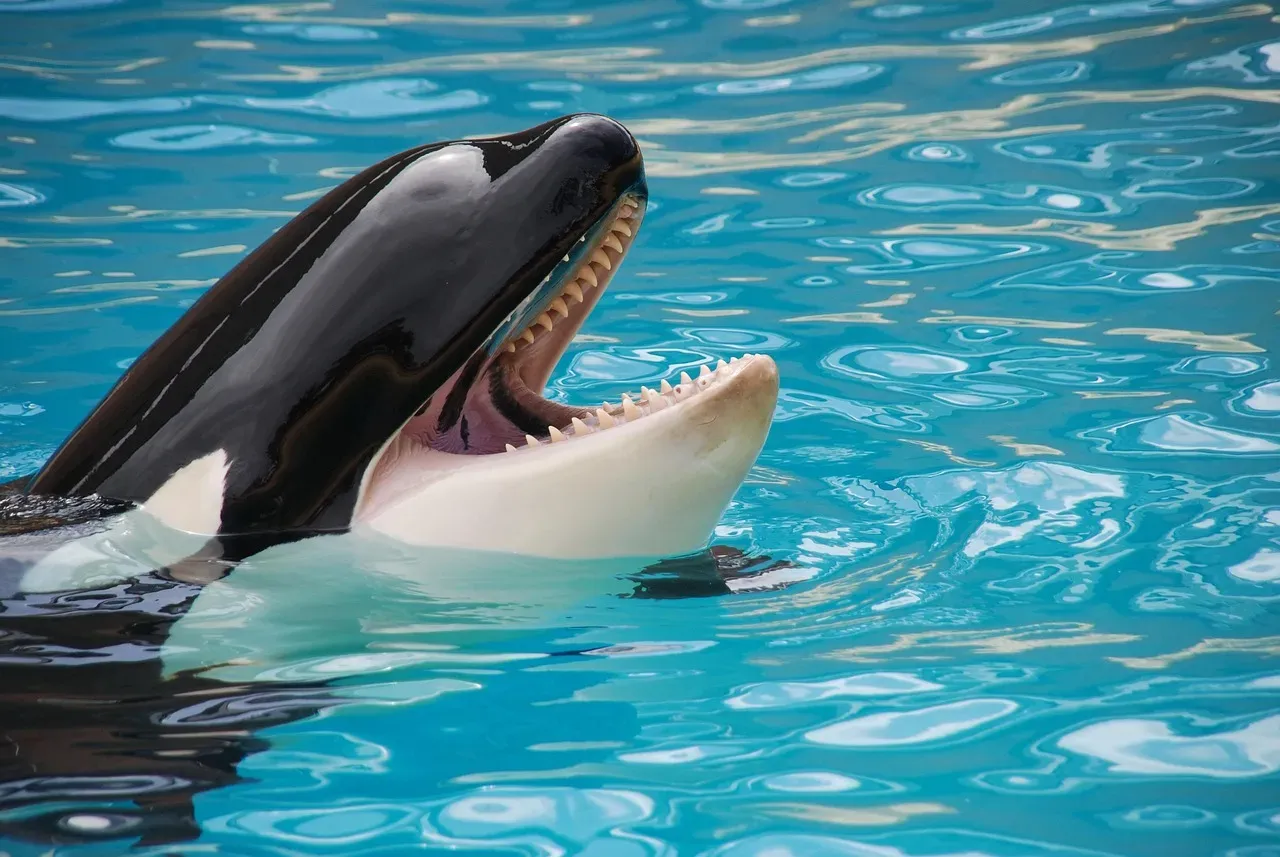
Orcas are acoustic animals, meaning sound helps them perceive their world. They make vocalizations using clicks, whistles, and calls, each of which allows orcas to form a sense of identity, communicate with each other through a distinct dialect, and interact with other pods. Their language is both learned and inherited.
Each pod has its own distinctive calls, like different dialects of the same language. The species can learn to mimic new sounds, which may help them form these dialects. Researchers have noted that the distinctions between dialects can be remarkably sharp. One researcher says each dialect may be as distinct as English is to Japanese.
Each orca family has its own unique dialect, allowing them to distinguish themselves from others and communicate effectively during hunting and social interactions. For orca calves, this language acquisition begins extraordinarily early. For many orcas, it is first heard inside their mother’s womb.
#4: Orca Culture Is Passed Down Through Generations
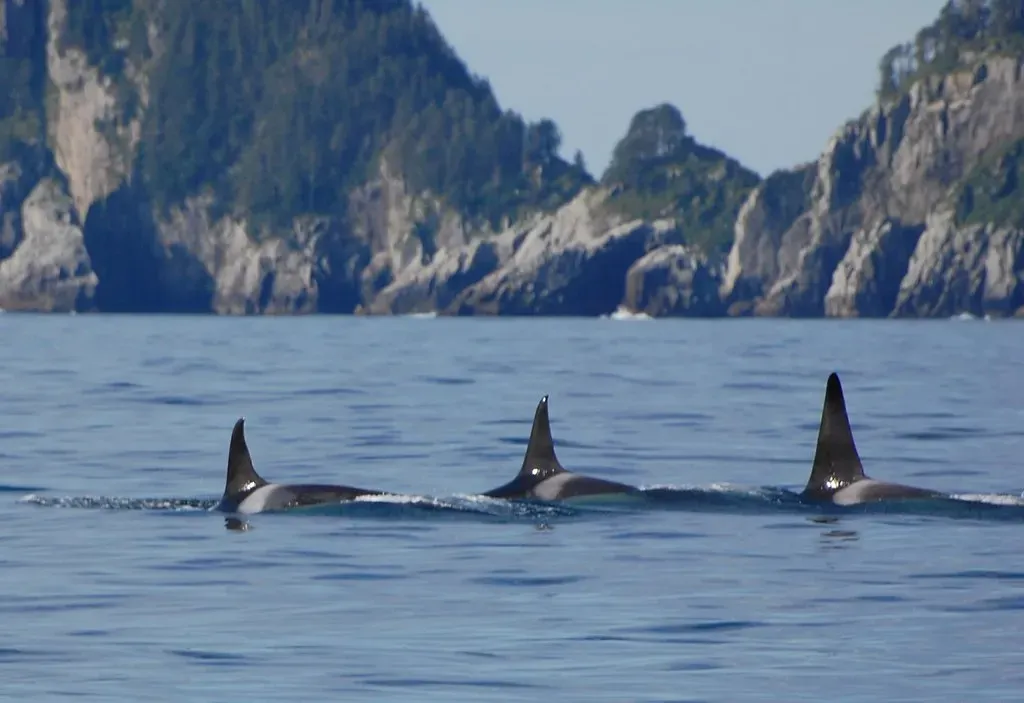
Orcas pass their unique behaviors, like dialects, hunting strategies, and social dynamics, from generation to generation. This isn’t instinct working on autopilot. It’s learned culture, the kind of knowledge transfer that scientists once assumed was uniquely human.
Killer whales live in matrilineal family groups called pods. These pods are not just familial units. They operate as sophisticated social networks where knowledge, such as hunting techniques and vocalizations, is passed down from generation to generation. Different pods in the same waters can have completely different customs, almost like neighboring towns with different traditions.
Although the diet of orcas depends to some extent on what is available where they live, it is primarily determined by the culture for each ecotype of orca. For example, one ecotype in the U.S. Pacific Northwest exclusively eats fish, mainly salmon, and another ecotype in the same area primarily eats marine mammals and squid. The same ocean, two entirely different cultures.
#5: Grandmothers Are the True Leaders of the Pod
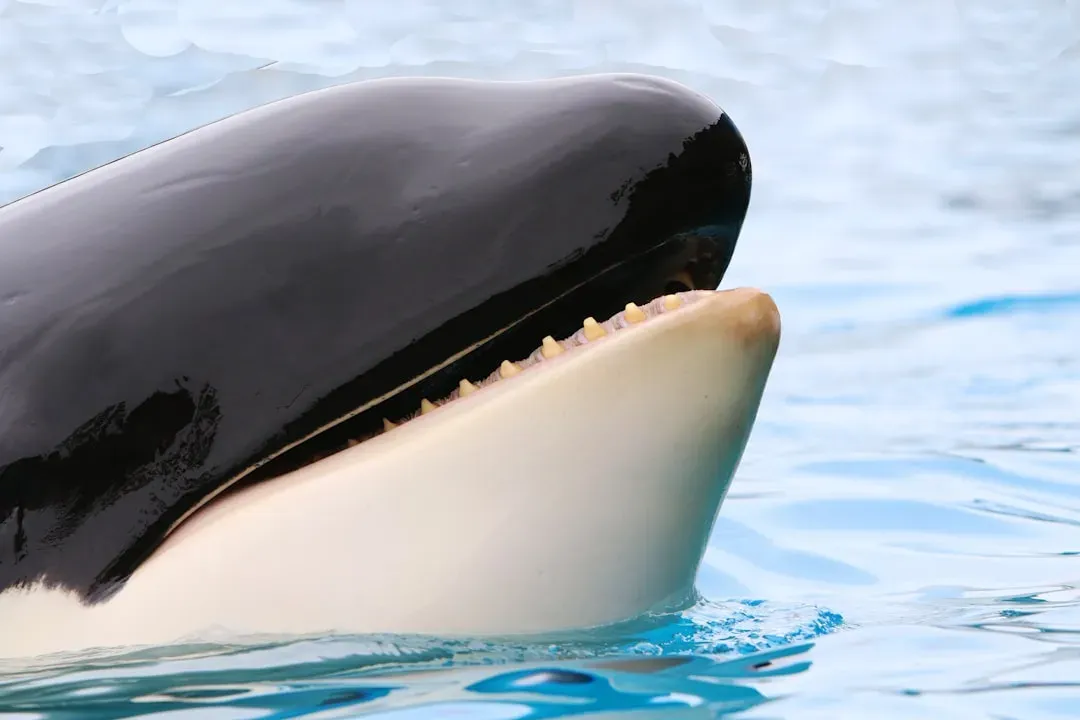
Orcas live as social creatures in a matriarchal society. Their pods are led by female authority, and typically that authority is passed from mothers to daughters. Grandmothers help care for their grandchildren while also leading the pod’s hunting efforts. The oldest female in each pod carries a responsibility to teach the younger orcas how and where to hunt, which locations they should call home, and how to identify potential dangers.
Post-menopausal females, or grandmothers, significantly increase the survival chances of their grand-offspring. These matriarchs act as ecological knowledge carriers, guiding their families to food sources, particularly during periods of low prey availability. Their value to the group increases with age rather than fading.
These wise old matriarchs are living libraries for the environmental and cultural knowledge that keeps their clan alive. In a world where knowledge can mean the difference between a full belly and starvation, having a matriarch who has survived decades of changing conditions is a profound survival advantage.
#6: Orcas Are One of the Only Non-Human Species That Go Through Menopause
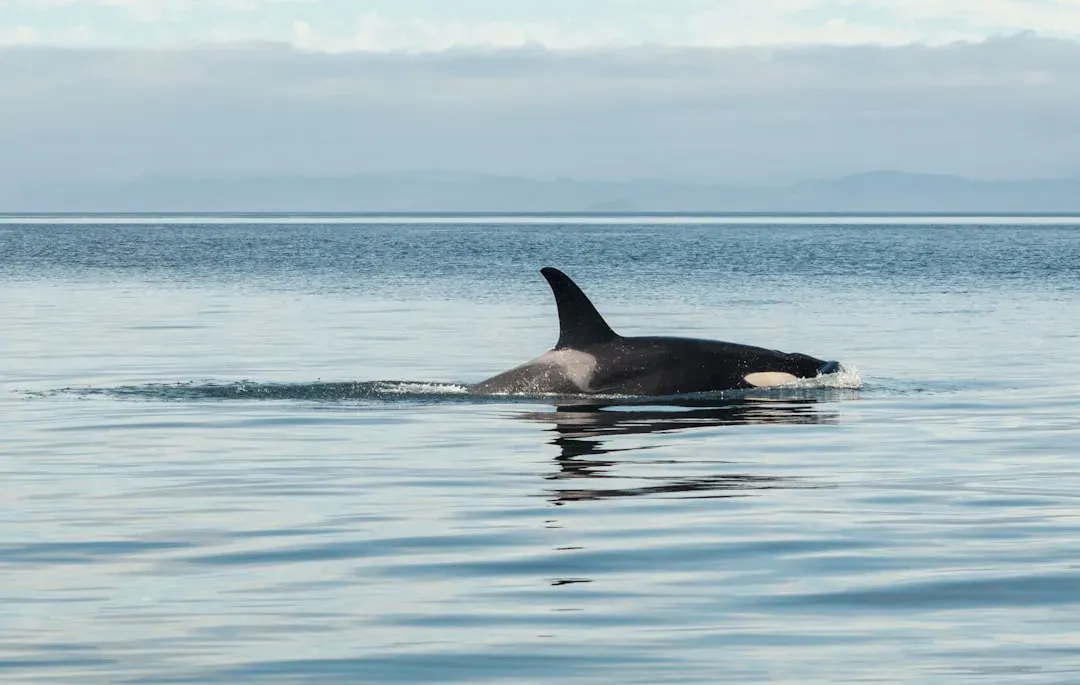
This one genuinely surprises most people. Orcas, short-finned pilot whales, and humans are the only known species that go through menopause. For a long time it was thought only human females had menopause. The discovery that orcas share this biological trait reshaped how scientists think about why menopause evolved at all.
Orcas join humans and three other species of toothed whale, namely beluga, narwhal, and short-finned pilot whales, as the only known females to have a post-reproductive life that’s as long, if not longer, than their reproductive one. That’s an extraordinary commitment of biological resources to a non-reproductive role.
This is one of the few non-human species in which females live long after menopause, a phenomenon scientists call the “grandmother effect.” Their post-reproductive years are a gift to their families because their experience and wisdom help younger relatives survive. Evolution, in this case, preserved wisdom over fertility.
#7: Their Hunting Tactics Are Genuinely Sophisticated
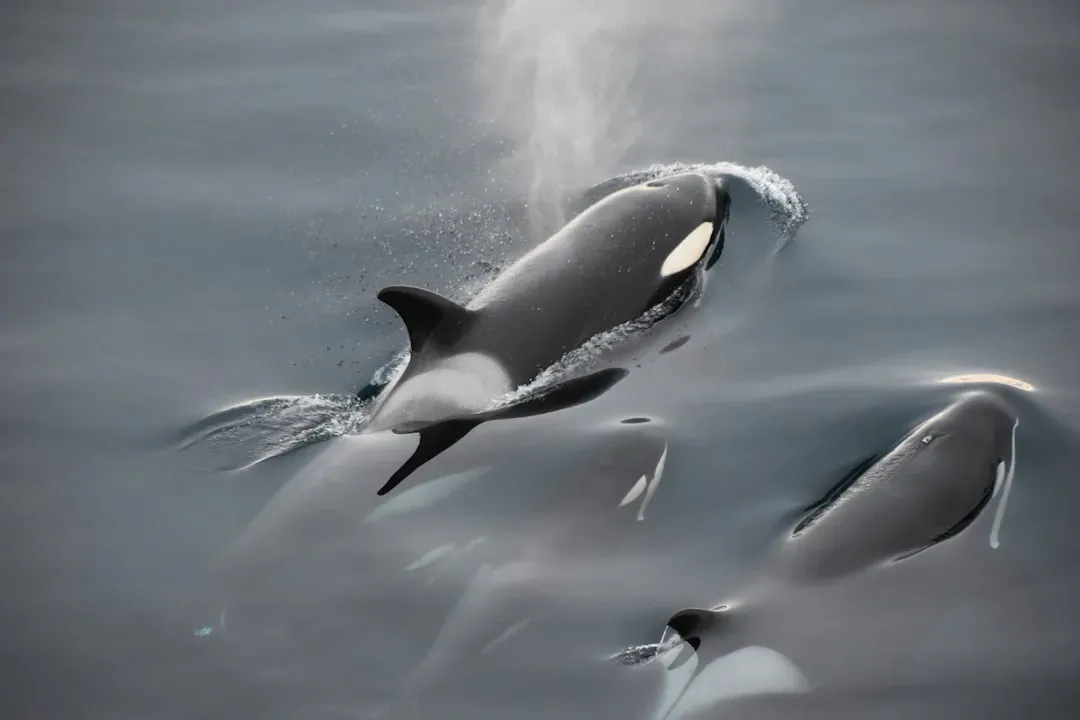
They deploy a remarkable range of learned hunting strategies: beaching themselves to snatch seals from the shore in Argentina, creating waves in Antarctica to push seals off floating ice, and coordinating attacks to kill blue whales near western Australia. Each of these strategies is a learned behavior, not instinct.
In March 2019, researchers off the coast of southwestern Australia witnessed a gruesome scene: a dozen orcas ganging up on one of the biggest creatures on Earth to kill it. The orcas devoured huge chunks of flesh from the flanks of an adult blue whale, which died an hour later. This was the first-ever documented case of orca-on-blue-whale predation, but it wouldn’t be the last.
Some orca populations seem to have learned that shark livers are particularly rich in nutrients and that it’s worth killing sharks and discarding the rest of their carcasses just to get to the nutritious organs. Researchers have documented killer whale populations targeting the livers of a variety of sharks, including attacking great white sharks off South Africa and tearing open whale sharks off Mexico. Surgical precision from an apex predator is a sobering thing to consider.
#8: They Sleep With Only Half Their Brain at a Time
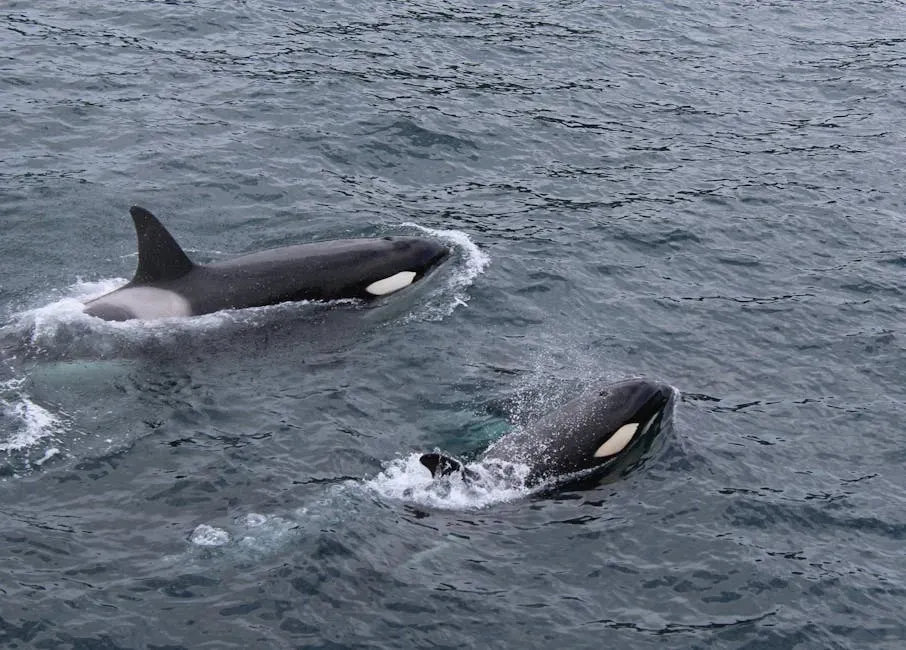
Orca sleep is one of those facts that sounds impossible until you understand the biology behind it. Orcas cannot sleep the way humans do. They have to remain conscious even when they are sleeping. This is because their breathing is not automatic. They have to actively decide when to breathe, so they must be conscious even while asleep. If orcas went into a deep unconscious sleep like us, they would stop breathing and suffocate or drown.
To get around this, orcas only allow one half of their brains to sleep at a time. The other half stays alert, enabling them to continue breathing while looking out for dangers in the environment. They only close one eye when they sleep. The left eye will be closed when the right half of the brain sleeps, and vice versa. This type of sleep is known as unihemispheric sleep, as only one brain hemisphere sleeps at a time.
Orcas periodically alternate which side is sleeping so that they can get the rest they need without ever losing consciousness. It’s a biological solution so elegant it almost seems designed. Rest, vigilance, and survival all managed simultaneously.
#9: Orcas Show Real Signs of Grief and Emotional Depth
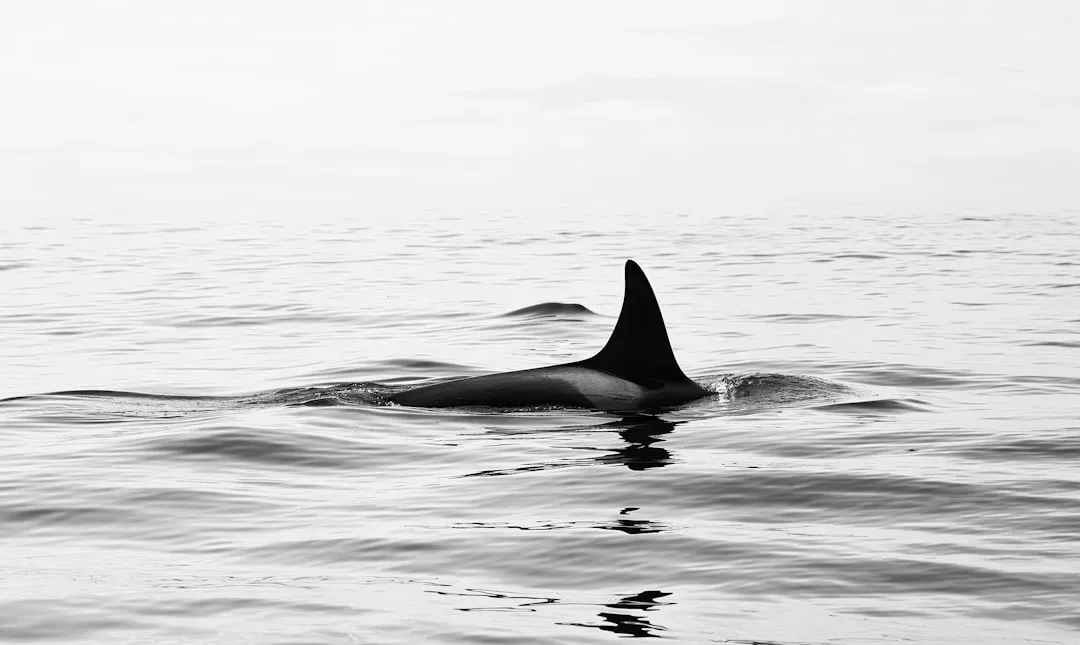
The behavior that perhaps unsettled the scientific world most is orca grief. In 2018, researchers spotted a seemingly grief-stricken female orca pushing her dead newborn calf around. The orca, named Tahlequah, pushed her lifeless calf for at least 17 days, covering 1,000 miles of ocean before she eventually let go of it. It remains one of the most emotionally striking observations in modern cetacean research.
Understanding non-human animal emotions can be tricky, especially with wild animals, but researchers have noted behavior in orcas that seems tied to specific emotions. For example, two male orcas who found the body of an older female whale, believed to be their mother, exhibited signs of grief: they physically retraced their mother’s last known whereabouts together, avoided socialization with other whales, and retreated from group activities.
They have complicated social rituals, including elaborate greeting ceremonies, and seem to exhibit behavior more commonly associated with primates, which mirrors human emotions such as friendship and grief. Whether we call it grief in the human sense or not, the behaviors are consistent, documented, and hard to explain away.
#10: They Are Highly Adaptable and Found in Every Ocean on Earth
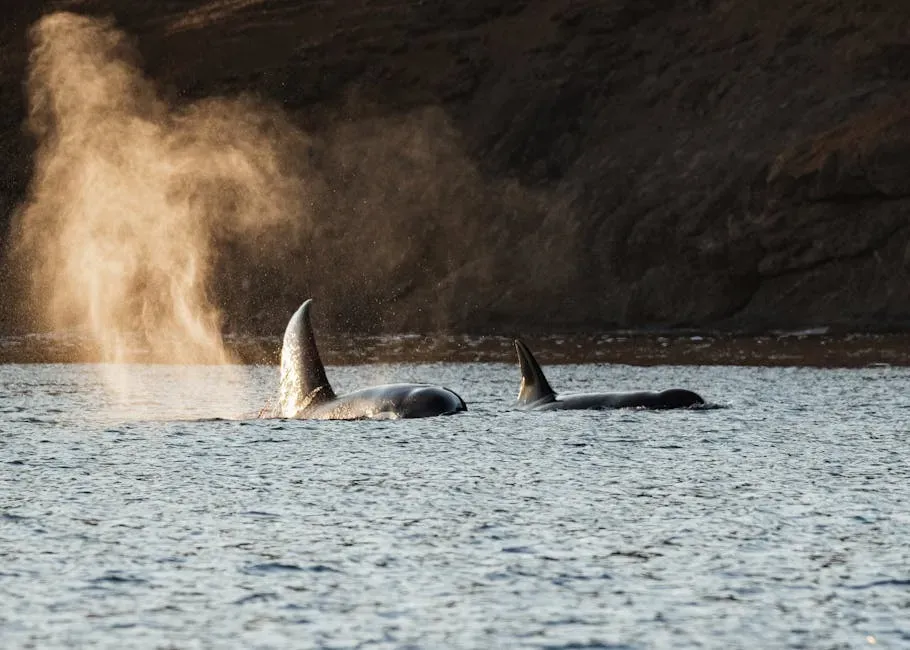
A cosmopolitan species, orcas inhabit a wide range of marine environments, from Arctic to Antarctic regions to tropical seas, but are more commonly documented in temperate or cooler coastal waters. No other apex predator commands such a vast and varied geographic range.
Looking at all populations, orcas are generalist eaters, consuming fish, seals and sea lions, dolphins and porpoises, sharks and rays, large whales, cephalopods, seabirds and more. That dietary flexibility, combined with their cultural ability to develop new hunting techniques, makes them remarkably resilient. Changing ocean conditions and a growing human presence may be forcing the species to adapt and innovate and learn new tricks to survive.
Orcas are extremely fast swimmers, recorded at speeds of up to 33.5 miles per hour. A wild orca pod can cover over 99 miles in a day, foraging and socializing. Speed, intelligence, adaptability, and culture. It’s a combination that has kept them at the top of every ocean on the planet.
The Predator That Rewrites the Rules
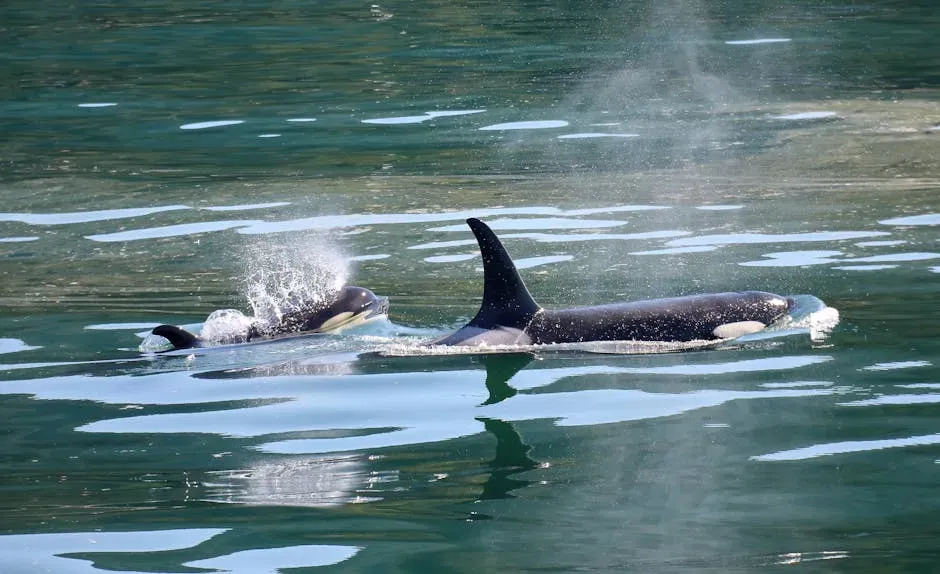
Orcas don’t fit neatly into the predator archetype we grew up with. They’re not mindless hunters. They’re not solitary killers driven by appetite alone. They’re creatures that love, grieve, teach, remember, and innovate in ways that challenge our assumptions about what animal intelligence really looks like.
The word “predator” will always apply. They’re extraordinarily effective ones. But the more you learn about orcas, the more the label feels insufficient. These are animals with culture older than written history, family bonds that last a lifetime, and cognitive tools that continue to surprise the scientists studying them.
Perhaps the most honest conclusion is this: orcas don’t need us to redefine what a predator is. They’ve been quietly redefining it themselves, one generation at a time.
