

Netflix’s Stranger Things introduced us to one of television’s most terrifying monsters: the Demogorgon. This eyeless, flower-faced creature from the Upside Down has haunted our nightmares since 2016. While it might seem like pure science fiction, the Demogorgon actually borrows heavily from real animal biology in ways that might surprise you.
The artists at Aaron Sims Creative were given the task of designing the look of the Demogorgon, with the description of a “humanoid creature with no face, just a mouth.” Yet beneath this monstrous exterior lies a creature that follows surprisingly realistic biological patterns. From its complex life cycle to its hunting behaviors, the Demogorgon mirrors real animals in fascinating ways that make it feel genuinely possible.
The Demogorgon’s Unusual Classification System
Mark Steger, the performer who brought the Demogorgon to life, imagined the creature as “less of an animal or a plant, but more like a mushroom. The DNA is closer to an animal than it is to plants, but it is something different, like some kind of a fungus or a mushroom.” This unique biological positioning actually makes perfect sense when you consider modern taxonomy.
Fungi are now known to be genetically more closely related to animals than to plants. This creates an interesting middle ground that the Demogorgon occupies perfectly. Like fungi, it seems to exist somewhere between the plant and animal kingdoms, sharing characteristics with both but belonging fully to neither.
A Life Cycle That Mirrors Nature’s Most Complex Systems

The book Stranger Things: Worlds Turned Upside Down indicates that the following names were internally used for the phases of the life cycle: “Pollywog”, “Frogogorgon”, “Catogorgon”, “Demodog” and “Demogorgon”. This five-stage life cycle isn’t just creative naming – it closely parallels the metamorphosis seen in amphibians and insects.
When Dart grows really fast and then eats Dustin’s orange cat, the nougat apparently nutritionally insufficient, it’s clear that the new pet, now escaped, is a baby Demogorgon – like the one that Will spit up at the end of season 1. The rapid growth and dietary changes mirror real metamorphosis processes. In amphibians, all major body changes can happen in about a day, so it is truly a metamorphosis.
The Science of Parasitic Reproduction
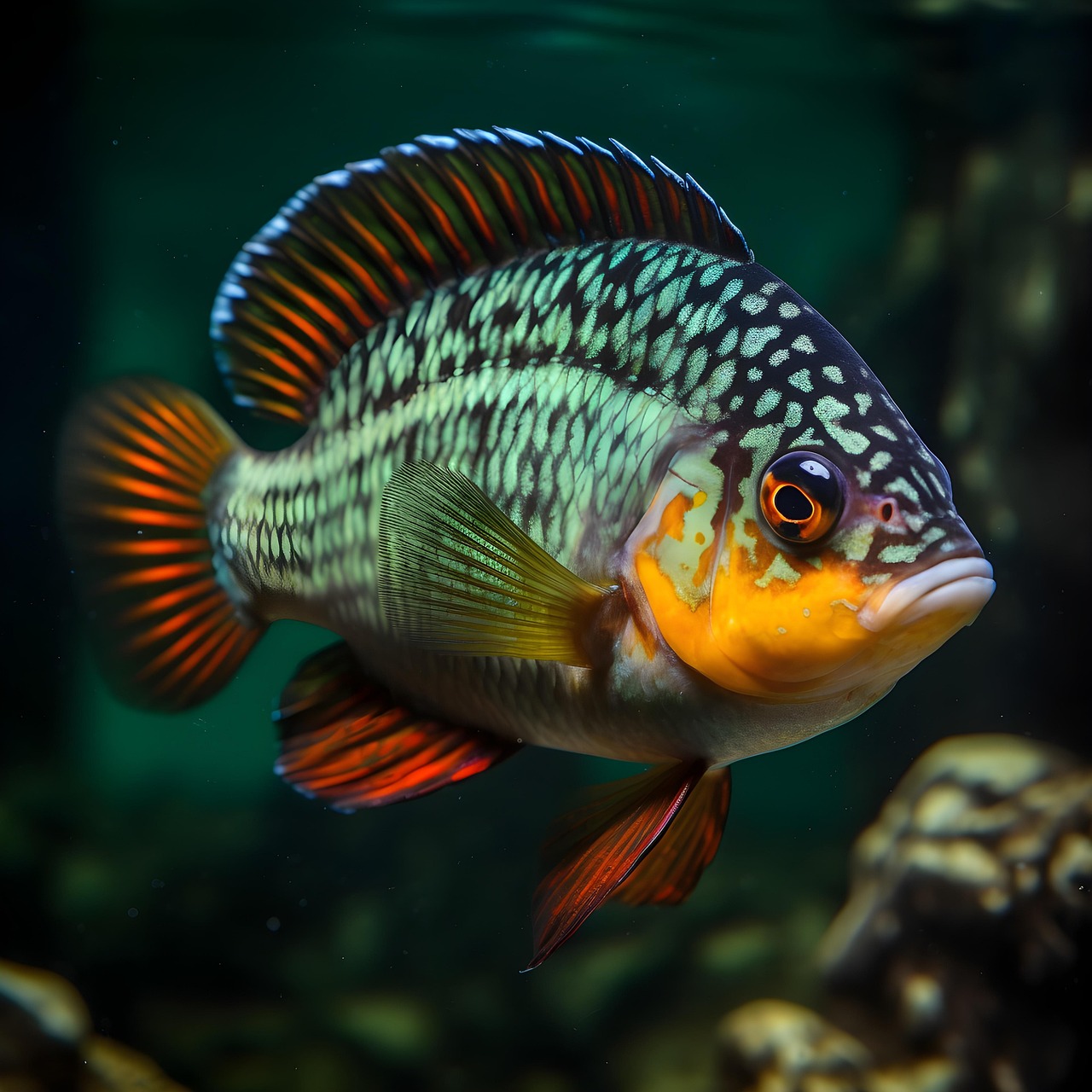
Many species of cichlid fish carry developing larvae in their mouths, and an extinct Australian frog, Rheobatrachus, developed its tadpoles in its stomach. “The Demogorgon could be like a cichlid where it’s either mouth-brooding or like a Rheobatrachus where it’s in his stomach.” This explains Will’s disturbing experience of coughing up a slug-like creature.
This reproductive strategy isn’t uncommon in nature. Many parasitic organisms use hosts to incubate their young, ensuring better survival rates than traditional egg-laying methods. The Demogorgon’s approach mirrors this biological reality remarkably closely.
Predator Sensory Systems That Actually Exist
The Demogorgon’s primary hunting strategy relies on an acute sense of smell, particularly its ability to detect blood from significant distances. This guides its relentless pursuit, as it tracks victims like a shark. This comparison to sharks isn’t accidental – many predators in nature rely heavily on chemical detection for hunting.
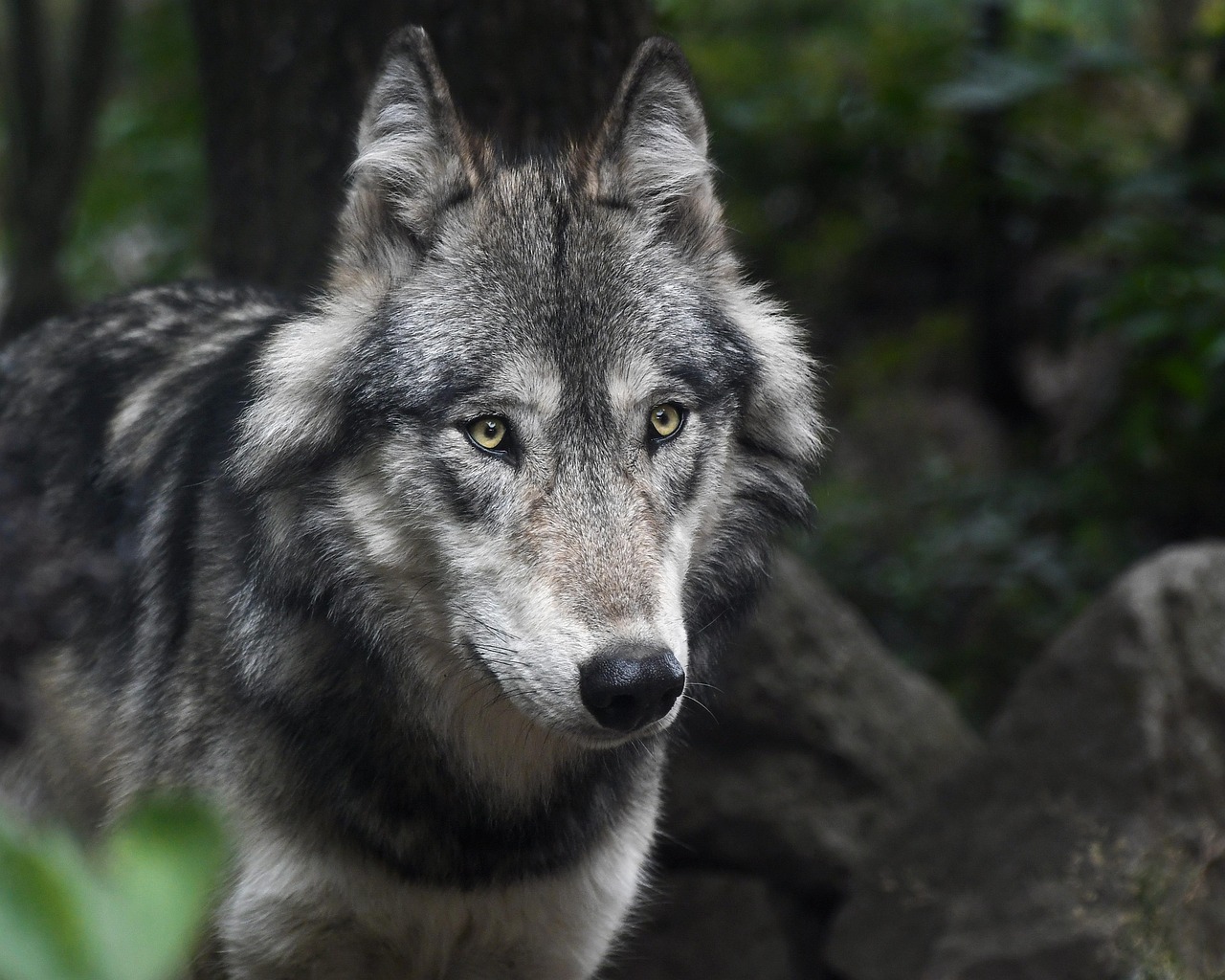
The creature is sensitive to sound and uses brute strength to overcome obstacles. This combination of enhanced smell and sound sensitivity is seen in many nocturnal predators, from wolves to certain species of snakes. The Demogorgon’s hunting profile fits perfectly within established predator behavior patterns.
The Flower-Like Face Design Has Real Biological Precedents
The creature’s head lacks conventional eyes or a face. Instead, it is composed of five petal-like flaps that remain closed until the creature senses prey. These then unfurl to reveal a gaping maw filled with numerous rows of razor-sharp teeth, giving it a predatory, flower-like appearance when open. This design isn’t purely fictional – it’s based on real biological structures.
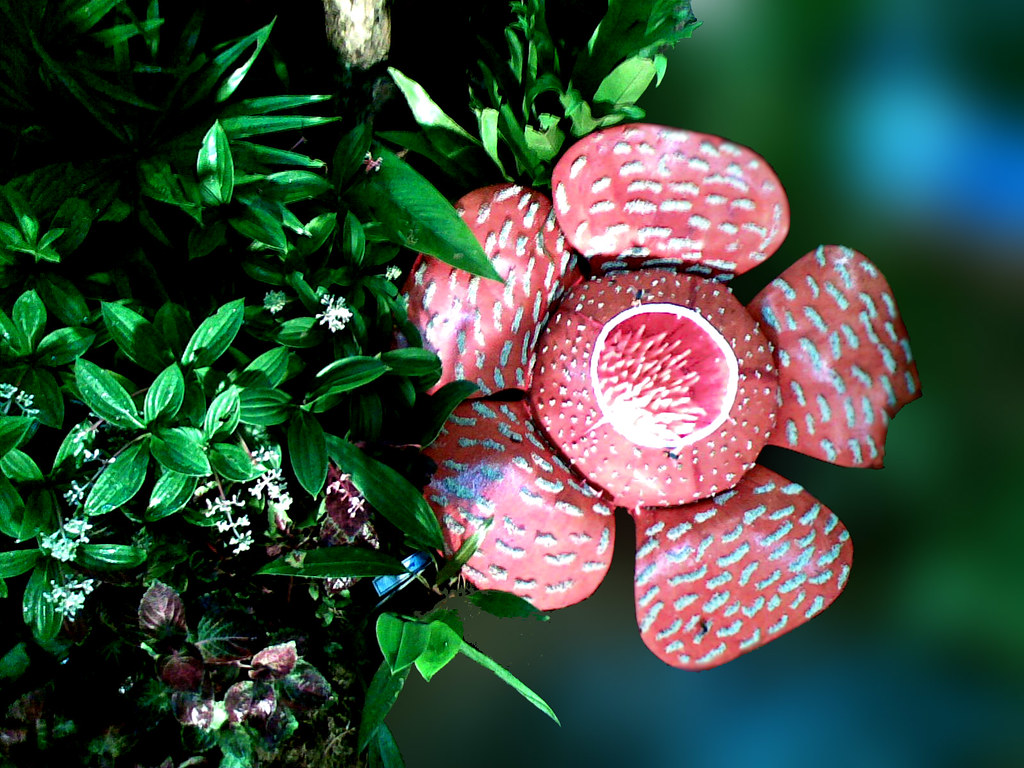
The mouth design has retained the characteristics of the original Demogorgon design, with a main reference to the Rafflesia plant and insect mouth. The Rafflesia is known for its massive, fleshy flower that opens to reveal a cavity designed to attract carrion flies. The Demogorgon’s face operates on similar principles, though with a more predatory purpose.
Fungal Biology and the Upside Down Connection
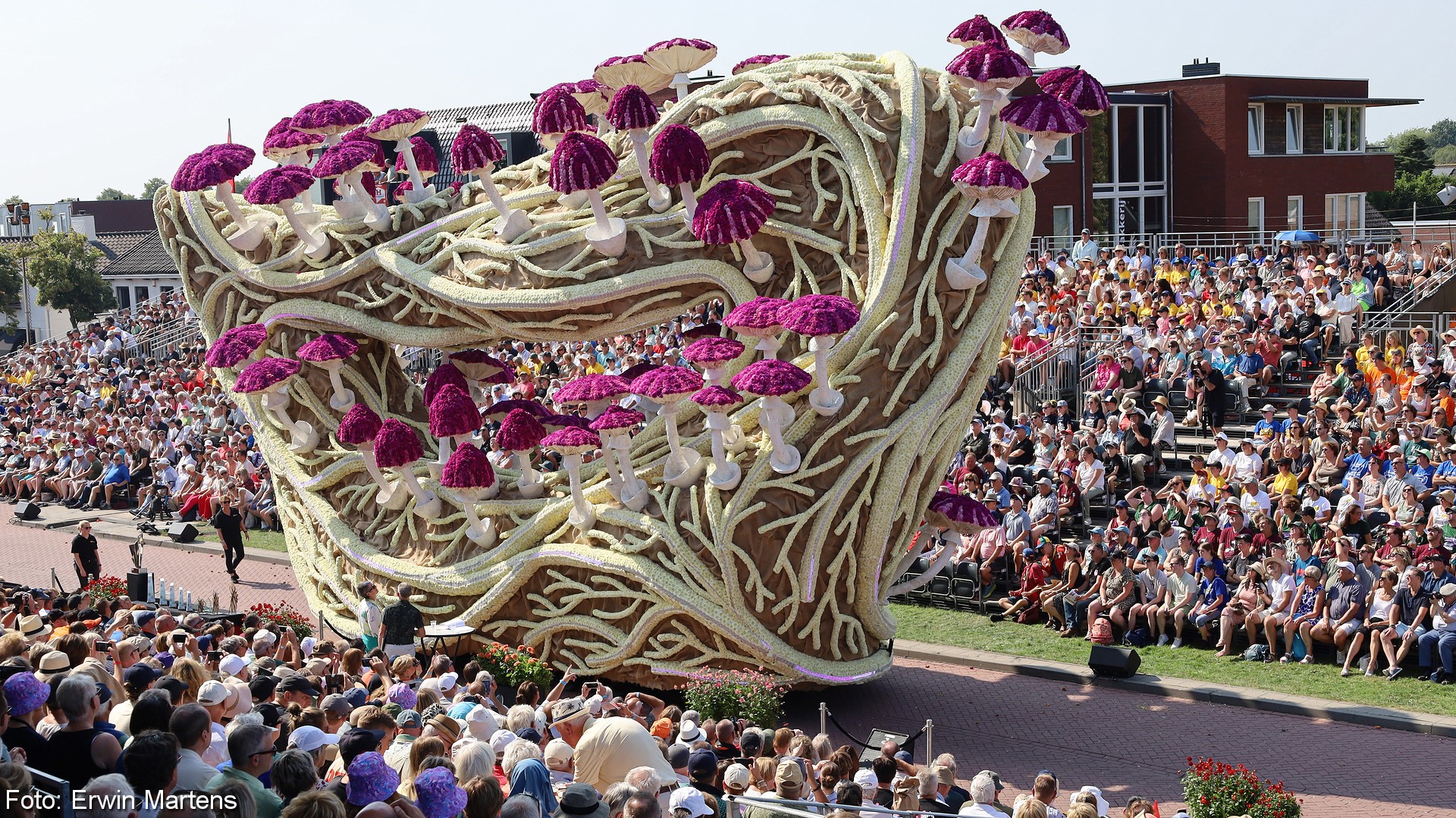
Fungi are abundant worldwide, most are inconspicuous because of the small size of their structures, and their cryptic lifestyles in soil or on dead matter. Fungi include symbionts of plants, animals, or other fungi and also parasites. They may become noticeable when fruiting, either as mushrooms or as molds. This perfectly describes the Demogorgon’s relationship with its environment.
The creature remains hidden in the dark, decaying environment of the Upside Down until it “fruits” by emerging into our world. The team speculated about the creature’s role in the ecosystem of the Upside Down, which is also home to the Mind Flayer and a tangled landscape of vines. This interconnected ecosystem mirrors the complex fungal networks found in real forests.
Hive Mind Behavior and Colonial Organisms
All Demogorgons encountered thus far are assumed to obey the Mind Flayer and by extension Vecna, and make up part of the Upside Down’s hive mind. Under the hive mind’s influence, Demogorgons are murderous, violent and have limited intelligence. This hive mind structure isn’t science fiction – it exists throughout nature.
The adolescent Demogorgons communicate telepathically and sprout four limbs, becoming able to hunt, spring, and tear flesh, just like coyotes. Many colonial organisms, from fungal networks to ant colonies, exhibit similar coordinated behavior patterns. The individual loses autonomy in favor of collective survival and reproduction.
Environmental Adaptation and Dimensional Biology

The Demogorgon is intrinsically linked to the Upside Down, its native and primary habitat. This alternate dimension serves as a dark, decaying mirror image of the real world, often appearing cold, desolate, and overgrown with strange, root-like tendrils. The environment is characterized by a pervasive sense of decay and a lack of light. The creature’s adaptations make perfect biological sense for such an environment.
Steger imagined that the character is from “a different dimension as well. There were these basic things of the biometrics – I felt like I was from a heavier gravity.” This consideration of environmental physics shows remarkable attention to biological detail. Creatures evolved in different gravitational conditions would indeed develop different body structures and movement patterns.
The Demogorgon succeeds as a monster because it follows real biological principles. Its life cycle mirrors amphibian metamorphosis, its hunting behavior matches known predator patterns, and its social structure reflects actual hive mind organisms. Rather than defying nature, it embraces it in the most terrifying way possible.
What makes this creature truly frightening isn’t its supernatural powers, but how believably it could exist in our own natural world. The science behind the Demogorgon proves that sometimes the most effective horror comes from taking real biology and pushing it just far enough into the realm of nightmare. What would you have guessed about the real science behind your favorite monster?
