
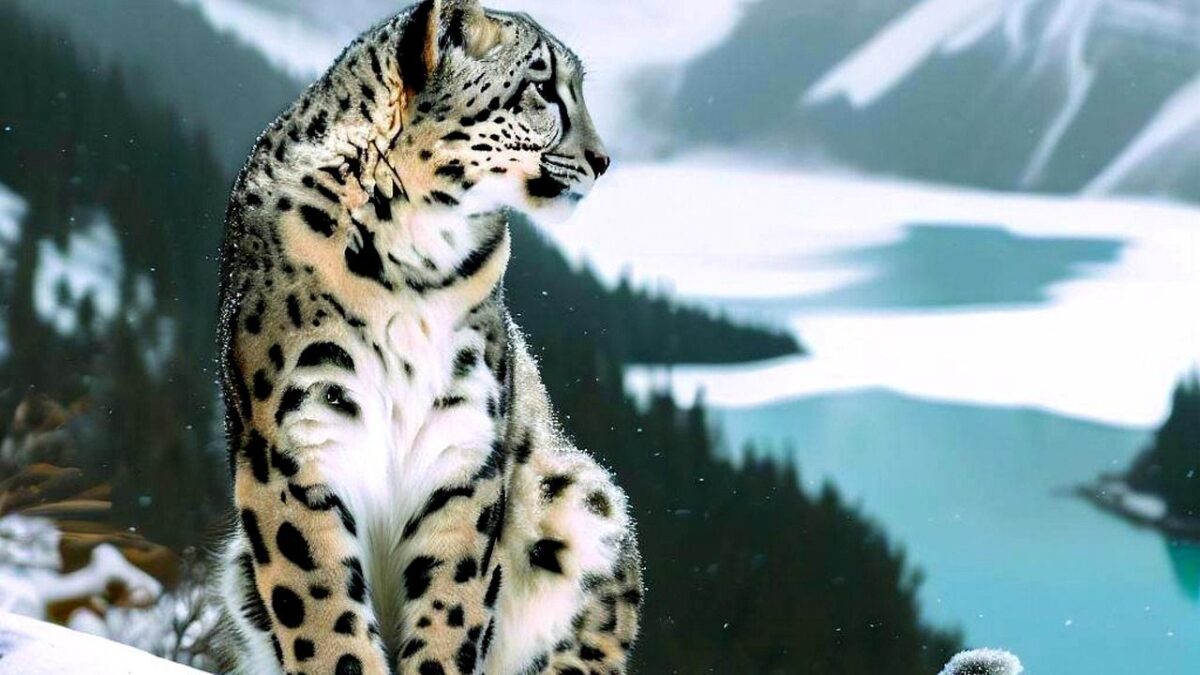
There’s a large cat living high in the mountains of Central Asia that most people will never see. Not because it’s particularly rare in the way a celebrity is rare, but because it genuinely does not want to be found. It drifts through frozen ridgelines and rocky gorges with a silence that has earned it one of the most fitting nicknames in the natural world: the ghost of the mountains.
The snow leopard’s elusiveness isn’t a quirk. It’s the result of millions of years of adaptation to some of the most unforgiving terrain on the planet. Every physical trait, every behavioral instinct, and every survival strategy this animal possesses tells a story about life at the extreme edge of what’s possible. Here are ten facts that begin to explain why this animal continues to fascinate scientists, conservationists, and curious minds alike.
#1: They Are More Closely Related to Tigers Than to Leopards
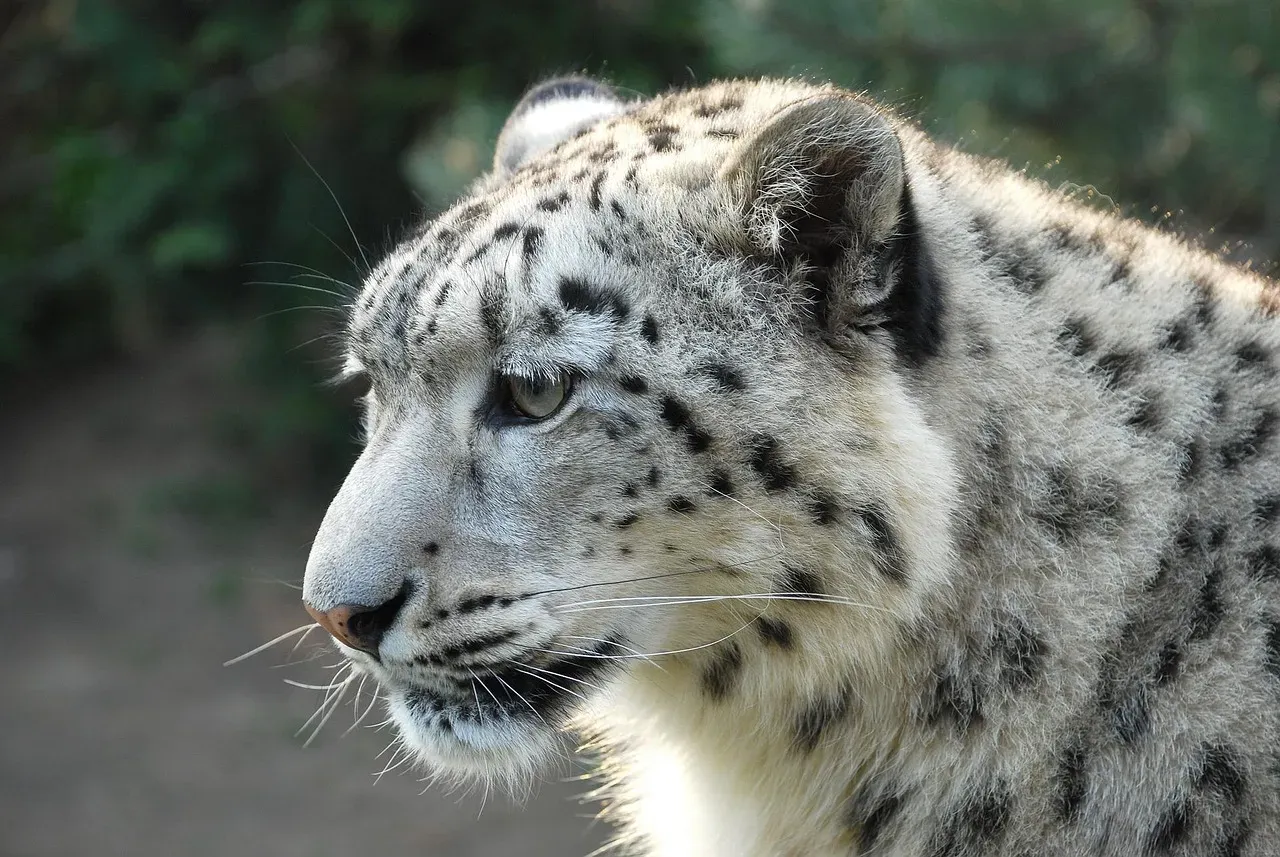
The name “snow leopard” is a little misleading. Despite their name, snow leopards are more closely related to tigers than leopards. Their scientific name, Panthera uncia, places them firmly within the same genus as lions, tigers, jaguars, and leopards, but the genetic relationship with tigers is a particularly striking discovery.
The snow leopard was long classified in the monotypic genus Uncia, but since phylogenetic studies revealed the relationships among Panthera species, it has been considered a member of that genus. This reclassification matters because it reshapes how scientists think about big cat evolution and the family tree that produced some of the world’s most powerful predators. The snow leopard, it turns out, is no outlier. It’s a core branch of that remarkable lineage.
#2: They Inhabit One of the Most Extreme Environments on Earth
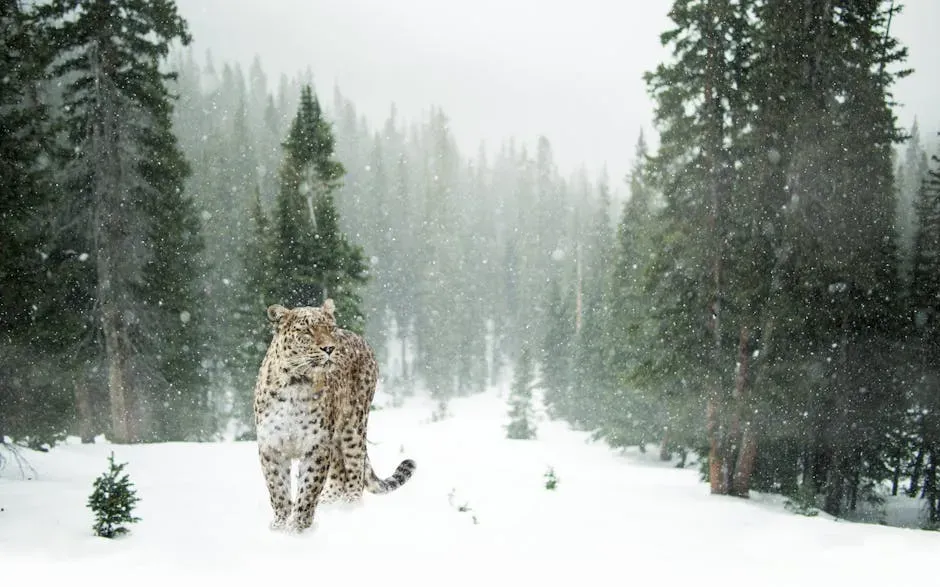
Surviving some of the harshest conditions on Earth, the snow leopard lives in the mountains of central Asia, at elevations of about 1,800 to 5,500 meters, where the climate is cold and dry, allowing only grasses and small shrubs to grow. That’s higher than most people will ever travel, in conditions where the air is thin, the temperatures are brutal, and food is anything but abundant.
They generally live above the tree line at elevations of 2,700 to 5,000 meters, and during winter, the snow leopard may descend to lower elevations, but in summer moves back up mountains to the steepest and most remote terrain. This seasonal migration pattern is less about wandering and more about following prey and avoiding competition. The mountain is their domain, and they navigate it with a precision that no human could replicate on foot.
#3: Their Bodies Are Built Like Precision Climbing Machines
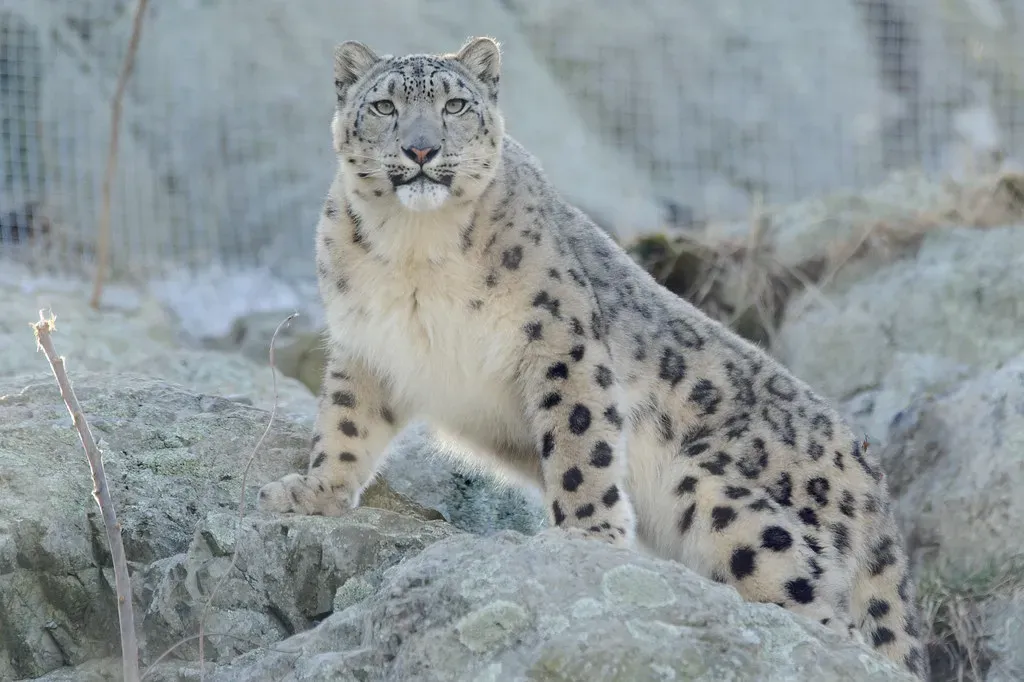
Snow leopards have short forelimbs and long hind legs, which allow them to traverse and stay agile in their steep and rugged environments. This asymmetry is no accident. The powerful rear legs act like biological springs, storing and releasing energy in a way that makes leaping across rocky terrain almost effortless.
Snow leopards have powerful legs and can jump as far as 50 feet. To put that into perspective, that’s roughly the length of a city bus, cleared in a single bound. Their short, well-developed front legs and chest muscles help with balance when climbing, and their long, thick tail also helps with balance. Every element of their anatomy is tuned for vertical living, which is part of why they thrive where almost no other large predator dares to follow.
#4: Their Fur Is an Engineering Marvel
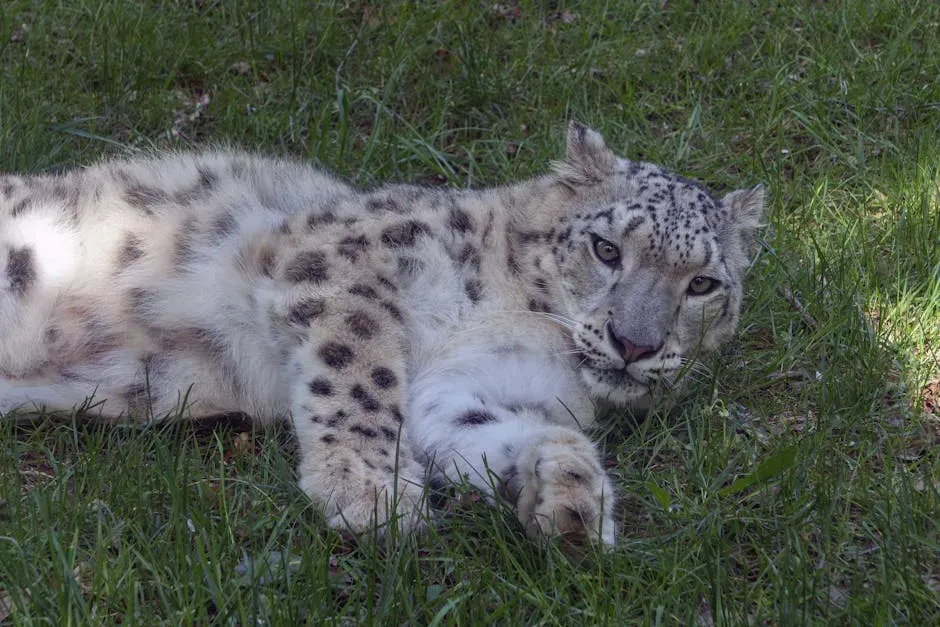
Snow leopards have spotted white-greyish fur that keeps them well insulated in cold weather, which can be 5cm long on their back and sides and almost 12cm long on their belly. That’s not just warmth, it’s serious thermal insulation designed for nights that can plunge well below freezing. Their coats change with the seasons, from a thick white fur to keep them warm and camouflaged in winter, to a fine yellow-grey coat in summer.
Their long, insulating fur is well adapted to low temperatures, and each snow leopard has a unique dark rosette pattern. Those rosette markings, large rings enclosing smaller spots, are so distinctive that WWF relies on spot patterns to identify individual snow leopards when conducting camera trap research. In a species so hard to track, a coat that doubles as a fingerprint turns out to be one of scientists’ most valuable tools.
#5: Their Tail Is Almost as Remarkable as the Rest of Them
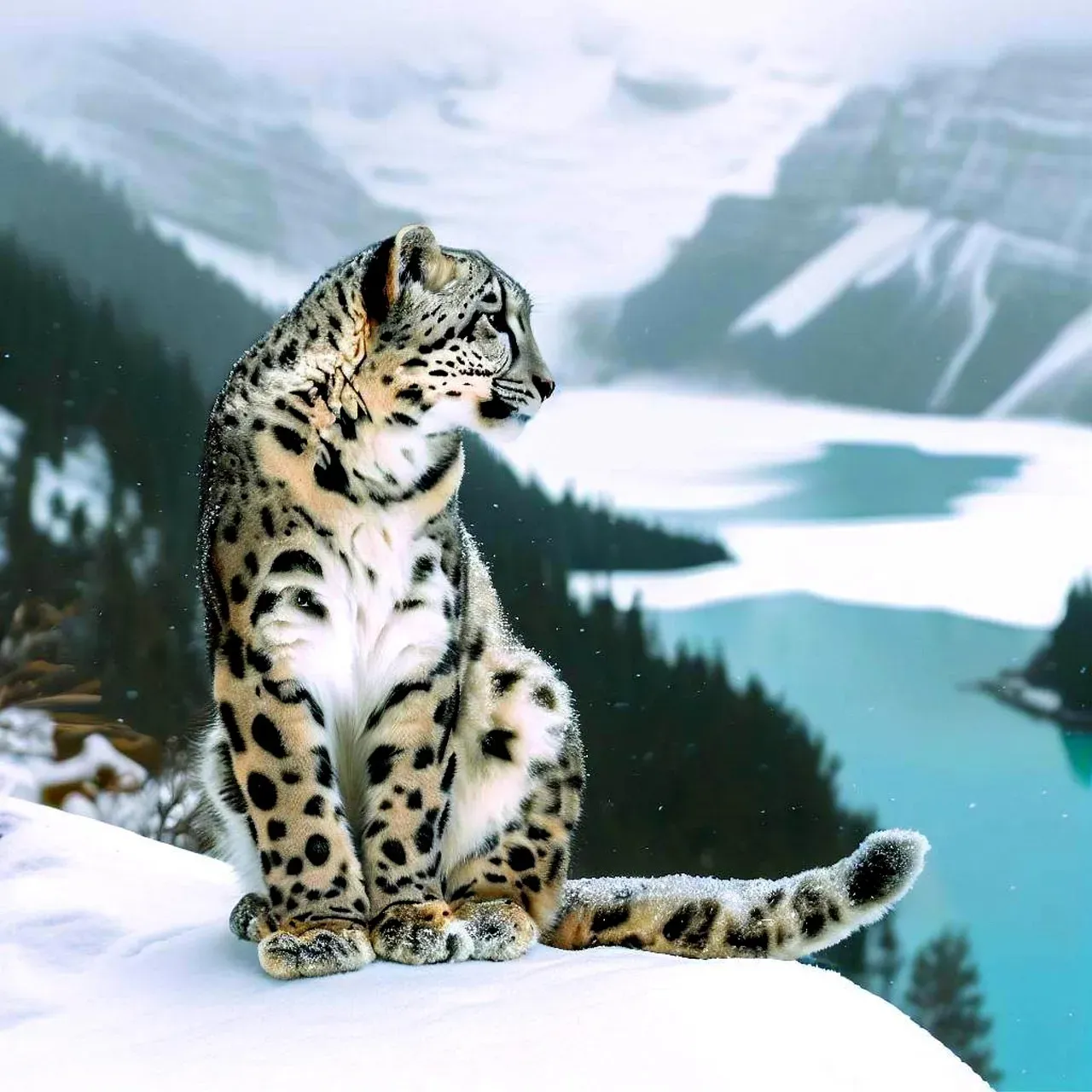
A snow leopard’s tail can reach up to 80 to 105cm long, which is thought to help with balance, as well as wrap around its body for added warmth. On a cat that can measure just over a meter in body length, that’s an extraordinarily long tail. It’s nearly as long as the body itself, and it serves multiple purposes simultaneously.
At night, the cats curl their tails around their bodies like a cozy scarf to keep warm and to stay hidden while sleeping. There’s something almost tender about that image: a solitary predator coiled against the cold, tucked into itself on a frozen ledge thousands of meters above sea level. Snow leopards use their tails to stay balanced during leaps, which ensures they maintain stability mid-air, making the tail as much an athletic tool as a survival blanket.
#6: They Can’t Roar, and That’s Actually Significant
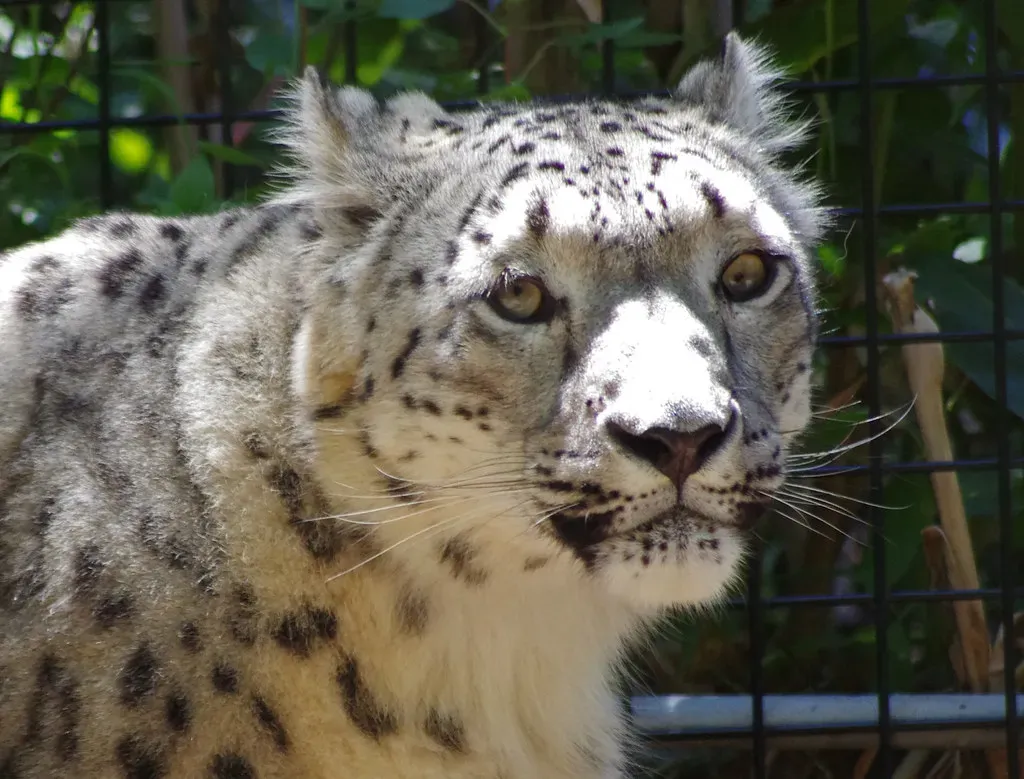
Unlike other big cats, snow leopards can’t roar. This is one of those facts that sounds trivial until you consider what it means for how the animal communicates and claims territory. This is due to the absence of a special ligament in their larynx, which other roaring cats possess. Instead of broadcasting their presence with a sound that carries for miles, snow leopards rely on a different strategy entirely.
To communicate and avoid unnecessary confrontations during their travels, they use scent marking rather than direct interaction. The snow leopard breeding season occurs between January and late March, and during this time, snow leopards send vocal messages to find a mate. So they’re not entirely silent. They can mew, growl, and produce a characteristic puffing sound. They just do it quietly, in keeping with everything else about how they move through the world.
#7: They Are Solitary to an Extraordinary Degree
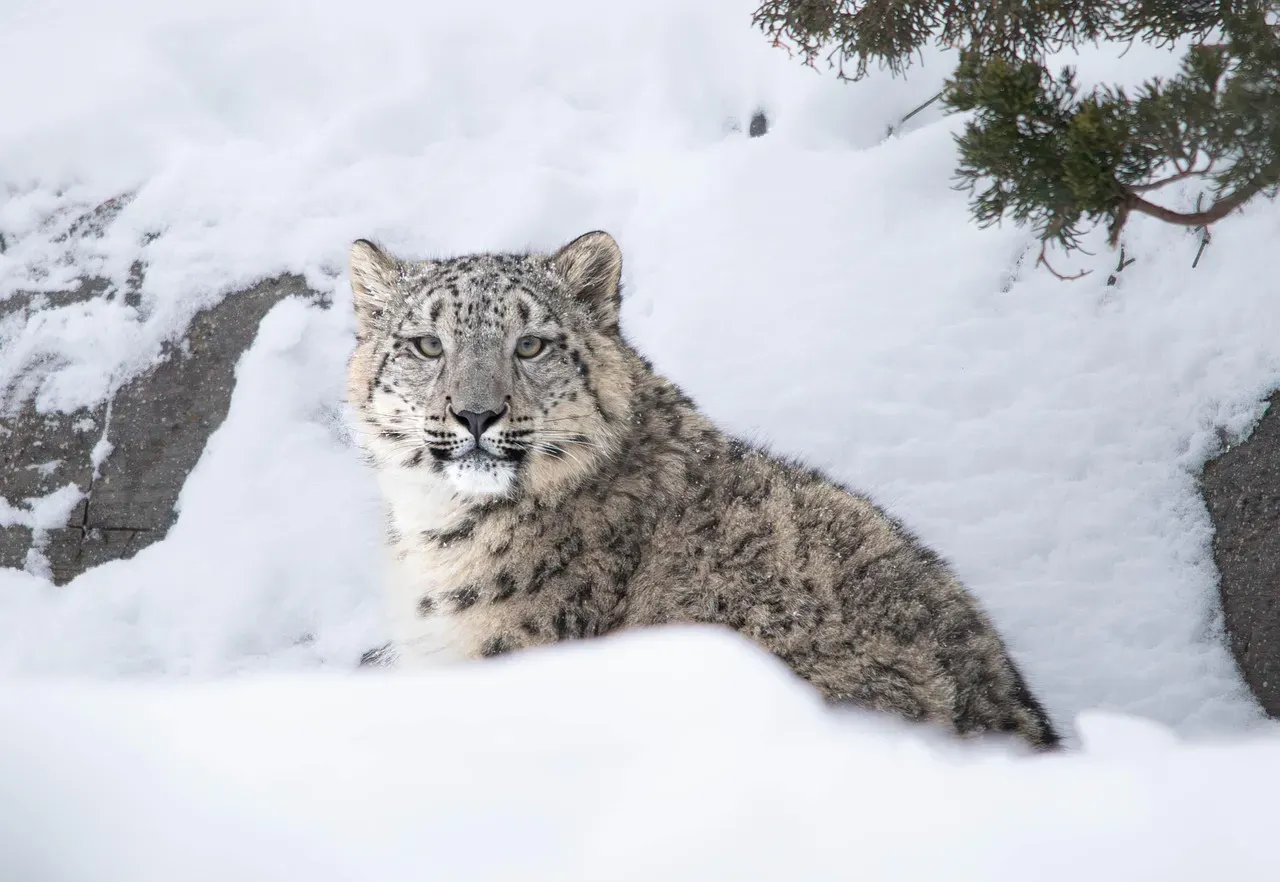
Snow leopards are solitary animals, only seen with company during mating season or while raising young. This isn’t merely a behavioral preference. It’s a survival strategy shaped by a landscape that can’t support crowding. Male snow leopards usually occupy exclusive home ranges to avoid competing with other males, each claiming up to 100 square kilometers, and within these ranges, they live a nomadic lifestyle, roaming around to hunt and leaving markings for other cats.
Some snow leopards have home ranges of up to 1,000 square kilometers, and the cat is crepuscular, meaning dawn and dusk are its most active times. After mating, the female raises her young entirely alone. A female gestates for around 93 days and gives birth to litters of two to four cubs, which she then raises alone for the next 18 to 24 months. It’s a demanding existence, and the cubs face a steep learning curve in one of the world’s most unforgiving classrooms.
#8: They Are a Keystone Species for an Entire Mountain Ecosystem
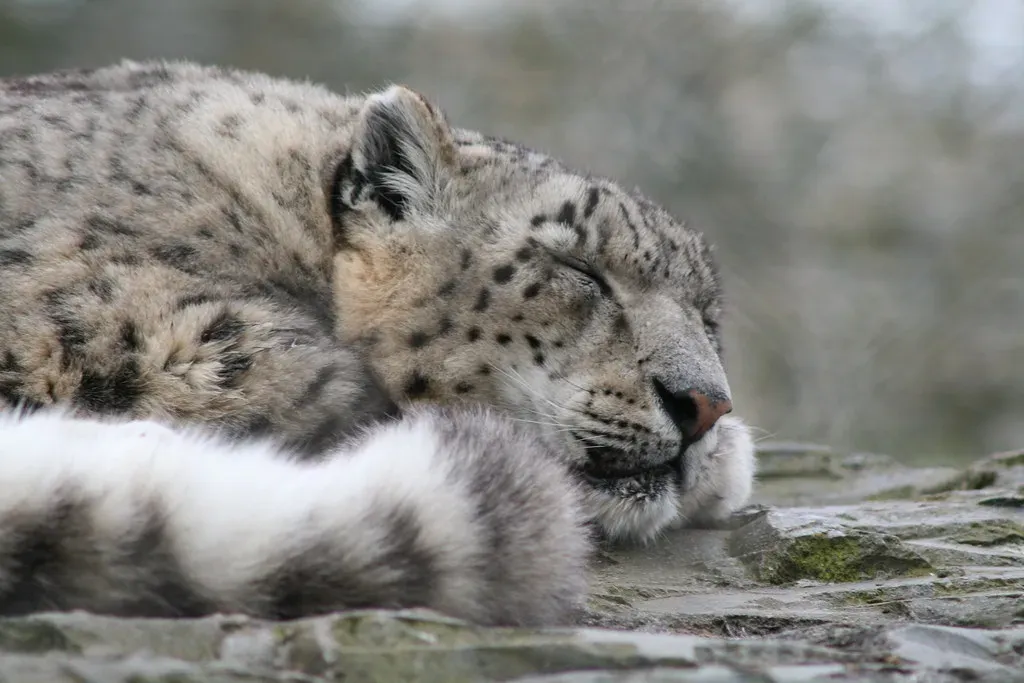
As apex predators, snow leopards are an important indicator species for their habitats, meaning their presence signals the presence of other members of their food chain and various fauna and flora that help sustain that habitat. Remove the snow leopard and you don’t just lose one species. You lose the ecological balance that keeps the whole system coherent.
Snow leopards play a key role as a top predator, an indicator of the health of their high-altitude habitat, and increasingly an important indicator of the impacts of climate change on mountain environments, and if snow leopards thrive, so will countless other species and the largest freshwater reservoirs of the planet. Those mountain ecosystems feed rivers that billions of people downstream depend on. In that sense, the fate of the snow leopard is quietly connected to a much larger story.
#9: Their Population Numbers Remain Dangerously Uncertain
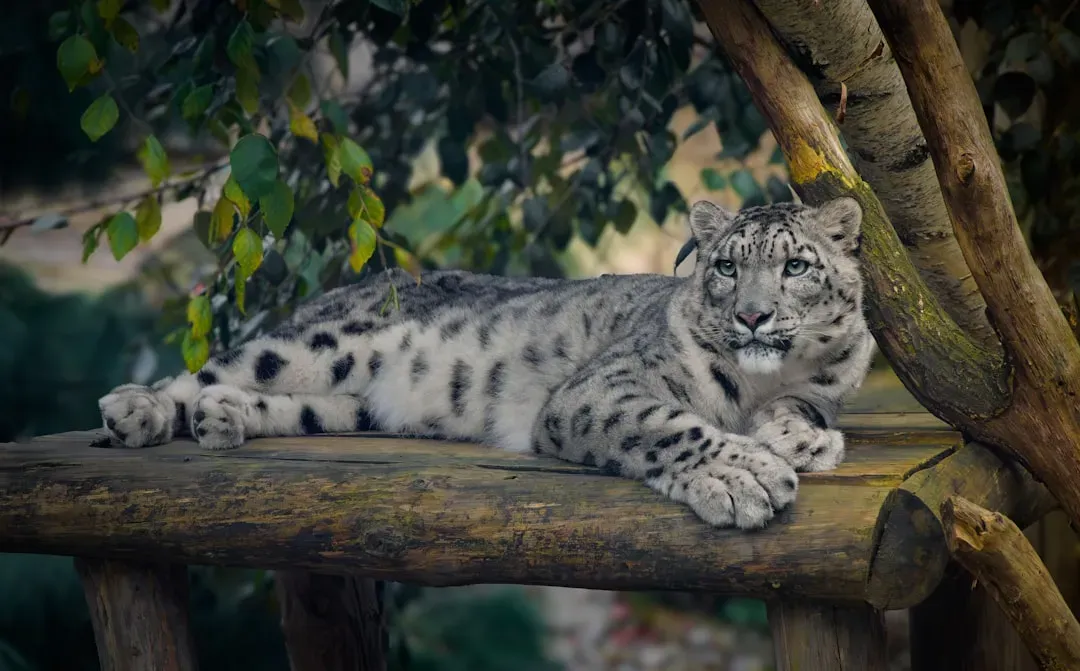
With a global population estimated at 4,080 to 6,500 individuals, the species is classified as Vulnerable by the IUCN, signaling a critical need for conservation efforts. Yet even that range comes with a significant asterisk. More than 70% of potential snow leopard habitat remains unexplored by humans, which means any population figure carries real uncertainty built into it.
Recent field work is beginning to fill some of those gaps. Nepal released its first consolidated national estimate of snow leopards in 2025, placing the population at 397 individuals, and despite covering just 2% of global snow leopard habitat, Nepal hosts nearly 10% of the global population, making it the fourth largest population of the species. On the positive side, Bhutan’s 2022 to 2023 Second National Snow Leopard Survey revealed a nearly 40% population increase since 2016, suggesting that Bhutan’s conservation initiatives are succeeding and establishing the country as a stronghold and source population for neighboring range countries.
#10: Climate Change Poses the Greatest Long-Term Threat to Their Survival
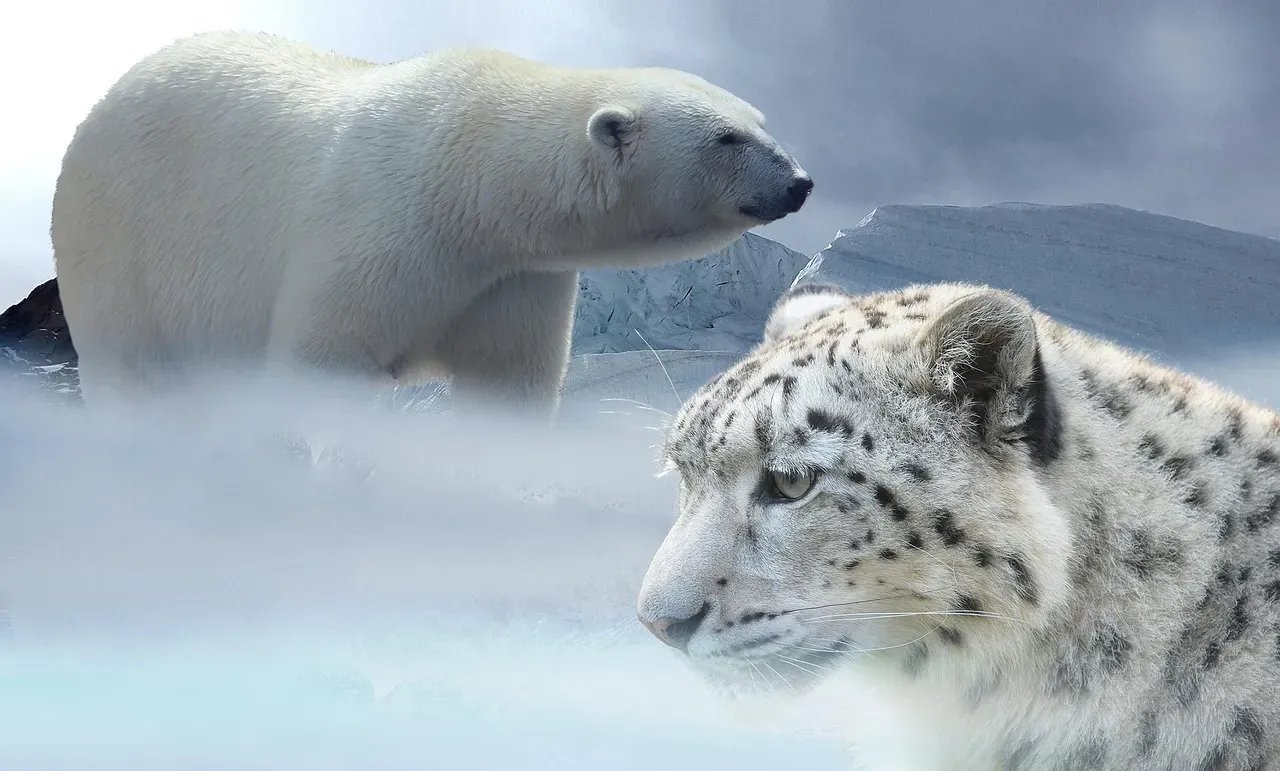
The climate crisis poses perhaps the greatest long-term threat to snow leopards, and impacts from a warming planet could result in a loss of up to 30% of the snow leopard habitat in the Himalayas alone. For an animal already confined to high-altitude terrain, shrinking habitat isn’t just inconvenient. It’s existential. There’s no higher ground to retreat to when you’re already near the top.
Because their habitat is so inhospitable, human population growth didn’t really affect snow leopards very much, but climate change will, as the climate changes and affects everyone and everything, even in such remote areas. A recent study found that many snow leopards share the same DNA, which makes sense as these cats have had a small, stable population over a long period of time, but low genetic diversity can pose a problem for their survival. The combination of shrinking habitat and limited genetic resilience makes the road ahead genuinely difficult for this species.
A Ghost Worth Fighting to Keep
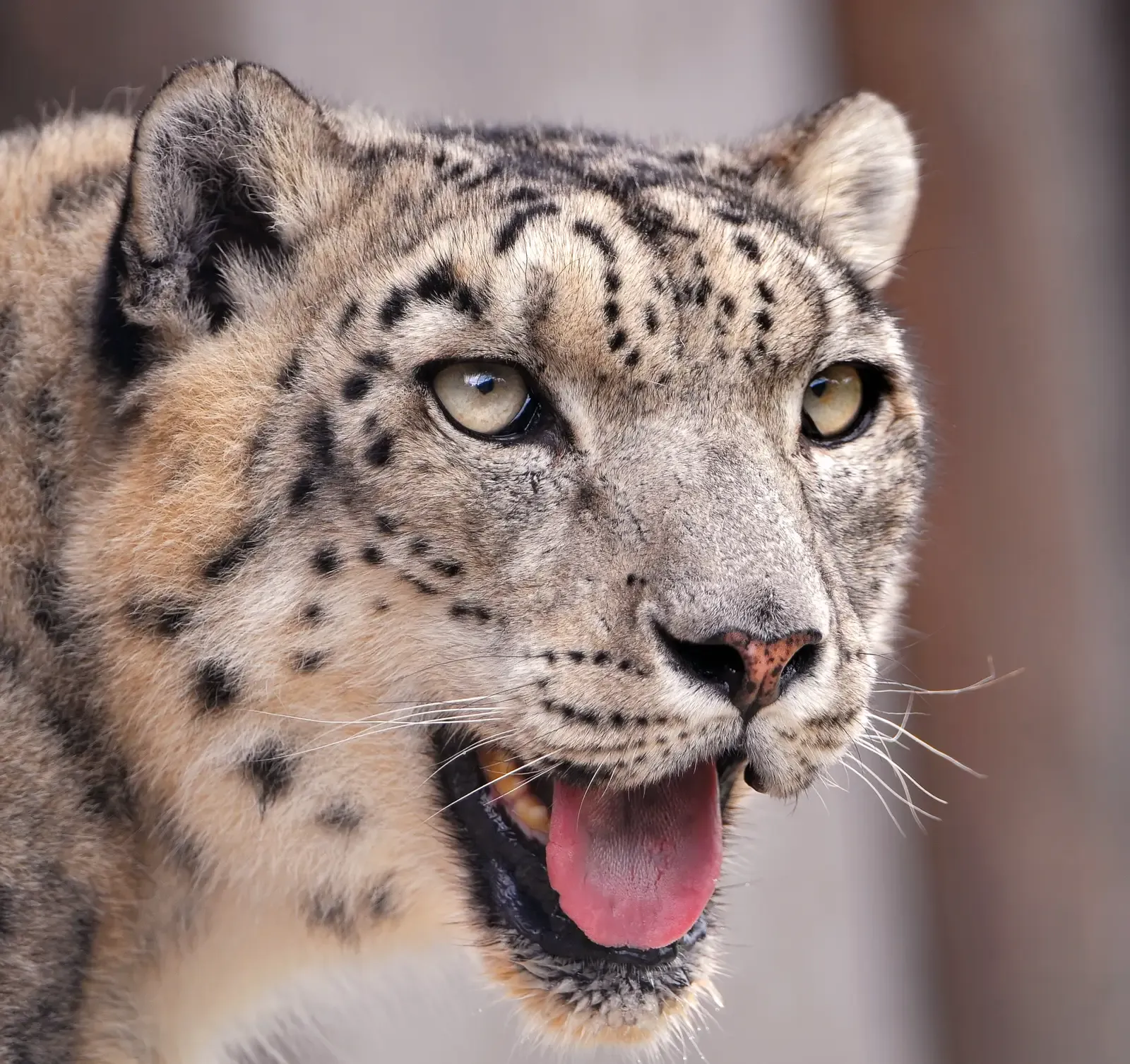
There’s something quietly profound about an animal that has survived ice ages, crossed continents, and adapted to the coldest mountain edges on Earth, only to find its greatest threat arriving in the form of gradual warming and slow habitat loss. The snow leopard doesn’t ask for much: frozen slopes, enough prey, and space to disappear.
What makes this animal so compelling isn’t just its beauty or its athleticism, though both are extraordinary. It’s the fact that it exists at the boundary of what life can sustain, and does so with a kind of effortless mastery. The ghost of the mountains is still out there, somewhere on a ridge you’ll never climb. Whether it stays there depends largely on decisions being made far below, at sea level, by people who may never see it at all.
