

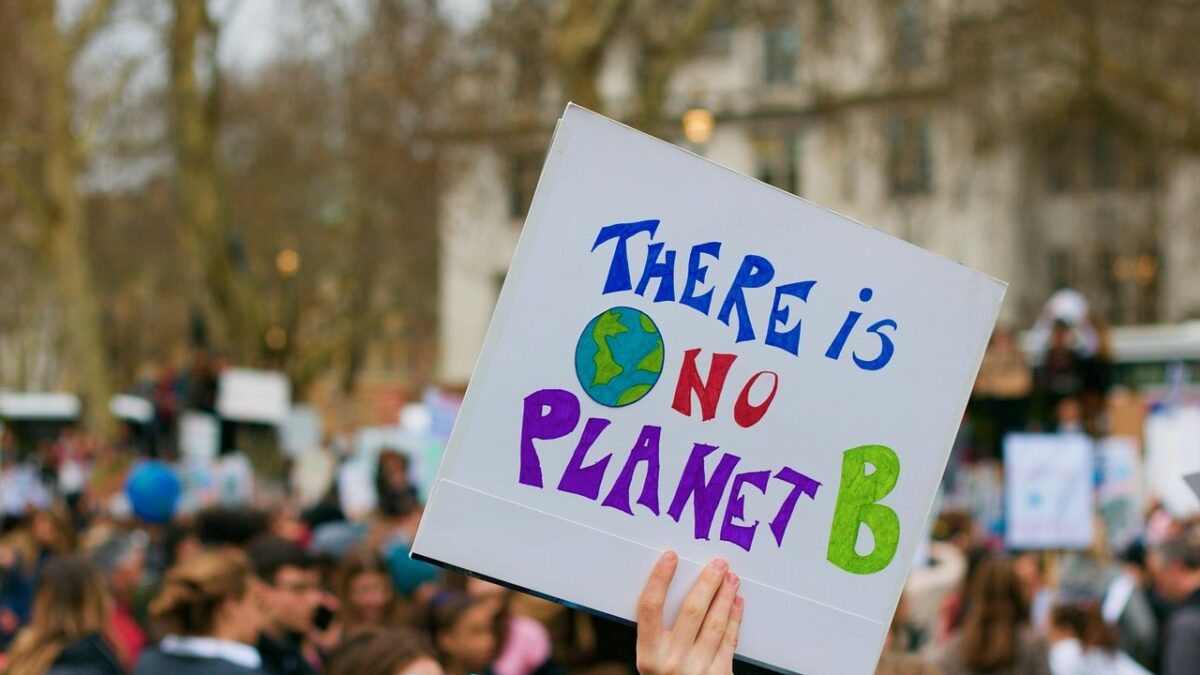
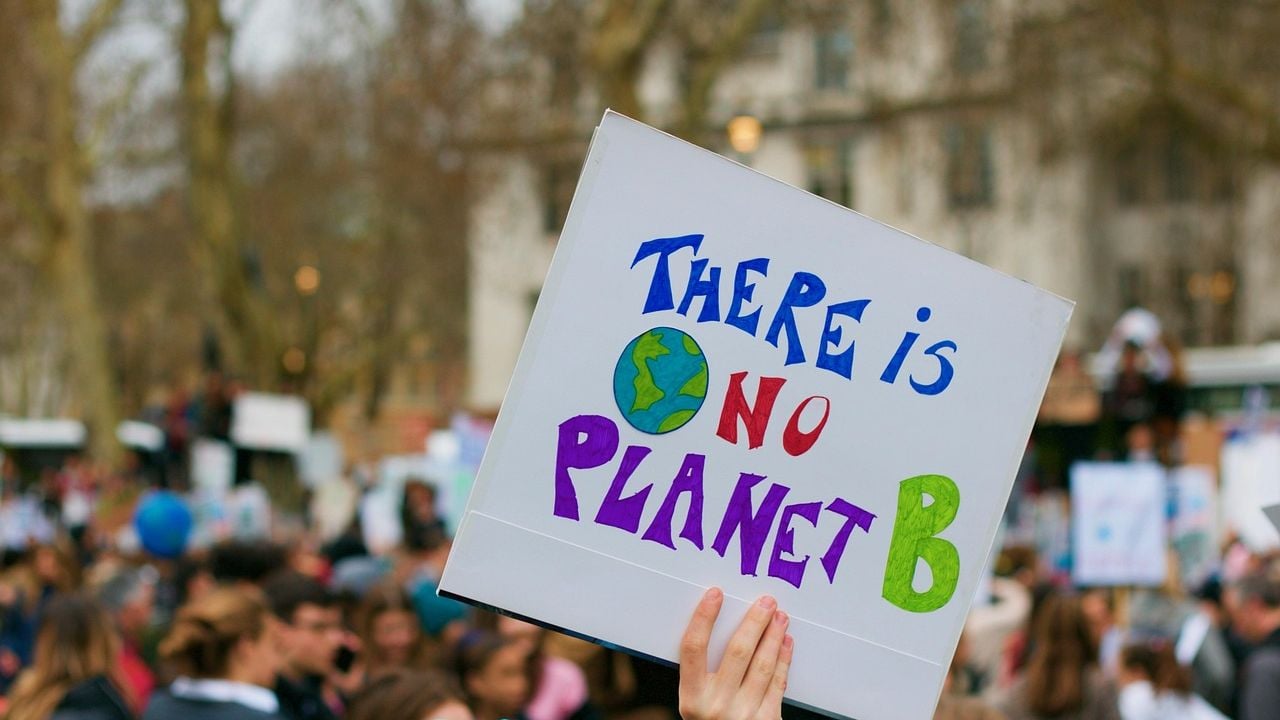
Eva v Goliath: the 20-year-old climate activist taking on Trump and the fossil fuel industry – Image for illustrative purposes only (Image credits: Pixabay)
AATG Conservation News: A group of young Americans has launched a federal lawsuit against President Trump over executive orders designed to promote fossil fuel extraction and stall clean energy. They argue that executive orders expanding fossil fuel production violate their constitutional rights to life and liberty. The case as reported in several dailies including the NY Times and The Guardian arrives at a moment when climate science continues to document rising global temperatures and their accelerating effects on ecosystems worldwide. Plaintiffs frame the orders as a direct threat to the stable environment they will inherit.
Why the Timing Matters
Executive actions that prioritize fossil fuel development have drawn scrutiny from legal experts and environmental researchers alike. These moves come as atmospheric carbon levels remain at record highs, according to ongoing monitoring by government agencies. The lawsuit contends that such policies undermine the government’s duty to protect public welfare. Young plaintiffs say the decisions lock in long-term harms that courts have not yet fully addressed in prior climate cases.
Legal observers note that similar youth-led challenges have tested the boundaries of constitutional protections in recent years. This filing builds on earlier state-level victories while shifting focus to federal authority. The approach emphasizes rights-based arguments rather than regulatory disputes alone. It reflects a strategy that seeks judicial review of executive power in the climate context.
Science Behind the Claims
Climate research consistently links expanded fossil fuel extraction to increased greenhouse gas emissions. These emissions drive warming that alters weather patterns, raises sea levels, and stresses natural systems. The plaintiffs connect these physical changes to threats against their future health and security. Courts have previously recognized some of these linkages in narrower rulings, though broader constitutional claims remain unsettled.
Uncertainty persists around the exact pace of future impacts and the effectiveness of mitigation efforts. Still, the core finding that human activities are the dominant cause of recent warming stands on firm scientific ground. The lawsuit uses this established understanding to argue that government actions accelerating emissions infringe on protected rights. Researchers continue to refine models that project outcomes under different policy scenarios.
Potential Paths Forward
The case will likely proceed through appeals and procedural reviews common in complex environmental litigation. Plaintiffs seek declarations that the orders are unconstitutional and injunctions to limit their implementation. Such remedies could influence how future administrations balance energy policy with climate obligations.
Observers expect the government to defend the orders as lawful exercises of executive discretion. The outcome may clarify the scope of judicial oversight in climate-related executive actions. Whatever the result, the filing underscores persistent generational tensions over long-term environmental stewardship.
What matters now: The lawsuit tests whether constitutional rights extend to protection from foreseeable climate harms driven by federal policy. Its progress will shape how courts weigh youth claims against executive energy decisions in coming months.
Looking Ahead
Climate litigation involving young plaintiffs has grown in volume and visibility over the past decade. This particular challenge focuses attention on the intersection of executive authority and intergenerational equity. Its resolution could inform both legal strategy and public debate around fossil fuel policy. The underlying scientific questions about emission trajectories remain central to any lasting resolution.
