

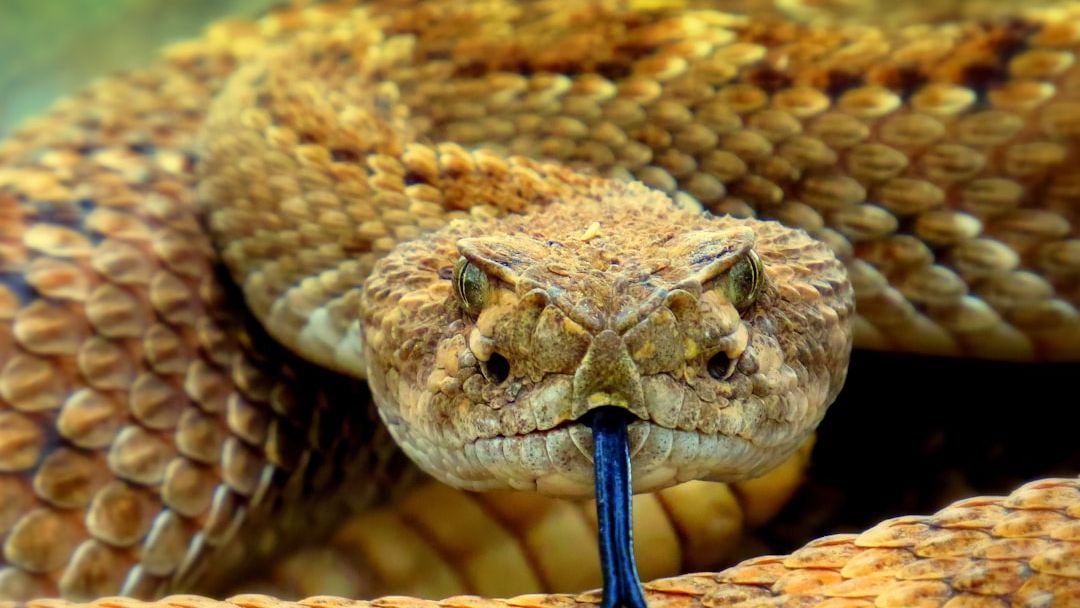
Risk of snakebites increasing as reptiles adapt to changing world, says study – Image for illustrative purposes only (Image credits: Unsplash)
Venomous snakes are altering their ranges in response to rising temperatures and expanding human settlements, according to new research coordinated by the World Health Organization. The findings indicate that these movements are increasing the chances of encounters between people and dangerous reptiles in multiple regions. Health authorities now face added pressure to prepare for a potential uptick in snakebite incidents as environmental conditions continue to change.
Why Snakes Are Moving Into New Areas
Warmer conditions allow many reptile species to survive in places that were previously too cool for them. At the same time, growing human populations clear land and build infrastructure, which further alters the landscapes snakes rely on. The combination of these factors forces venomous snakes to seek out new territories that often overlap with farms, villages, and cities.
Researchers modeled these habitat changes across continents and found consistent patterns of range expansion. The study emphasizes that the shifts are not random but follow predictable responses to heat and land-use pressures. While exact future numbers remain uncertain, the direction of the trend points toward greater overlap between snakes and humans.
Species of Concern in Different Regions
Several well-known venomous snakes appear especially likely to come into more frequent contact with people. Spitting cobras in Africa, vipers across parts of Europe and South America, cottonmouth moccasins in North America, and kraits in Asia are all highlighted in the analysis. Each of these groups shows signs of adjusting their ranges in ways that bring them nearer to populated zones.
The research does not claim every snake population will expand equally. Some areas may see stable or even reduced encounters depending on local conditions. Still, the overall picture suggests that public health systems in affected regions should monitor these movements closely.
Public Health Considerations
Snakebites already represent a significant medical burden in many tropical and subtropical countries. Increased contact could strain existing treatment resources, including antivenom supplies and trained medical staff. The WHO-led work underscores the need for updated risk maps that incorporate climate projections rather than relying solely on historical data.
Prevention efforts may need to evolve as well. Simple measures such as improved footwear, better lighting at night, and community education programs could help reduce incidents, though their effectiveness will vary by location and snake behavior.
Key points from the research:
– Habitat changes driven by heat and human activity are expanding snake ranges.
– Multiple continents show rising potential for human-snake overlap.
– Health systems should integrate climate data into snakebite planning.
– Exact future bite numbers remain difficult to predict with current models.
Next Steps for Research and Response
Further studies will be needed to refine the models and test them against real-world observations. Long-term monitoring of snake populations and bite reports can help confirm whether the predicted increases materialize. In the meantime, the current findings provide a clear signal that climate adaptation planning should include wildlife health risks alongside other environmental concerns.
Authorities and communities that act on these insights now may be better positioned to limit harm as temperatures continue to rise.

As a little kid, I fell in love with nature, wildlife, and animals. Living in the USA, South Africa, Italy, China and Germany gave me the opportunity to discover the world's Wildlife. My favorite animals are Mountain Gorillas, Siberian Tigers, and Great White Sharks.
I'm a certified PADI Open Water Diver, went to Everest Base Camp and Trekked Gorillas in Uganda. I hold a Master of Science in Economics and Finance.
Please send any feedback to feedback@animalsaroundtheglobe.com
- 25 Loyal Dog Breeds That Will Protect You With Their Life - July 21, 2026
- 11 Monkey Antics That Prove They are Our Wildest Relatives - July 21, 2026
- 15 Animals That Plan Their Actions - July 21, 2026