
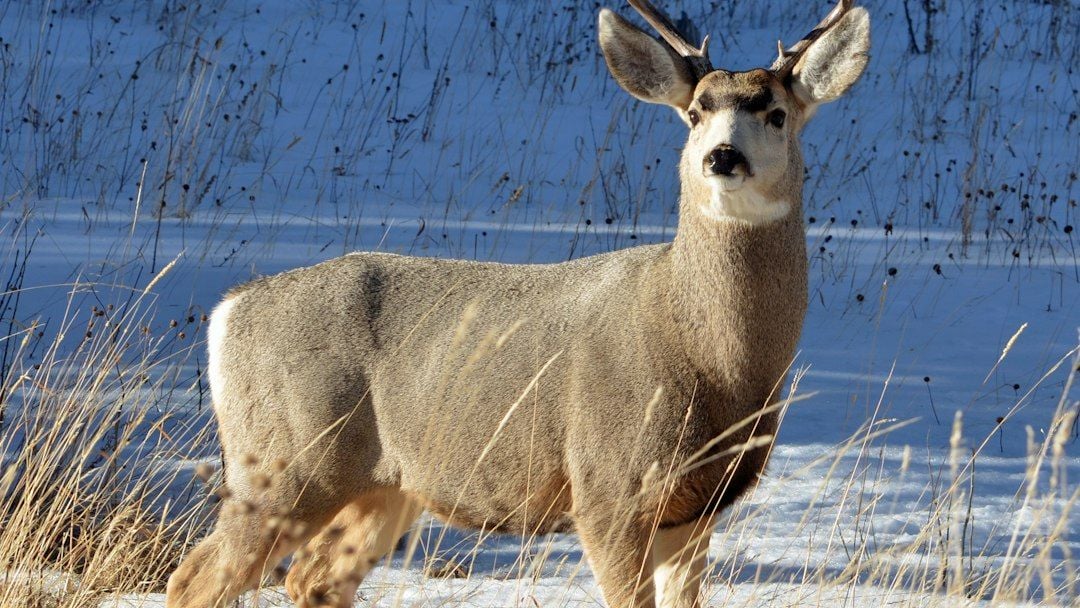
There’s a moment every deer hunter knows well. You’re perfectly still, perfectly camouflaged, and the deer hasn’t seen you or heard you. Then, in a single second, it freezes, snaps its head upward, and vanishes into the treeline like it was never there. You didn’t make a sound. What happened?
The answer is the deer’s nose. It’s not just a good nose, either. It’s a biological marvel that puts human olfaction to complete shame and fundamentally shapes how deer navigate every waking moment of their lives. Understanding exactly how this system works, and why it’s so impossibly effective, changes the way you see these animals entirely.
#1. The Receptor Advantage: A Nose Built for Survival
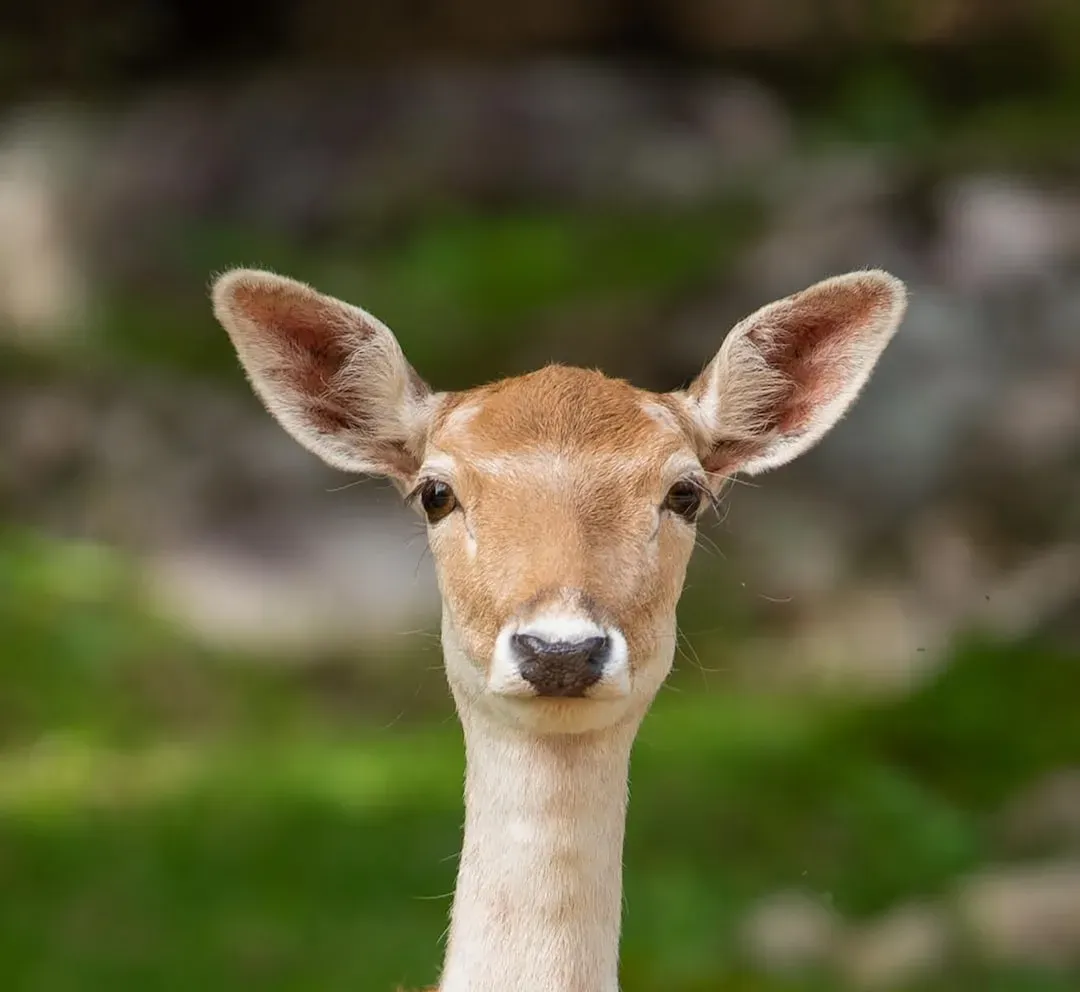
According to the National Deer Association, a white-tailed deer has 297 million olfactory receptors, while a human has only 5 million, meaning a whitetail is roughly 60 times more likely to detect foreign odors. That’s not a minor upgrade. That’s a completely different sensory universe.
Dogs are widely regarded as having better noses than humans, but even dogs don’t match up to deer in the smelling category, as dogs have around 220 million olfactory receptors. So the animal most people associate with extraordinary smell actually trails the whitetail deer by a wide margin. Think about that next time you watch a deer standing at the edge of a field, nose lifted into the breeze.
This vast difference in receptor count means deer can detect odors at concentrations far below what a human nose could ever perceive, with some experts estimating a deer can smell at least 1,000 times better than a human. That figure is difficult to fully grasp, but consider that a human can smell a campfire from perhaps a few dozen yards away on a calm day. A deer could likely detect that same fire from a completely different part of the forest.
#2. The Architecture Inside: How the Deer Nose Actually Works
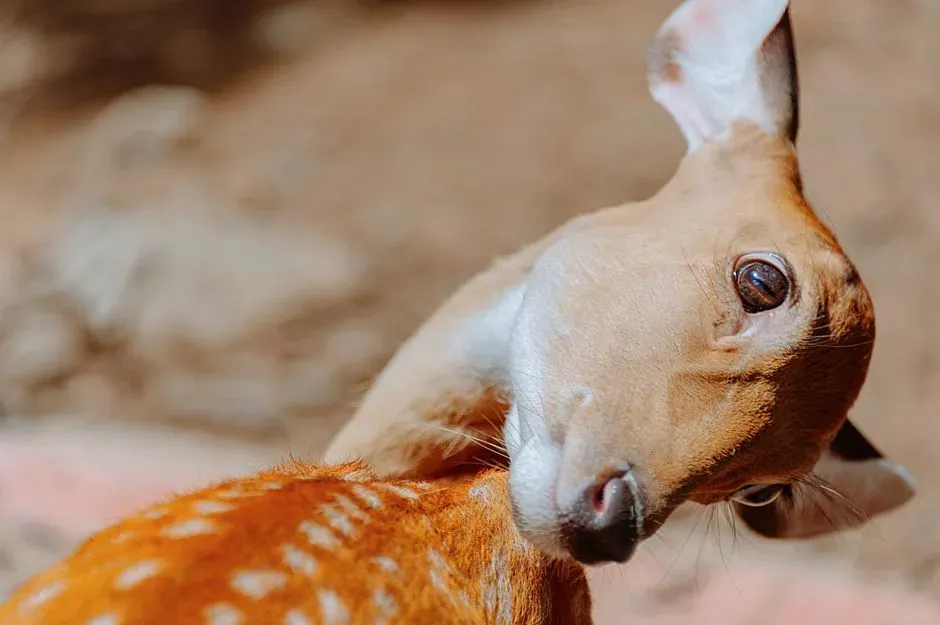
The external nose features large, moist nostrils that funnel air across an internal system of bony scrolls called turbinates, which dramatically increase the surface area available for scent molecule capture. Inside the nasal cavity, the olfactory epithelium covers approximately 36 to 40 square centimeters of surface area. For comparison, the human olfactory epithelium covers roughly 5 to 10 square centimeters. The deer’s nose is, structurally speaking, engineered for one purpose.
When a scent molecule is inhaled through a deer’s broad nasal openings, it’s captured by tiny hair-like projections called cilia within the mucous membrane. These captured molecules dissolve into serous secretions in the mucosal layer and are transferred to the olfactory epithelium. From there, the signal travels to the brain with startling speed and precision. It’s less like smelling and more like reading.
The receptors translate the scent signal as electrical impulses up through nerves that extend through the roof of the mouth and into the part of the brain known as the olfactory bulb. A whitetail’s olfactory bulb is about four times larger than that of a human. A bigger processing center means more nuanced interpretation of incoming scent data, not just detection but identification, location estimation, and threat assessment.
The whitetail deer also has an organ on the roof of the mouth that interprets smells. It’s called Jacobson’s organ and it can sort out smells that come through the mouth. Some of the olfactory nerves in deer are specialized, meant to pick up on specific scents. For example, some deer species have specialized receptors to pick up on predator scents, primarily wolves. This layered system means a deer isn’t just detecting a smell. It’s decoding a full chemical story about what’s nearby and whether it’s dangerous.
#3. The Wind Is the Key: How Deer Use Air Currents as an Early Warning System
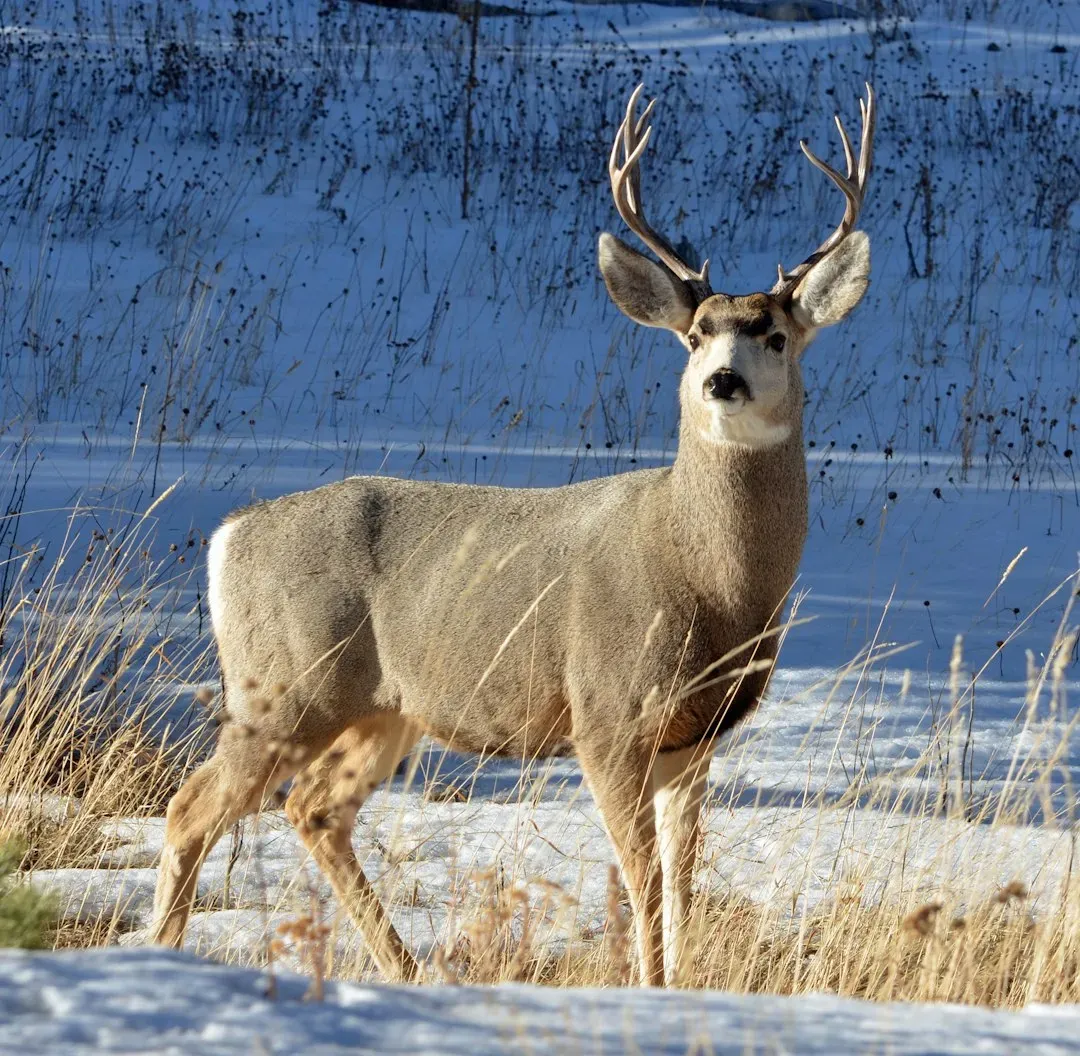
A deer’s keen sense of smell lets it detect predators from hundreds of yards away, even before they are visible or audible. The wind is the carrier that makes this possible. The wind carries scents toward the deer, allowing them to “sample” the air and detect potential threats long before they can be seen or heard. This early warning system is critical for survival.
Deer are constantly checking the direction of the wind, using it to sense what’s approaching from upwind. This isn’t passive awareness. It’s active, deliberate behavior, with deer regularly repositioning themselves to keep the wind working in their favor. Deer often circle downwind of unknown sights or sounds, sniffing for danger before advancing.
All deer become more nervous in windy weather. The scent of other animals and humans becomes sporadic and unreliable as wind direction changes rapidly, especially in woodlands. Windy conditions create conflicting noise within woodland environments, inhibiting the animal’s ability to pinpoint any particular sound. A deer that can’t trust its nose becomes visibly anxious, which says a great deal about just how central that sense is to its sense of security.
#4. The Reaction: What Happens When a Deer Catches Your Scent
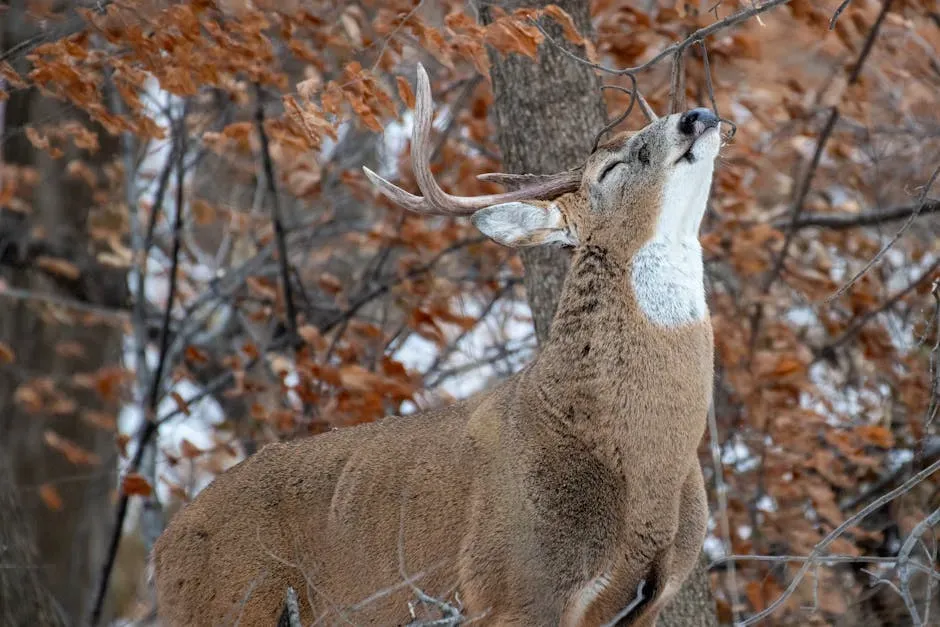
Deer are highly sensitive to human scent, and if they detect it, their immediate response is usually to freeze, then assess the threat level before deciding whether to flee, investigate further, or remain motionless depending on several factors. The freeze is the giveaway. It’s not confusion. It’s the deer processing chemical information at high speed.
The specific components of human scent that trigger this reaction are complex, but likely involve compounds present in sweat, skin oils, and even the materials we use, including clothing and detergents. The intensity and duration of the scent play crucial roles. A faint, fleeting whiff might only cause mild alertness, while a strong, lingering odor will trigger a stronger reaction. This explains why deer sometimes walk through an area where you’ve been hours earlier and still startle and flee.
Their survival depends heavily on detecting predators through smell. Even minimal human odor can cause deer to change direction, avoid an area, or become entirely nocturnal. That last point is worth sitting with. A single undetected scent encounter doesn’t just spook a deer once. It can restructure its entire movement pattern for days afterward.
#5. The Range: Just How Far Can a Deer Actually Smell?
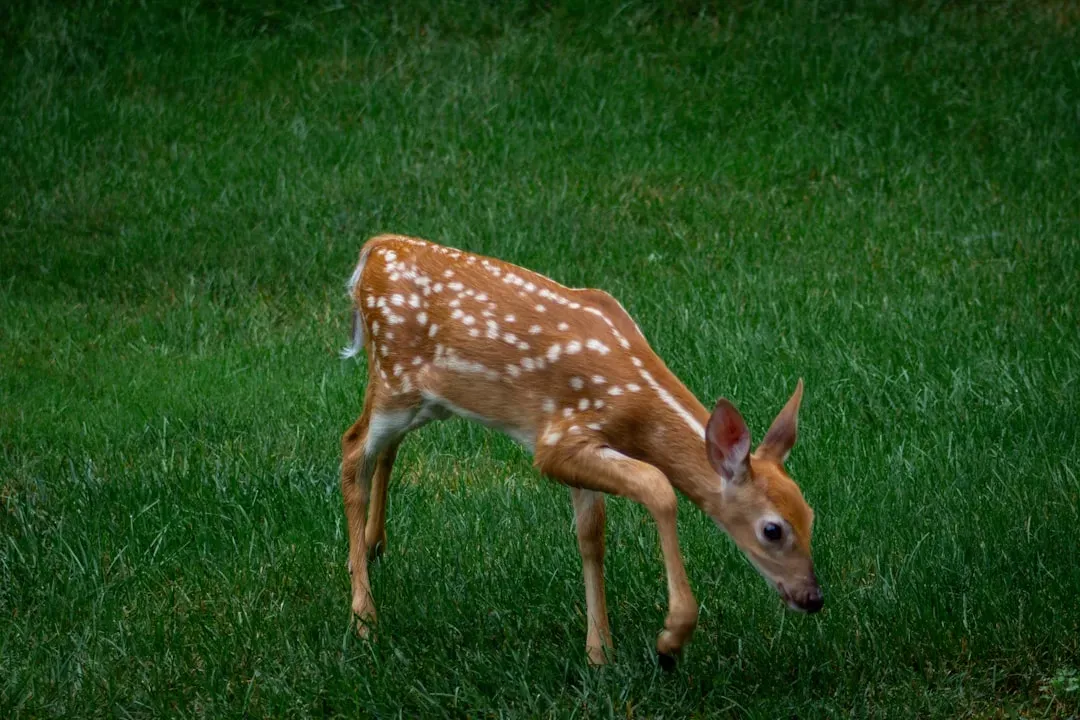
Deer have an exceptional sense of smell and can detect scents from incredibly long distances. On average, they can smell food, predators, or other deer from up to 300 yards away. That’s three football fields of invisible, unbroken surveillance. You could be standing in plain sight at that distance and never trigger a visual alert, but a slight wind shift makes the encounter immediate and decisive.
Armed with those receptors, a deer can pick up your scent from over half a mile away in ideal conditions. A deer’s detection range is primarily influenced by wind direction and speed. Light to moderate wind will carry your scent farther than calm conditions. The 300-yard benchmark is often cited as a reliable working estimate, but the upper ceiling under perfect conditions is considerably higher.
The quarter-mile range is an estimate under ideal conditions, such as light wind, high humidity, and a strong scent source. Under less favorable conditions, the range can be significantly reduced. Humidity matters because moisture in the air helps carry scent molecules more effectively. On a warm, humid morning with a light steady breeze, a deer’s nose is operating at full capacity, and that’s precisely when its survival advantage is most complete.
The deer’s nose isn’t one impressive feature among many. It’s the centerpiece of an entire survival strategy, refined over thousands of years alongside predators that were themselves extraordinarily good hunters. Everything about how a deer moves, where it beds, how it feeds, and when it flees circles back to that singular, extraordinary sense. The next time you watch one lift its head and test the air, you’re not watching instinct. You’re watching evolution doing exactly what it was built to do.

- 7 Signs Your Dog Thinks You're Family - July 21, 2026
- 10 Fascinating Facts About the Gila Monster – America’s Only Venomous Lizard - July 21, 2026
- 10 Fascinating Facts About Birds of Prey You Never Knew Existed - July 21, 2026