
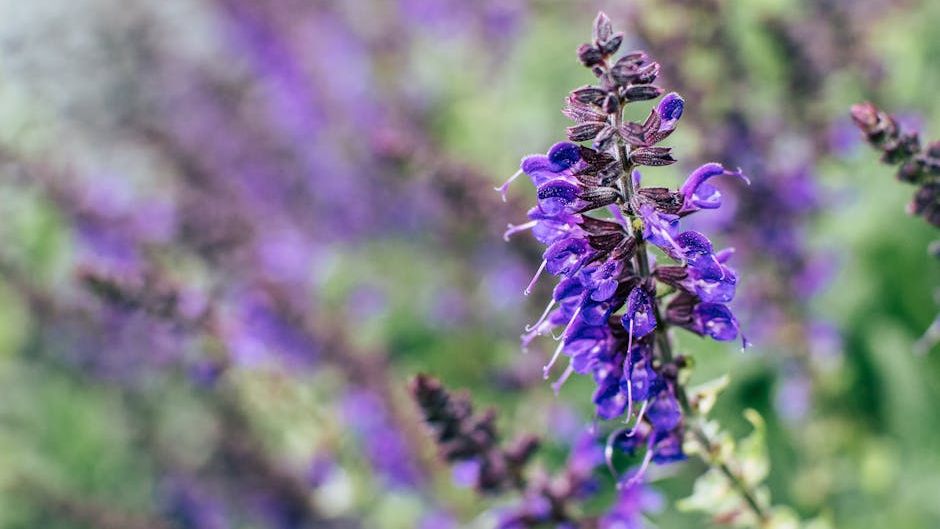
These are the annuals that refuse to quit. They’re workhorses with the looks of showpieces, capable of carrying your garden from the first hot days of June through those chilly mornings that finally arrive with a hard frost. Whether you’re filling borders, containers, or hanging baskets, each of these fifteen flowers earns its spot by showing up fully, season after season.
1. Zinnias
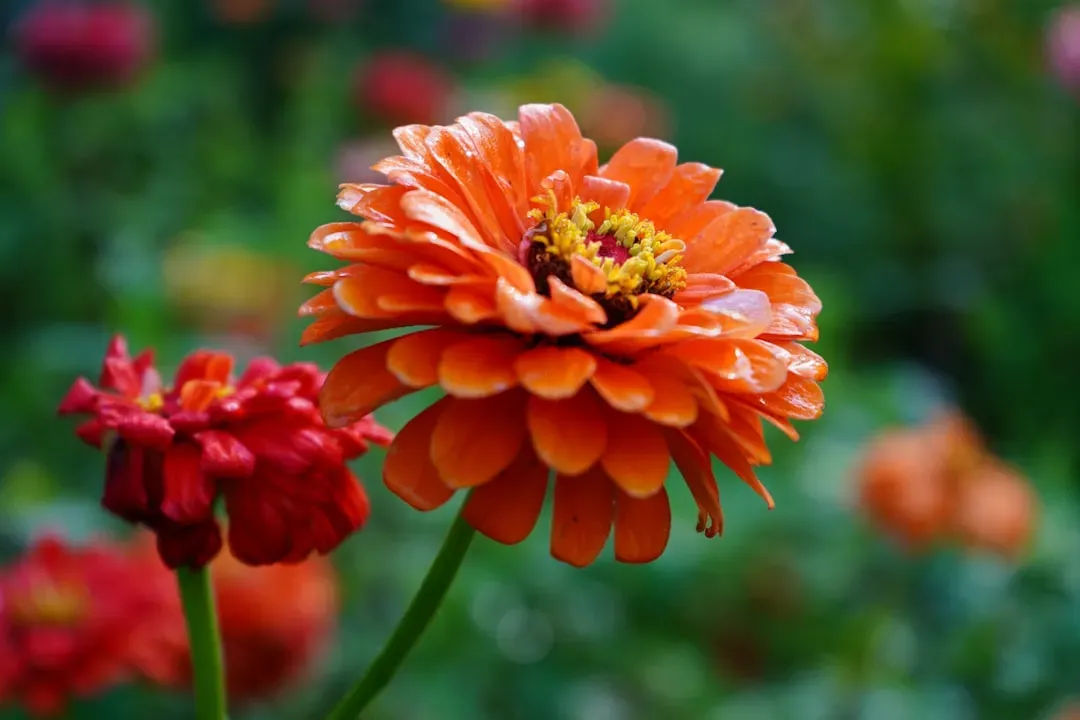
Zinnias are extra easy to grow and continuously produce new blossoms after you cut them. They bloom from summer all the way to your first frost and love the heat, flowering abundantly when temperatures climb. Few annuals reward you as quickly or as generously, and in a cutting garden, they become almost self-sustaining. The more you take, the more they give.
Drought-tolerant once established, zinnias require minimal attention to keep them thriving. To see the most flowers, cut them often and cut back to a branching node, which creates bushy, floriferous plants that bloom continuously. If you want a no-fuss annual that delivers armloads of color right up to the season’s end, zinnias are hard to beat.
2. Marigolds
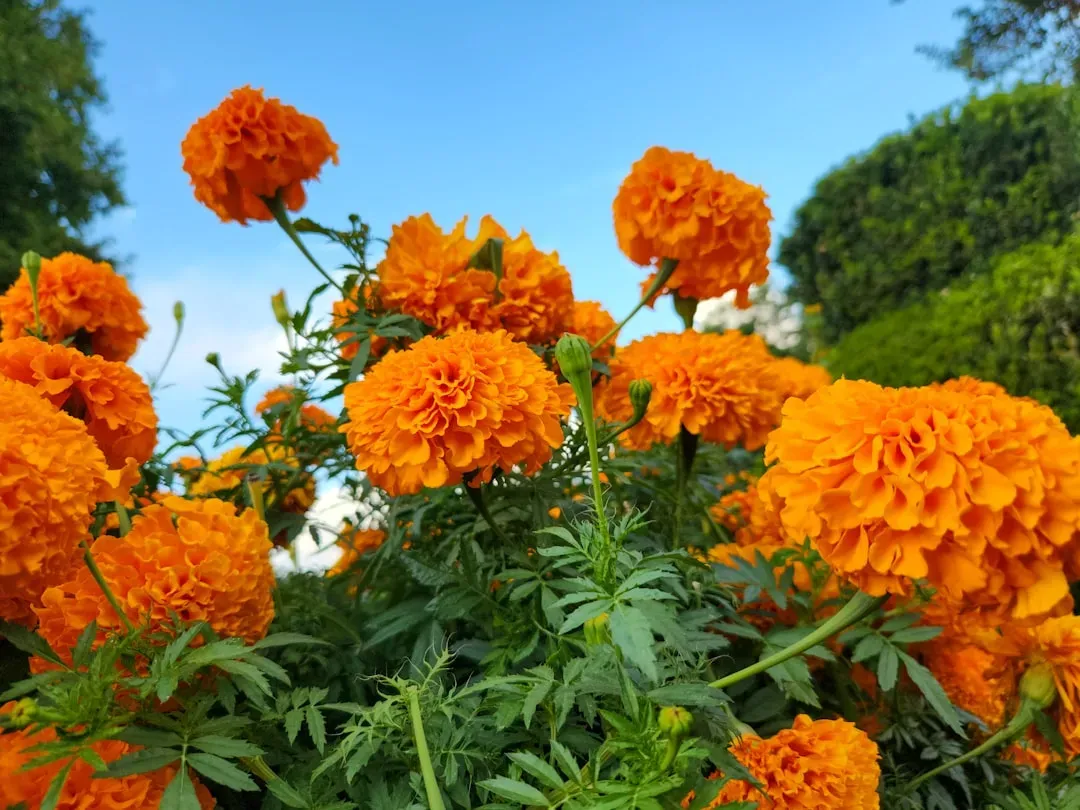
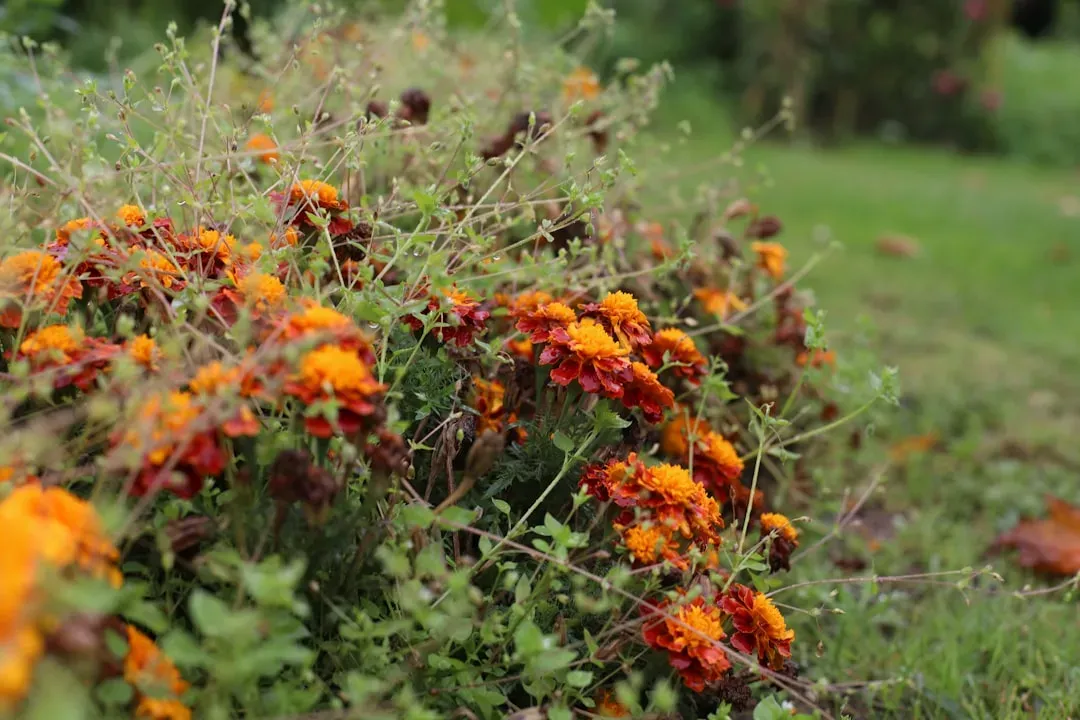
Marigolds are easy-going, bright, and cheery summer annuals that don’t mind an abundance of heat and sunshine. They’re easy to grow from seeds or starts, and they even repel insects, making them excellent neighbors for other plants. Their pest-deterring properties are a genuine bonus in a mixed garden, not just garden folklore.
Once established, marigolds are fairly drought-tolerant, though during the hottest months they may need watering in the absence of regular rainfall. Deadhead them regularly, and they will reward you with a bounty of blooms during summer and fall. Also known as African or Aztec marigolds, the tall varieties boast large, showy flowerheads in shades of cream, orange, and yellow on sturdy stalks, with both flowers and foliage fragrant when brushed, blooming from June to frost.
3. Petunias
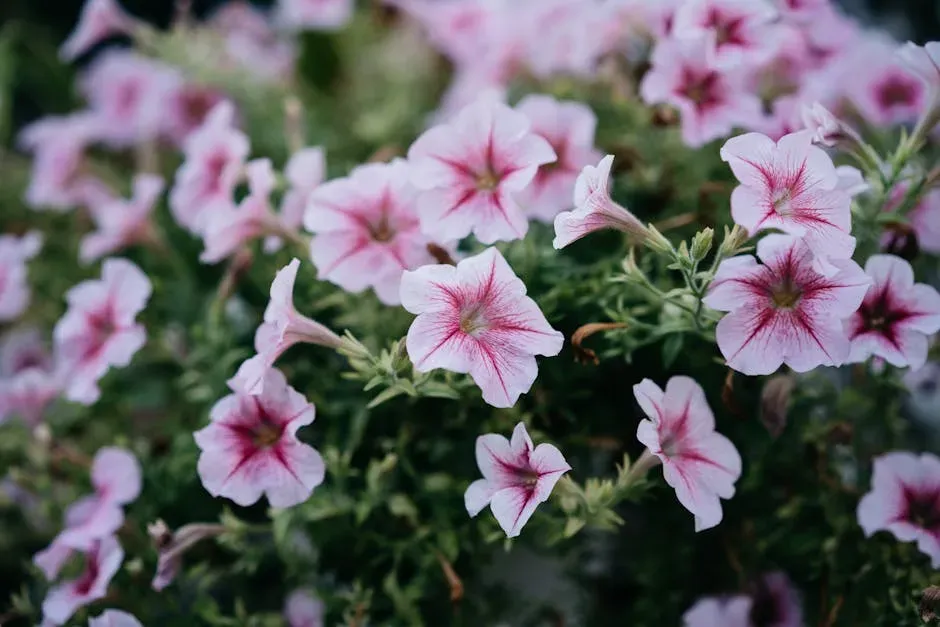
Petunias may look soft and delicate, but they’re actually resilient annuals that bloom right up to frost. Traditional petunias benefit from regular deadheading. They’re particularly versatile, performing just as well spilling from hanging baskets as they do lining a garden path. Their trumpet-shaped blooms come in virtually every color you could ask for.
Petunias bloom from spring until the first frost, reliably, as long as you keep them watered. They may pause in summer because of intense heat, but they will bounce back for a big fall bloom with the right care. For best performance, feed petunias with a balanced liquid fertilizer every two weeks, as consistent nutrition is the secret to keeping them lush and blooming.
4. Salvia
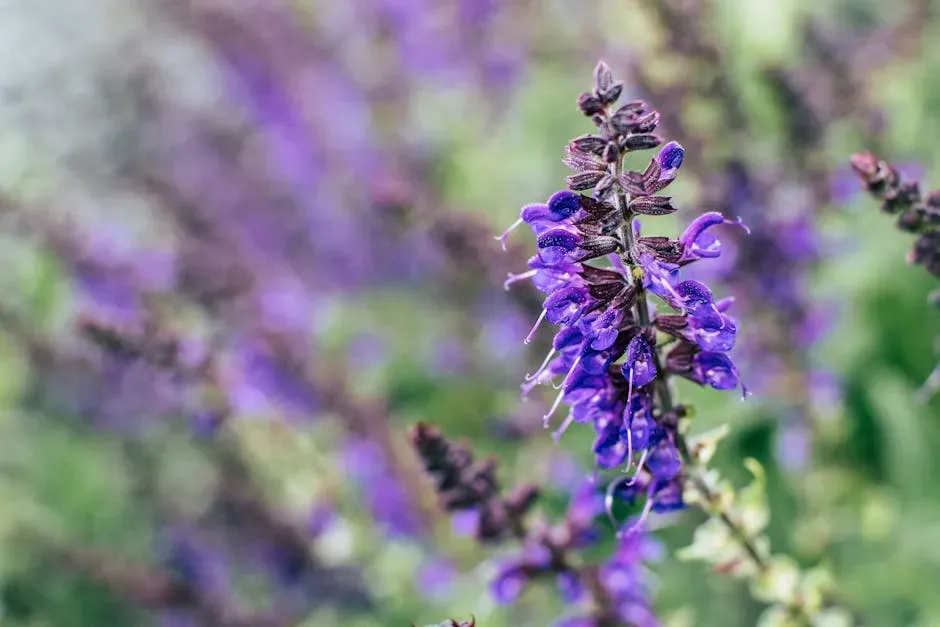
Salvia that is perennial in warmer climates is often treated as annual in cooler climates. North of zone 8, you can still grow salvia, but it won’t survive the winter. The good news is that it will bloom throughout summer and fall if you keep up with deadheading. It’s one of those plants that genuinely punches above its weight when given basic attention.
Salvias are fast-growing and produce a large number of flowers, making them an excellent food source for pollinators. They are drought-tolerant once established and excel in tolerating heat. The popular bedding plant Salvia farinacea is a shorter salvia typically planted near the front of a border, ranging in colors from blue, white, and bicolor, with deadheading promoting continual blooms over summer.
5. Lantana
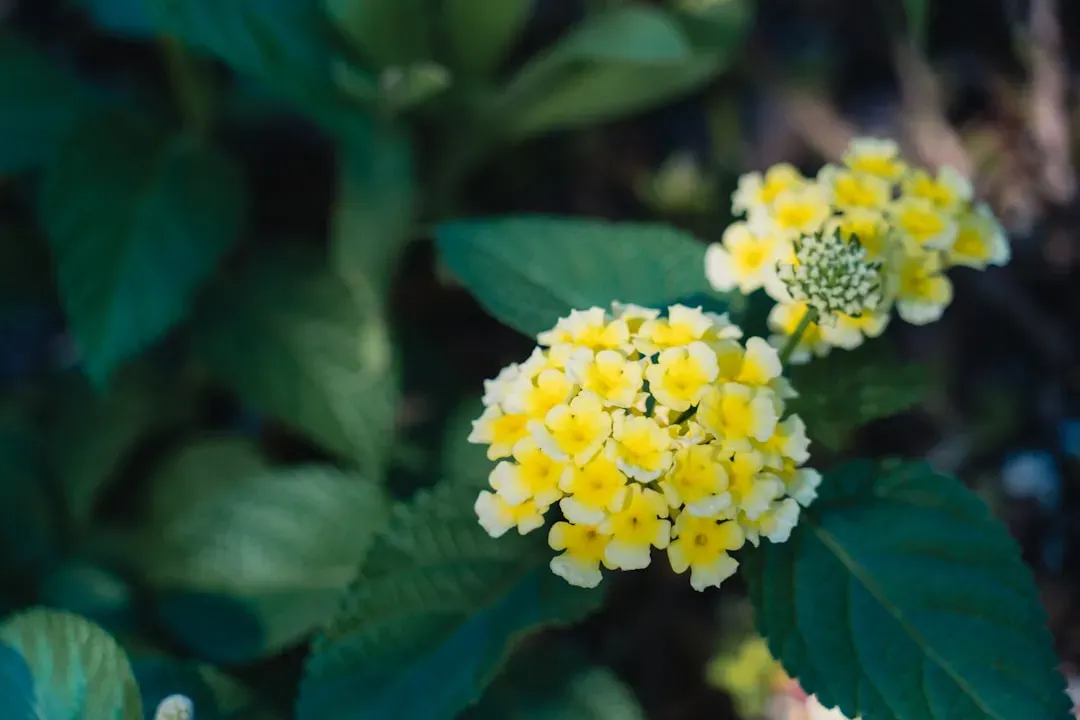
Lantana is a workhorse in the landscape, with clusters of tiny flowers that bloom continuously from planting until frost, or nearly year-round in regions where it grows as a perennial shrub. Colors include pink, orange, red, yellow, lavender and white, occurring in single, bicolor or multicolor patterns, and the plant thrives in hot, dry conditions. Few summer annuals are as unbothered by heat waves as lantana.
One of the unique features of lantana is its ability to change flower colors as they mature. This means a single plant can display multiple hues simultaneously, giving you unexpected variety without ever planting a second variety. The flowers attract pollinators such as butterflies, bees and hummingbirds, making it as valuable for wildlife as it is for visual appeal.
6. Celosia
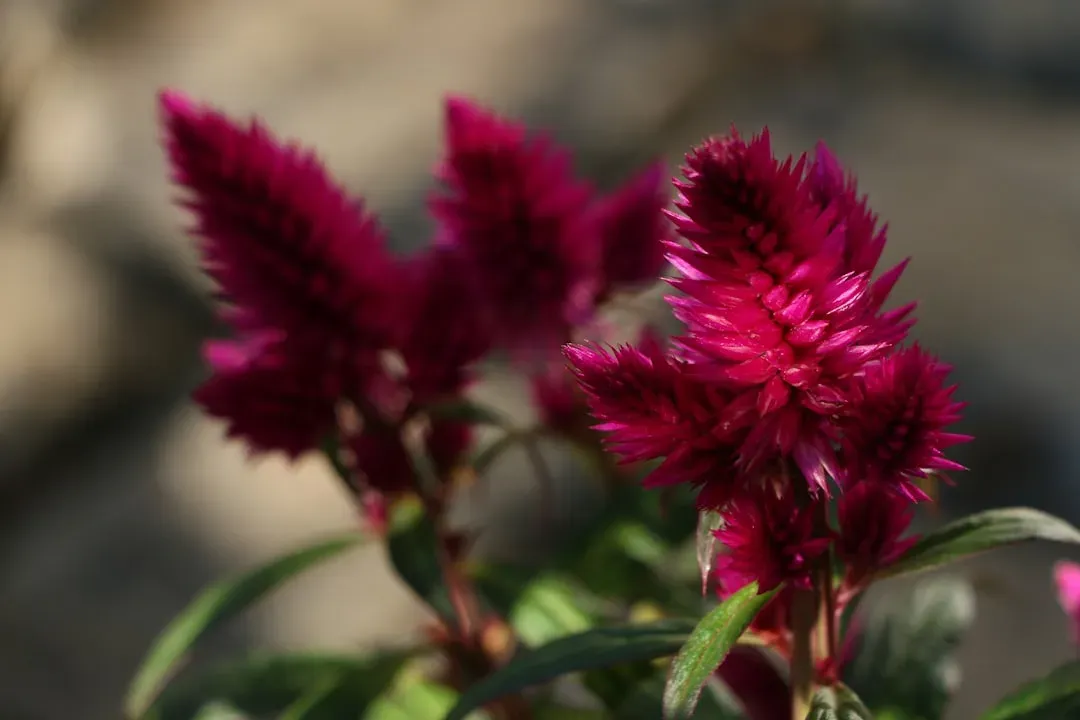
Celosia offers some of the most dramatic shapes in the annual flower world. The crested types look like colorful brain coral, plume varieties resemble feathery torches, and wheat celosia produces slender spikes of tiny blooms. All three forms come in electric shades of red, orange, yellow, pink, and magenta, and they hold their color for the entire growing season, rarely fading even under intense summer sun.
Celosia thrives in full sun and well-drained soil. It tolerates heat and moderate drought, making it a reliable performer in hot climates where other annuals struggle by August. It’s a good flower for beginners that makes excellent borders or cut flowers, blooming throughout summer and fall and offering a wide selection of bright colors. It’s genuinely one of the toughest beautiful things you’ll grow.
7. Gomphrena (Globe Amaranth)
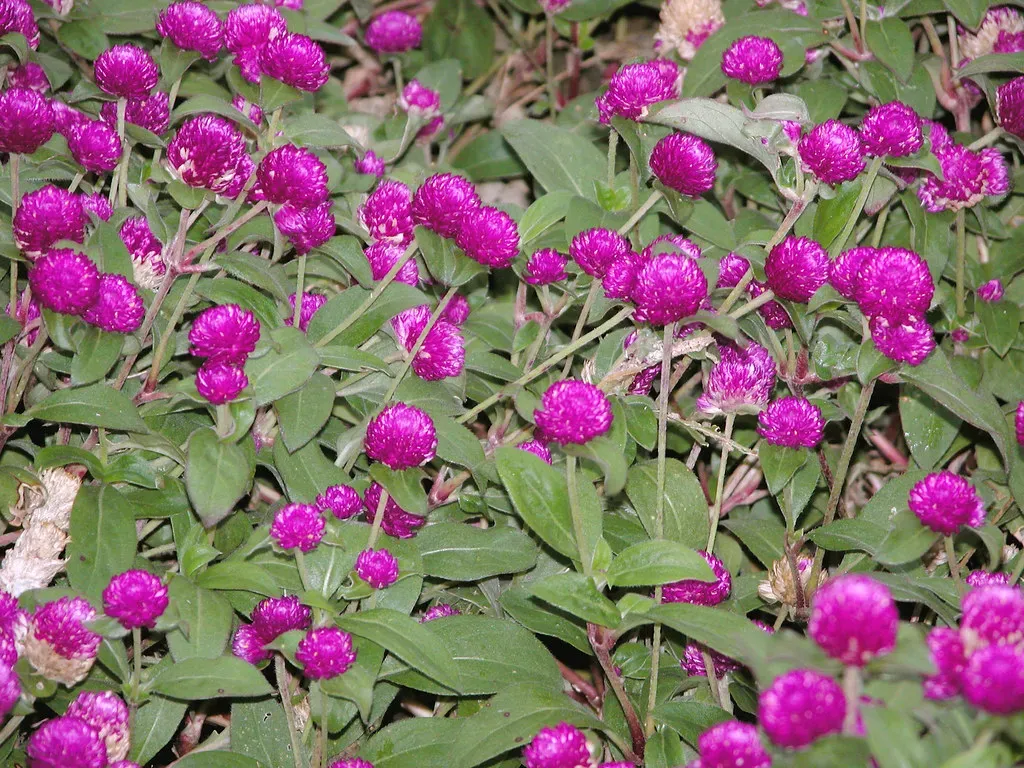
Gomphrena produces round, clover-like flower heads that look almost artificial because the color stays so vivid. The blooms hold their shape and hue for weeks on the plant, making it one of the longest-lasting displays in any garden. That staying power isn’t just in the garden either. These blooms have a second life indoors that most annuals simply can’t offer.
Incredibly showy, Gomphrena is prized by gardeners for its cheery, long-lasting flowers. Blooming all summer long and sometimes until frost, it’s easy to grow, tolerates heat and drought, and attracts beneficial insects. The brightly colored flowers can also be dried without losing their vibrancy to create everlasting bouquets.
8. Cosmos
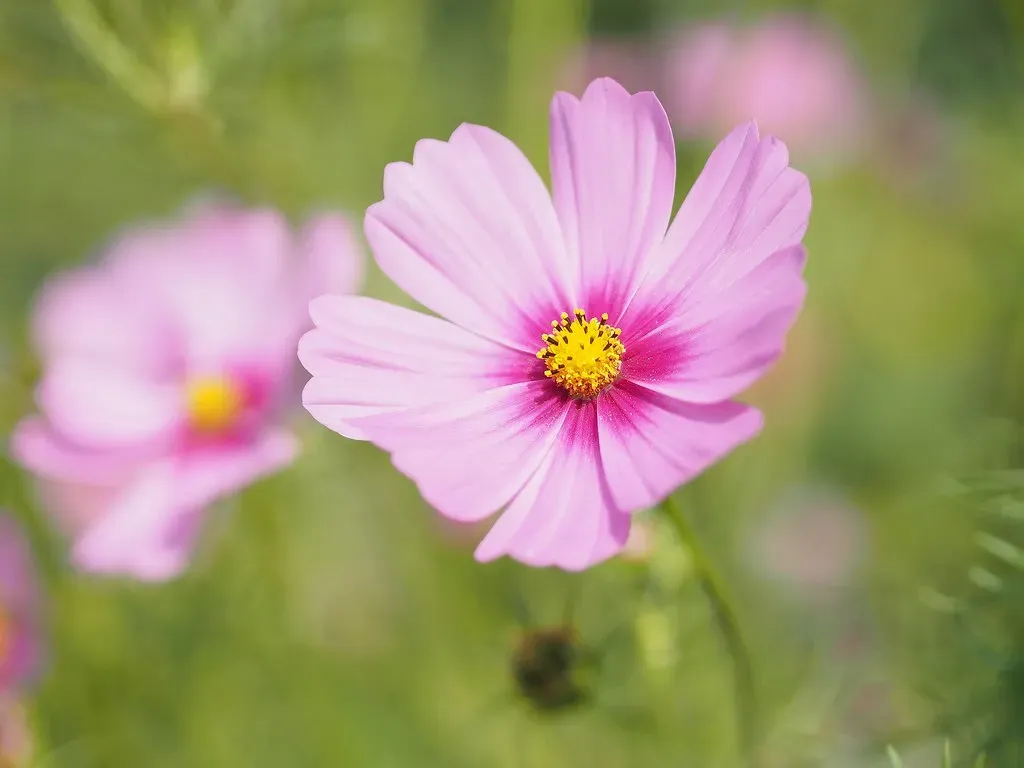
Cosmos is the wildflower gardener’s dream annual. The ferny, airy foliage and daisy-like blooms create a meadow effect that looks effortlessly beautiful, even in a structured garden bed. They have a lightness about them that most summer annuals lack. Tall, swaying, and naturally elegant, they soften even the most rigid planting scheme.
If you are growing cosmos from seeds, it takes about 7 weeks to first bloom. After that, your flowers should continue to bloom until the first fall frost. They prefer soil that is not too rich, as rich soil will encourage foliage at the expense of blooms, and they grow best in neutral to alkaline soils. Sometimes, less really is more.
9. Verbena
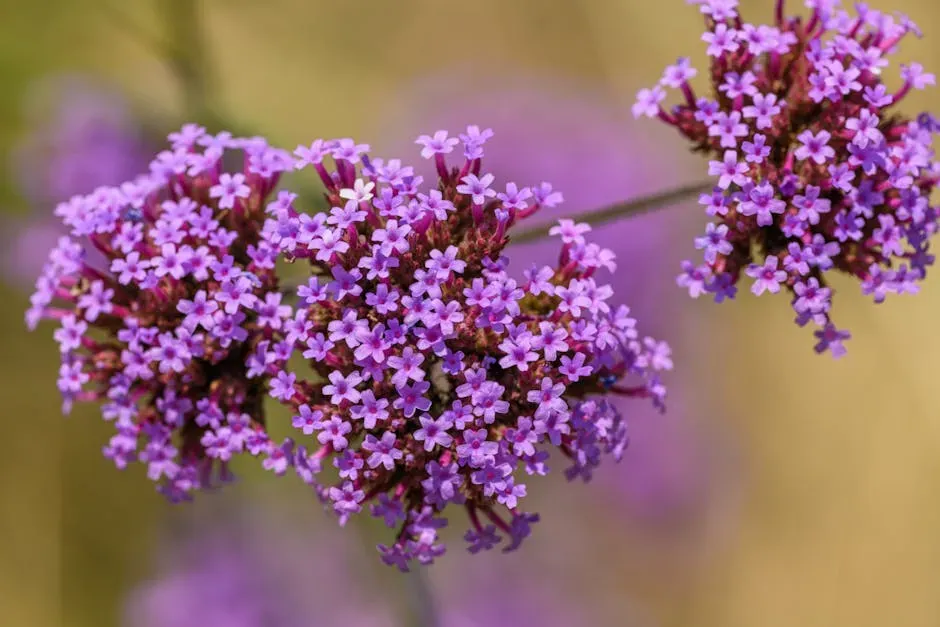
Verbena is a versatile flowering plant known for its clusters of small, vibrant flowers in shades of purple, pink, red, and white. With its trailing or upright growth habit, verbena adds a splash of color to containers, borders, and hanging baskets. It attracts butterflies and hummingbirds and blooms from spring to fall, providing long-lasting beauty in the garden.
Verbena handles heat and dry spells without sulking, which makes it a natural candidate for sunny spots that other plants find too intense. Large vivid flowers make a big impact as a ground cover or in pots, and verbena is tolerant of some drought. It trails beautifully over container edges and pairs especially well with taller, upright annuals like salvia or cleome for a layered, professional-looking effect.
10. Ageratum (Flossflower)
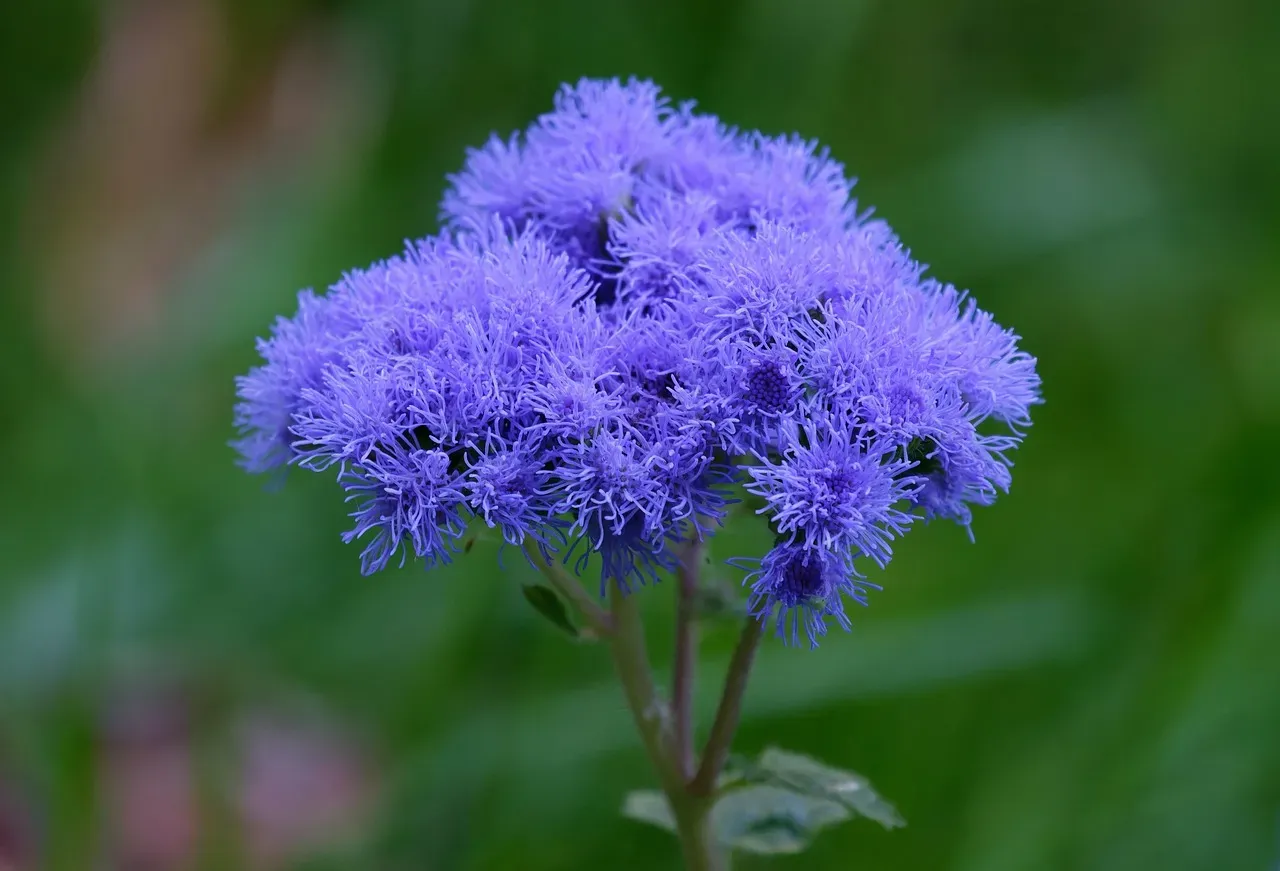
Ageratum, or flossflower, gives old-fashioned appeal with its rounded clusters of fluffy, aster-like flowers in shades of blue, mauve, pink, and white. With a mounding habit, it grows six inches to two and a half feet tall, and blooms from May until frost. That signature blue shade is genuinely hard to find among summer annuals, which makes ageratum something of a rare commodity for cool-toned garden palettes.
Easily grown in a full sun location with well-draining, humus-rich soil and medium moisture levels, consistent watering is important as plants can wilt if soils get too dry. Ageratum tolerates light shade and appreciates some relief from very hot afternoon sun. This species attracts butterflies and is rabbit- and deer-resistant, with the tall varieties making good cut flowers.
11. Vinca (Catharanthus)
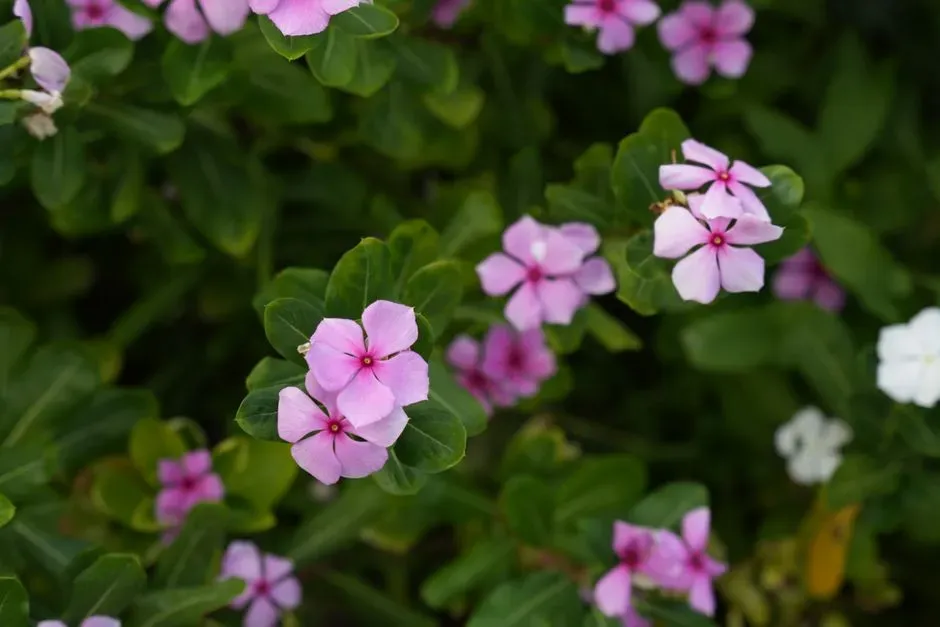
Vincas are typically grown as annuals. These low-maintenance butterfly magnets add color to borders, beds and containers. If given full sun and regular watering, they’ll bloom profusely until frost. Fertilize the plants every other week and they’ll grow in almost any soil that drains easily. Vincas are self-cleaning, so you don’t have to pick off the spent flowers.
That self-cleaning quality matters more than it sounds. Many of the best annuals still require a committed deadheading routine to stay productive. Vinca simply doesn’t, making it the ideal choice for gardeners who want consistent color without constant maintenance. The tiny bell-shaped flowers come in nearly every color imaginable, including bicolors and doubles, with some newer cultivars featuring a dark eye pattern that adds extra visual punch.
12. Angelonia
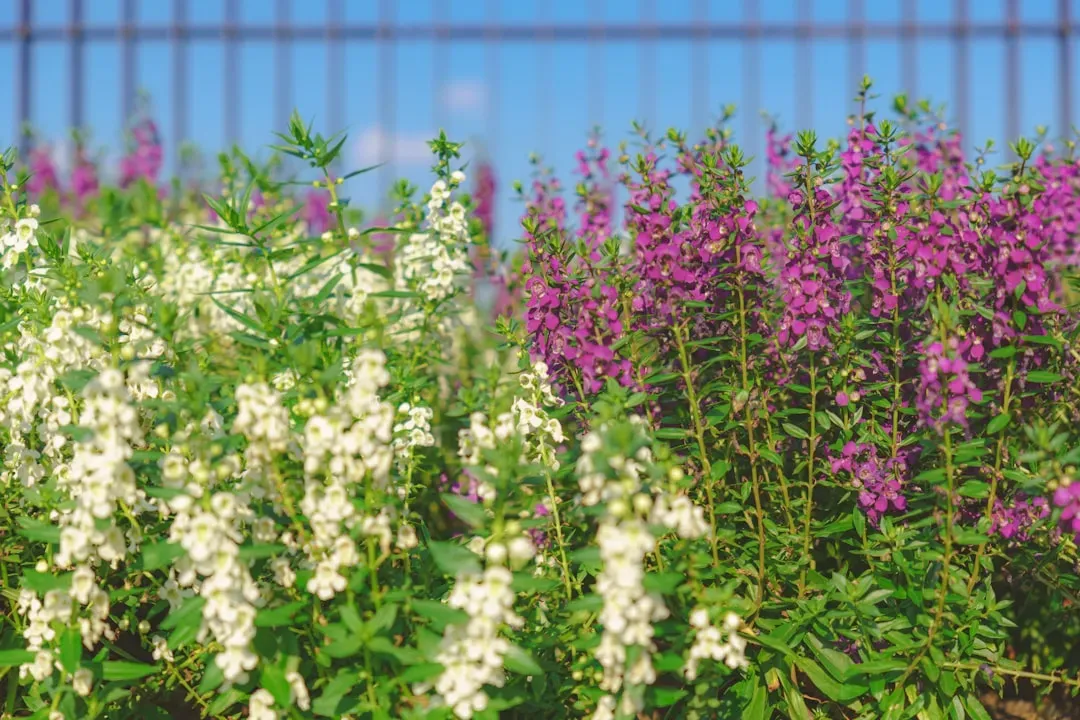
Angelonia earns its nickname because the spiky flower stalks look like miniature snapdragons. The key difference is that angelonia actually thrives in scorching summer heat rather than fading when temperatures climb. That heat resilience is what sets it apart. Where snapdragons may struggle in July, angelonia hits its stride.
Most varieties reach 12 to 18 inches tall and produce purple, pink, white, or bicolor blooms along upright stems. These plants bloom heavily without any deadheading at all. Give them consistent moisture, a dose of liquid fertilizer every couple of weeks, and full sun, and they will reward you with a cascade of color until frost arrives. It’s one of the most underrated annuals in general circulation right now.
13. Pentas
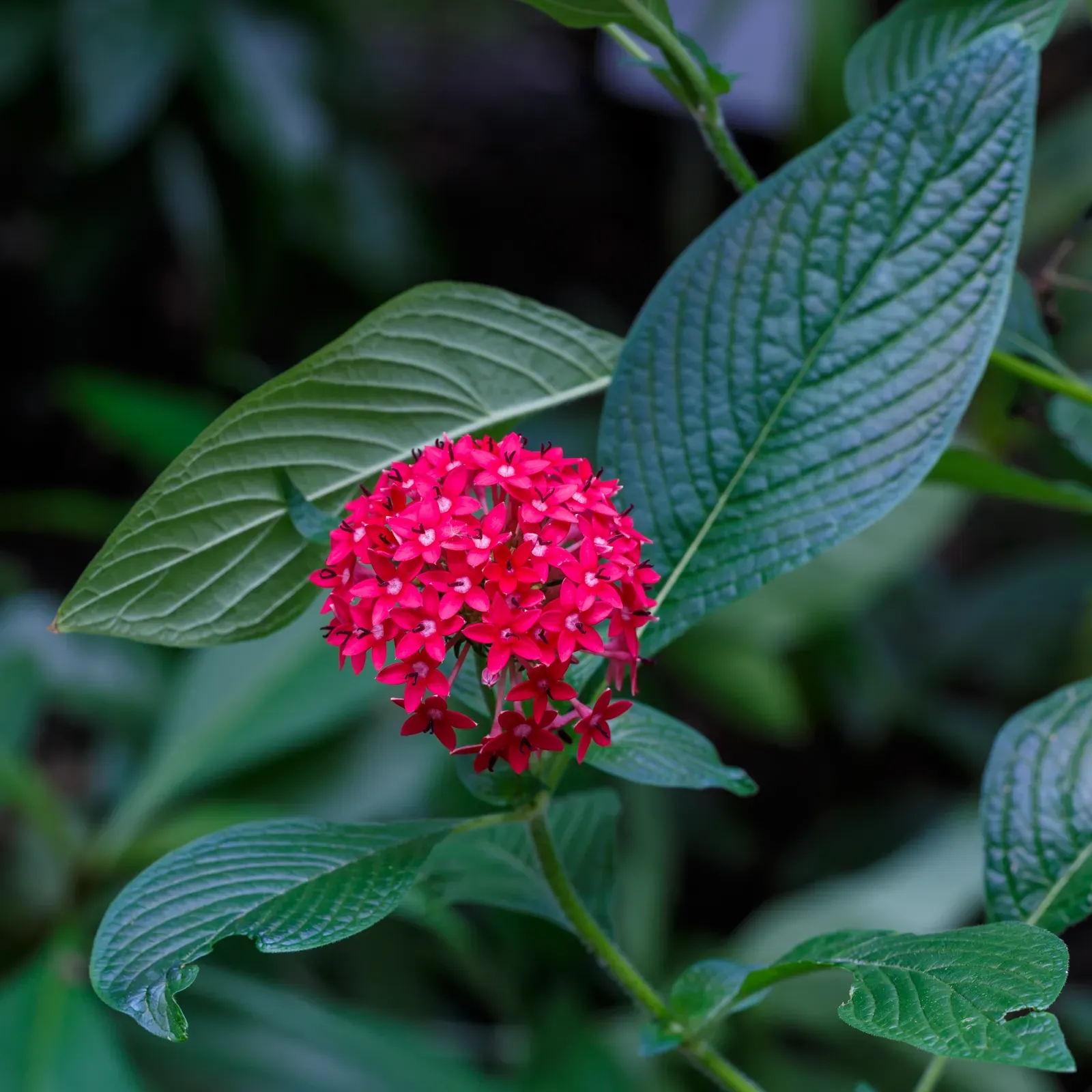
A true nectar factory, butterflies, hummingbirds and bees love pentas, which prefer full sun to part shade. When establishing pentas, be careful not to water the foliage in the heat of the day, as water on the leaves can burn them in full sunlight, especially if plants were not acclimatized to full sunlight conditions. It is important to only water the roots and limit foliage getting wet.
Pentas are known for their star-shaped flowers in shades of red, pink, and white that bloom in clusters atop tall stems. They have a tropical sensibility that looks particularly at home in mixed container arrangements. Consistent warmth suits them perfectly, and they’re one of those annuals that becomes more impressive as summer deepens, rather than petering out when you need them most.
14. Bachelor’s Buttons (Cornflower)
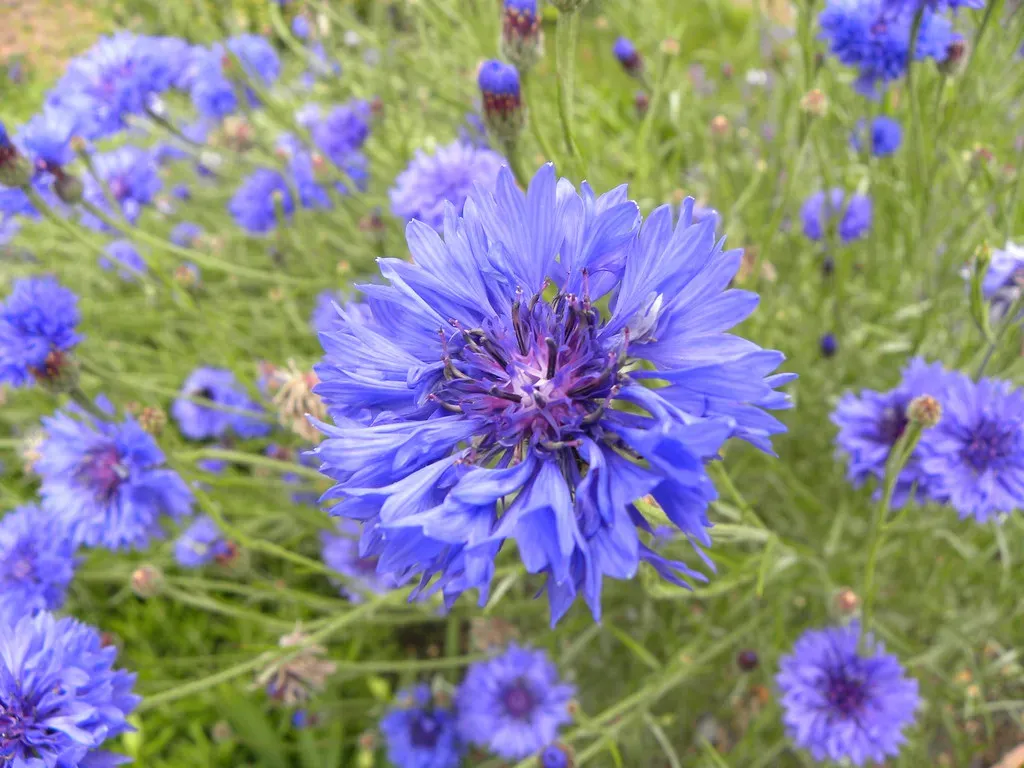
Bachelor’s buttons, also known as cornflowers, are dainty, low-maintenance, cool-weather bloomers. A mass planting will fill the garden with brilliant blue blooms for weeks. When planted in the spring, they are summer bloomers, but a second sowing in late summer will give you a bounty of fall flowers. Timing two successive sowings is the real trick to maximizing their season.
Bachelor’s buttons are easy to grow from seed, a hardy and low-maintenance option which is why they’re often included in wildflower mixes. They make wonderful cut flowers for fresh or dried arrangements and are also edible, making adorable natural decorations for baked goods. They’re modest plants with a quiet charm that earns respect over a long season.
15. Calibrachoa (Million Bells)
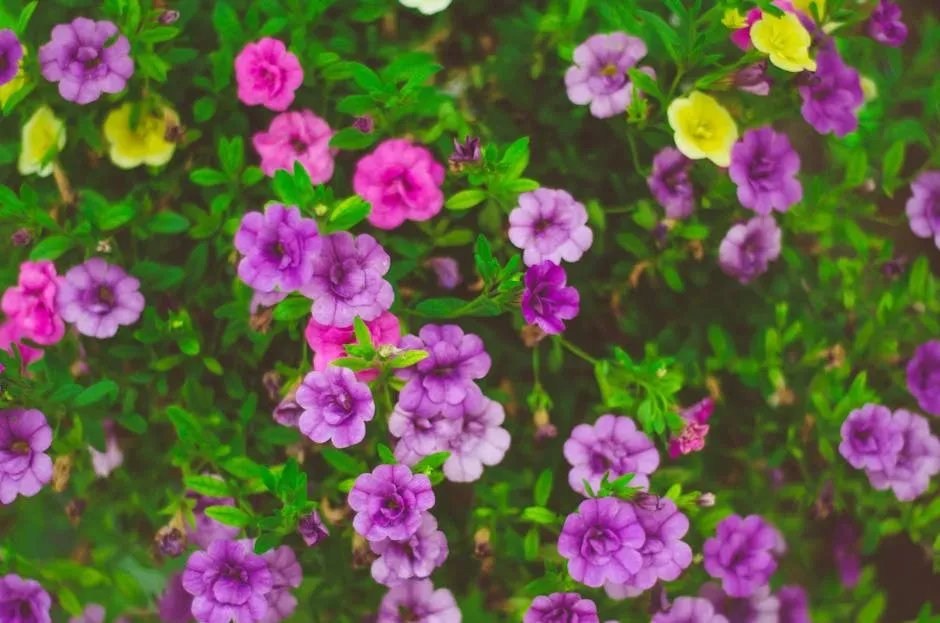
These plants bloom heavily without any deadheading at all. Give them consistent moisture, a dose of liquid fertilizer every couple of weeks, and full sun, and they will reward you with a cascade of color until frost arrives. Calibrachoa is compact enough for even the smallest containers but prolific enough to feel genuinely lavish. The trailing habit makes it a natural for hanging baskets and window boxes.
Give them moist, well-drained soil that’s rich in organic material. They like full sun but may last longer if given light shade in regions with hot summers. Feed them with a balanced, water-soluble fertilizer as indicated on your product, and water regularly. Containers may need extra water as temperatures heat up. The payoff for that modest attention is months of uninterrupted bloom, all the way to the season’s final curtain.
Final Thoughts: Choose the Long Game
There’s something deeply satisfying about a garden that keeps going when others have given up. These fifteen annuals aren’t just pretty faces; they’re built for the full season, capable of carrying color from early summer clear through October. While perennials return each year, their bloom period is often shorter. Annuals, on the other hand, bloom quickly and, given the right conditions, can flower for most of the year.
The real secret behind all of them isn’t exotic soil amendments or complicated care routines. An important practice to keep those flowers blooming until that first frost is deadheading. Removing spent flowers will help your annuals to continue producing, while leaving them to go to seed lets your plants know that dormancy is just around the corner.
Plant generously, deadhead consistently, and water smartly. These aren’t just survival strategies; they’re the difference between a garden that fades in August and one that still stops you in your tracks on a crisp October morning. The season is always longer than you think. These flowers know it, even if you’ve forgotten.

- 10 Mind-Blowing Facts About Our Solar System You Never Knew - July 22, 2026
- 10 Heartwarming Ways Pit Bulls Show They’ve Bonded With You - July 22, 2026
- 10 Animals With the Most Unique Parenting Techniques in Nature - July 22, 2026