
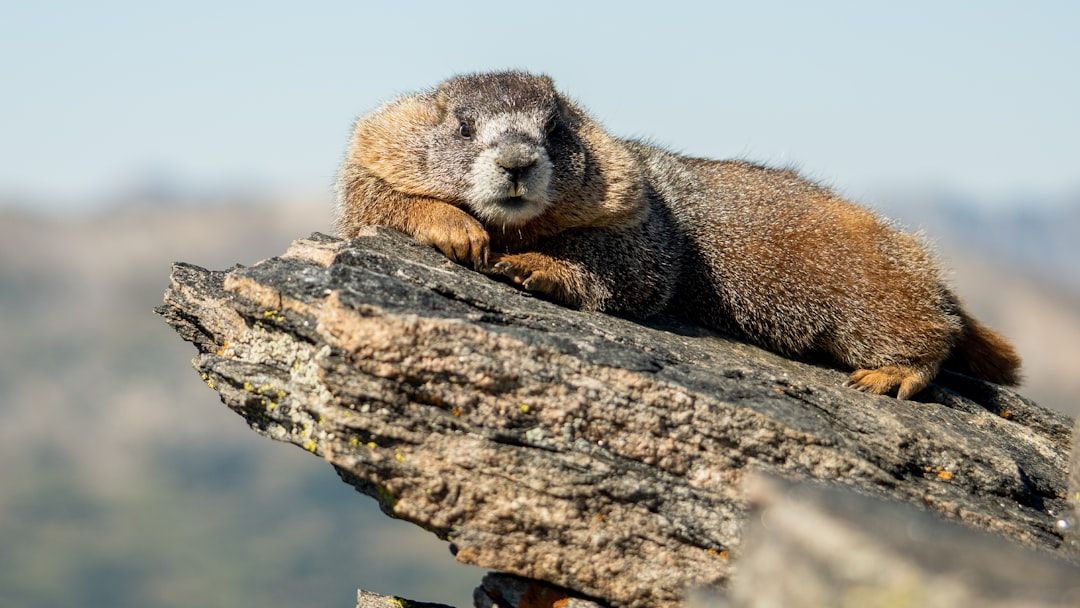
Every February, the same ritual plays out. A pudgy rodent gets hauled into the spotlight, someone makes a dramatic announcement about winter, and millions of people pay attention. It’s genuinely one of the stranger traditions in modern culture. But the real story of the groundhog has almost nothing to do with shadows or seasons.
These animals are far more remarkable than their one day of celebrity suggests. The biology, behaviors, and ecological roles of groundhogs are, if anything, weirder and more impressive than any folklore could cook up. Here are ten facts that might permanently change how you see this overlooked creature.
#1: They Are Among the Truest Hibernators on the Planet
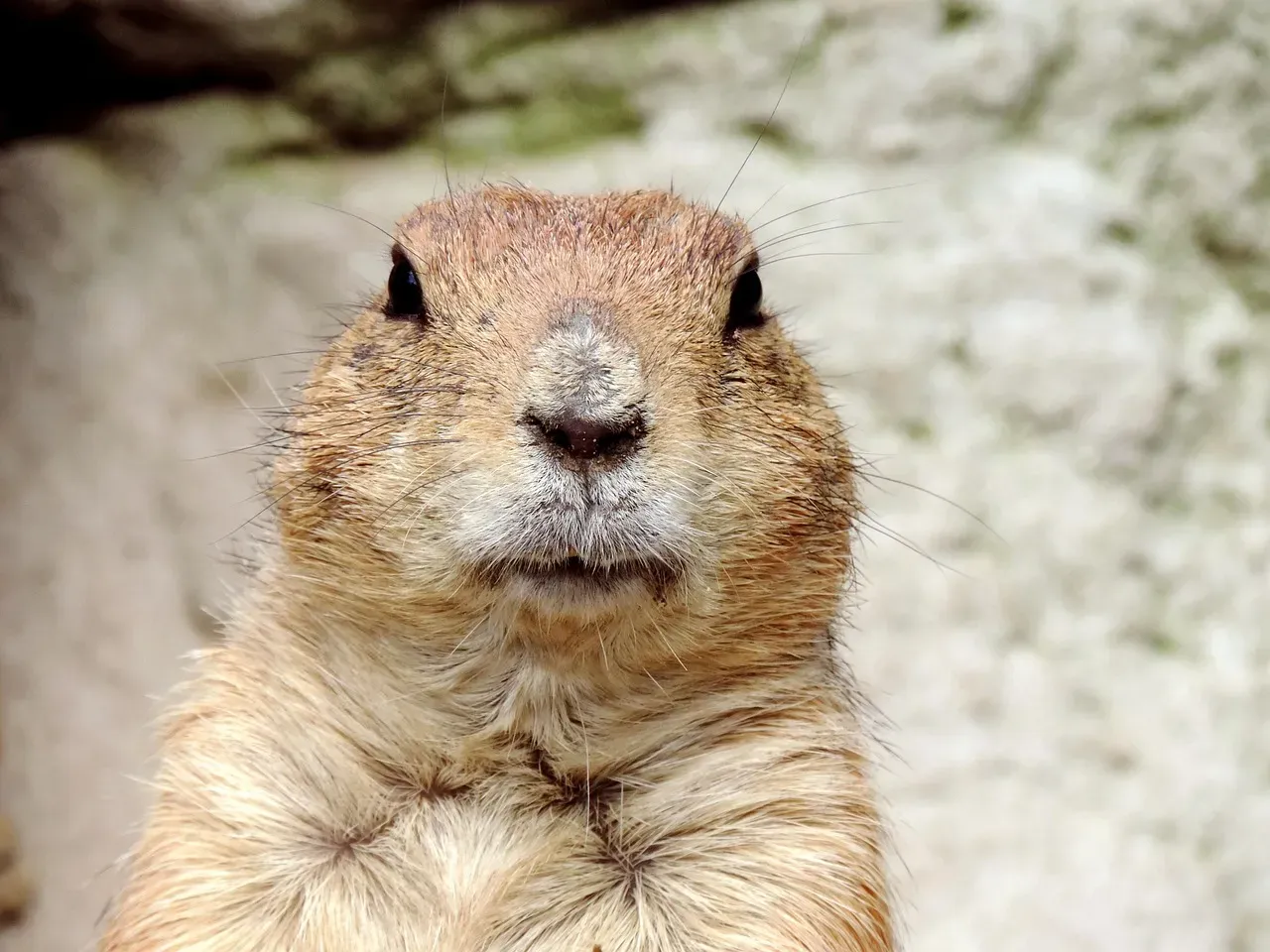
Most people assume that animals like bears are the gold standard for hibernation. Bears are actually light sleepers by comparison. In the world of biology, we distinguish between “sleepers” and “true hibernators,” and in late fall, a groundhog enters a deep sleep that is almost death-like.
When the groundhog enters hibernation, there is a drop in body temperature to as low as 35 degrees Fahrenheit, heart rate falls to just 4 to 10 beats per minute, and breathing rate falls to one breath every six minutes. That’s not sleep. That’s something closer to suspended animation.
During hibernation, they don’t eat and rely entirely on fat stores they have built up, going into a deep and full sleep throughout the winter. They can lose up to half their body weight over the course of those months.
#2: Their Burrows Are Underground Mansions With Indoor Plumbing
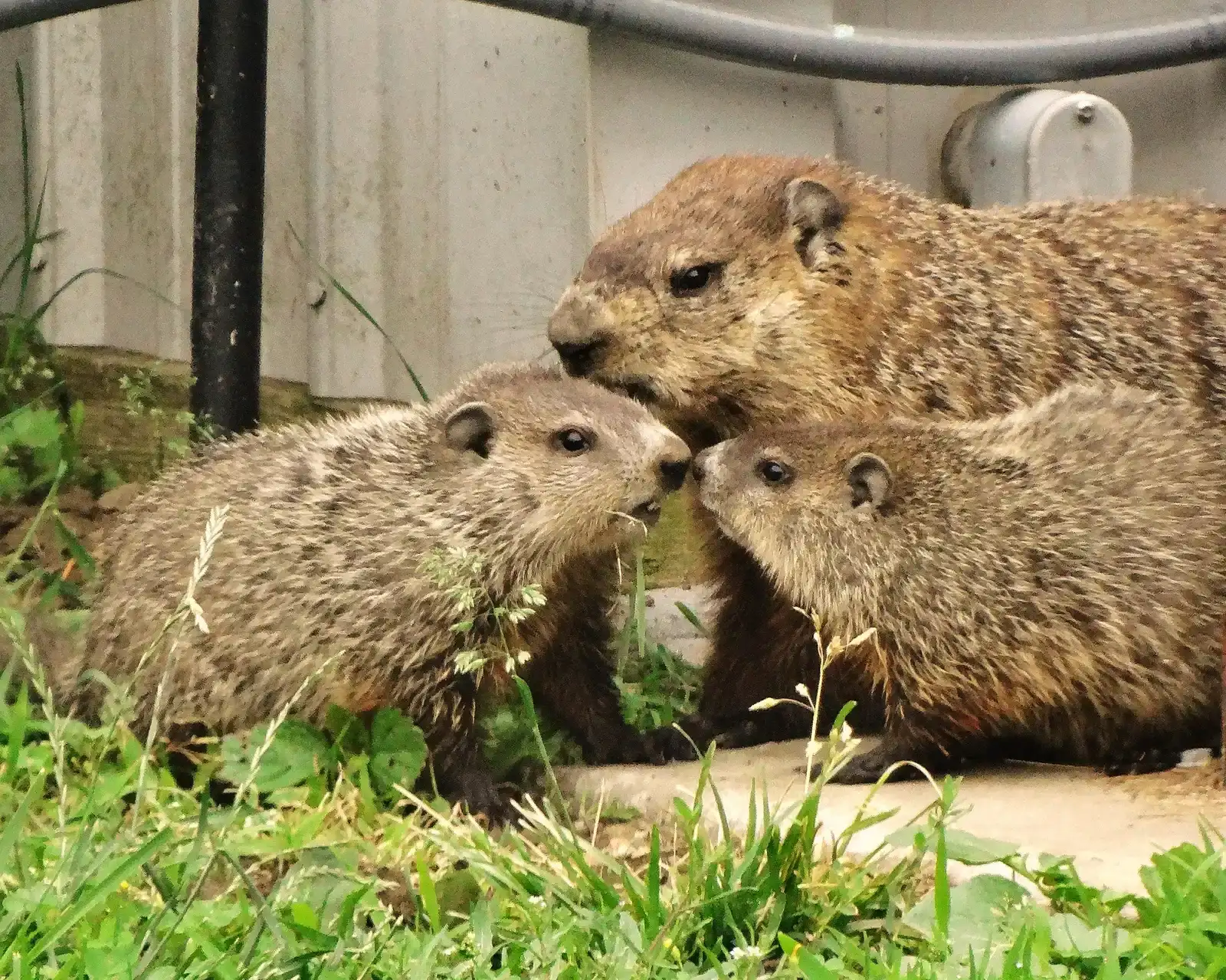
From the surface, a groundhog’s burrow might just look like a hole in the ground, but inside it can be elaborate, with distinct chambers that act as bathrooms and bedrooms, multiple entrances, and tunnels twisting through the earth totaling as much as 65 feet in length.
In addition to a chamber for storing waste, a groundhog burrow system may include separate areas for sleeping, nesting, and raising young, and it may also have multiple entrances for ventilation and rapid escape should a predator arrive. The separate bathroom chamber is not a quirk. It’s a deliberate design choice that limits odor and contamination in the living areas.
Groundhogs even know how to prevent heat loss by occasionally using vegetation to block burrow entrances, and they are capable of moving nearly 700 pounds of dirt when digging a single burrow. For an animal that weighs roughly 11 pounds, that’s a remarkable feat of engineering.
#3: They Are Accidental Archaeologists
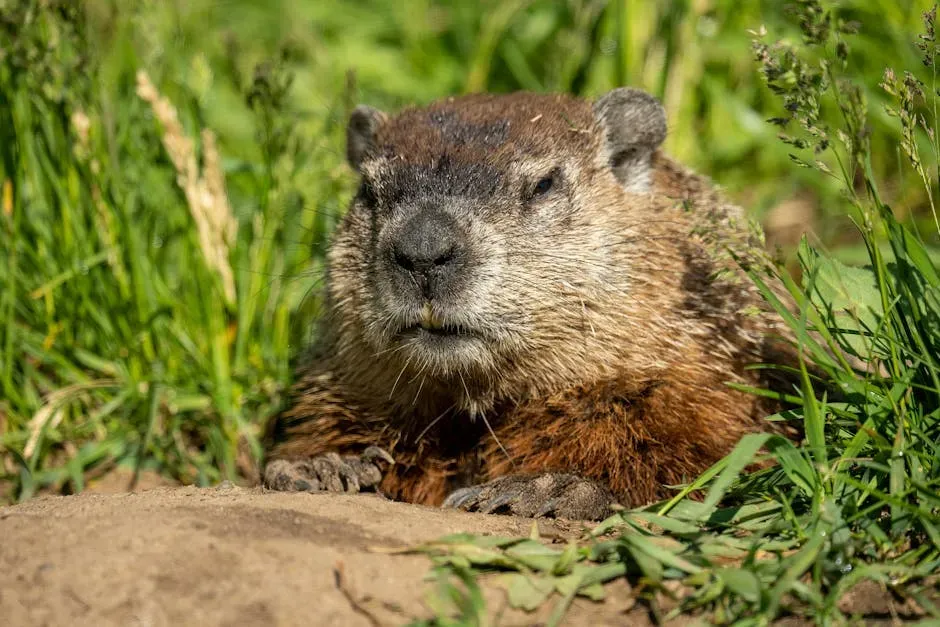
This one is genuinely strange. As groundhogs dig deep to create their burrows, they have sometimes stumbled upon historical relics, and in at least three cases, groundhogs have helped locate new archaeological sites, including one of the oldest known sites of human habitation in North America: Pennsylvania’s Meadowcroft Rockshelter.
On November 12, 1955, Albert Miller discovered there might be more to his property than he had ever imagined, when he found a groundhog hole that contained flint flakes and burnt bone. The site contains evidence that the area may have been continuously inhabited for at least 16,000 years and possibly up to 19,000 years.
One curious animal, one observant man, and one quiet patch of Pennsylvania soil ended up challenging what experts thought they knew about when people first arrived on the continent. Not bad for a rodent who was just looking for a place to sleep.
#4: They’re Secretly Important to Medical Science
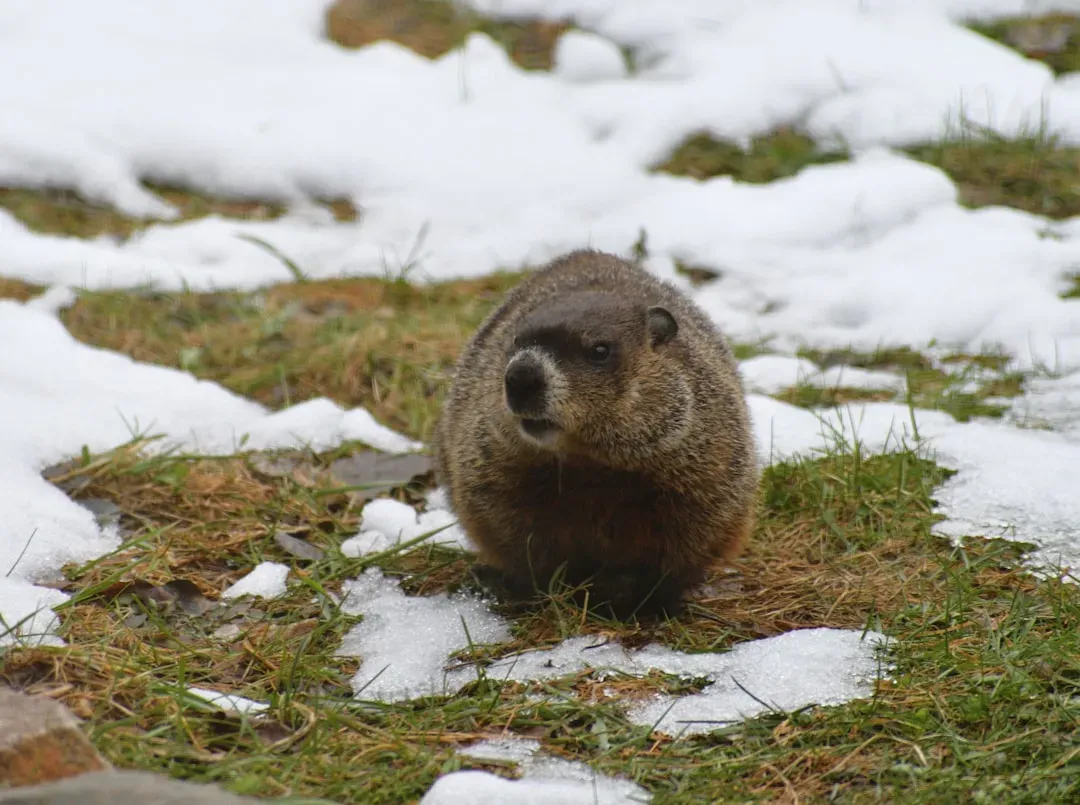
Archaeology isn’t the only science groundhogs help us with. They also help medical researchers better understand the connection between hepatitis B and liver cancer, because the groundhog equivalent of the hepatitis B virus is so similar to that in humans that researchers can use them as a stand-in for people to better understand how the virus causes liver issues.
Research facilities have housed hundreds of woodchucks specifically because these large rodents are a natural host for a close cousin of the hepatitis B virus, making them a favored research model for studying the disease. Woodchucks may be infected with Woodchuck Hepatitis Virus, a virus with more than 70 percent DNA homology to the human hepatitis B virus.
Infection of eastern North American marmots with the woodchuck hepatitis virus is recognized as the most valuable pathogenic model of human hepatitis B-induced disease. The humble groundhog, it turns out, has been quietly advancing human medicine for decades.
#5: Their Teeth Never Stop Growing and Can Turn Deadly
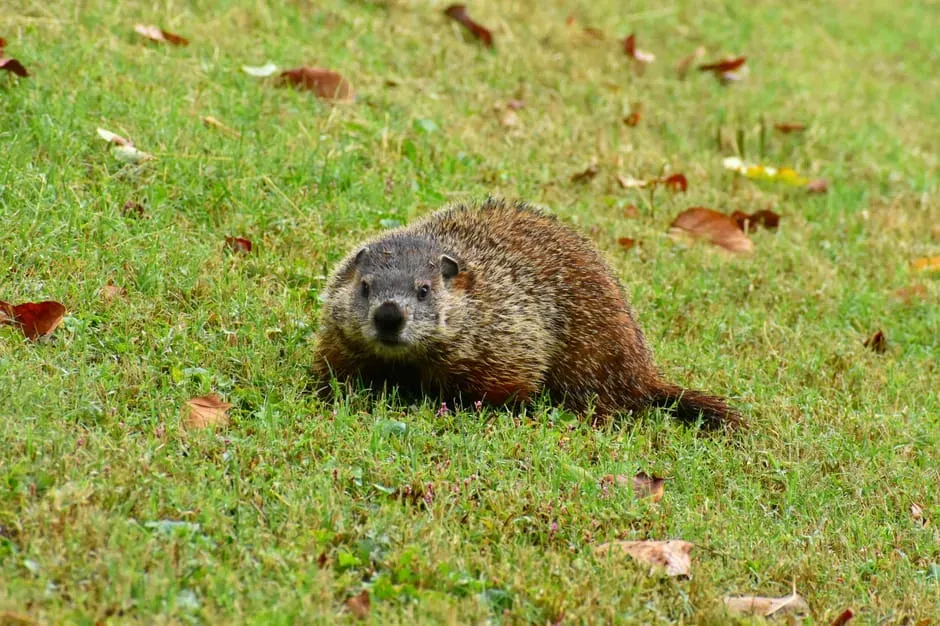
Groundhogs have four incisors shaped like chisels, two upper and two lower, of which the upper two continue to grow at the rate of one sixteenth of an inch every week. That’s continuous, lifelong tooth growth, which requires constant management through chewing.
A groundhog’s incisors can grow one sixteenth of an inch each week, but all that eating helps grind them down with each bite as long as they are properly aligned. When not properly aligned, the teeth aren’t able to be ground down, which can be deadly for the animal.
If their teeth are not properly aligned, they could miss one another and keep growing, looking something like tusks, until the upper incisors impale the lower jaw of the groundhog, which could lead to death. It’s a strange, high-stakes dental situation built directly into the animal’s biology.
#6: They Have a Secret Social Life Most People Never See
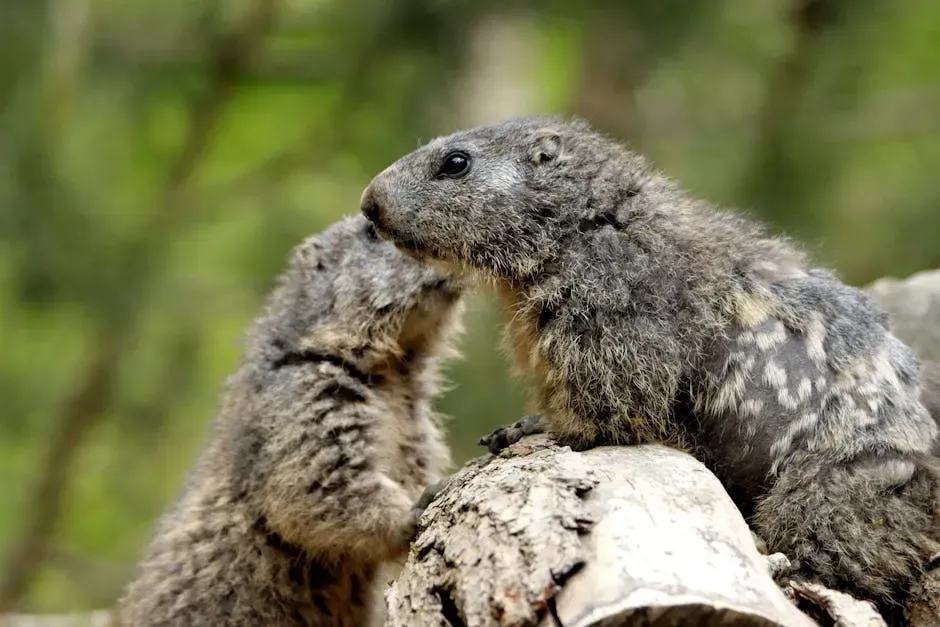
Groundhogs have a reputation for being grumpy loners, and that’s mostly fair. Groundhogs are considered one of the most solitary of marmot species. Yet their social behavior is more nuanced than the stereotype suggests.
Male groundhogs emerge in February and wander around looking for female burrows. Mating doesn’t happen at this point; it’s just a getting-to-know-you phase, and the male might spend the night. When spring comes around, successful courtships lead to mating.
Groundhogs in Ohio have been observed to have different social organization than groundhogs elsewhere, with adult males and females associating with each other throughout the year and often from year to year. So the idea that they’re universally antisocial is actually a regional generalization, not a universal rule.
#7: They’re Surprisingly Athletic for Their Shape
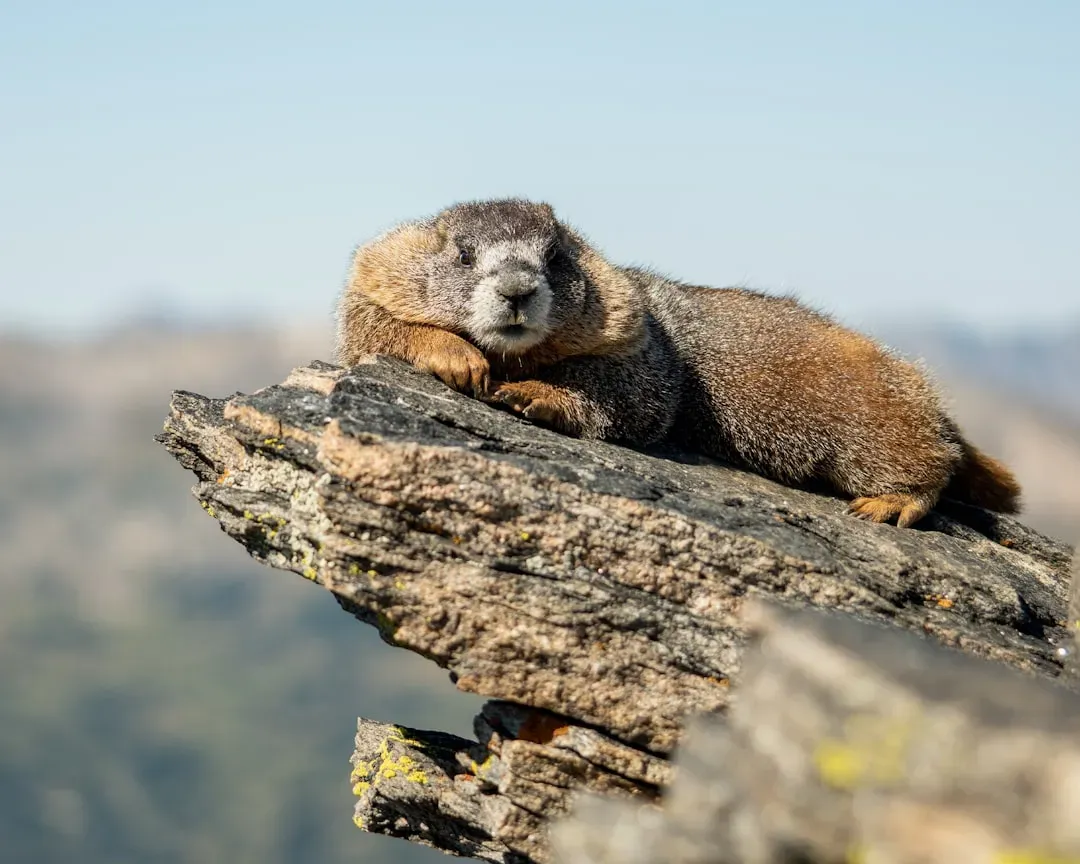
Looking at a groundhog, you wouldn’t immediately think “athlete.” They’re round, low-slung, and not exactly built for speed. Despite their heavy-bodied appearance, groundhogs are accomplished swimmers and occasionally climb trees when escaping predators or when they want to survey their surroundings.
As members of the squirrel family, groundhogs have good balance and can climb and jump, and it’s not uncommon to see them in bushes, on stumps, or even on fences. They’re also fast enough to matter, though a fox running three times their top speed tends to win that race.
They have two layers of fur: a dense grey undercoat and a longer coat of banded guard hairs that gives the groundhog a frosted appearance, and when frightened, the hairs of the tail stand straight up. That alarm response is one of several physical signals they use alongside their famous whistle.
#8: They Function as an Alarm System for the Forest
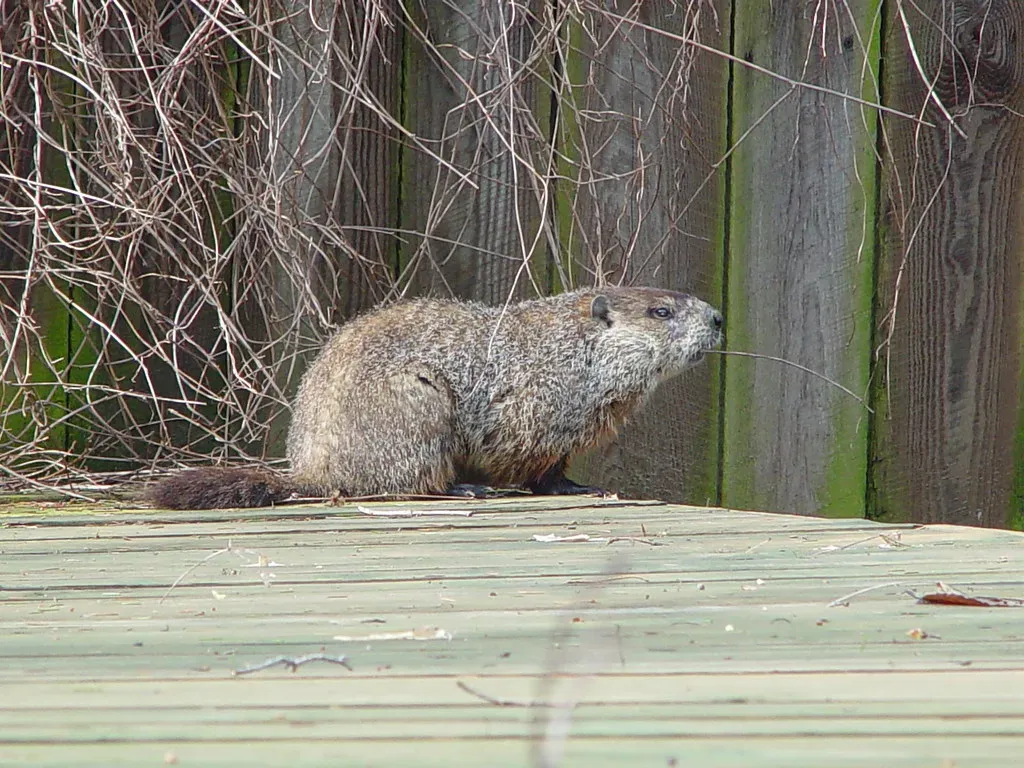
Groundhogs have the nickname “whistlepig” because when alarmed, they use a high-pitched whistle to warn the colony. This isn’t just noise. It’s a coordinated early-warning system that benefits far more than just other groundhogs.
The groundhog is an extremely intelligent animal, forming complex social networks and kinship with its young, and is capable of understanding social behavior, communicating threats through whistling, and working cooperatively to accomplish tasks such as burrowing. That level of cooperative alertness puts them closer to prairie dogs in terms of community defense than most people realize.
Groundhogs may also squeal when fighting, seriously injured, or caught by a predator, and other vocalizations include low barks and a sound produced by grinding their teeth. Their vocal range is considerably wider than most people ever get to hear.
#9: Their Burrows Reshape Entire Ecosystems
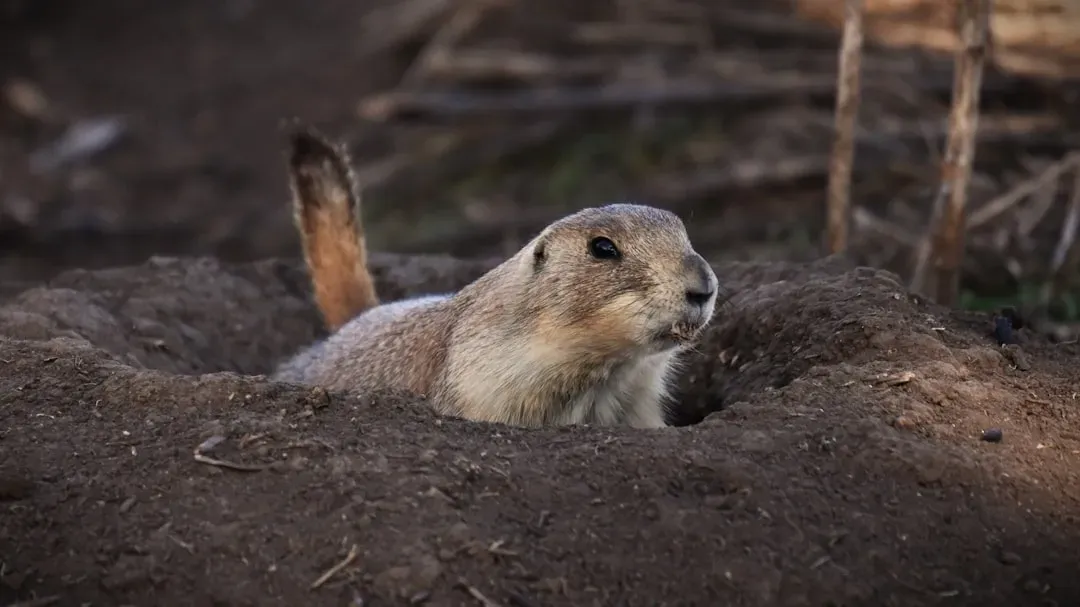
The groundhog is an important contributor to the maintenance of healthy soil in woodlands and plains, and as such, the species is considered a crucial habitat engineer. That’s a significant ecological role for an animal most people think of as a lawn pest.
It’s not just the groundhog that uses its burrow. Animals like rabbits, chipmunks, and snakes move in once a groundhog has moved out. Burrowing also aerates the soil, providing oxygen that helps plants better absorb nutrients. One animal’s home essentially becomes a community resource for dozens of other species.
When groundhogs are in hibernation, other animals have been spotted living in their burrows, even in different sections. Some prominent housemates include opossums, cottontail rabbits, skunks, and raccoons, while animals like snakes, weasels, birds, river otters, and chipmunks may inhabit abandoned or vacant burrows. In ecosystem terms, every groundhog burrow is a piece of shared infrastructure.
#10: They Don’t Drink Water the Way Most Animals Do
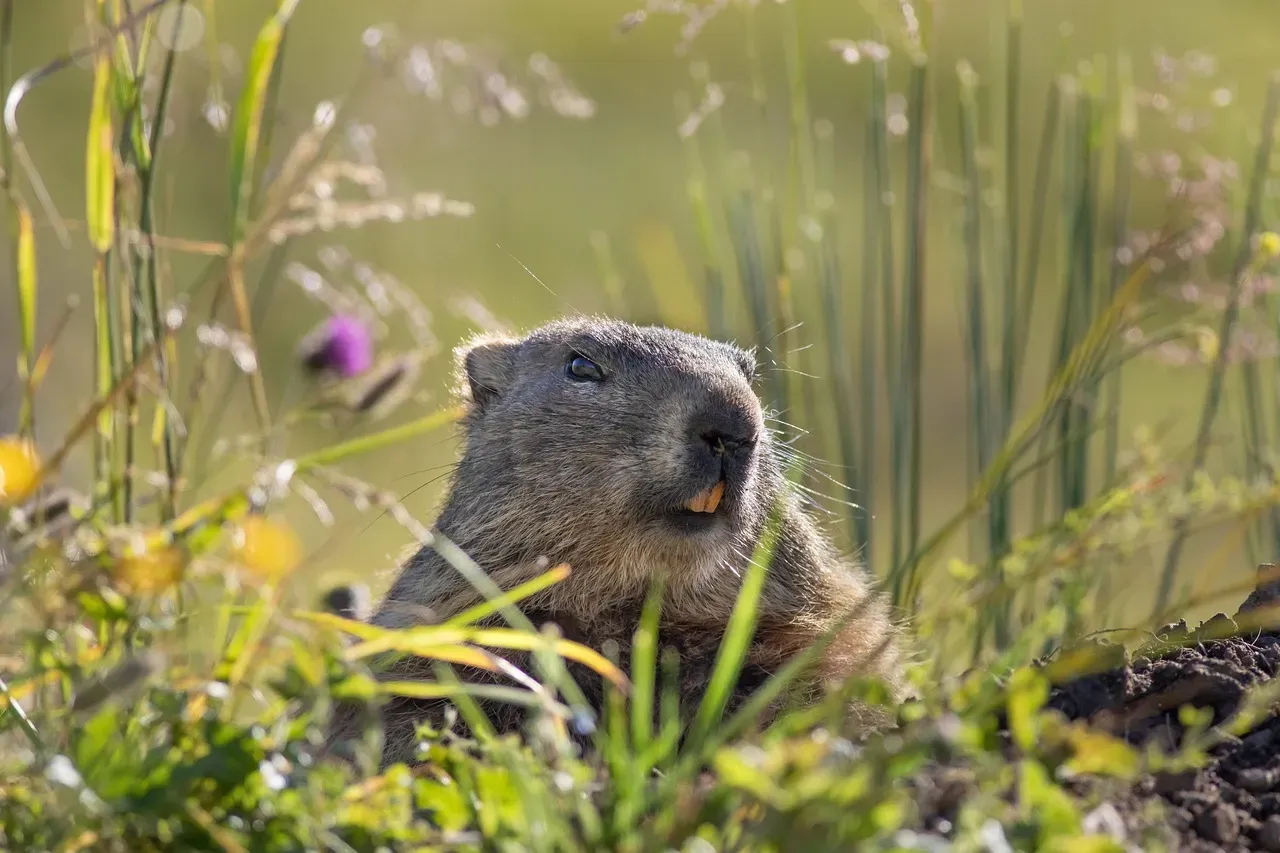
This one tends to catch people off guard. Thought not to drink water, groundhogs are reported to obtain needed liquids from the juices of edible plants, aided by their sprinkling with rain or dew. For an animal that spends warm months eating voraciously, that’s an elegant way to stay hydrated without ever visiting a water source.
An adult groundhog can eat more than a pound of vegetation daily. In early June, their metabolism slows, and while their food intake decreases, their weight can increase by as much as 100 percent as they produce fat deposits to sustain them during hibernation. Instead of storing food, groundhogs stuff themselves to survive the winter without eating at all.
They have a special type of body fat known as brown adipose tissue that forms around their brain and other organs, providing extra heat during the brutal cold of hibernation. So the chubby groundhog you see waddling through a field in August is actually running a precise biological preparation that will keep it alive for months underground, without food or water, in near-frozen stillness.
The Animal Behind the Holiday
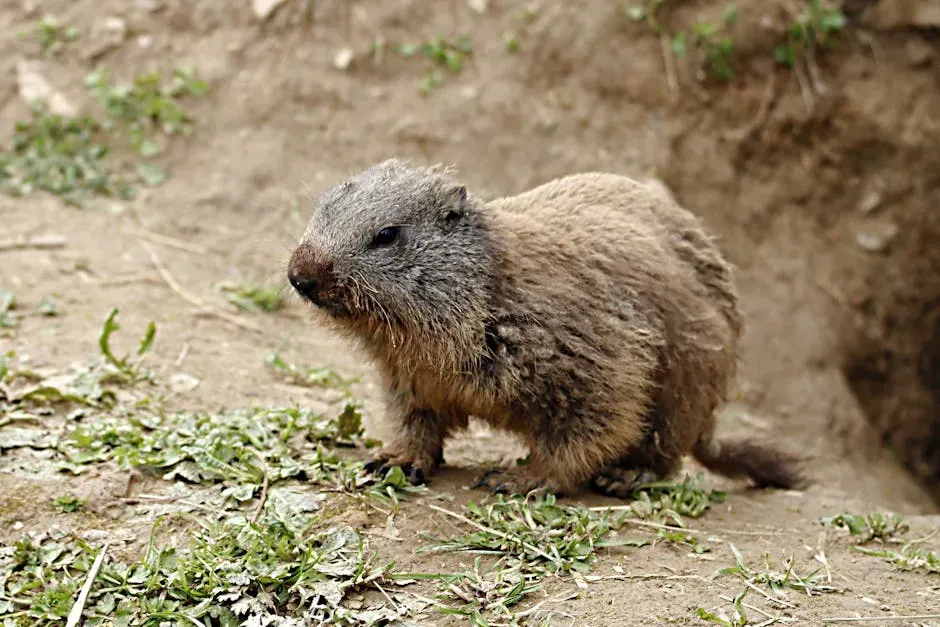
Groundhog Day persists because it’s charming and a little absurd, and there’s nothing wrong with that. The ritual is harmless fun. What’s worth noticing, though, is how much genuine strangeness and ecological importance gets overlooked every time the conversation stops at shadows and spring forecasts.
These are animals with teeth that can kill them, burrows that helped unlock North American prehistory, and a biological relationship to human medicine that researchers still actively study. Groundhogs demonstrate remarkable adaptations. From their hibernation abilities to their engineering skills, they showcase nature’s ingenuity.
The weather prediction thing is just theater. The real groundhog is considerably more interesting than any forecast it’s ever given.

- Why Wolves Were Reintroduced to Yellowstone - July 15, 2026
- The Resurgence of America’s Wild Horses: A Symbol of Freedom and Hope - July 15, 2026
- 10 Cat Breeds That Tolerate Dogs Surprisingly Well - July 15, 2026