
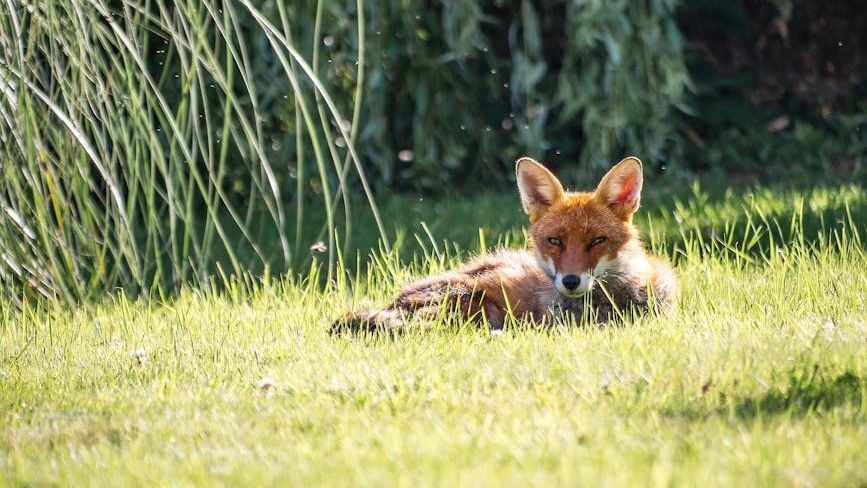
Most city dwellers have had at least one of those quiet, startling moments: a flash of rust-colored fur slipping beneath a garden gate, a pair of amber eyes reflecting the streetlight before vanishing into the dark. The red fox has become an unmistakable presence in towns and cities around the world, and yet there’s something still genuinely mysterious about how it manages to thrive in the middle of the urban world we’ve built.
It’s not luck. The red fox carries a toolkit of biological and behavioral adaptations that would impress most wildlife engineers. Some of these traits border on the extraordinary, from internal magnetic compasses used to pinpoint prey, to physical features it shares more closely with cats than dogs. Understanding exactly what makes this animal so successful in cities reveals something remarkable not just about foxes, but about nature’s capacity to find a way in even the most human-dominated landscapes.
#1. They Are the Most Widely Distributed Fox on the Planet
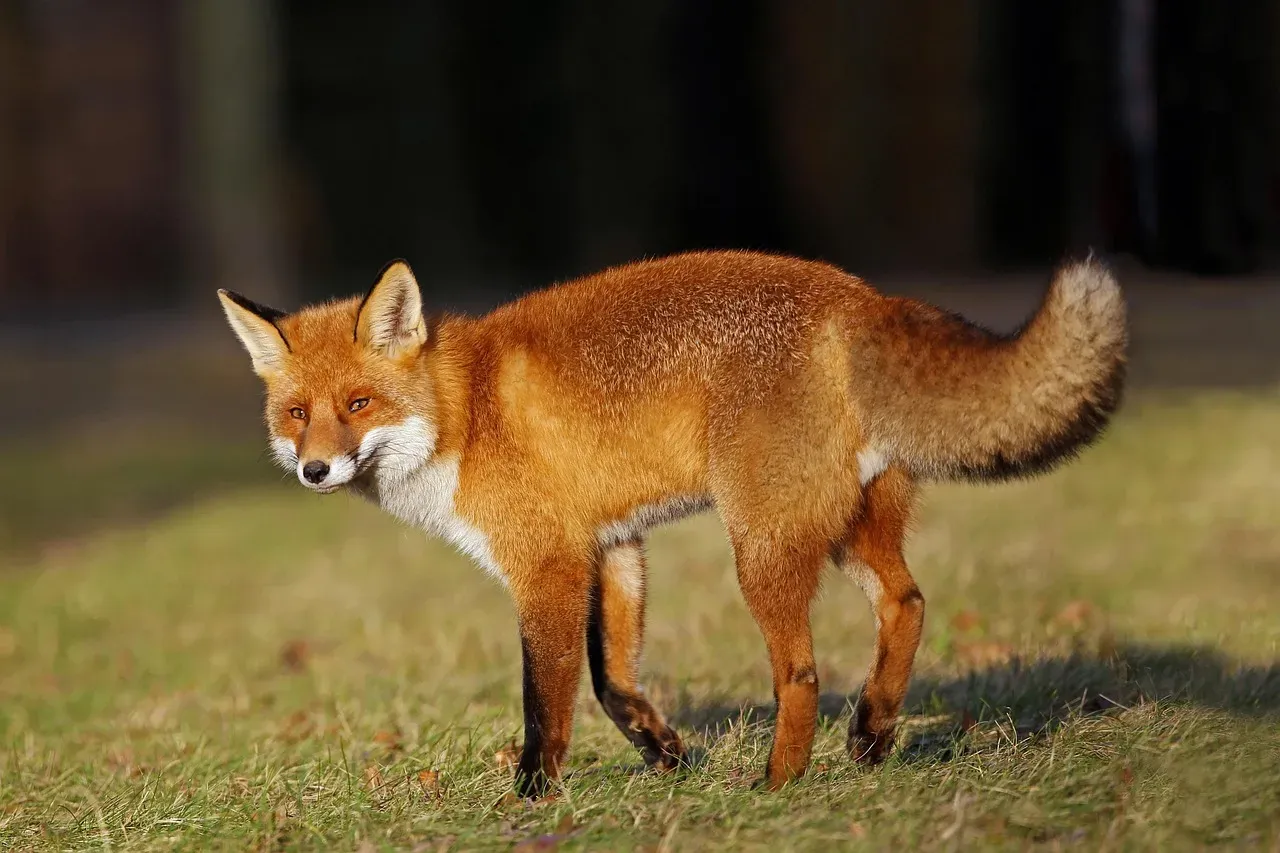
The red fox is the most widely distributed fox species in the world, found in Europe, Asia, North America, and northern Africa. That range alone says something important. This isn’t a specialist that lucked into a narrow ecological niche. It’s a generalist that has been stress-tested across thousands of different environments.
Their lineages date back over 400,000 years, and red foxes inhabit most of North America, Europe, Asia, and northern Africa. That kind of ancient lineage, combined with modern adaptability, means these animals have had an extraordinary amount of time to refine what works. Cities are, in evolutionary terms, just another new habitat to navigate.
#2. Their Behavioral Flexibility Is Their Greatest Weapon
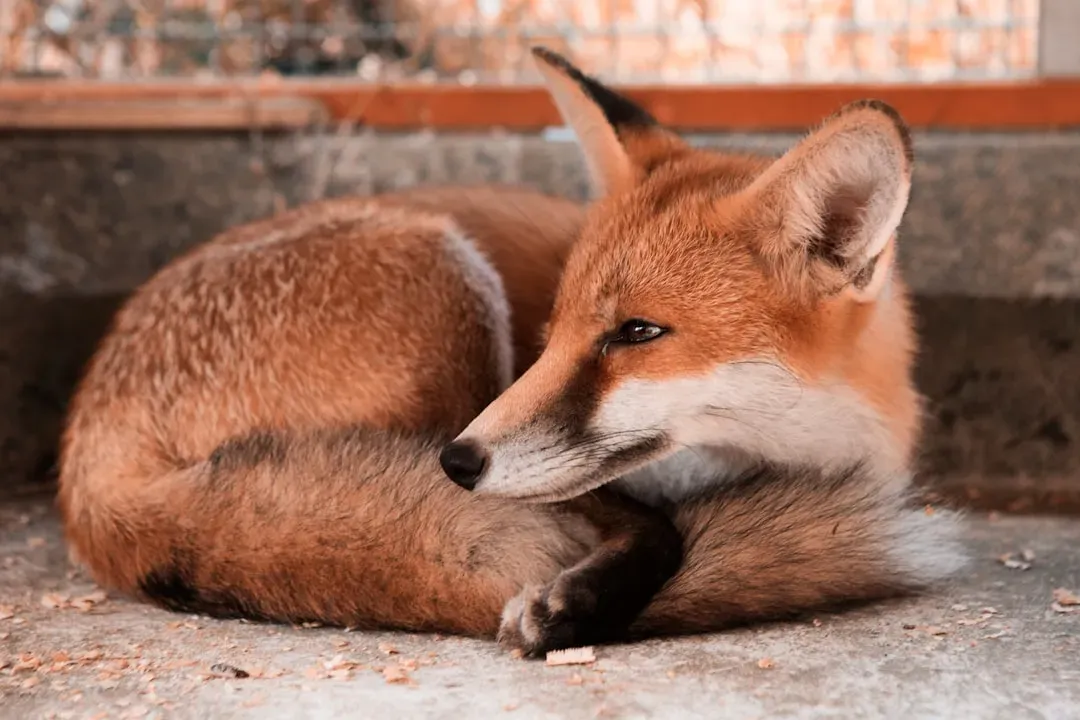
The red fox’s key strength is its exceptional behavioral flexibility. It quickly adapts to new climates, food sources, and even urban environments, adjusting its habits to avoid danger and seize opportunities. This ability to learn and adapt has allowed it to thrive on nearly every continent and in landscapes heavily altered by humans.
This shows how flexible red foxes can be, learning the times or places to avoid and the resources to exploit in order to thrive within a growing city. Nevertheless, even though red foxes appear well-adapted to urban environments, they still avoid human activity in both urban and peri-urban areas. That balance of boldness and caution is part of what keeps them alive in dense human spaces.
#3. Urban Foxes Are Literally Changing Shape
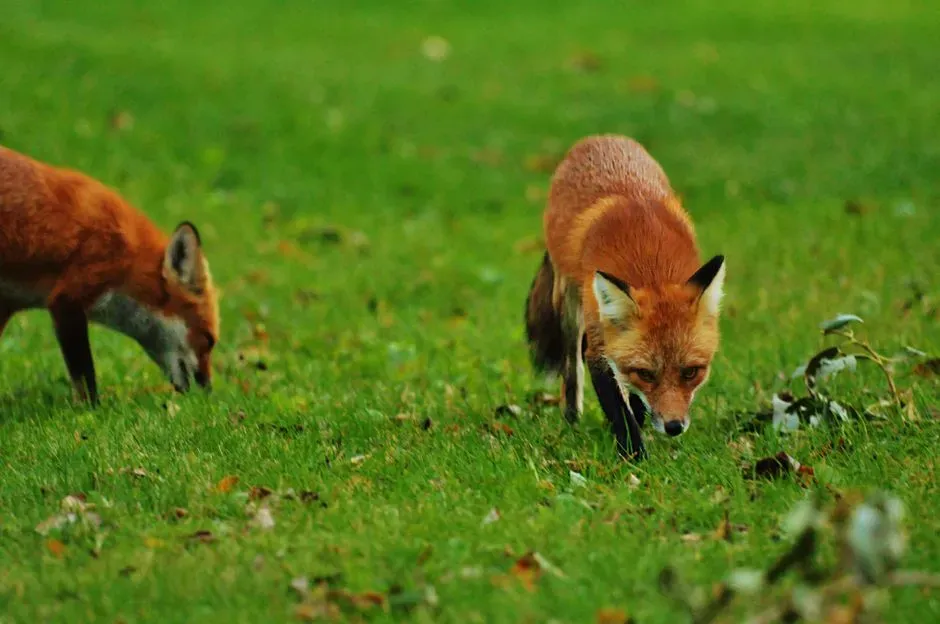
As a result of differences in diet between urban and rural populations, city-dwelling red foxes tend to grow larger than their rural counterparts. It has been observed that urban foxes tend to have shorter and wider muzzles, smaller braincases, and reduced sexual dimorphism relative to rural individuals, thought to be a result of differing biomechanical demands of feeding or cognition between habitats.
This is one of the more quietly astonishing findings in recent urban wildlife research. Most of these adaptations are behavioral, such as becoming more nocturnal and more aggressive in urban ecosystems; however, some biologists also note that urban foxes have developed shorter and wider snouts and smaller braincases compared with rural foxes. In other words, the city is actively reshaping the animal, and it’s happening across just a few generations.
#4. They Use Earth’s Magnetic Field as a Hunting Targeting System
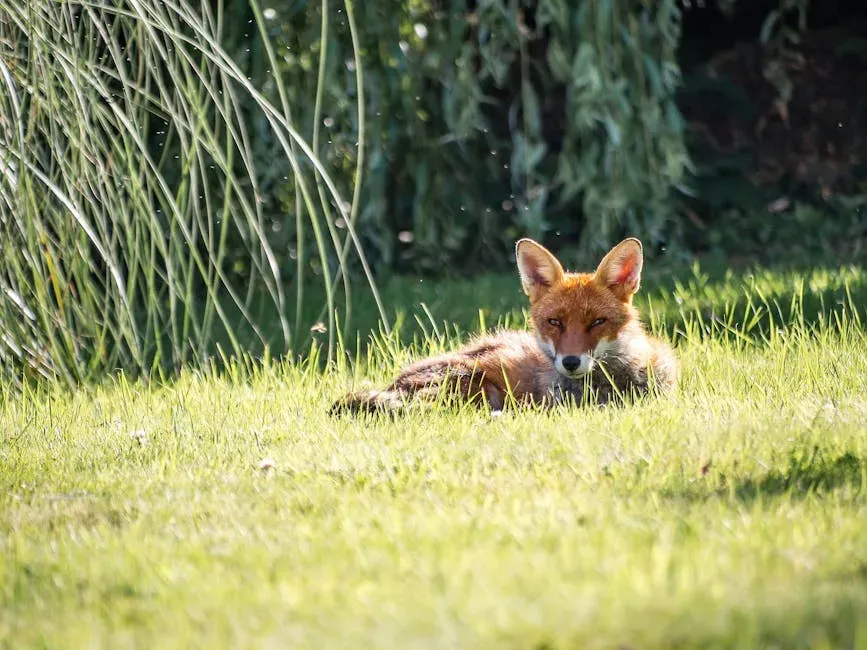
Red foxes employ a unique hunting strategy that leverages the Earth’s magnetic field. This ability enhances their accuracy while hunting prey such as small rodents, especially beneath snow or tall grass. This is not guesswork. Researchers have documented the behavior extensively across wild populations.
Czech researchers observed that foxes on the hunt tend to direct their jumps in a roughly northeastern compass direction, regardless of the time of day, cloud cover, or other factors that could affect how they perceive their prey. In fact, a large majority of the nearly 600 attacks the scientists observed were oriented in the same direction. They found that 74 percent of the north-east-oriented attacks were successful, while attacks launched in other directions had only an 18 percent rate of success. That gap is too significant to be coincidence.
#5. Their Hearing Is Extraordinary Enough to Hunt Underground
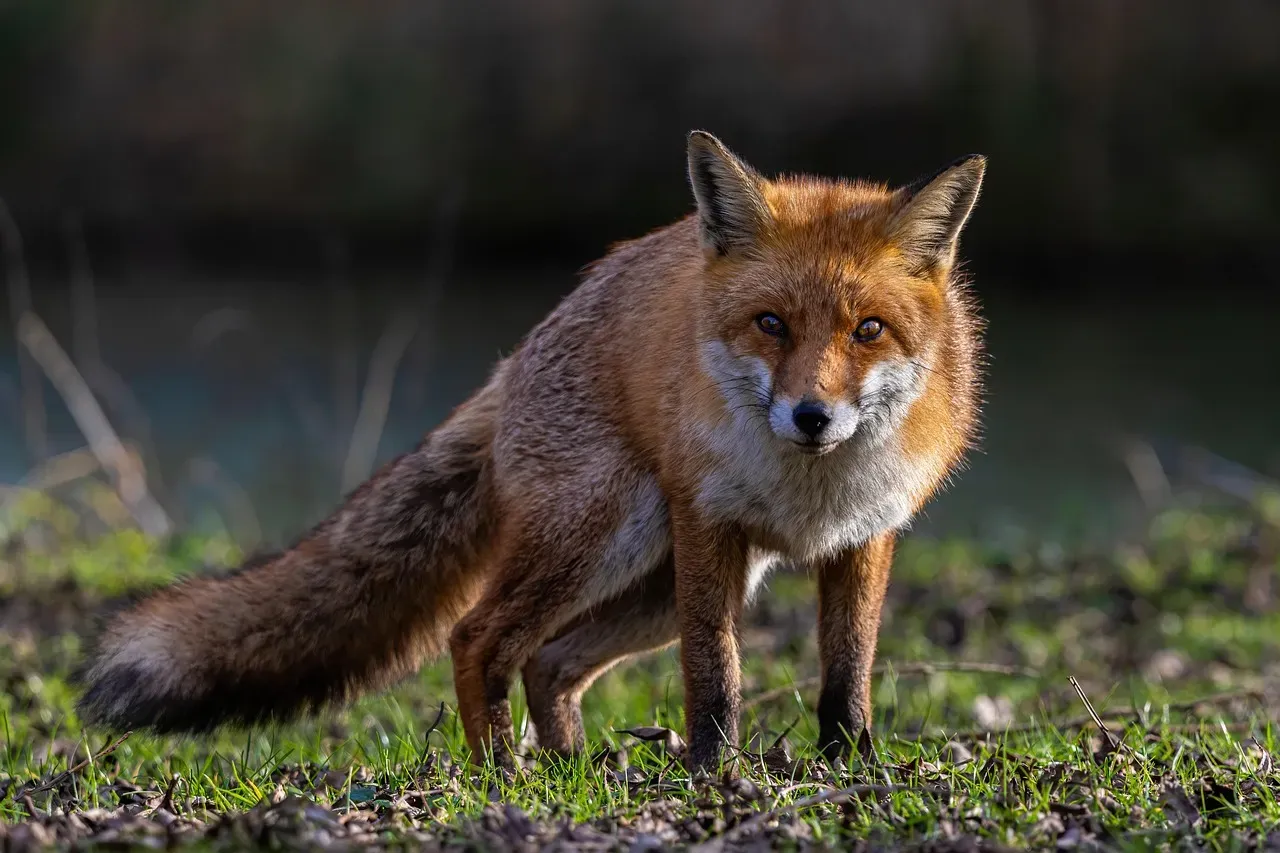
Red foxes must hunt to survive, and they rely on their keen sense of hearing to help them with this. They are able to hear the squeak of a mouse from 100 feet away. They can even hear mice and other rodents digging underground or under a cover of snow and will dig down to find them.
Their ears can swivel independently, and when they hear rustling in the grass or under the snow, they tilt their heads so their ears are at different heights. This helps them locate the source of the sound because the sound reaches their ears at different times and at different intensities. In an urban environment filled with constant ambient noise, this level of auditory precision is an enormous advantage when hunting in parks, back gardens, and alleyways.
#6. They Are Part Cat, Part Dog – and That Hybrid Quality Helps Them Enormously
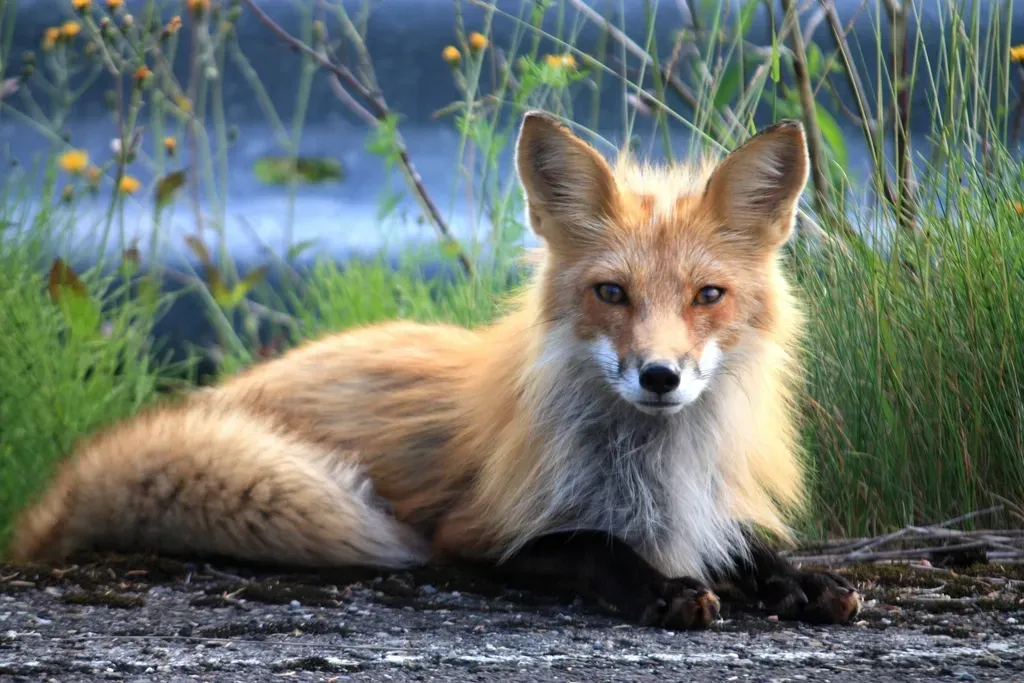
The red fox is a member of the dog family (canid), but it still displays quite a few catlike (feline) characteristics. Canid eyes normally have round pupils, but the red fox has elliptical (vertical-slit) pupils like those of a cat. Its sensitive face whiskers are also proportionately longer than those of other canids, and its feet are more catlike. Its flexible paws have small toe and foot pads as well as partially retractable front claws.
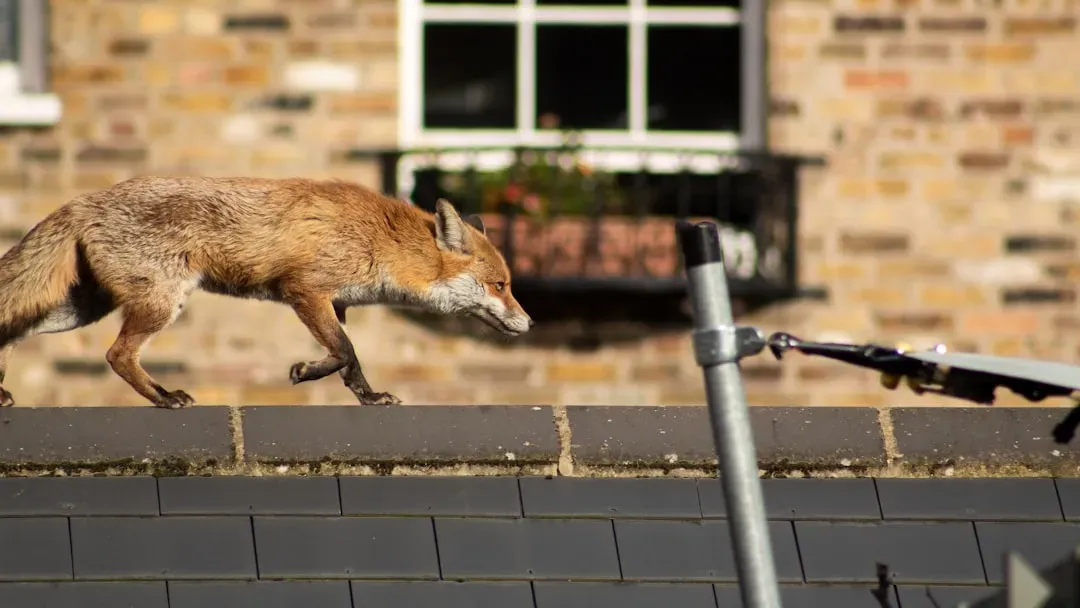
Foxes also benefit from a cat-like agility to navigate around the urban landscape. Their “parkour” abilities mean they can access and exploit more parts of the city than other less agile urban carnivores such as badgers. Scaling walls, slipping through fences, and navigating rooftops are all within reach for an animal that combines the stamina of a dog with the nimbleness of a cat.
#7. They Are Omnivores That Will Eat Almost Anything the City Offers
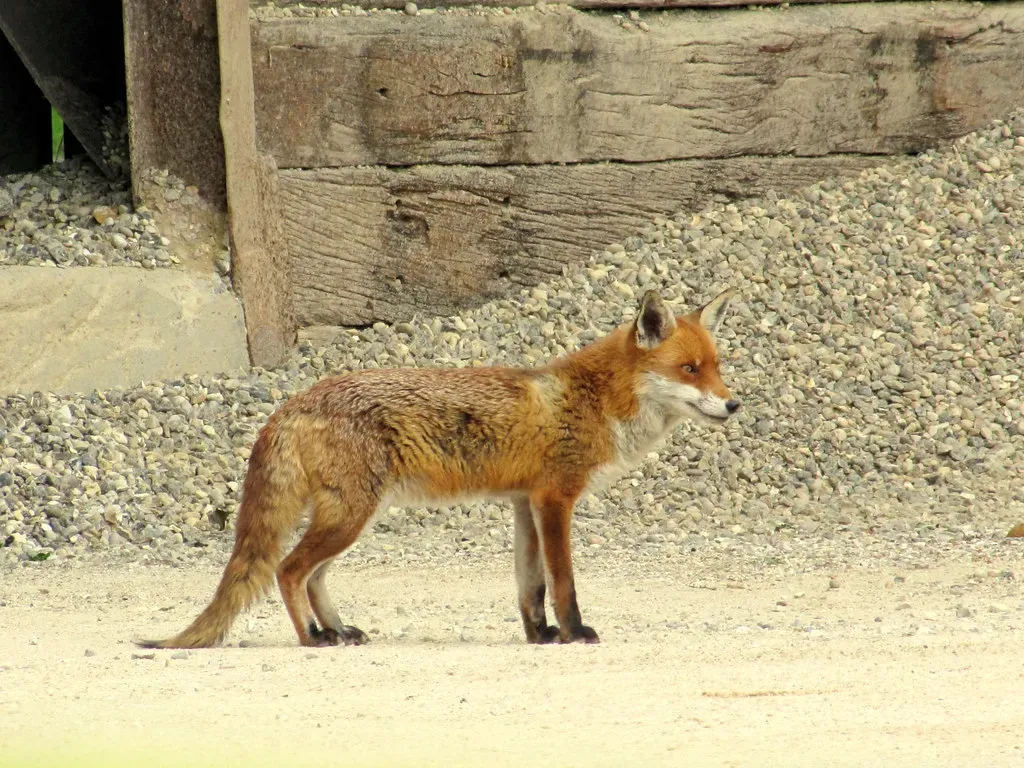
Red foxes are unfussy omnivores. They will eat mice, birds, invertebrates, and berries – or your leftover pizza. Cities are full of potential food for them. This dietary openness is one of the core pillars of their urban success. A specialist predator can starve when prey becomes scarce. The fox simply changes the menu.
Research in 2025 suggests that human-generated food comprises 35% of urban fox diet, compared to just 6% for their rural counterparts. Red foxes also cache surplus food, burying it to eat later when food is scarce. That combination of flexible eating and strategic food storage means a city fox can plan for lean days in a way that few urban animals manage.
#8. They Are Masters of Scent-Based Communication
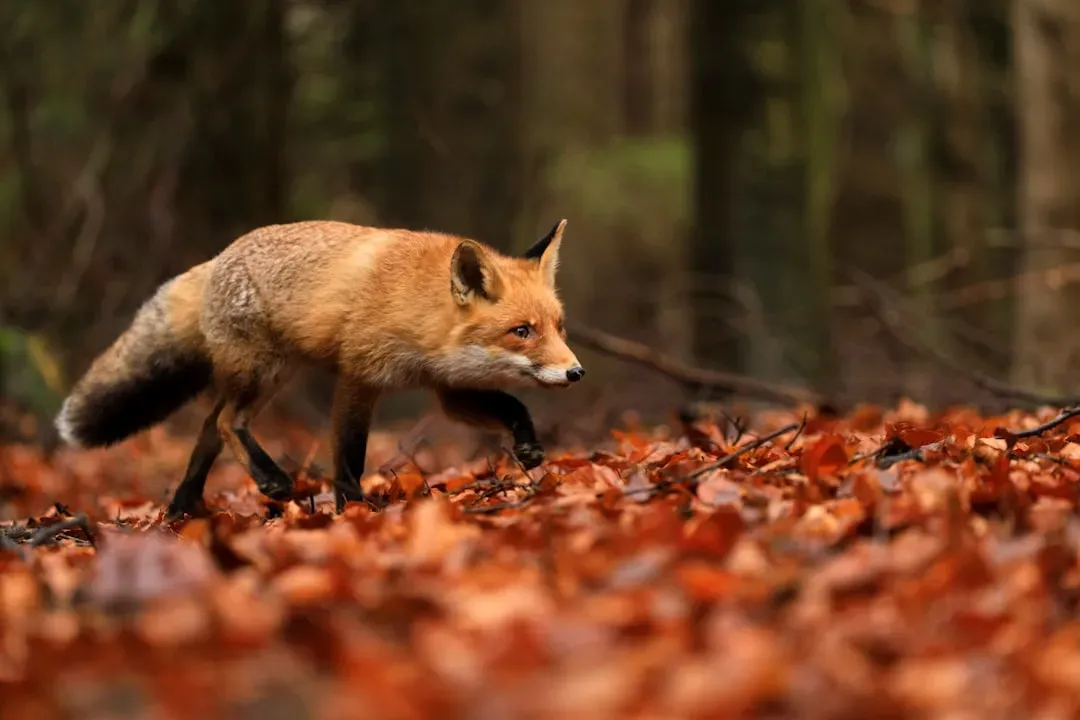
Red foxes have a specialized gland on their tail that produces a musky scent used for marking territory. Scent marking is the fox’s way of leaving notes. They use urine and scent glands to mark territory or communicate with other foxes. In a dense urban area where territories overlap and shift constantly, this invisible messaging system is essential for managing social space without constant direct confrontation.
With over 40 different sounds, red foxes are vocal virtuosos. From barks and screams to howls, they communicate effectively with each other. These sounds serve various purposes, from marking territory to calling kits. Anyone who has heard the piercing scream of a fox at night in the city has encountered this vocal system in action. It’s one of the more startling reminders that the urban night belongs to more than just humans.
#9. Their Night Vision Gives Them Ownership of the City After Dark
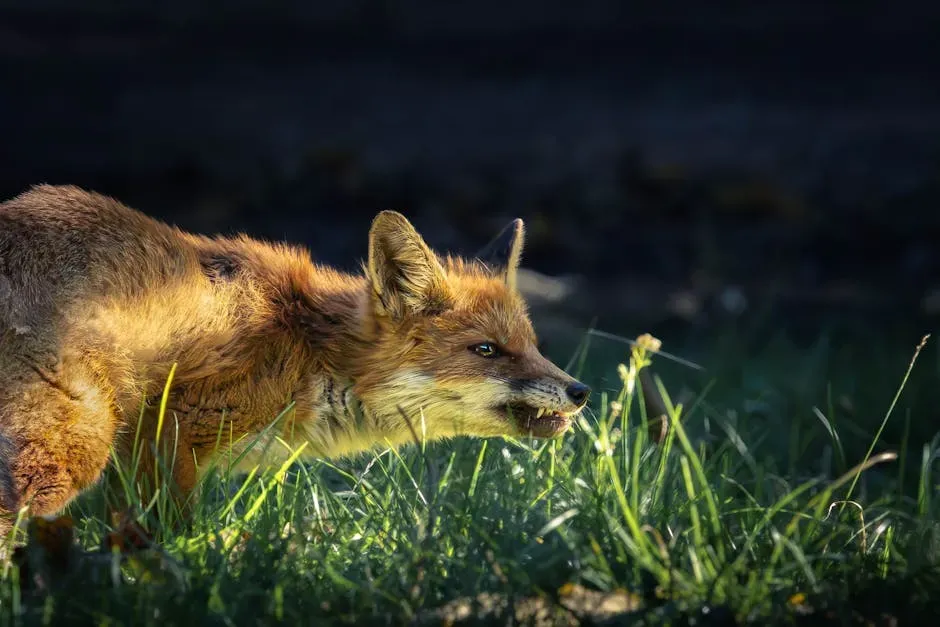
Red foxes have great night vision because they have a special mirror-like layer of cells behind the retinas in their eyes called a tapetum lucidum. These cells reflect light back through the retina, which doubles the amount of light and allows for a clear image even in low light conditions. Combined with those cat-like vertical-slit pupils, the fox is thoroughly built for operating in the dark.
Urban red foxes are most active at dusk and dawn, when they do most of their hunting and scavenging. They are rarely seen during the day, but can sometimes be spotted sunbathing on the roofs of houses or sheds. That crepuscular pattern isn’t random. It’s a deliberate strategy for moving through human-populated spaces when foot traffic is lowest and the advantage of superior night vision is greatest.
#10. They Are Confident, Bold, and Willing to Engage With the Novel
Research suggests that red foxes are more confident in urban than in peri-urban areas, which is likely related to the range of novel habitats and anthropogenic resources to which foxes are exposed in cities. Boldness may better enable urban red foxes to profit from anthropogenic resources. Put simply, the foxes that weren’t afraid of new things were the ones that survived and reproduced in cities, gradually shifting the personality profile of urban populations.
Animals with greater exploratory and innovative tendencies are better equipped to gain information and discover solutions to novel challenges. Greater environmental changes are often hypothesized to favor bolder, more exploratory, and innovative behaviors. In a city that is constantly changing with new construction, shifting food sources, and evolving human patterns, that combination of curiosity and boldness is as important as any physical trait.
#11. Urban Fox Populations Have Grown Dramatically Alongside Human Cities
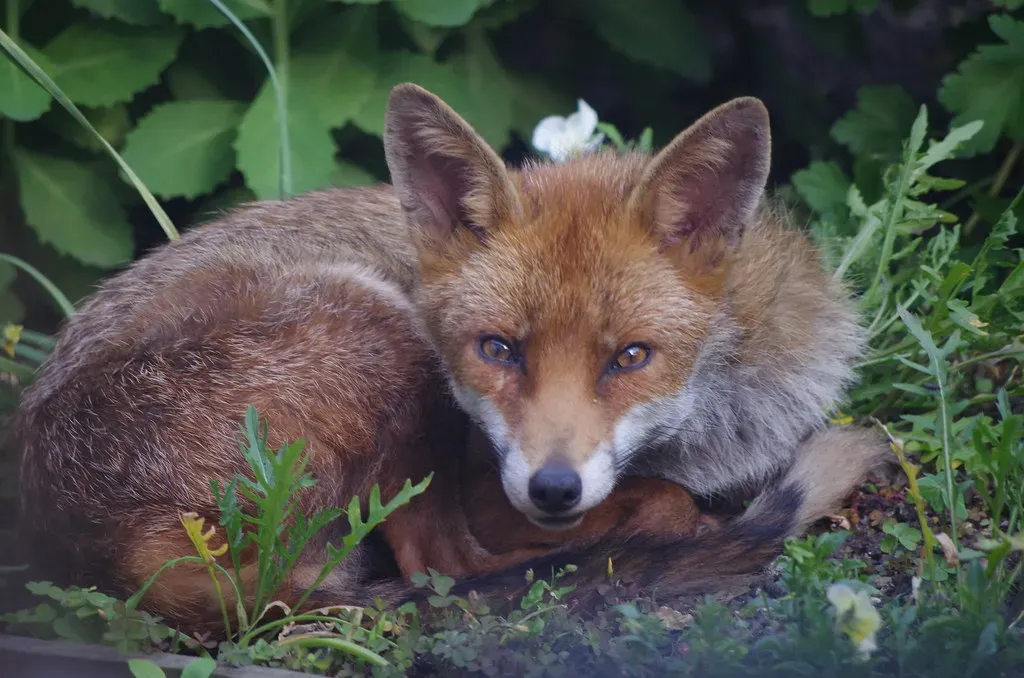
In the UK, it is estimated that the number of urban foxes rose from 33,000 in 1995 to 150,000 foxes in 2017. That’s not a slow trickle. That’s a population explosion compressed into just two decades, driven entirely by the fox’s ability to convert the human-built environment into a viable habitat. Cities, it turns out, offer reliable food, reduced large predator pressure, and abundant denning sites.
Cities provide plentiful food and refuges for urban foxes, so they’re here to stay. These animals have successfully adapted to the habitats we have built around them, and they are one of a few animals that can tolerate and adapt to our changing behavior. In some areas, red foxes have moved into more urban areas to avoid being preyed on by coyotes or competing with them for food, adding yet another layer to the complex pressures that have pushed these animals toward the city.
The Fox in the City: A Case Study in Adaptation
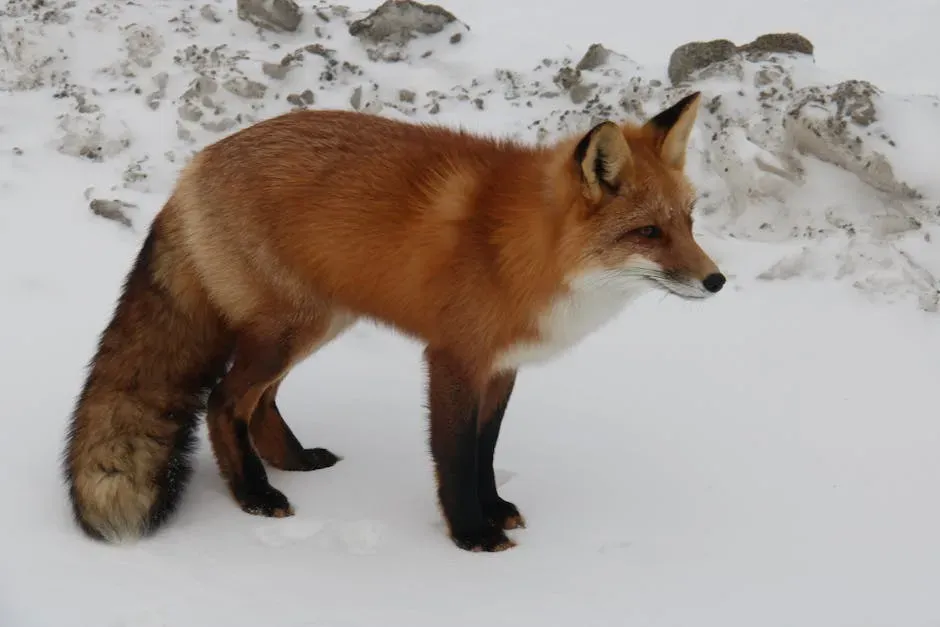
What makes the red fox so compelling isn’t any single adaptation. It’s the combination. Magnetic range-finding, exceptional hearing, dietary flexibility, feline agility, bold problem-solving, and a tolerance for human proximity all stack on top of each other to produce an animal that is genuinely difficult to displace from an environment once it has moved in.
There’s something worth sitting with in that reality. The red fox hasn’t survived in cities despite our presence. It has thrived because of it. Every food scrap we discard, every quiet garden we plant, every warm space beneath a shed is a resource this animal has learned to read and use. The fox doesn’t see a city. It sees a territory, and by most measures, it’s managing that territory rather well.

- 10 Ways to Create a Wildlife-Friendly Backyard Habitat - July 16, 2026
- Which Zodiac Signs Feel the Deepest Connection to Big Cats - July 16, 2026
- 10 Most Dangerous Hikes in The US - July 16, 2026