

Most yards are surprisingly quiet. A patch of manicured lawn, a few ornamental shrubs, maybe a hanging basket or two. It looks tidy, and it probably took real effort to get it that way. The only problem? Hardly anything lives there.
Every day, more and more wildlife habitat is lost to the spread of development. The continental U.S. has lost a staggering 150 million acres of habitat and farmland to urban sprawl, and the modern obsession with highly manicured lawns alone has created a green monoculture carpet that covers over 40 million acres. The good news is that your yard, however modest, can quietly push back against all of that. You don’t need acres of land or a landscaping budget. You just need to know where to start.
#1: Plant Native Species as Your Foundation
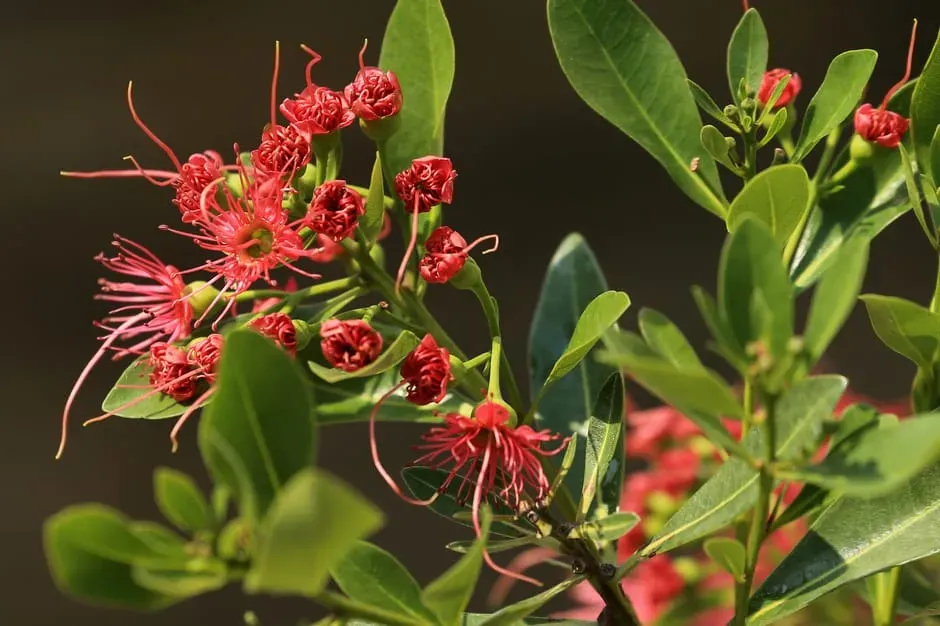
The single most impactful thing you can do for local wildlife is swap out ornamental and exotic plants for native species. Native plants provide nectar for pollinators including hummingbirds, native bees, butterflies, moths, and bats, while also offering protective shelter for many mammals and producing native nuts, seeds, and fruits that offer essential foods for all forms of wildlife. They’re not just one piece of the puzzle. They are the foundation.
Aim for a minimum of seventy percent native plants in your yard, including keystone species, which are plants that have a substantial impact on local biodiversity by providing food and shelter to a large number of species. Depending on your location, this might include oaks, asters, sunflowers, and alders. As a bonus, native plants are generally easier to maintain, since they’re already adapted to your climate. Less watering, less fuss, more wildlife. It’s a rare arrangement where everyone wins.
#2: Add a Fresh Water Source
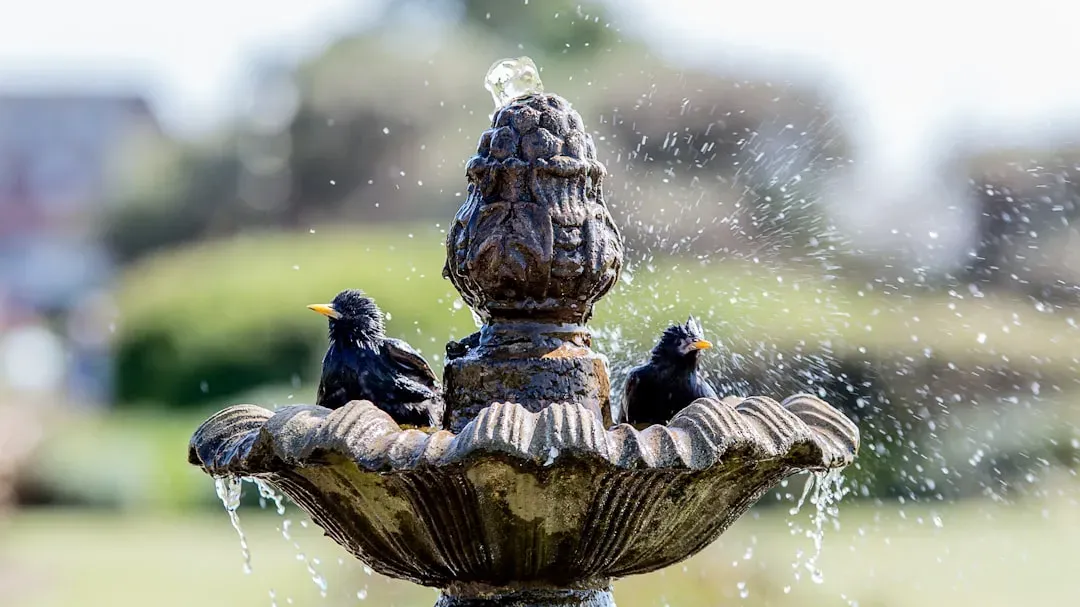
Water is essential for any wildlife habitat. Whether it’s winter, summer, or somewhere in between, wild animals need reliable sources of fresh water, and it can be as simple as setting up a birdbath, or, if you have the room, creating a small pond. Even something as modest as a shallow dish placed at ground level can make a real difference for thirsty insects, frogs, and birds passing through.
A birdbath with a misting fountain will entice hummingbirds because they enjoy bathing by flying through a fine mist. Keep your birdbath clean and filled with fresh water, and change the water frequently to discourage mosquitoes. A small pond will attract a variety of species and provide educational opportunities too. Some wildlife, such as frogs, need water to reproduce and raise their young. Moving water, even from a small solar-powered pump, is one of the most effective signals you can send to passing wildlife: you’re welcome here.
#3: Reduce Your Lawn
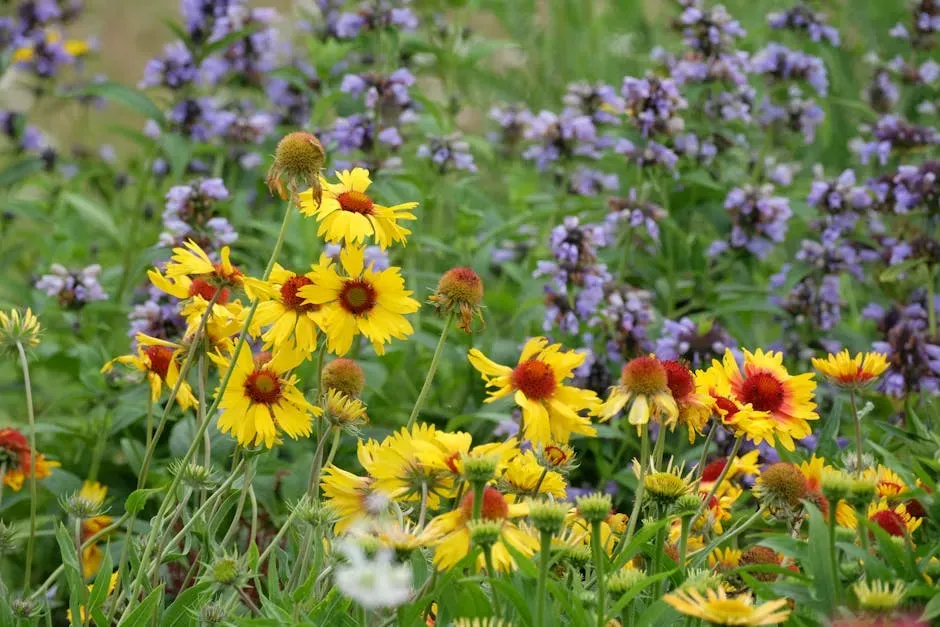
Limiting the amount of lawn in your yard is one of the smartest decisions you can make. Lawn offers very little food or cover to most animals while requiring a lot of maintenance. Reducing your lawn area and replacing it with diverse native plantings is a key step in creating a wildlife-friendly habitat, since traditional lawns offer little value to wildlife and often require significant water and chemical inputs.
While it is not necessary to give up entirely on having a lawn, limiting its size will not only benefit wildlife, it will also save you time and money. Mowing, chemical treatments, weeding, and watering are all costly, both in terms of what you pay for them and the hours you spend doing them. Native habitat gardens can support twice the amount of wildlife when compared to properties with primarily turf lawn. Even converting a strip along a fence line makes a measurable difference.
#4: Build a Brush Pile or Log Stack
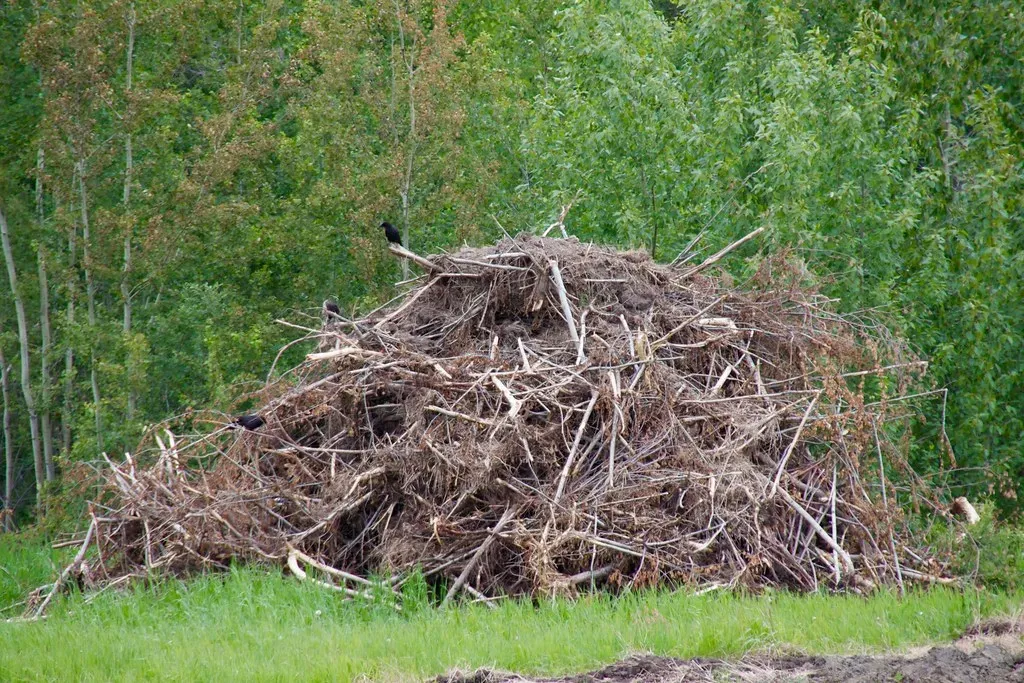
Creating brush piles, also known as habitat piles, is a quick and easy way to benefit many species of wildlife. Made up of woody debris and loose leaf litter stacked together, these piles provide great shelter for small mammals like chipmunks, voles, and squirrels, along with amphibians and reptiles such as salamanders and snakes. Many birds use these woody sanctuaries for cover and will often nest along logs or under a pile of branches on the ground. Over time, the decaying wood will bring insects for birds and small mammals to feed on and ultimately give nutrients back to the soil.
New brush piles, with a lot of holes and empty spaces inside, provide the best shelter for birds and mammals escaping predators or harsh weather. Older piles tend to collapse and fill in with leaves and debris, providing more shelter for insects and other invertebrates while giving birds less shelter but more food. Just pick a spot in your yard that’s out of the way and away from your house, grab some sticks, and pile them up. You’ll be surprised at how fast it grows, and how fast the wildlife shows up.
#5: Leave the Leaves in Autumn
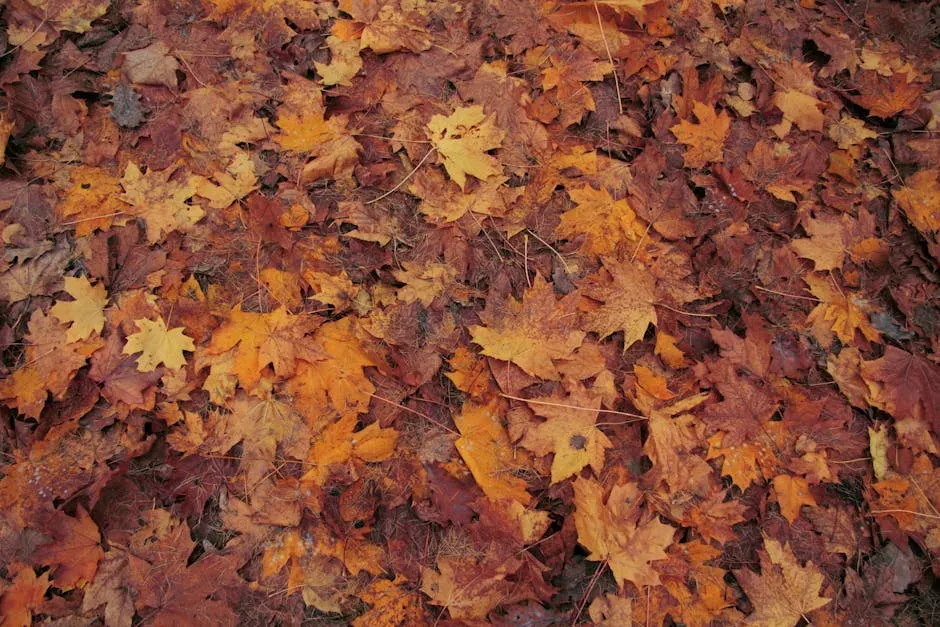
Leaves, brush piles, fallen logs, plant stems, and flower heads might not be growing anymore, but they aren’t trash. They are natural homes for wildlife. A layer of leaves is vital insulation from the cold for the many animals that hide within, while many native bees nest within stems, flower heads, or pieces of wood. Reaching for the rake every autumn is deeply ingrained, but it’s worth reconsidering.
The vast majority of butterflies and moths don’t migrate. Instead, they overwinter in the landscape as an egg, caterpillar, chrysalis, or adult, and use leaf litter for winter cover. For example, luna moths and swallowtail butterflies disguise their cocoons and chrysalises as dried leaves, blending in with the real ones. You can rake leaves into garden beds or around tree bases if you need a tidier look. Leaves are great for soil quality: they can suppress weeds, retain moisture, and boost nutrition. Lazy autumn gardening, it turns out, is genuinely responsible gardening.
#6: Ditch the Pesticides and Herbicides
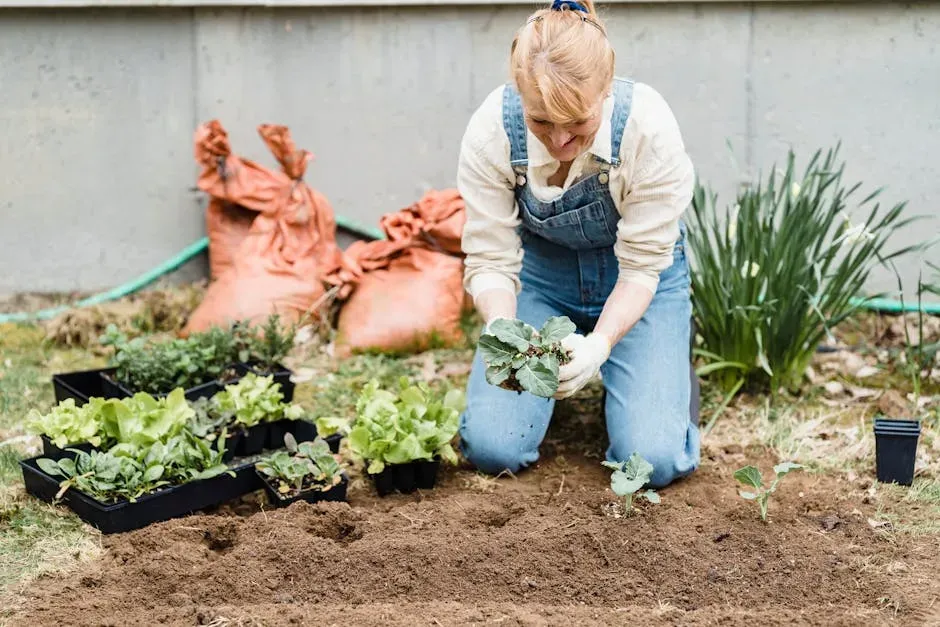
One of the most vital steps for creating a healthy habitat is avoiding pesticides and herbicides, including neonicotinoids. Insecticides kill beneficial insects as well as nuisance ones, and herbicides eliminate sources of food for caterpillars, thus harming the butterfly population. The creatures you’re trying to attract are, in many cases, exactly the ones the chemicals are designed to eliminate.
Studies have repeatedly shown dramatic declines in population size and diversity of insects as a result of habitat loss and fragmentation and the use of pesticides and other chemicals, with cascading impacts on animal diversity. Indigenous plants will not need chemicals to thrive, and they will attract beneficial insects that will help control the bad bugs naturally. A healthy, layered native garden essentially polices itself. The predators follow the prey, and balance establishes itself over time.
#7: Install Nesting Boxes and Shelter Structures
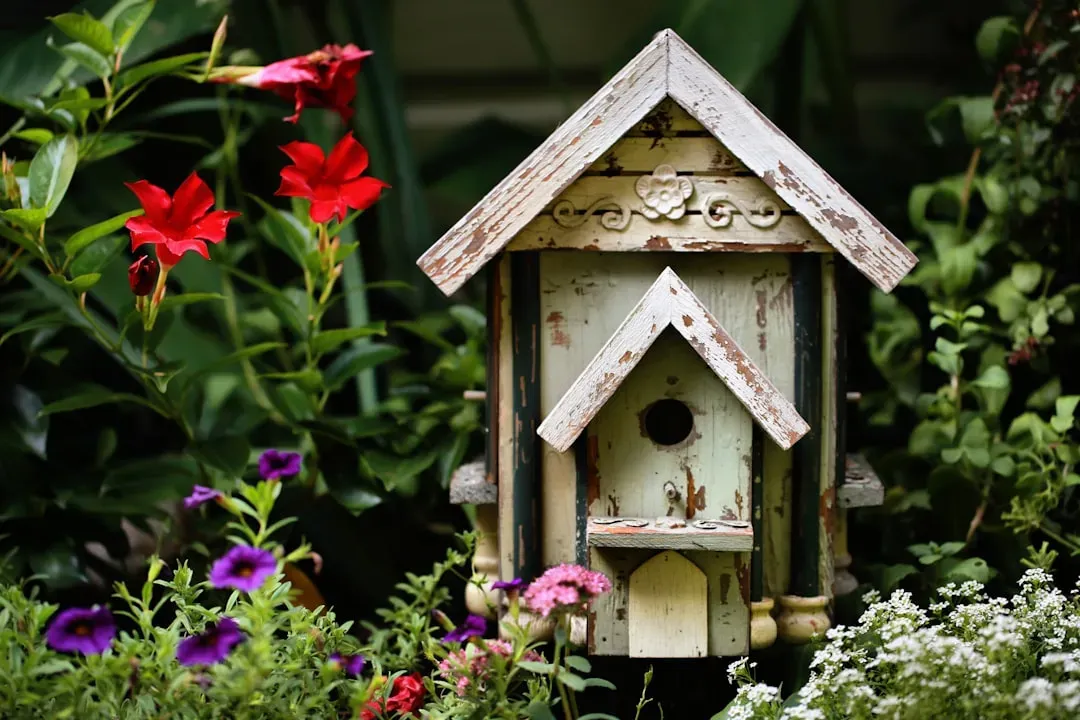
Installing birdhouses offers safe nesting sites for birds, especially in areas where natural cavities are scarce. They attract a variety of bird species, helping to support local populations, and ensure birds have a place to raise their young, promoting healthy bird communities. If safe to do so, consider preserving dead trees on your property, as they offer valuable nesting sites for many bird species.
Installing birdhouses tailored to local bird species and bat boxes can encourage insectivorous bats that control pest populations. Bats pollinate plants, disperse seeds, and help keep the insect population in check, so returning the favor by giving them a safe place to roost matters. A well-placed nest box costs very little. Its return, measured in the number of species that quietly take up residence in your yard, can be remarkable.
#8: Create a Layered Planting Structure
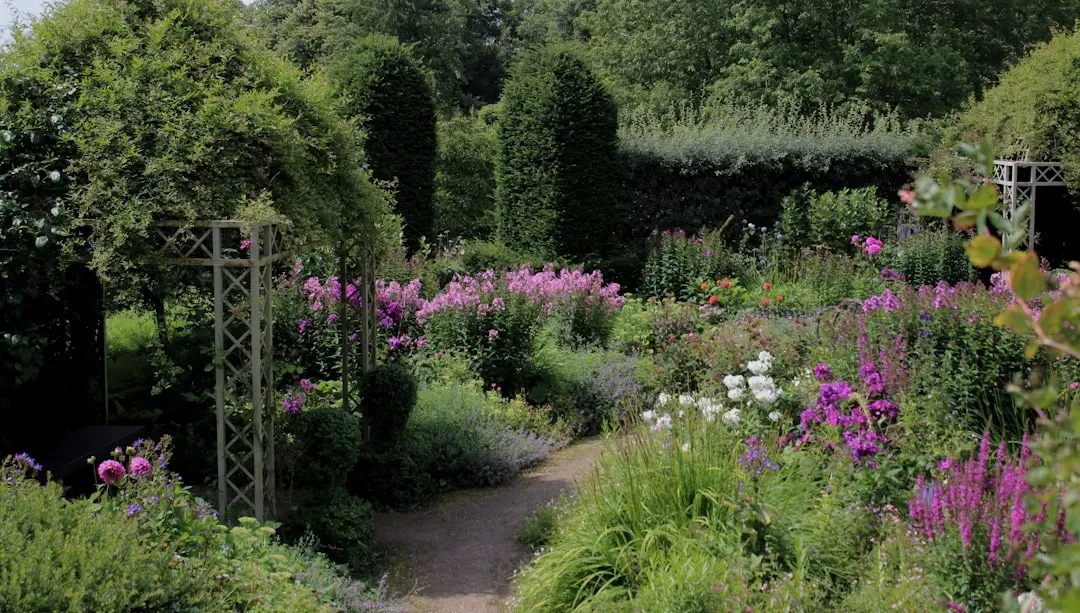
Mimicking natural ecosystems by incorporating various plant layers in your garden makes a real difference. If there is one single rule to follow in attracting wildlife, it is to make your landscape as diverse as possible with many different plant species. Think of it like building a vertical neighborhood: ground-level plants for insects, shrubs for small birds, and trees for larger species and cavity nesters. Each layer serves a different community of animals.
Diverse flowering times provide nectar, pollen, and habitat resources for pollinators across multiple seasons. Aim for three or more plant species that bloom in each blooming period, from early spring through early fall. Staggered bloom times transform your garden into a dynamic space that changes and evolves with the seasons. Wildlife needs extend through all four seasons of the year, so be sure to plant a variety of trees, shrubs, and flowers that bloom or bear fruit at different times.
#9: Start Composting
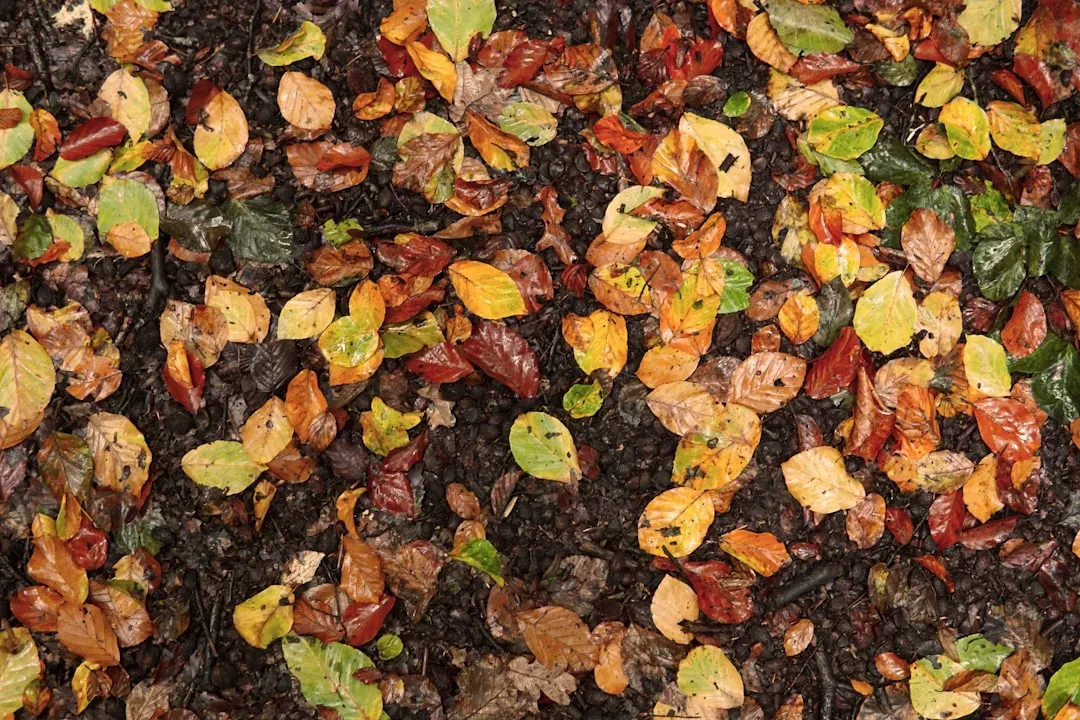
Turning kitchen scraps and yard waste into compost doesn’t just reduce landfill waste. It creates thriving ecosystems for local wildlife. Your backyard compost pile can become a surprising hotspot of biodiversity, providing essential food, shelter, and nesting materials for creatures ranging from microscopic organisms to birds and small mammals. It’s one of those habits that quietly compounds over time.
Compost piles function as ready-made wildlife sanctuaries year-round. Small mammals like shrews and voles burrow into these warm, protective environments during harsh winter months, while toads and salamanders find ideal hiding spots within the decomposing layers. The consistent warmth generated by active decomposition creates essential microhabitats that support biodiversity even when surrounding areas become inhospitable. Your compost bin doesn’t need to be elaborate to make a difference. Even a simple pile can transform your yard into a thriving wildlife sanctuary while reducing your environmental footprint.
#10: Remove Invasive Plant Species
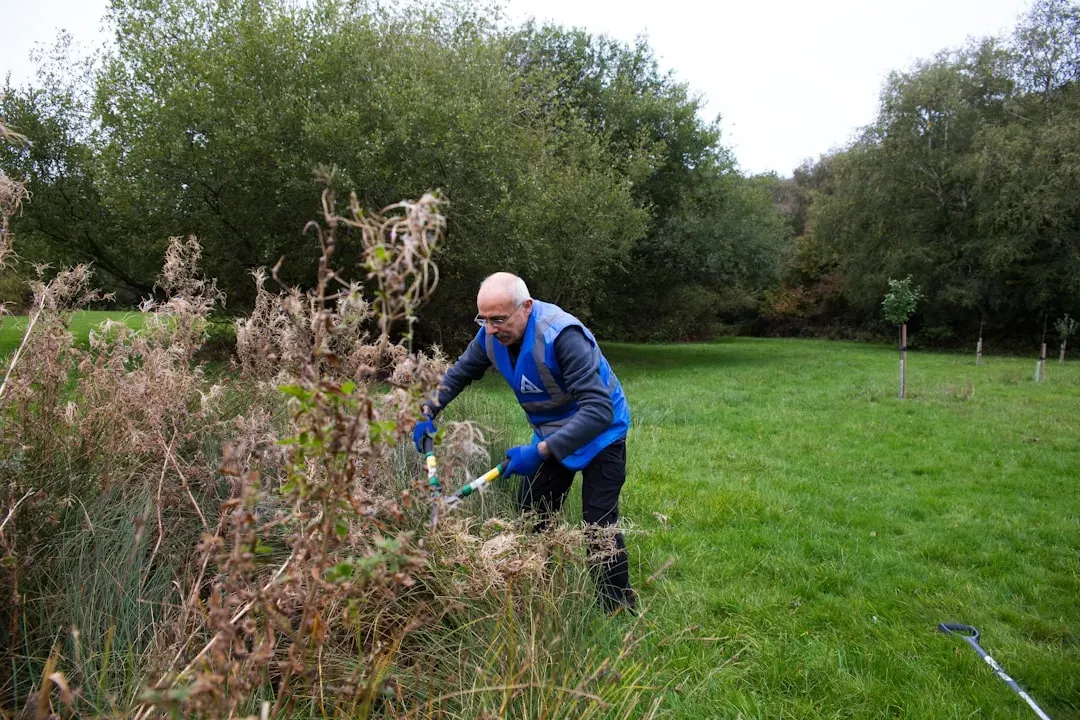
Removing invasive nonnative plants that aggressively take over natural habitat is a critical step. Invasive species can overtake native plants and destabilize the ecological balance of your yard. Plant communities typically support certain types of wildlife species that have adapted to or with them over time, sometimes over thousands of years. When invasive plants crowd out the natives, the entire web of dependencies that wildlife rely on starts to unravel.
Many native insects have specialized relationships with local native plants, meaning they rely on those specific plants for survival. These insects are then the food source for birds and other wildlife that make up the local ecosystem. By planting native plants, you are providing food and habitat for insects, pollinators, birds, and wildlife. Removing one aggressive invasive and replacing it with a regional native is one of the most targeted, high-return actions you can take. The ripple effects through the food chain are real and lasting.
Your Yard as a Living System
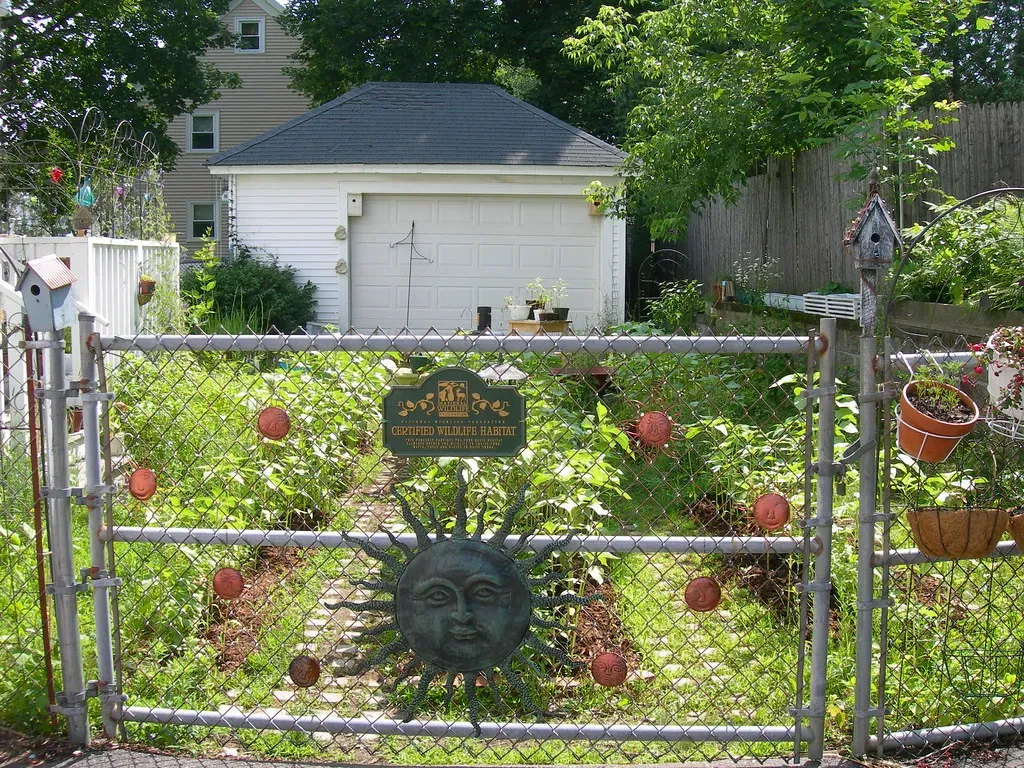
Creating home habitats is a rising trend, as a growing movement of home gardeners embrace sustainable practices that help birds, amphibians, invertebrates, and many other animals. When you create a space that provides four essential habitat elements, which are food, water, cover, and places to raise young, and practice sustainable gardening, the National Wildlife Federation will recognize it as a Certified Wildlife Habitat. That recognition, should you choose to pursue it, is simply confirmation of something you’ll already be witnessing in your own backyard.
Restoring native plant habitat is vital to preserving biodiversity. By creating a native plant garden, each patch of habitat becomes part of a collective effort to nurture and sustain the living landscape for birds and other animals. None of the ten steps above demands a radical overhaul. Most can be started on a weekend with modest cost and real enjoyment. The wildlife doesn’t care about the scale. It just needs somewhere to go. Your yard can be that somewhere.

- 12 Architectural Wonders From The Ancient World That Inspire Us Today - July 18, 2026
- 6 Beautiful Ancient Cities That Time Forgot (But Shouldn’t) - July 18, 2026
- 6 Common Animal Behaviors That Are Often Misunderstood by Humans - July 18, 2026