
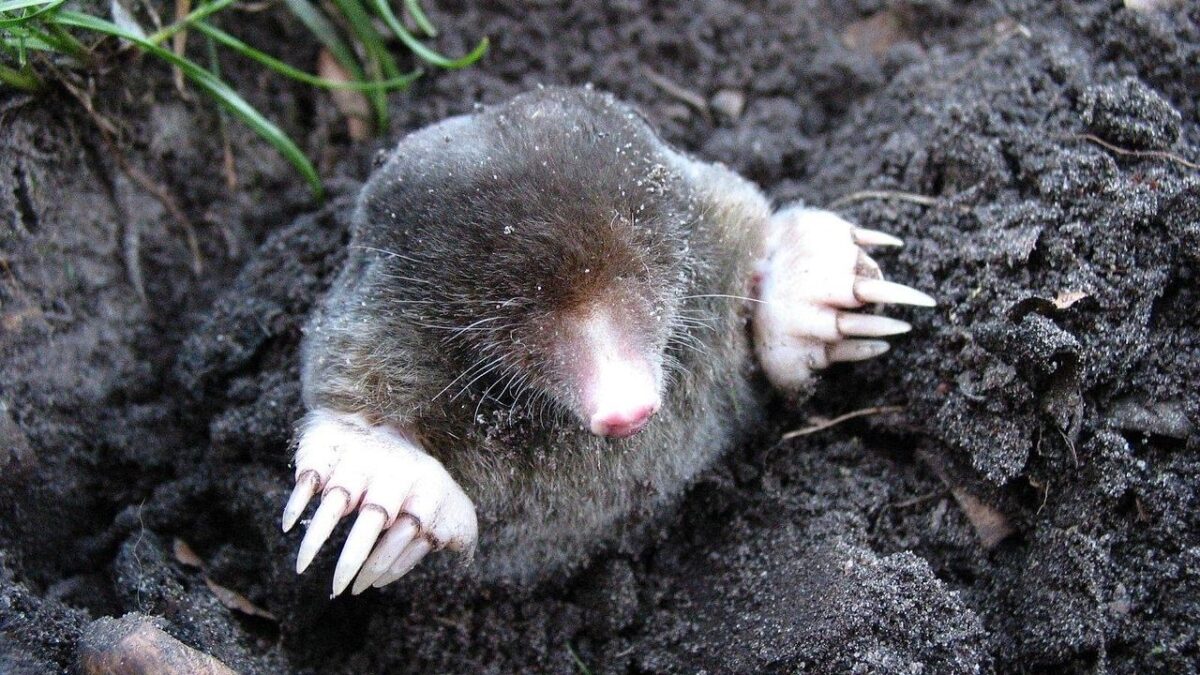
You’ve probably glanced at a yard torn apart by raised ridges and mysterious mounds of earth and wondered what on earth is going on beneath the surface. The culprit is rarely more than eight inches long, almost never seen, and has been quietly engineering one of nature’s most impressive underground structures right below your feet.
Moles are, in many ways, wildly underestimated. They’re not rodents, they don’t eat your plants, and a single one of them can be responsible for transforming an entire garden overnight. What they’re actually doing down there is far more complex, and far stranger, than most people ever realize.
#1. Moles Are Not Rodents – They’re Closer to Bats
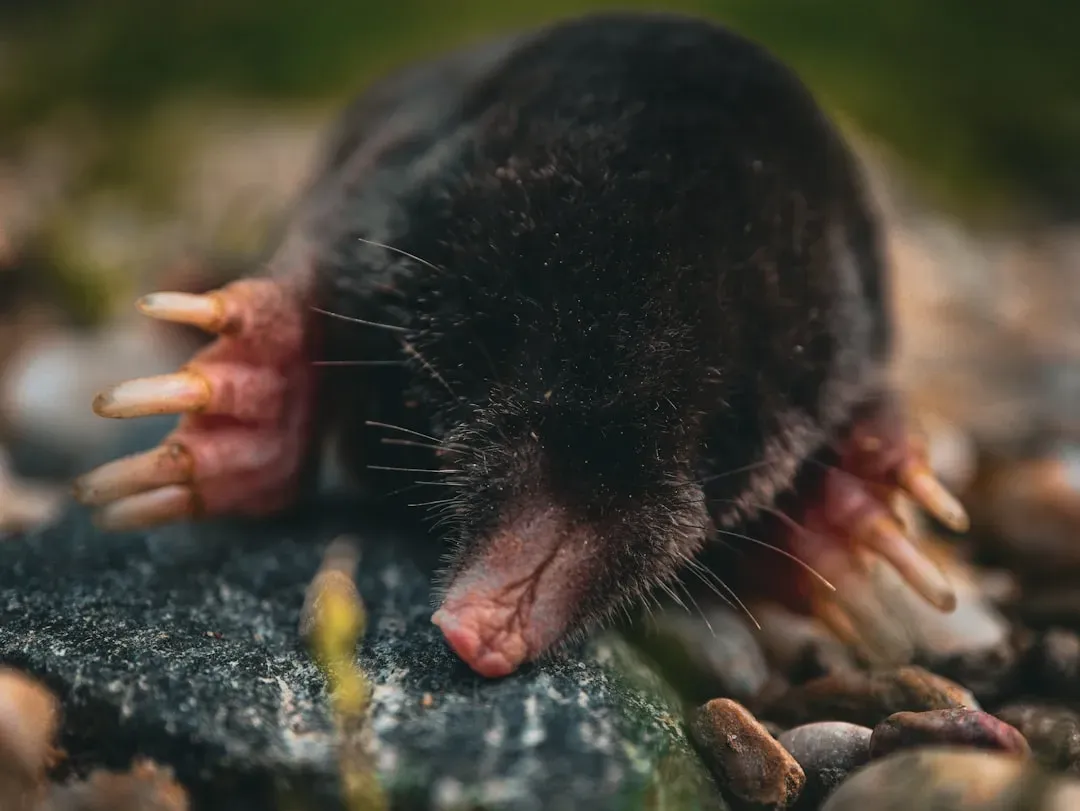
This one trips people up every time. Although moles may resemble mice and rats, they are not rodents. Instead, they are insectivores, more closely related to bats. That classification changes a lot about how we should think of them. They’re not gnawing, seed-hoarding creatures. They’re hunters.
Although moles burrow in the ground like many rodents, they are members of the mammalian order Insectivora, which also includes shrews. This means their entire tunnel system isn’t built to store grain or hide from winter. It’s built to hunt, and that distinction is what makes their underground architecture so purposeful and strange.
#2. Their Tunnel System Functions as a Living Trap
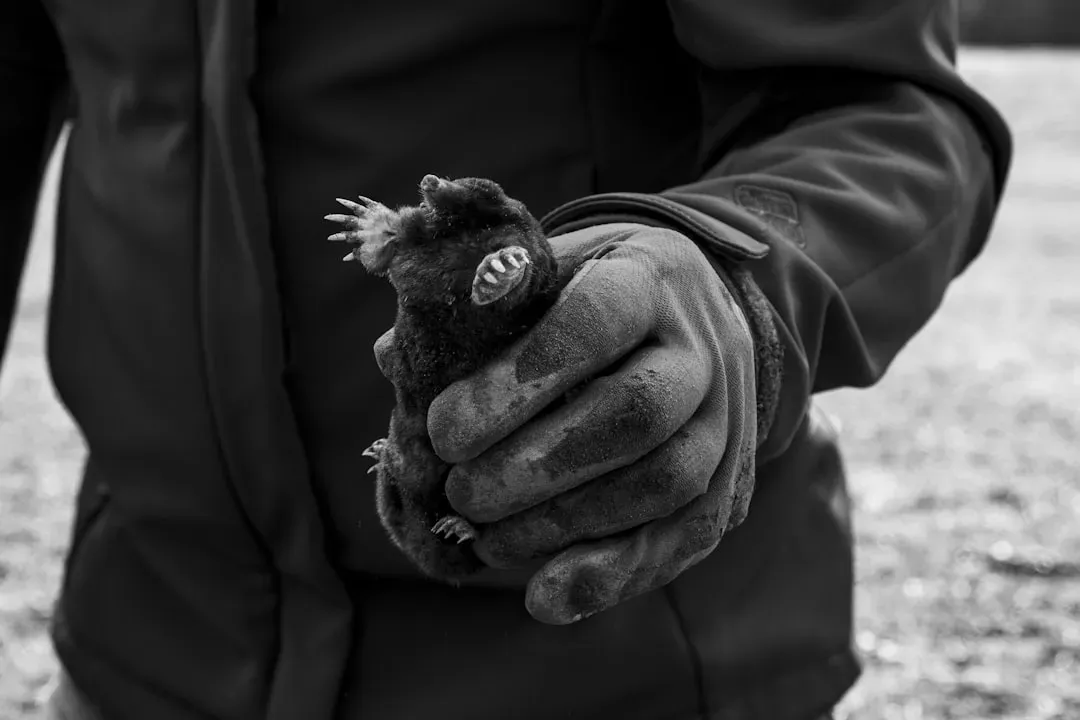
The burrow system acts as a pit-fall trap, collecting invertebrates, such as earthworms and insect larvae, which are caught by its patrolling resident before they can escape. This is one of the more quietly brilliant things about moles. They don’t always dig to find food. They dig to create conditions where food finds them.
These foraging tunnels trap insects and invertebrates as they move into them, and the mole then navigates these tunnels to eat, or gather and save for later, the trapped prey. Think of it less like a burrow and more like a long, winding net laid underground. The mole simply patrols its own infrastructure and collects whatever has fallen in.
#3. A Single Mole Can Dig Over 150 Feet of New Tunnel in One Day
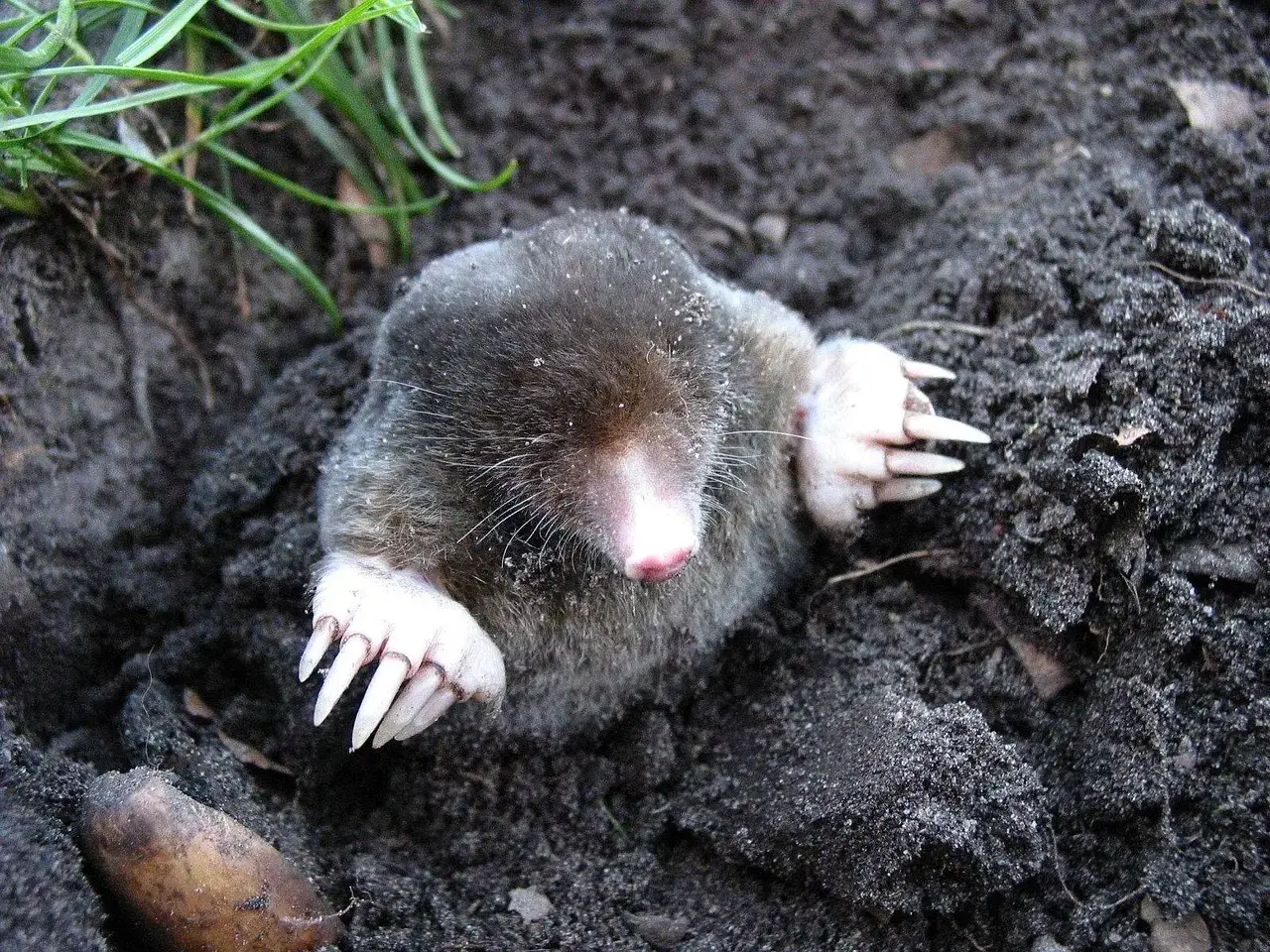
Moles can dig through loosened soil extremely quickly, clearing as much as 18 feet in an hour and adding up to 150 feet of new tunnels under your lawn each and every day. That scale is genuinely difficult to visualize. For context, the National Wildlife Federation notes that eastern moles can hollow out a 160-foot burrow in just one night, which is the human equivalent of digging a half-mile tunnel in the same amount of time.
Moles are fast diggers and can tunnel at a rate of 15 feet per hour. In favorable areas, shallow tunnels can be built at a rate of 12 inches per minute. The fact that all of this happens silently, invisibly, and largely while you sleep makes it all the more surreal.
#4. Their Fur Is Engineered for Tunnel Life
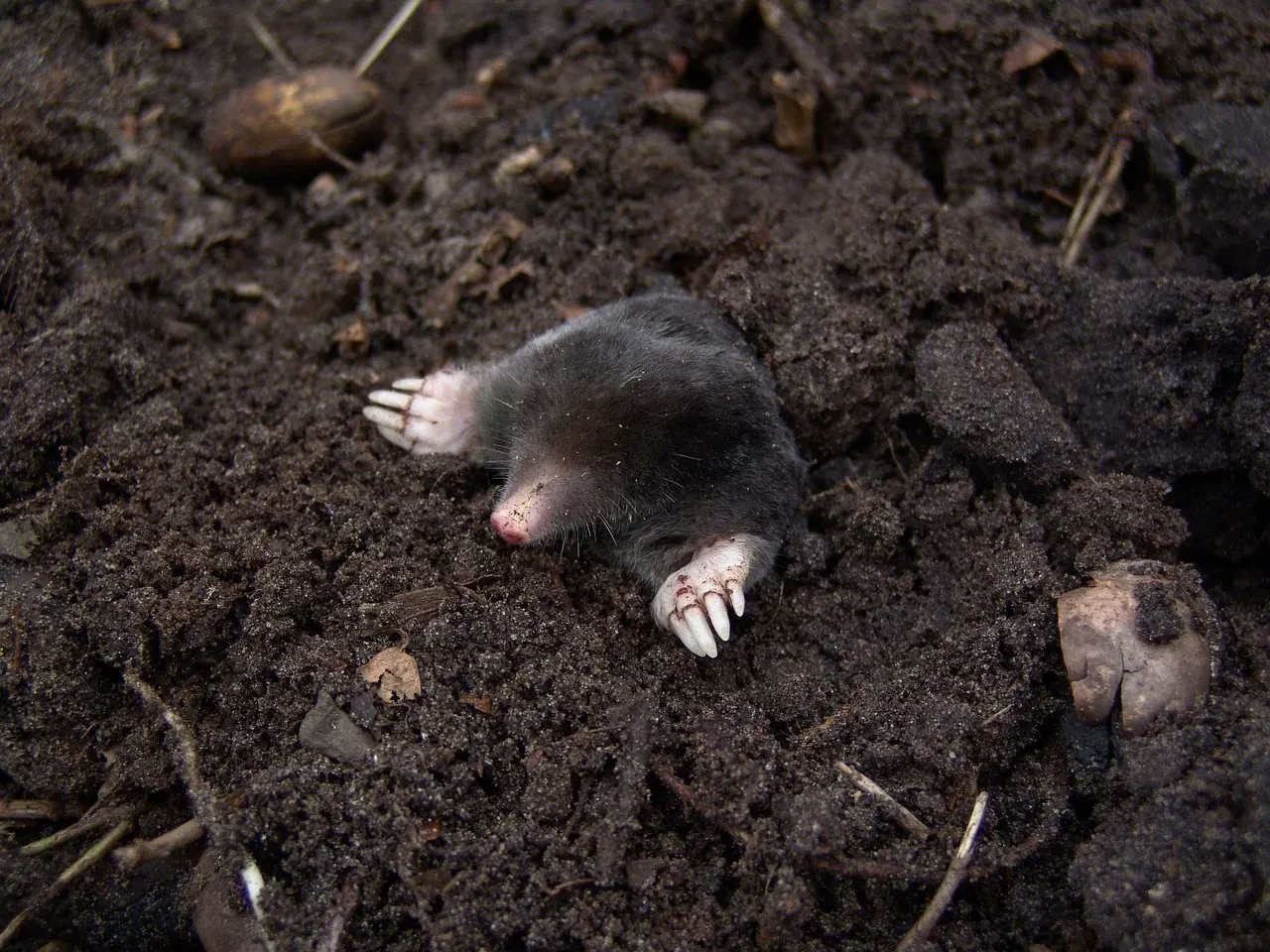
Most mammals have fur that lies flat in one direction. Moles went a different route entirely. Rather than having fur that lays flat and points toward the tail like most mammals, eastern moles have dense fur that sticks straight up. This prevents soil from becoming trapped in their coats when they back up through a tunnel.
Even their fur is well-suited for tunneling through soil. Their soft gray fur does not give any resistance, meaning it can be pushed flat in any direction. This allows the moles to more easily move through their tunnels. It’s one of those adaptations that seems small on paper but makes the difference between gliding through packed earth and getting stuck in it.
#5. They Have Toxic Saliva That Keeps a Living Food Pantry Underground
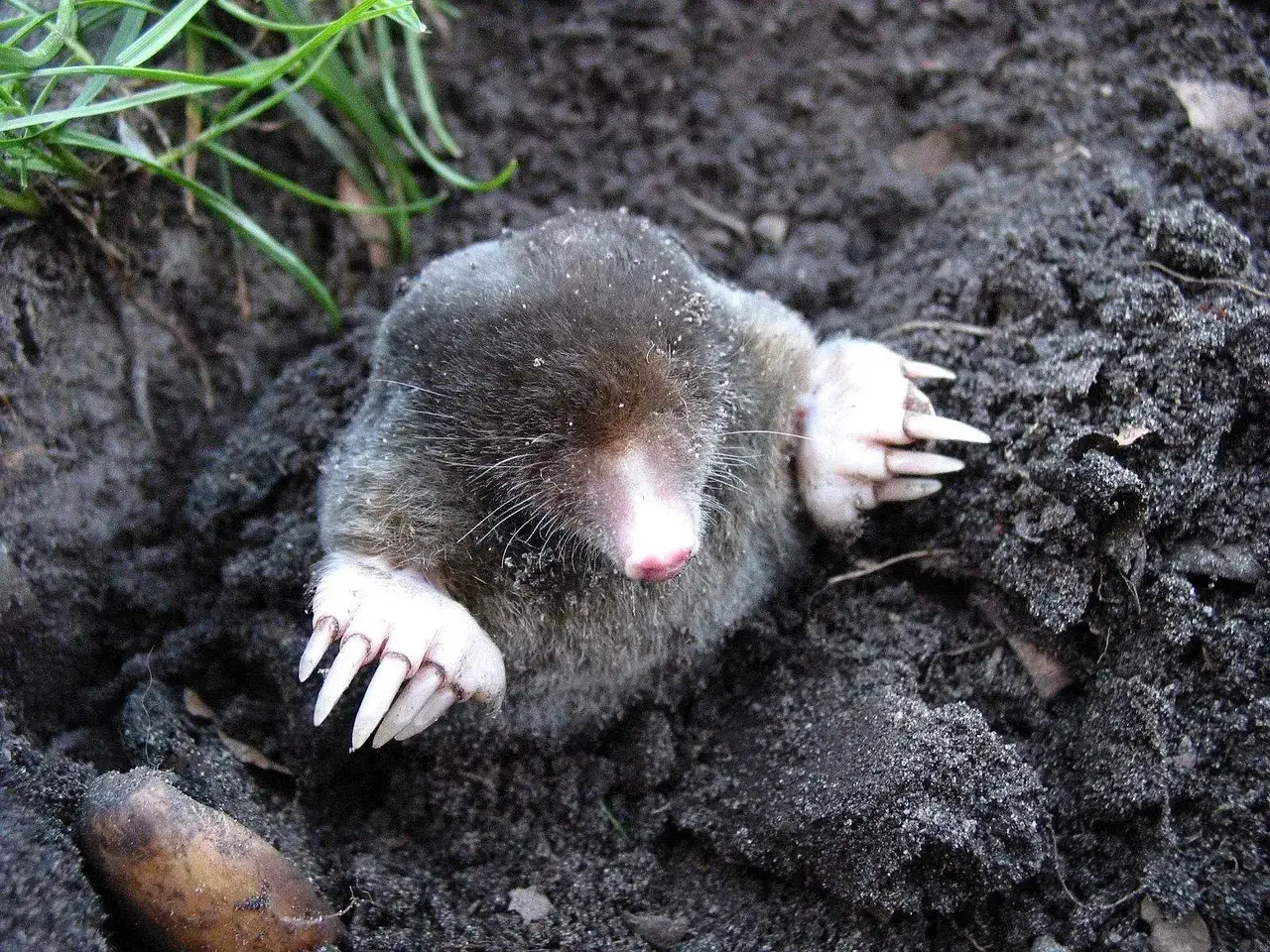
A mole’s saliva contains a toxin that paralyzes worms, allowing them to gather and store food for consumption later on. That alone is strange enough to stop you mid-sentence. They create sophisticated food storage systems with paralyzed but living earthworms. Their saliva contains toxins that immobilize prey without killing it, keeping meat fresh for weeks. These underground larders can contain hundreds of stored earthworms, providing reliable food supplies during harsh weather when hunting becomes difficult.
Before actually eating a worm, the process gets even more specific. Before eating a captured earthworm, a mole may squeeze the worm between its forepaws to release the unwanted dirt from its gut. They essentially clean their food before consuming it, which is a level of food preparation you wouldn’t expect from an animal the size of a fist.
#6. Their Tunnels Have Multiple Levels, Rooms, and Escape Routes
Mole tunnel systems aren’t random burrows. They’re carefully planned communities with designated areas for sleeping, food storage, waste disposal, and nurseries. These underground cities can span several acres with multiple levels and connecting corridors. Each tunnel serves a specific function, from hunting highways to emergency escape routes.
Permanent complex systems of galleries containing storage and nesting chambers are excavated up to 4.5 metres underground. Mole tunnel systems include multiple exit strategies and dead-end chambers designed for hiding from predators. These emergency tunnels often connect to the surface in hidden locations away from main activity areas. Some tunnels serve exclusively as escape routes and are only used when moles detect threats above ground. It’s a fully functional underground city run by one very small, very determined mammal.
#7. They Can Breathe Air That Would Overwhelm Most Mammals
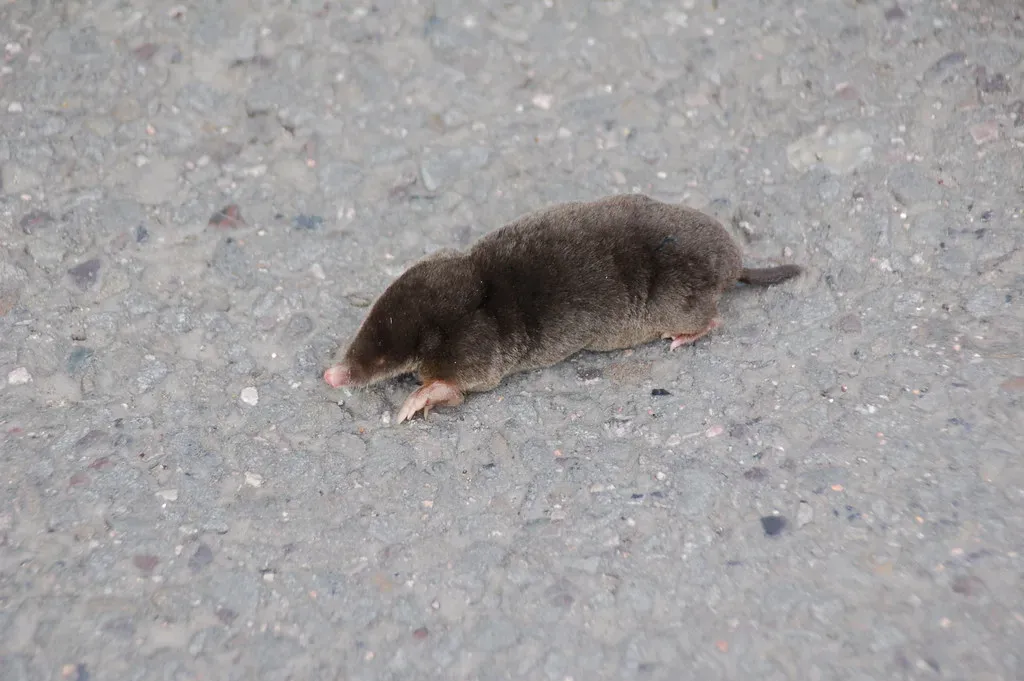
Deep underground, oxygen runs thin and carbon dioxide builds up fast. For most animals, those conditions would be fatal. Moles thrive in them. Unique adaptations in the hemoglobin of moles allow them to survive underground with low levels of oxygen and high levels of carbon dioxide. Oxygen levels inside mole tunnels have been recorded as low as 14.3 percent, compared to the 21 percent found in open air.
Researchers have described a surprising adaptation in the blood of eastern moles that enables them to get a workout burrowing, all the while inhaling the same air they have recently exhaled. Moles also create complex air circulation systems in their tunnels, with specific shafts designed to bring fresh air down and push stale air up to the surface. These ventilation networks ensure adequate oxygen levels throughout their underground cities. Some tunnel systems include air pockets and chambers specifically designed for air circulation.
#8. They Can Smell in Stereo
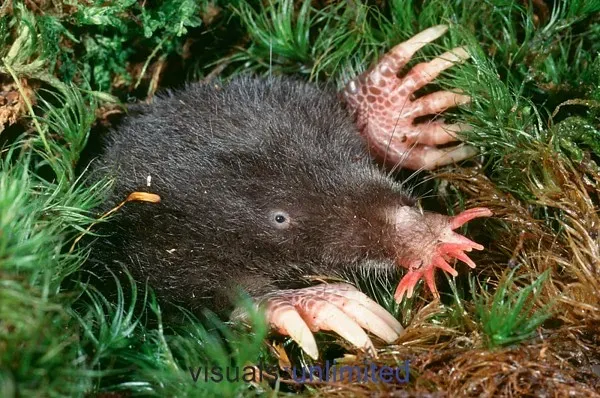
With eyes so small they can barely detect light, moles rely on other senses to navigate their dark world. One of their most unusual tools is directional smell. Moles are some of the only animals that can smell in stereo. This means they can detect odors immediately as well as determine the direction from which they are traveling.
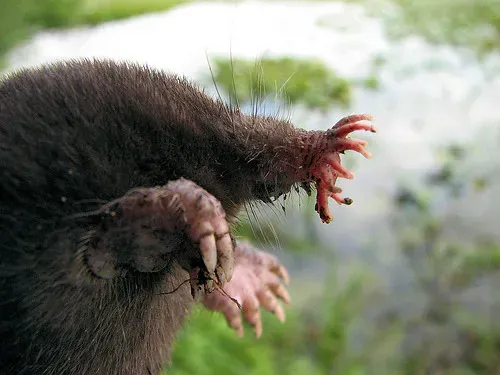
Their most notable adaptations include a highly developed sense of touch and a keen ability to detect vibrations, which are vital for both navigation and foraging. Moles possess an acute sense of touch, primarily facilitated by the sensitive hairs located on their snouts and body. These sensory hairs can detect even the slightest movements in the soil, allowing moles to perceive their surroundings in the absence of light. Vision becomes almost irrelevant when your nose and whiskers give you a complete three-dimensional map of everything around you.
#9. They Eat Almost Their Entire Body Weight Every Single Day

Constant digging burns an extraordinary amount of energy, and moles have to keep pace with that demand. Because they’re constantly tunneling, these small mammals have enormous appetites, consuming up to 100 percent of their weight every single day. To put that in perspective, it’s roughly the equivalent of an average adult human eating over 150 pounds of food daily.
In order to hunt down their ground-dwelling prey, moles constantly excavate, leaving behind a series of tunnels. This digging requires a tremendous amount of energy, which may explain the mole’s voracious appetite. When prey is plentiful, moles may be inconspicuous as the existing tunnel system provides enough food. When it is scarce, or in cold weather when earthworms descend to more temperate depths, the network of tunnels is extended, turning up fresh molehills. Their excavation activity is, in a real sense, hunger made visible.
#10. One Mole Is Almost Always Entirely Alone in That Vast Network
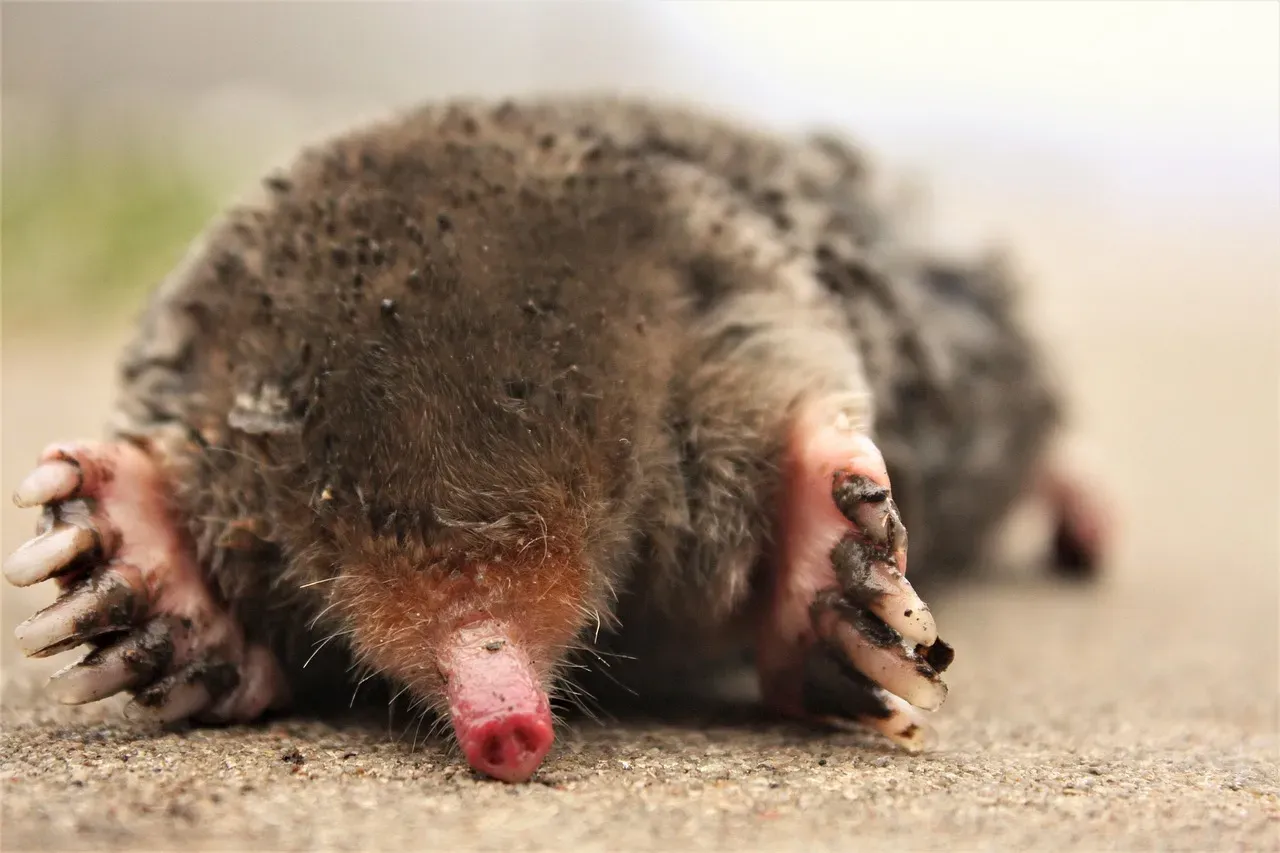
Given the sheer scale of a mole’s tunnel system, spanning multiple acres, stocked with food, and riddled with chambers, you might expect it to house a colony. Despite living in elaborate tunnel systems, moles are fiercely solitary creatures who will fight to the death to defend their territory from other moles. These underground battles can be surprisingly brutal for such small animals. Only during mating season do moles tolerate each other’s presence, and even then, interactions are brief and often aggressive. The tunnel networks you see are typically maintained by a single mole defending its exclusive hunting grounds.
A mole’s territory range can be over 2 acres, and there’s a good chance that all the damage in your yard is from a single mole. Moles live most of their lives underground, until a mother mole forces her baby moles out of the nest at the tender age of about a month, forcing them to establish their own tunnel systems. Every ridge, every mound, every collapsed surface run in your yard likely tells the story of one small, solitary animal building an entire world beneath yours.
The Hidden Architect You Never See
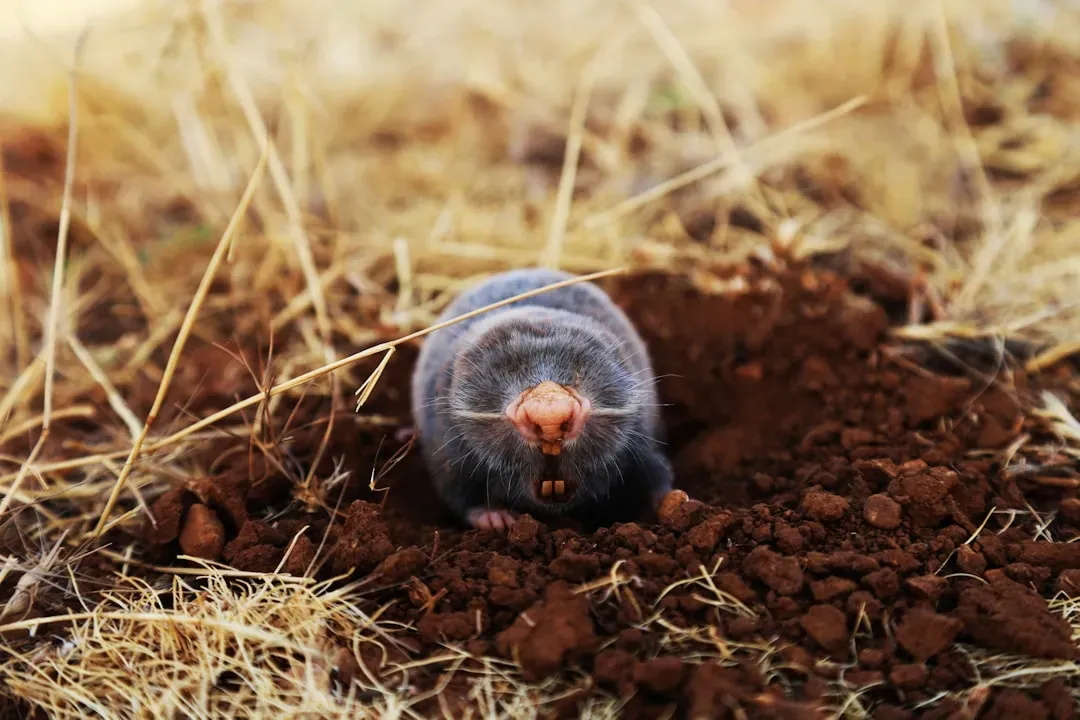
Moles rarely get credit for what they actually are: highly specialized, remarkably efficient underground engineers whose behavior is shaped by millions of years of evolutionary fine-tuning. Despite their small size, moles are remarkable engineers, creating extensive tunnel systems beneath the ground where they spend most of their lives. They are often misunderstood creatures, sometimes considered pests, but they play important roles in soil health and ecosystem balance.
Though moles are the bane of many lawn owners, they make a significant positive contribution to the health of the landscape. Their extensive tunneling and mound building mixes soil nutrients and improves soil aeration and drainage. Moles also eat many lawn and garden pests, including cranefly larvae and slugs.
The next time you spot a molehill pushing up through your lawn, it’s worth pausing before reaching for the repellent. What you’re looking at is the surface signature of something genuinely remarkable: a single small creature, working alone in total darkness, running a living trap, managing a food supply, engineering ventilation, and patrolling its territory with senses we barely understand. Most of nature’s most impressive structures are the ones we never actually see.
