

Most people walk past a ground squirrel colony without giving it much thought. A small rodent, a quick dash, maybe a faint chirp in the distance. But look a little closer, and you’ll find something unexpectedly sophisticated going on. These compact, burrowing creatures have developed alarm communication systems that rival the complexity of some primate vocalizations, and scientists have spent decades trying to fully decode what they’re saying.
Ground squirrels are far more than a footnote in the grassland ecosystem. They are alarm specialists, social architects, hibernation champions, and in some cases, reluctant altruists. The science behind their warning calls alone raises genuinely fascinating questions about the evolution of language, kinship, and survival instinct.
#1. They Produce Multiple Distinct Call Types for Different Threats
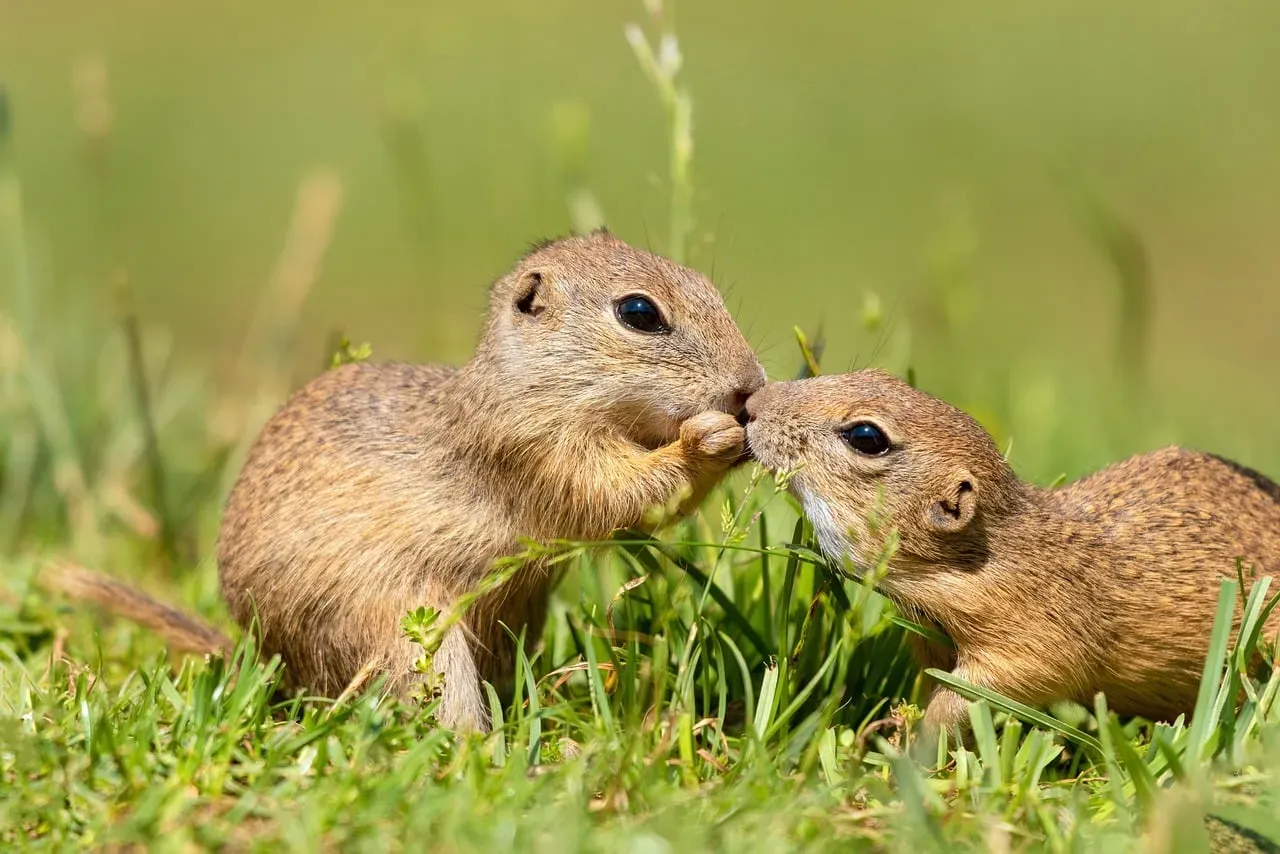
Belding’s ground squirrels give acoustically distinct alarm calls to aerial and terrestrial predators, typically producing multiple-note trills to predatory mammals and single-note whistles to flying hawks. This isn’t random variation. It’s a purposeful coding system, where the structure of the sound itself carries specific threat information.
Arctic ground squirrels produce six distinctly different sounds, and each may represent a signal in itself, but combinations of acoustic elements or repetition of a single element produce additional signals, several of which serve as alarm calls. Think of it as a compact vocabulary built from a limited set of sounds, arranged and repeated to communicate very different levels of urgency.
#2. Chirps and Whistles Trigger Different Brain Responses in Listeners
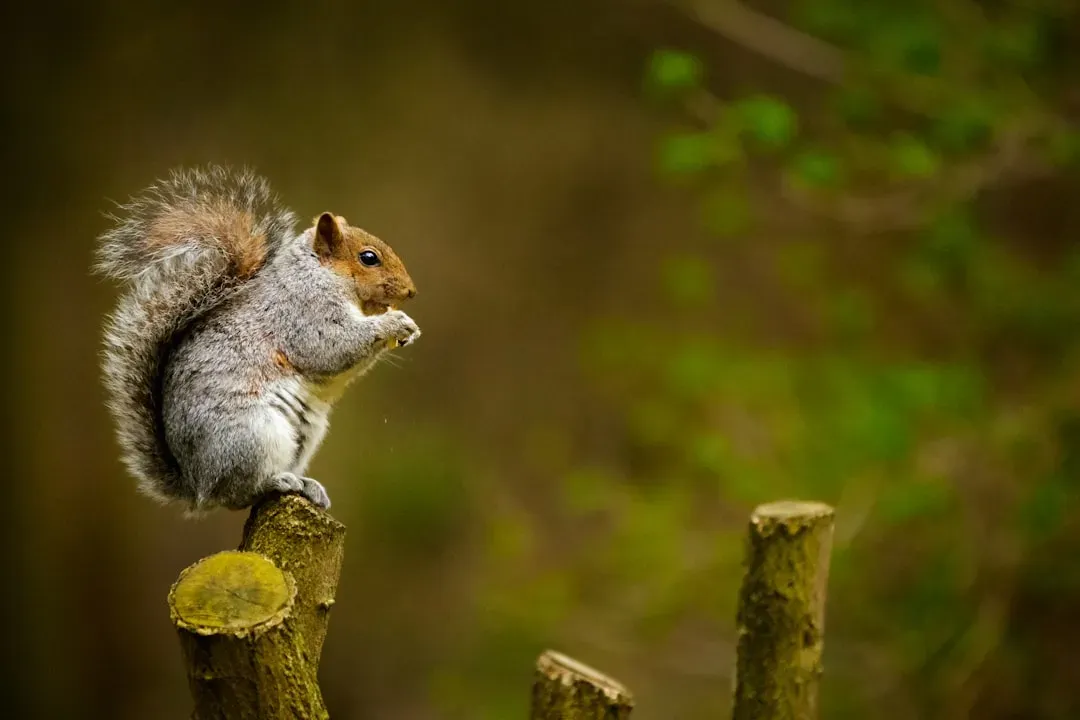
Richardson’s ground squirrels use alarm calls to warn others about potential predatory threats, with chirp calls typically indicating high levels of threat from airborne predators and whistle calls associated with lower levels of threat from terrestrial predators. These types of calls primarily elicit escape behaviors and increased vigilance in receivers, respectively.
Chirps typically elicit escape behaviors in receivers, which are supported by call-specific neural activation patterns. Researchers investigating the brain responses of listeners found that different alarm calls activate different neural circuits, meaning the squirrel brain doesn’t just hear a warning sound – it interprets the specific nature of the threat and prepares an appropriate physical response before the animal even consciously “decides” to act.
#3. One Species Communicates in Ultrasound, Completely Hidden from Predators
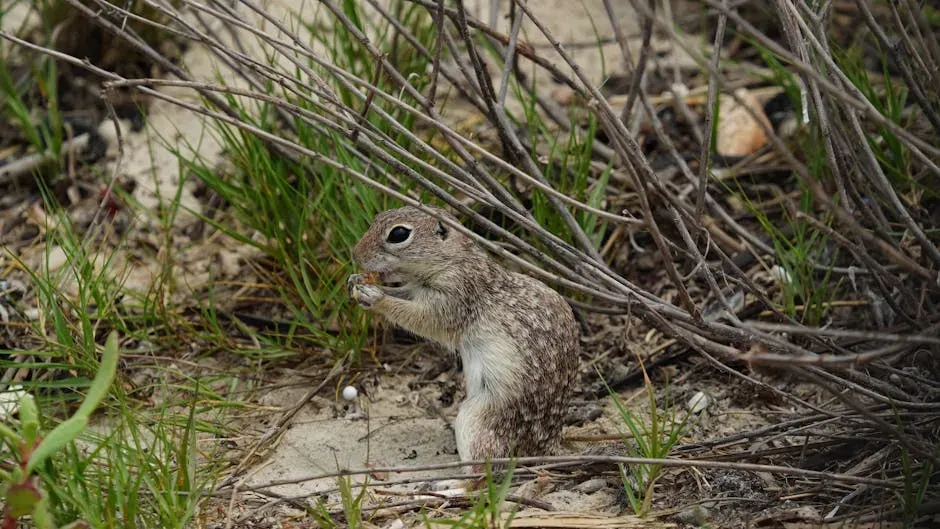
Ultrasonic alarm calls had not previously been detected in any animal group despite their twin advantages of being highly directional and inaudible to key predators, until researchers discovered that this rodent emits a high-frequency shriek as a warning that is inaudible to predators.
A purely ultrasonic signal is produced in the wild by a rodent of the Sciuridae family, Richardson’s ground squirrel, and its function is to warn fellow members of the colony of impending danger. When scientists studied the response of fellow Richardson’s ground squirrels to one of these calls, they found that the squirrels recognized the calls as a warning and were visibly more vigilant, scanning the area for predators. A silent alarm only the right ears can hear – it’s a remarkable evolutionary trick.
#4. Alarm Calls Actually Benefit the Caller, Not Just the Colony
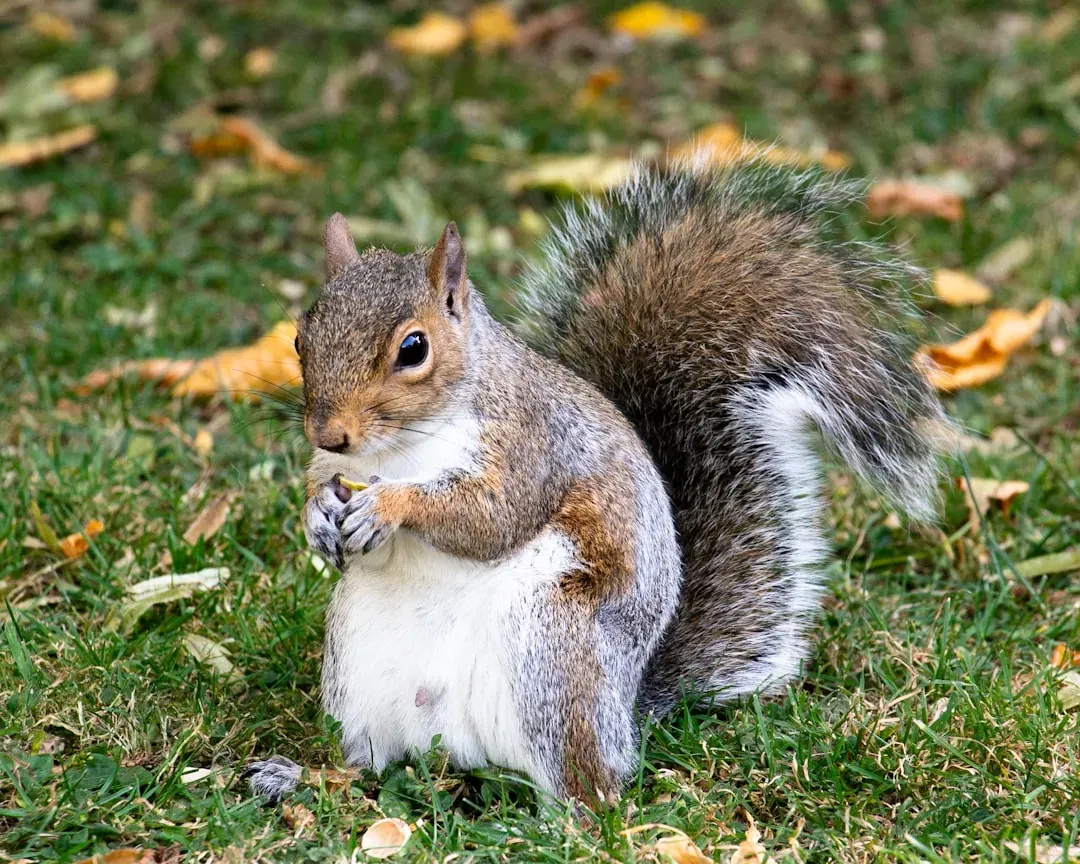
Wild raptors were rarely successful at capturing rodents once a whistle had been given, and fewer callers than noncallers were killed. This is a counterintuitive finding. The common assumption is that calling out draws attention to the caller and increases their personal risk. In some cases, the opposite appears to be true.
Alarm calls may also serve another purpose: they alert the predator that it has been detected, and predators that know they have been detected often give up the chase. Meanwhile, nearby squirrels get the message that one of their neighbors has spotted a predator and can adjust their behavior accordingly. The call, in other words, accomplishes two things at once – it dissuades the predator while simultaneously informing the group.
#5. Females Are Far More Likely to Sound the Alarm Than Males
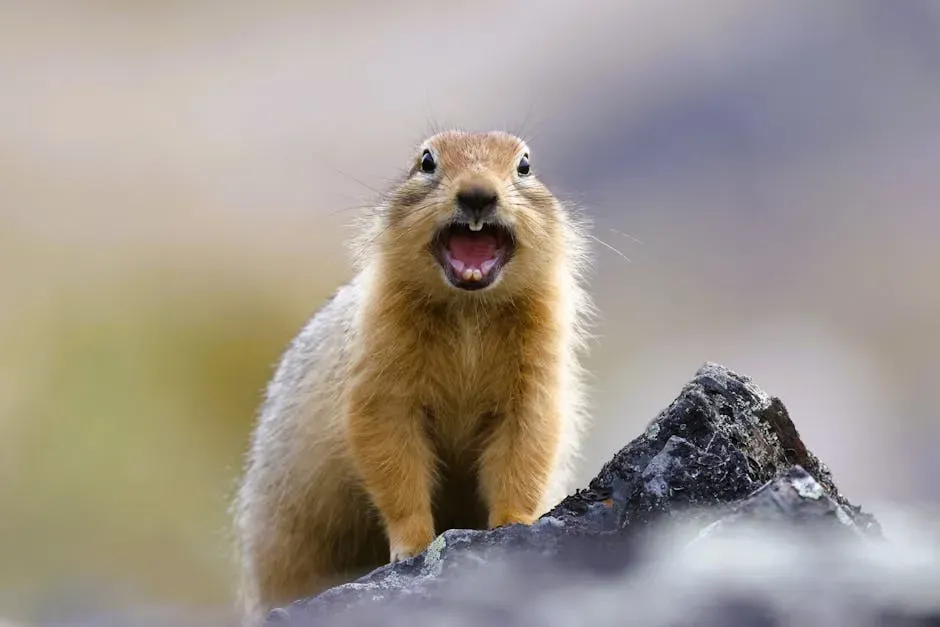
Females cooperate to defend territories, protect pups from infanticide, share feeding areas, and give alarm calls when predators approach. This pattern is consistent across multiple ground squirrel species and isn’t coincidental. It connects directly to where females live and who surrounds them.
Female ground squirrels are more likely to make warning calls because they stay within their birth colonies, surrounded by kin, thus promoting the spread of shared genes. Adult male squirrels disperse significantly greater distances than females, meaning they are less likely to be associated with close kin and are therefore expected to call less frequently. The alarm call, viewed through this lens, is as much about preserving genetic legacy as it is about community safety.
#6. Calling Is a Form of Kin Selection, Not Simply Altruism
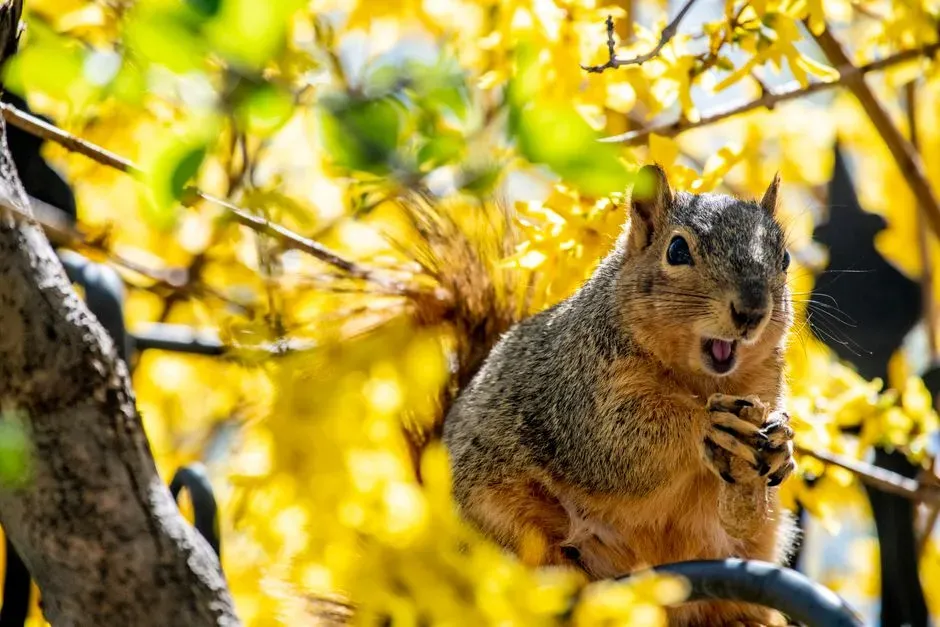
Kin selection is a type of natural selection where individuals tend to benefit their relatives even at a cost to themselves. This concept explains much of the altruistic behavior seen in Belding’s ground squirrels’ alarm calls. When a female squirrel spots a predator and sounds an alarm, she puts herself at risk by drawing attention to her location. However, the benefits include the protection and survival of genetically related individuals.
With terrestrial predators, only females with kin nearby give alarm calls, implying that trills function to warn kin of impending danger, while whistles benefit the callers themselves. It’s a subtle but important distinction. The squirrel is not simply being noble. It’s running a kind of biological cost-benefit calculation, shaped over thousands of generations of evolution.
#7. Repetitive Calling Keeps the Colony on Alert Long After the Initial Warning
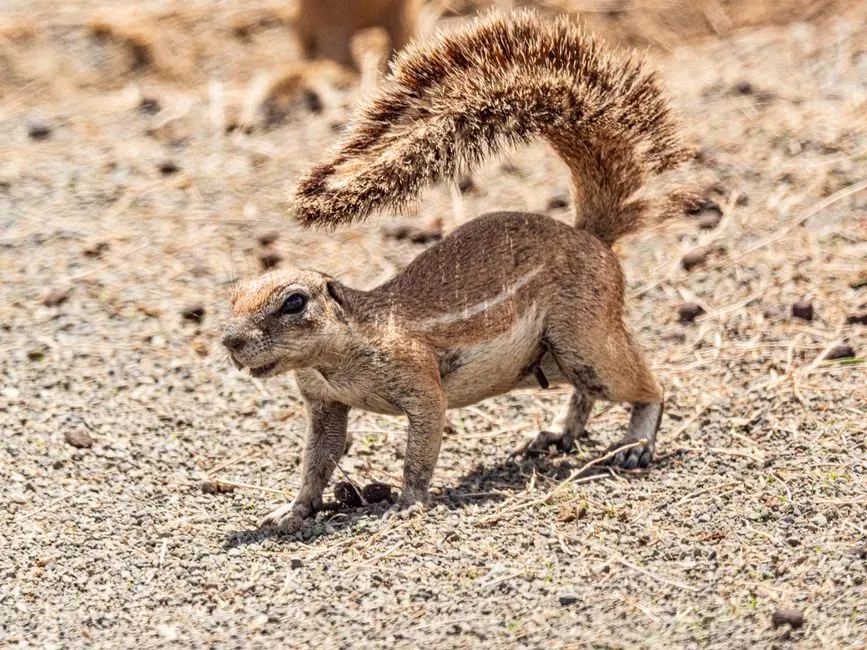
Researchers proposed that repetitive calling by ground squirrels, where the same vocalization is uttered repeatedly in long bouts, might act as a tonic signal to promote vigilance in those who hear it. This isn’t the same as the initial alarm burst. It’s a sustained broadcast designed to keep others scanning their surroundings well after the first cry.
Both repetitive and non-repetitive calls increased the amount of time spent vigilant by perceivers, especially in bipedal postures, but more time was spent vigilant after repetitive calls than non-repetitive ones, supporting the tonic communication hypothesis. Wild squirrels also showed enhanced responses to multisensory, audio-visual signals of alarm compared to unisensory signals. Sound combined with a visible reaction from a neighbor produces a stronger effect than either one alone.
#8. The Order and Structure of Syllables Within a Call Carries Meaning
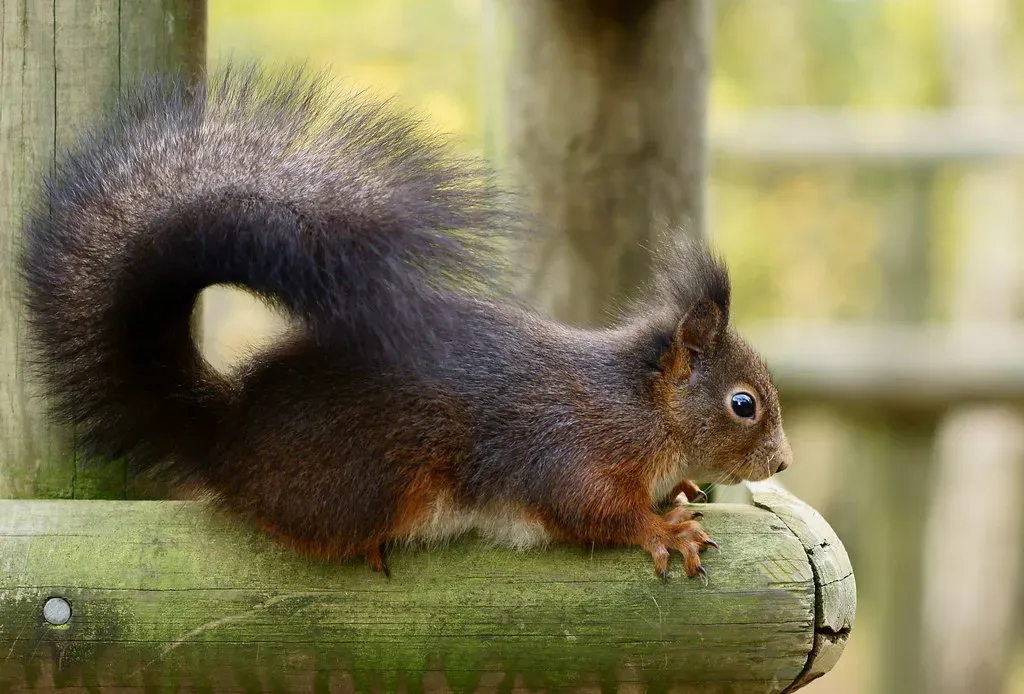
Variation in the acoustic structure of individual syllables within a call carries information regarding the extent of threat, and given this variation along with the production of multiple syllables, the syntactical structure of the call could also encode meaningful information. This edged the research into genuinely linguistic territory – the idea that not just what you say but how you order the syllables matters.
Primary syllables appear to serve a general alerting function, possibly priming receivers for information that follows. Results provide limited evidence that the syllable order of Richardson’s ground squirrel alarm calls carries meaningful information to call receivers. The science here is still evolving, but even limited evidence for syllable-order sensitivity in a wild rodent is a striking finding in its own right.
#9. Individual Ground Squirrels Have Recognizable “Voice Signatures”

The long-tailed ground squirrel is known to produce two types of alarm calls – whistle alarms and wideband calls – and although ground squirrels are a model group for the study of vocal individuality, this phenomenon had not yet been studied in a species producing two such completely different alarm types.
Researchers analyzed 269 whistle alarms produced by 13 individuals and 591 wideband alarms from 25 individuals, and a discriminant function analysis assigned over 93 percent of whistle alarms and over 91 percent of wideband alarms to the correct individual. This was the first evidence of individual variation in wideband alarms compared with whistle alarms and the occurrence of vocal individuality in two warning signals of completely different acoustic structure produced by a ground squirrel. Essentially, each squirrel has its own distinct voice that others can potentially identify.
#10. Their Hibernation Is One of the Most Extreme Physiological States in Any Mammal

Body temperature can plummet from around 99°F to just above freezing, and the Arctic Ground Squirrel has been recorded with body temperatures just below 32°F. Heart rate slows dramatically, dropping from over 300 beats per minute to as few as 5, and metabolism slows to a crawl, allowing them to survive for months on stored body fat alone.
During torpor, all cells and organs experience a massive functional shutdown to conserve energy, yet ground squirrels can restore all bodily functions within just a few hours upon arousal from hibernation, suggesting that during torpor cells exist in a semi-functional state often referred to as “suspended animation.” Hibernating ground squirrels do not drink for up to eight months of the year, and despite extreme water deprivation, they do not develop chronic kidney pathologies or experience physiological signs of dehydration. The biology here is extraordinary by any measure.
#11. Their Burrow Networks Are Multi-Purpose Engineering Feats
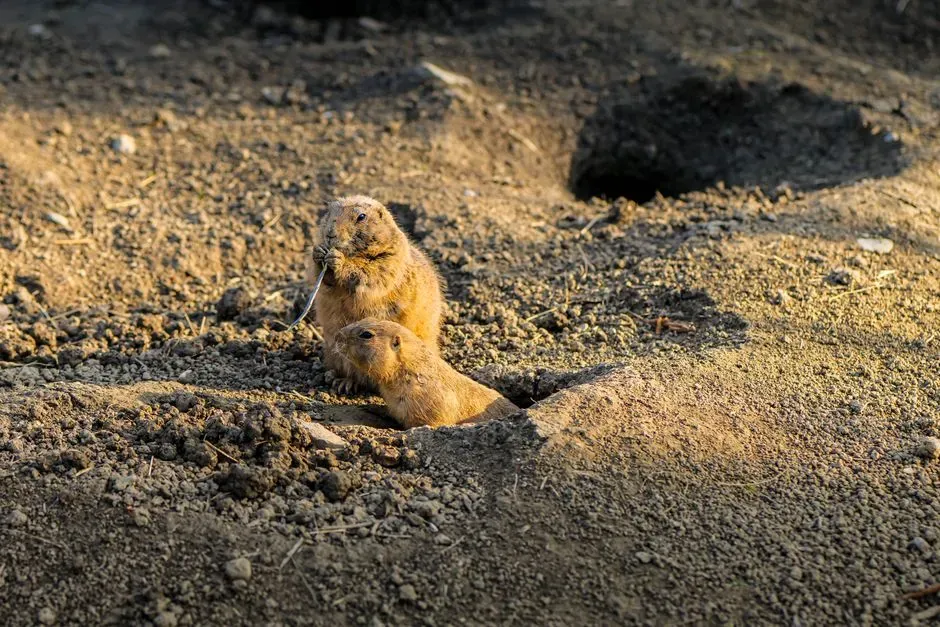
Ground squirrels live in underground burrows where they build complex tunnel structures that can be one to two meters deep. Many species dig burrows with multiple entrances for shelter, avoiding predators, storing food, raising young, and hibernating in temperate areas, and how complex and deep the burrows are changes with soil, climate, and social life. These aren’t simple holes. They’re dynamic infrastructure adapted to the specific demands of each colony.
California ground squirrels are social creatures that live in burrows they excavate themselves, with some burrows occupied communally but each individual having its own entrance, and most squirrels spend the majority of their time within about 25 meters of their burrow. These squirrels help soil aeration due to their habit of digging burrows and also create habitat for other rodents and snakes, which use them as shelters. A single colony quietly shapes the landscape around it, influencing far more species than just their own.
A Final Thought
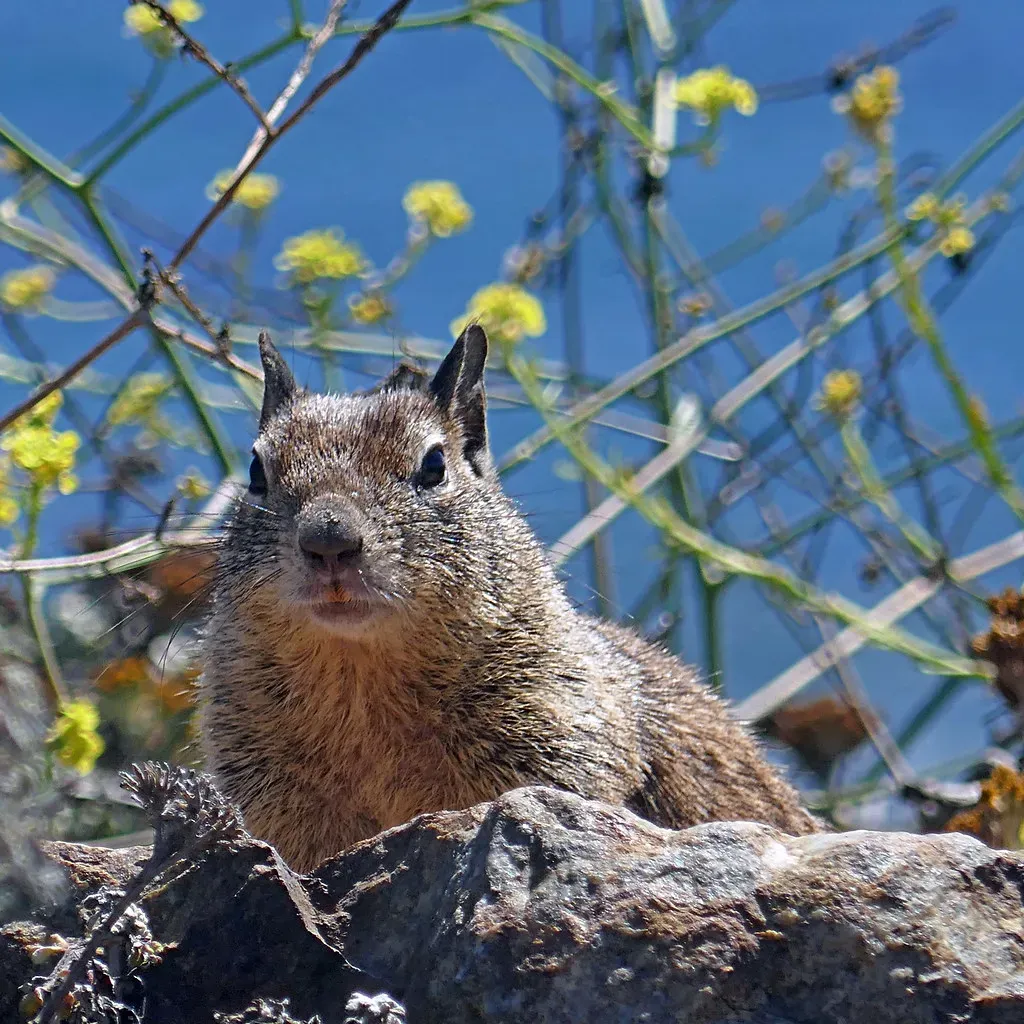
Ground squirrels sit at one of those fascinating intersections where animal behavior, evolutionary biology, and communication science all overlap. Their warning calls alone have generated decades of serious scientific inquiry, revealing layers of social complexity that most people would never expect from a creature weighing less than a pound.
What makes them genuinely compelling is how much the research keeps uncovering. Individual voice signatures, ultrasonic signals hidden from predators, kin-biased altruism, brain-level call recognition – none of it is fully mapped yet. The squirrel standing upright at the edge of a meadow, seemingly doing nothing, may actually be doing quite a lot. The more carefully we listen, the more it seems these small animals have been speaking a remarkably rich language all along.

- 12 Architectural Wonders From The Ancient World That Inspire Us Today - July 18, 2026
- 6 Beautiful Ancient Cities That Time Forgot (But Shouldn’t) - July 18, 2026
- 6 Common Animal Behaviors That Are Often Misunderstood by Humans - July 18, 2026