
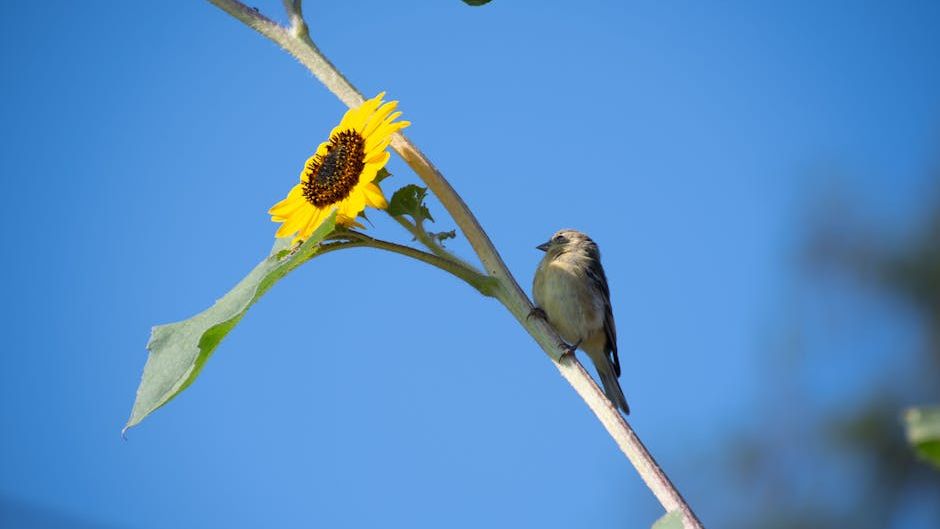
Most people hang a bird feeder and hope for the best. A handful of sparrows show up, maybe a house finch or two, and that’s it. What those same gardeners often don’t realize is that a well-chosen native wildflower does something no feeder can: it creates a living, seasonal ecosystem that birds return to year after year, across every stage of their lives.
Native plants provide nectar for hummingbirds, butterflies, and bees, as well as nourishing seeds and irresistible fruits for birds. They’re also a critical part of the food chain, since native insects evolved to feed on native plants, and backyard birds raise their young almost entirely on insects. So the reward goes far beyond a flash of color in the garden. These ten wildflowers are among the most effective, most beautiful, and most ecologically significant you can grow.
#1 Purple Coneflower (Echinacea purpurea)
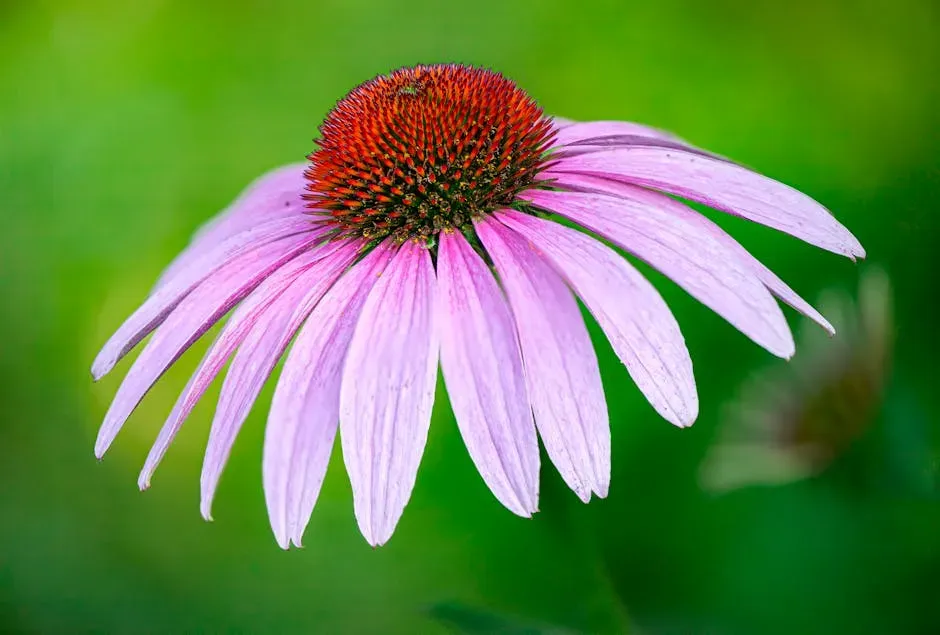
Few native wildflowers carry as much wildlife value per square foot as the purple coneflower. The strong stems and bright colors make it one of the most beloved native plants, both to birds and to gardeners alike. Wild native species produce purple, white, or pink flowers and can be found in prairies and open woodlands. The plant works across seasons, delivering nectar in summer and fat-rich seeds well into winter.
Coneflowers attract many birds, including goldfinch, sparrow, brown towhee, indigo bunting, cardinal, house finch, grouse, and chickadee. Though coneflower seeds can be harvested by the gardener, it’s far more enjoyable to leave the seedheads in place at the end of the season and watch the birds taking all they want in the fall and winter. Some birds feed while perched on the swaying plants, and some wait until the stems have fallen back toward the soil. Plant it once, and it becomes a reliable fixture in the garden for years.
#2 Black-Eyed Susan (Rudbeckia hirta)
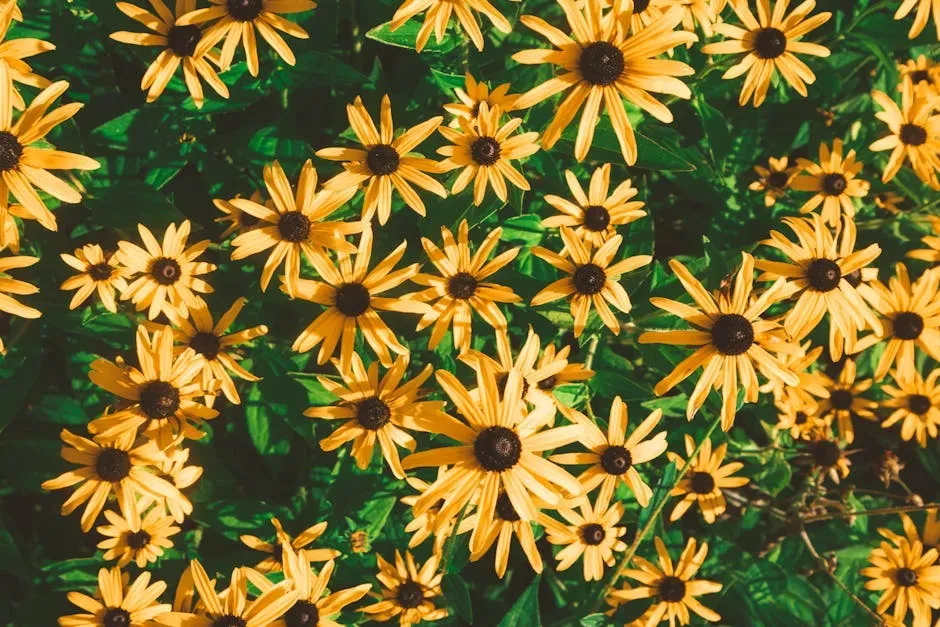
The black-eyed Susan is as sunny as wildflowers get, and the birds know it. Black-eyed Susan, or Rudbeckia, is a North American native famous for its sunny yellow petals and dark center cones. Later in the season, seedheads attract smaller birds. It’s one of those rare plants that manages to look cheerful in July and still be doing ecological work in January.
Black-eyed Susan produces seedheads full of tasty morsels that attract American Goldfinches and House Finches in the fall and winter. Come fall, flocks of American and Lesser Goldfinches feed on the seedheads of black-eyed Susans and common sunflowers. This is a wildflower that earns its keep across multiple seasons, which is exactly the kind of low-effort, high-impact plant most gardeners are looking for.
#3 Cardinal Flower (Lobelia cardinalis)
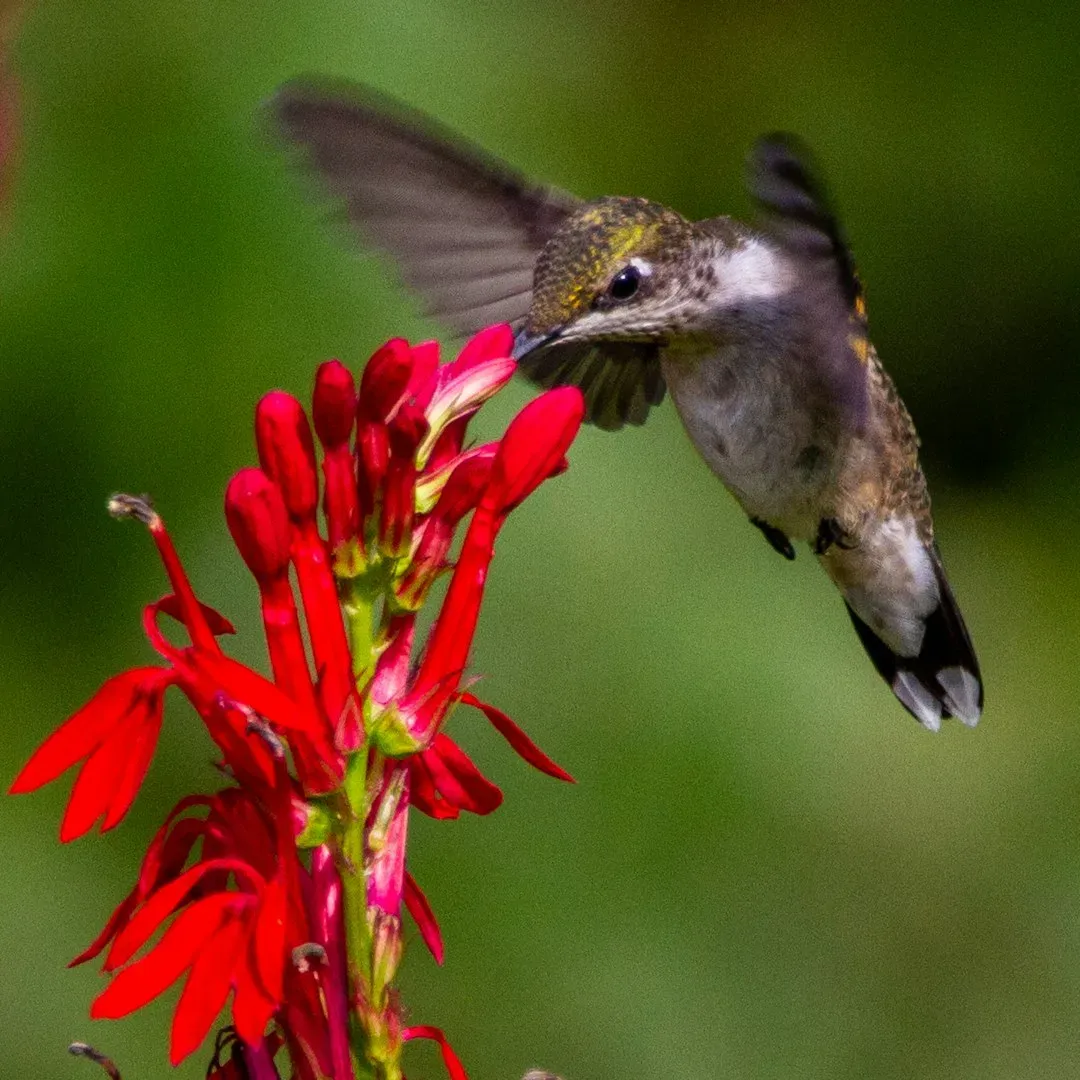
If you want hummingbirds specifically, this is the plant to prioritize. If you could design the perfect hummingbird plant, it might look exactly like cardinal flower. The intense scarlet blooms, perfectly shaped for hummingbird bills, contrast dramatically against dark green foliage, and the flower spikes can reach up to four feet tall in ideal conditions. It’s one of those plants that catches the eye of birds and gardeners in equal measure.
The cardinal flower’s bright red petals resemble the flowing robes worn by Roman Catholic cardinals, after which it was named. While few insects can navigate the long tubular flowers, hummingbirds feast on its nectar with their elongated beaks. Unlike many bright-blooming perennials, cardinal flower thrives in partial shade and moist conditions, making it perfect for boggy areas, rain gardens, or pond edges. Its late summer blooming period provides vital energy when many hummingbirds are beginning to prepare for migration.
#4 Bee Balm (Monarda didyma / Monarda fistulosa)
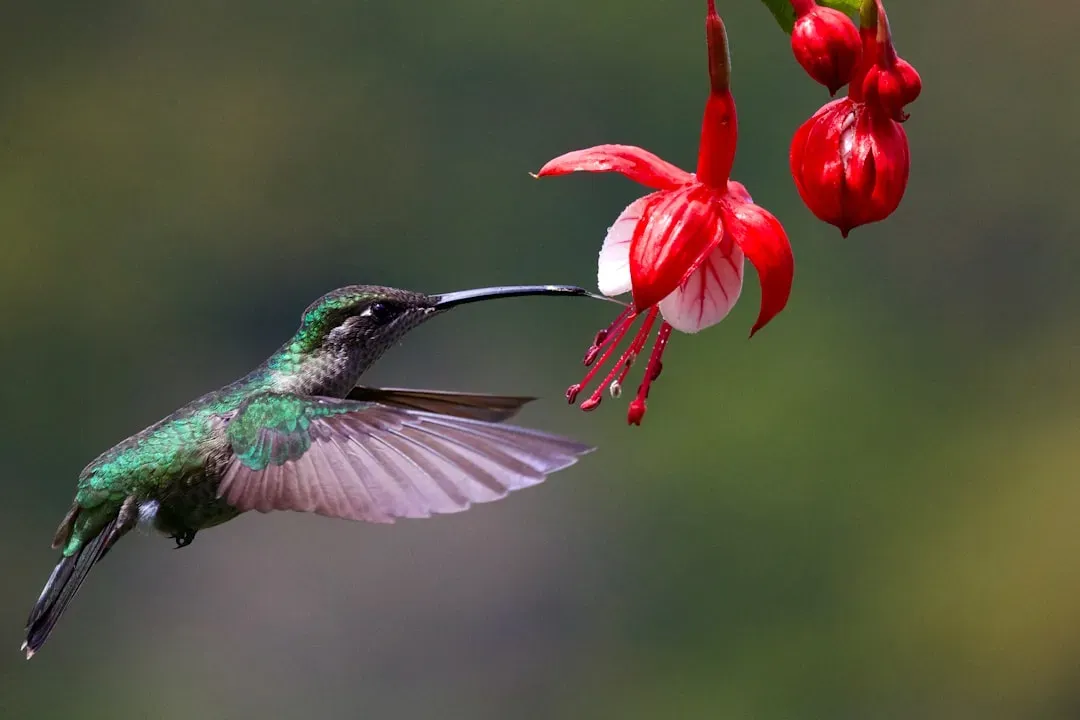
Bee balm is one of those wildflowers that rewards you with wildlife activity the moment it opens. Anyone who has grown bee balm will tell you how amazed they were by the amount of wildlife this fragrant native perennial attracted. Apart from the host of pollinating insects hovering over the spiky whorls of red, purple, or pink flowers in summer, hummingbirds always seem to find these unusual flowers. The blooms have an almost magnetic effect on the garden’s aerial visitors.
Summer takes hold and Ruby-throated Hummingbirds sip the nectar of wild bergamot, the close cousin of scarlet bee balm, making the entire Monarda genus a reliable draw for these tiny birds. Bee balm attracts a lot of backyard wildlife, including hummingbirds, butterflies and bees. Scarlet beebalm attracts hummingbirds as well as other pollinators and thrives in full sun to part shade, moist or acidic soil, reaching two to four feet high. It’s one of the most versatile and rewarding native plants you can grow.
#5 Common Sunflower (Helianthus annuus)
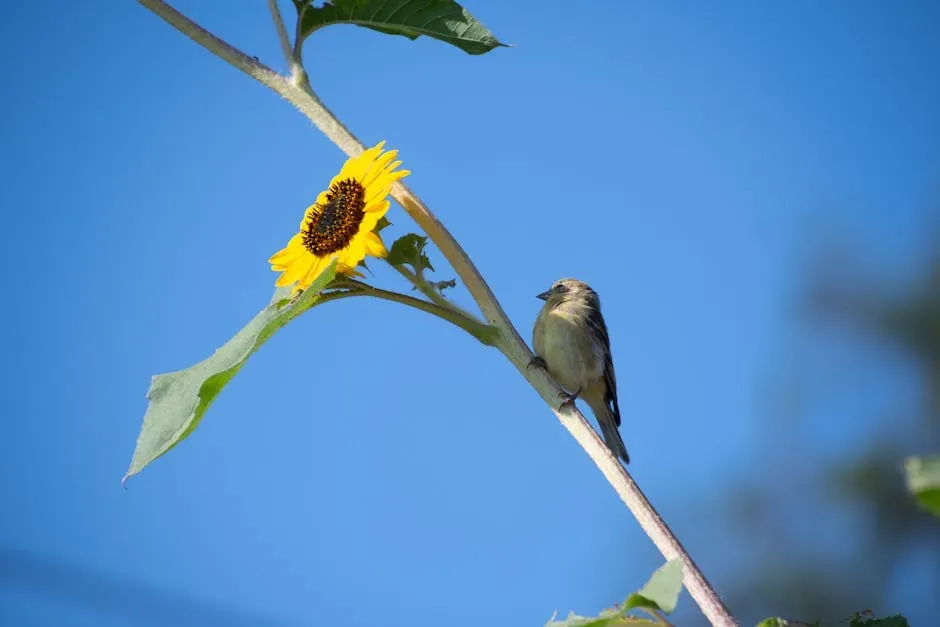
There’s a reason sunflowers appear in nearly every bird-friendly planting guide written. Native coneflowers, black-eyed Susans, and vibrant sunflowers are favored by goldfinches, cardinals, blue jays, and many other seed-loving birds. The common sunflower is one of North America’s most celebrated native species, and its oversized seedheads function almost like a natural bird feeder once the petals drop.
Painted buntings, nuthatches, mockingbirds, and others favor big sunflowers such as the common sunflower. In summer, common sunflower attracts insects that draw in nesting songbirds, and its seedheads offer a fall and winter food source for Indigo Buntings, sparrows, and year-round residents like chickadees and titmice. Leave the stalks standing after the heads dry out. The birds will take care of the harvesting themselves.
#6 Milkweed (Asclepias spp.)
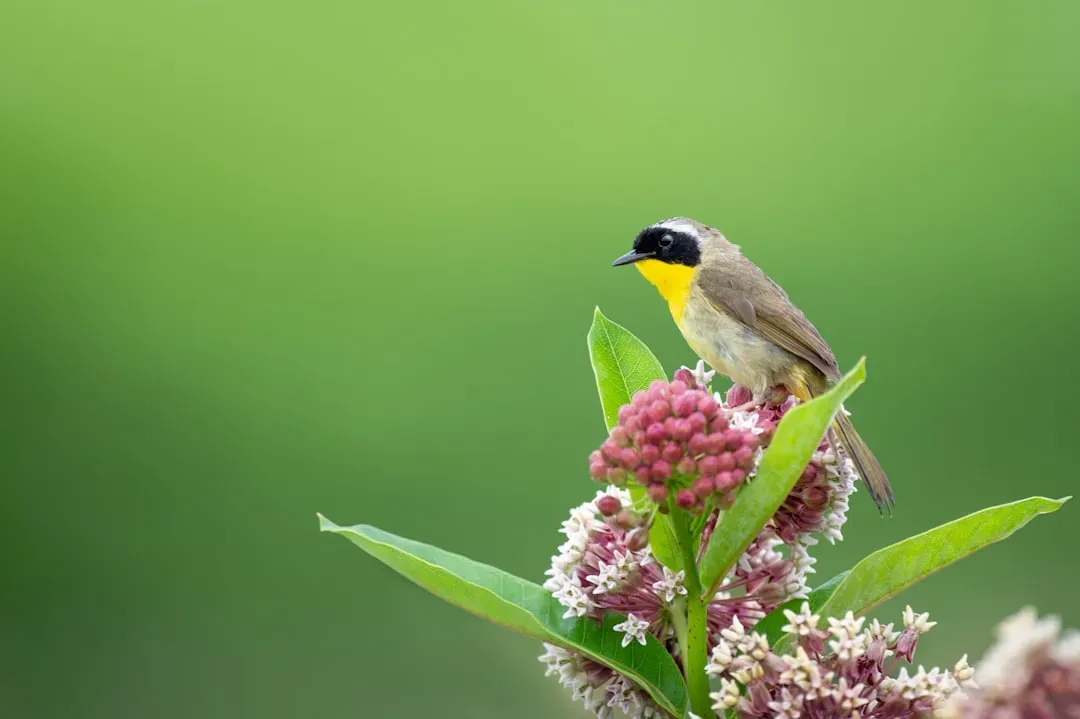
Milkweed is widely celebrated for monarchs, but its value to birds is equally compelling and far less talked about. Milkweed is best known for hosting monarch butterfly caterpillars, but they attract loads of insects that are great for birds, too. Swamp milkweed also attracts loads of insects that hungry birds will feed on in spring and early summer, and provides nesting material for American Goldfinches later in the season.
Some birds, like the American Goldfinch, use the fiber from the milkweed to spin nests for their chicks. Goldfinches, and other birds, also use the downy part of the seed to line their nests. It’s likely one or more species of milkweed is native to your area. Try butterfly weed in hot, dry areas, while swamp milkweed is great in wet areas or gardens. It’s a plant that feeds, shelters, and houses birds all in one tidy package.
#7 Goldenrod (Solidago spp.)
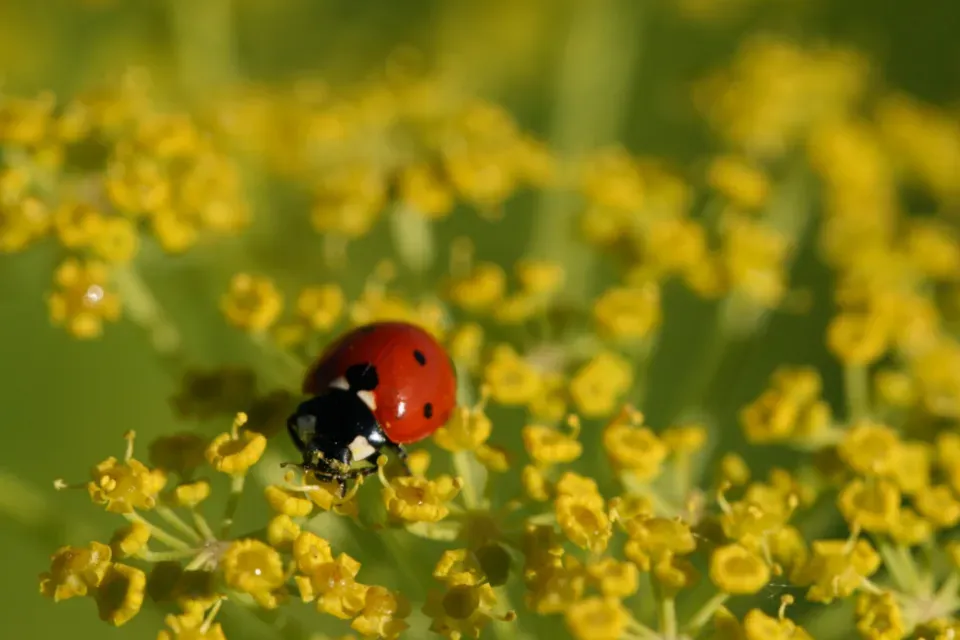
Goldenrod gets an unfair reputation, often blamed for hay fever that actually comes from ragweed blooming at the same time. Goldenrod is a native flower with over 100 species. It’s the host plant for many butterfly and moth caterpillars, a late source of nectar for beneficial insects in autumn, and food for seed-eating birds in winter. The truth is, it’s one of the most ecologically generous plants in any North American garden.
Once butterflies and bees finish feasting on goldenrod’s fall nectar and pollen, birds such as juncos, sparrows, and finches move in for the seeds. One of goldenrod’s biggest draws is the range of insects the genus hosts, estimated at more than 100 species of butterflies and moths. Leave the dead flower heads up through winter to attract goldfinches and other small, seed-eating birds. Goldenrod fills the late-season gap when most other wildflowers have already faded, making it an essential piece of a year-round bird garden.
#8 New England Aster (Symphyotrichum novae-angliae)
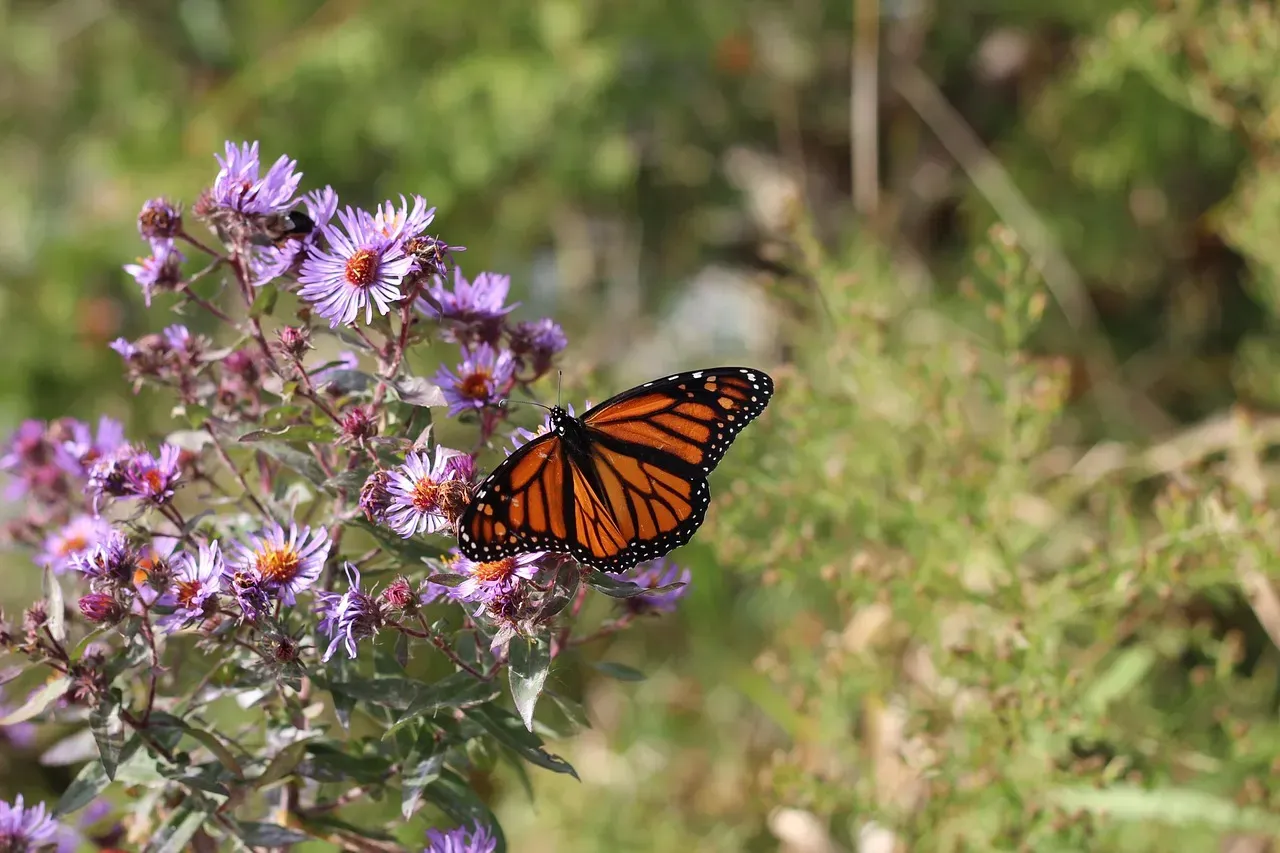
New England aster blooms in early fall, right when other garden color is winding down, and for birds, the timing couldn’t be better. A patch of New England asters can provide cover for nestlings in the summer, beautiful purple flowers in early fall, and a wealth of seeds that nuthatches, cardinals, and other seed eaters seek out in the winter. Few wildflowers offer this kind of three-season usefulness from a single plant.
A patch of New England asters can provide cover for nestlings in the summer, beautiful purple flowers in early fall, and a wealth of seeds that nuthatches, cardinals, and other seed eaters seek out in the winter. The plant pairs especially well with goldenrod in a naturalistic planting, since both bloom at the same time and together form a dense, insect-rich habitat. Titmice, chickadees, wrens, orioles, tanagers, vireos, and other birds will patrol the plants when the flowers are blooming to pick off the pollinating insects attracted to them. That insect activity is often what draws the most species.
#9 Wild Columbine (Aquilegia canadensis)
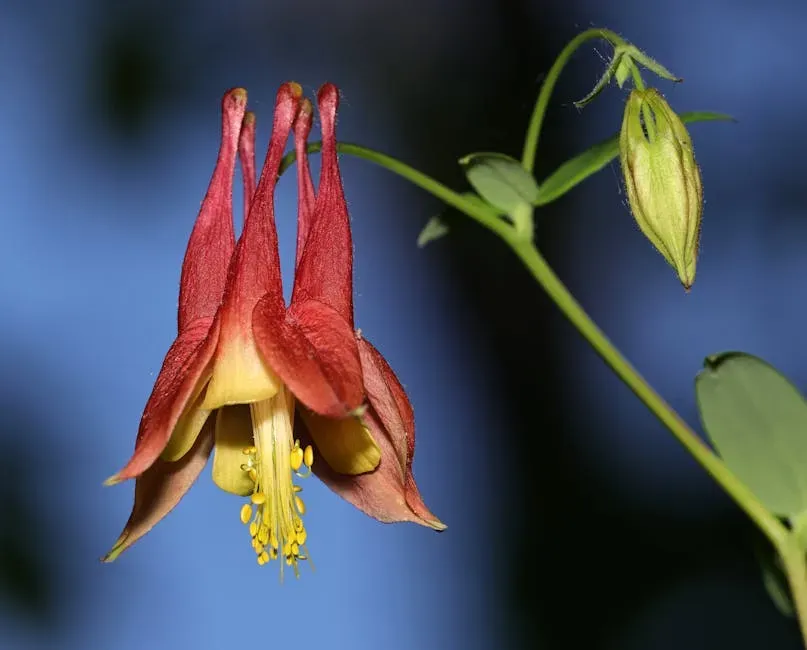
Wild columbine is one of the first native wildflowers to bloom in spring, which makes it invaluable to hummingbirds arriving from their southern migration. Bell-shaped, red and yellow blooms emerge in spring and last until early summer. Grow columbine in full sun to partial shade and well-drained soil. Its dangling flowers are perfectly engineered for the long, curved bill of a hummingbird.
Columbine’s intricate, bell-shaped flowers come in shades of red and yellow, with delicate, fern-like foliage. These spring bloomers attract hummingbirds and are a lovely addition to shaded or woodland gardens. These hummingbird-favorite wildflowers seed themselves to create a spreading colony of flowering plants over time. Hummingbirds love these plants, but deer and rabbits tend to leave columbine alone. That combination of wildlife value and natural resilience makes it one of the most rewarding spring additions to any native garden.
#10 Penstemon / Beardtongue (Penstemon spp.)
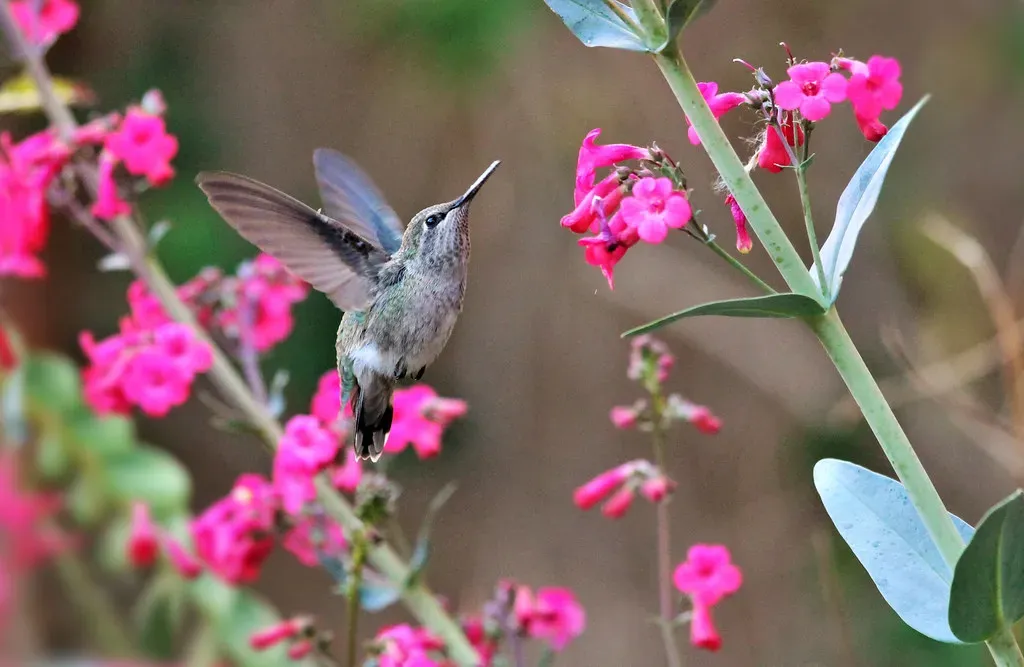
Penstemon is one of North America’s most widely distributed native wildflowers, and its hummingbird credentials are hard to beat. You’ll find native penstemon in every state except Hawaii and every Canadian province. Many varieties bloom in late spring through early summer while others provide nectar and color from summer until fall. That extended bloom window is one of the things that makes this genus so valuable.
Thriving in sunny conditions, penstemons have tube-shaped flowers that are jam-packed with nectar, making them attractive to hummingbirds and other pollinators. Native penstemons can be found across a wide range of habitats, from desert to mountain. The tubular blooms make accessing nectar difficult for many insects but ideal for the specialized bill of a hummingbird. These native perennials produce stunning spikes of flowers in shades of red, pink, purple, and white, with an extended bloom period often spanning late spring through summer, providing reliable nectar sources when hummingbirds need it most. Plant a few varieties with staggered bloom times and you’ll have hummingbird activity in the garden for months.
Building a Garden That Works All Year
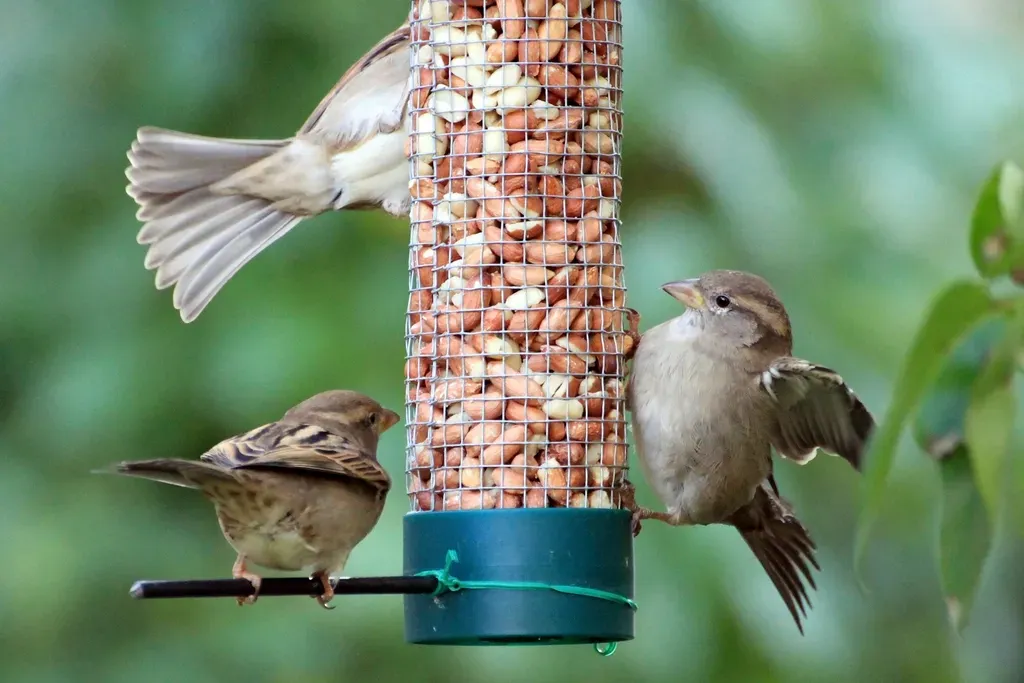
The real power of these ten wildflowers lies not in any one plant but in how they work together across the calendar. Planting natives is the best way to attract birds to your yard while supporting conservation efforts. Gardening with native plants creates a sanctuary for birds who will return year after year to feed, nest, take shelter, and raise their young. That continuity matters more than any single spectacular bloom.
Gardening with native plants has many benefits: they’re already adapted to your precipitation and soil conditions, and they don’t need artificial fertilizers or pesticides. Creating a bird sanctuary in your yard does not need to be overwhelming. It can be as simple as starting with one plant. Over time, you can replace non-native plants with native species. Start small, stay consistent, and the birds will notice before you expect them to.
There’s a quiet satisfaction in watching a goldfinch land on a coneflower you planted two seasons ago, or spotting a hummingbird hovering at a cardinal flower you nearly didn’t bother with. Native wildflowers don’t just attract birds. They rebuild the ecological web that birds depend on, one garden at a time.
