
There’s something undeniably heartwarming about a senior falling in love with a dog at a shelter. The connection is real, the need for companionship is real, and the benefits are too. Studies have shown that seniors who have pet dogs tend to be in a better mood overall and experience enhanced health and well-being benefits as a result of having daily attention and unconditional love that pets offer. The bond runs deep, and no one wants to talk you out of it.
The problem is that not all dogs are built for the life a senior can realistically provide – and some mismatches carry genuine risks. Choosing the right dog becomes even more important as people age, and knowing which ones to avoid can prevent unnecessary challenges. Some of the worst dog breeds for elderly owners are those that demand intense exercise, have unpredictable temperaments, or are prone to causing accidental injuries. Vets see the fallout in their offices regularly, and while they’d never tell you what to love, there are 17 breeds they quietly wish more seniors would pause and reconsider first.
#1. Siberian Husky
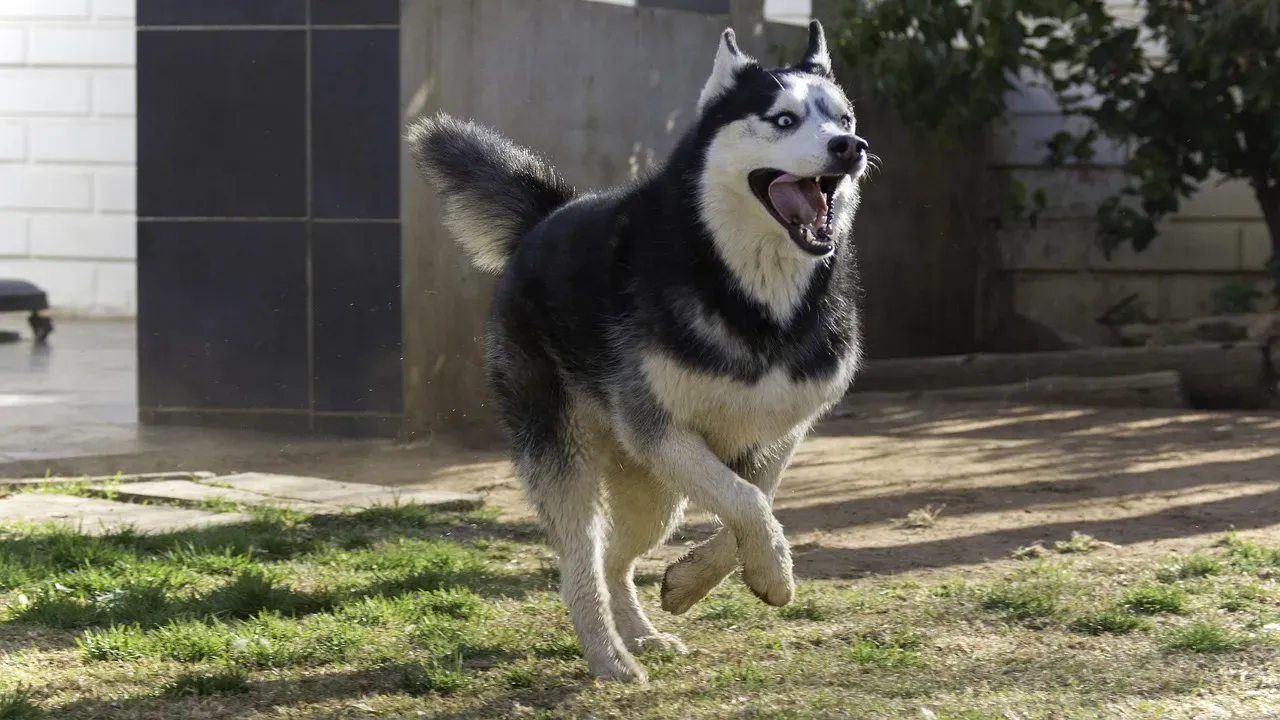
The Husky’s dramatic good looks make it one of the most photographed dogs on the planet, and that visual appeal draws plenty of admiring glances at shelters. Siberian Huskies are beautiful dogs, but they are also full of energy and have a strong need for physical activity. These dogs were bred to pull sleds, and they retain that desire to run and explore. That’s not a quirky personality trait; it’s a deeply wired biological drive.
Siberian Huskies are independent, energetic dogs known for their strong prey drive and stubborn personality. They require consistent training and long walks, which may be too physically demanding for many seniors. Additionally, their tendency to escape or roam makes them a challenging breed for those who cannot provide strict supervision. On top of all that, they have a thick double coat that requires regular grooming, which may be difficult for seniors with mobility issues.
#2. Border Collie
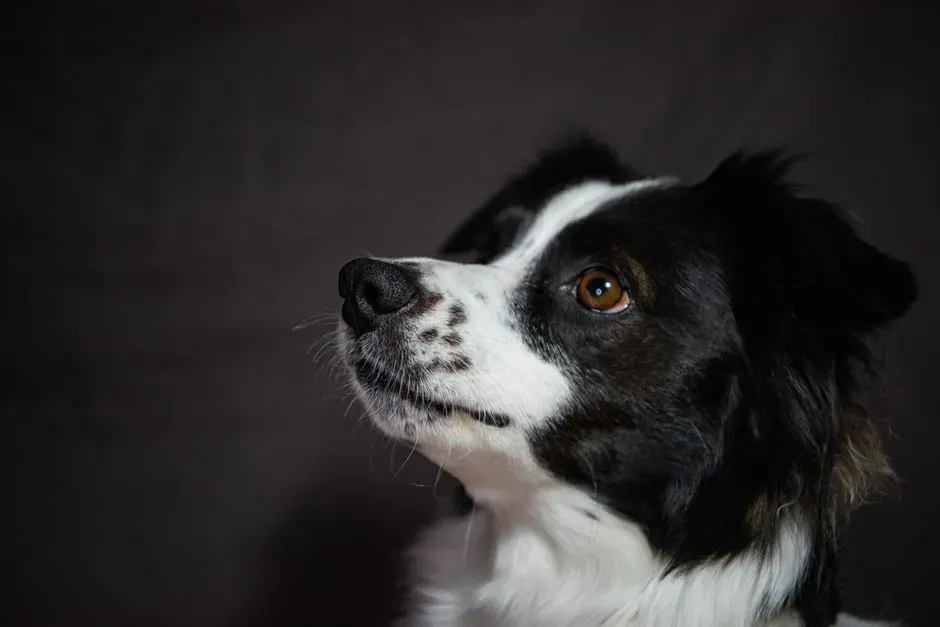
With their sharp minds, boundless energy, and trademark intense stare, Border Collies were bred to herd livestock and remain one of the most agile and intelligent breeds today. Intelligence in a dog sounds like a selling point, and with the right owner it absolutely is. For a senior seeking a calm companion, though, that intelligence becomes a liability if it isn’t channeled properly.
Border Collies thrive on having tasks to complete, and without daily vigorous exercise and mental challenges, they quickly grow restless and frustrated. This restlessness can lead to destructive behaviors like chewing or excessive barking – traits that are difficult for seniors to manage. They are highly intelligent and active dogs that require a lot of physical and mental stimulation, needing a minimum of two hours of exercise daily to keep them satisfied.
#3. Australian Shepherd
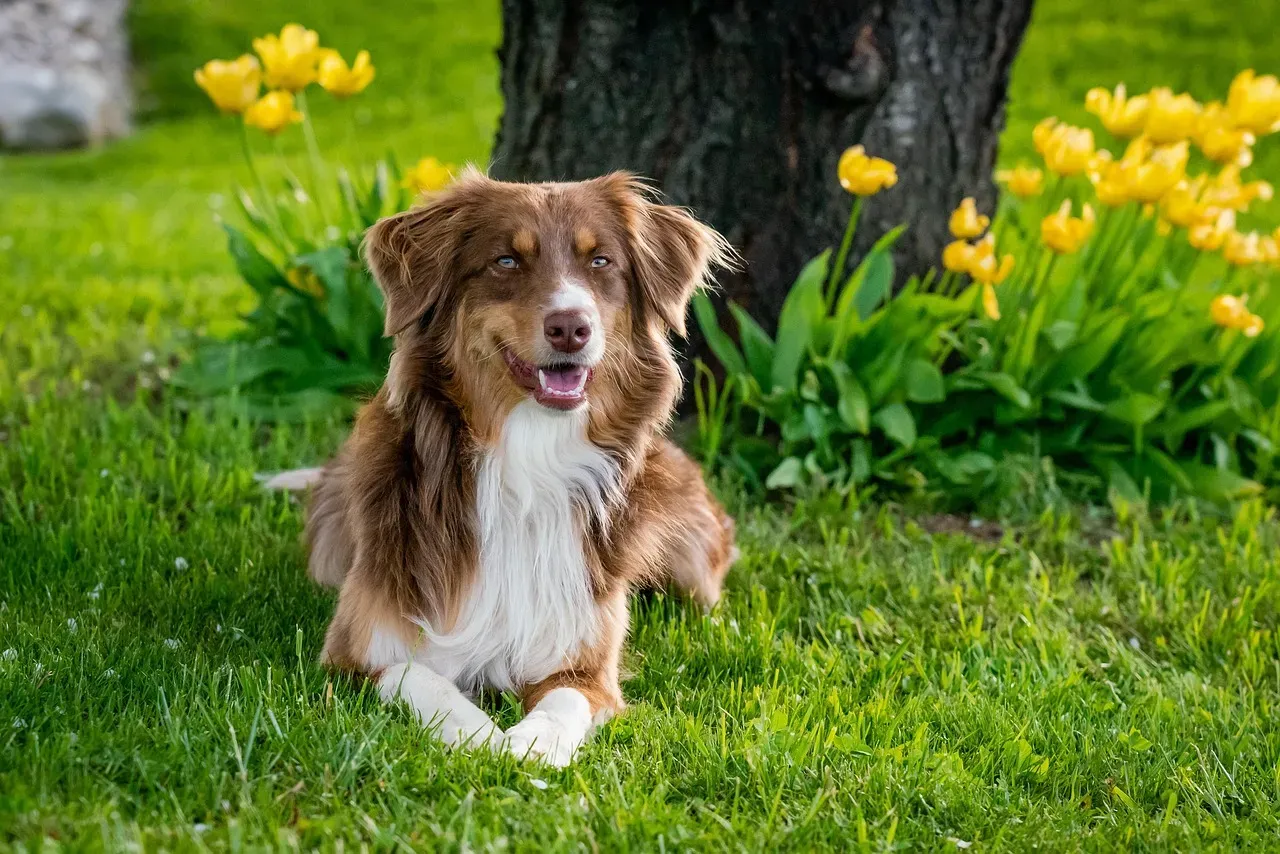
Much like the Border Collie, the Australian Shepherd thrives on vigorous activity and mental engagement. Originally bred to work, these dogs possess an intrinsic drive to herd and stay active. They’re affectionate and deeply loyal to their families, which is part of why they’re so appealing at first glance.
Australian Shepherds are known for their intelligence and work ethic, but they also require a lot of exercise and mental stimulation. They need room to roam and plenty of opportunities for physical activity, making them more suited for active lifestyles. While they are affectionate and loyal, their high energy levels and need for constant stimulation can make it challenging for seniors to manage in smaller, quieter environments.
#4. Dalmatian
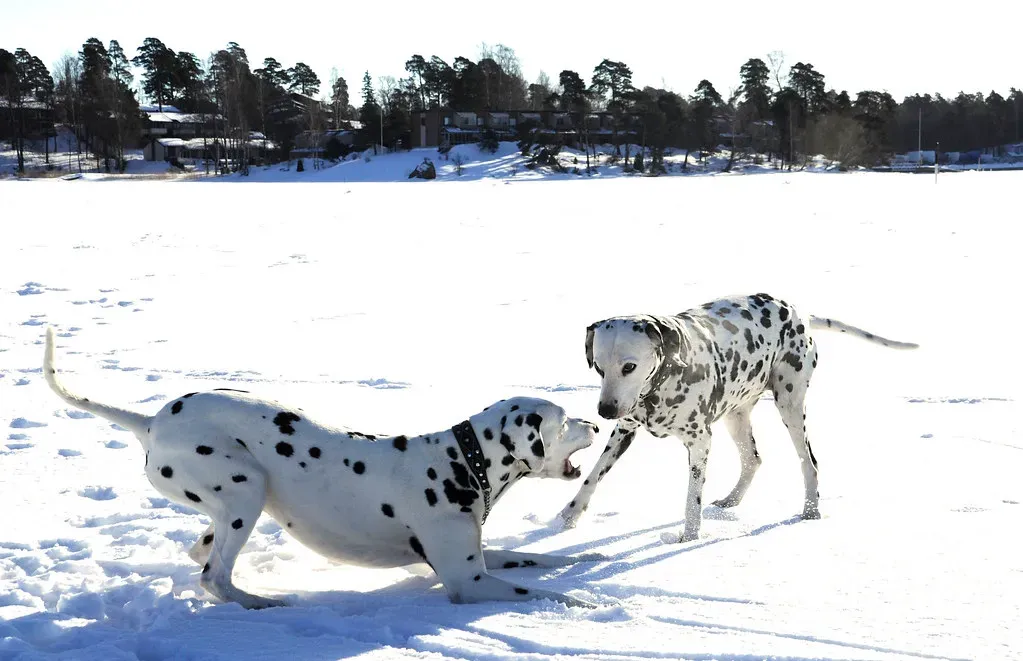
Modern Dalmatians are muscular, athletic, and highly energetic, which contributes to their charm but also presents challenges for some owners. For elderly homeowners, this breed requires exercise. Dalmatians require around 1.5 to 2 hours of vigorous activity daily, from long walks to games of fetch. That’s not a light afternoon stroll; that’s a genuine athletic commitment.
Without consistent outlets for their energy, they can become restless, destructive, and even develop behavioral problems, which might be difficult for seniors to manage. They are also known for their stubborn, strong-willed nature, making training a time-consuming task that requires patience and consistency. Such traits can frustrate older individuals seeking an easier, low-maintenance companion who follows routines calmly.
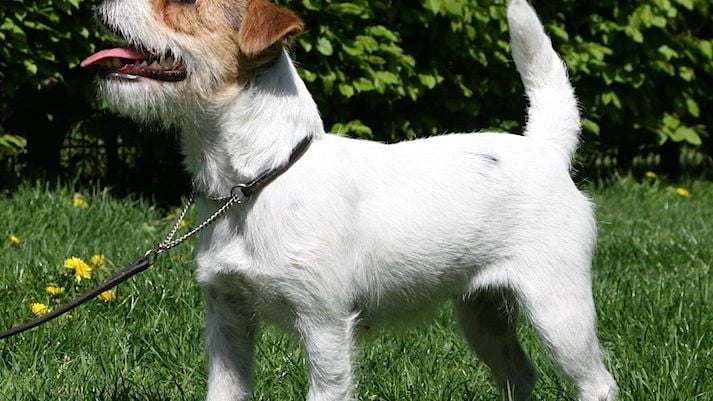
#5. Jack Russell Terrier
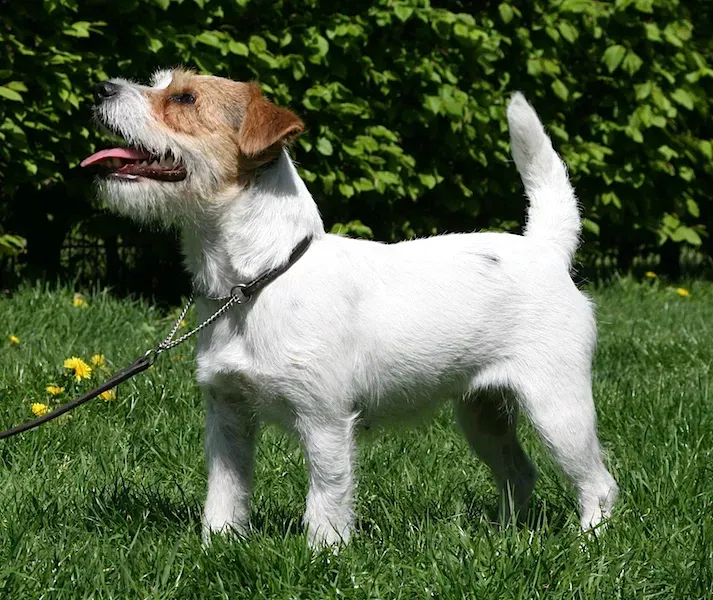
Jack Russells are compact, cute, and seem manageable on paper. Don’t be fooled by the size. Jack Russell Terriers are incredibly energetic and require a lot of exercise and mental stimulation. They can be a handful to train and manage, which might be challenging for less active seniors.
Jack Russell Terriers are small but full of energy and determination. Their strong prey drive and tendency to dig or chase make them difficult to control for seniors who may not have the physical stamina to handle their energy levels. Their independent and sometimes stubborn nature adds to the challenge. Seniors who may not have the physical stamina or space to accommodate their exercise needs may find it difficult to meet the requirements of a Jack Russell Terrier. Additionally, their feisty and independent nature may not be suitable for seniors looking for a more laid-back companion.
#6. German Shepherd
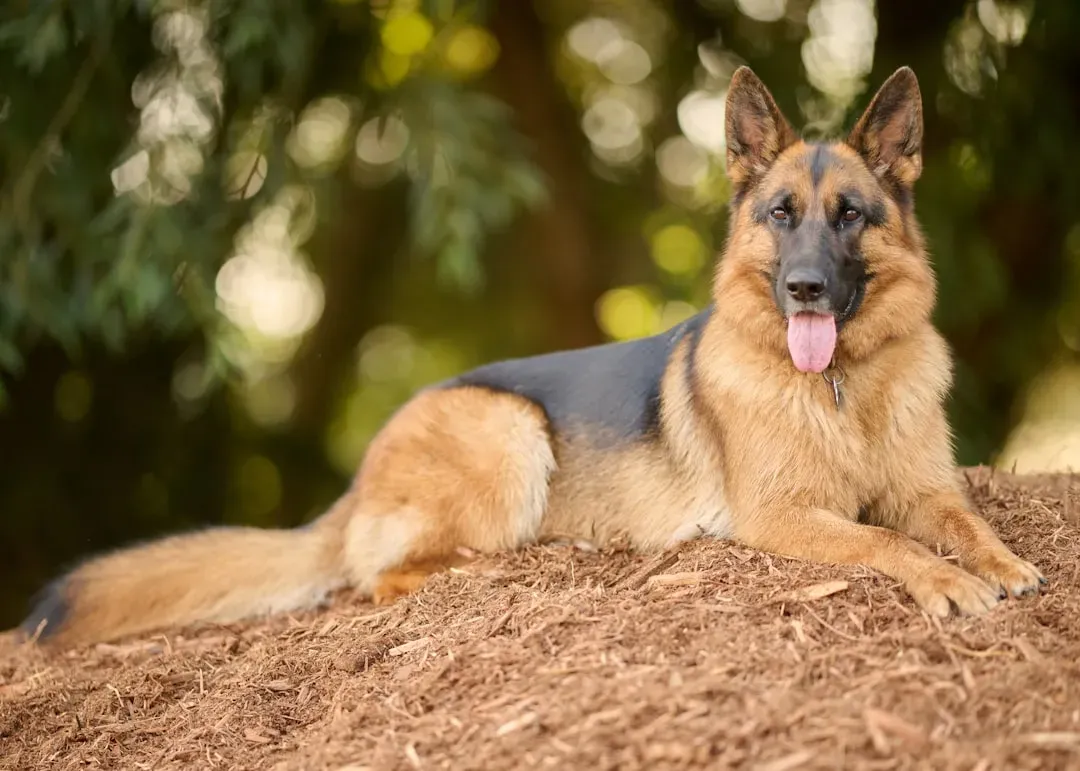
While loyal and protective, German Shepherds are large and can be intense. They require a lot of exercise, mental stimulation, and training. Their size and strength might make them difficult for some seniors to handle comfortably. It’s a breed built for work, not for quiet afternoons on the couch.
German Shepherds are intelligent and active dogs that thrive on physical and mental challenges. They require a minimum of two hours of daily exercise to keep them physically and mentally satisfied. Regular exercise helps prevent boredom and channel their energy into positive outlets. German Shepherds also require mental stimulation, such as obedience training or interactive games, to keep their minds engaged.
#7. Doberman Pinscher
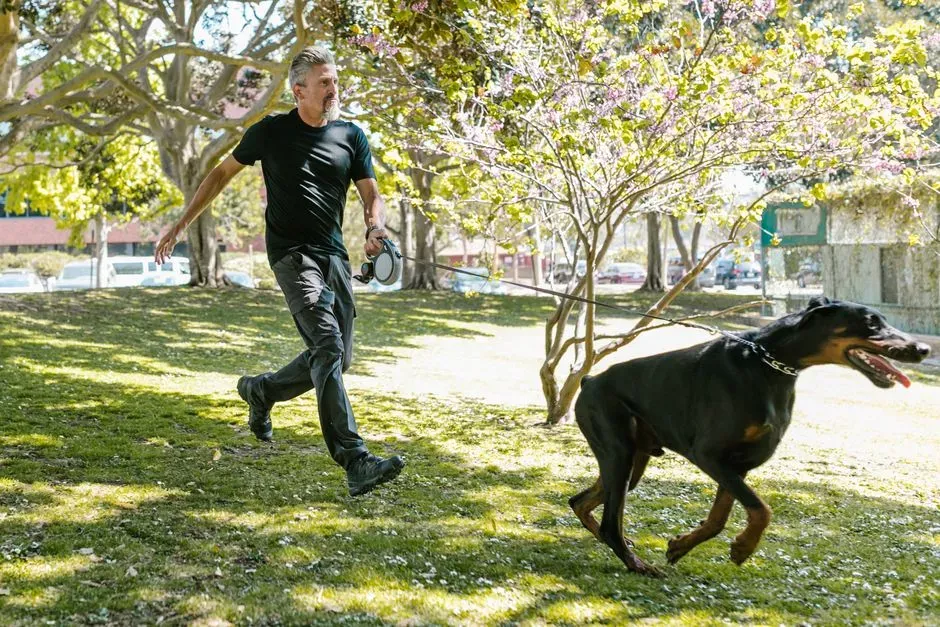
Doberman Pinschers are a powerful and energetic breed that requires daily exercise to keep them physically fit and mentally stimulated. They need a minimum of two hours of exercise every day to meet their energy requirements. Beyond the stamina needed to meet those demands, there’s also the sheer physical power of the dog itself to consider.
Dobermans are big, energetic dogs that require consistent training, exercise, and mental engagement. They need physically strong owners to manage their dominant tendencies. Their strength, energy, and need for ongoing stimulation make them a poor match for seniors with limited mobility or energy. This is a breed that genuinely thrives under structured, confident ownership; without it, problems escalate quickly.
#8. Rottweiler
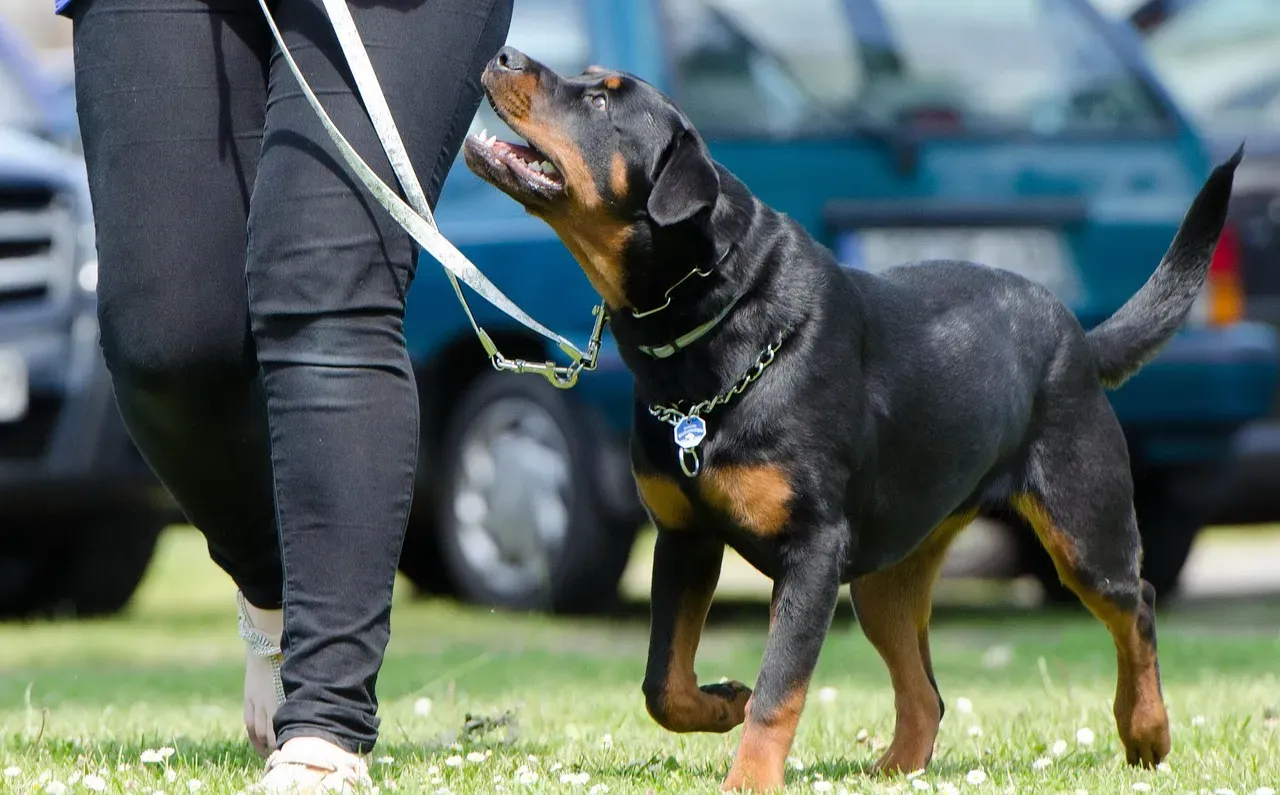
For elderly homeowners, the Rottweiler’s vigilant nature can become a challenge, as it requires consistent training and strong leadership to prevent overprotectiveness or reactive behaviors. Their sheer strength can also be difficult for seniors to manage during daily walks or unexpected lunges.
Without enough exercise, these dogs can become restless, destructive, or domineering, demanding firm and consistent guidance that may be strenuous for older individuals. Training a Rottweiler is not optional – it is essential. If they sense any weakness, they may try to take control, which can become unsafe given their size. This strong-willed nature makes them unsuitable for most senior owners despite their intelligence and quick learning abilities.
#9. Golden Retriever
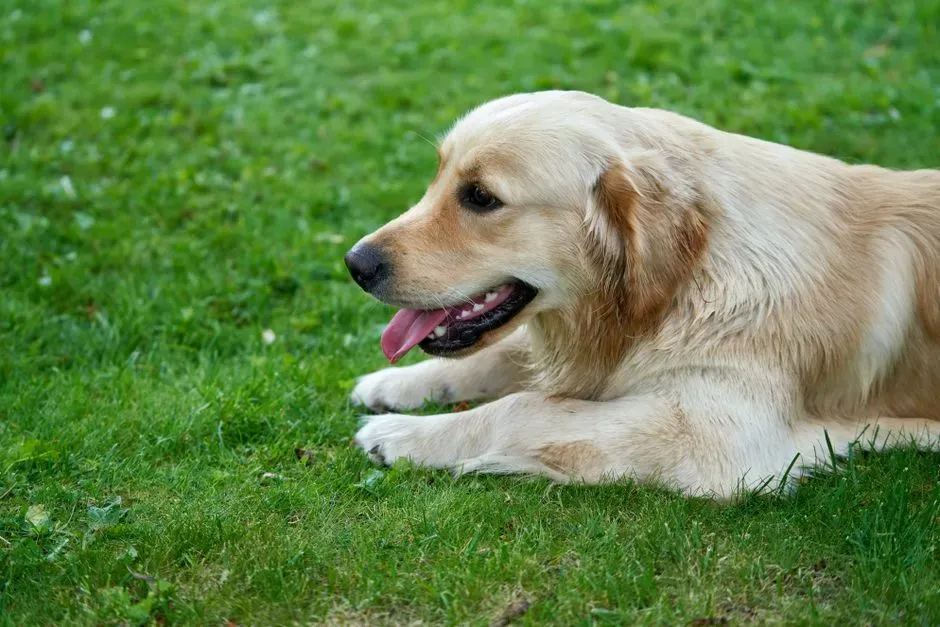
This one surprises people. Golden Retrievers are practically synonymous with warmth and gentleness, and nobody wants to hear a bad word said about them. One of the most popular dog breeds in America, the Golden Retriever is a friendly and intelligent companion. However, due to the necessary activity levels of this breed, it is not ideal for seniors.
Golden Retrievers have a friendly and outgoing nature, but they also have high exercise needs. They crave physical activity and require at least two hours of exercise a day to keep them happy and healthy. Regular exercise not only helps them maintain a healthy weight, but also provides mental stimulation and prevents behavioral problems. Their golden coat needs to be brushed every one or two weeks to prevent mats and excess shedding. This breed will shed frequently, especially during periods of heavy shedding.
#10. Labrador Retriever
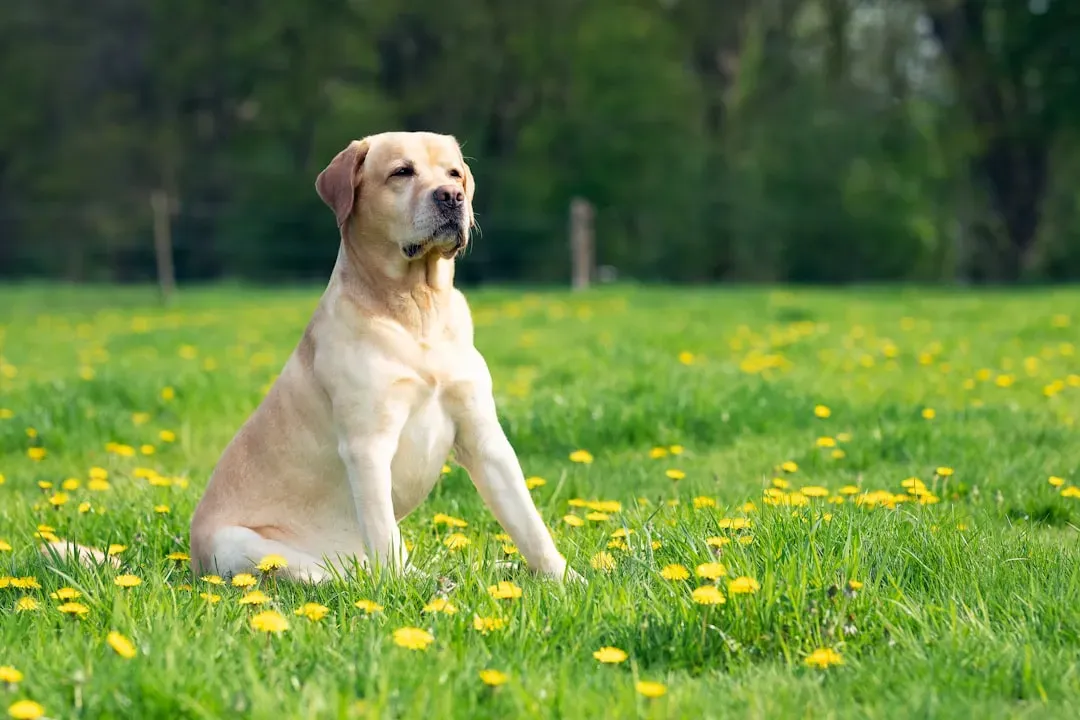
Labs are enduringly popular and genuinely lovable, but their enthusiasm can be a physical hazard in the wrong pairing. Labrador Retrievers, known for their friendly and outgoing nature, may not be the most suitable choice for seniors due to their high maintenance requirements. These dogs require a significant amount of attention, time, and exercise to stay mentally and physically healthy and happy. The energetic nature of Labrador Retrievers may be challenging for seniors to keep up with, especially if they have limited mobility or energy levels.
A young, exuberant Lab jumping up to greet someone is charming when you’re 35 and sturdy. When you’re 72 with balance concerns, it becomes a real fall risk. Physical strength and agility are important factors to consider. Large or energetic dogs can inadvertently cause injury through pulling on the leash or jumping up. Labs are among the biggest offenders simply because their enthusiasm is boundless and they rarely outgrow it quickly.
#11. Weimaraner
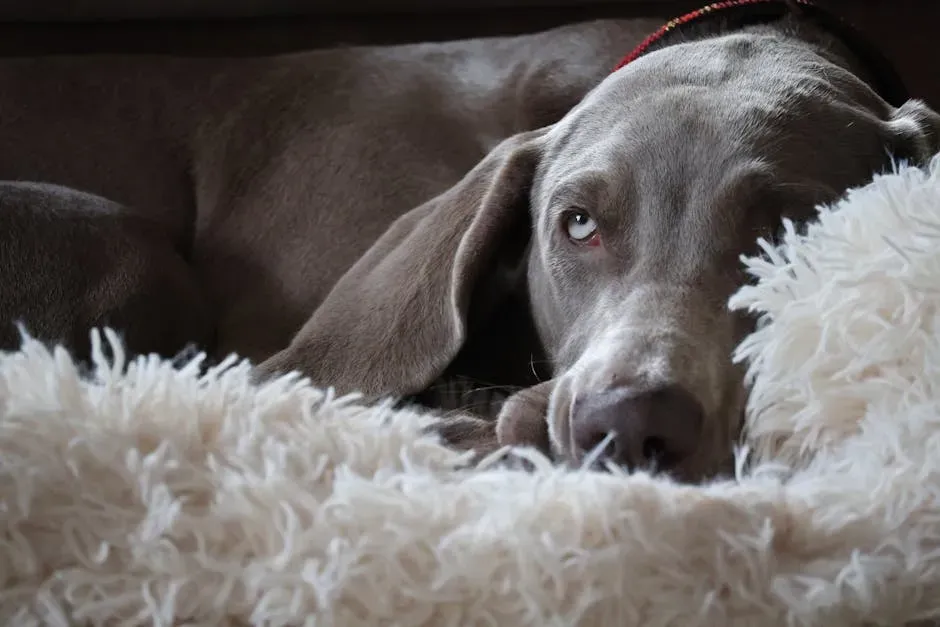
The Weimaraner is an athletic and energetic breed that thrives on physical activity. They need lots of space to run and plenty of stimulation to prevent boredom. For seniors, this high-energy dog may be too much to handle, as they require more exercise and attention than most can provide.
Weimaraners struggle with separation anxiety and can become destructive if left alone for long periods without proper exercise. The Weimaraner is sensitive yet turbo-charged and allergic to boredom. Separation gets dramatic fast, so crates, training, and routines matter from the start. Left unattended, a Weimaraner will redecorate with shoes, drywall, and the mysterious contents of your backpack with joyful commitment. That kind of behavioral fallout is exhausting for anyone, let alone a senior living alone.
#12. Belgian Malinois
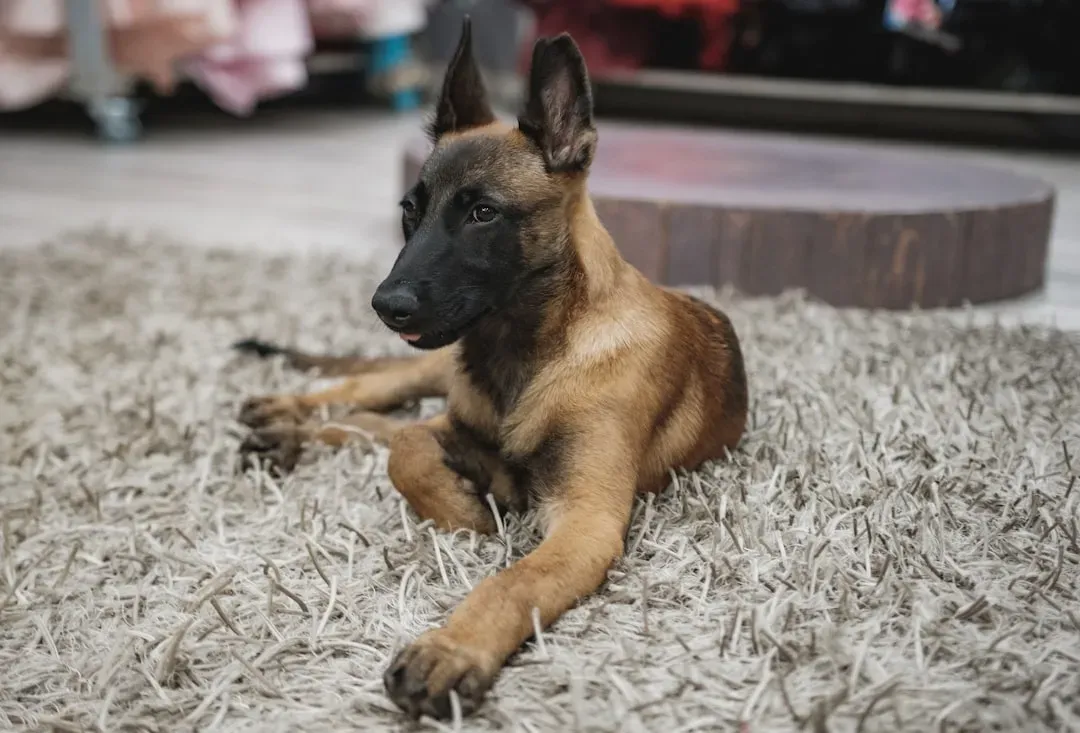
Belgian Malinois are high-energy working dogs that require intense exercise and mental stimulation. Their intelligence and drive can be overwhelming for seniors, especially those looking for a low-key companion. These dogs are better suited for active owners who can meet their demanding physical and mental needs.
The Belgian Malinois is brilliant, intense, and relentless. This dog reads your hesitation like a headline and turns it into a sprint, leap, or unexpected parkour session. Without structure, jobs, and miles of exercise, you will watch furniture become agility equipment and rules become suggestions. Today, Belgian Malinois are commonly used for police and protection work, which tells you everything you need to know about the kind of owner they’re designed for.
#13. Akita
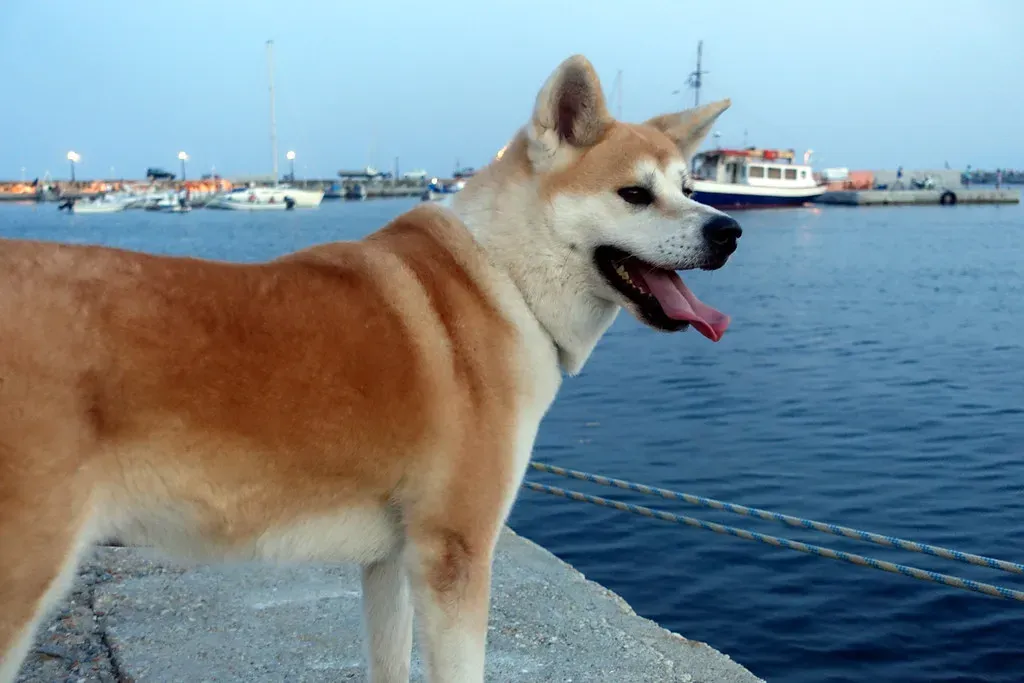
The Akita is a noble, stoic, and devoted dog, but you should not take this breed lightly. Their loyalty is unlike any other dog, but so is their independence and sometimes their aggressive behavior toward other dogs or strangers. The devotion is real and genuine, but it comes wrapped in a very demanding personality package.
Akitas are independent and strong-willed dogs, known for their loyalty but also their dominant nature. Older owners have to invest heavily in training to manage their behavior. Akitas can be too strong and demanding for seniors, making them a poor choice for those seeking a gentle and manageable pet. They need an experienced owner who knows assertive leadership. That’s a tall order for anyone, at any age.
#14. Chow Chow
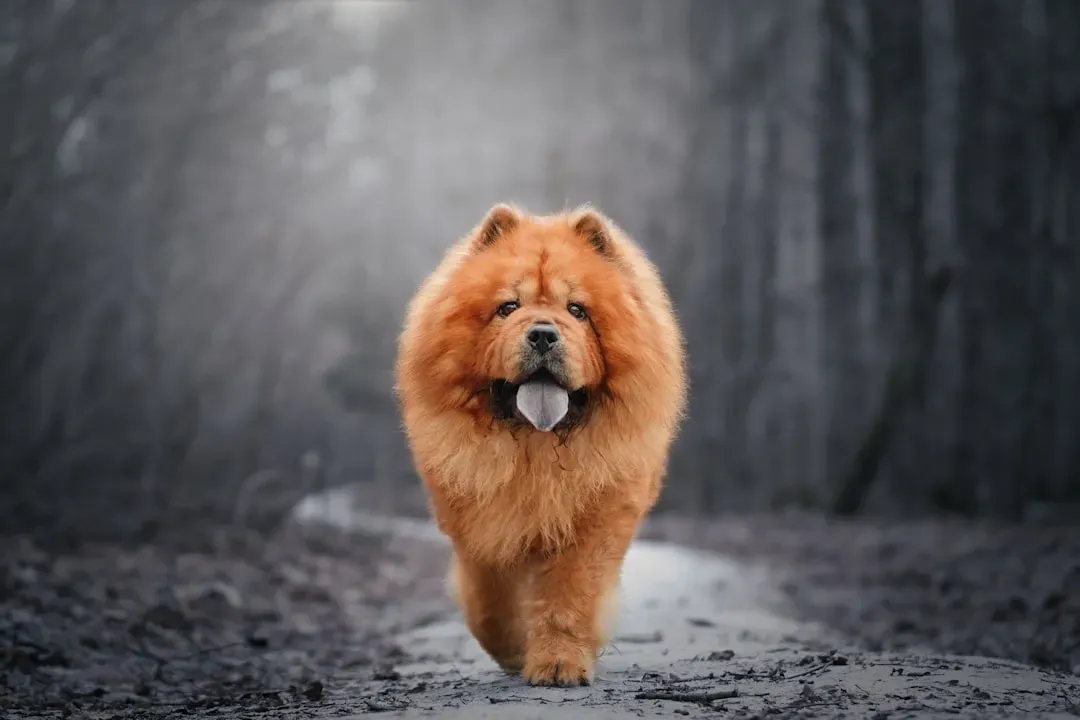
That dense, fluffy coat and bear-like face make Chow Chows irresistible to look at. Living with one is a different matter. They don’t warm up easily and don’t like rough handling. Their appearance makes them seem like cuddly pets, but they are naturally reserved and can be aggressive if challenged. Their thick coat also needs regular grooming, and their strong wills mean they will test limits.
Chow Chows are known for their aloof demeanor and can be challenging to train. Their independent nature means they require a firm and consistent handler. Additionally, they can be territorial and protective, which may be difficult for seniors to manage effectively. This breed values routine, predictability, and measured introductions, especially around unfamiliar dogs and people. Training needs patience, high value rewards, and zero drama, because stubborn streaks show quickly.
#15. Great Dane
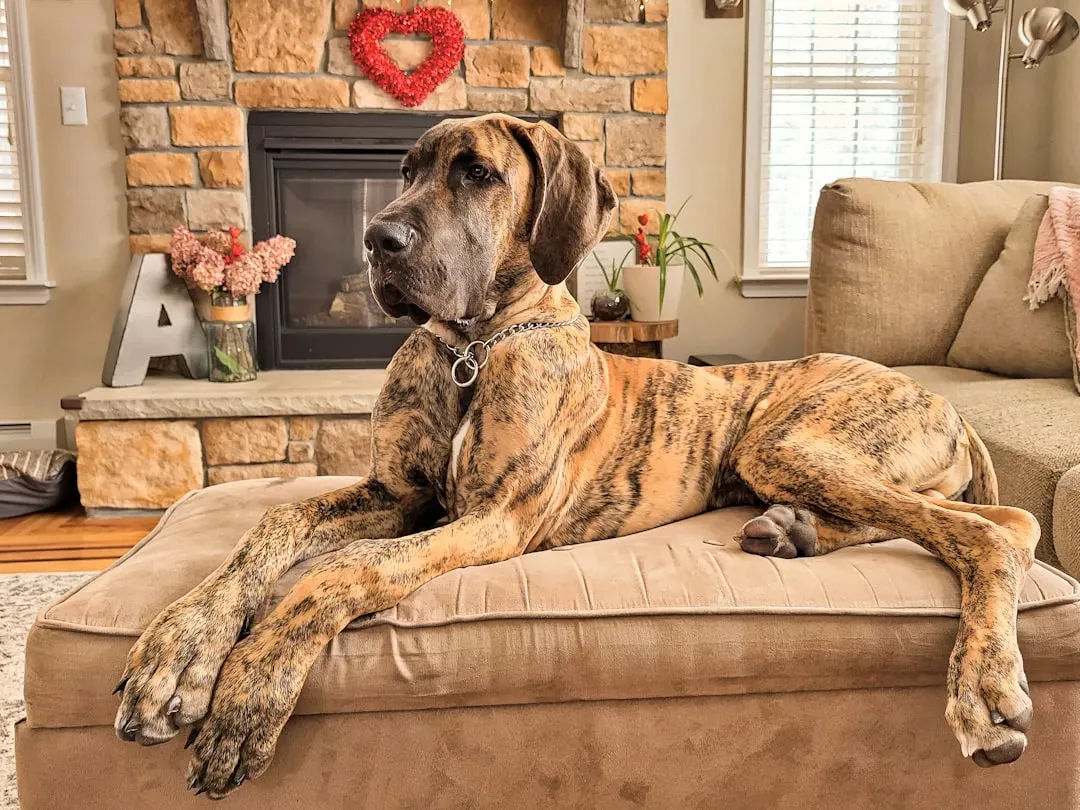
It’s hard to miss a Great Dane walking down the street. The sheer scale of the animal is something most people underestimate until they’re responsible for one. Very large dogs such as Great Danes are less ideal for seniors because larger dogs can be a bit tougher to physically manage, especially if they need extra help during an illness or after a procedure. High-energy breeds that require extensive exercise and physical activity can be more challenging for seniors who might have limited mobility or lower energy levels.
Though Great Danes are known for their gentle disposition, their immense size can be pretty difficult. Their substantial bulk requires a lot of space but also means they need more food, which can pose logistical issues. Additionally, their relatively short lifespan can be emotionally taxing, as they might not be with you as long as other breeds. That last point lands hard: a senior adopting a Great Dane may face grief sooner than expected, which carries its own real emotional weight.
#16. Pomeranian
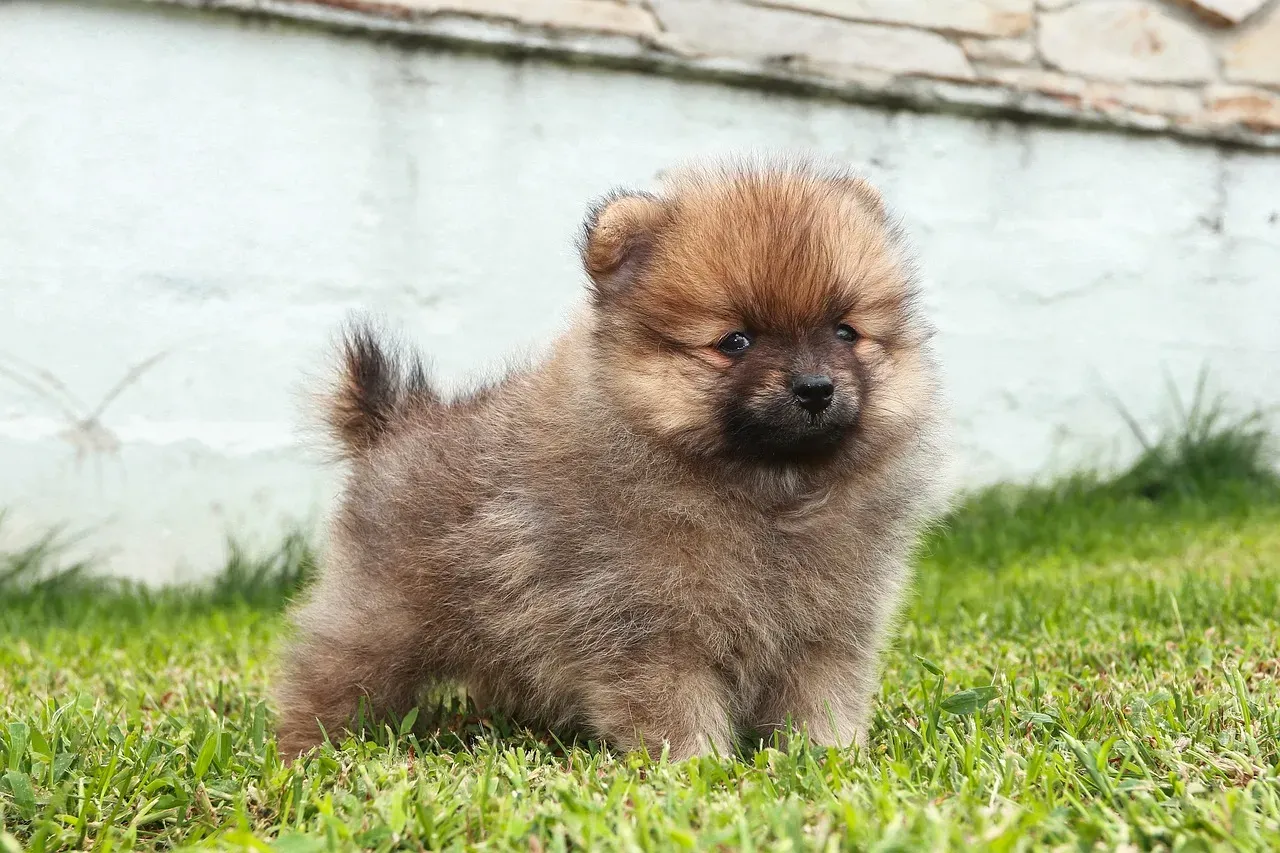
Pomeranians look like living plush toys, and that’s a big part of their appeal. The reality behind the fluff, though, is a dog with considerably more energy and neediness than its tiny frame suggests. Pomeranians are lively and require constant attention. Their energetic and sometimes hyperactive nature means they need regular playtime and mental stimulation to avoid boredom and anxiety, which may be demanding for some seniors.
Excessive barking can be a nuisance for seniors, especially in communities where noise restrictions may apply. Pomeranians are notoriously vocal, and managing that tendency takes consistent, early training. Some breeds require frequent bathing, haircuts, and brushing, which can be time-consuming and physically demanding for seniors. For this reason, low-maintenance breeds with minimal grooming requirements might be more suitable for elderly owners. The Pomeranian’s coat falls firmly in the high-maintenance category.
#17. German Shorthaired Pointer
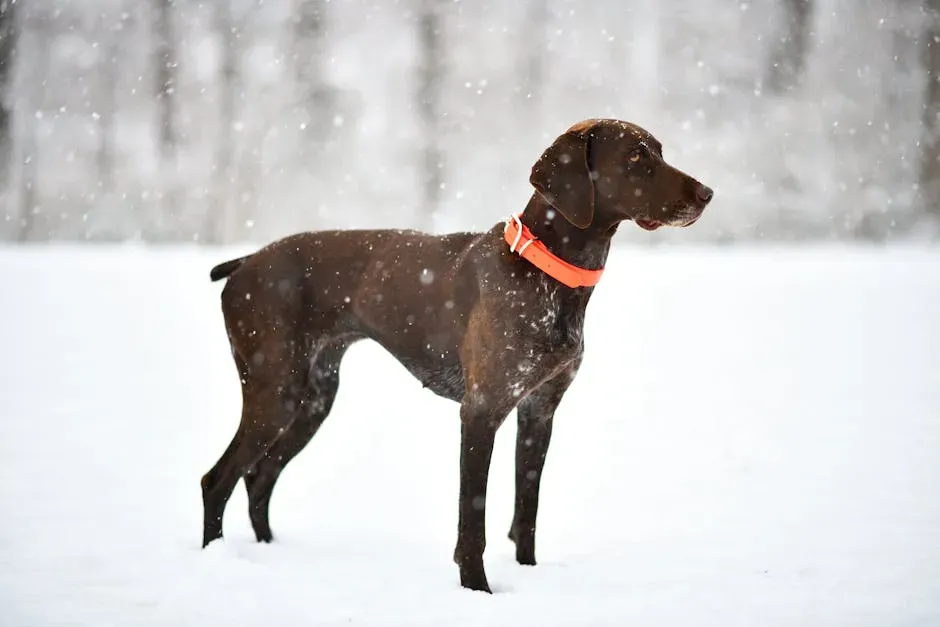
German Shorthaired Pointers are known for their boundless energy and strong hunting instincts. These dogs need a lot of exercise and space to roam, making them a challenging breed for seniors who may not be able to keep up with their physical demands. They were built for fieldwork, and that lineage doesn’t fade with domestication.
High-energy breeds can become restless and exhibit behavioral problems if their exercise needs are not met. These breeds may be more suitable for individuals who are able to engage in vigorous exercise and are looking for an active companion. Handling and controlling these breeds can be difficult, especially for individuals with limited mobility or strength. The sheer size and power of these dogs may make them unsuitable for seniors who are at risk of being overpowered or knocked over. A German Shorthaired Pointer in a small apartment with an inactive owner is a recipe for frustration for both parties.
The Bigger Picture: Matching Dog to Life, Not to Dreams
Different dog breeds have different needs, routines and personality types. Finding an alignment in lifestyle between you and a potential dog is very important. The breeds on this list aren’t bad dogs. They’re simply dogs whose needs and a senior’s realistic capacity can diverge significantly in ways that create daily stress for both human and animal.
Adopting a senior dog may be a great move for older adults, since puppies may be a lot of work. Senior dogs, many of which are surrendered to shelters, are typically already house-trained, spayed or neutered, and have many of the vaccines that are necessary to get as a puppy. That’s a practical path worth serious consideration, especially when paired with a calmer, lower-energy breed.
The best dog breeds for seniors are those that require little exercise, have a low-maintenance grooming routine, and don’t suffer from many health problems. The right match doesn’t just protect a senior from physical risk; it creates a relationship that’s genuinely sustainable and joyful long-term. Choosing with your head as well as your heart isn’t a betrayal of love for dogs. It’s the most responsible kind of love there is.
