
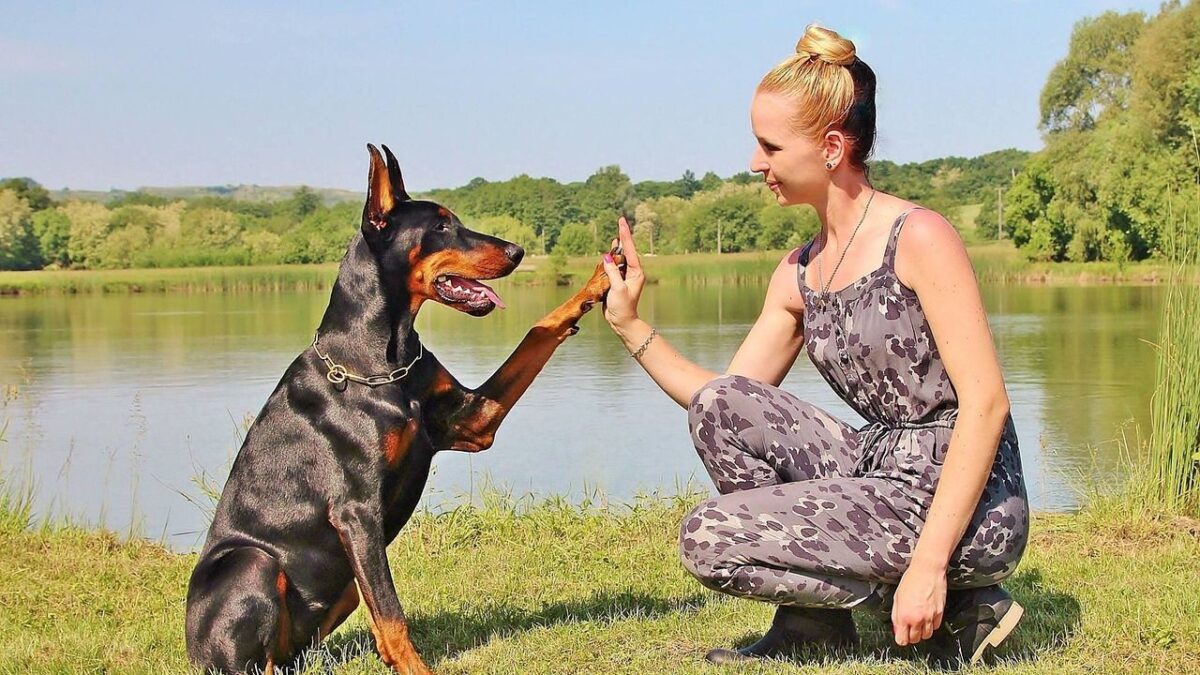
There’s something almost universal about the impulse to bring home a striking, powerful, or internet-famous dog without fully researching what that choice actually involves. A Belgian Malinois in a viral training video looks incredible. A Chow Chow’s fluffy face is the stuff of pet store windows. An Akita carries the kind of quiet dignity that makes people swoon. What those pictures don’t show is the veterinary exam table, where professionals see the fallout of these mismatches every single week.
Not every dog is the right fit for every owner, and it’s possible that a first-time dog owner may find certain breeds more of a challenge than others. Vets rarely say this out loud in the consultation room because they’re focused on the animal in front of them. Still, many quietly agree that certain breeds belong in the hands of people with real experience, solid knowledge, and honest self-awareness. Here are the fifteen breeds that come up most consistently in those conversations.
#1 Belgian Malinois
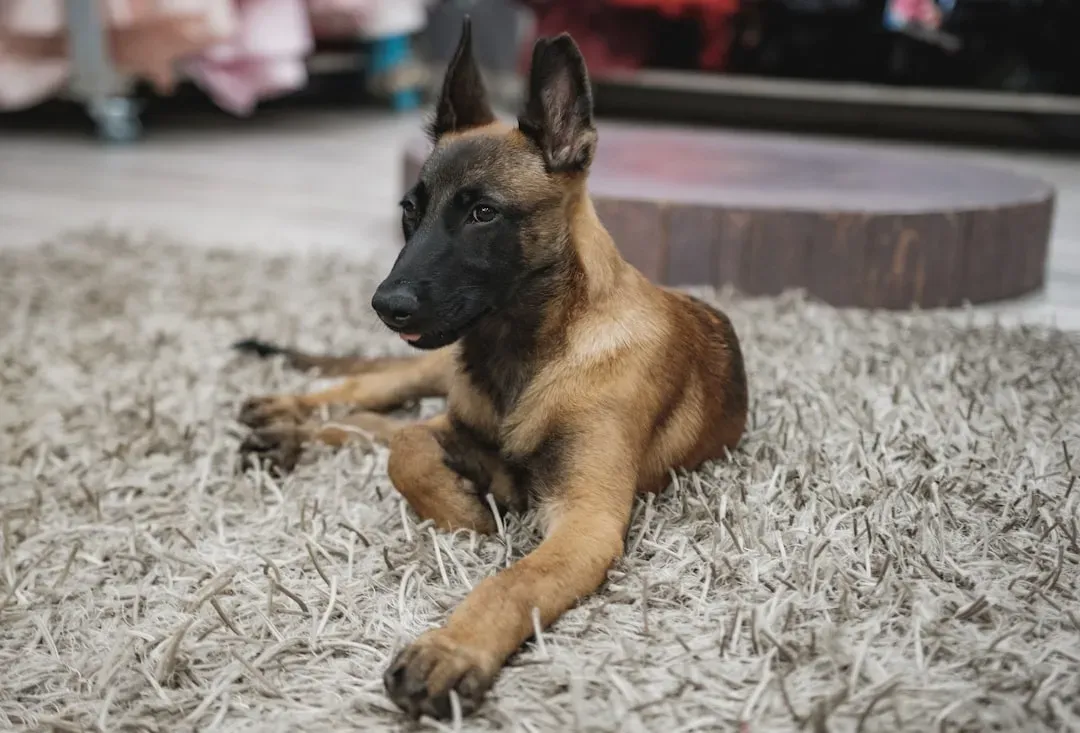
The Belgian Malinois has become almost fashionable over the past decade, largely thanks to military and police videos showing the breed doing extraordinary things. What those clips leave out is what it takes to live with one every single day. The Belgian Malinois requires constant mental and physical stimulation, and if left to their own devices, they will become restless and destructive. Experienced and active owners are required for this breed to truly shine, and they should not be adopted if your lifestyle is not conducive to daily exercise and training.
The Belgian Malinois is an intelligent, energetic breed well-suited to military and police work, and these dogs are fiercely loyal and make exceptional watchdogs. The problem isn’t the breed’s capability. It’s that their capability outpaces the average household. Those traits, intelligence and high energy levels, mean that for an inexperienced owner, a Malinois can prove to be more than a handful.
#2 Akita
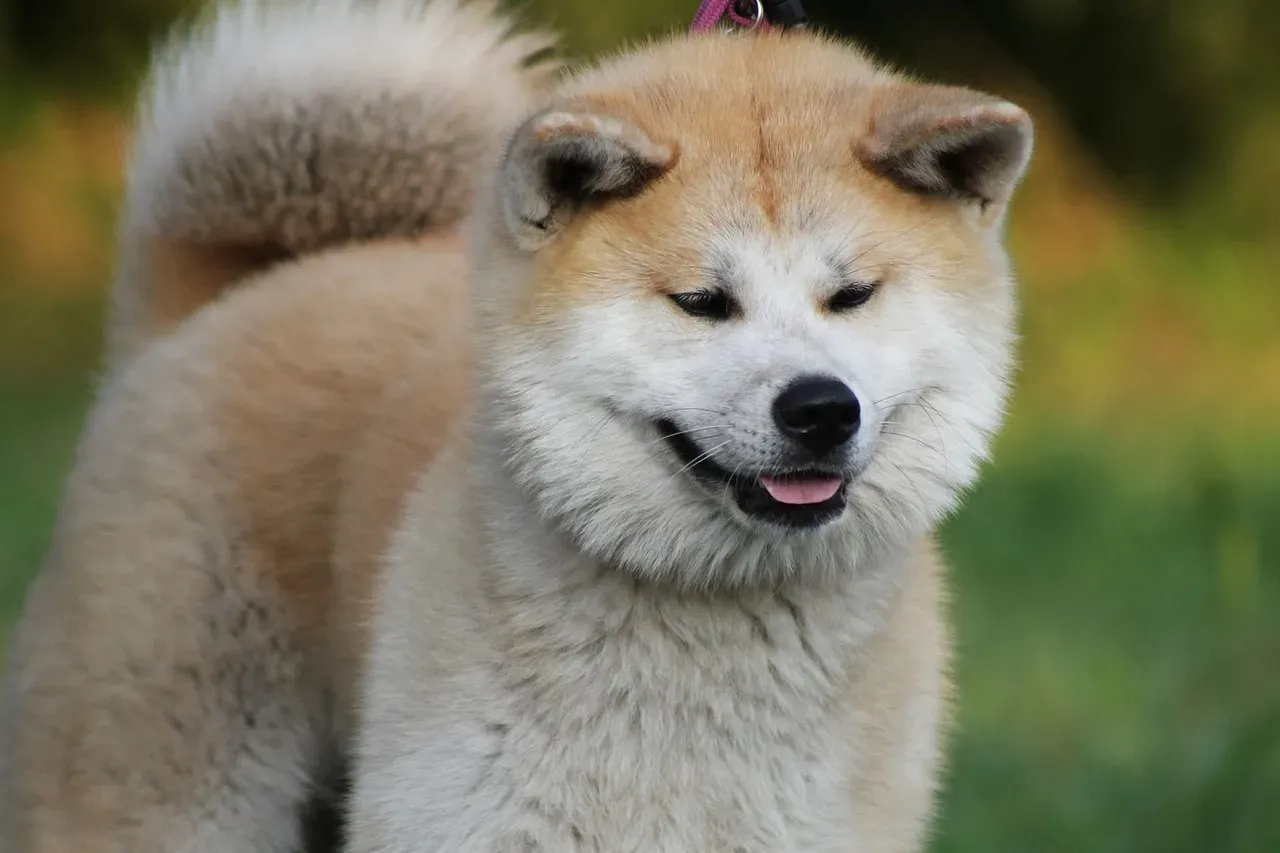
The Akita is a breed worthy of respect in more ways than one. She’s considered a national treasure in her home country of Japan, where she was originally bred to hunt big game such as elk, boar, and bear. That hunting and guarding heritage didn’t disappear when Akitas moved into homes. It shows up in territorial behavior, wariness of strangers, and a deeply independent spirit that requires an experienced handler to channel correctly.
The Akita thrives best in a household where their owner is experienced. Since they are large and powerful, they must be properly trained. Without it, the Akita may dominate their owner since they can be independent and headstrong. Akitas are territorial and protective, so they’re not for first-time owners. They’re considered high-risk by many insurance companies and may also be banned from living in certain properties. An ideal Akita owner is someone who is experienced, has no other pets or young children, and can devote lots of time to socializing their dog properly.
#3 Border Collie
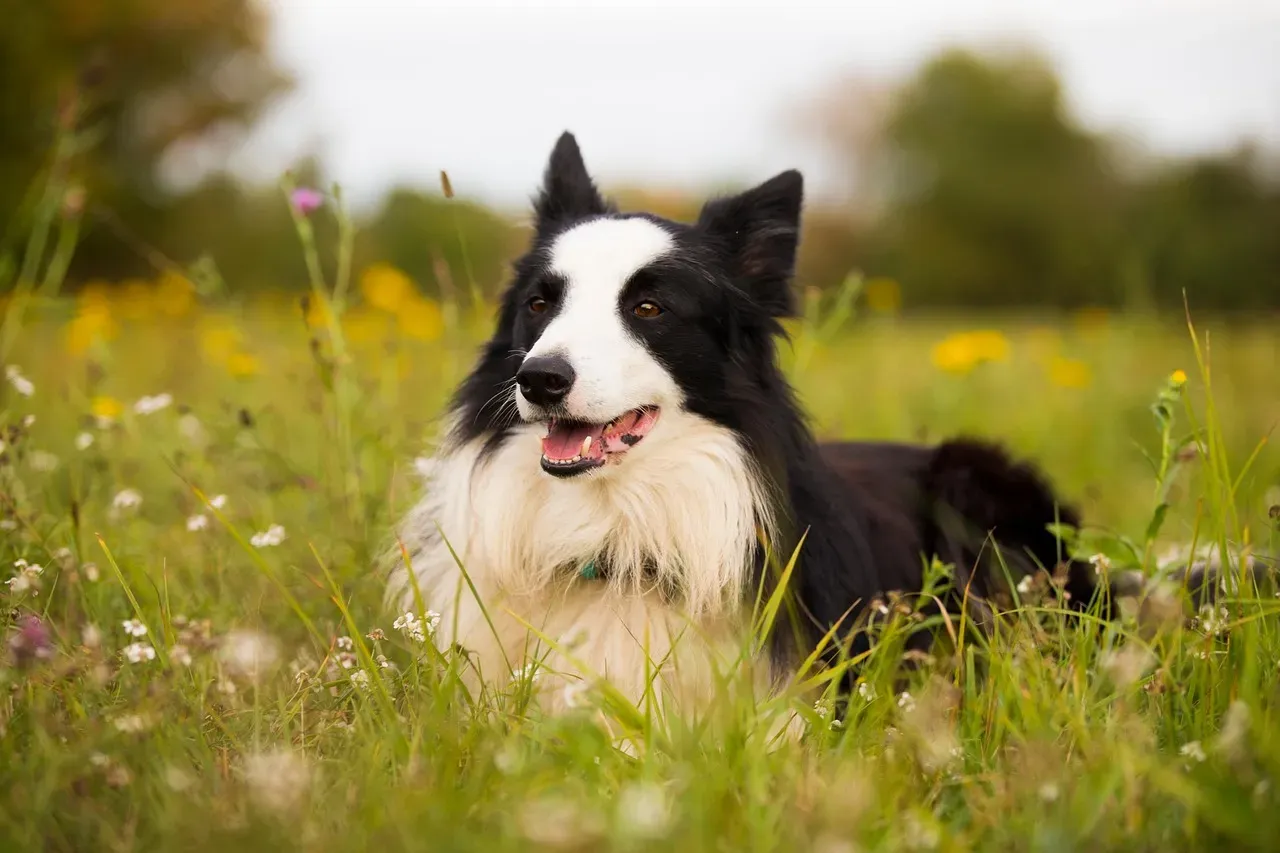
Border Collies are extremely intelligent and bursting with energy. These qualities make them exceptional workers. Unfortunately, they also lead to plenty of mischief when there is no job to be done. Most people underestimate what “no job to do” actually looks like in practice. It means a dog that herds children, dismantles furniture, and invents increasingly elaborate ways to stay mentally occupied.
Border Collies need daily vigorous exercise and mental stimulation, often through activities like agility, herding, or Frisbee. First-time owners may not realize or be able to meet these demands. Training requires patience, consistency, and positive reinforcement techniques, which are skills new owners are still developing. These dogs are best suited to country life and do not do well as urban apartment dwellers because of their intense need for physical activity. Natural herders, Border Collies are prone to nipping at people’s heels.
#4 Siberian Husky
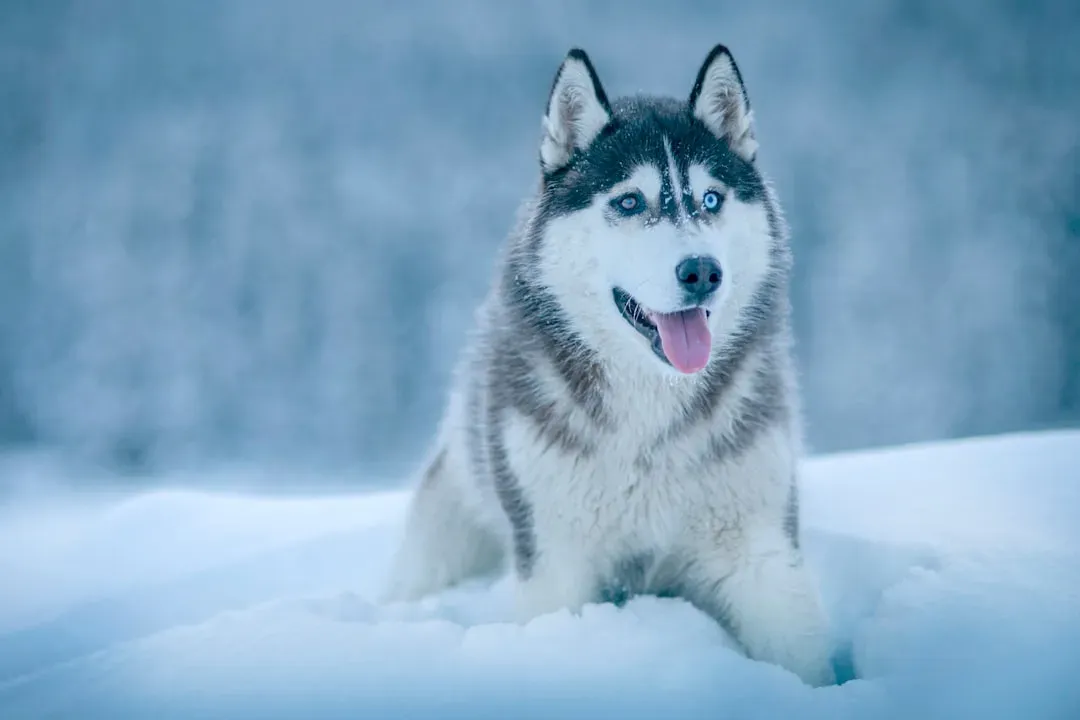
The Siberian Husky is arguably one of the most visually stunning dogs alive, and that beauty has caused countless people to bring one home without the slightest idea what they’ve signed up for. The happy and affectionate Siberian Husky is a working dog that thrives in cold, snowy climates. He was bred to pull sleds over long distances, and his liveliness reflects that. He sheds heavily, is a capable escape artist, and has a strong predatory drive, so he’s not a great choice for homes with cats or small pets.
Huskies share the endless energy and demand for constant stimulation that can overwhelm novice owners. Without early and strict training, Huskies easily develop major behavioral issues. Their vocal nature is also a genuine consideration. These dogs communicate loudly and frequently, which tends to come as a surprise to anyone who thought they were getting a quiet companion. A yard that’s merely “fenced” is often not enough – Huskies are legendary problem-solvers when it comes to escaping.
#5 Chow Chow
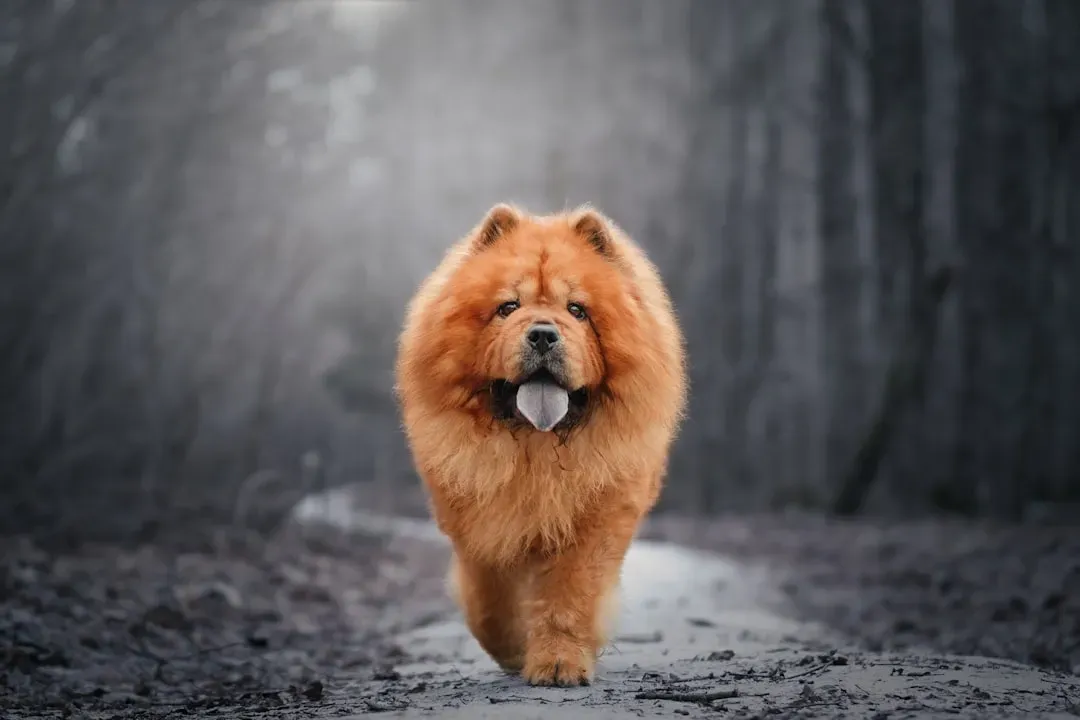
Chow Chows are intelligent but stubborn. Raising a well-mannered and well-adjusted Chow takes a lot of training and patience, so these dogs do best with experienced owners. Because of their long double coats, Chows also have relatively intense grooming needs. Their bear-like appearance misleads a lot of people into thinking they’re getting a cuddly, easygoing companion. That’s rarely what happens without proper guidance.
Third place among veterinary survey readers was the Chow Chow, a breed of Chinese origin known for her ability to be an excellent guard and watchdog. Unlike many dogs on challenging breed lists, the generally independent and dignified Chow Chow doesn’t need a huge amount of space or activity. However, she’s often seen as aggressive due to improper training and socialization in her puppyhood, making her a better choice for an experienced owner. Early socialization isn’t optional with this breed. It’s the difference between a manageable dog and a genuinely difficult one.
#6 Rottweiler
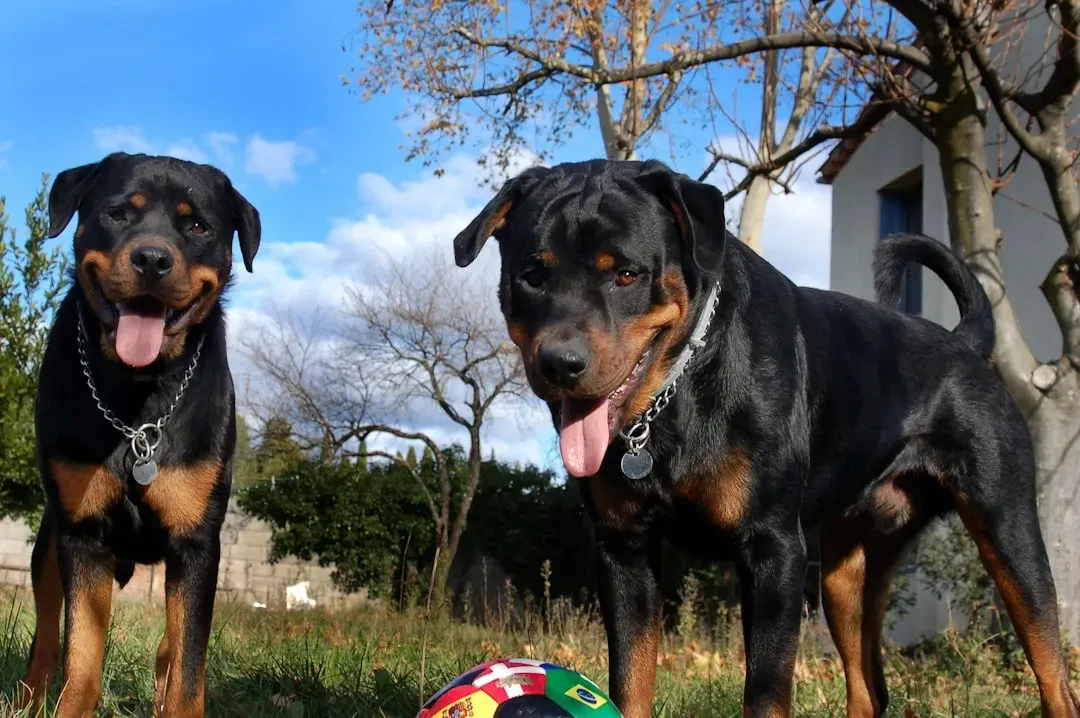
Rottweilers are among the most loyal dogs to their owners and would probably lay down in traffic for them. Unfortunately, therein lies the problem. If not properly trained, Rotties become too protective of their owners and will often lash out at strangers for no apparent reason if they feel their owner is threatened. That protectiveness is a double-edged trait, admirable in the right context and genuinely risky in the wrong one.
Guardian breeds like the Rottweiler have strong protective instincts that can be more challenging for inexperienced owners. They require a handler who can communicate authority clearly, consistently, and calmly. If you’re considering a Rottweiler, getting professional help to learn how to properly train them is strongly advised. With the right owner, a well-raised Rottweiler is a genuinely magnificent dog. With the wrong one, their size and strength can make even minor behavioral problems escalate quickly.
#7 German Shepherd
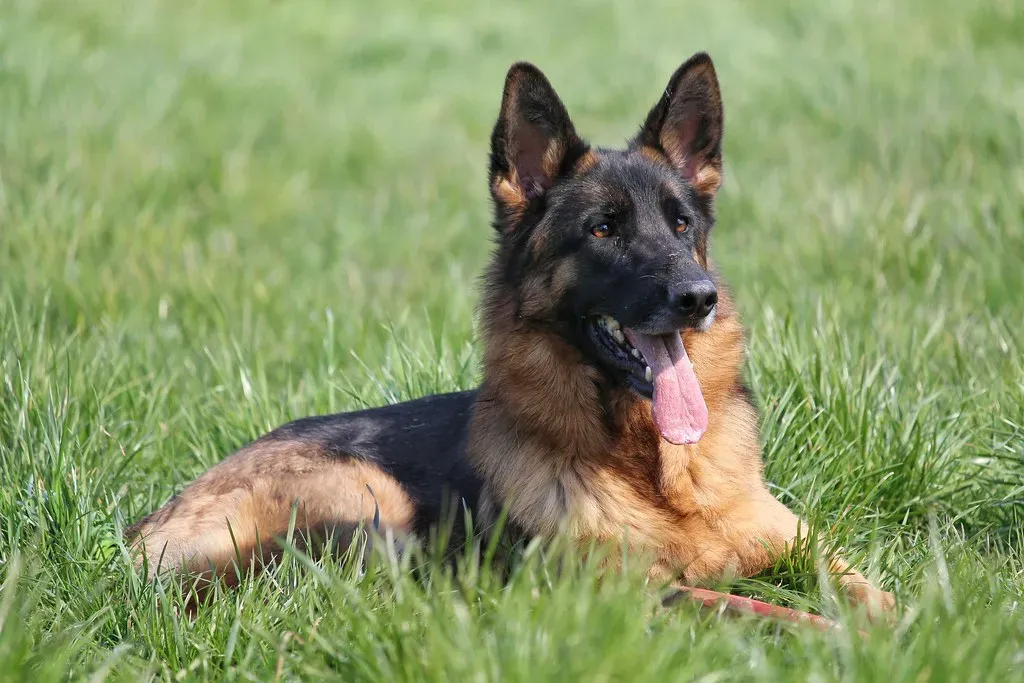
You might be surprised to find the German Shepherd on this list since he’s so often seen in movies as a family companion. Although he can be an adaptable and devoted member of the family, he’s usually highly energetic and requires an owner who’s prepared to be dedicated to the German Shepherd lifestyle. He not only requires serious amounts of exercise, but the intelligent breed also needs plenty of mental stimulation.
German Shepherds are very smart and require extensive physical and mental stimulation on a daily basis. Naturally protective and defensive, these dogs can exhibit aggressive and dominant behaviors if not properly socialized and trained. German Shepherds are also prone to some serious health issues. Hip dysplasia, arthritis, and degenerative myelopathy can impact their mobility and comfort. That combination of high behavioral demand and potential health complexity makes the breed a significant commitment, even for owners with prior dog experience.
#8 Doberman Pinscher
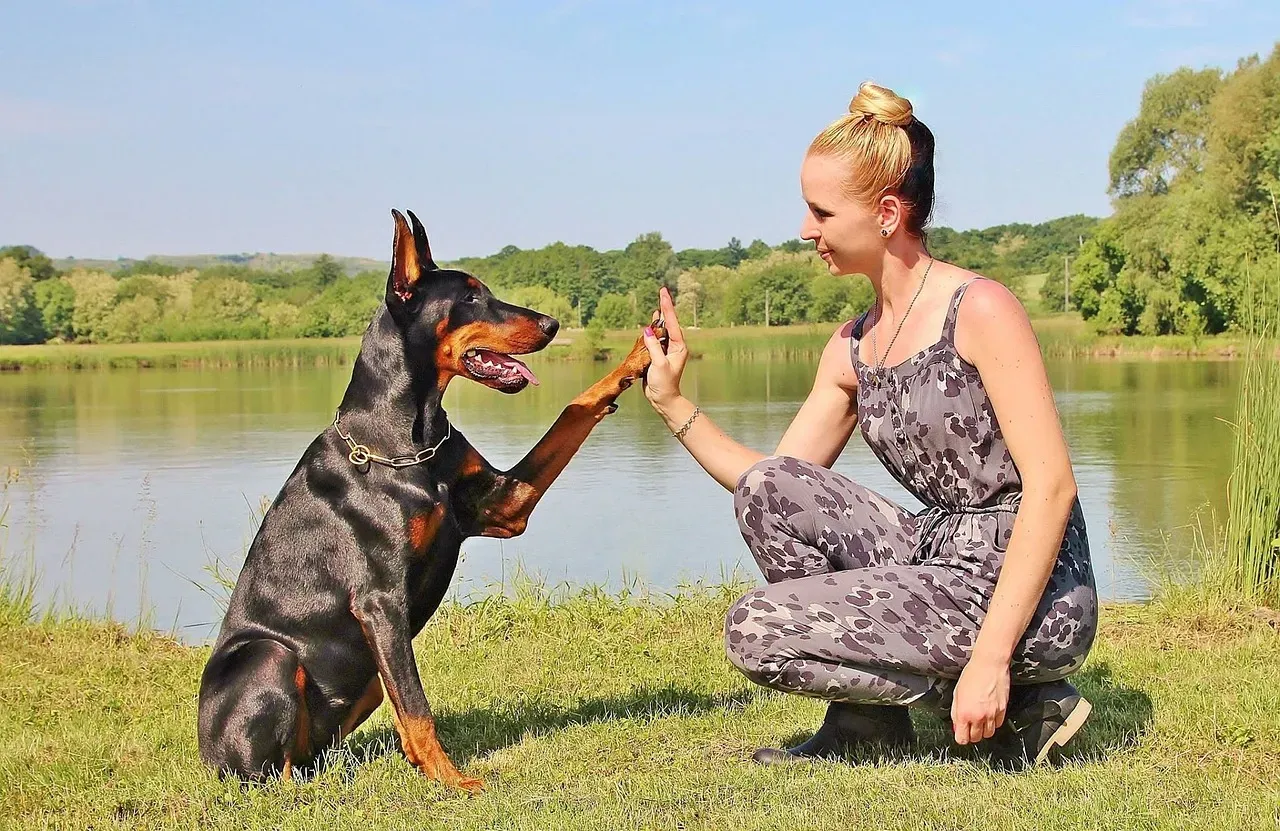
Dobermans are sleek, smart, and protective dogs that bond closely with their families. They need consistent leadership and early socialization so their natural guarding instincts don’t turn into overprotectiveness or anxiety around strangers. The Doberman’s intelligence is genuinely remarkable, but that same intelligence means they notice every inconsistency in your behavior and will exploit gaps in training with impressive efficiency.
Similar to Chow Chows, Dobermans were traditionally bred as guard dogs and are always protective and on edge from perceived threats. They require lots of socialization and training to get comfortable around strangers and can be aggressive otherwise. The Doberman Pinscher can have a bit of a reputation as a difficult dog. While she has plenty of devoted fans praising her generally loving and loyal nature, there are reasons she has that reputation. Owning a Doberman well is a full-time project – and genuinely rewarding when done right.
#9 Alaskan Malamute
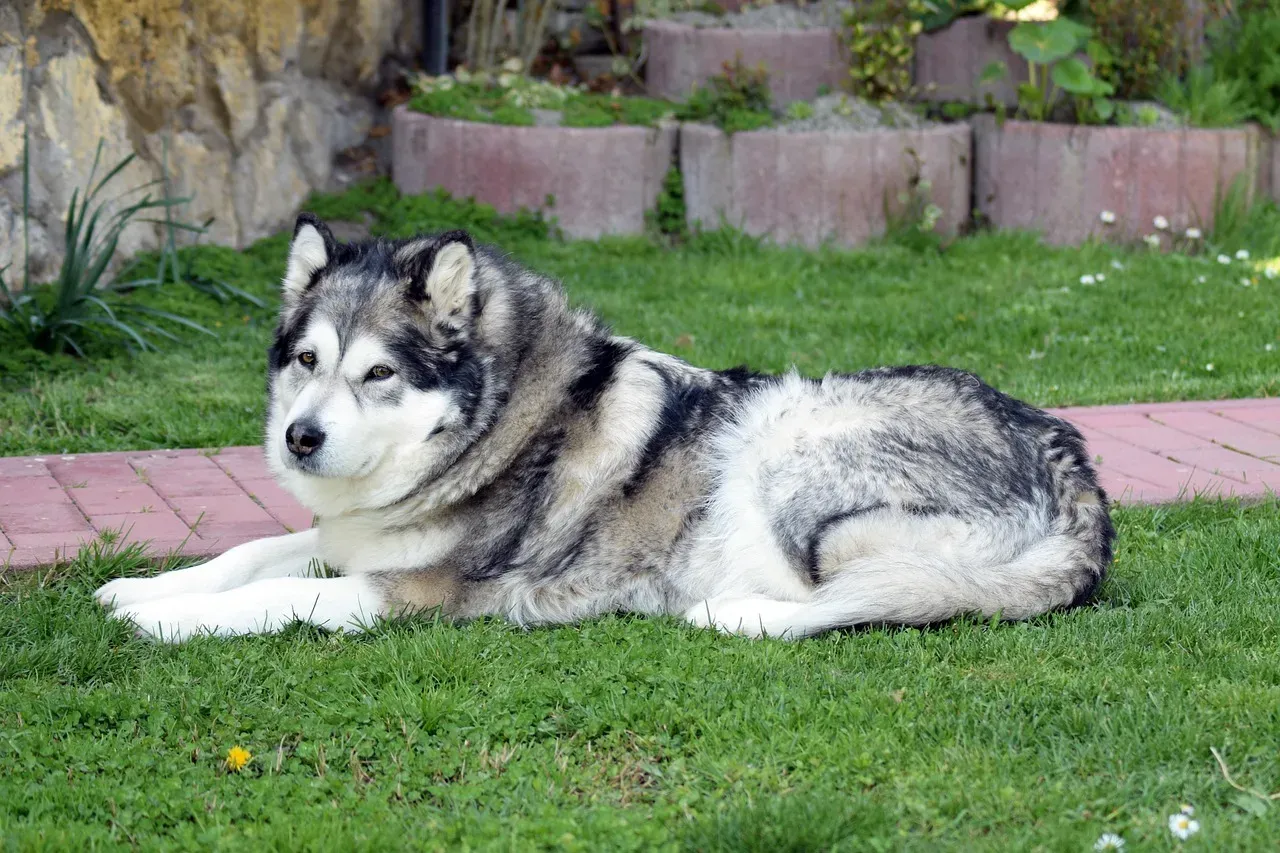
Traditionally bred as sled dogs, Alaskan Malamutes are high energy and shed heavily. They can be prone to pulling on the leash, which is a safety concern with such a large, strong dog. Similar to other high-energy breeds, these dogs require a lot of exercise and can easily become bored. They are escape artists and will run away given the opportunity. Malamutes will become destructive if not allowed the time and space to exercise adequately.
It’s no secret that the Alaskan Malamute sheds – a lot – but that’s not the only red flag of which inexperienced owners should be aware. She’s often an incredible escape artist, a world-class leash puller (which makes sense because she was bred to pull sleds in harsh terrain), and a challenge with other dogs and even more difficult with cats or other small animals. Their affectionate side can mislead people into underestimating the physical demands this breed places on its household daily.
#10 Weimaraner

The “Gray Ghost” earned his nickname for his beautiful gray coat and habit of following his owner closely, but the highly intelligent Weimaraner isn’t the right dog for everyone. He’s extremely energetic with no “off” switch, and he’s not happy being left alone – separation anxiety can be a real issue with this breed. The attachment runs deep, which sounds charming until you realize that a Weimaraner left alone for eight hours tends to redecorate your house in unwelcome ways.
Weimaraners are athletic hunting dogs that need daily exercise and close interaction with their people. They can become restless, clingy, or destructive if left alone too long, making them difficult for busy households that want a low-maintenance pet. Weimaraners are very intelligent and trainable dogs that pick things up easily. This can mean that they pick up bad habits easily, too. As such, they need a firm but kind leader and plenty of consistency to prevent them from slipping into bad habits.
#11 Australian Shepherd
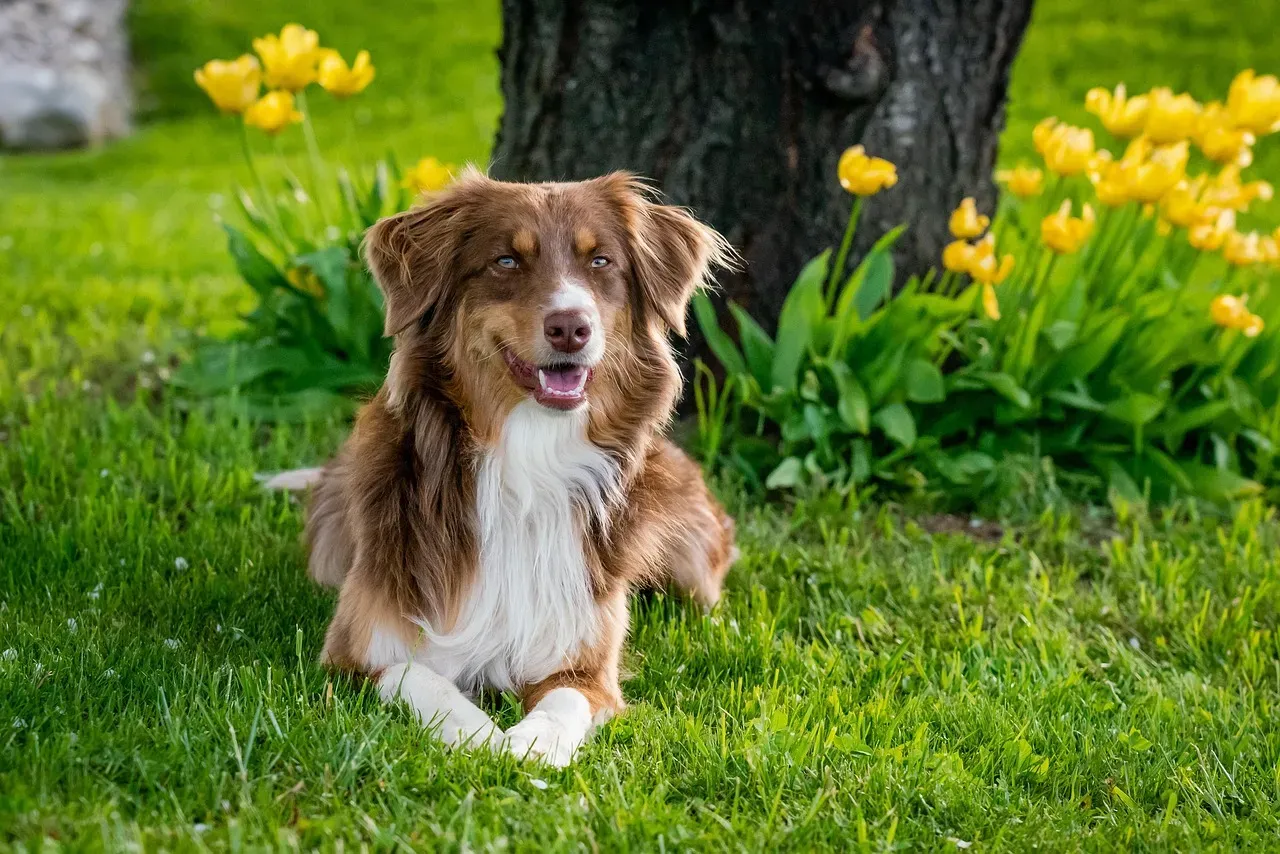
As herding dogs, Australian Shepherds have very high energy levels and need large amounts of activity, stimulation, and interaction. Without proper training and activity outlets, they are prone to anxiety and destructive behaviors. First-timers rarely meet their needs. This is a breed that was literally built for all-day farm work, and no amount of wishful thinking changes that biological drive once you bring one home.
Smart, loyal, and energetic, Australian Shepherds enjoy keeping active and need physical and mental stimulation throughout their lives. These dogs especially enjoy advanced obedience training and excel in herding jobs. As a breed, they can be prone to certain diseases such as hip dysplasia, elbow dysplasia, and some eye diseases. The health considerations compound the behavioral demands in ways that catch inexperienced owners off-guard, particularly when they’re managing a high-energy dog with medical needs simultaneously.
#12 Shiba Inu
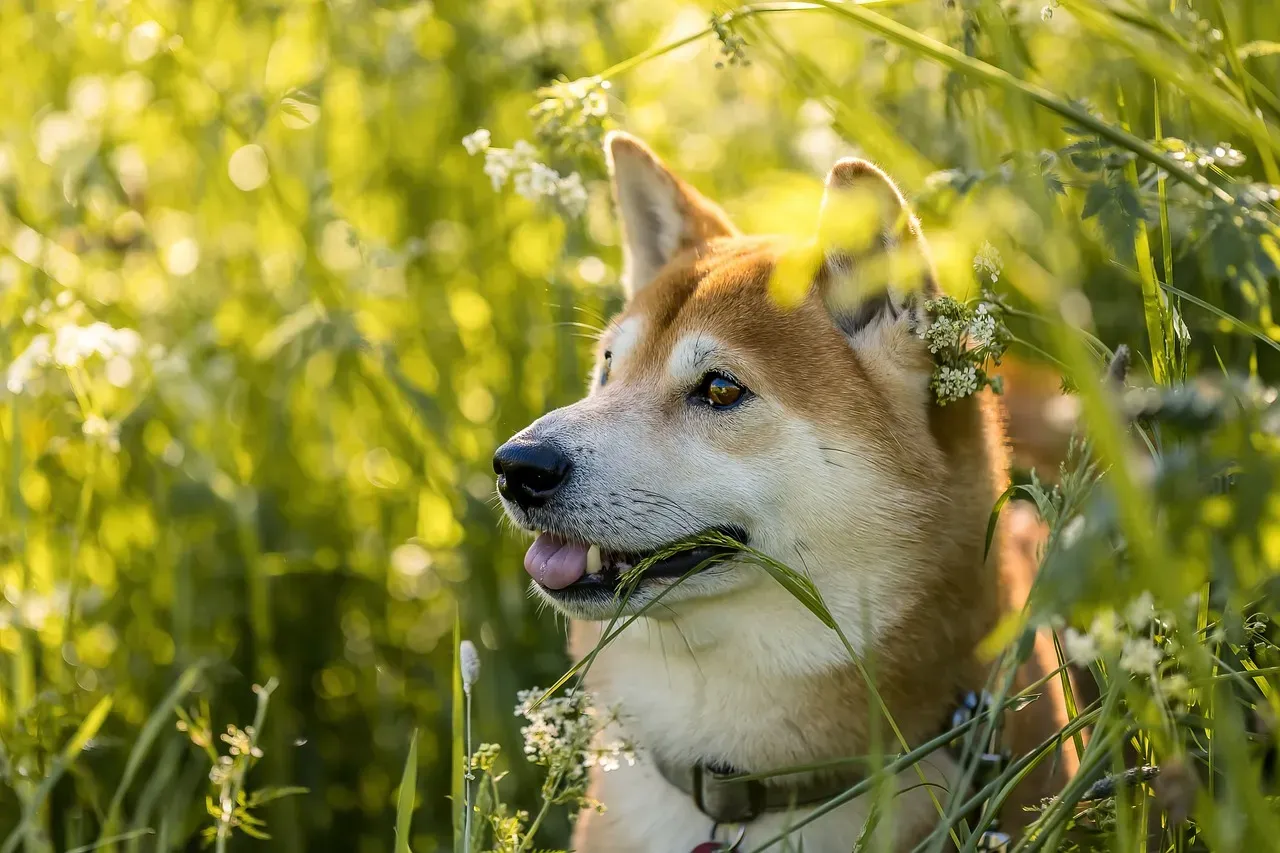
Shiba Inus are potentially the cutest dogs on the internet, but they’re not for beginners. Their independent nature makes people liken them to cats, and they can be very difficult to train. The gap between a Shiba’s irresistible appearance and its actual personality is one of the more notorious mismatches in the dog world. Internet virality made this breed wildly popular with precisely the demographic least prepared for it.
Shiba Inus are known for being aloof, but each one has their own personality. You have to be careful that they don’t train you instead of the other way around. Shiba Inus love to take walks with their favorite humans, but they should never be allowed off their leashes if not in an enclosed area. Shiba Inus are known to bolt on a whim, and no amount of obedience training will ever change that. The recall problem alone is enough to make this breed a serious consideration for experienced owners only.
#13 Cane Corso
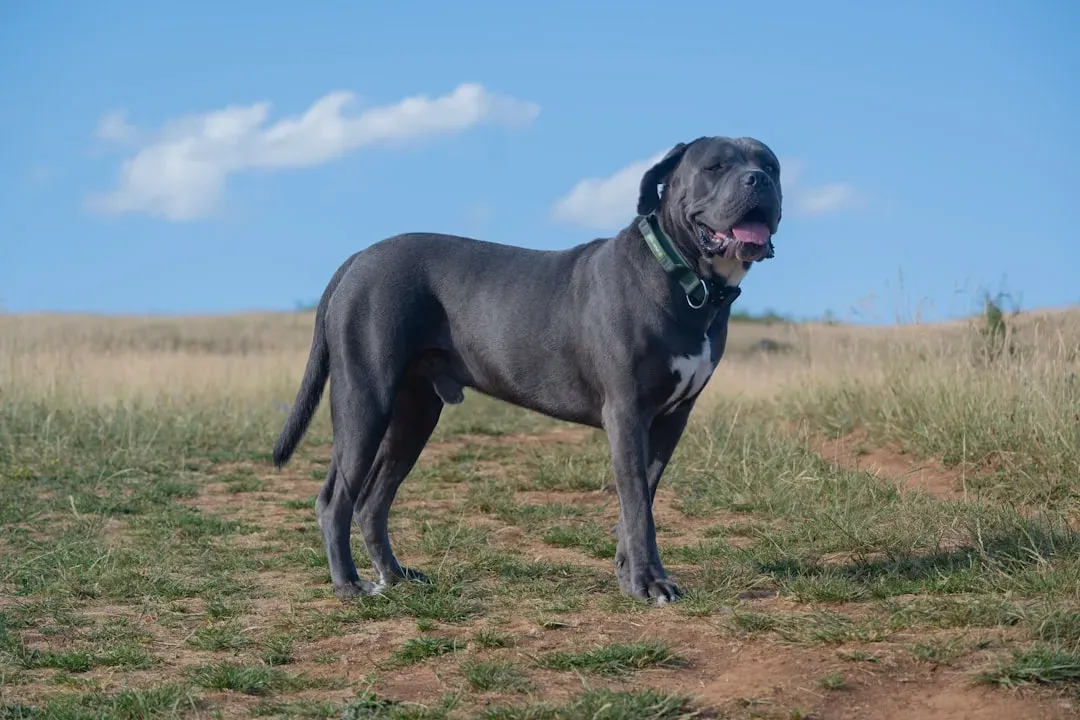
The Cane Corso is a breed that commands attention simply by walking into a room. Massive, muscular, and deeply loyal, these dogs trace their lineage back to ancient Roman war dogs. Certain breeds like the Cane Corso tend to be more protective and may exhibit dominance behaviors. They require proper socialization, consistent leadership, and early training to ensure they become well-behaved and well-adjusted companions.
Cane Corsos are intelligent and can be trained, but they can also be stubborn and may not listen all of the time. These breeds simply weren’t bred to listen closely to their owners. Therefore, they may decide to listen to their own instincts rather than their owner’s. At full size, a Cane Corso that hasn’t been properly trained and socialized is not merely inconvenient. It presents a genuine safety concern. This is emphatically a breed for people who know what they’re doing.
#14 Dalmatian
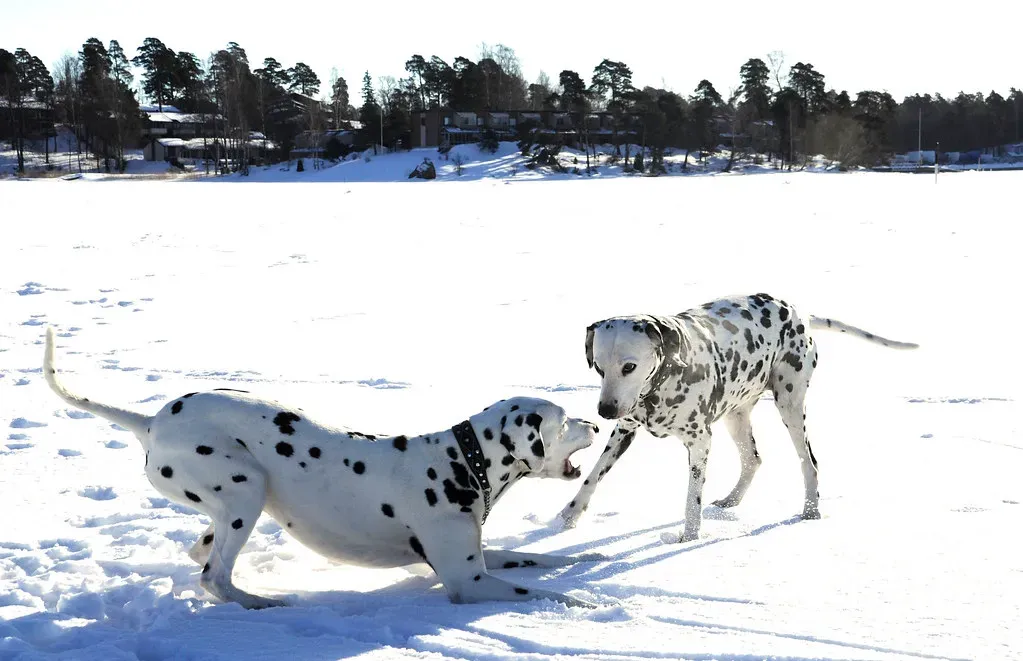
Dalmatians are working dogs packed with loads of energy. They were bred to run, making them one of the fastest breeds. In fact, they used to run alongside horses and fire engines. Their energy levels make them quite a challenge for dog owners. The film-fueled surge in Dalmatian popularity over the years has led to a recurring pattern of well-intentioned families bringing one home and discovering the reality bears little resemblance to the movie version.
The traits that made the Dalmatian perfect for his original work can make him a challenge in the home. He has an endless capacity for exercise and can be destructive when bored. Also, he’s a notorious shedder with stiff fur that weaves its way into fabric but not out. Veterinary professionals consistently flag this breed as poorly suited for first-time owners, particularly families with young children who expect a calm, manageable companion.
#15 Saint Bernard
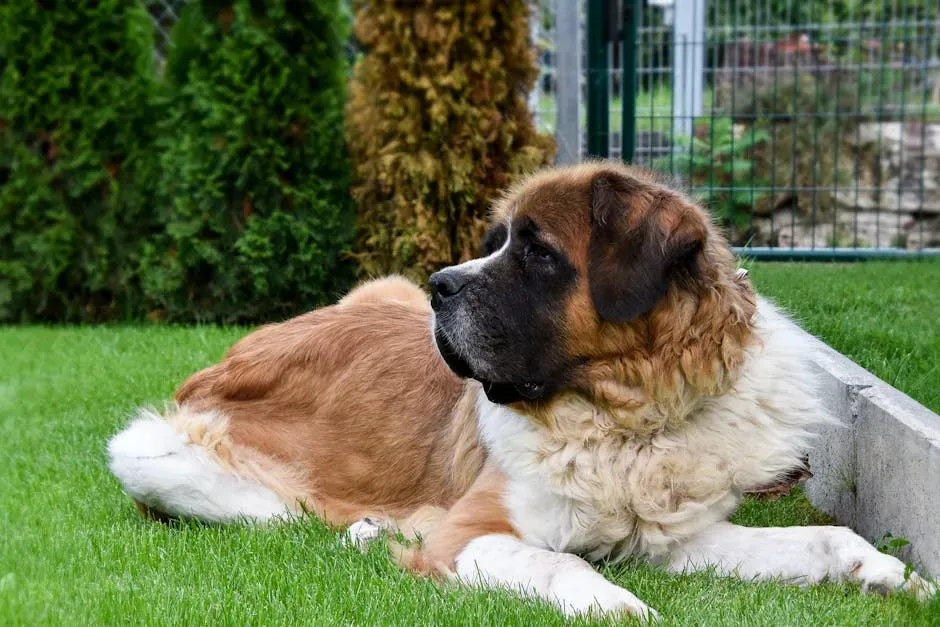
While this lovable giant can be a fantastic addition to a family, he can also be very stubborn, and without proper socialization early on, he can develop temperament issues. The Saint Bernard’s gentle giant reputation is not entirely unearned, but it creates a false sense of security. A breed this large requires early, consistent training that many new owners simply don’t prioritize in the puppy stage.
Without proper socialization early on, the Saint Bernard can develop temperament issues. With his massive size, any behavioral issues can get out of hand in a hurry. There’s also the physical reality of veterinary care for a dog that can exceed 150 pounds. The costs, logistics, and commitment involved are genuinely significant. First-time dog parents may not be prepared for a dog who requires extensive grooming, has serious health concerns, needs significant training, or needs a lot of exercise – and the Saint Bernard ticks several of those boxes at once.
What This All Really Means

As veterinarians would say, no specific dog or breed is inherently “bad,” but some are much more challenging for their owners than others. Some breeds are notoriously difficult to train and prove too strenuous for new pet parents to handle. Choosing a suitable breed for your lifestyle and skill level is crucial. That’s the honest, grounded truth behind every breed on this list.
Choosing the right dog is one of the most important decisions a future pet owner can make. Dogs become family members, companions, protectors, and sometimes even emotional support partners. However, not all dog breeds are suited for every household or lifestyle. That is why veterinarians often provide guidance about which breeds tend to be healthier, easier to train, and better suited for modern family life.
None of these breeds are hopeless cases, and none of them are the wrong choice for the right person. The ones who thrive with a Malinois or an Akita didn’t stumble into it. They sought knowledge, built experience, and chose a dog whose demands they genuinely understood. The real question worth sitting with before any adoption isn’t “do I love this breed?” It’s “am I actually prepared for this breed?” Those are two very different questions – and the dog always knows the honest answer.

- 6 Exotic Bird Species You Can Spot in U.S. National Parks - July 19, 2026
- 11 Iconic American Birds Facing New Challenges and How You Can Help - July 19, 2026
- 10 Friendliest Animals in the World - July 19, 2026