

#1 French Bulldog

Few breeds have climbed as fast or as far as the French Bulldog. AKC registration statistics consistently show the French Bulldog as the most popular dog breed for the third consecutive year, displacing the Labrador Retriever which had held the top spot for 31 years. That meteoric rise is inseparable from social media, where Frenchies with their bat ears and compact bodies became the darlings of celebrity accounts and lifestyle influencers. The look translated perfectly to short video formats, and demand followed almost immediately.
What the aesthetic content doesn’t show is what happens off-camera. The exaggerated features of the Bulldog and related breeds have produced a perfect storm of health problems that diminish quality of life for many of these dogs, and often make them extremely expensive to own. Many need surgery to shorten their soft palate and enlarge their nostrils just so they can breathe somewhat normally. Flat-faced breeds like Bulldogs often face airway challenges due to their shortened skull structure, and many develop Brachycephalic Obstructive Airway Syndrome, which causes noisy breathing, snoring, and intolerance to heat or exercise. The popularity hasn’t slowed the suffering. If anything, it has accelerated it.
#2 English Bulldog

In English Bulldogs, tongues too large for their mouths can make it harder to breathe, and dogs with thicker necks and wider heads are more likely to have breathing troubles. This is not a minor inconvenience. For many English Bulldogs, every single day involves a degree of respiratory effort that most people would find alarming if they understood it clinically. Yet the breed’s wrinkled, heavy-jowled appearance reads as charming online, and the viral content keeps generating new buyers.
Female brachycephalic dogs also face birthing difficulties due to their anatomy, where large puppy heads and narrow birth canals make delivery risky, and early consultation with a veterinarian is essential if breeding is considered. The reality is that most English Bulldog litters require cesarean sections. Breeds of dogs that are highly popular and easy to sell tend to be the ones that are most overbred, as demand can outpace responsible breeding practices. When demand surges because of social media trends, the pressure on already-strained breeding lines intensifies, and the dogs pay the price.
#3 Pug

Seen in viral content and known for their loud breathing, extremely short muzzles and small flat noses affect pugs’ ability to breathe properly, making everyday activities a challenge. As dogs also use these body parts to regulate their body temperature, this puts them at risk of overheating and heatstroke on hot days. Pug owners who live in warm climates often don’t realize until it’s too late just how dangerous a moderately warm afternoon can be for their dog. The breed’s sounds, which many people find endearing, are actually symptoms of chronic respiratory distress.
Vets are cautioning prospective dog owners to think carefully before buying trendy flat-faced dogs, as new research has revealed that overbreeding of flat-faced dogs like pugs and French Bulldogs could be causing them to go blind. The research was carried out by vets from the universities of Lisbon and Leipzig and published in the Irish Veterinary Journal. Increasing knowledge about brachycephalic obstructive airway syndrome, ocular issues, and skin diseases is encouraging prospective owners to weigh the challenges more carefully. Still, social media keeps generating new interest, and the cycle continues.
#4 Dachshund

Dachshunds are pure internet gold. Their elongated bodies, stubby legs, and dramatic personalities generate enormous engagement, and their popularity has surged to the point where the Dachshund has seen a significant boost in rankings, now sitting at sixth among the most registered breeds. The “sausage dog” aesthetic has spawned entire accounts dedicated to nothing but Dachshund content, and the demand for puppies has followed in lockstep.
The high demand for brachycephalic dogs seems to follow a larger trend, and Dachshunds, who suffer a high rate of spinal issues due to their body structure, have become massively popular in recent years. The spinal condition known as intervertebral disc disease is particularly common in the breed, and it can result in partial or full paralysis. Breeders who prioritize aesthetic traits that directly cause health problems, such as body proportions that cause chronic pain, contribute to systemic suffering. The most severely affected breeds include Dachshunds, specifically for their spinal problems. Every “wiener dog” video that goes viral nudges another buyer toward a dog that may need spinal surgery before middle age.
#5 Siberian Husky

The Husky’s piercing blue eyes and wolf-like face were tailor-made for social media virality. Videos of Huskies “talking” back to their owners, throwing theatrical tantrums, or howling dramatically rack up millions of views across platforms. Bloggers and celebrities often get dogs of specific breeds, and their followers want the same pets, and the Husky has benefited enormously from this phenomenon. The breed looks extraordinary on a screen. In an apartment, the reality can be something else entirely.
Siberian Huskies are typically a hardy and energetic breed, but they can be prone to specific health issues. Cataracts are relatively common and can affect their vision, sometimes leading to blindness if left untreated. Like many medium to large breeds, they can also develop hip dysplasia, which may cause joint pain and mobility problems over time. Beyond the physical health concerns, the behavioral reality of owning a working sled dog in a modern urban setting is routinely glossed over in viral content. A unique concern is zinc-responsive dermatosis, a skin condition that results from poor zinc absorption, and some Huskies may also experience epilepsy, which can cause recurring seizures. These are not low-maintenance companions.
#6 Shiba Inu

These Japanese dogs flew under the radar for years. It wasn’t until 2013, with the creation of the Doge meme, that the Shiba Inu became more widely recognized. Today, Shiba Inus are loved and recognized all around the world. The internet essentially built this breed’s Western popularity from scratch, and the ongoing stream of videos showing their expressive, fox-like faces and dramatic reactions continues to generate buyer interest. Their popularity continued with videos where these dogs stubbornly refuse to follow commands, showing an incredible level of determination. This is described as the perfect breed for those who love a challenge, as Shibas don’t just obey, they argue.
The problem is that what plays as comedy online translates to genuine difficulty in a home with inexperienced dog owners. Shiba Inus are best suited for school-age children who respect boundaries and require an experienced pet parent who understands their strong-willed nature. They have a typical life expectancy of 13 to 16 years and thrive with daily mental stimulation. However, they are highly intelligent but stubborn, requiring patient, consistent, and positive reinforcement-based training. Due to their stubborn nature, they are also prone to aggression issues including food aggression, dog-to-dog aggression, and stranger aggression. That context tends to get edited out of the funny videos.
#7 Cavalier King Charles Spaniel

The Cavalier King Charles Spaniel is a living piece of history. In the 17th century, they were the favorites of royalty, and today they are adored by city apartment owners. In 2025, the breed’s popularity has risen due to the trend of “emotional support dogs,” as Cavaliers are simply made to bring peace and love. Their gentle, meltingly sweet nature makes them irresistible subjects for soft-focus social media content, the kind that makes people send links to their partners with nothing but a heart emoji attached.
Perhaps most heartbreaking is their predisposition to mitral valve disease, affecting nearly every dog in the breed by age ten. The structure of their bodies means they often suffer from breathing issues, skin fold infections, eye issues, back and joint issues, mobility issues, and heatstroke. Many owners find themselves facing thousands in veterinary bills before their dog reaches middle age. Cavaliers are specifically among dog breeds with the highest risk of health problems, noted for serious heart complications. The gap between what social media presents and what veterinary practice sees is rarely wider than it is with this breed.
#8 Australian Shepherd

The Australian Shepherd has become a fixture of aspirational outdoor lifestyle content. Influencers document their Aussies running alongside mountain bikes, hiking remote trails, and performing elaborate trick routines that showcase the breed’s famous intelligence. Australian Shepherds are described as perfect for joining in any activity, running, hiking, frisbee, or even yoga. They have become especially popular among athletes since they are one of the most energetic and intelligent breeds, learning tricks quickly and having a unique ability to read human emotions.
The trouble is that the lifestyle sold alongside the breed is one most owners don’t actually live. Australian Shepherds with Merle genes are specifically noted as being at high risk for blindness and deafness, and the social media trend toward merle-patterned dogs has pushed irresponsible breeders to double down on that particular coat variant. The merle gene, a genetic mutation affecting pigment production, becomes unethical and dangerous if used irresponsibly. It can affect a dog’s health and puts them at risk of becoming deaf, blind, and developing neurological issues such as seizures. Under-stimulated, apartment-bound Aussies are also one of the most commonly surrendered breeds to rescue organizations.
#9 Bernese Mountain Dog

Bernese Mountain Dogs are giant fluffy teddy bears that first became popular among countryside homeowners and are now highly sought-after in big cities. They are calm, thoughtful, and incredibly patient. Their popularity has skyrocketed thanks to viral videos of Bernese dogs walking through cities, leaning against their owners like giant plush toys. That image, the enormous, gentle giant providing what looks like a full-body hug on demand, has proven irresistible to urban apartment dwellers who see it on their feeds and immediately want one.
These majestic dogs are wonderful companions, but they tend to fall victim to a whole host of health problems. Conditions a Berner owner may encounter include aseptic meningitis, bloat, multiple types of cancer, cataracts and other eye diseases, degenerative myelopathy, and elbow and hip dysplasia. It’s no surprise that their lifespan is a tragically short 7 to 10 years. As wonderful as individual Berners can be, their health problems can be heartbreaking for their people, including their veterinarians. Choosing a breed based on a cuddly video without understanding what the later years often look like is a genuinely difficult thing to recover from emotionally and financially.
#10 Cane Corso

The Cane Corso rocketed from 48th in popularity in 2014 to 14th today, proving that large, protective dogs can still win American hearts. Much of that trajectory was driven by social media content showcasing the breed’s impressive size, deep bark, and imposing presence. The Cane Corso’s striking build and protective presence draw huge attention online. Many families want the look but underestimate the training, structure, and power required. Without consistent guidance, socialization, and boundaries, this guardian breed can become reactive or hard to manage.
This Italian mastiff breed is a protective breed that requires an experienced owner, but too often inexperienced people acquire one of these powerful dogs and find they are in over their head. Cane Corso rescue groups and shelters are inundated with dogs surrendered by people who can’t keep them. Hip and elbow dysplasia, cruciate tears, and bloat are key health concerns, and screening for these conditions reduces risk but never removes it entirely. The breed is loyal and capable in the right hands. Social media, by its nature, only shows the right hands.
#11 Great Dane

Great Danes have always attracted attention simply by virtue of their scale, but social media has given that awe a distribution channel that previous generations of breeders never faced. Videos of Great Danes being treated like lap dogs, squeezing into tiny spaces, or towering over their owners in comically tender moments get shared millions of times. Known for their graceful appearance, large size, and hunting skills, Great Danes make well-mannered family companions but are also among those breeds with higher rates of cancer. With an average lifespan of 7 to 10 years, Great Danes may suffer from health conditions including osteosarcoma, cardiomyopathy, and gastric torsion. Great Danes are also prone to hip dysplasia, a genetic condition that causes the hip’s ball and socket to grind.
Gastric torsion, also known as bloat, is a particularly frightening condition where the stomach twists on itself, and it can kill a large dog within hours without emergency surgery. The financial cost of owning a Great Dane is rarely captured in viral posts. Veterinary bills scale with body size, food costs are substantial, and the relatively short lifespan means that grief arrives sooner than most owners anticipate. When dogs are overbred, appearance or specific traits are typically prioritized over health and genetic diversity. Dogs may be inbred to maintain these traits, which increases the prevalence of genetic disorders. Popularity that outpaces responsible breeding is especially dangerous for a breed already carrying this much genetic weight.
#12 Dalmatian
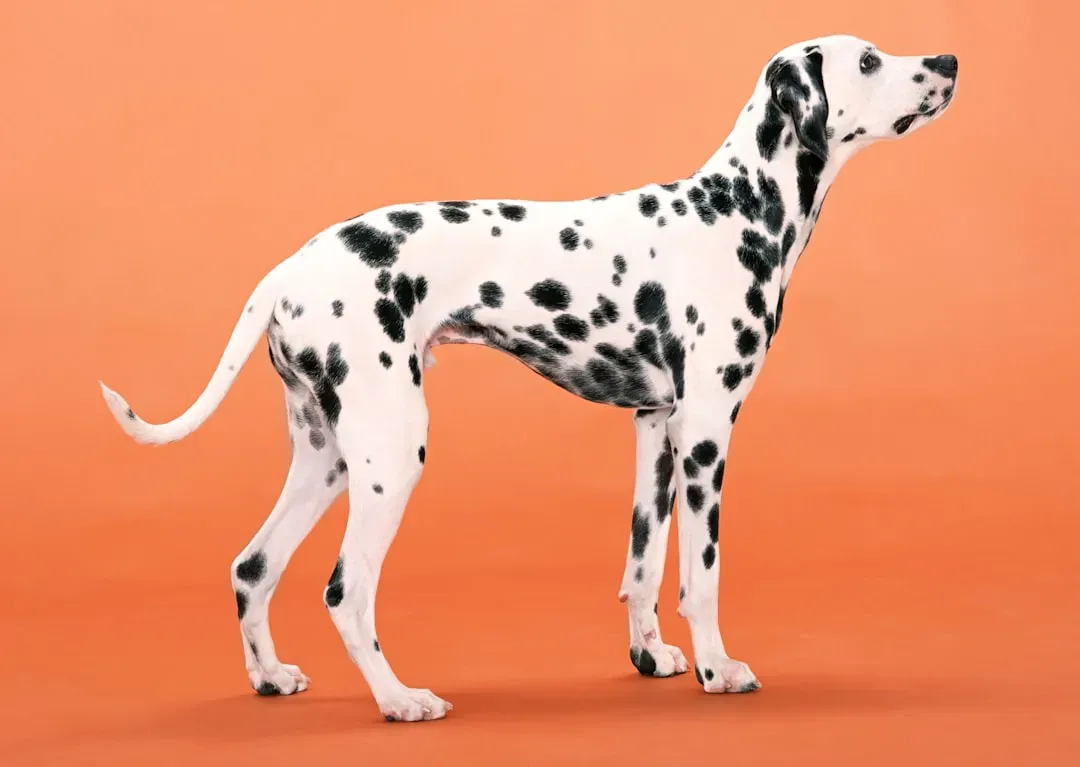
The Dalmatian has a long, complicated history with pop culture. Every decade or so, something reignites mass public interest in the breed, and social media’s influence has proven to be the most sustained of all these triggers. The spotted coat is visually striking, and short video clips easily capture the breed’s athletic, energetic movement. What those clips rarely include is a frank discussion of what it takes to actually live with one. Dalmatians are high-energy working dogs that were historically bred to run alongside horse-drawn carriages for hours at a stretch.
Breeds that are highly popular and easy to sell tend to be the ones that are most overbred, as demand can outpace responsible breeding practices. Dalmatians surged in popularity during earlier film-driven cycles and shelters were overwhelmed with surrendered dogs within a year or two. The pattern has repeated. Beyond behavioral demands, Dalmatians carry a well-documented predisposition to hereditary deafness and urinary tract issues linked to their unique uric acid metabolism. Certain breeds consistently show up with the same preventable health problems, expensive treatments, and shortened lifespans. These aren’t random genetic accidents, they’re the predictable result of decades of breeding for appearance over health. A beautiful coat and a good camera angle are not a health guarantee.
The Real Cost of a Trending Dog

There’s something worth sitting with here. None of the breeds on this list are bad dogs. Every single one can thrive in the right home with an informed, prepared, and committed owner. The concern isn’t the breeds themselves. It’s the mechanism by which millions of people are being guided toward them: a thirty-second clip optimized for engagement, not welfare.
Consumer education is essential for reducing demand for breeds with severe health problems. Potential dog owners need to understand the long-term costs, both financial and emotional, of caring for dogs with chronic health conditions caused by extreme breeding practices. Although veterinarians and other advocates have been raising concerns about breed-related health issues for decades, progress has been slow. Some experts are hoping to change that, and a 2025 Animal Welfare paper called for those in charge of organized dog breeding to put the health and welfare of dogs ahead of tradition, profit, and winning prizes at shows.
Over 100,000 people have signed a global animal welfare petition urging Meta to stop the unregulated selling of dogs on its social media platforms. Unregulated social media groups have turned into a hotspot for illicit traders and breeders selling questionable dog trends under the disguise of cute puppy ads. The simplest thing any prospective dog owner can do right now is pause before the purchase. Research the breed fully. Speak to a vet before committing. And when possible, consider that rescued mixed breeds now outnumber AKC-registered purebred dogs in U.S. homes. That’s worth knowing.
Viral moments are fleeting. A dog’s life is not. The breeds above deserve better than to be accessories to a trend cycle, and the families who adopt them on impulse often discover too late that love alone doesn’t cover a surgery bill. Vets have been trying to say this quietly for years. Maybe it’s finally time someone said it louder.
