

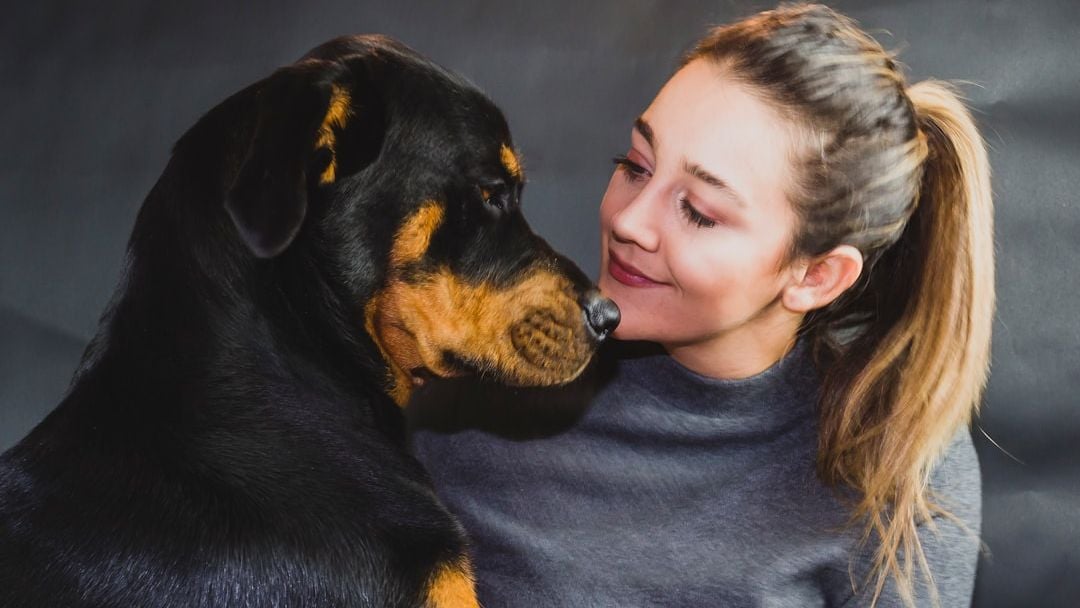
#1. You Keep a Strict Feeding Schedule
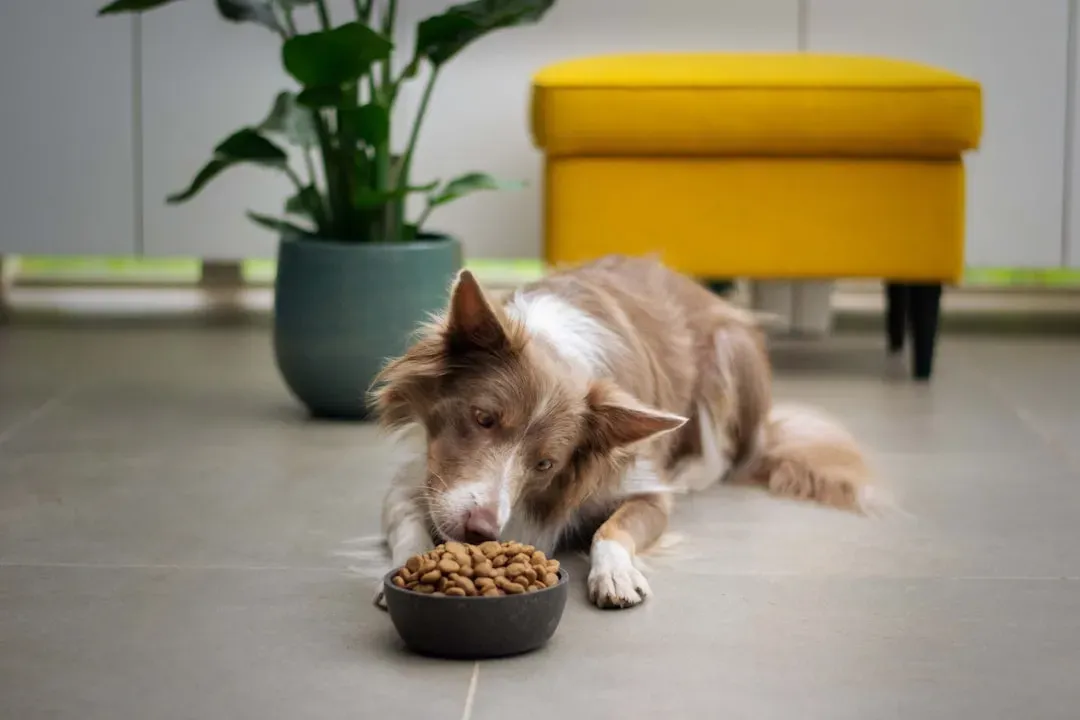
You feed your dog at the same time every single morning and evening, not because an app reminded you, but because that’s just how it’s done. Routine has always felt like the backbone of good dog care, and it turns out the science backs you up entirely.
A good rule of thumb is to feed dogs twice a day, once in the morning and once at night. That rhythm supports healthy digestion, helps manage weight, and gives your dog a sense of predictability in their day. Old-school instincts, fully vindicated.
#2. You Always Have Fresh Water in the Bowl
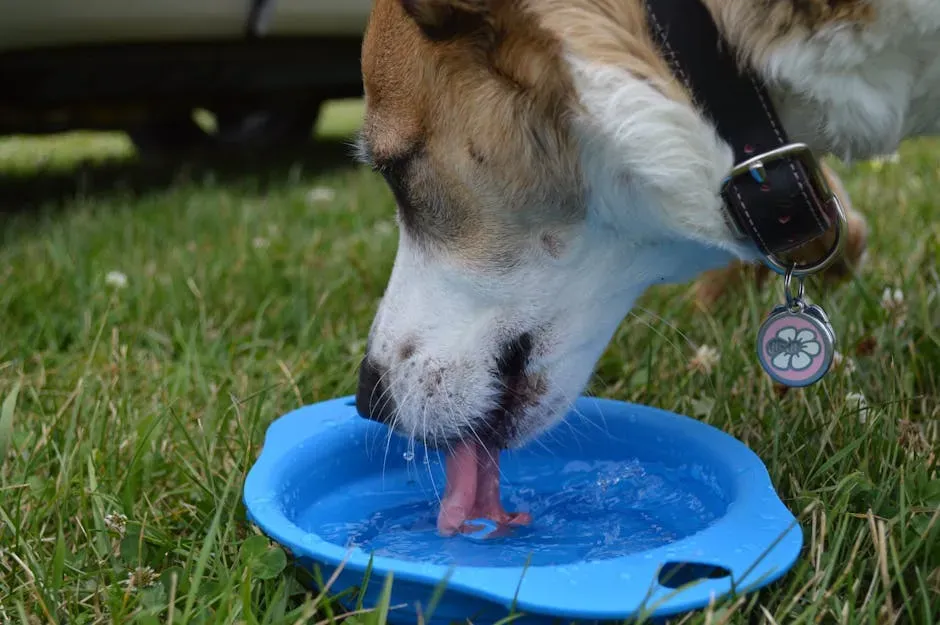
You’ve refilled that water bowl more times than you can count. It’s the first thing you do in the morning and the last thing you check at night. No fancy filtered fountain required, just a clean bowl topped up consistently.
Feeding your dog a balanced diet and providing fresh water at all times is a golden rule of dog ownership that hasn’t changed in decades. That bowl on the kitchen floor isn’t old-fashioned. It’s just correct.
#3. You Take Your Dog for a Walk Every Single Day
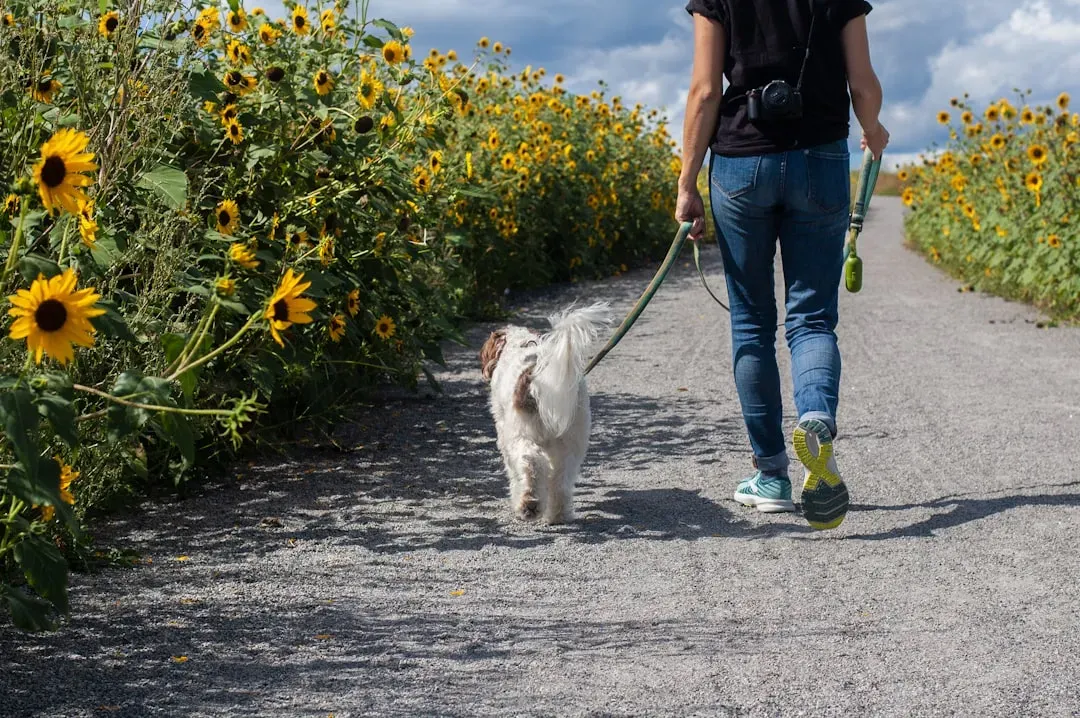
Rain, cold, tired after work, it doesn’t matter. The dog gets walked. You learned early that a dog without exercise is a dog looking for trouble, and you’ve never unlearned that lesson.
Dogs need exercise to burn calories, stimulate their minds, and stay healthy. Individual exercise needs vary based on breed or breed mix, sex, age, and level of health. Exercise also tends to help dogs avoid boredom, which can lead to destructive behaviors. You didn’t need a research paper to figure that out.
#4. You Brush Your Dog’s Coat Regularly
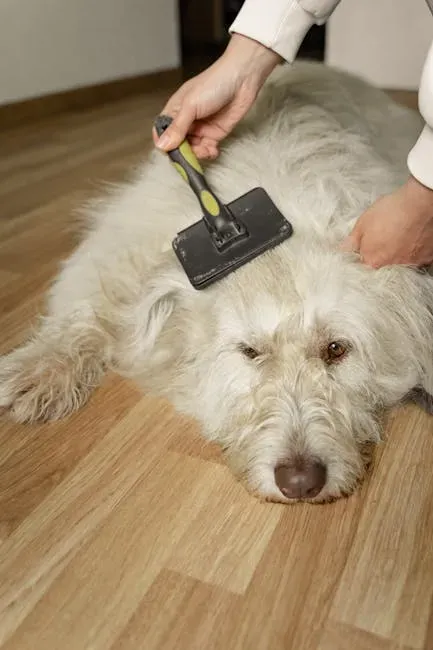
You keep a brush by the door and use it a few times a week. It takes five minutes, and you’ve always done it, not because it’s glamorous but because you know what a matted coat looks like and you don’t want that for your dog.
It’s important to regularly brush your dog to remove loose hair and prevent mats. This is especially important for dogs with thick or long fur. Matted hair can irritate the skin and lead to infections. Simple, consistent, and completely vet-approved.
#5. You Give Your Dog a Bath When They Actually Need One
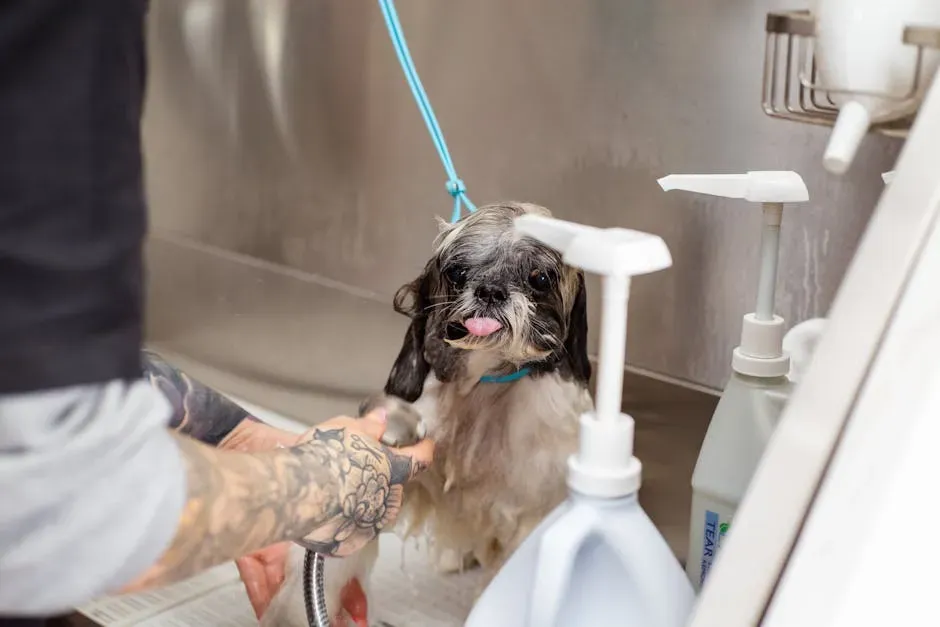
You don’t have a standing monthly grooming appointment. You bathe your dog when they roll in something, get visibly dirty, or start smelling like a barn. And that’s fine, genuinely fine.
Most dogs don’t need to be bathed more than a few times a year. The instinct to avoid over-bathing, which strips natural oils from the coat, is actually the sensible approach. You just called it common sense back then.
#6. You Keep Up With Annual Vet Checkups

You put the vet visit in the calendar at the same time every year, like clockwork. Not just when something is wrong, but as a routine part of owning a dog. That felt normal in your household growing up, and it still does.
Regular vet checkups are your dog’s preventive safety net, catching small issues before they become big, expensive problems. You get baseline vitals, weight trends, and early screenings that guide smarter daily choices. Annual visits aren’t old-fashioned. They’re foundational.
#7. You Never Skip Vaccinations
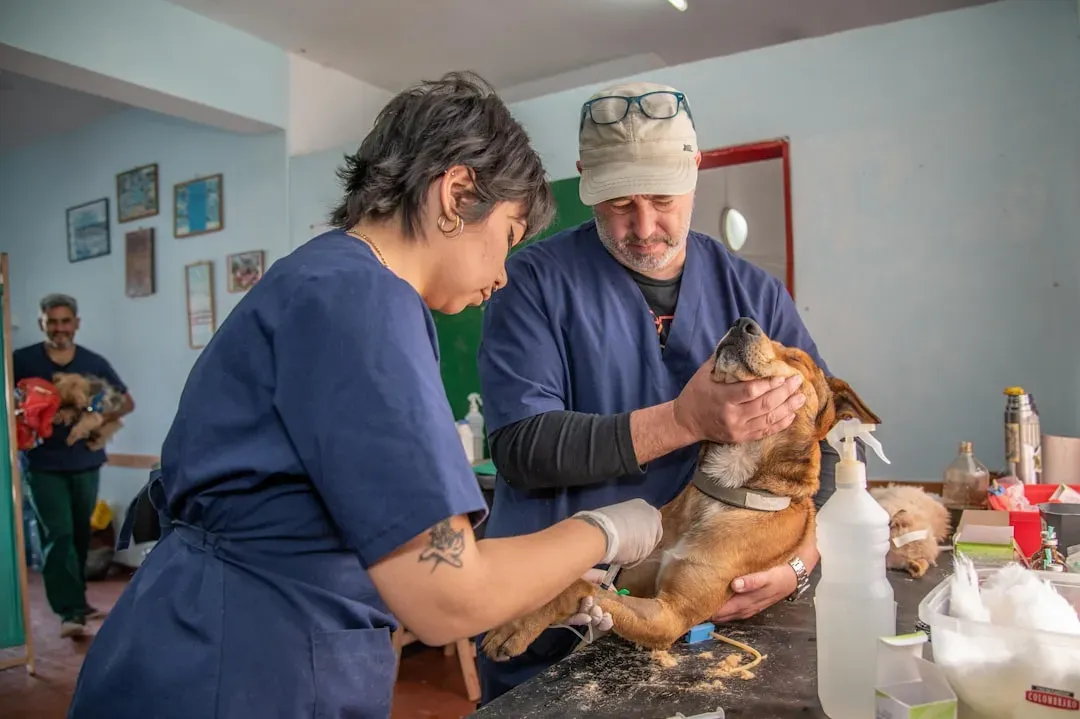
The vaccination card lives in a folder in your kitchen drawer. You know when boosters are due, you write them on the calendar, and you don’t skip them because “your dog seems healthy.” That proactive thinking is exactly what vets want to see.
A proper vaccination schedule protects your dog from preventable diseases like parvo, distemper, rabies, and leptospirosis. Your vet times core and lifestyle vaccines based on age, exposure risk, and local regulations. It’s a habit built decades ago, and it’s still saving lives.
#8. You Train Your Dog With Clear Commands
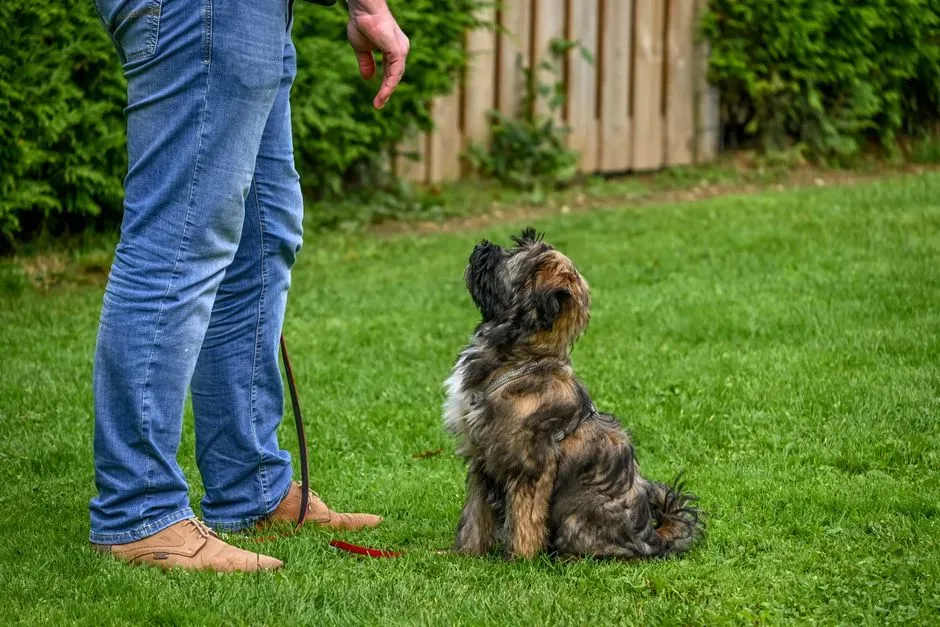
Sit. Stay. Come. Lie down. You taught your dog these basics early and you’ve enforced them every day since, not because you read a training manual but because a well-behaved dog is a safe and happy dog. You knew that from experience.
Training is essential for every dog, no matter how big or small. A well-trained dog is a happy dog, and a happy dog makes for a happy owner. There’s nothing trendy about that. It’s just true.
#9. You Trim the Nails on a Schedule
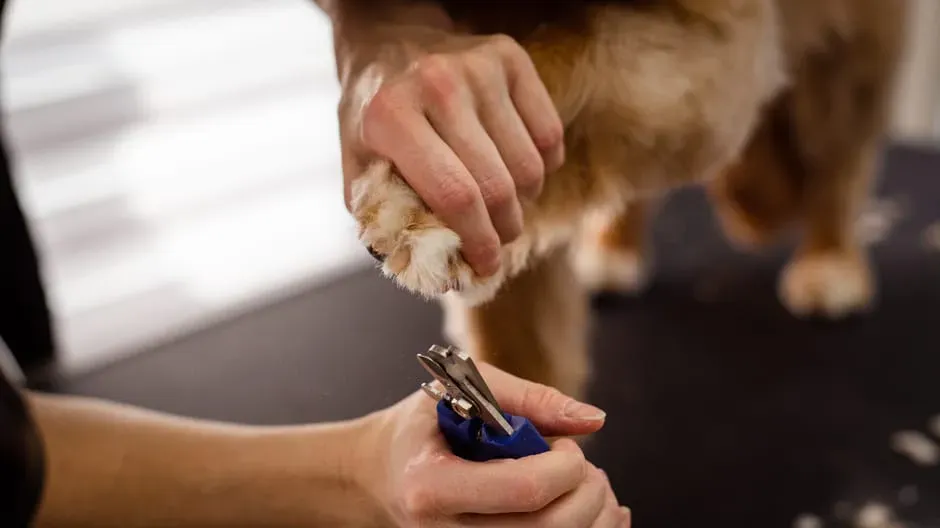
You’ve watched what happens when nails get too long. The clicking on the floor, the awkward gait, the dog trying to shift its weight in uncomfortable ways. So you trim them regularly, and you’ve always considered it a basic act of care.
Overgrown nails can create problems throughout the body, especially in the back and hips. When vets see a pet come in with pain symptoms, the feet are often the first place they look. Nail trims should account for the posture of the pet and how the pet moves after the trim. That old instinct to keep nails short? Dead right.
#10. You Clean Your Dog’s Ears Without Being Asked
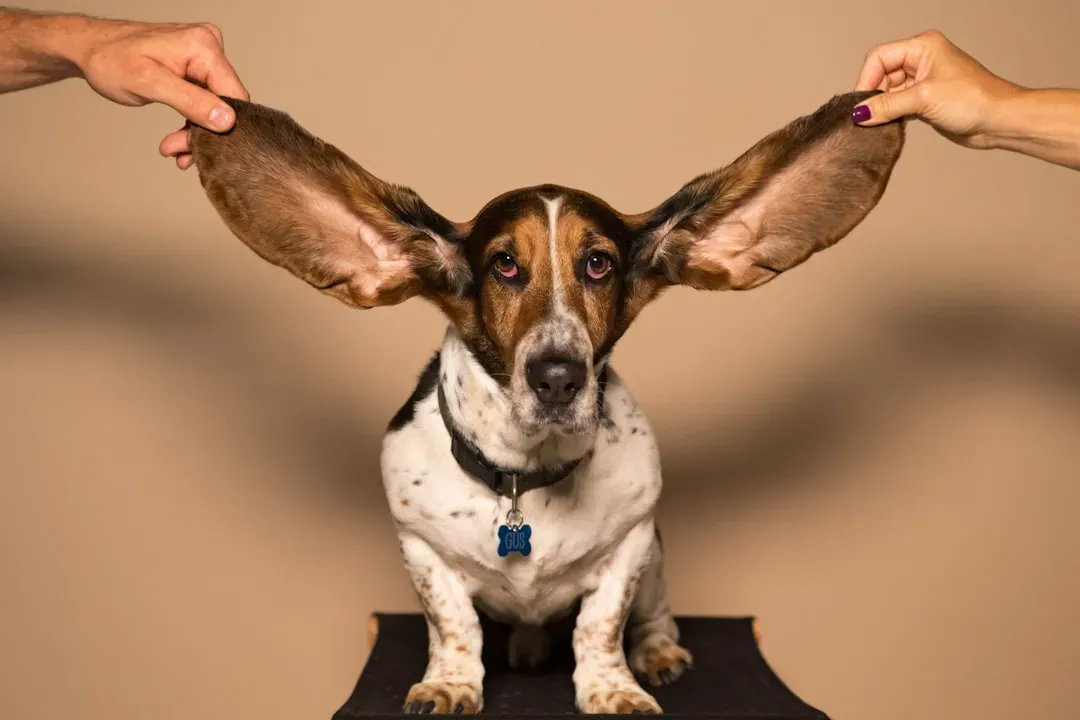
You’ve been doing it long before anyone made a branded pet ear cleaning kit. A regular wipe-down, a check for redness or odor, a simple part of the grooming routine you’ve always kept. It’s not complicated, but it matters enormously.
Ears should be cleaned using ear cleaner approved for use in dogs. Regular ear cleaning will prohibit the buildup of dirt and debris that could lead to ear infections. Your low-tech, high-consistency approach has always been the right one.
#11. You Watch Your Dog’s Weight
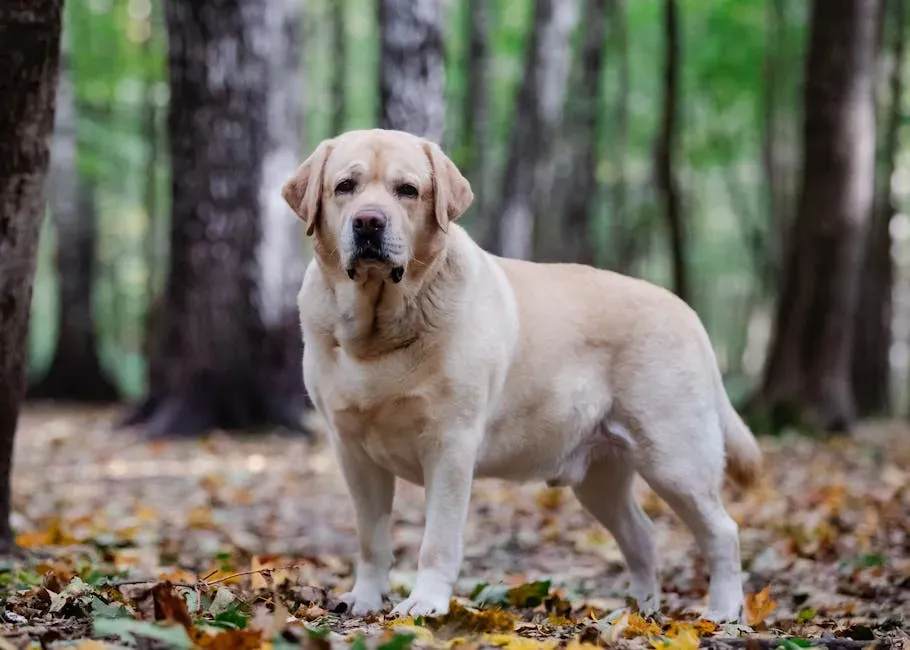
You don’t need a vet to tell you your dog has put on a few pounds. You can see it, you can feel it when you run your hand along their ribs, and you adjust the food accordingly. That visual, hands-on awareness is genuinely valuable and vets appreciate it.
Research shows that leaner dogs live longer and have fewer health problems. Keeping an eye on body condition isn’t just an old-school habit. It’s one of the most important things a dog owner can do for long-term health.
#12. You Socialize Your Dog Early and Often

You introduced your dog to neighbors, kids, other dogs, and new environments from a young age. Not because you read about the socialization window, but because an unfriendly or frightened dog always struck you as a failure of upbringing.
Exposing dogs to different people, places, and animals helps them learn how to behave in different situations. It’s important to start socialization early, ideally before they’re four months old, so they have plenty of time to adjust to all kinds of different environments. Your instinct to get the dog out into the world was exactly right.
#13. You Keep a Consistent Daily Routine
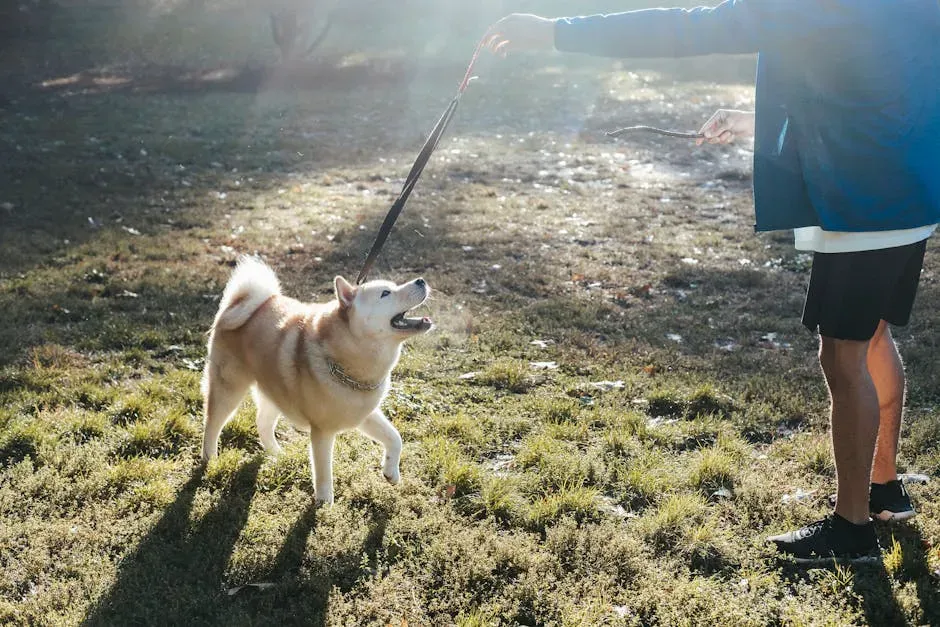
Walk at seven, breakfast at eight, play in the evening, same bed at night. You’ve always believed dogs do better with structure, and you’ve never deviated from it without a very good reason. That consistency isn’t rigidity; it’s kindness.
Maintaining a consistent, low-stress routine can help manage and even slow behavioral changes in dogs, particularly as they age. The routine you’ve kept for years turns out to be a wellness strategy.
#14. You Feed a Quality, Established Dog Food Brand
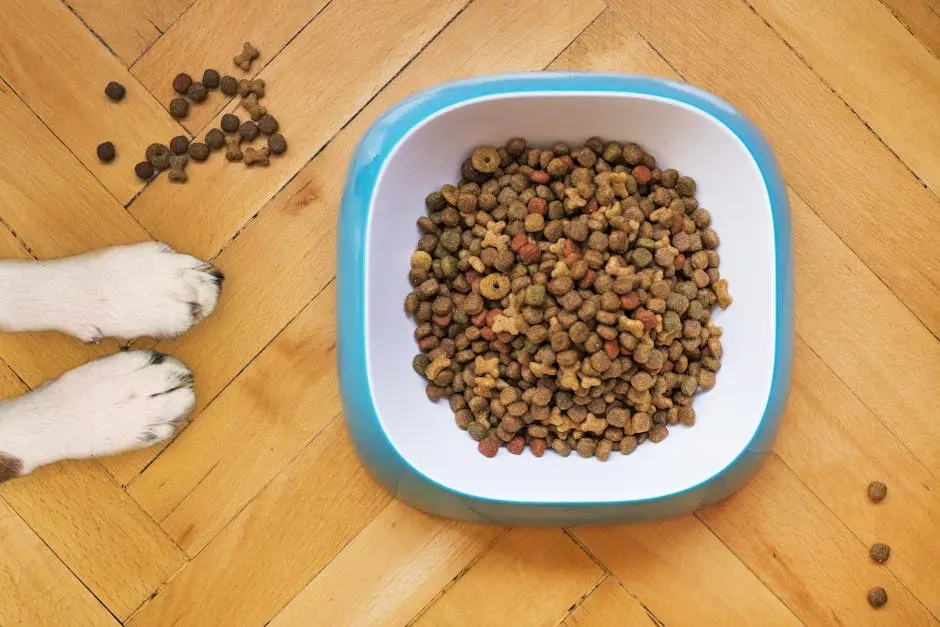
You didn’t switch to raw the moment it became trendy. You stuck with a reputable brand that your dog has done well on for years. You’ve quietly ignored the boutique food panic because your dog’s coat is shiny and their digestion is fine.
Many of the diets being pushed by pet stores are simply not nutritionally balanced and can even lead to certain diseases in dogs. The better approach is to pick a reputable company that staff board-certified veterinary nutritionists to formulate their diets and who perform feeding trials. Your loyalty to proven brands is actually the smart play.
#15. You Pick Up After Your Dog Every Single Time

You’ve always carried bags on every walk. Not because you’re trying to be a model citizen, but because leaving waste on the ground strikes you as disrespectful to neighbors and bad for public health. That instinct hasn’t changed.
Always carrying bags to pick up and dispose of your dog’s waste during walks is a practice that keeps public spaces clean and prevents the spread of disease. Old-school consideration for others turns out to also be old-school disease prevention.
#16. You Use Parasite Prevention Year-Round
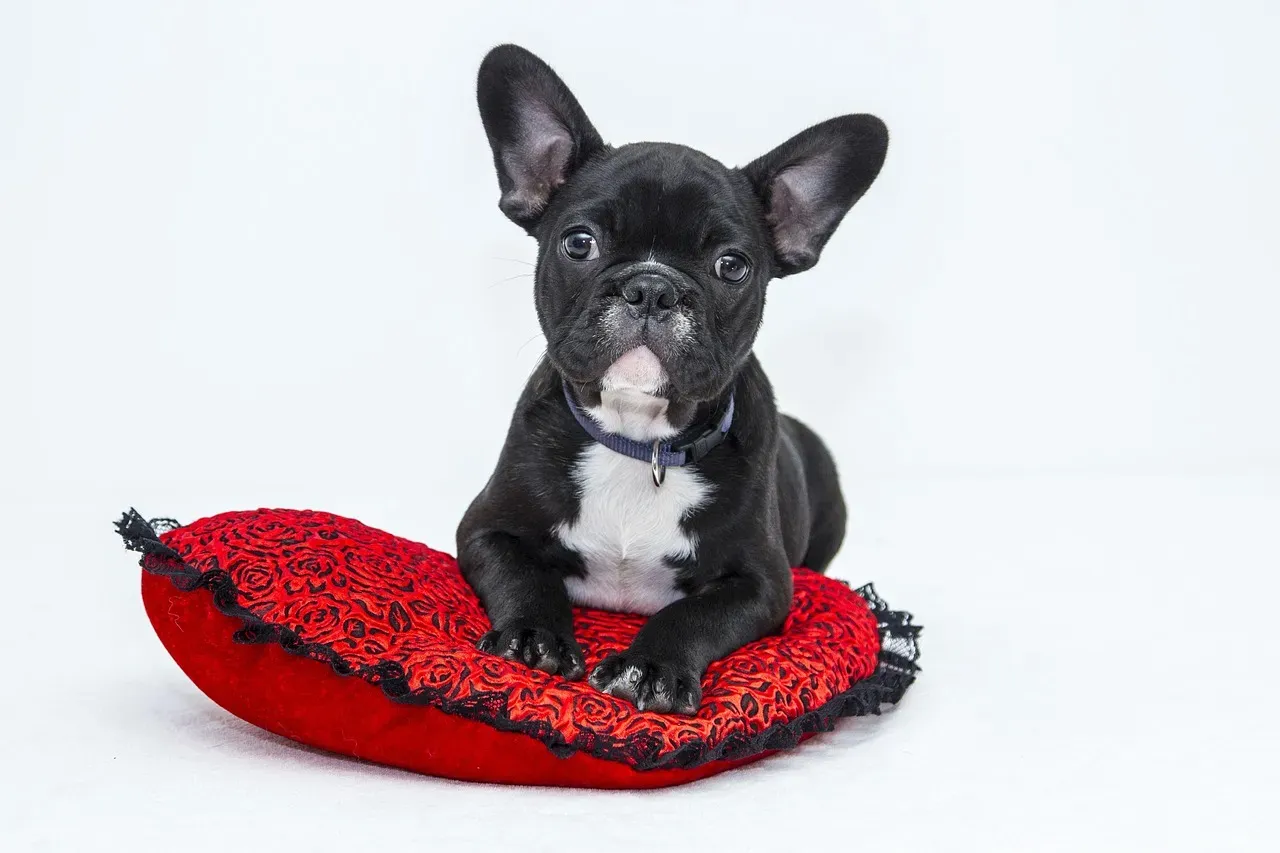
Flea and tick prevention has been part of your routine since before there were monthly chewables. You’ve always understood that parasites don’t take a season off, and neither should you. Your vet’s consistent advice has only confirmed what you already do.
Year-round parasite prevention blocks fleas, ticks, heartworms, and intestinal worms that spread disease to dogs and people. Your vet will tailor products to climate, travel, and lifestyle, combining topical, oral, or collar options as needed. Your habit predated the modern product range, but the habit itself was always sound.
#17. You’ve Always Kept Toxic Substances Out of Reach

Cleaning products are latched. The garage is off-limits. Certain plants were never brought into the house once you got a dog. You’ve done this instinctively for years, long before the internet started circulating lists of household hazards.
Be sure to keep harmful chemicals like cleaning supplies, antifreeze, and certain plants out of reach of pets. Puppies, who love to chew, are especially at risk for ingesting these toxic substances. A tidy, hazard-aware home is timeless dog ownership at its best.
#18. You Don’t Overfeed Treats
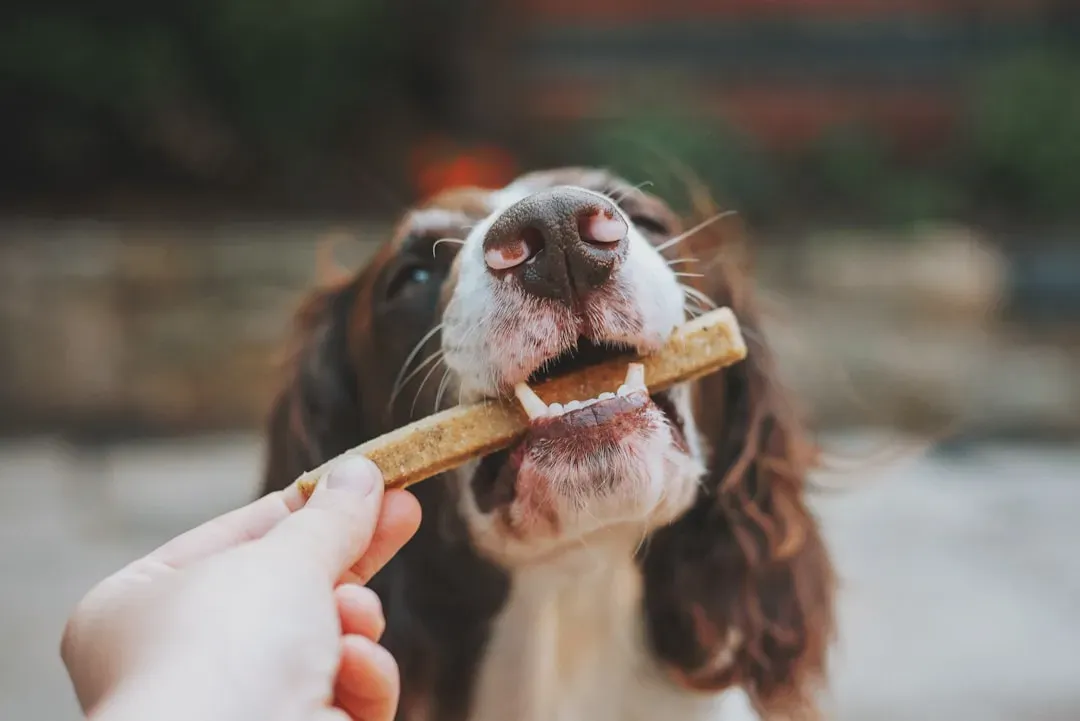
You give treats for good behavior and the occasional moment of affection, but you’ve never let them replace a meal or balloon into a constant habit. You’ve always sensed that too many treats leads to a spoiled, overweight dog, and your instinct was correct.
Avoiding unhealthy treats and table scraps can help prevent obesity, which is linked to joint issues, diabetes, and other long-term health problems. Restraint with the treat bag isn’t stinginess. It’s just good sense.
#19. You Notice Changes in Your Dog’s Behavior Quickly
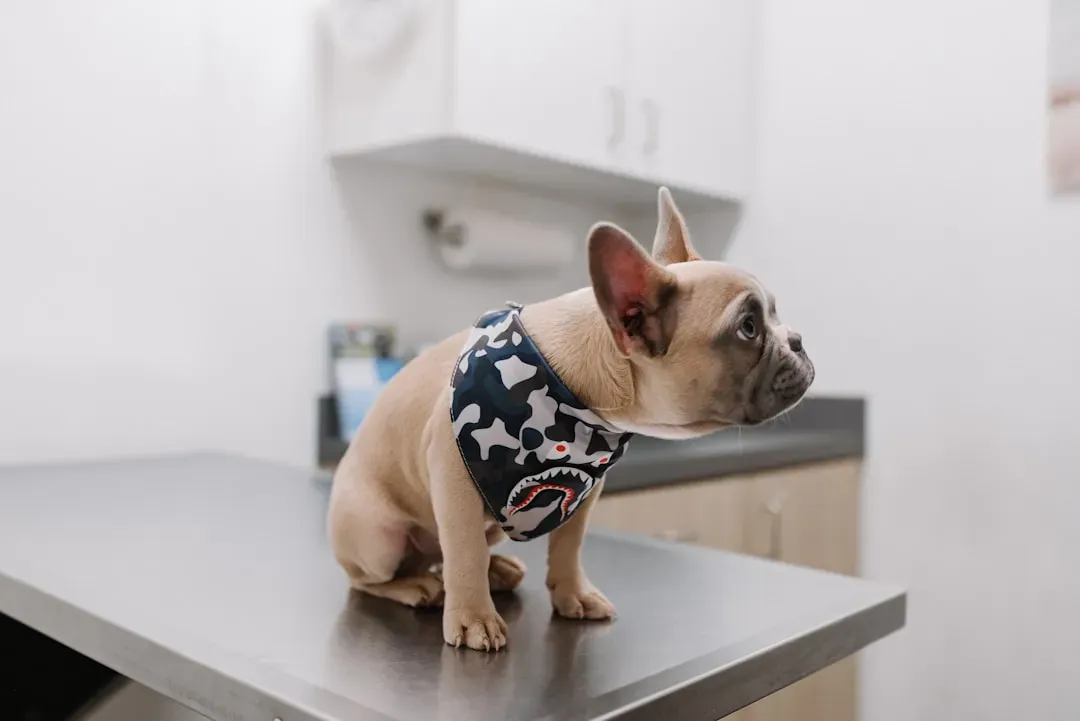
You’ve spent so much time around your dog that anything even slightly off registers immediately. A change in energy, a reluctance to eat, an unusual posture. You don’t Google it obsessively, but you do call the vet when something feels genuinely wrong.
Pets are masters at hiding illness, so subtle changes in behavior can indicate health problems. Watching for signs such as decreased appetite, unusual lethargy, or changes in bathroom habits matters. Early detection through careful observation and regular veterinary exams allows for prompt treatment and better outcomes.
#20. You Brush Your Dog’s Teeth
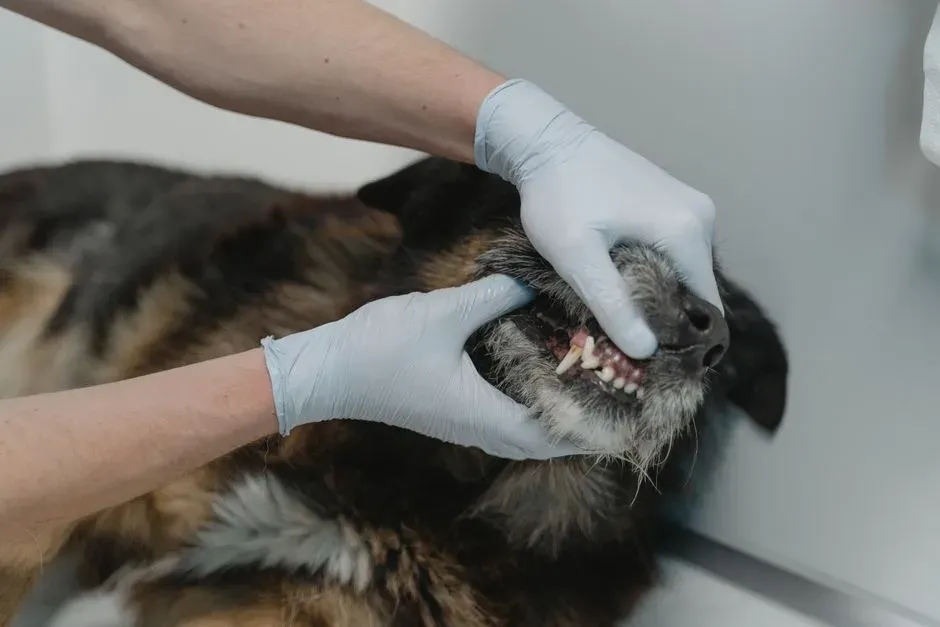
It might have started as something your vet recommended once and you just never stopped doing it. Or maybe you always understood that a dog’s mouth needs attention just like their coat does. Either way, it’s one of the most overlooked habits that actually matters.
Dental disease is by far the most common disease veterinarians see every single day, and it is so preventable. Oral health is a vital component of overall wellness that many pet owners underestimate. Poor dental hygiene can lead to pain, infection, and even organ problems. Brushing is one habit worth keeping forever.
#21. You Give Your Dog a Warm, Dedicated Sleeping Spot
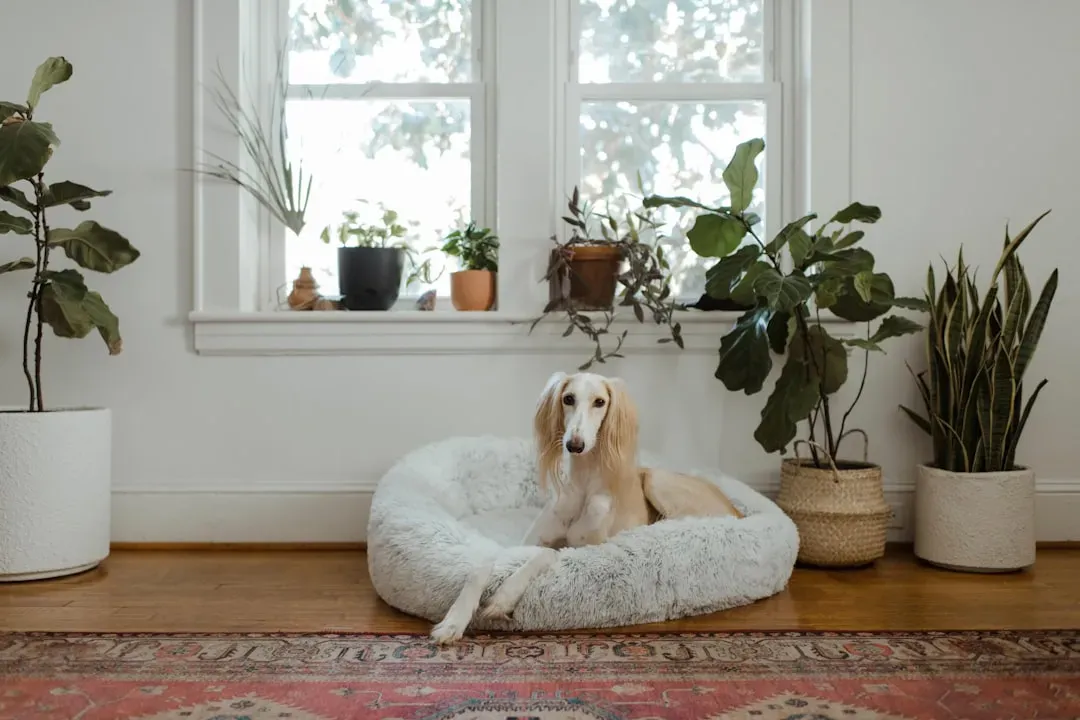
Your dog has always had a specific place to sleep, something warm, predictable, and their own. Whether that’s a dog bed, a blanket in the corner, or yes, the end of your bed, that consistency matters more than people realize.
Your pet needs a warm, quiet place to rest, away from all drafts and off the floor. A training crate or dog bed is ideal, with a clean blanket or pillow placed inside. A dedicated sleeping space isn’t a luxury. It’s a fundamental part of keeping a dog comfortable and settled.
#22. You’ve Always Kept Your Dog on a Leash in Public
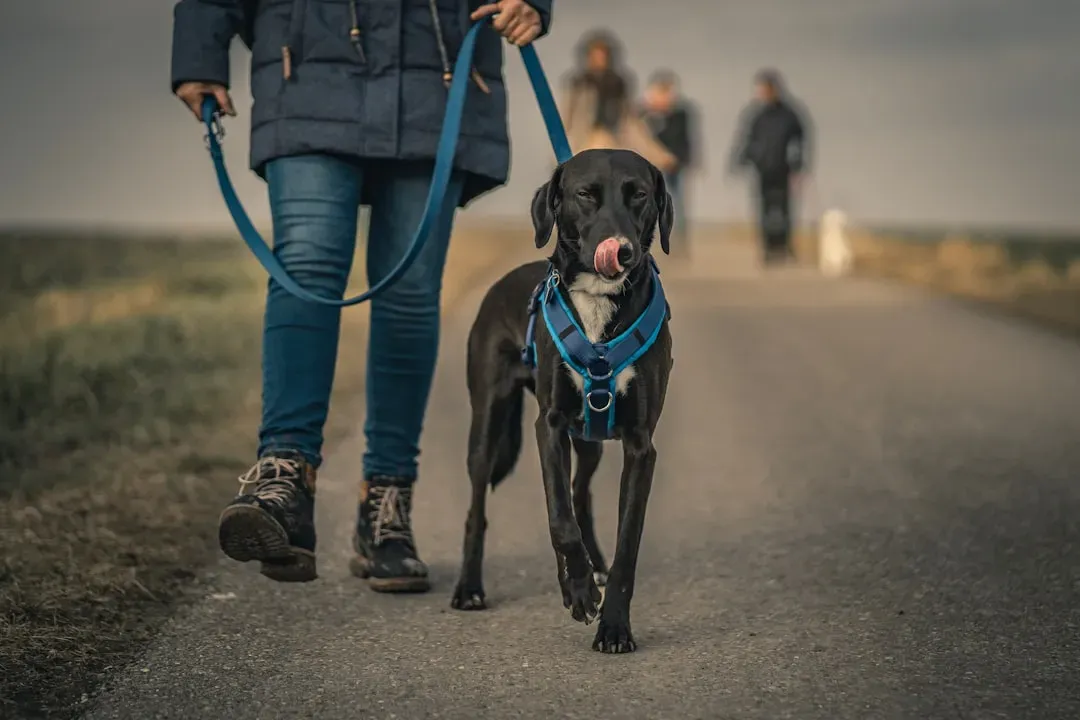
You don’t trust fate when it comes to roads, other dogs, or unpredictable situations. The leash goes on without discussion. You’ve never understood owners who let their dogs run loose in busy areas, and you’ve never been one of them.
Keeping your dog on a leash when you are outside, unless in a secured, fenced-in area, is one of the most basic safety practices for dog owners. This is the kind of rule that exists because not following it costs dogs their lives. You’ve always understood that.
#23. You Keep Vaccination and Health Records Organized
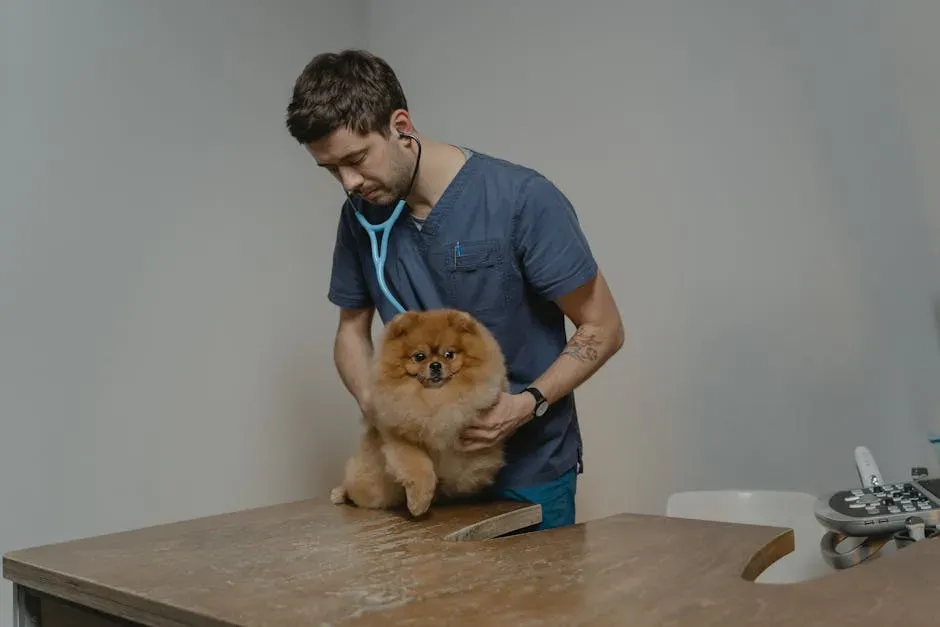
There’s a file somewhere in your home, a folder or an envelope, with all of your dog’s records inside. Vaccination dates, vet visit notes, medication history. You started keeping track early and never stopped.
Keeping a digital or physical copy of records means you can share proof instantly when needed, whether it’s for boarding, travel, or an emergency visit with an unfamiliar vet. That old habit of keeping paperwork has saved more than a few headaches.
#24. You Spayed or Neutered Your Dog Without a Second Thought
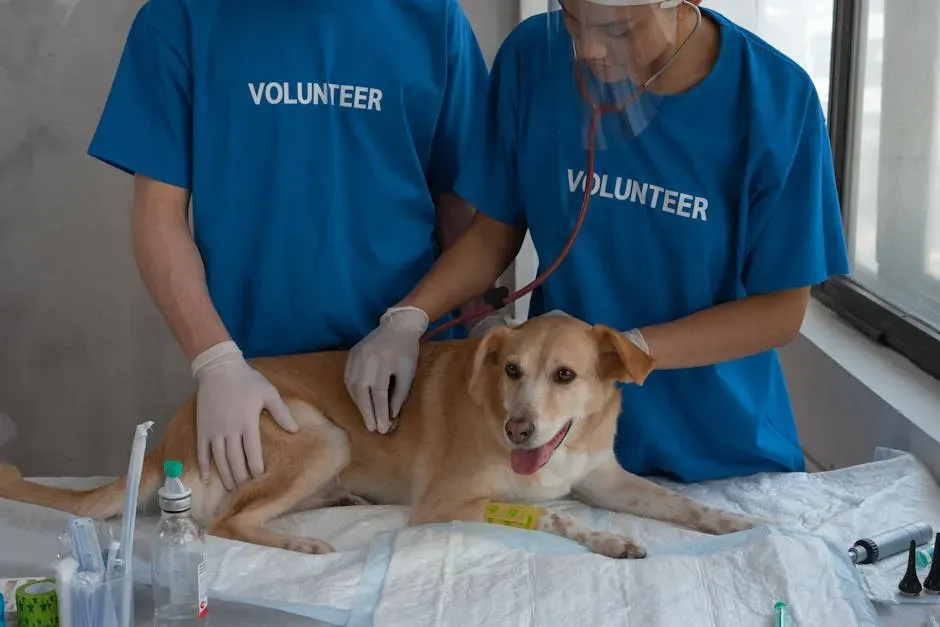
It was never a debate for you. You weren’t breeding the dog, so you had it done. You’d always been told it was the responsible thing, and over time, the health evidence only reinforced that belief.
All dogs should be spayed or neutered unless they are being bred. This helps prevent the birth of unwanted puppies and can decrease the risk of certain health issues later on. What felt like common sense turns out to be exactly what the medical consensus recommends.
#25. You Don’t Give Human Medications to Your Dog
Your dog is limping and you have ibuprofen on the counter. You don’t even consider it. You’ve always known that human medicine and dog physiology don’t mix well, and you pick up the phone and call the vet instead.
Never give your dog medication that has not been prescribed by a veterinarian. That rule feels obvious to old-school owners, but it’s still one of the most common mistakes vets deal with. Your restraint has always been the right call.
#26. You Play With Your Dog Every Day
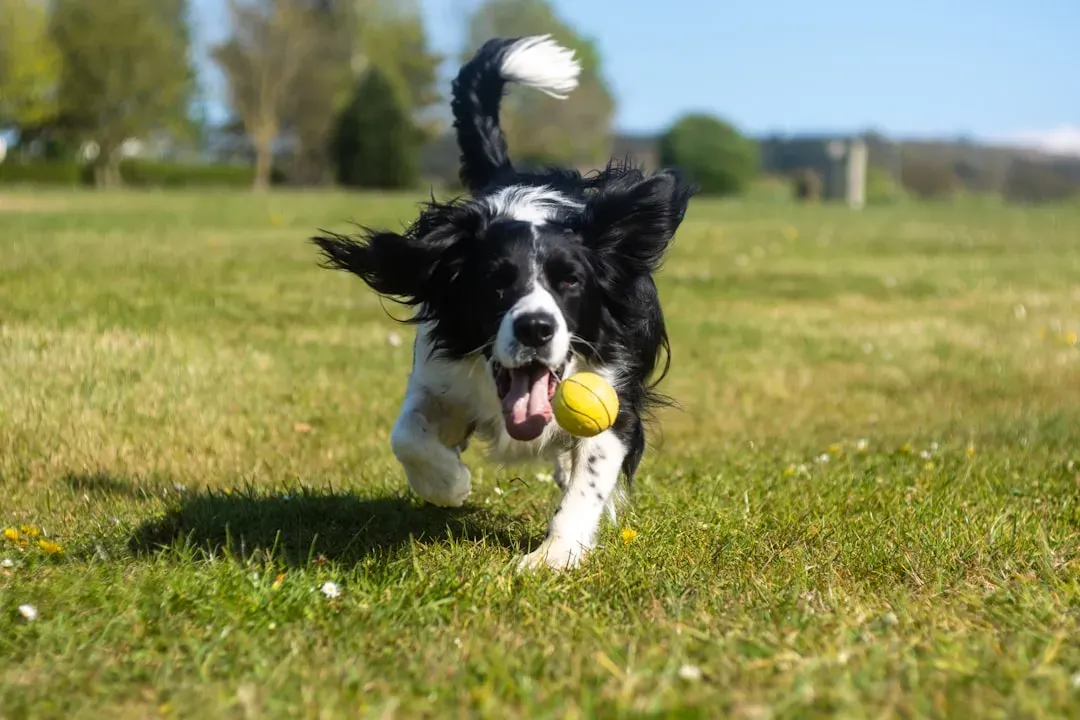
A ball in the yard, a game of tug, a chase around the garden. Play has always been part of the daily rhythm in your home. You didn’t think of it as “enrichment” or “mental stimulation.” It was just fun, for both of you.
Playtime is an essential part of building and strengthening the bond between you and your dog. It allows you to establish a fun and positive relationship while providing a productive outlet for energy. Play helps to stop pets from getting bored, frustrated, and developing behavior problems.
#27. You Keep Your Dog’s Bed and Blankets Clean

You throw the dog bedding in the wash without waiting for it to be visibly disgusting. A clean sleeping area has always felt like part of basic hygiene in your house, and it keeps skin issues and parasites from taking hold.
Regularly washing your dog’s bedding and keeping the environment clean minimizes the risk of parasite infestation. Setting up a routine to wash your dog’s bedding, toys, and any other washable items they frequently use is one of those unglamorous habits that quietly pays off. You’ve always done it.
#28. You Get Senior Dogs Checked More Frequently
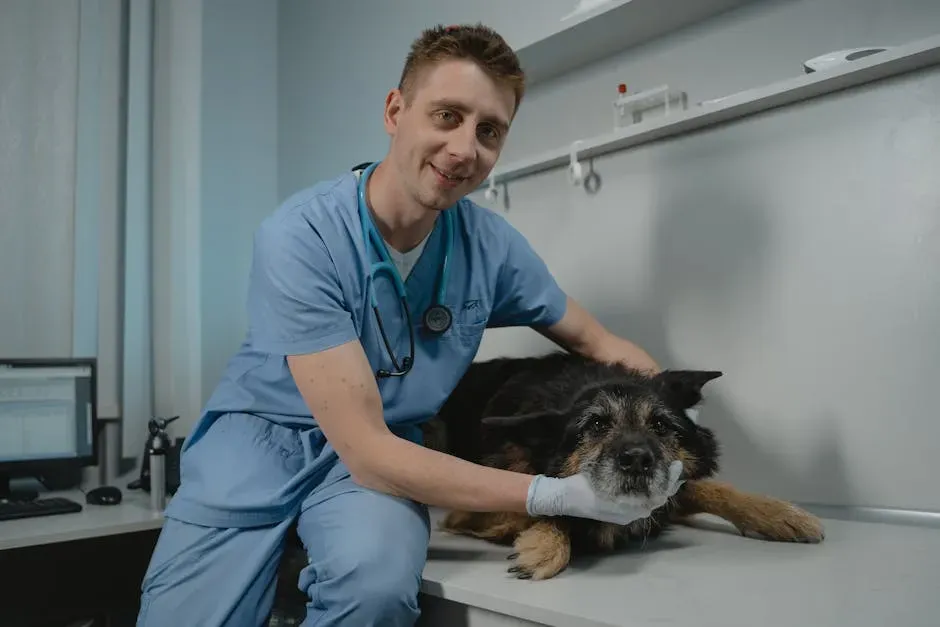
Once your dog crossed into the senior years, you started paying closer attention. More vet visits, more watchfulness at home. You noticed the slowing down, the sleeping more, and you took it seriously rather than dismissing it as just old age.
For senior dogs, it’s recommended to make appointments with your veterinarian every six months. Senior dogs need biannual checkups because pets can age several years over a six-month period compared to humans, so a lot can change quickly. You started those more frequent visits before anyone had to tell you to.
#29. You Teach Your Dog Basic Manners Around Food
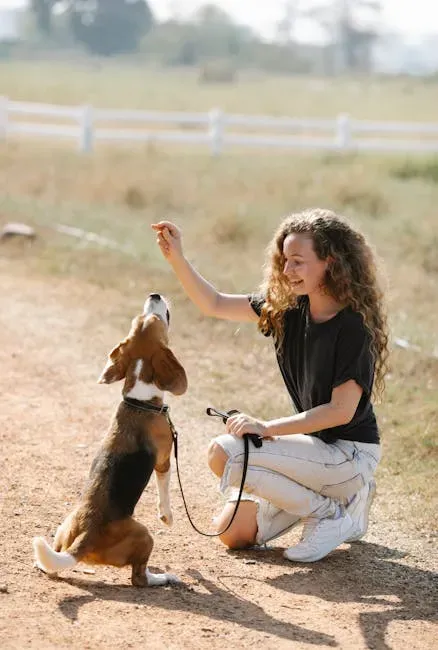
Your dog sits and waits before eating. They don’t beg at the table. You’ve never found that charming, and so it never became a habit in your house. That quiet insistence on mealtime manners reflects a deeper understanding of how dogs feel secure.
Whether it is making your dog sit before feeding them or having them wait for you to walk through doorways, creating habits that help keep your pup’s manners sharp matters. Structure at mealtimes is a form of communication, and your dog has always understood it.
#30. You Check for Fleas and Ticks After Time Outdoors
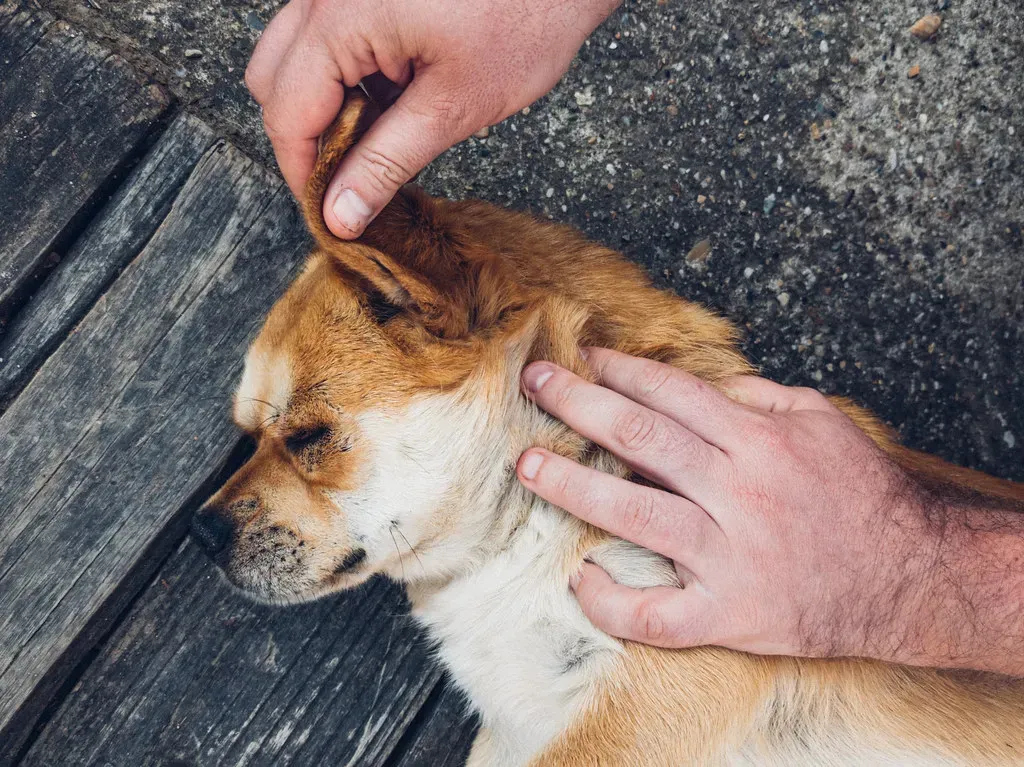
After walks through long grass, woods, or any overgrown area, you run your hands through the dog’s coat. It takes two minutes. You do it automatically, the same way you’d check a child’s hair after summer camp.
Daily inspections of your dog for fleas and ticks during the warm seasons are important. Using a flea comb to find and remove fleas is a habit passed down through generations of dog owners. Modern prevention treatments are better than ever, but your habit of checking still adds a useful layer.
#31. You Keep Your Dog’s Environment Safe and Hazard-Free

You’ve always done a mental scan of any new space before letting your dog loose in it. Exposed wires, loose fence panels, gaps under gates. You look for trouble before it finds your dog. That vigilance is second nature to you by now.
Checking for potential hazards and looking for exposed cords or wires, securing safety gates, repairing loose windows or screens, and removing any plants that are poisonous to your pet is a proactive approach to dog safety that never goes out of style.
#32. You Don’t Panic at Every Little Symptom

Your dog sneezes twice and you don’t rush to the emergency vet. You observe, you give it a day, and you pay attention to whether something escalates or resolves. That measured calm is the mark of an experienced owner who knows their dog well.
If your dog shows any of these signs for more than a day or two, it’s a good idea to schedule a vet visit, but not every minor quirk is a crisis. That seasoned judgment, born from years of knowing your dog, is exactly what vets say helps owners catch real problems versus false alarms.
#33. You’ve Always Considered Your Dog Part of the Family
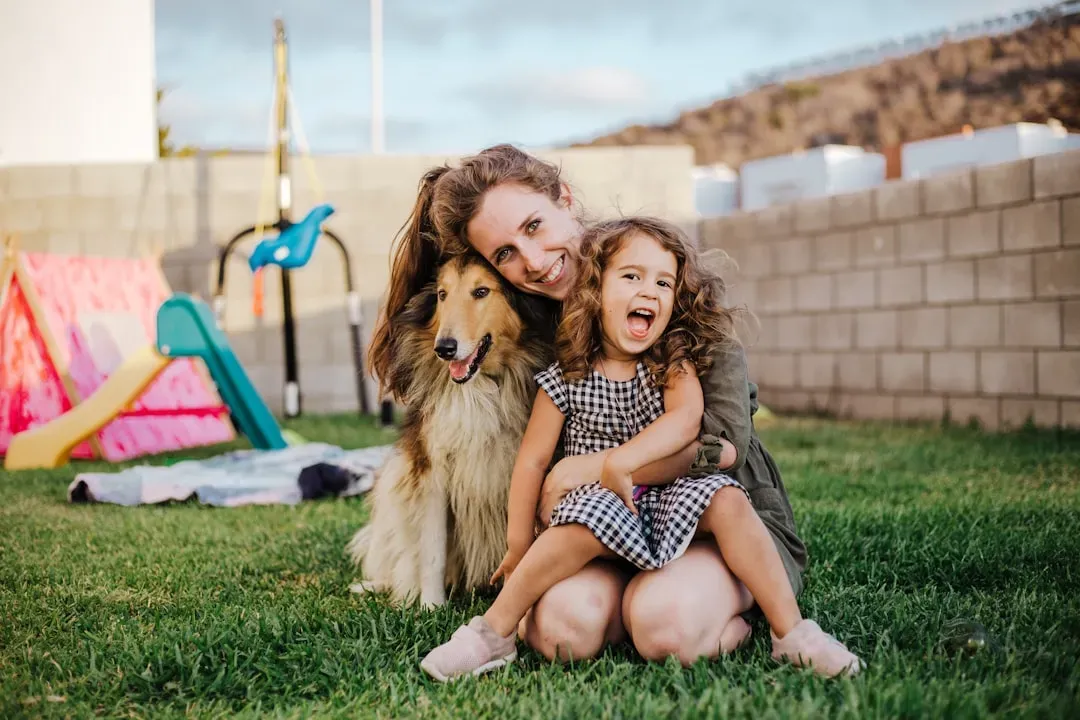
Not a possession, not a garden ornament, not an accessory. A member of the household with needs, feelings, and a place at the center of daily life. That perspective has always shaped how carefully you care for them.
Understanding your pet’s needs is more than just feeding and walking them. It’s about ensuring their long-term health and happiness. That philosophy, simple and old-school as it sounds, is the foundation that every good veterinary relationship is built on.
#34. You Keep Your Dog’s ID Tags Current
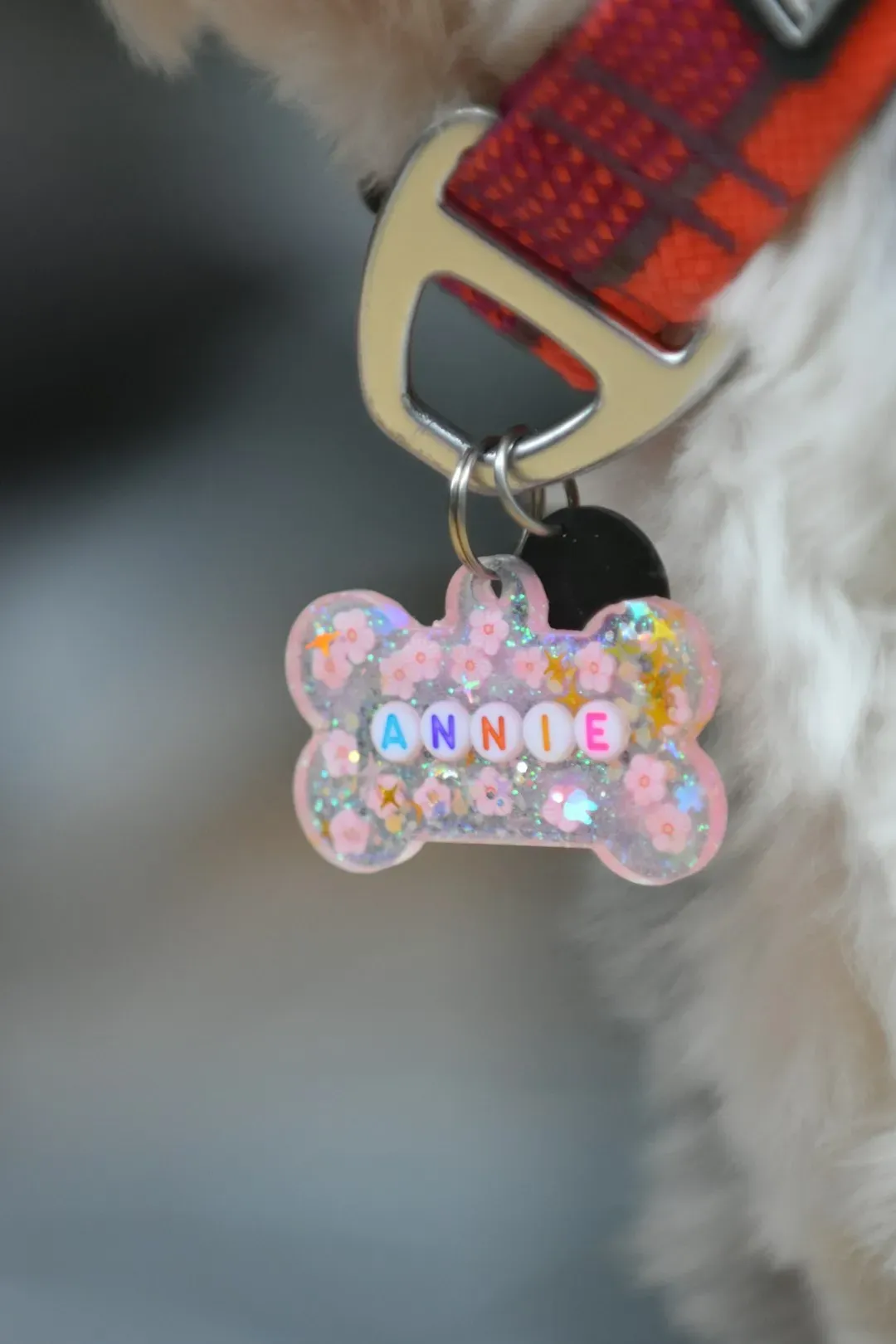
The collar has tags on it. Your phone number is on them. They get updated when you move or change numbers. You’ve always believed that if the dog got out, someone needed to be able to call you immediately. That practicality is priceless.
Rabies vaccination and licensing are required by law in most states. In addition, you should identify your dog with a name tag, tattoo, or computer chip in case they get lost. Old-school ID tags paired with a modern microchip gives your dog two layers of protection. You probably have both already.
#35. You Exercise Yourself With Your Dog
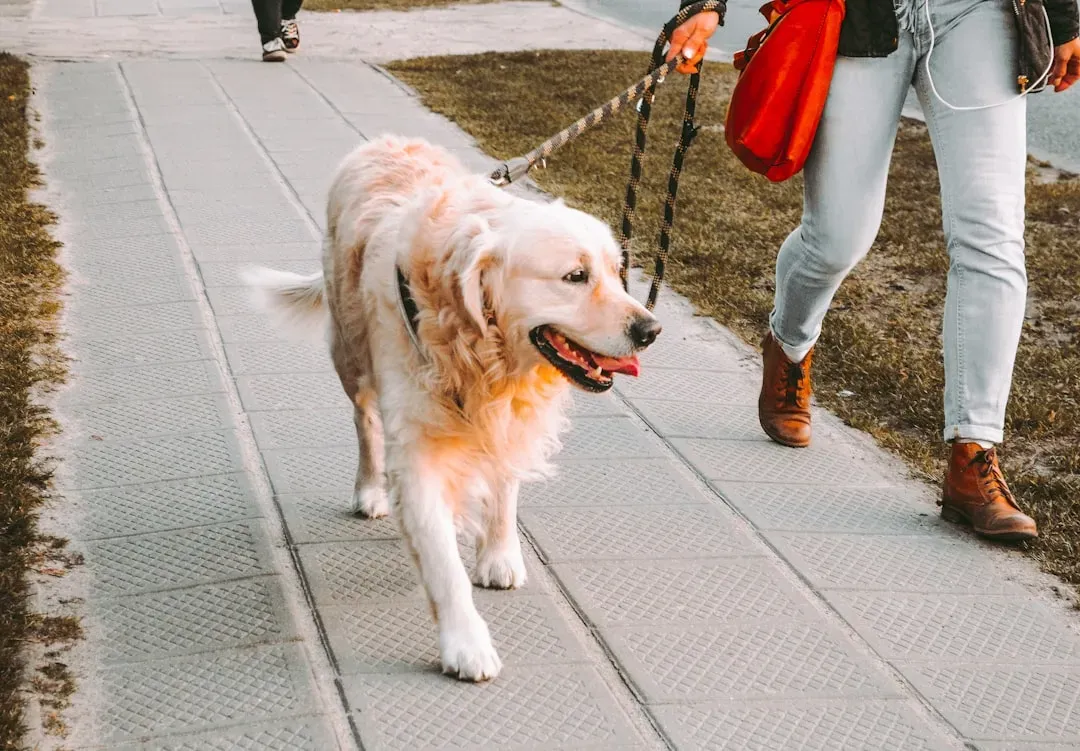
The daily walk has always been a shared activity. You’ve never farmed it out to a dog walker on days when you’re tired. The walk is yours together, and both of you are healthier for it. That bond built through movement is real and it shows.
A good exercise session should last at least 30 minutes daily depending on the age and breed of your dog. It’s not just good for your dog either – it’s a great way for both of you to keep in shape. Walking your dog has always been a two-way benefit. You knew that before the step-counting apps arrived.
#36. You Monitor What Your Dog Eats Off the Ground
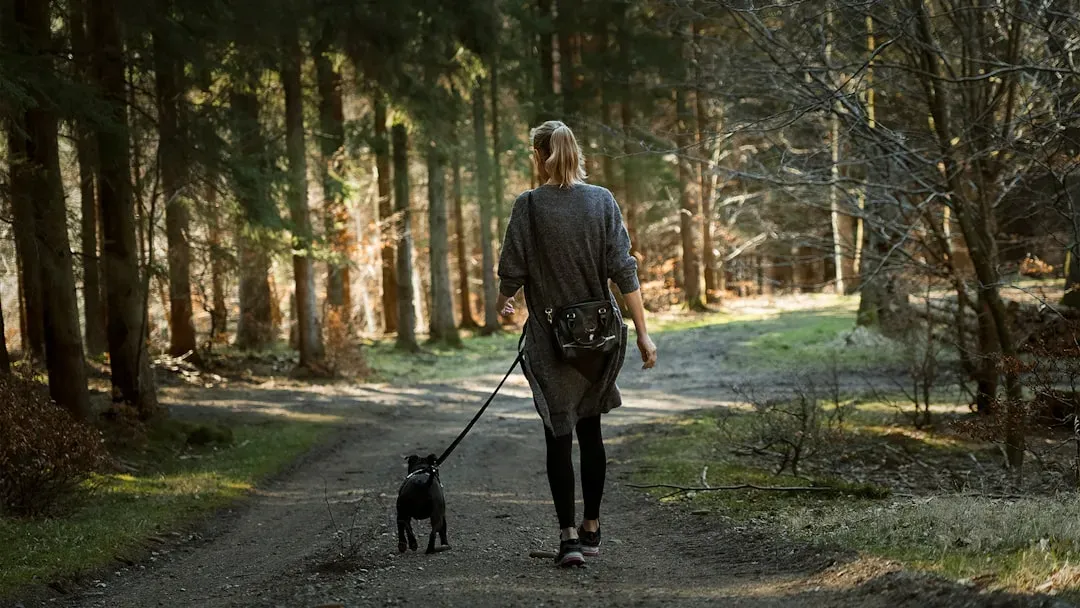
You watch what your dog sniffs and attempts to eat on walks. Not obsessively, but with enough attention to intervene when they’re heading toward something genuinely dangerous. That watchfulness has probably saved your dog from a vet visit more than once.
Being aware of common health issues that affect dogs can help you catch and address problems early. Some frequent health concerns include allergies and sudden changes in behavior. Watching for signs and reporting these to your vet is the kind of attentiveness that old-school owners build up over years of paying close attention.
#37. You Don’t Let Your Dog Get Overheated
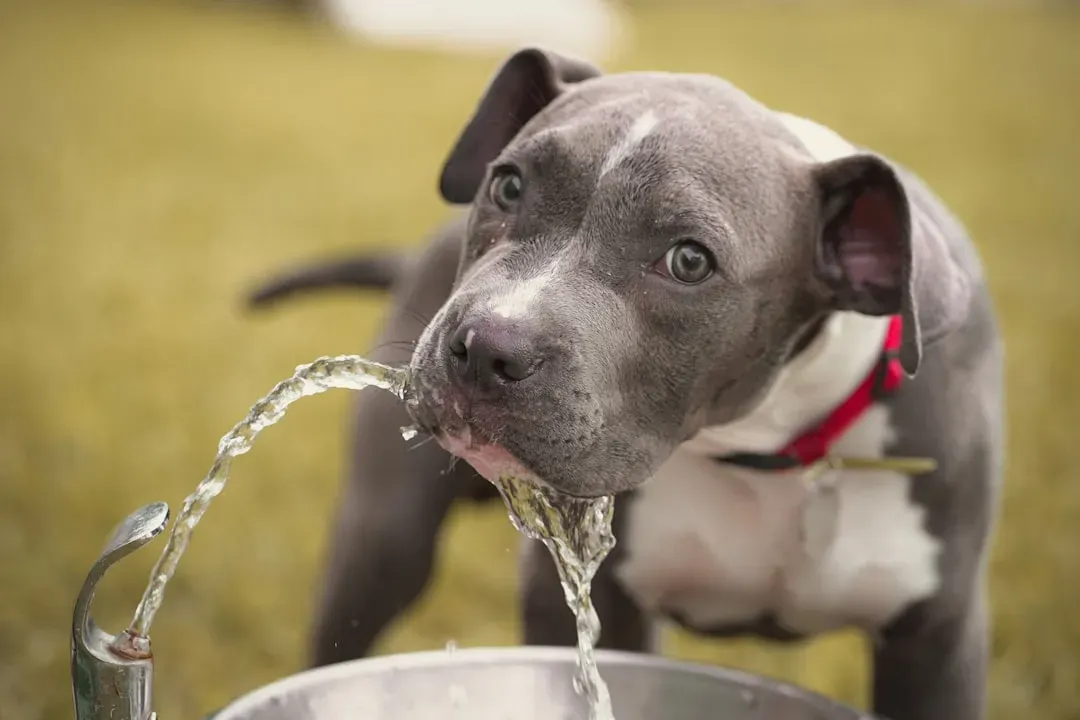
Hot days mean shorter walks, more water, and shade. You’ve never left your dog in a parked car. You check the pavement temperature before walking on hot concrete. These aren’t things you read in a safety article. They’re things you’ve always just known.
Veterinarians remind pet owners that physical activity and mental engagement are vital for a pet’s well-being. Daily exercise helps maintain a healthy weight, strengthens muscles, and supports joint health, but that exercise needs to be matched to the conditions. Your instinct to scale back in summer heat has always been good dog sense.
#38. You Have a Relationship With a Trusted Vet
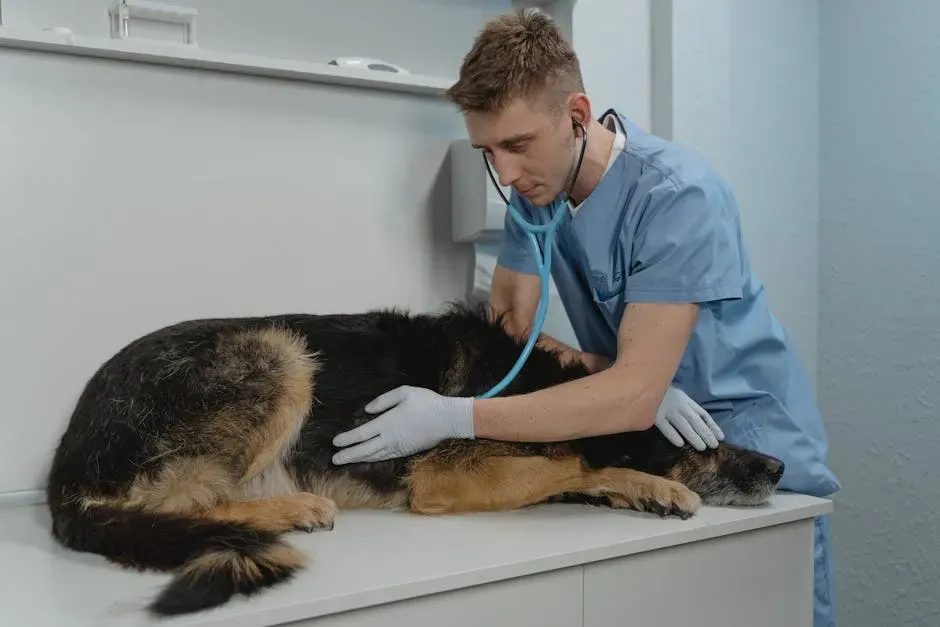
You don’t shop around for vets based on price or trendy wellness add-ons. You found a vet you trust, one who knows your dog’s history, and you’ve stayed. That continuity isn’t stubbornness. It’s the kind of consistency that makes for genuinely better care.
Regular veterinary care allows your pet’s doctor to track health trends over time. Consistency helps catch issues early, develop individualized care plans, and maintain records that support long-term wellness. A long-standing relationship with a vet is one of the most undervalued assets in dog ownership.
#39. You Believe Good Dog Ownership Is About Showing Up Every Day
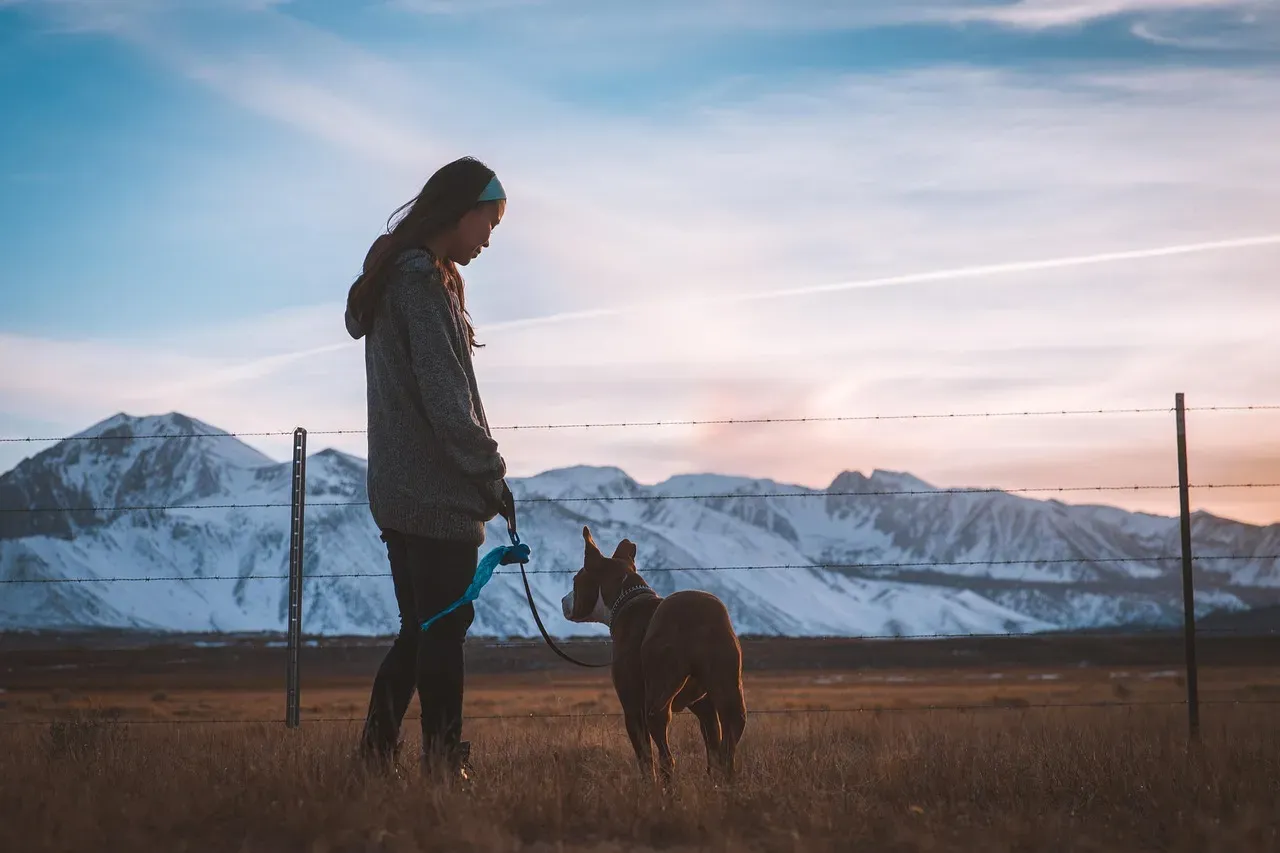
No single act defines an old-school dog owner. It’s the accumulation of small, daily, unglamorous choices. Filling the bowl. Snapping on the leash. Noticing something slightly off. Showing up for the vet appointment even when nothing seems wrong.
Keeping your dog healthy takes more than just daily feeding and exercise. To be healthy, dogs require regular veterinary checkups, grooming, and a safe home environment. That’s it. That’s the whole job. You’ve been doing it right all along.
The Verdict: Old-School Still Has a Lot Going for It
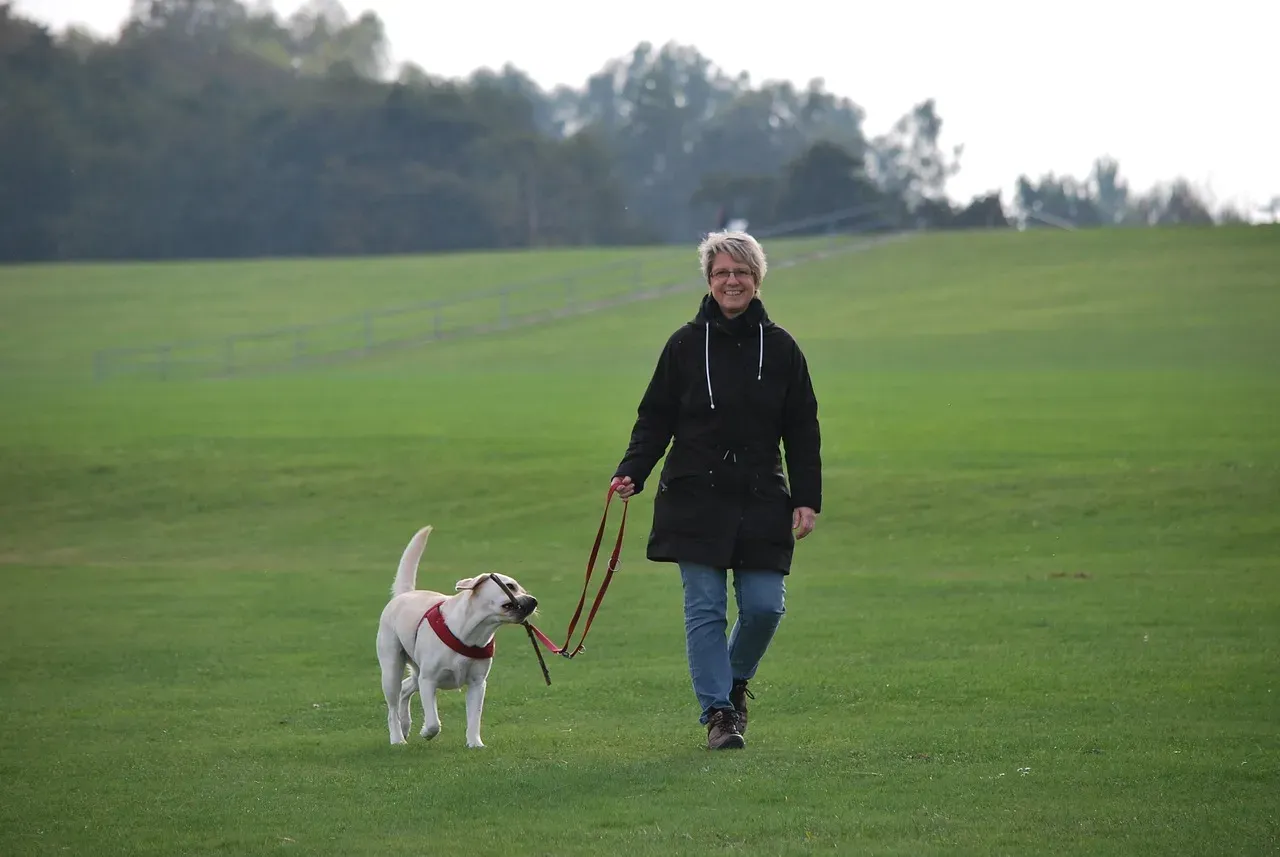
Here’s the honest truth: modern dog ownership has brought some genuinely wonderful advances in veterinary medicine, nutrition science, and behavioral understanding. Some old habits did need to change, and they have. Nobody should still be letting their dog roam loose near traffic and calling it freedom.
Still, a remarkable number of the habits that were passed down through family kitchens and neighborhood yards remain completely, verifiably sound. The daily walk. The consistent feeding schedule. The annual vet visit. The watchful eye. The clean water bowl. These aren’t quaint leftovers from a less-informed era. They’re the foundation that all the high-tech wellness products get layered on top of.
The dog owners who get the most out of those 39 habits listed above aren’t nostalgic. They’re just consistent. And in the long run, consistency beats novelty every time when it comes to the health and happiness of a dog. Your vet might have a fancier clinic than the one your parents took their dog to, but when they look at how you care for yours, the quiet nod of approval is the same one it’s always been.

- 6 Friendliest Dogs That Love People - June 12, 2026
- How Owls See in the Dark — and What It Reveals About Evolution - June 12, 2026
- Tourists Capture Orca Launching Into Acrobatic Flip in Rare Footage - June 12, 2026