

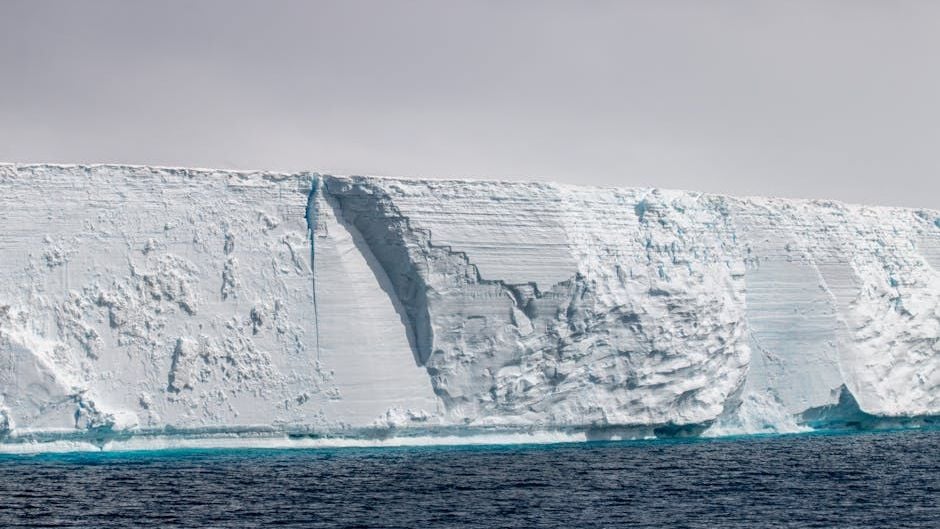
A striking glacier collapse recently took place in Antarctica, offering travelers a direct view of the continent’s rapidly changing ice landscapes. The event occurred amid an expedition organized by HX Expeditions, where participants encountered the sudden disintegration of massive ice formations right before their eyes. This occurrence highlights the accelerating pace of ice loss in the region as global temperatures continue to climb.
Expedition Reveals Dynamic Polar Changes
Travelers aboard HX Expeditions vessels gained rare access to remote Antarctic waters where ice meets the sea. The journey allowed them to observe calving fronts in real time, with even routine ice movements producing dramatic results on a massive scale. Crew members and guests described the profound sense of scale in these environments, where structural weaknesses in ice shelves reach critical points under warming conditions. Such voyages blend exploration with education, helping participants understand the vulnerabilities of polar regions through direct experience. The collapse released enormous volumes of ice into surrounding waters, generating waves that altered local seascapes within minutes. Observers noted how these incidents serve as visceral reminders of how quickly large ice structures can break apart.
Mechanics and Ecological Impacts of Ice Loss
Glacier collapses happen when warming ocean waters erode the base of tidewater formations while surface meltwater infiltrates cracks and speeds up fracturing. In this case, the sudden release illustrated the interconnected forces of atmosphere and ocean driving instability in the ice. Researchers point out that monitoring these triggers aids in predicting similar events across the continent. The influx of freshwater and ice debris disrupts local ecosystems, potentially shifting krill populations that form the base of Antarctic food webs. Penguins and seals dependent on stable ice platforms for breeding encounter habitat challenges when large sections break away. These changes ripple through the Southern Ocean food chain over time.
Global Connections and Human Awareness Efforts
Antarctic ice loss contributes to rising sea levels with effects reaching coastal communities worldwide. Data gathered during expeditions supports climate models that project future melt rates under different scenarios. International research efforts, including satellite monitoring, have enhanced understanding of these trends. Expeditions like those from HX Expeditions act as platforms for public engagement with climate science. Participants often return home with firsthand accounts that boost support for environmental stewardship. Educational elements onboard emphasize both the beauty and fragility of these areas, strengthening calls for conservation to limit further deterioration.
Source: Original YouTube Video
