
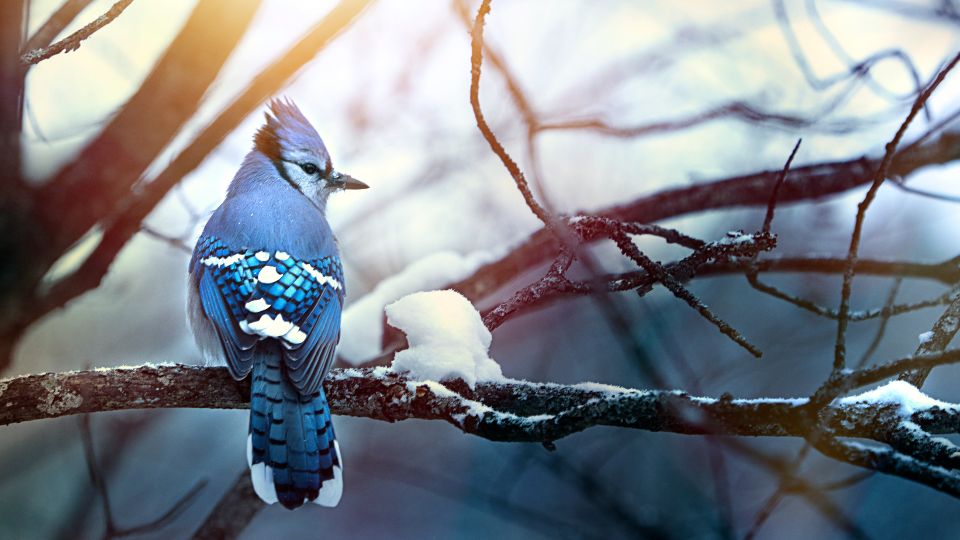
You’re walking through your backyard, minding your own business, and suddenly there it is: a piercing, relentless shriek cutting through the air above your head. You look up. A blue jay stares back at you from a branch, loudly and unapologetically furious. It’s directed at you, and it isn’t stopping.
Most people assume they’ve simply annoyed the bird. The truth is considerably more interesting. Blue jays are far more than just nature’s alarm bells. They possess a diverse vocal repertoire filled with gurgles, rattles, soft whispers, and even uncanny imitations of other birds. That scream you just received was likely one word in a surprisingly complex language, and understanding it changes how you see these birds entirely.
#1: You’ve Been Tagged as a Threat
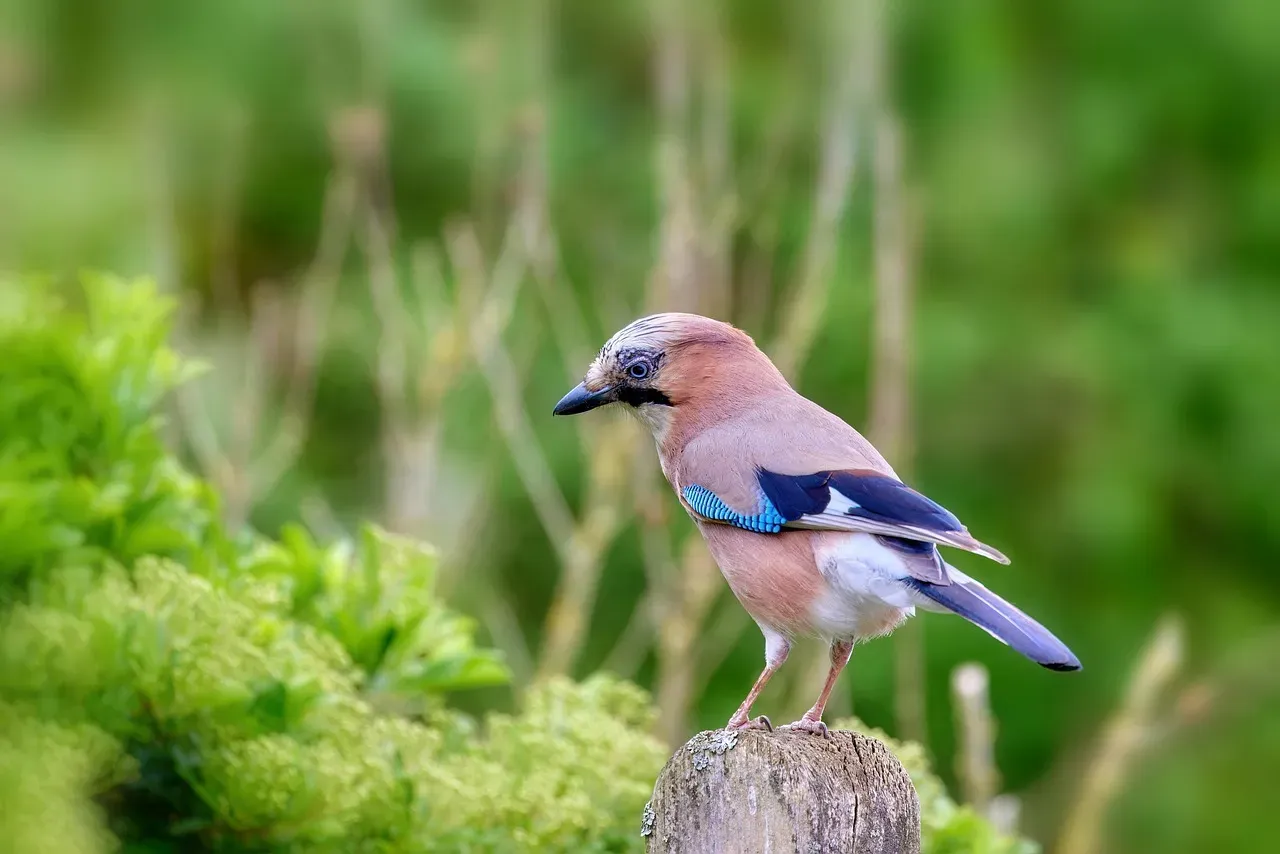
The most immediate reason a blue jay screams at you is straightforward: it has decided you are a potential danger. Blue jays make screaming noises to alert the flock and all other birds of danger, such as a predator in the area. That predator could be a larger bird, a cat, a snake, a human, or another animal. You don’t need to be doing anything aggressive. Simply being close enough to trigger their awareness is enough.
Research on alarm behavior suggests that jays typically begin alarming when threats are roughly 30 to 50 feet away, and alarm intensity increases as the threat approaches. So if the screaming gets louder as you walk closer to a tree, you’re essentially watching the volume dial go up in real time. The jay isn’t overreacting. It’s doing its job precisely as designed.
The alarm calls of one jay will trigger other jays nearby to make alarm calls too, creating a wave of alarm vocalizations that spread through an area. This helps alert many jays at once to potential danger. What started as one bird screaming at you can quickly become a neighborhood-wide announcement.
#2: You’re Too Close to a Nest
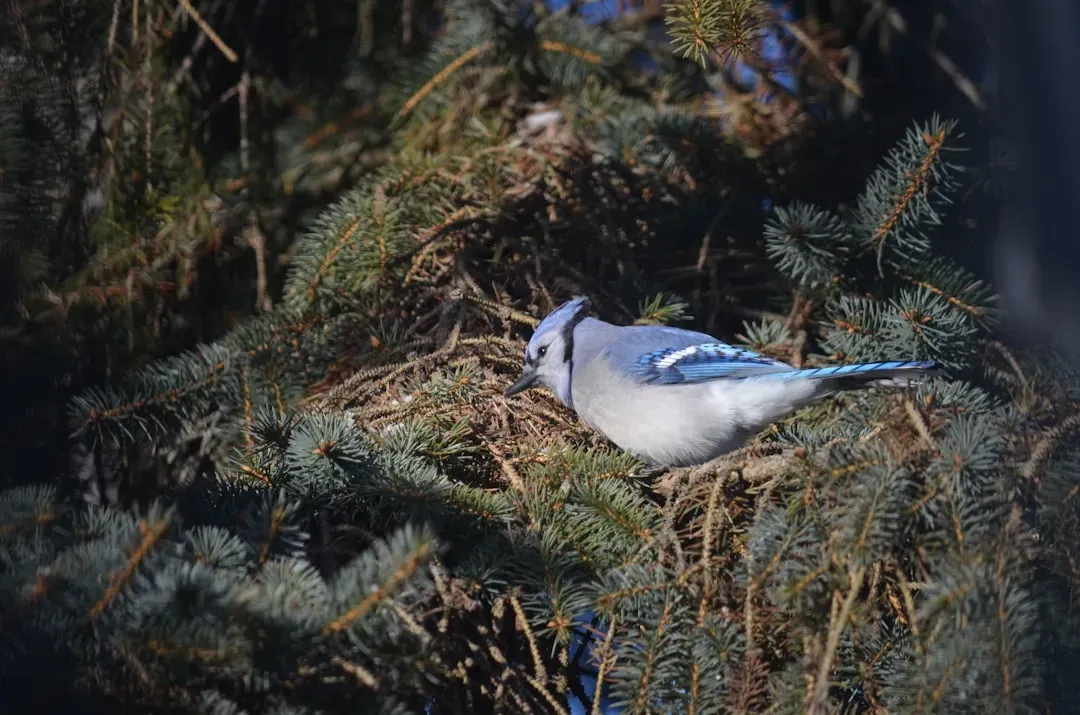
The screams or screeches of blue jays are aggressive territorial calls used to claim space and ward off potential intruders. Screech calls tend to sound higher-pitched and scratchier than alarm calls. They communicate dominance and a bold warning to stay away. This vocalization is especially common near nests and fledglings, as parent jays work to protect their territory and offspring.
Usually, when females are highly involved with their nesting behavior in the summertime, they become more alert about their surroundings. Females become more cautious about protecting their eggs and chicks, so they become more alert and active. If they sense any danger around them, they start screaming at a high pitch to give alarming calls to other birds. It’s worth noting that this behavior isn’t aggression for its own sake. It’s parental instinct running at full volume.
The screeches may be accompanied by aggressive swooping flights at the source of intrusion. If a blue jay has actually dive-bombed you, there’s almost certainly a nest very close by. The wisest response is simply to move away calmly and give the birds their space.
#3: The Call Is Not Just for You
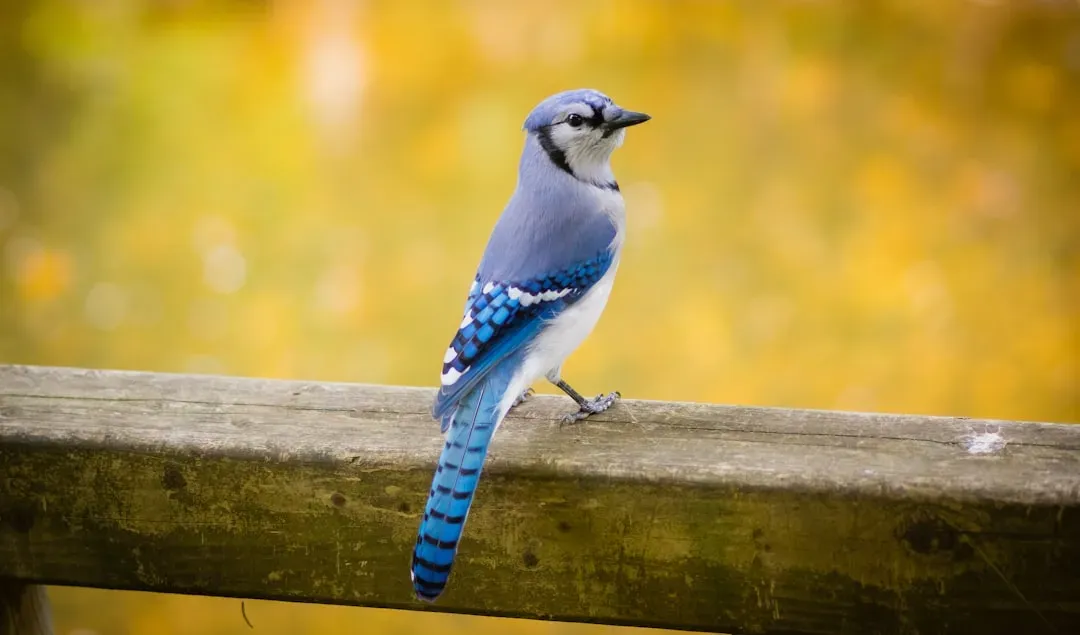
Here’s what often gets missed when a blue jay screams at a human: you are not necessarily the intended audience. Of the common bird species, blue jays provide the loudest and most prominent warnings of danger, which smaller birds often benefit from. That racket overhead ripples outward as a community-wide broadcast. Chickadees, sparrows, squirrels, and other animals in the area all take note.
Chickadees, nuthatches, titmice, and other species respond to jay alarms. Squirrels freeze and watch for danger when jays alarm. Hawks and owls have lower success rates when jays spot them. The blue jay, in this sense, functions as an involuntary security service for everything sharing its habitat. Smaller creatures have evolved to trust the jay’s calls even when they don’t fully understand the source of the threat.
Hunters also take advantage of this blue jay behavior. The phrase “When jays are squawking, something’s walking” serves as a tip that many hunters follow. It means that when blue jays are making a lot of noise, there’s often an animal like a deer walking nearby. That’s the reach of the jay’s voice: meaningful enough that humans have built field wisdom around it.
#4: It Might Be Defending Food, Not Just Territory
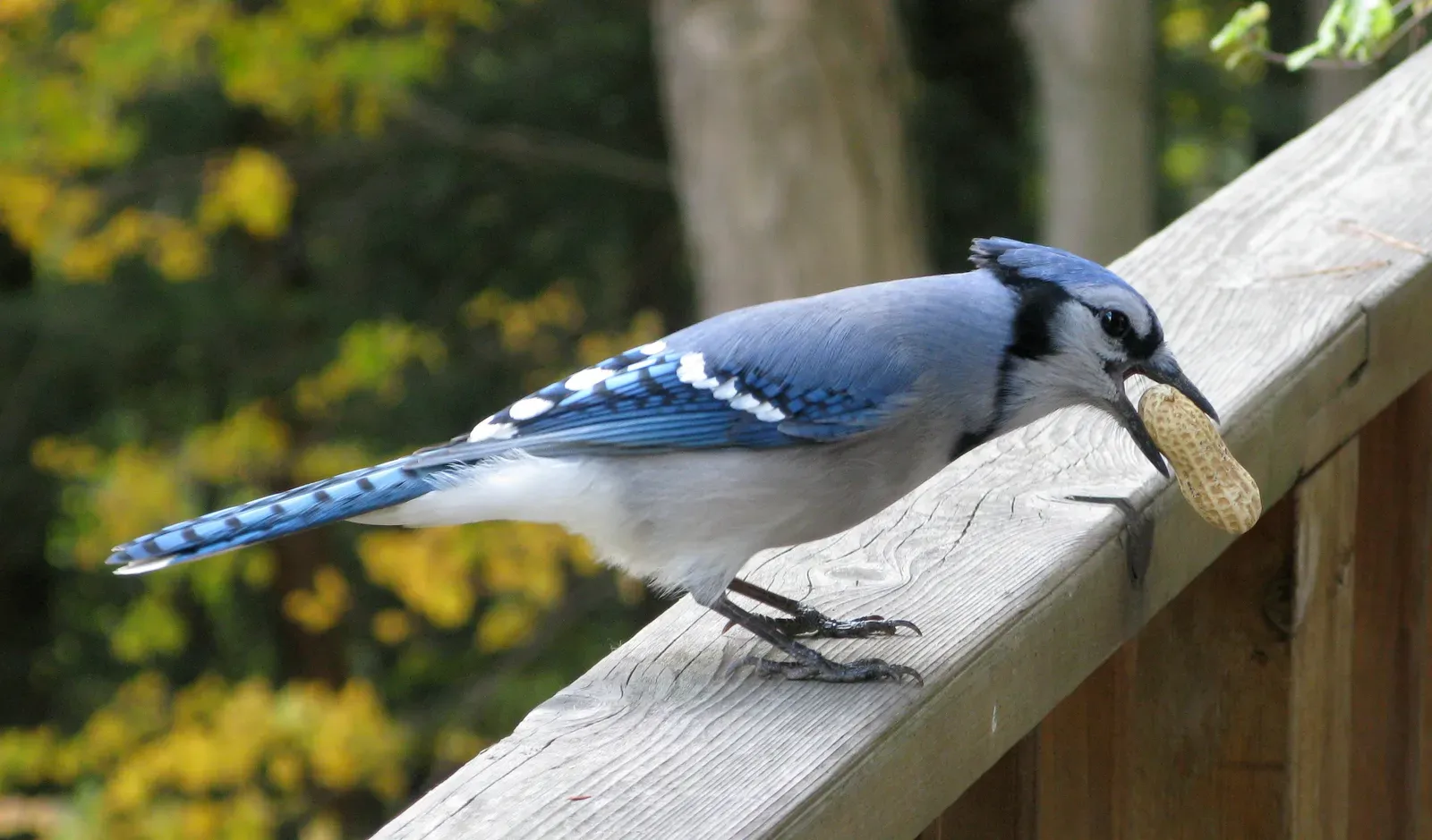
Blue jays are confident, bold, and fiercely territorial, especially when food is involved. At feeders, blue jays often chase away smaller species so they can have the food source to themselves. This territorial behavior isn’t about being mean. It’s survival. When a jay screams at you near a bird feeder, it’s not just personal. You’re standing between it and a resource it considers worth defending.
Another form of communication that blue jays like to use is when they tell others of possible food sources in an area. Usually, they scream to other birds so that they can flock together to notify other members of the flock of the presence of food nearby. The same volume that signals alarm can also signal abundance. Context is everything, which is why understanding the jay’s full vocabulary matters more than simply cataloging individual sounds.
#5: That “Screaming” Hawk Might Actually Be a Blue Jay
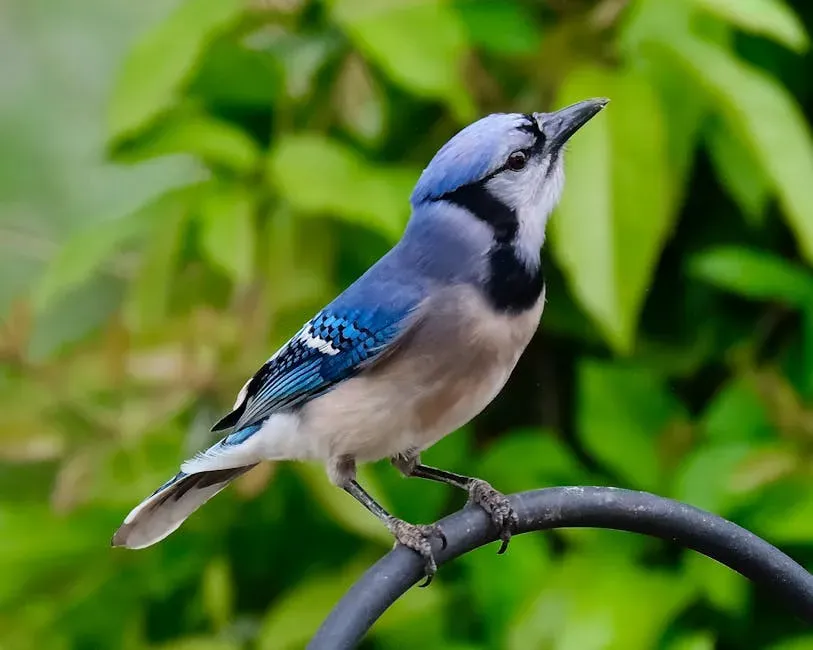
Research documented a study on corvid mimicry finding that blue jays can imitate red-tailed hawks, red-shouldered hawks, Cooper’s hawks, American crows, domestic cats, and even human whistles. This isn’t a rough approximation. The imitation can be precise enough to fool experienced birdwatchers into doing a double take.
Smaller birds like chickadees and sparrows often scatter when they hear it, leaving the feeder wide open for the jay. If you’re wondering why blue jays are screaming at your feeder, the answer is usually that they’re making sure no one else gets the food first. It is, in a word, calculated. While ornithologists and bird behaviorists have debated the full purpose of this behavior for decades, a combination of theories supported by research suggests that this remarkable mimicry serves multiple purposes, highlighting the complex intelligence of these corvids.
Blue jays don’t just randomly copy sounds. They learn vocalizations from their parents and flock members, modify them throughout their lives, and even develop local “dialects” where blue jay populations in different regions sound slightly different. This learned vocal behavior is relatively rare in birds and indicates sophisticated cognitive processing.
#6: Blue Jays Have a Softer Side You Rarely Hear
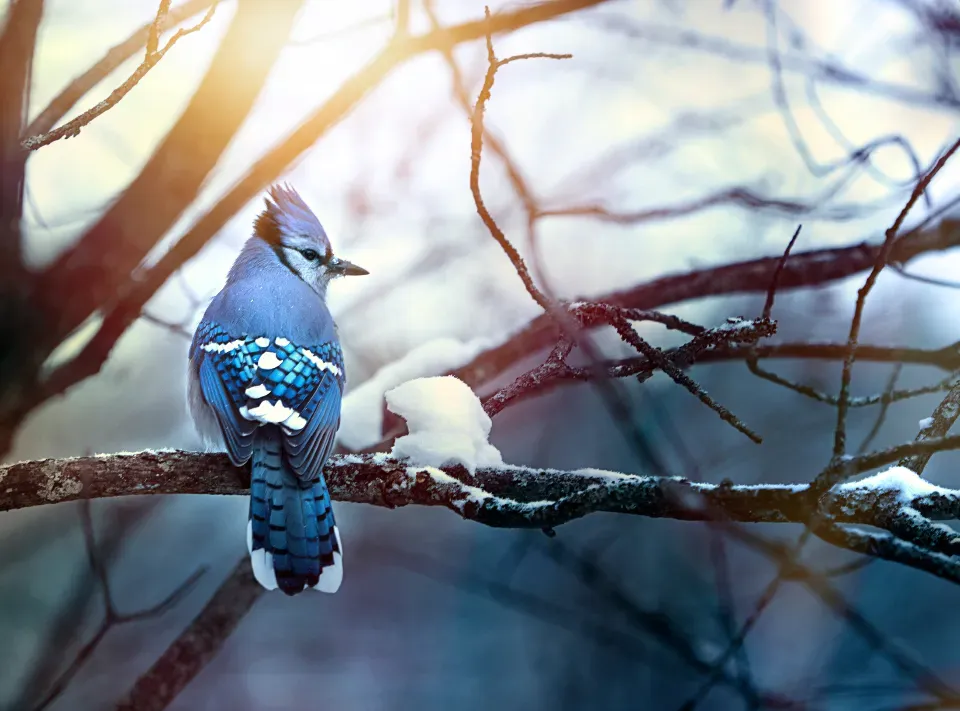
While blue jays are known for their loud, piercing calls, they have a softer musical side as well. At times during the breeding season, mated pairs of blue jays may produce quiet, melodic warbling songs. These soft chirping vocalizations help strengthen the pair-bond between mates. Most people never hear this. The bird has to trust its surroundings deeply before those sounds emerge.
A raised crest plus jeer calls indicates aggression or alarm, while a flattened crest with soft contact calls suggests relaxation and social bonding. The body language and the sound work together as a unified signal system. Within flocks, jays use softer, shorter contact calls to communicate with each other and coordinate their movements. These flock calls are not as loud, shrill, or abrasive as alarm or territorial calls. They have a melodic, musical quality and help jays stay in touch when feeding, traveling, or roosting together.
Blue jay communication behavior changes dramatically based on context, season, and social situation. The same individual jay uses different calls for mate bonding, territorial defense, foraging coordination, predator warnings, and offspring care. The screaming bird and the quietly warbling bird are the same creature. One just hasn’t decided to trust you yet.
What to Do When a Blue Jay Screams at You
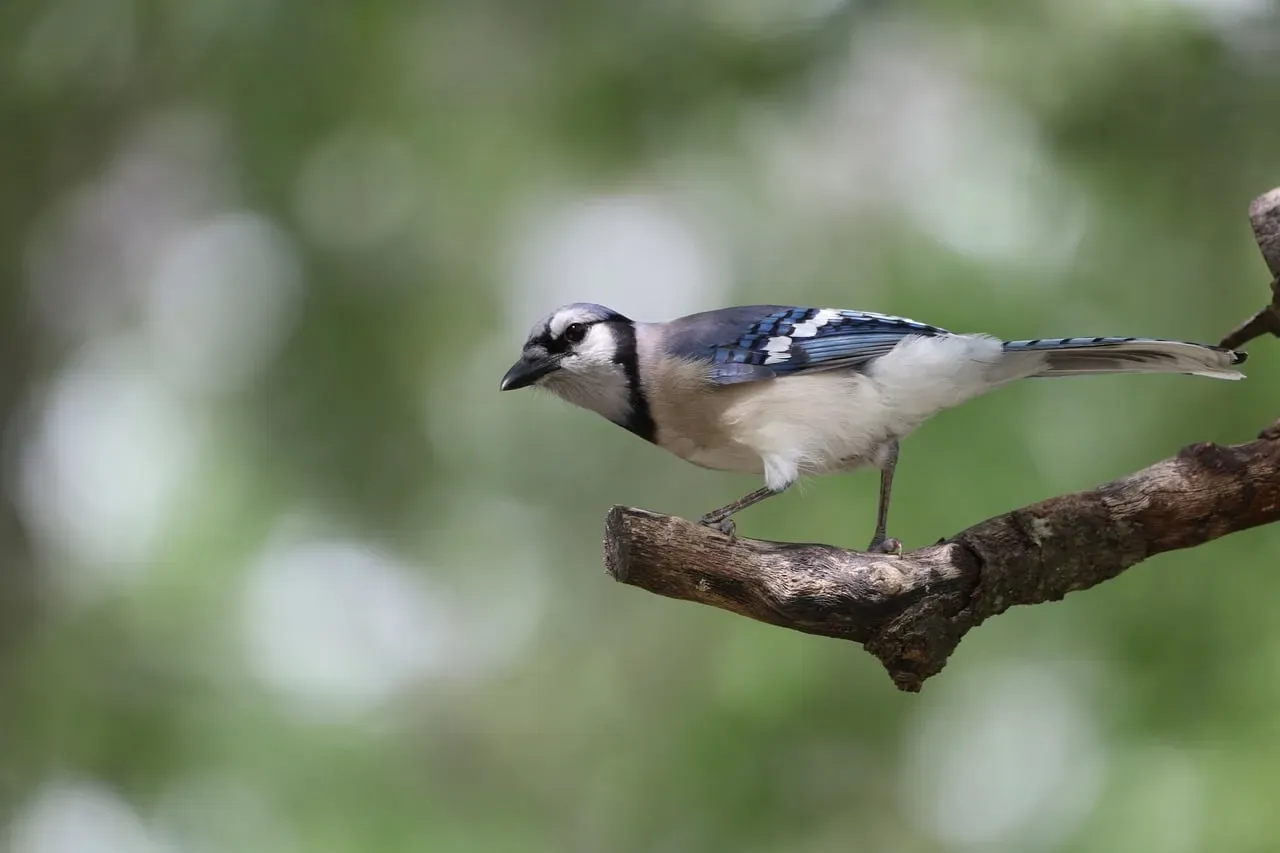
The practical takeaway is simpler than the biology. Blue jays can be quite assertive and even aggressive, especially when defending their territory or young. They are not generally aggressive towards humans unless they feel threatened. Slow movements, a calm demeanor, and simply creating more distance between yourself and whatever they’re protecting will usually resolve the standoff relatively quickly.
Territorial squawks suggest proximity to nesting sites or contested areas. By paying close attention to context, including the time of year, the behavior accompanying the call, and the number of birds present, you can accurately deduce what messages blue jays are conveying through their vocal repertoire. The more attention you pay, the more legible their behavior becomes. Spring and early summer are peak screaming season for obvious reasons.
There’s something worth sitting with here. A bird that screams at every passing threat, rallies its neighbors into action, mimics apex predators to clear a feeder, and then quietly sings to its mate in the afternoon is not simply noisy. It’s navigating a world of competing pressures with a vocal range most birds never develop. Their communication follows a predictable daily rhythm, peaking in the morning and evening when they announce food locations, defend territories, and give final warning calls of the day.
Next time a blue jay screams at you, it may be worth pausing before moving on. You’re not being yelled at randomly. You’ve simply entered a conversation that was already underway long before you walked outside.

- Why Wolves Were Reintroduced to Yellowstone - July 15, 2026
- The Resurgence of America’s Wild Horses: A Symbol of Freedom and Hope - July 15, 2026
- 10 Cat Breeds That Tolerate Dogs Surprisingly Well - July 15, 2026