
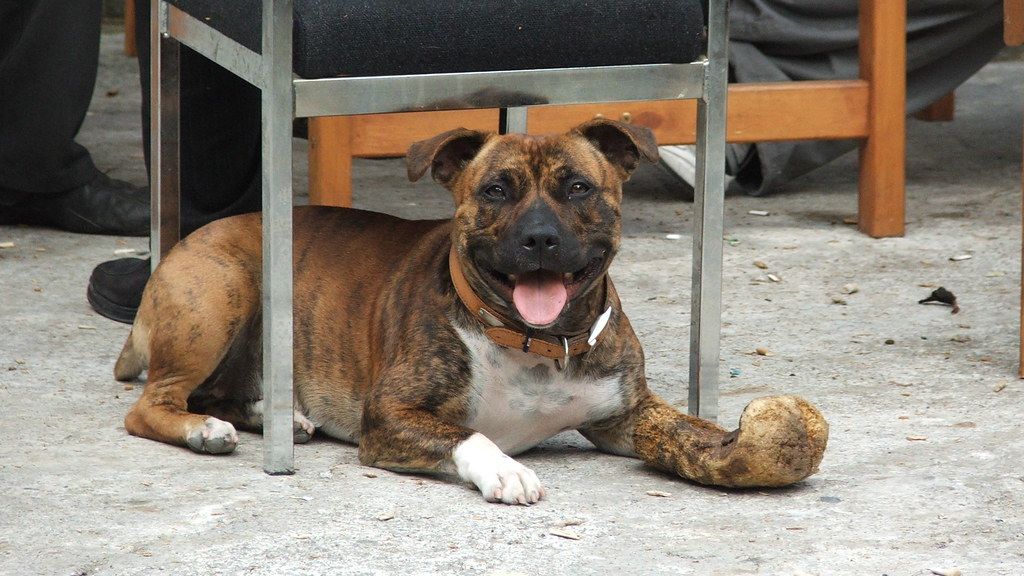
Most people who’ve been caught off guard by a dog bite will say the same thing: it came out of nowhere. No warning. No buildup. Just a sudden snap that left them confused and shaken. The truth, though, is far more complicated – and far more fascinating.
Dog bites rarely happen without warning. In most cases, dogs display clear stress signals before escalating to aggression, but these signals are often subtle and easily missed. The problem isn’t that dogs don’t communicate. The problem is that we’ve never been taught their language. Every twitch, glance, and micro-movement carries a meaning – and once you learn to read them, your relationship with your dog will never quite look the same.
#1: The Whale Eye
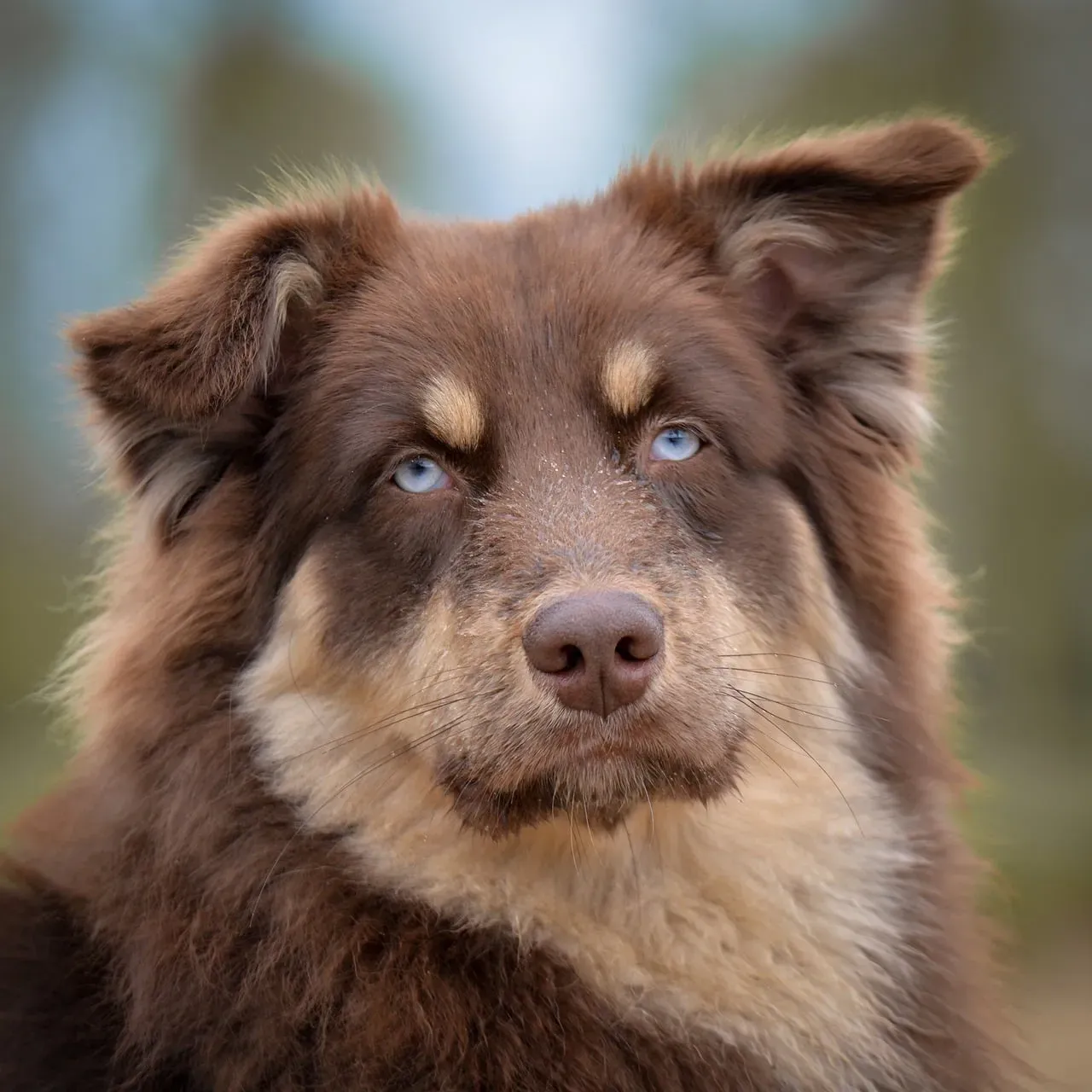
You’ve probably seen it without knowing what it was. Your dog turns their head slightly away from you, but their eyes stay fixed in your direction – revealing a distinct crescent of white around the iris. Seeing the whites of the eyes signals tension or discomfort, often during guarding or when cornered. It’s sometimes called the “crescent moon” because of the distinctive white shape that appears.
Turning a head away shows that a dog is looking to end a social interaction. They may also look away with their eyes, and the whites will be visible as what’s known as “whale eye.” This is a clear sign they are uncomfortable as they are trying not to engage. If you catch this expression during a hug, a vet visit, or a photo session where someone is leaning over your dog, take it seriously. The dog is screaming discomfort in the only way they know how.
#2: Lip Licking and Nose Flicks
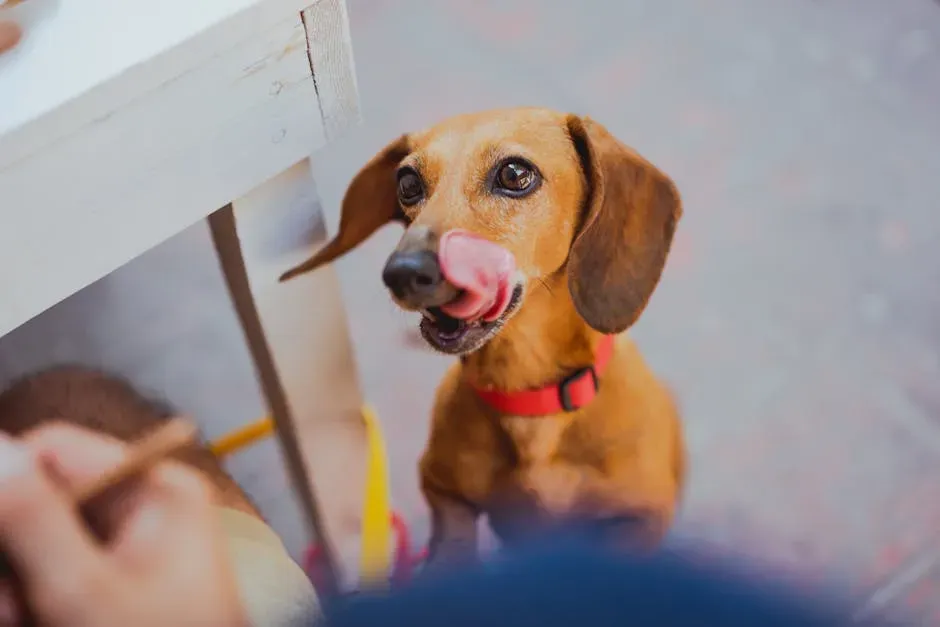
Lip licking is one of the most frequent stress signals dogs display, and it’s often misinterpreted as the dog simply being hungry or licking food residue from their mouth. What it looks like is a quick tongue flick that licks the nose or lips, often so fast you might miss it if you’re not paying attention. This is different from the slower, more deliberate licking after eating or drinking.
This behavior is a calming signal that dogs use to self-soothe when they’re feeling anxious or to communicate peaceful intentions to others. It’s their way of saying, “I’m uncomfortable with this situation.” You’ll see it during vet visits, when being hugged or restrained, when meeting unfamiliar dogs, or when you’re speaking to them in a stern voice. A single lip lick might mean nothing. A rapid, repeated pattern of them? Your dog is telling you something important.
#3: Stress Yawning
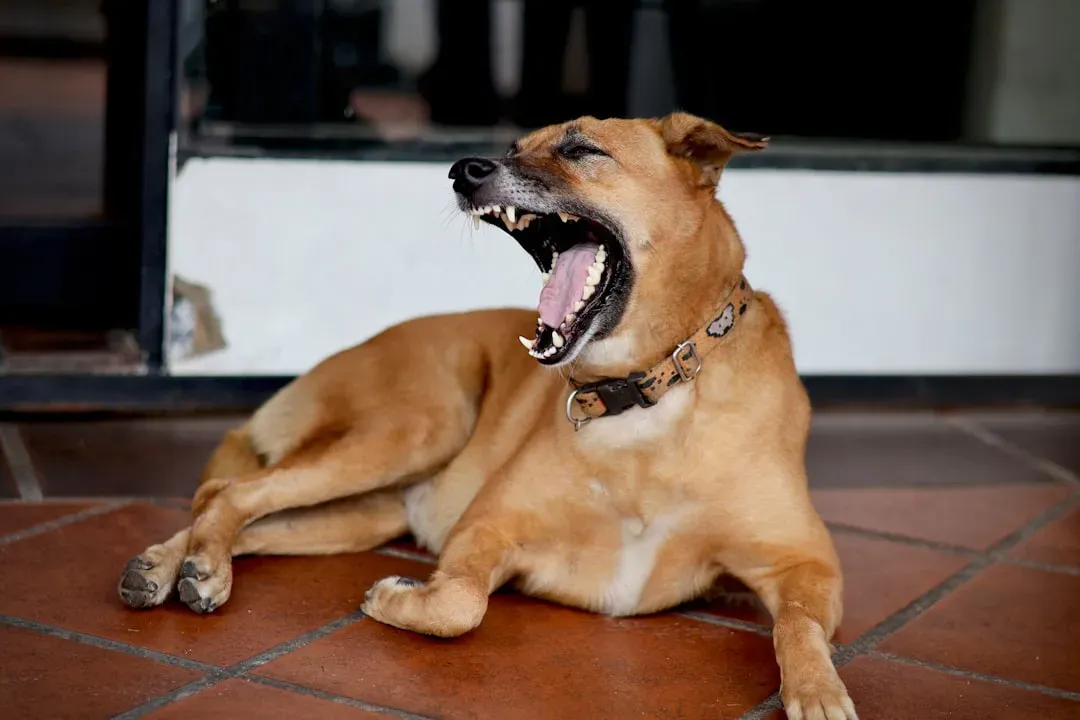
Dogs yawn when they are tired or bored, and they also yawn when stressed. A stressful yawn is more prolonged and intense than a sleepy yawn. The distinction matters. A slow, casual yawn after a nap is just a yawn. A wide, exaggerated yawn during a busy social situation or a tense training session is something else entirely.
Yawning can show tiredness, but it is usually a way to relieve tension. It is often a first signal that a dog is uncomfortable. Think of it as your dog hitting a kind of internal reset button – a polite, low-intensity plea for the situation to slow down or stop. When paired with other signals on this list, it becomes a far more urgent message than most owners realize.
#4: Freezing and Sudden Stillness
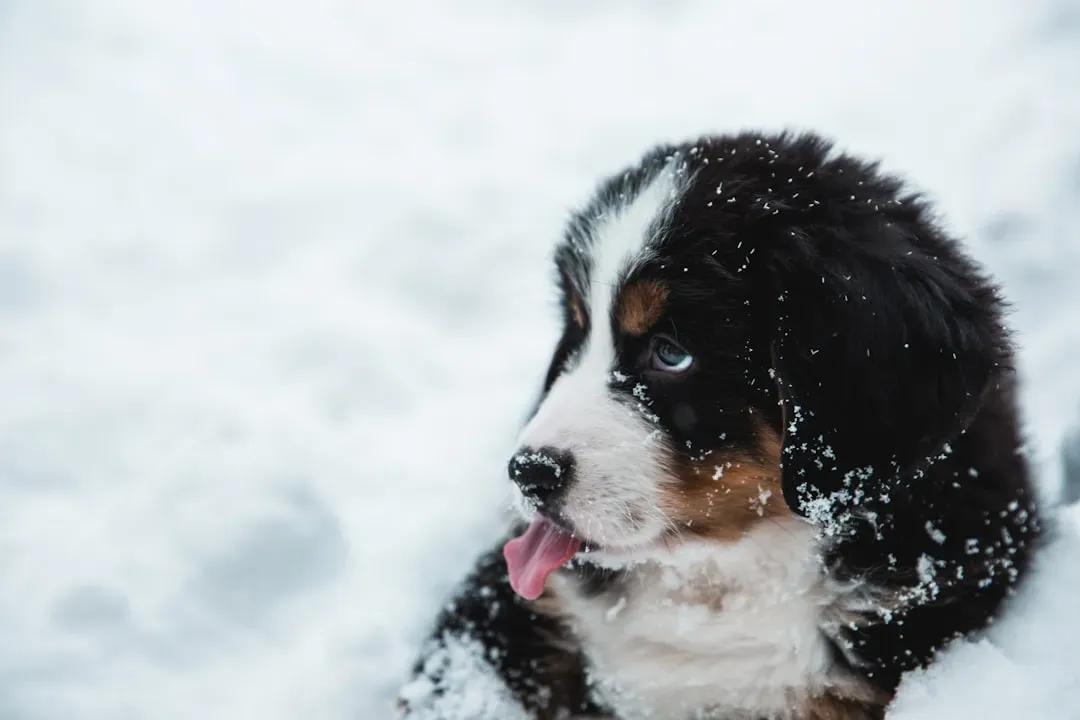
Freezing or stiffening is a major red flag. The dog may feel trapped and ready to defend themselves. This isn’t the stillness of a dog watching a squirrel. It’s a qualitatively different kind of motionlessness – deliberate, full-body, and loaded with tension. Everything stops. The breathing, the tail, the whole dog.
A dog freezes if they’re scared or guarding something, such as food or a toy, or if they feel cornered. This is a low-level warning sign on the ladder of dog aggression. Not respecting this warning can lead to escalation of growling, snapping, and potentially biting. If your dog freezes during handling or when a child approaches, treat it as an amber light. Don’t push through it. Give them space.
#5: Turning Away or Averting Their Head
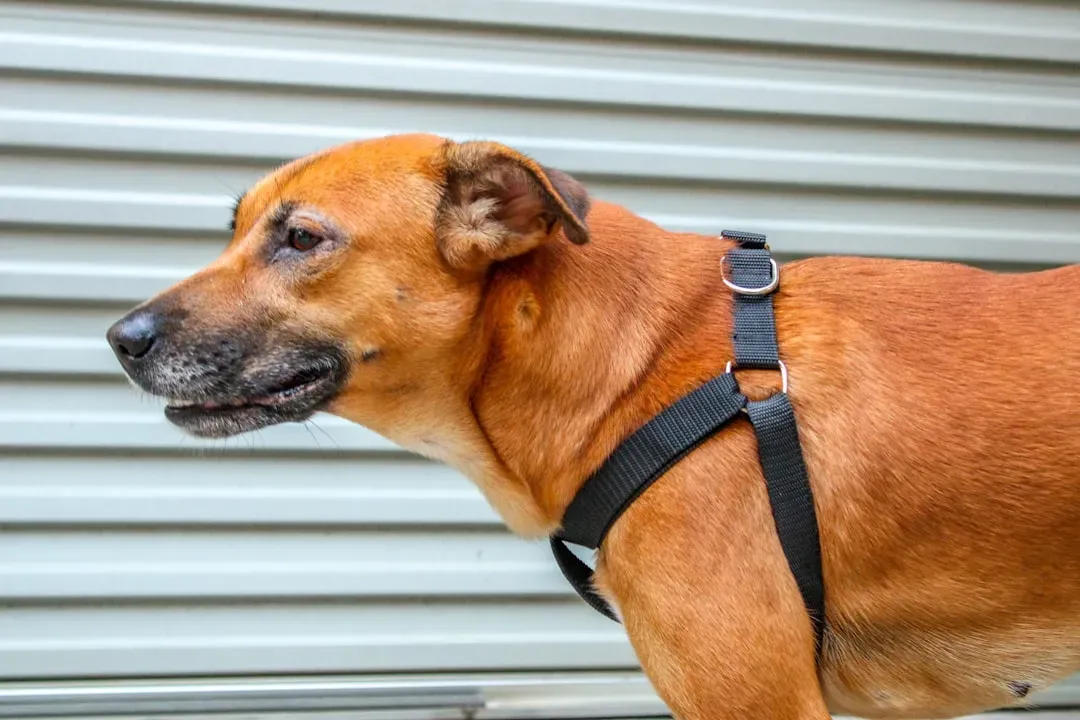
Turning away is a subtle request for space. Ignoring it can lead to more serious warnings. It’s one of the gentlest things a dog can do when they feel overwhelmed – a polite pivot of the head or body that says, “I’d really like this to stop now.” Most people respond by leaning in closer, which is precisely the wrong move.
If your dog is turning away when you’ve been more physical with your environment, it could be a sign that they want you to calm down before engaging with them. When faced with an unwelcome situation, dogs may “escape” by focusing on something else. They may sniff or dig the ground, lick their genitals, or simply turn away. Ignoring someone may not be polite, but it is surely better than being aggressive. Respect that turning away for what it is: a very civilized attempt to avoid conflict.
#6: Ears Pinned Back or Pushed Sharply Forward
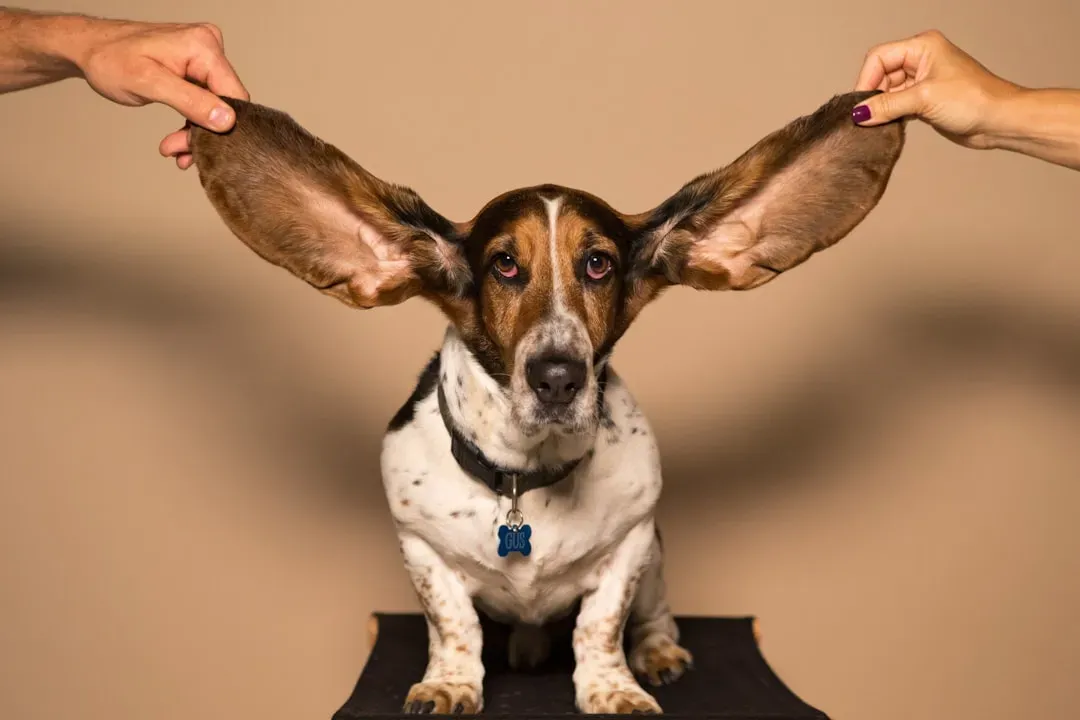
The position of a dog’s ears can indicate how they’re feeling. Ears pinned back against the head or held stiffly forward are both worth paying attention to. A tail tucked tightly between the legs signals fear, while a tail held high and stiff signals alertness or aggression. Ears that fold flat against the skull signal fear or submission. Ears that rigidly press forward signal a dog locking onto a threat with intense focus.
The ears having suddenly moved back is one of the subtle warning signs that give notice of an impending bite. The key word there is “suddenly.” A shift in ear position that happens in direct response to something in the environment – a stranger’s approach, a child’s loud noise, another dog entering the yard – is the thing to watch for. Context is everything with ear position.
#7: A Stiff, Rigid Body Posture
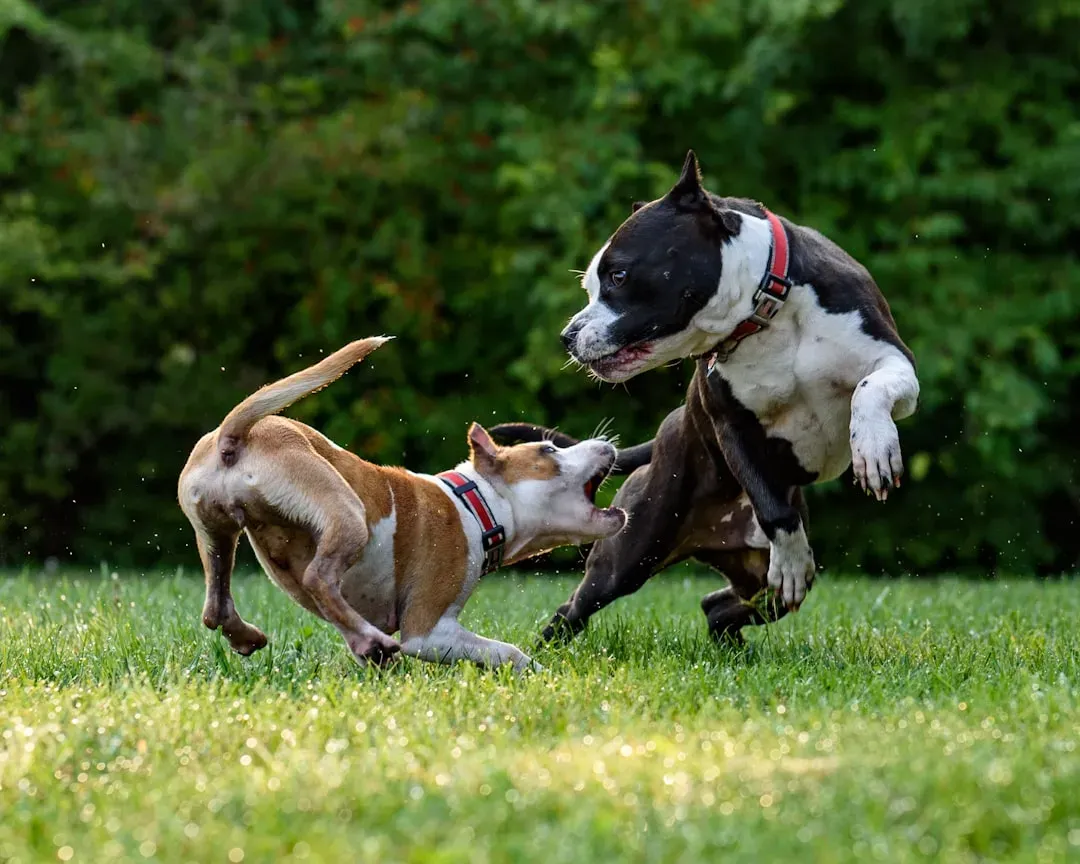
Body posture reflects a dog’s emotional state, including confidence, fear, or aggression. A relaxed dog has a loose body, natural stance, and fluid movements. A confident dog may stand upright with a steady posture. In contrast, a fearful dog may crouch, tuck its tail, or lean away, while an aggressive or defensive dog may become rigid, forward-leaning, and tense.
If a dog stiffens its body posture and becomes still, it may sense a threat or feel uncomfortable. This behavior may be the prelude to a sudden lunge or bite. A stiff body is essentially a dog bracing itself – physically and emotionally. When you notice that fluid, relaxed quality disappear from your dog’s movements, pay attention. The shift from loose to rigid often happens in a split second, but it’s one of the most reliable signals on this entire list.
#8: Raised Hackles
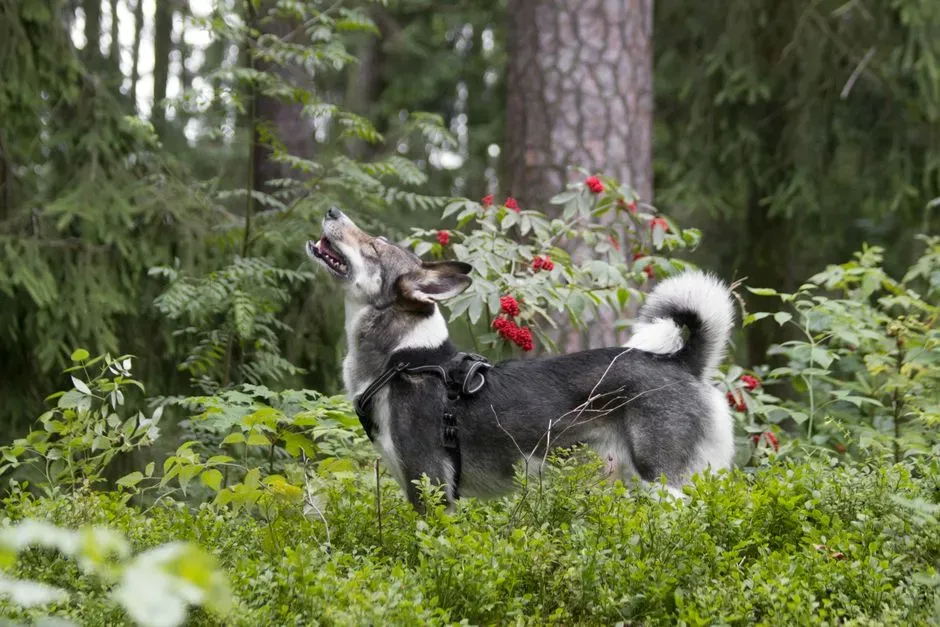
When the hair on the back of a dog’s neck is raised, that means the dog is alert and potentially fearful or aggressive in dog body language. Hackles, the strip of fur running along a dog’s spine, stand up involuntarily – it’s not something the dog consciously controls, which is what makes it so telling. Some dogs raise hackles only at the shoulders; others raise them all the way down to the base of the tail.
Warning signs leading up to a bite can include pupils dilating, hackles raising, ears going back, and lip licking. Raised hackles alone don’t always mean aggression – they can signal excitement or heightened arousal too. The surrounding context and the presence of other signals on this list is what tells the real story. A dog with raised hackles, a stiff body, and a hard stare is not simply excited.
#9: The Hard Stare
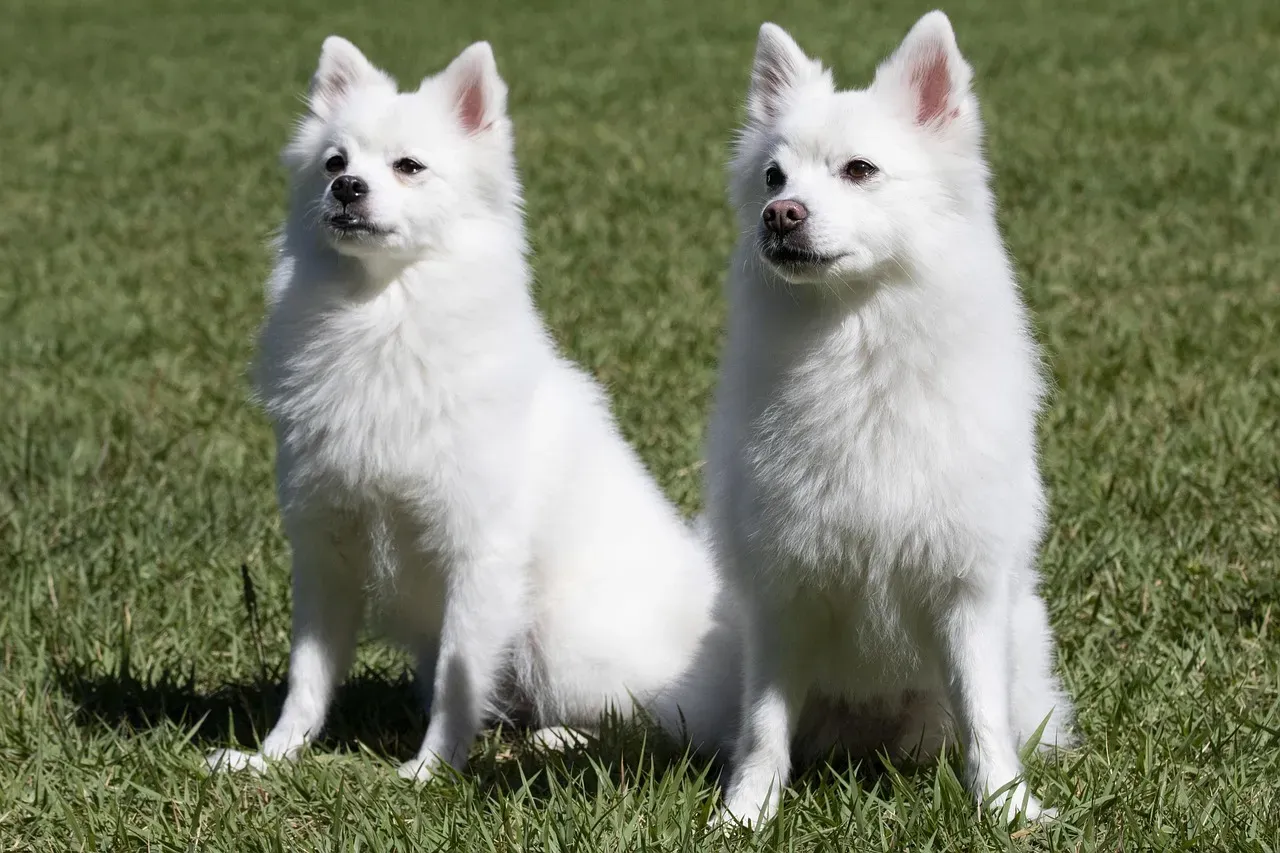
Common preceding signs of an aggressive event in dogs include a stiff body posture, intense staring, raised hackles, bared teeth, and a raised tail. The hard stare is distinct from normal, curious eye contact. It’s unblinking, locked, and devoid of the soft warmth you normally see in a dog’s gaze. Trainers often describe it as a “hard eye” – the canine version of a cold, unwavering look of warning.
These signals include growling, snarling, snapping, and what people in dog behavior call a “hard eye,” the doggy version of a dirty look. Dogs use all of these in an effort to increase social distance. They are attempts to persuade whoever they see as a threat at that moment to go away. If a dog locks eyes with you in this way without blinking, the most sensible response is to avert your own gaze, turn your body sideways, and give them room to breathe.
#10: Excessive Panting When Not Hot or Tired
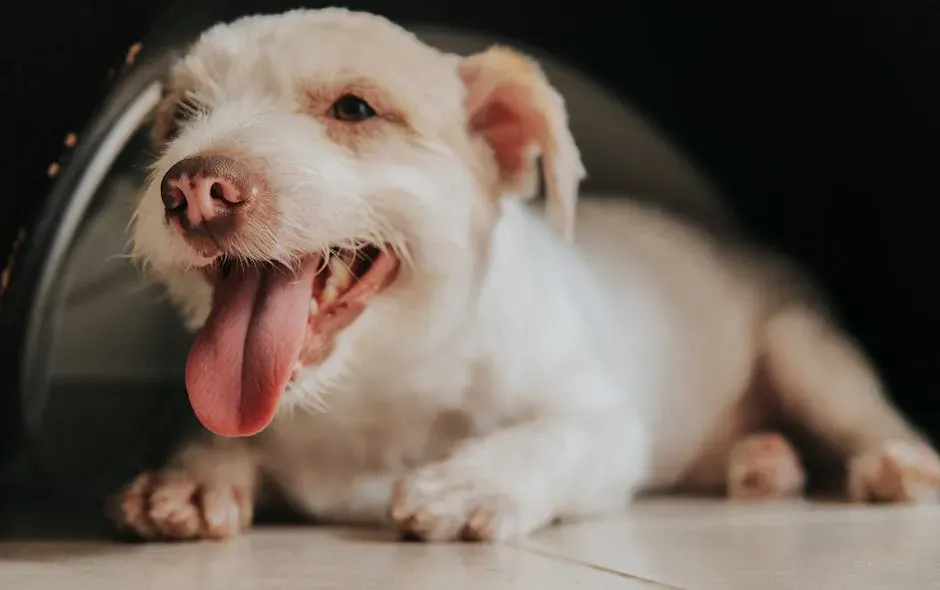
Dogs pant when hot, excited, or stressed. If your dog is panting even though they have not exercised, they may be experiencing stress. This one is tricky because panting is so common and so often benign. The key is context. A dog panting after a run makes sense. A dog panting while sitting still at a family gathering, or during a car ride with children, is showing you something different.
Dogs can skip lower-level stress indicators, such as panting or whale eyes, and jump to critical stress signs, like showing teeth, if they feel ignored. This escalation is one reason why stress panting, when combined with other subtle signals, deserves your full attention rather than dismissal. The body is speaking. Listening early enough can prevent the situation from climbing to a far more dangerous level.
#11: Displacement Behaviors and Sudden “Ignoring”
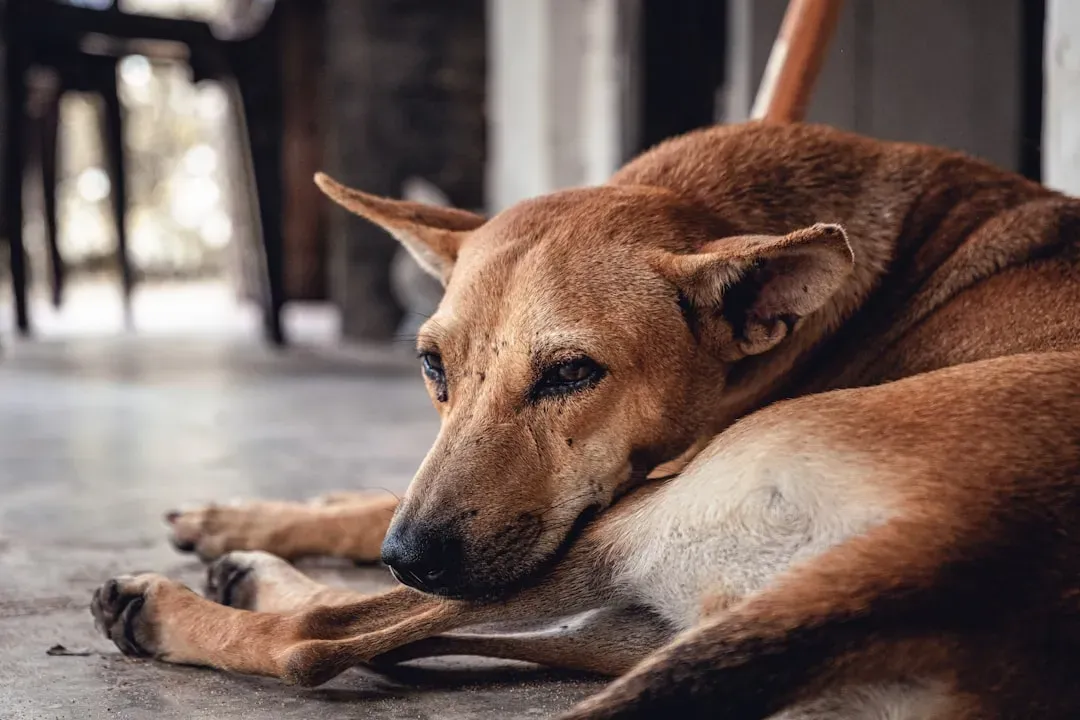
When a dog is stressed, they might show displacement behaviors, also known as calming signals. These can be a variety of activities that might seem inappropriate in the situation. A dog that suddenly starts sniffing the ground obsessively when another dog approaches, or begins intensely self-grooming in the middle of a social interaction, is not being distracted. They are actively managing their stress by redirecting it.
When faced with an unwelcome situation, dogs may “escape” by focusing on something else. They may sniff or dig the ground, lick their genitals, or simply turn away. Ignoring someone may not be polite, but it is surely better than being aggressive. If your dog avoids interaction with other dogs or people, do not force the issue. Respect their choice. Forced interaction beyond that point is precisely how many bites occur – not out of malice, but out of a dog that had nowhere else to go.
#12: Trigger Stacking – The Hidden Accumulation
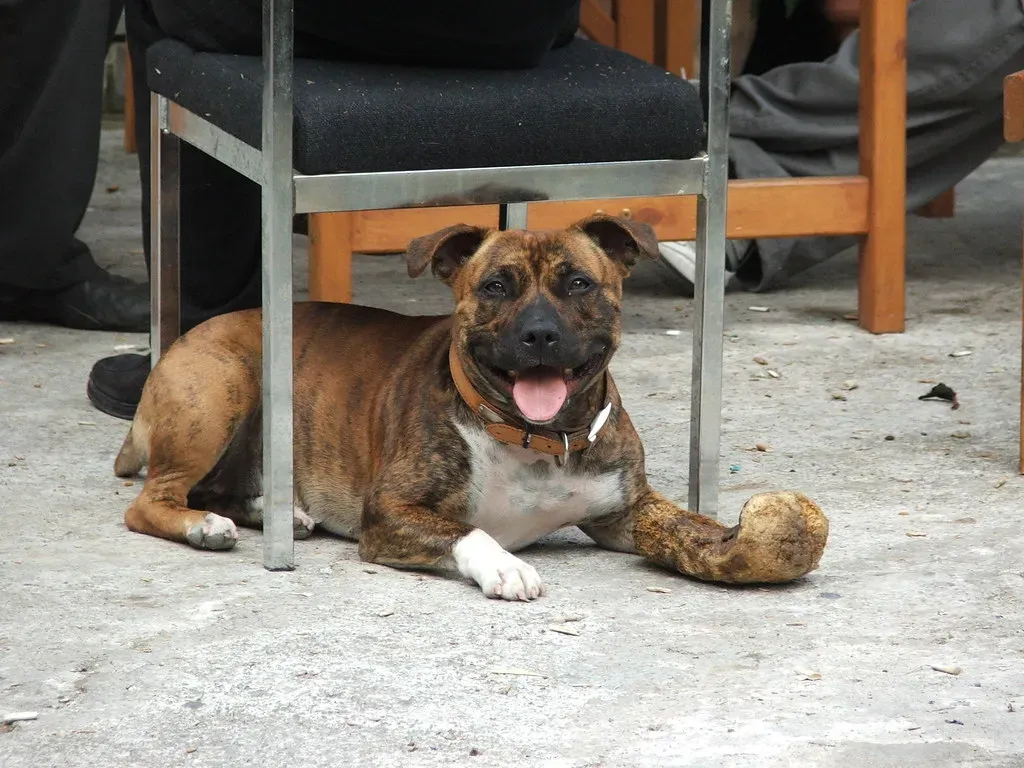
This last warning isn’t a single signal – it’s a pattern, and arguably the most important concept on this entire list. Trigger stacking refers to repeated stressful or fearful events that happen in close succession, where a dog doesn’t have the chance to reach emotional homeostasis in between, meaning the stress from an earlier event influences the reaction to the next.
Every dog has noises, sights, and situations that induce a stress response. If they experience one of those triggers and are not able to decompress before experiencing another, it might lead to a bite. An example would be a reactive dog on a walk seeing multiple dogs in a row without being able to decompress. Then a biker passes by, and they lunge out to bite them. The biker wasn’t the real problem. The biker was just the final straw. Understanding that your dog’s emotional state carries forward from one situation to the next is what separates an owner who sees the warning from one who gets blindsided.
What to Do When You Spot These Signals
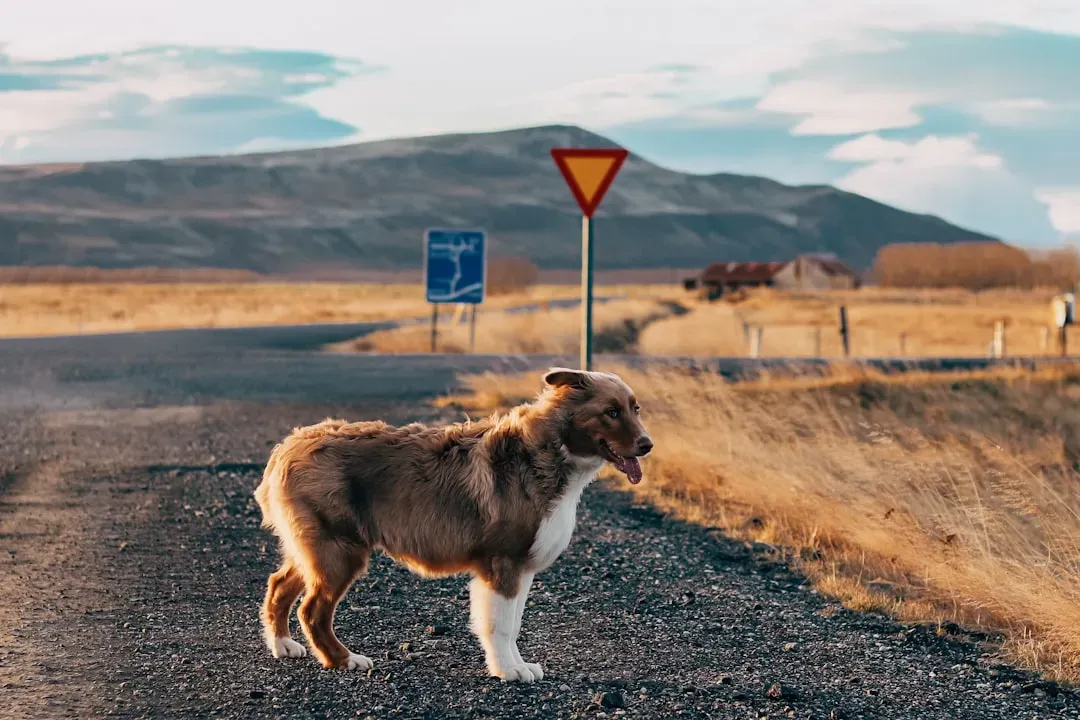
It’s unsettling to think your dog might bite, but biting is rarely a sign of a “bad” dog. More often, it’s a last resort – a way for a dog to communicate when they feel scared, hurt, or overwhelmed and their earlier warning signs went unnoticed. That reframe matters. Your dog isn’t plotting. They’re pleading.
Some people discipline a dog for growling, thinking the dog is being “bad” and that telling the dog not to growl will stop the behavior and fix the problem. However, growling is your dog’s way to communicate that they feel threatened by something or someone. Punishing the growling does not change the underlying emotional state that causes the behavior, but it does teach your dog not to communicate with you. Frequently, when a dog bite occurs seemingly out of nowhere, that dog has a history of having warning signals ignored or punished.
Training helps dogs respond more calmly to stressful situations and improves communication with humans. Positive reinforcement training builds confidence, predictability, and trust, which reduces anxiety-driven reactions. Structured training also teaches dogs alternative behaviors, making them less likely to escalate to aggression when stressed. When the signals become frequent or severe, a veterinary behaviorist is your most reliable resource.
Dogs are not mysterious creatures with unpredictable fuses. They are extraordinarily communicative animals whose messages we simply haven’t learned to receive. Once you start seeing the whale eye, the frozen stance, the rapid lip flick – you realize your dog has been talking to you all along. You just needed to learn how to listen.

- 6 Exotic Bird Species You Can Spot in U.S. National Parks - July 19, 2026
- 11 Iconic American Birds Facing New Challenges and How You Can Help - July 19, 2026
- 10 Friendliest Animals in the World - July 19, 2026