
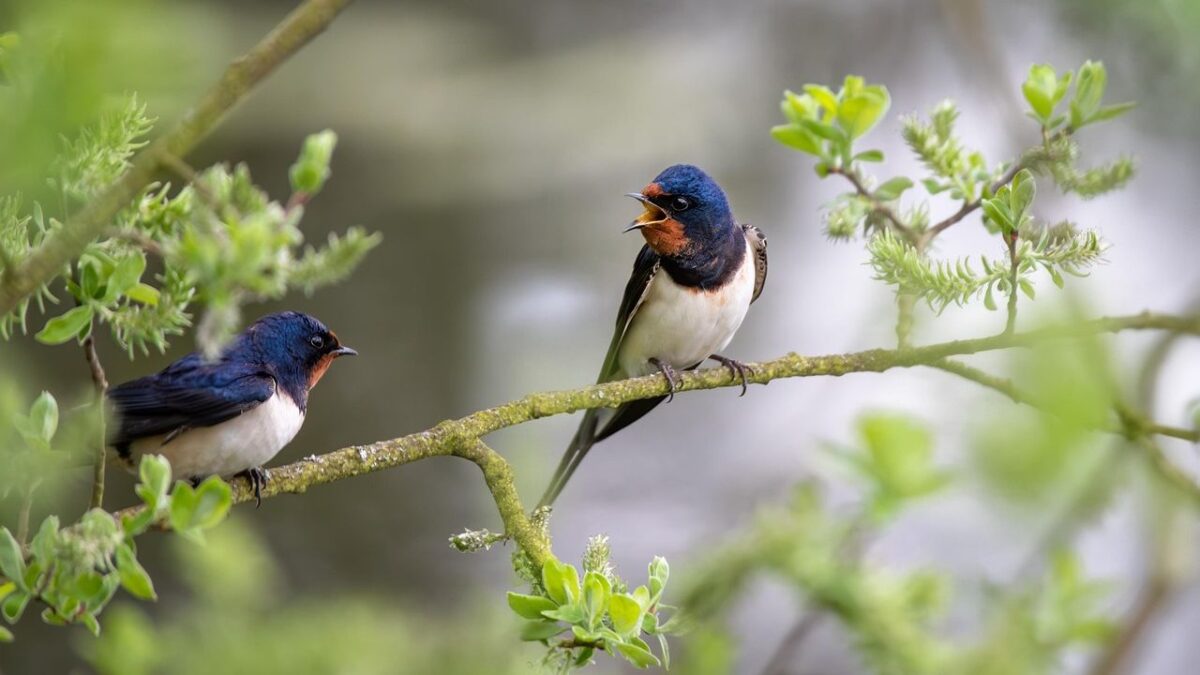
They Are the Most Widely Distributed Swallow on Earth
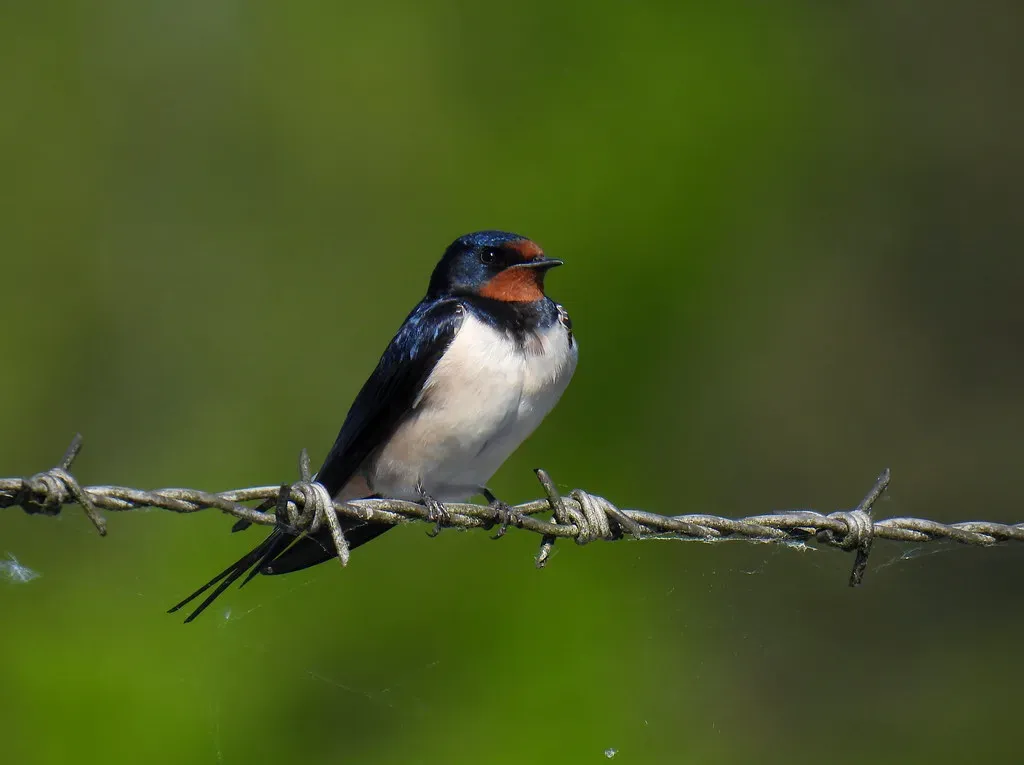
The barn swallow is the most widely distributed and abundant swallow species in the world, breeding throughout the northern hemisphere and wintering in most of the southern hemisphere, with the exception of Australia and Antarctica. That kind of range is genuinely staggering for a bird so small.
Barn swallows are found on every continent except Antarctica. The species is also common across Europe and Asia, wintering to southern Africa and South America. Few birds of any size have managed to colonize the globe so thoroughly, and the barn swallow has done it on wings that span barely a foot.
Their Entire Feeding Strategy Happens in Midair
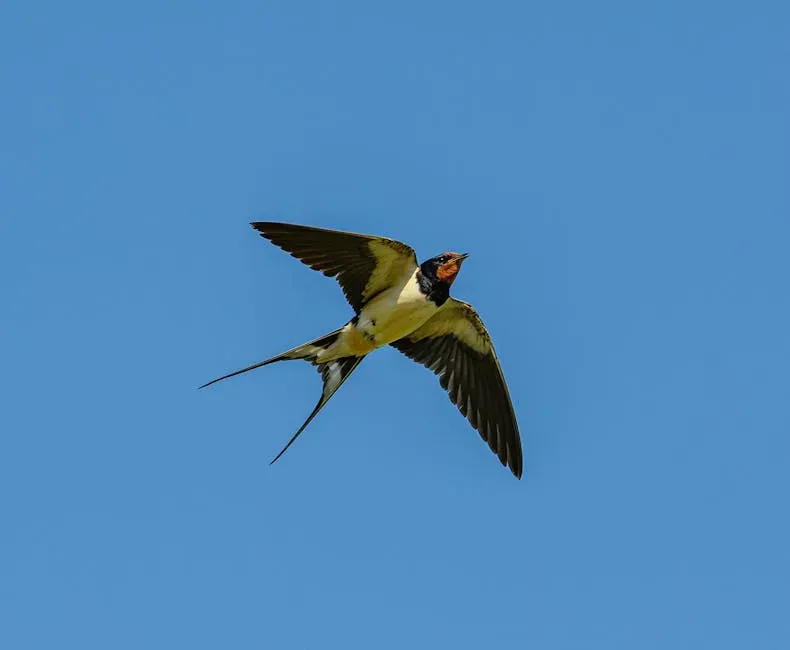
Barn swallows are aerial insectivores, meaning that they hunt and eat insects while they are flying, often displaying stunning flight patterns in the process. This is not simply a feeding preference. It’s a total commitment to the air as a way of life.
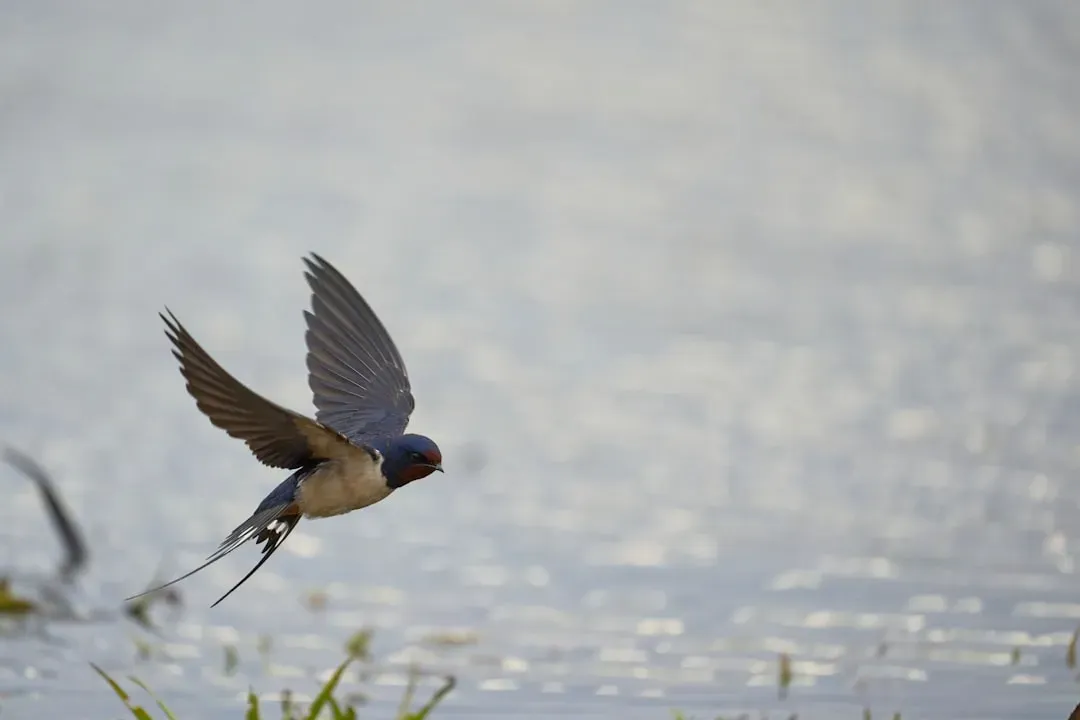
These birds feed almost exclusively in flight, flying lower than many other swallow species and often nearly hugging the ground or water surface, catching flies and other prey in midair above fields, marshes, lakes, and coastal waters. They often follow farm implements, cattle herds, and humans to snag flushed insects, and occasionally feed on sluggish or dead insects on the ground. In cold weather, they will even pluck flies off barn walls.
They Drink and Bathe Without Ever Landing
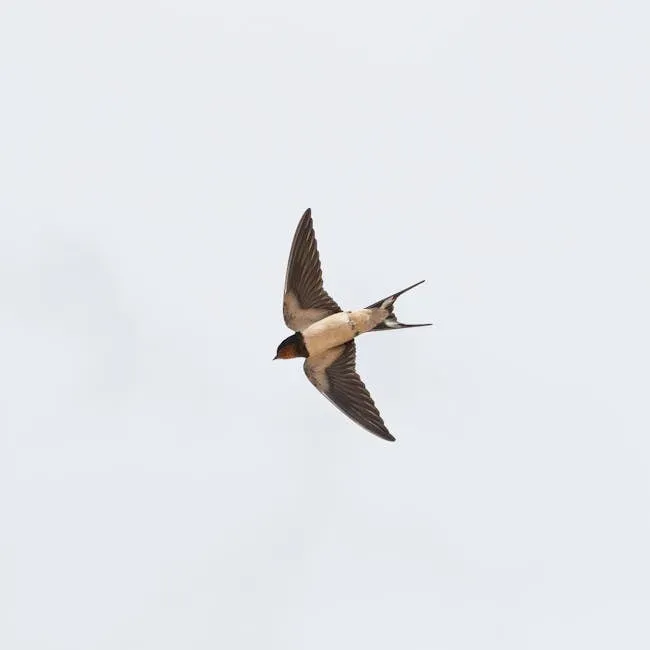
Barn swallows also drink and even bathe on the wing, dipping down to take a mouthful of water or touch their belly to the surface for a quick rinse. It’s one of those behaviors that sounds almost comical until you watch it happen. The whole interaction with the water surface lasts less than a second.
This on-the-wing lifestyle means that touching ground is genuinely rare for a barn swallow outside of nesting. During the breeding season, one of the few times you’ll actually see them on the ground is near mud puddles, where they come to pick up mud and grass for nesting materials. Otherwise, the sky is simply where they live.
Their Migration Is One of the Most Grueling Journeys in Nature
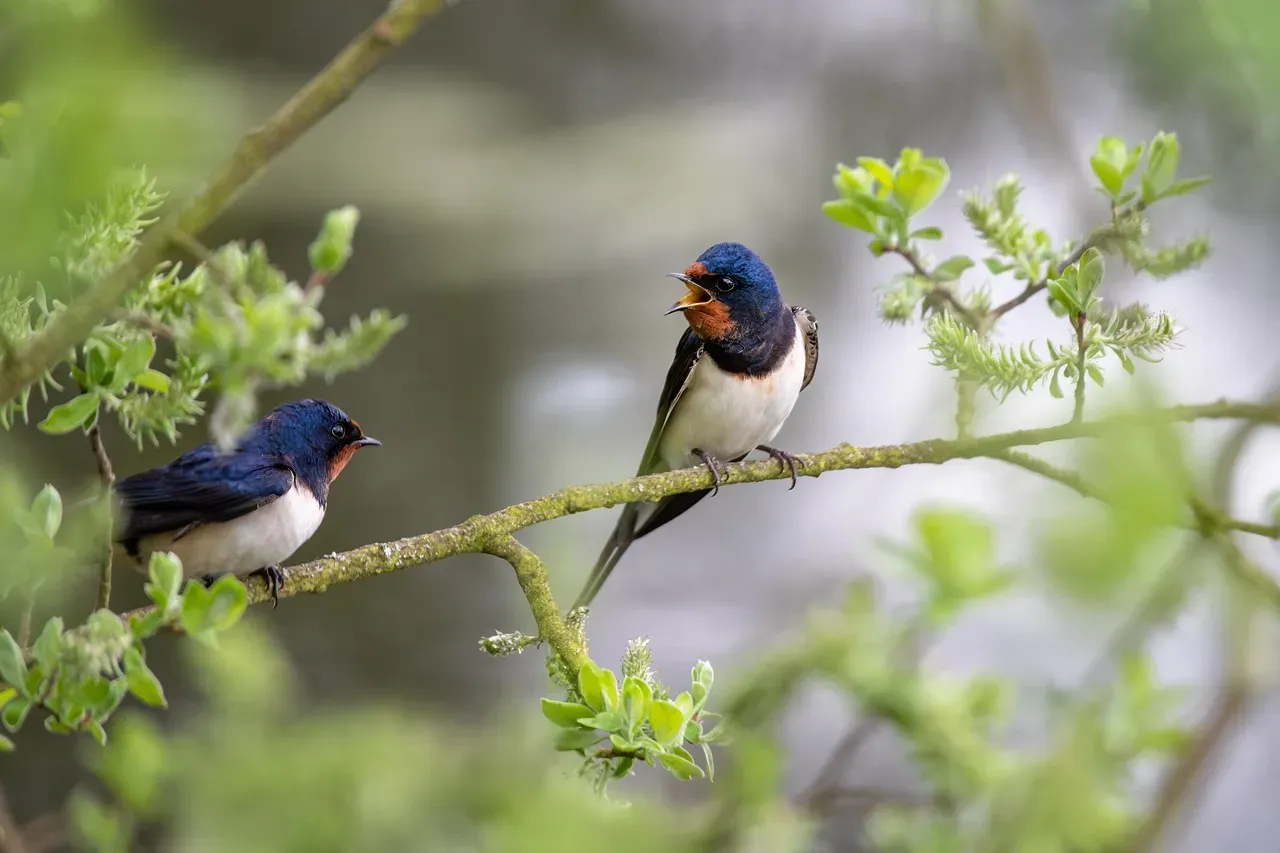
Weighing less than a single ounce, the barn swallow undertakes one of the most grueling annual journeys in the animal kingdom. These streamlined, fork-tailed aerial hunters breed across the Northern Hemisphere during the summer, but as autumn approaches and flying insects become scarce, they must head south to survive.
Depending on where they hatch, barn swallows might cross the Gulf of Mexico, navigate the high-altitude Karakoram Range in Asia, or brave the vast expanse of the Sahara Desert. Some individuals cover more than 7,000 miles twice a year, flying low over land and water to reach their wintering grounds. The barn swallows wintering in southern Africa are from across Eurasia and have been recorded as covering up to 7,250 miles on their annual migration.
They Can Cover Around 200 Miles in a Single Day
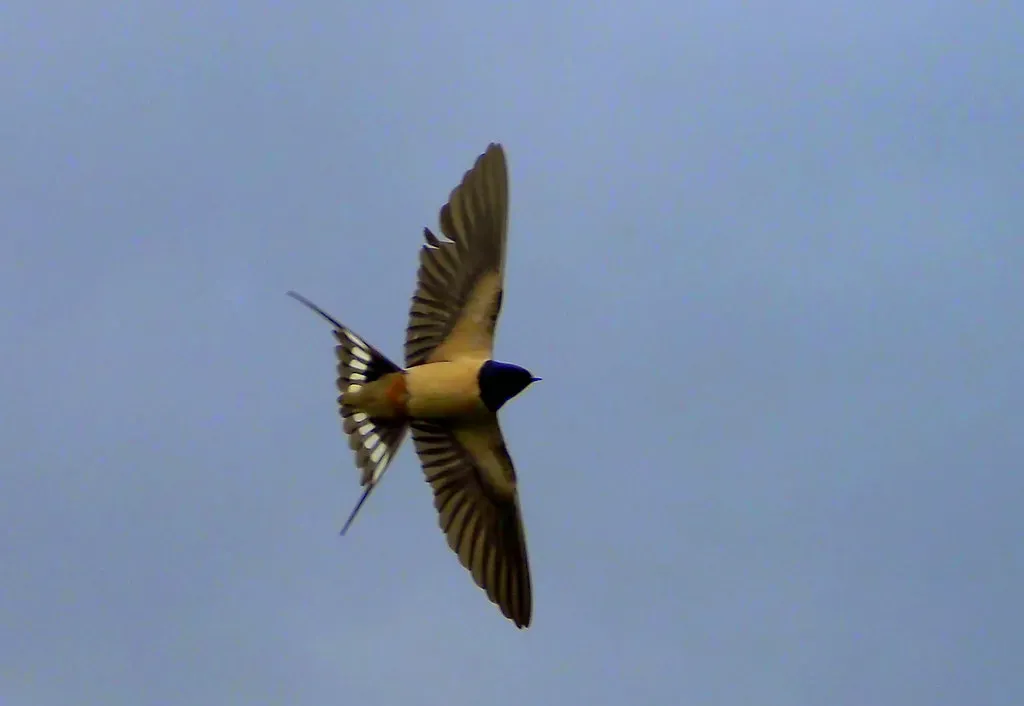
Barn swallows are remarkable long-distance migrants, flying thousands of miles between their breeding grounds and their wintering areas in Africa. They undertake this journey twice a year and average 200 miles a day. That’s a relentless, daily commitment to motion that lasts for weeks at a stretch.
By migrating during the day, they can feed on the wing as they travel. They fly relatively low to the ground, skimming over fields, rivers, and coastlines where flying insects are abundant. This ability to refuel while moving allows them to maintain their energy levels without needing to stop for days at a time to forage. It’s essentially a perpetual motion machine powered by insects.
Their Forked Tail Is More Than Just Beautiful – It’s Engineering
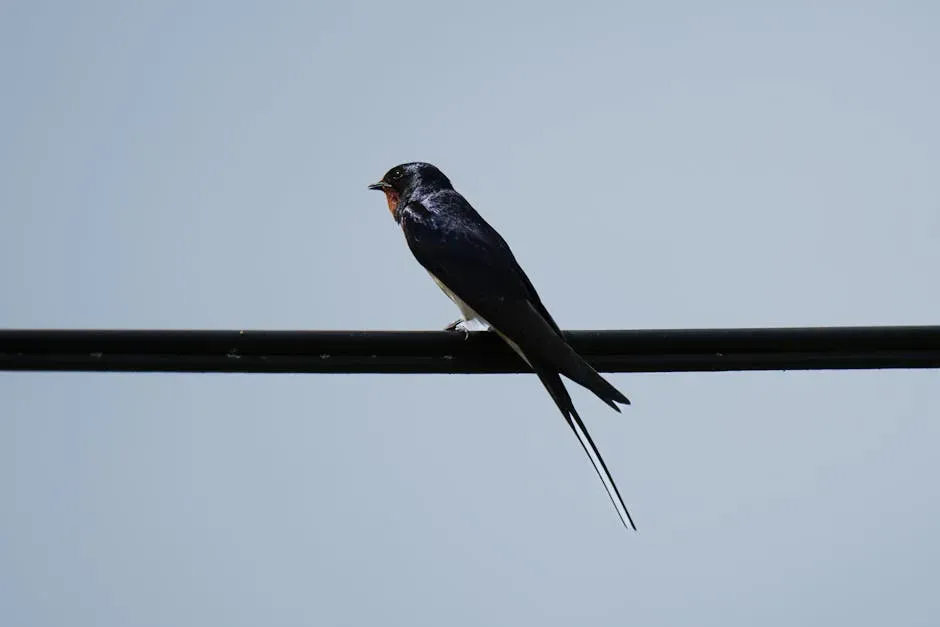
The barn swallow is capable of sharper turns and dives than other swallows, and this increased maneuverability in flight is a consequence of the highly forked tail. That elegant silhouette isn’t just for show. It’s an aerodynamic solution refined over millions of years.
The highly forked tail and tail streamers of the swallow are due to sexual selection. Research has shown that female barn swallows prefer to mate with males with longer tails. Producing a tail longer than average is energetically costly and signals that the swallow is of good quality, likely having good genes or being a reliable provider. So the tail is simultaneously a flight instrument and a résumé.
They Have Six Distinct Subspecies Scattered Across the Globe
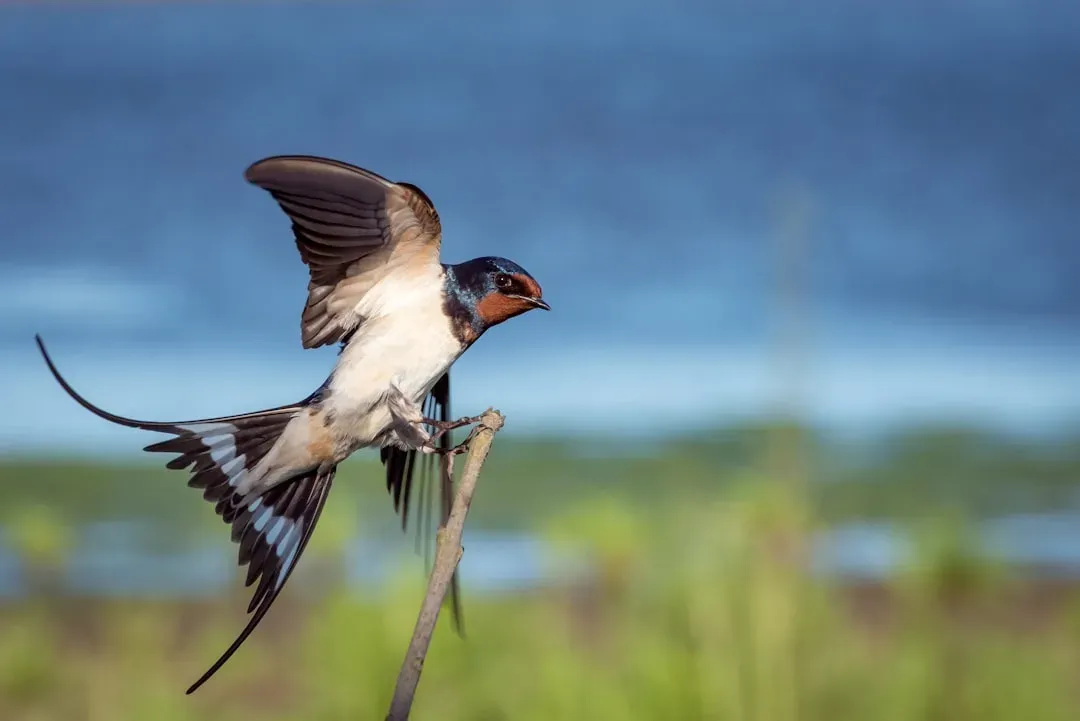
There are six subspecies of barn swallow, each looking slightly different in traits critical to mate choice. The East Asian group has a pale chest and shorter tail streamers. The Siberian subspecies has long tail streamers and red chest feathers. The subspecies in Europe and western Asia has a pale chest and long tail streamers.
Evidence suggests that the bird’s ancestors left the Nile River valley in northern Africa about 11,000 years ago and spread out across the Northern Hemisphere. For thousands of years, different populations barely interacted and developed diverse traits, forming subspecies. Some 800 to 2,000 years ago, certain subspecies expanded their territories, and habitats began to overlap. Scientists now study them as a living model for understanding how new species form in real time.
Their Mud Nests Can Require Over a Thousand Trips to Build
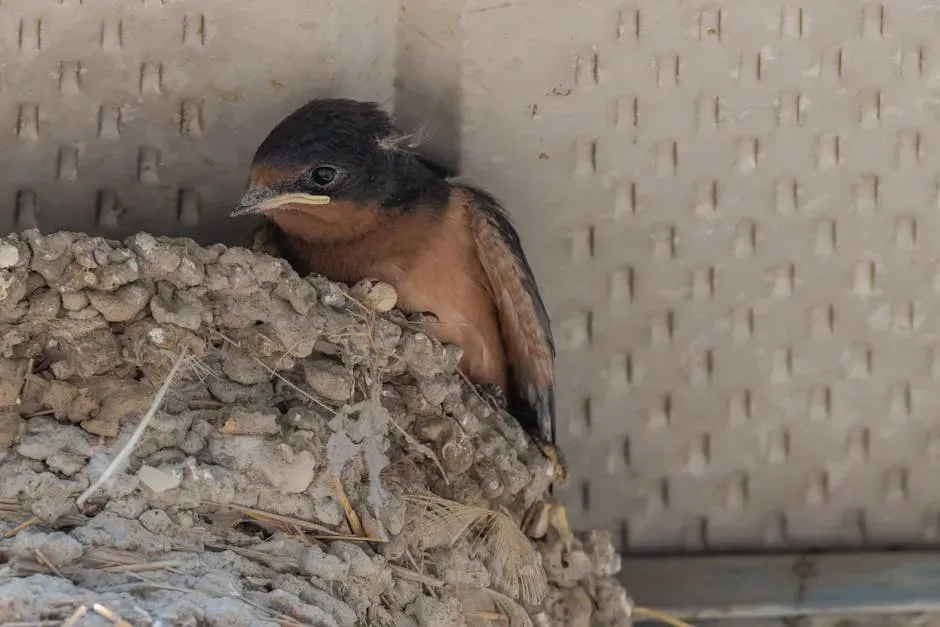
Both male and female build the nest cup using mud, collecting it in their bills and often mixing it with grass stems to make pellets. They first construct a small shelf to sit on, then build up the nest’s sides. If built against a wall or other vertical surface the result is a semicircular, half-cup shape.
They may take up to 1,000 trips to collect mud for the nests, but fortunately, they often return to re-use a nest from a previous year. Survival of a nest, with suitable annual refurbishment, for 10 to 15 years is regular, and one nest was reported to have been occupied for 48 years. That’s a significant piece of real estate in the bird world.
They Are Devoted But Not Always Faithful Parents
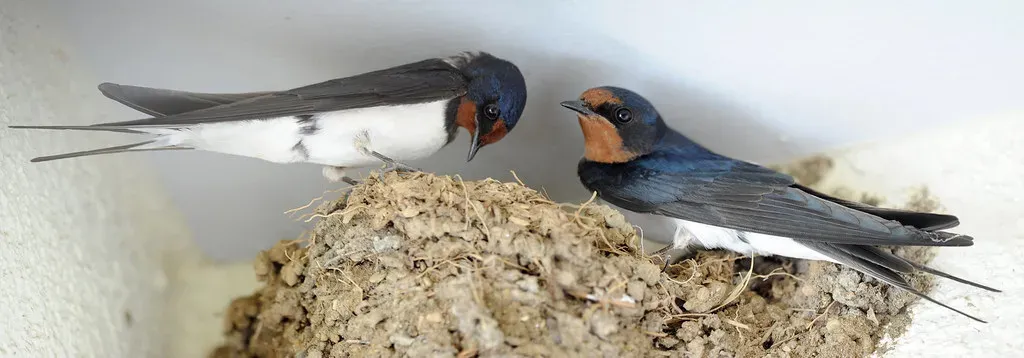
Barn swallows are monogamous and pairs stay together to breed for life, though extra-pair copulation is also common. The males return to the breeding grounds before the females and select a nest site, which is then advertised to females with a circling flight and song.
The same pair may mate together for several years, and the female may have two broods a year, with clutch sizes ranging from three to six eggs. Females do most of the incubating, which lasts for about 17 days. Both adults care for the young, who fledge in about 21 days, with the parents continuing to feed them for another week after that. Juveniles from the first brood of the season have even been observed assisting their parents in feeding a second brood.
Ancient Civilizations Were Baffled by Where They Went Each Winter
Before modern science mapped their transcontinental flights, the sudden disappearance of barn swallows in autumn baffled early naturalists. In the 4th century BC, the Greek philosopher Aristotle famously theorized that swallows did not migrate, but rather hibernated in the mud at the bottom of lakes and rivers. This myth persisted for centuries in Europe, supported by the fact that swallows often gather in massive flocks in reed beds over water just before they migrate.
When they vanished the next morning, observers assumed they had simply dived beneath the surface to sleep through the winter. It wasn’t until the late 18th and 19th centuries, when bird ringing began, that the truth of their migration was finally proven. Migration of barn swallows between Britain and South Africa was first formally established on December 23, 1912, when a bird that had been ringed in Staffordshire was found in Natal.
Sailors Tattooed Them as Symbols of Safe Return
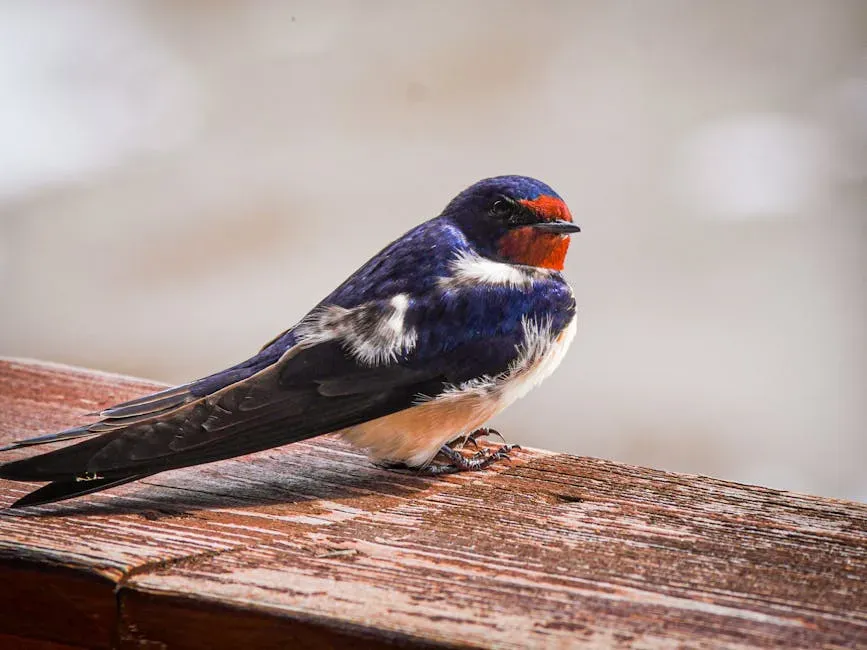
The barn swallow’s long journeys were well observed by sailors, and a swallow tattoo became traditional among mariners as a symbol of a safe return. The tradition was that a mariner had a tattoo of this fellow wanderer after sailing 5,000 nautical miles, and a second swallow would be added after 10,000 nautical miles at sea.
Swallows have cultural significance in many societies. In the UK, their return in spring has been celebrated as a harbinger of warmer weather and the onset of summer. This same sentiment was echoed in ancient Greece, where they held festivals in Rhodes upon seeing the first swallow arrive. As part of the festival, children would run around to different houses pretending to be swallows, demanding to be fed treats. Few birds have been woven into human culture so widely or so warmly.
Their Populations Are Declining, and the Reasons Are Troubling
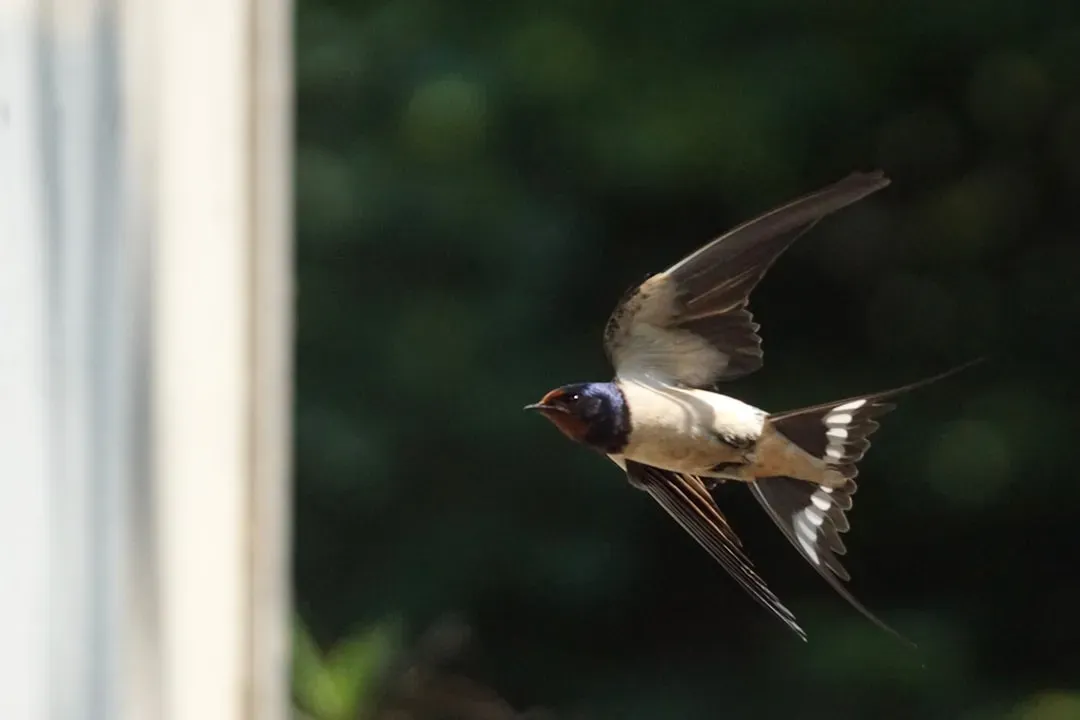
While globally listed as Least Concern, barn swallow populations have declined in some regions due to agricultural intensification and loss of nesting sites. Conservation efforts focus on maintaining suitable nesting habitats and reducing pesticide use in foraging areas.
The population in Canada has decreased by an estimated three-quarters over the past 40 years. No one really knows why the population has declined so dramatically, but researchers attribute it to climate change, predators, lost nesting and foraging habitat, and changes in insect populations. Climate change may also affect barn swallows through drought causing weight loss and slower feather regrowth, while the expansion of the Sahara will make it a more formidable obstacle for migrating European birds, and hot dry summers will reduce the availability of insect food for chicks.
Conclusion
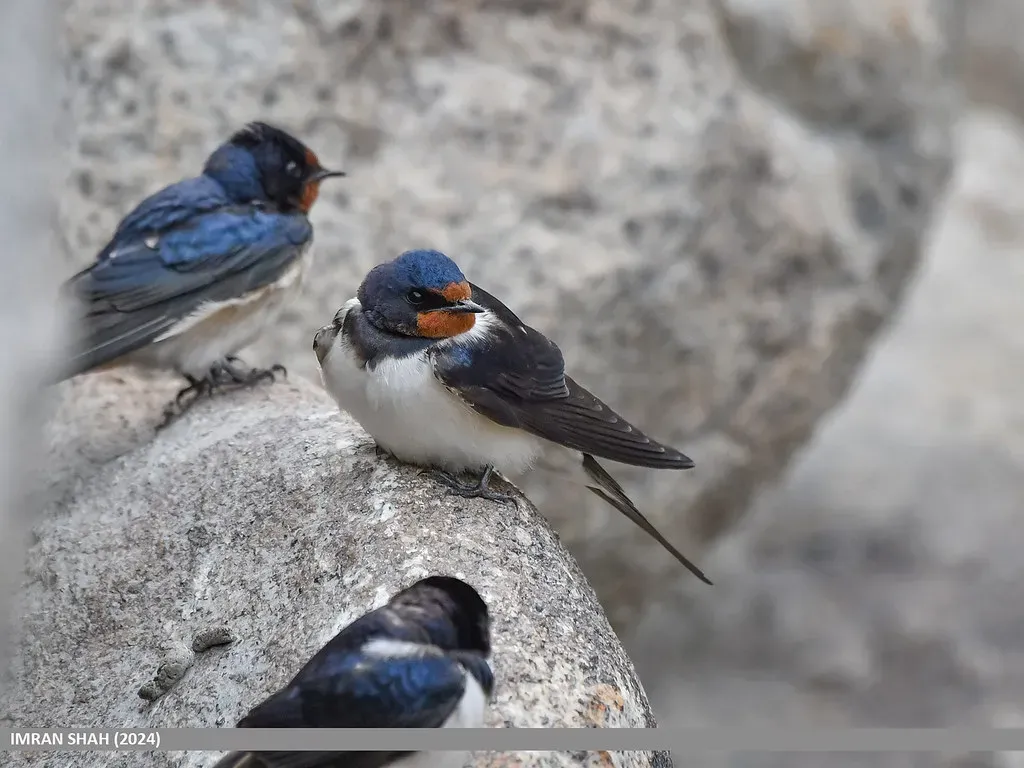
The barn swallow is, in the truest sense, a creature of the air. It eats there, drinks there, bathes there, and crosses entire continents without ever asking the ground for much help. That a bird this small carries this much biological complexity, this much history, and this much ecological weight is a fact worth sitting with.
What’s genuinely unsettling is how easy it is to overlook them. They’re everywhere and yet barely noticed – a flicker of cobalt blue over a summer field, gone before you can properly focus. The decline in their numbers in parts of the world isn’t just a conservation statistic. It’s a signal that the insect-rich, open landscapes they depend on are quietly disappearing too.
If the barn swallow can navigate the Sahara twice a year on less than an ounce of body weight, the least we can do is pay a little more attention to where it’s headed.
