
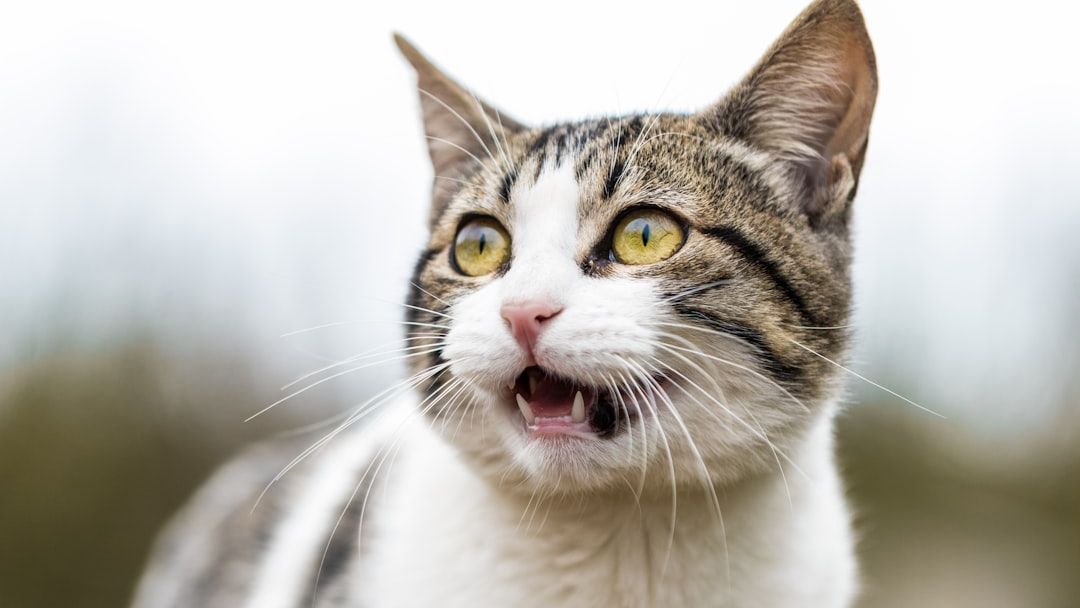
You’re sitting quietly on the couch when you notice it. Your cat, perched nearby, is locked on you with an unblinking, laser-focused stare. No movement, no meow, no sign of breaking away. Most people assume something is wrong or that their cat has simply gone a little strange. The reality, it turns out, is far more layered and far more touching than that.
According to animal behaviorists, a cat’s stare is rarely meaningless. It’s a form of silent communication, and depending on the context, it can mean quite a few things. Understanding what’s actually happening behind that gaze can genuinely change how you see your relationship with your cat.
#1: The Evolutionary Reason Cats Don’t Blink Around Those They Trust
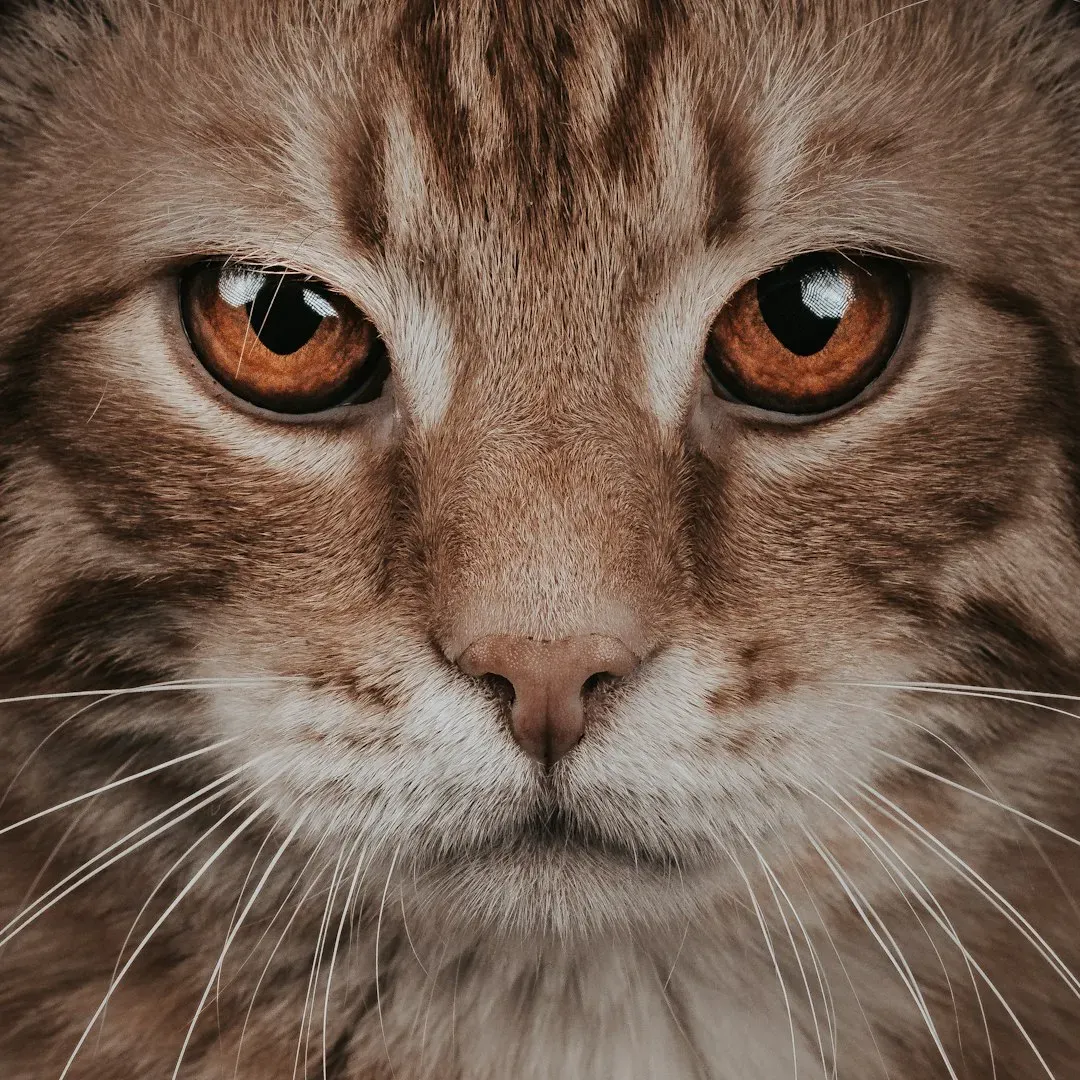
To understand the stare, you first have to understand where cats come from. They are descended from solitary, highly alert predators, and that ancestry never fully disappears, even in the most pampered house cat curled up on a heated blanket.
A cat staring at you without blinking can be a sign of trust and affection. In the wild, closing their eyes or blinking could make a cat vulnerable, so when they maintain eye contact without blinking, it can indicate they feel secure in your presence. That’s not a small thing. That’s your cat making an active, instinctual choice to stay visually open around you.
In the animal world, closing your eyes around another creature is a sign of ultimate trust. So the next time that unblinking gaze hits you from across the room, it might be worth reconsidering the discomfort you feel, because your cat is doing something genuinely vulnerable.
#2: The Difference Between a Trusting Stare and an Aggressive One
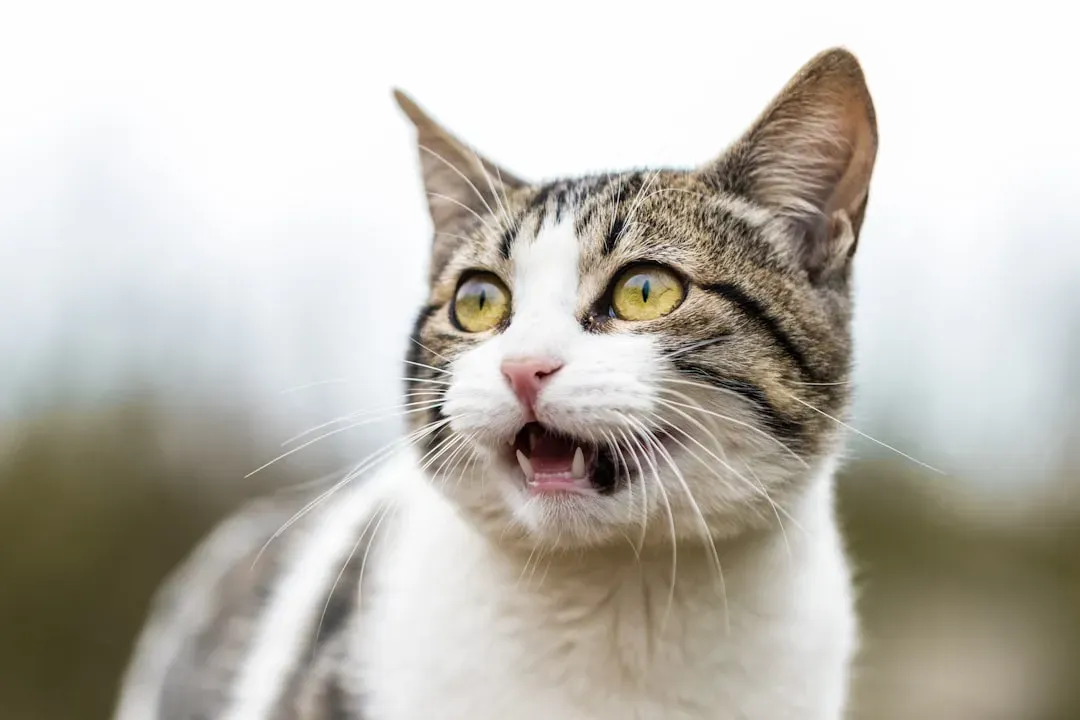
There is a catch, of course. Not every unblinking stare signals warmth. Cats use prolonged eye contact in more than one context, and knowing the difference matters quite a bit for how you respond.
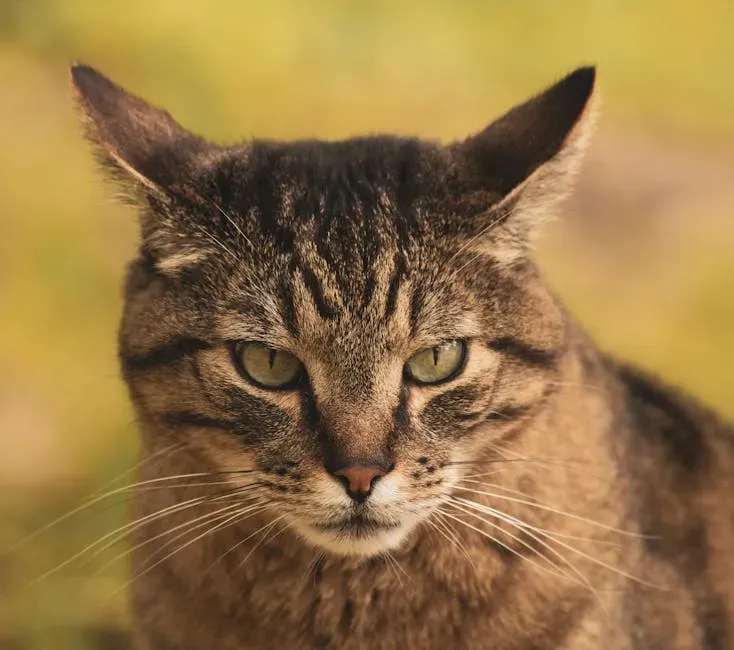
According to veterinary professionals, cats who feel threatened or who want to assert dominance over another animal will often hold an unblinking stare. In the wild, maintaining eye contact without blinking is a power move. A tense body, flattened ears, or a rigid tail alongside a stare tells a very different story than a relaxed cat gazing at you softly from the armchair.
Cats will stare at other cats or people as an aggressive signal; however, this should not be confused with friendly eye contact. Aggressive stares are intense, wide eyes indicate anxiety or hyperarousal, and friendly eye contact is soft. The key is reading the whole picture, not just the eyes in isolation.
#3: What the Science Says About the Slow Blink and Cat-Human Communication
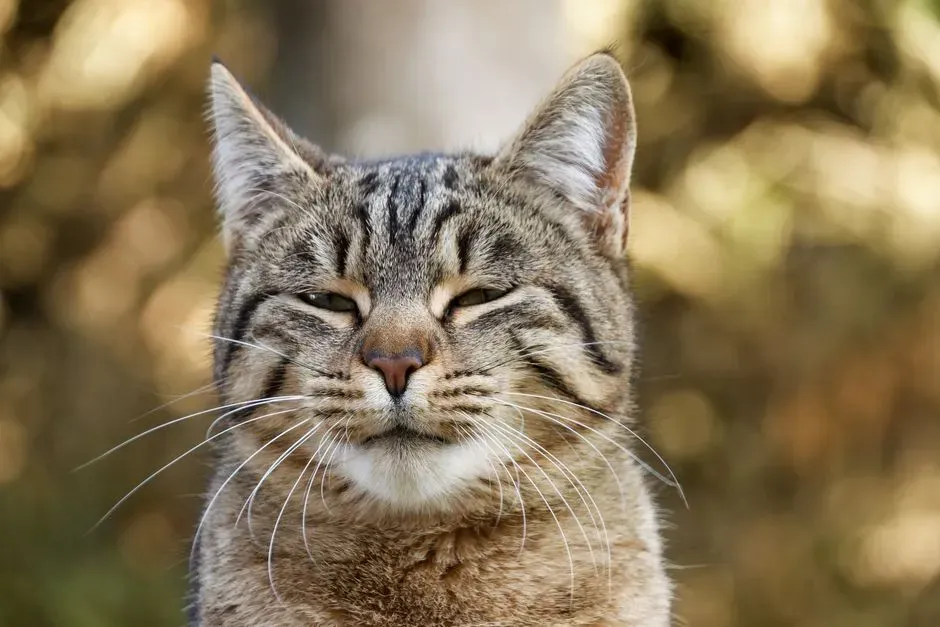
Within the broader world of cat eye contact, one particular gesture has attracted serious scientific attention: the slow blink. It’s the moment when a cat holds your gaze, then deliberately, almost leisurely, closes and reopens its eyes. Researchers have now confirmed what cat lovers long suspected.
A 2020 study published in Scientific Reports tested whether cats respond differently when humans copy this slow-blink expression. The researchers ran two experiments. In the first, cat owners sat a short distance from their pets and slowly blinked when their cat looked at them. The cats were significantly more likely to return the blink compared to moments with no interaction.
The second experiment raised the stakes. Researchers who had never met the cats before repeated the slow-blink gesture and then extended a hand. The cats didn’t just blink back more often. They were more likely to approach the stranger. In cat terms, that’s a strong endorsement. Earning a slow blink back from a cat that has never met you before is genuinely remarkable.
#4: The Chemistry of Connection – What Happens in the Brain During a Gaze
There’s actual biology behind the bond formed through eye contact with your cat, not just sentiment. The same hormone that drives human social bonding appears to be active in these quiet, unspoken exchanges between cats and their people.
Studies show oxytocin levels rise with positive engagement, such as petting, gentle vocalizations, and prolonged eye contact, leading to behaviors like head bunting, purring, and slow blinking, which are signs of feline affection. A study in Animal Cognition reported that mutual gazing increased oxytocin levels in both cats and their owners, suggesting human behavior can modulate feline oxytocin responses, potentially deepening trust and attachment.
Cats may reserve their oxytocin-releasing behavior for when they truly feel safe. A cat’s trust isn’t automatic; it must be earned. Once given, it is reinforced by the same chemical that bonds human parents, partners, and friends. That places a steady, soft cat gaze in entirely different company than we usually imagine.
#5: How to Respond When Your Cat Stares at You (and What to Do Next)
Knowing what the stare means is one thing. Knowing how to respond in a way your cat actually understands is where the relationship deepens. The instinct to stare back hard, or to look away entirely, can both send the wrong signal depending on context.
Return a slow blink to show your cat you trust and care for them, which often encourages relaxation. Speak softly or gently pet your cat if they seem calm and affectionate during the stare to reinforce positive feelings. If your cat’s stare seems tense or aggressive, give them space to avoid stress or conflict. Observe other body language signs like tail position or ear movement to decide the best way to respond appropriately.
Slow blink interactions appear to be a positive experience for cats, and may be an indicator of positive emotions. Such findings could potentially be used to assess the welfare of cats in a variety of settings, including veterinary practices and shelter environments as well as enhancing cat-human communication in the human home. Something as small as narrowing your eyes and blinking slowly back at your cat carries more weight than most people realize.
Conclusion
Cats have never been the easiest animals to read, and that reputation is partly deserved. Their communication is quiet, layered, and easy to misinterpret when you apply a human lens to it. The unblinking stare is perhaps the best example of this, sitting somewhere between unsettling and deeply intimate depending on what else is happening in the room.
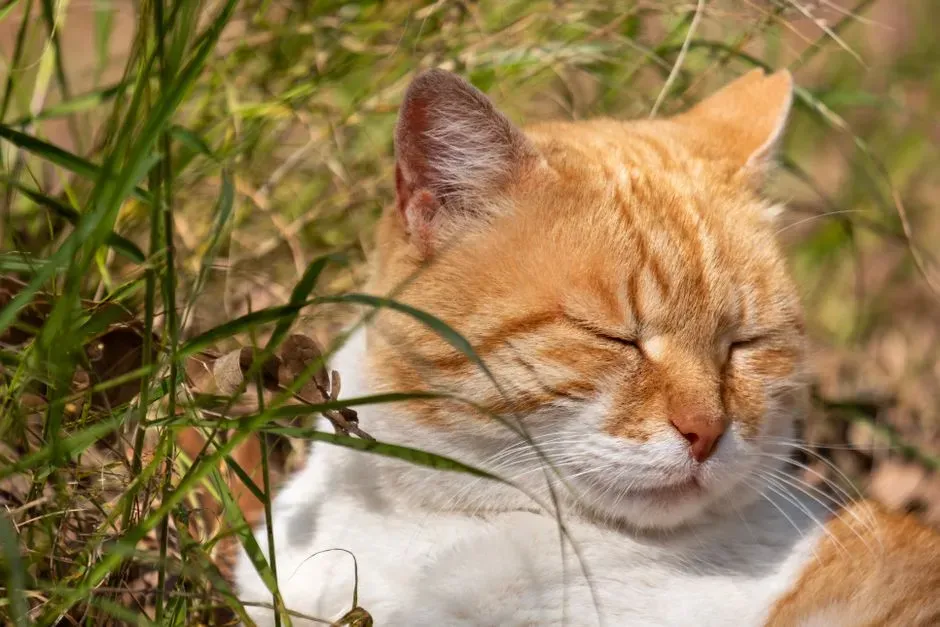
What the research makes clear is that a calm, relaxed gaze from your cat is not an accident or an oddity. When cats feel relaxed and content, they naturally narrow their eyes and blink slowly. This facial expression closely resembles the soft squint humans make when smiling. In other words, it’s a cat’s way of expressing friendliness and trust.
The next time your cat catches your eye and holds it, try slowing down instead of looking away. Narrow your eyes gently, blink once, and wait. You might be surprised what answers back.

- 14 Signs a Dog Near the Rainbow Bridge Is at Peace With Its Person - July 21, 2026
- 15 Ways a Shelter Animal Tells You It Was Always Meant to Be Yours - July 21, 2026
- 14 Ways a Dog Shows You Are the Center of Its Whole World - July 21, 2026