
Being Inconsistent With the Rules Every Single Day
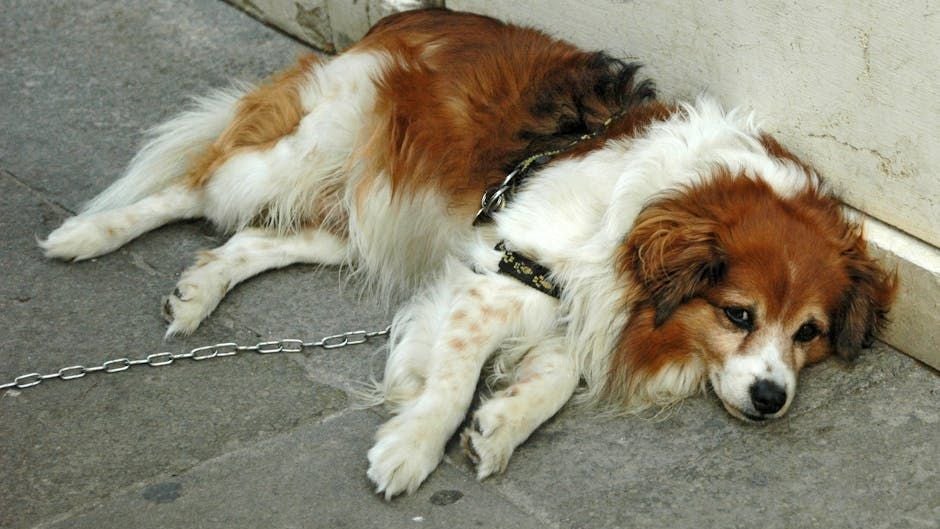
This is the one. The daily habit that does more damage to canine trust than almost anything else. Inconsistent behavior from owners, whether it’s changing the rules, being unpredictable in responses, or failing to maintain clear expectations, can erode a dog’s trust and respect, leading to confusion and anxiety.
When a behavior is met with the same response every single time, a dog builds a clear mental picture of what is expected. When that response changes depending on the day, the person, or the mood in the house, the picture blurs, and the dog is left trying to guess what the rules actually are. That guessing is what most people mistake for disobedience.
Consistency in your interactions with your dog, the rules you establish and enforce, and the routines you implement are a way to clearly communicate. You are teaching them what to expect at given times and in given situations. Over time, this builds their confidence and teaches your dog that they are safe with you and can trust you.
The couch rule is a textbook example. If one person in a household invites a dog onto the furniture and another tells the dog they are not allowed on the furniture, this is simply confusing for the dog. It’s not stubbornness. It’s a dog doing their best in a world where the ground keeps shifting.
Punishing Your Dog After the Fact
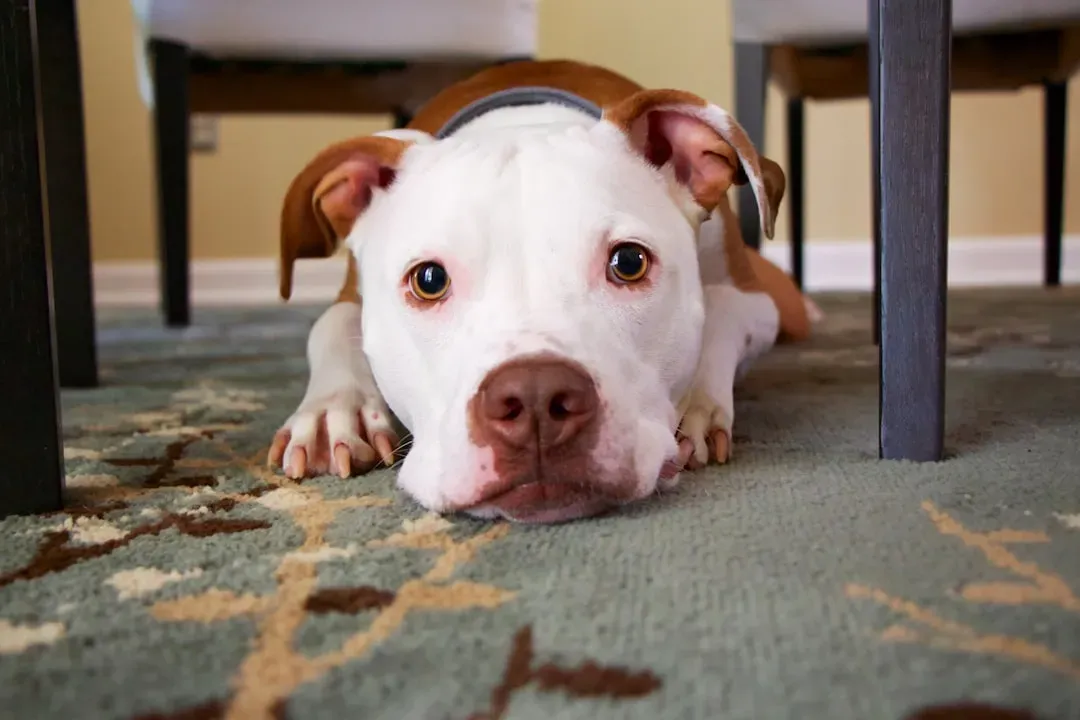
Coming home to a chewed shoe and immediately scolding your dog is one of the most common mistakes in pet ownership, and it genuinely damages trust. Punishing your dog after the fact is a common way that dogs can lose trust in their owners. Dogs normally only associate corrections with what they’re doing at that given moment in time, and most researchers believe that dogs don’t feel complex emotions like guilt. Correcting a dog hours after he chewed your favorite shoes is most likely going to be perceived by the dog as you suddenly being very angry for a reason he doesn’t understand. He may then see you as unpredictable or unstable.
That “guilty look” your dog gives you when you walk in? It’s not guilt. It’s appeasement. Dogs learn incredibly quickly that a certain expression or posture softens your reaction, and they deploy it accordingly. Punishing them for something they can no longer connect to their own behavior doesn’t teach a lesson. It teaches them that you’re unpredictable, and unpredictable owners are not safe ones.
Raising Your Voice During Stressful Moments
It happens in frustration. A dog doesn’t come when called, or knocks something over, and the voice goes up. Feels natural. Feels human. For your dog, though, it registers as something closer to a threat. Raising your voice and harsh vocalizations can make dogs anxious, and they may interpret loud voices as threats. A study conducted by Cold Spring Harbor Laboratory found that raising your voice at your dog specifically creates long-term trauma and the fear of loud voices rather than just being momentarily scared.
Yelling sounds similar to barking to dogs, and they are likely to respond by barking louder to match your tone rather than calming down. Even if you are trying to get your pets to obey a command, most training experts recommend using a soft, quiet voice that they are more likely to respond to with calmness and obedience. Calm and clear is always more effective than loud and reactive. This is one of the most consistent findings in modern canine behavior research.
Ignoring Your Dog’s Stress Signals
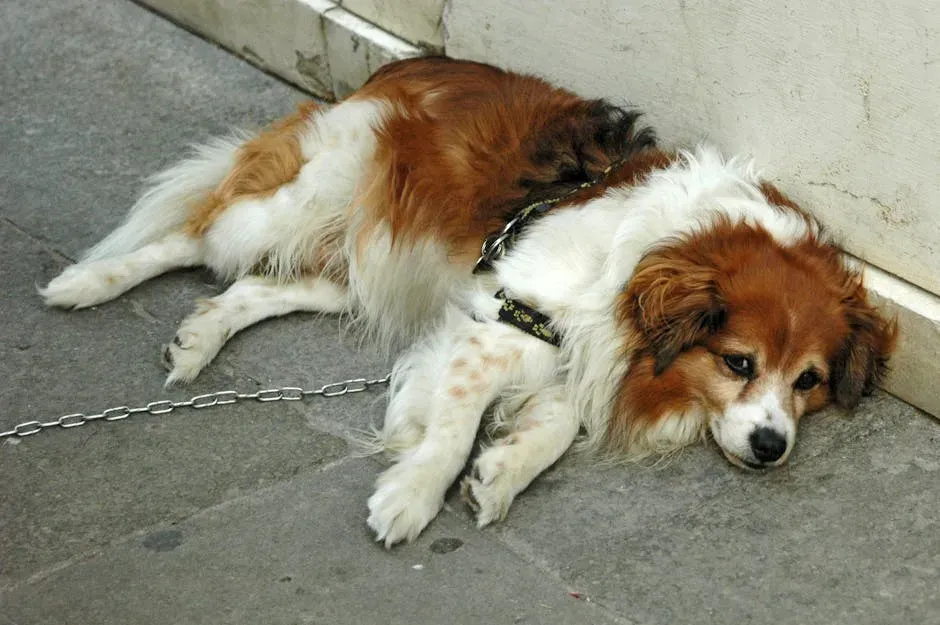
Dogs rely on body language to communicate their feelings, whether happy, anxious, or scared. Ignoring or misreading these signals can leave them feeling frustrated or unsafe. You might think everything is fine, but your dog’s body language tells a completely different story. When their cues are overlooked, it creates confusion and can lead to anxiety or even aggressive behavior.
These behaviors often serve as “cut-off” signals, attempts by the dog to diffuse tension, avoid confrontation, or communicate discomfort. When we ignore these early warnings, dogs may feel compelled to escalate to more obvious signals like growling or snapping. The longer these signals go unacknowledged, the more a dog learns that quiet communication is pointless. That’s when behavior tends to escalate, not because the dog became aggressive, but because they ran out of softer options.
Misreading the Signals Your Dog Sends Every Day
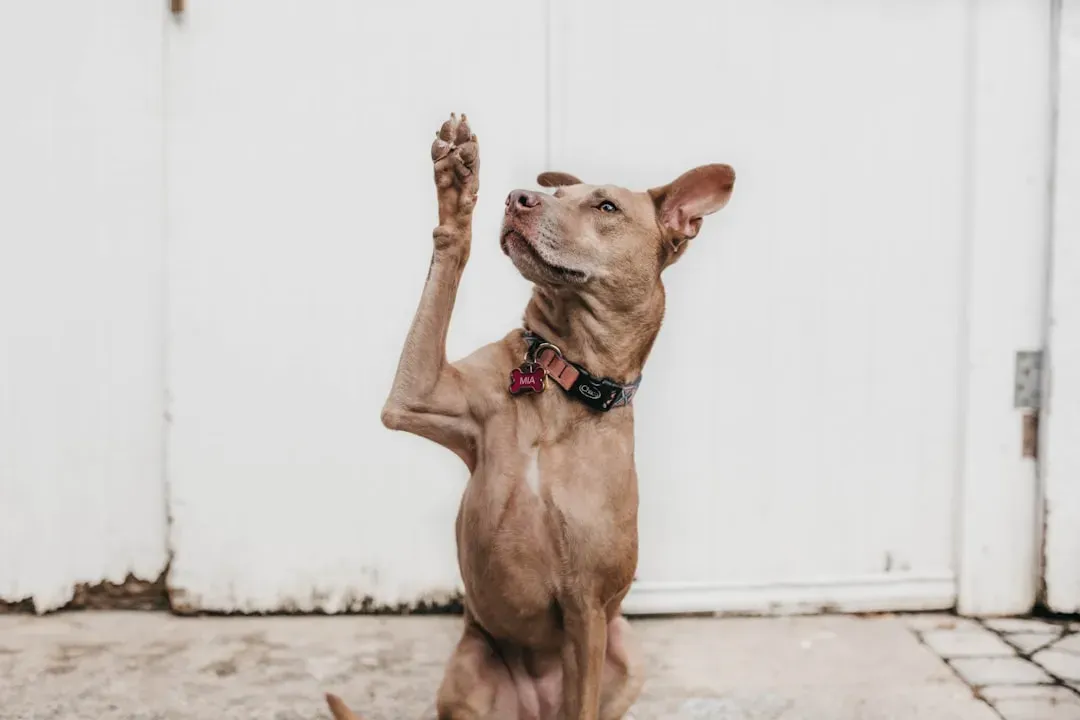
A yawn during a hug. A quick tongue flick when a stranger reaches for them. Looking away when you make eye contact. These aren’t random. When dogs feel stressed, they’ll pointedly look away and avoid eye contact. People often interpret this as their dog ignoring them or being stubborn, but the dog is expressing discomfort.
Lip licking is one of the most frequent stress signals dogs display, and it’s often misinterpreted as the dog simply being hungry or licking food residue from their mouth. It is a quick tongue flick that licks the nose or lips, often so fast you might miss it if you’re not paying attention. This is different from the slower, more deliberate licking after eating or drinking. This behavior is a calming signal that dogs use to self-soothe when they’re feeling anxious or to communicate peaceful intentions.
Dog body language must be read as a whole, not by a single signal like tail wagging. A wagging tail does not always mean a happy dog. Stress and fear signals often appear before growling or biting. Recognizing early signs of discomfort can prevent escalation. Once you start seeing these small signals, you can’t unsee them, and your dog’s world becomes a lot more legible.
Punishing Fear Instead of Addressing It
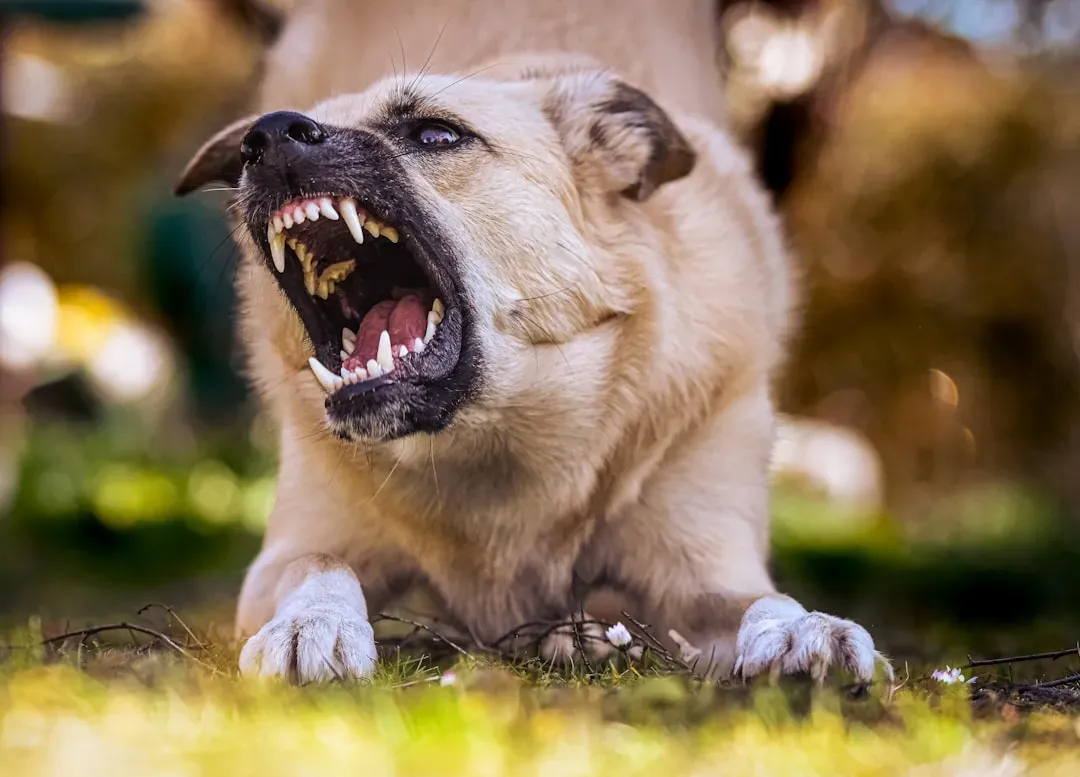
When a dog growls at a stranger, flinches from a loud noise, or shuts down at the vet, the instinct for many owners is to scold them into compliance. That impulse, while understandable, makes everything worse. When a dog freezes, growls, or hides, it is usually communicating fear, not defiance. Punishing that response teaches your dog that scary things also predict pain or anger. Fear then grows into avoidance, shutdown, or defensive aggression.
If you punish a dog for growling, you aren’t fixing the aggression. You are just teaching them to stop warning you. Next time, they might skip the growl and go straight to the bite. The growl is communication, not defiance. Suppressing it removes a critical safety valve. What gets mislabeled as a “sudden bite” is almost always the result of weeks or months of ignored warning signs that were quietly trained away.
Applying Correction Long After the Moment Has Passed
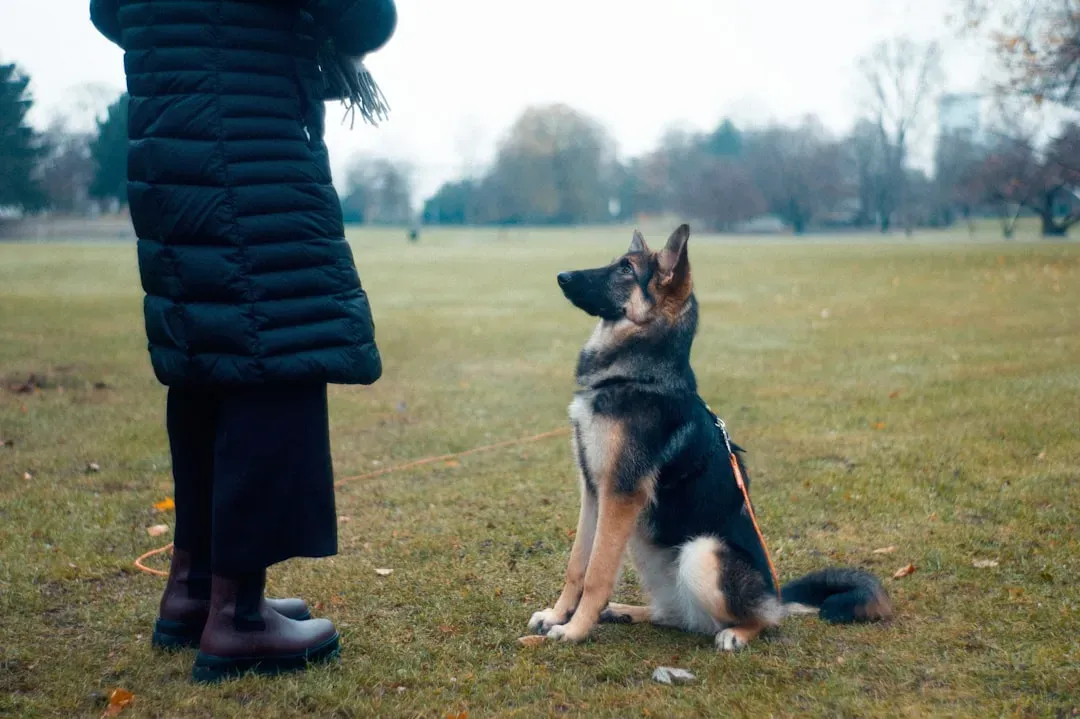
Timing is everything in dog behavior, and most owners get it wrong in ways that quietly chip away at the relationship. Dogs learn through repetition, timing, and consequence. When a behavior is met with the same response every single time, a dog builds a clear mental picture of what is expected. When that response changes depending on the day, the person, or the mood in the house, the picture blurs.
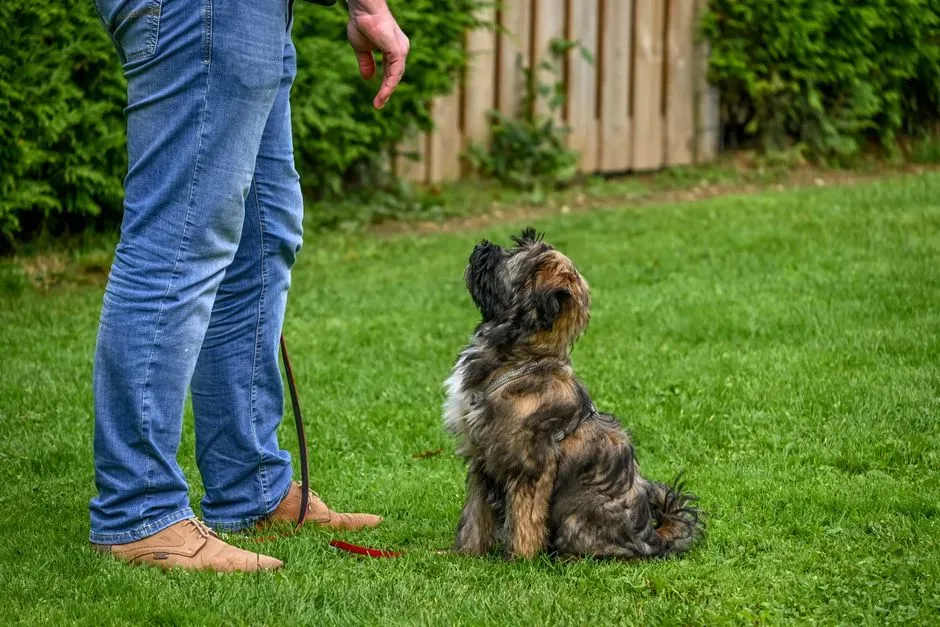
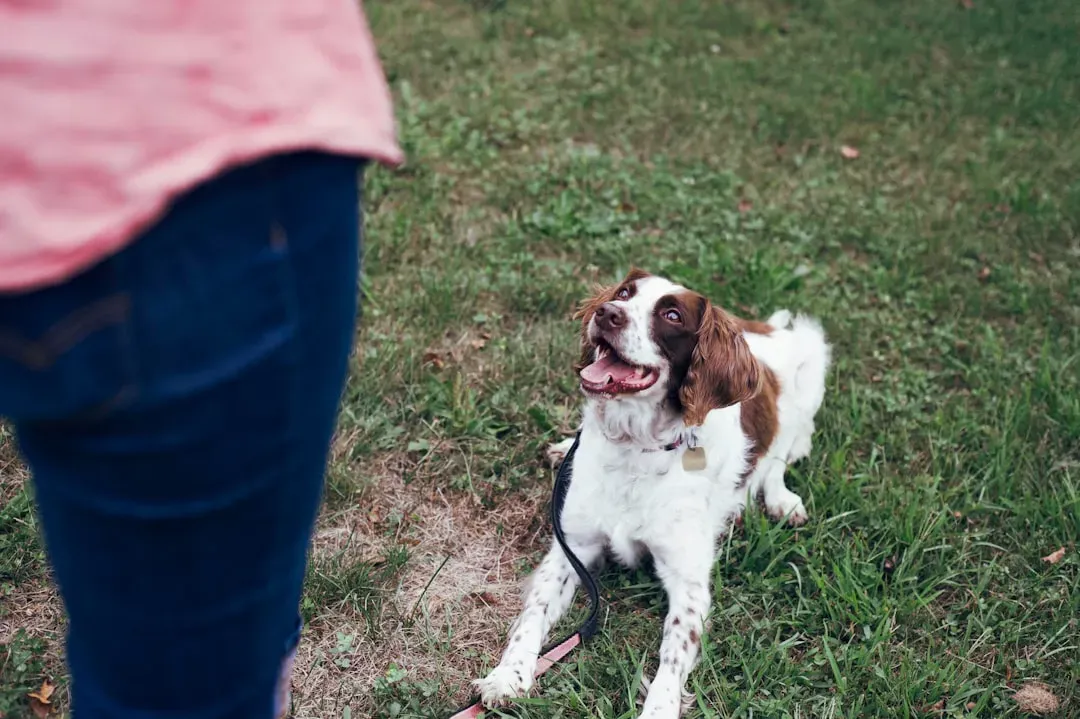
Another common scenario is the dog that doesn’t come when called and then gets scolded when he eventually goes to his owner. Think about what that actually teaches. The dog comes to you, and gets punished for it. The next time you call, they’re going to hesitate. They’ve learned that returning to you leads to something unpleasant. This single habit, repeated daily, is one of the most reliable ways to destroy a reliable recall and erode baseline trust simultaneously.
Using Aversive Training Methods
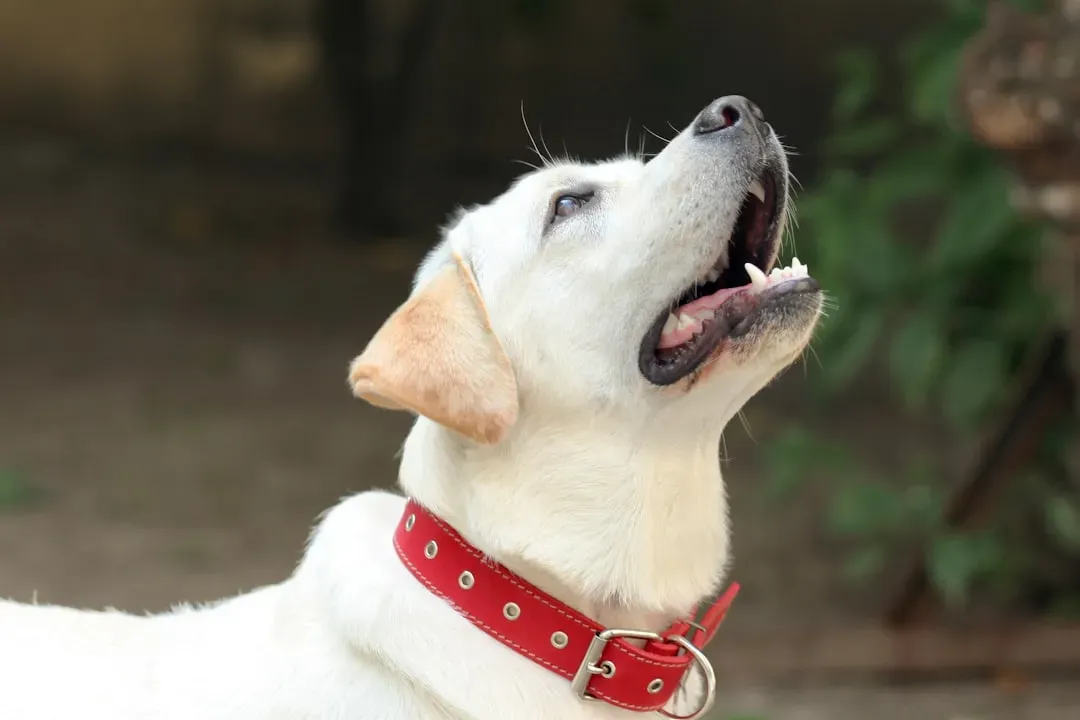
Choke chains, shock collars, prong collars, sharp leash yanks. Even when used with good intentions, the science on these methods has become increasingly clear. Techniques like physical punishment, shock collars, or prong collars can harm your dog’s trust in you and lead to fear and anxiety. The short-term compliance they sometimes produce comes at a genuine cost to the human-animal bond.
Dogs who are yanked often suffer from problems including frustration, anxiety, stress, elevated heart rate, blood pressure, corticosteroids, damage to the neck, thyroid and salivary glands, and possibly their eyes. It can also damage the trust that a dog has in their owner. Research has suggested that even using relatively mild punishments, like yelling, can stress dogs out, making them more “pessimistic” than dogs that experience reward-based training. The data has been pointing in one direction for years now.
Forcing Physical Interactions Your Dog Didn’t Ask For
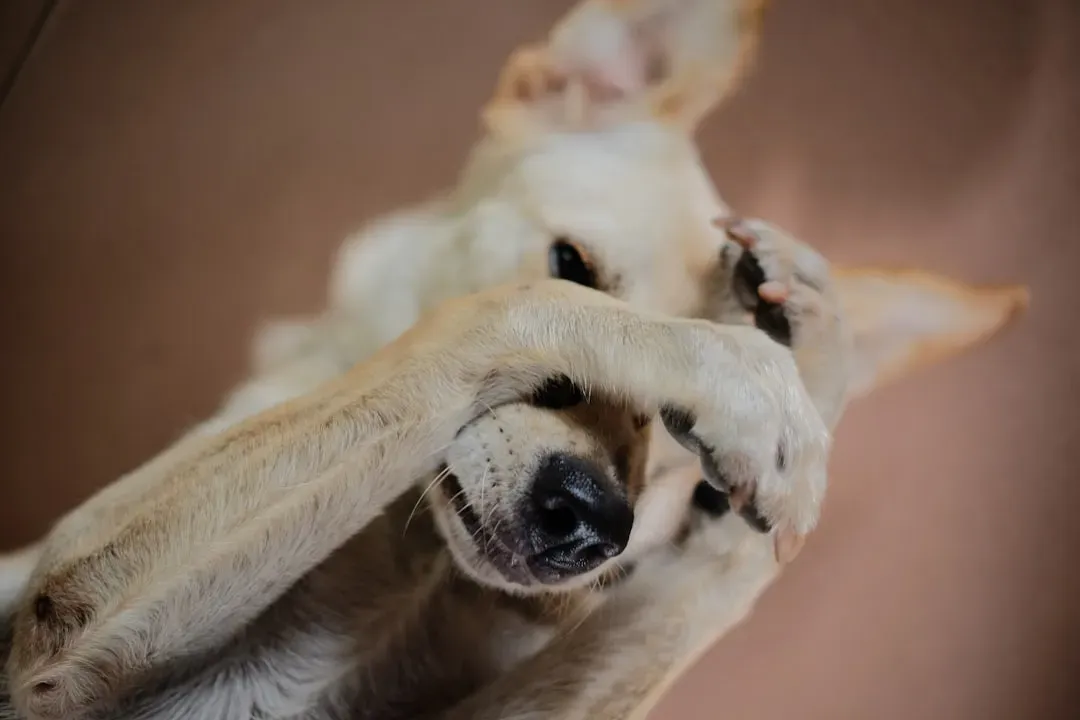
Hugging a dog feels like a natural expression of affection. For many dogs, it’s actually a source of low-grade stress. Avoid putting too much pressure on your dog, handling them when they don’t want contact, or picking them up when they don’t want to be carried. Contrary to some popular advice, you should avoid interacting too dominantly or forcefully with your dog, like by raising your voice or staring them down.
If your dog yawns during a training session, at the vet, or when being hugged, it is likely a stress yawn. This is a displacement behavior used to release internal tension. It is your dog’s way of saying, “I am feeling overwhelmed right now.” Respecting that signal, rather than pushing through it, is one of the clearest ways to communicate to your dog that their boundaries matter. That communication builds more trust than any amount of forced cuddles ever could.
Carrying Anxiety Into Every Interaction

Your emotional state isn’t invisible to your dog. Not even close. If a dog is genetically or environmentally predisposed to anxiety, an owner who has the same predisposition or outright anxiety could bring that out. Conversely, a very easy going, laid back owner could lend the confidence needed so that predisposition in the dog is not actualized.
Inconsistent responses can increase a dog’s confusion and emotional intensity instead of helping them stay calm. Owners are urged to focus on calm, consistent communication that helps dogs feel safe and secure. Dogs are social animals who orient toward their humans for cues about how to read the world. If every interaction you bring is tense or unpredictable, they have no stable reference point to anchor their sense of safety. Calm, grounded owners tend to have calmer, more grounded dogs.
Neglecting Mental Stimulation and Routine
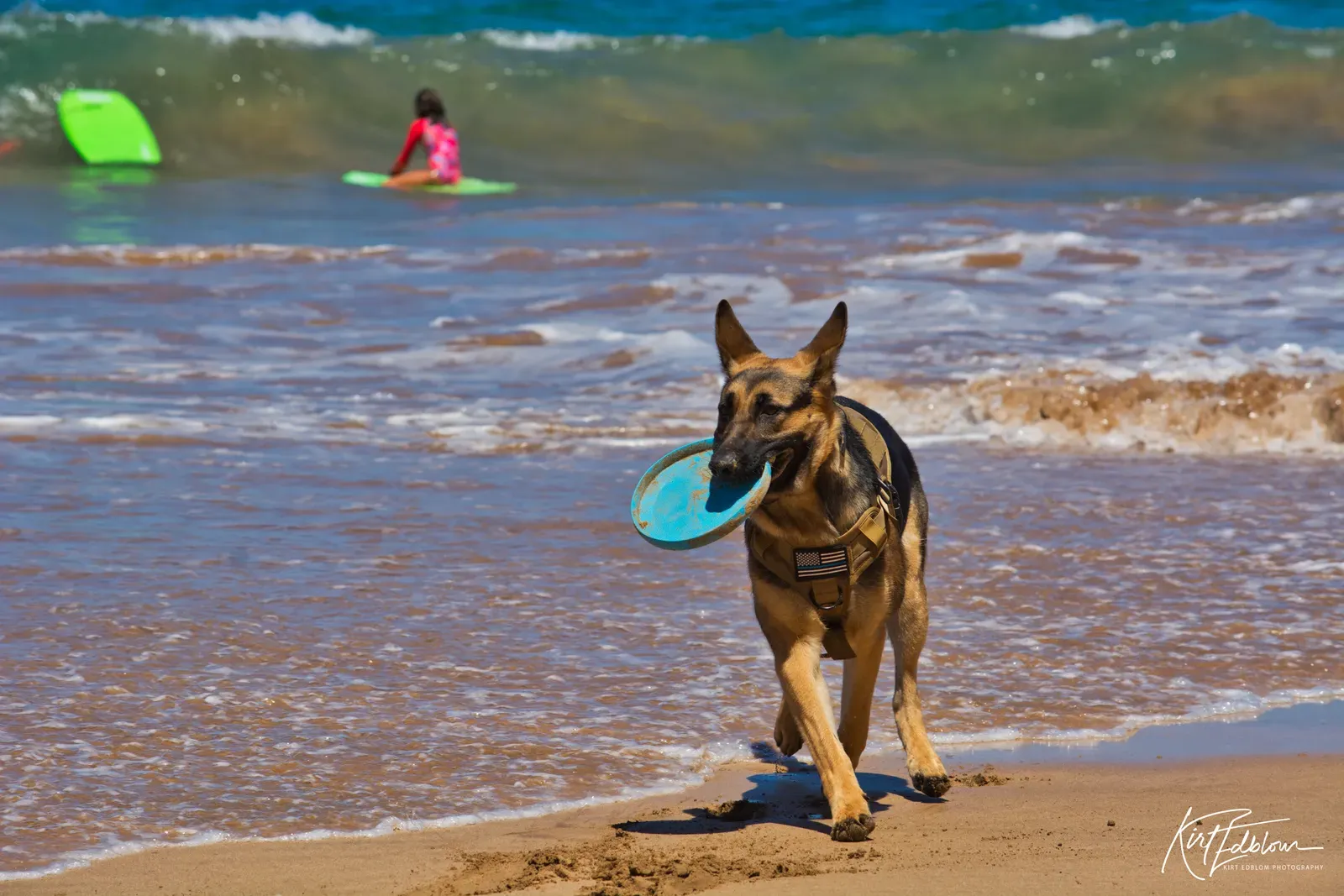
Dogs may not ask for much, but they thrive when their environment is stimulating, safe, and full of love. Without that, they can lose the spark that makes them such amazing souls to be around. Neglecting their need for enrichment affects their mental and physical well-being, leaving them bored, anxious, or even depressed.
Setting up your dog’s routines matters more than many owners realize. Dogs like knowing when they are going to eat and walk during the day. The more you can stick to certain times, the more secure they will feel. A bored, under-stimulated dog is not a happy dog, and an unpredictable schedule adds a layer of ambient stress that accumulates quietly over time. Routine isn’t just convenient. It’s one of the most foundational ways you signal to your dog that the world is safe.
A Final, Honest Word
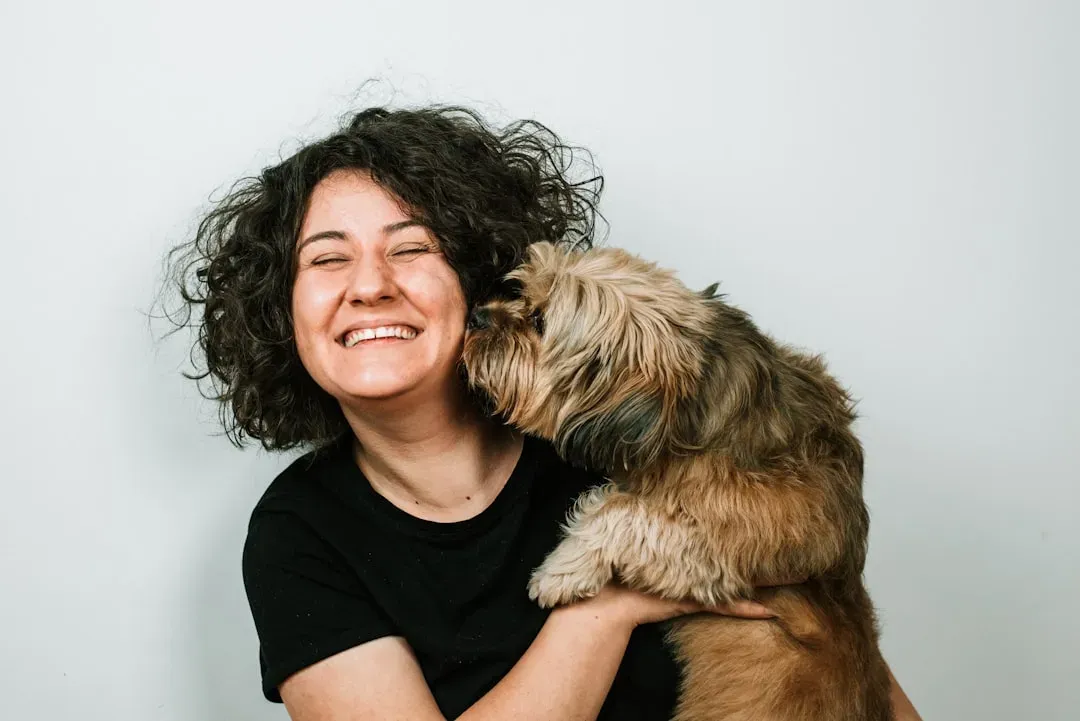
The discomforting truth is that most of the habits described here come from love. Owners don’t yell at their dogs out of malice. They don’t create inconsistent rules out of cruelty. They do it because life is messy, moods are variable, and nobody is paying attention to the quiet language a dog uses to say “I need more from you.”
Research from Texas A&M has found that more than 99% of dogs in the United States show behaviors that are potentially problematic, with separation and attachment behaviors, fear, and anxiety among the most common categories. That’s not a coincidence. It reflects the cumulative weight of well-meaning habits that haven’t been examined closely enough.
Trust between a dog and their owner isn’t built in grand gestures. It’s built in the small, daily moments: the rule you enforce consistently, the stress signal you actually notice, the frustration you don’t take out on the one creature in your house who thinks the world of you. Getting those small moments right, more often than not, is where the real relationship lives.
