
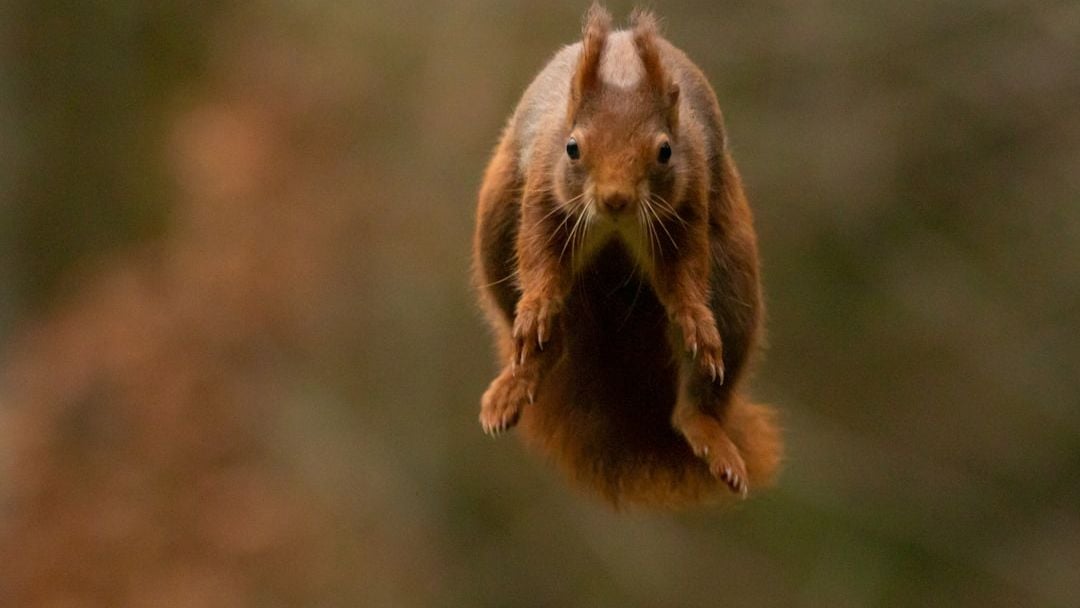
Most Americans have probably never seen a flying squirrel. Not because these animals are rare, but because they operate almost entirely on the other side of the clock. While people sleep, these small, wide-eyed creatures are gliding silently through dark forests, solving problems no other squirrel can, and doing things that would sound like science fiction if the research hadn’t confirmed it all.
The gap between how common they actually are and how little most people know about them is genuinely striking. They live in backyards, suburban woodlands, and deep forests across almost the entire country. Yet most people couldn’t describe one if asked. These eleven facts are a good place to start correcting that.
#1: They Don’t Actually Fly – Their Engineering Is More Impressive Than That
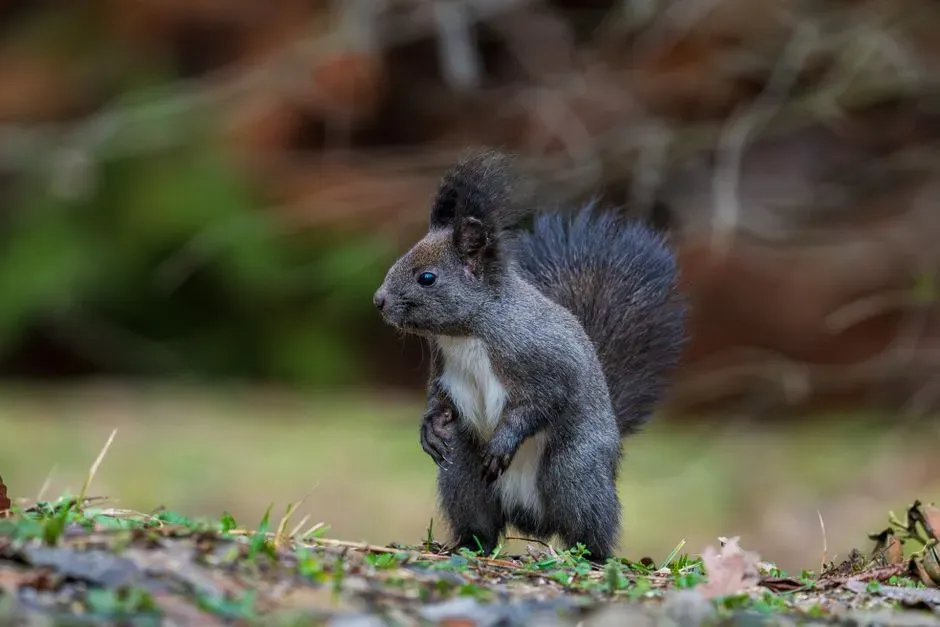
Flying squirrels might more appropriately be called “gliding squirrels” because they aren’t capable of true powered flight the way a bird or a bat can achieve. The name has stuck despite being technically wrong, and the reality of what they actually do is arguably far more remarkable.
They are able to glide from one tree to another with the aid of a patagium, a furred skin membrane that stretches from wrist to ankle. When they leap from a tree and spread their limbs, this flap of loose skin forms a square and acts like a hang glider. Flying squirrels can turn by lowering one arm, while a specialized piece of cartilage not found in other gliding mammals extends from the wrist to support the patagium and help them steer.
#2: They Can Cover Distances That Would Surprise You
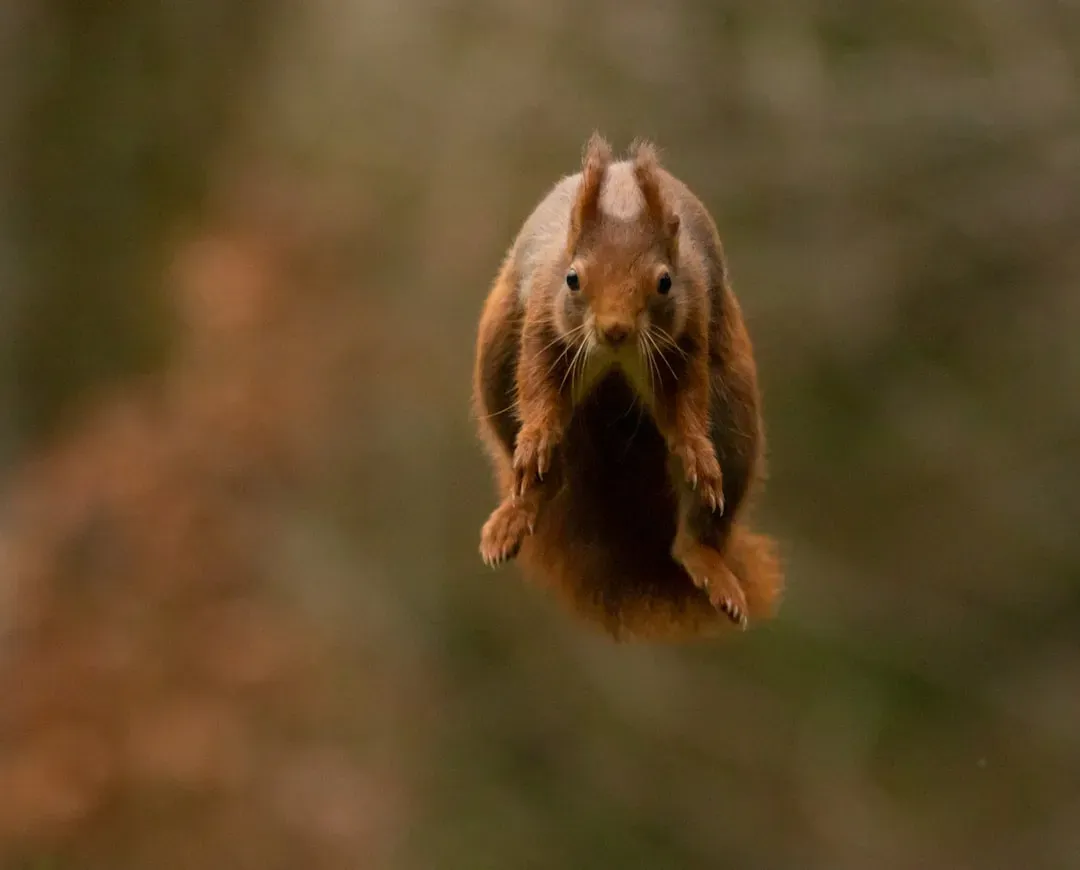
Flying squirrels are known for soaring anywhere from 150 to 500 feet, sailing from tree to tree to avoid ground predators. To put that in perspective, the longer end of that range is roughly the length of a city block, all powered by nothing more than a leap and a fold of skin.
Once in the air, they spread their long arms forward and out and their long legs backward and out, causing their membrane to stretch into a square-like shape and glide down at angles of 30 to 40 degrees. Just before reaching a tree, they raise their flattened tails to abruptly change their trajectory upward, and point all of their limbs forward, creating a parachute effect with the membrane in order to reduce the shock of landing. The whole sequence is precise enough to seem almost choreographed.
#3: They Can Execute Mid-Air Turns to Evade Predators
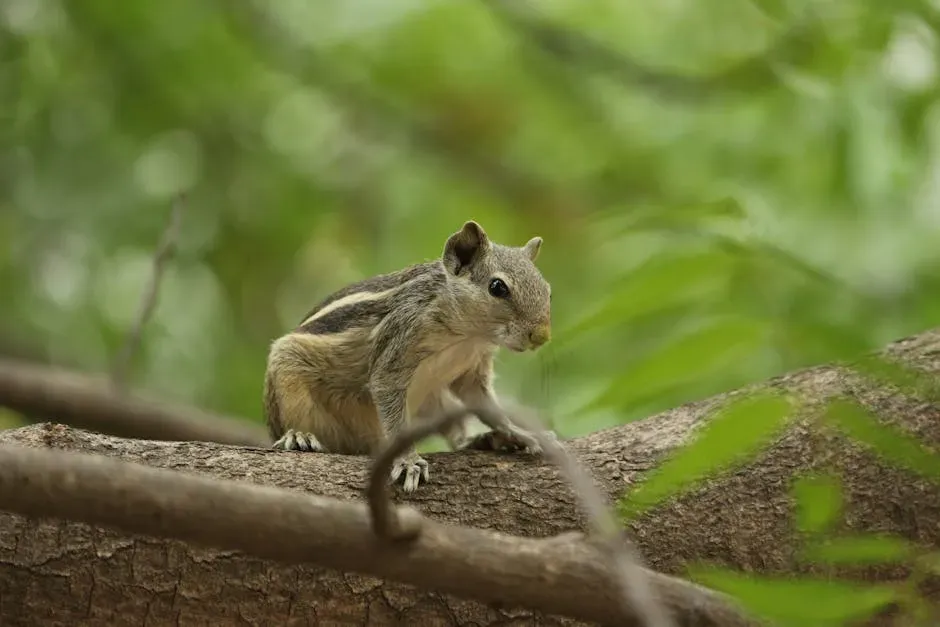
These animals are capable of making 180-degree turns in mid-air to evade flying predators like owls. This is not a slow, gradual arc either. The maneuver is sharp, controlled, and repeatable – a genuine aerobatic capability packed into a creature that weighs only a few ounces.
They maneuver with great efficiency in the air, making 90-degree turns around obstacles if needed. Thanks to their superb gliding abilities, flying squirrels are great escape artists. Once a flying squirrel lands on a tree trunk following a flight, it promptly scurries to the other side of the trunk to avoid any predators that may have followed it. For a small mammal, that combination of aerial agility and quick ground instinct is a remarkably effective survival system.
#4: They Glow Bright Pink Under Ultraviolet Light
Research has revealed that their fur glows a brilliant bubble-gum pink under ultraviolet light, making these squirrels one of only a few mammals known to fluoresce, which is the ability to absorb light in one color, or wavelength, and emit it in another. The discovery happened entirely by accident.
The discovery, according to Jon Martin, associate professor of forestry at Northland College in Wisconsin, was a lucky accident. Martin was using a UV flashlight to see if frogs who lived in his woodsy Wisconsin backyard would glow in the dark. The frogs, it turns out, do not glow. But when Martin happened to turn his flashlight on a flying squirrel as it touched down on a nearby bird feeder, he was met with a bright neon pink reflection. New World flying squirrels were the only specimens that appeared to have this unusual coloring. Although researchers tested additional species, such as the eastern gray squirrel, the fox squirrel, and the American red squirrel, none yielded the same result.
#5: Nobody Fully Knows Why They Glow
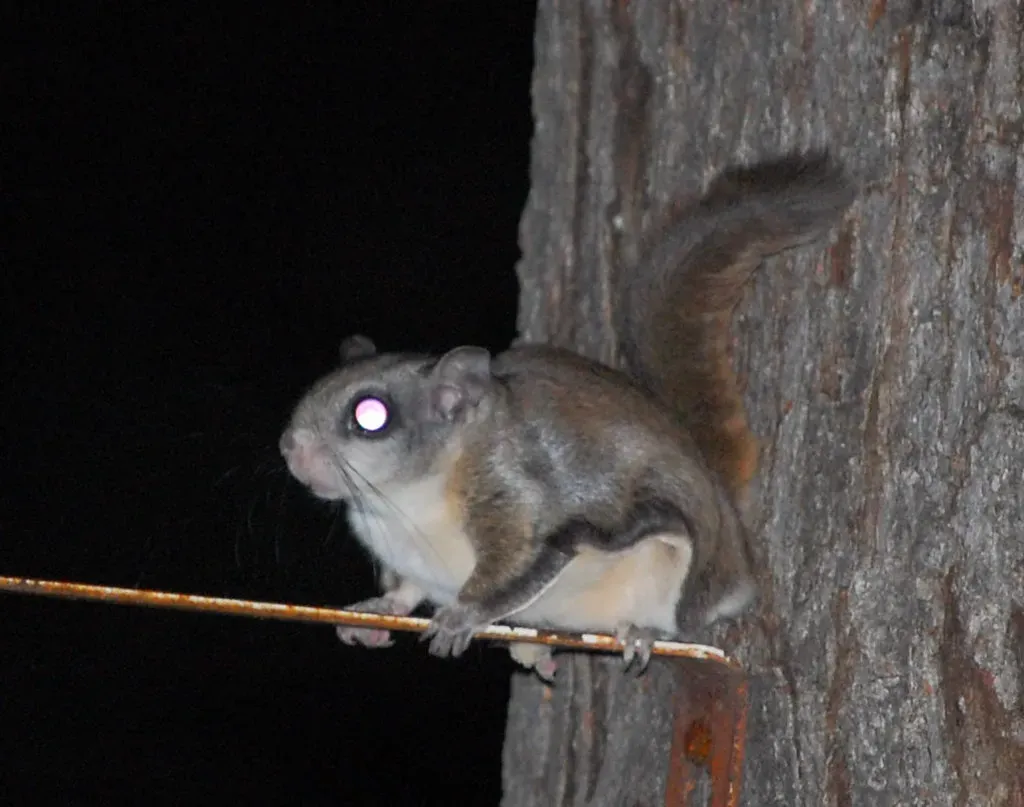
The North American flying squirrel fluoresces pink at night under ultraviolet light, but the purpose of the pink color is still a mystery to researchers. Several working hypotheses have been proposed, but none have been conclusively confirmed.
Communication and camouflage are two top contenders for why this might be happening, according to the research team. One hypothesis is that the UV reflection acts to camouflage them from owls, which can detect UV light. By better blending in against fluorescing plants, lichens, or a background of snow, they may become a harder target. Uniquely among squirrel species, the lens covering a flying squirrel’s eye lets UV radiation pass through to the retina, suggesting it could play some yet-to-be-understood role in communication and possibly mating.
#6: They Are the Most Common Squirrel in North America – and Almost Nobody Sees Them
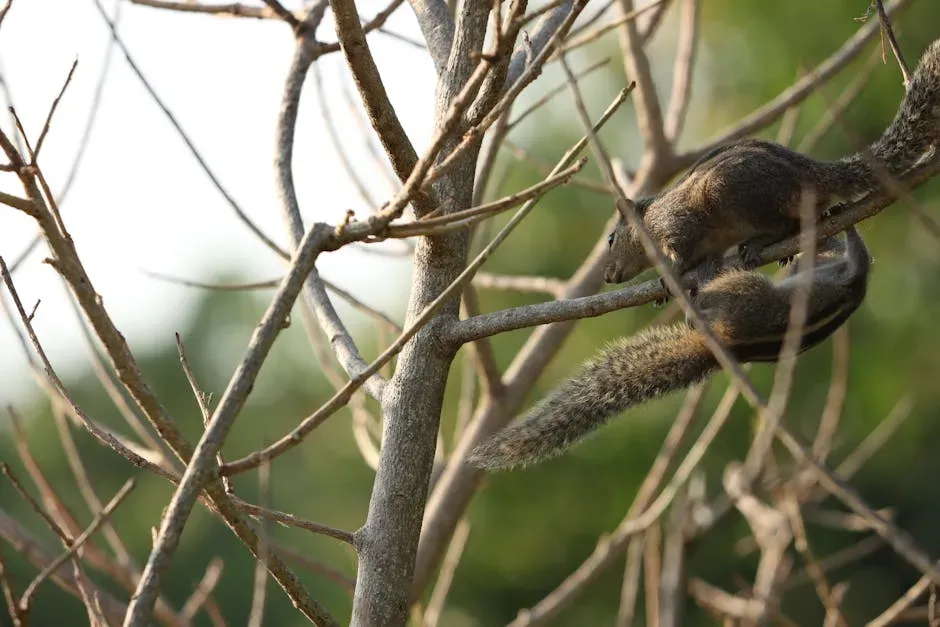
Flying squirrels are actually the most common squirrel in North America. That claim tends to catch people off guard, and for good reason. Most Americans picture gray squirrels or fox squirrels when the word “squirrel” comes to mind.
Flying squirrels are common rodents in many parts of the country, but because they are nocturnal, few people ever see them. They spend most of their time in a light-proof nest and would only leave the nest once the light goes off – it’s a sort of rhythmic behavior. Their abundance is essentially hidden by their schedule, which runs opposite to ours almost entirely.
#7: They Play a Critical Role in Keeping Forests Healthy
While both species enjoy fungi, it is the northern flying squirrels that specialize in this food source and even play a role in promoting healthy forests. At least one study found that roughly nine-tenths of the northern flying squirrel’s diet consists of the underground fruiting bodies of mycorrhizae, known as truffles. Most people associate truffles with expensive French cuisine, not with small forest rodents doing quiet ecological work.
When they consume the fruiting bodies of these mycorrhizal fungi, they also ingest their spores. As the squirrels move through the forest, these spores pass through their digestive system and are deposited in their droppings, effectively planting new fungi across the landscape. This act of spore dispersal is critically important, ensuring the continued health and spread of these vital fungal networks, which in turn supports the entire forest ecosystem. One study found that fungal spore germination was actually enhanced when spores passed through the digestive system of northern flying squirrels.
#8: They Don’t Hibernate – They Share Body Heat Instead
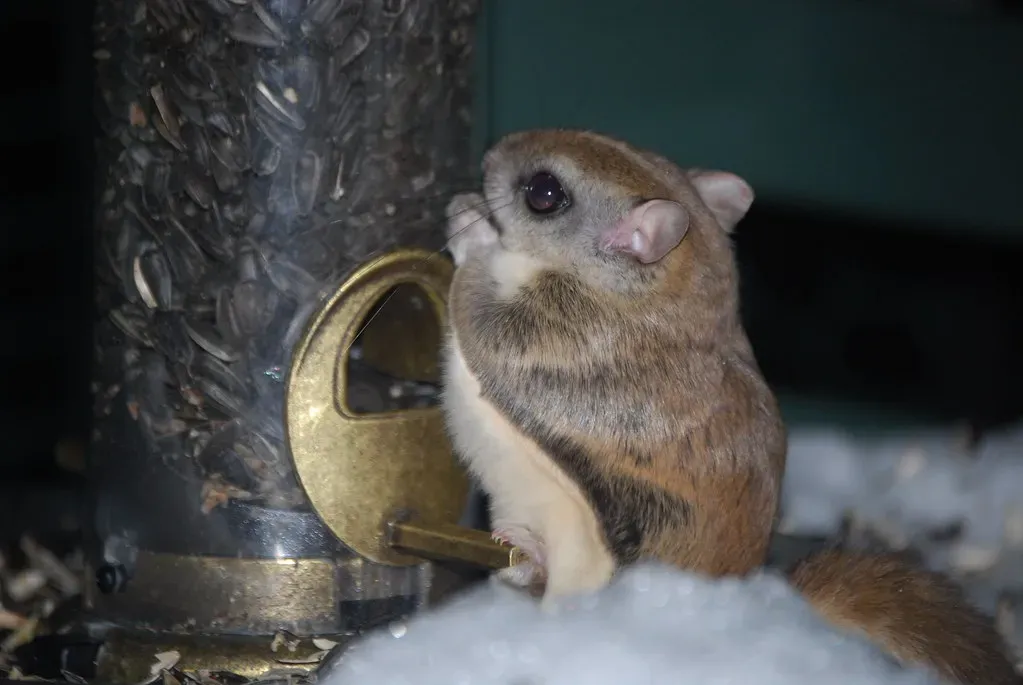
While flying squirrels can inhabit some of the coldest regions in North America, they do not hibernate. During the winter, they become less active but still leave their nests and forage for food, and like other squirrel species, they stockpile food for the winter to supplement feedings.
While solitary during the summer, as many as 20 flying squirrels may huddle together to survive the winter. After stashing away acorns and nuts for food, the group of squirrels will find a tree cavity or abandoned woodpecker hole to bed down while temperatures drop. Compared to individuals who nest alone in winter, squirrels in aggregates can save roughly a third more energy. Even more unusually, another fascinating characteristic of the species is its acceptance of other wildlife in its nests during the winter. The species may share a nest with bats or even screech owls to keep warm.
#9: Newborns Are Completely Helpless at Birth
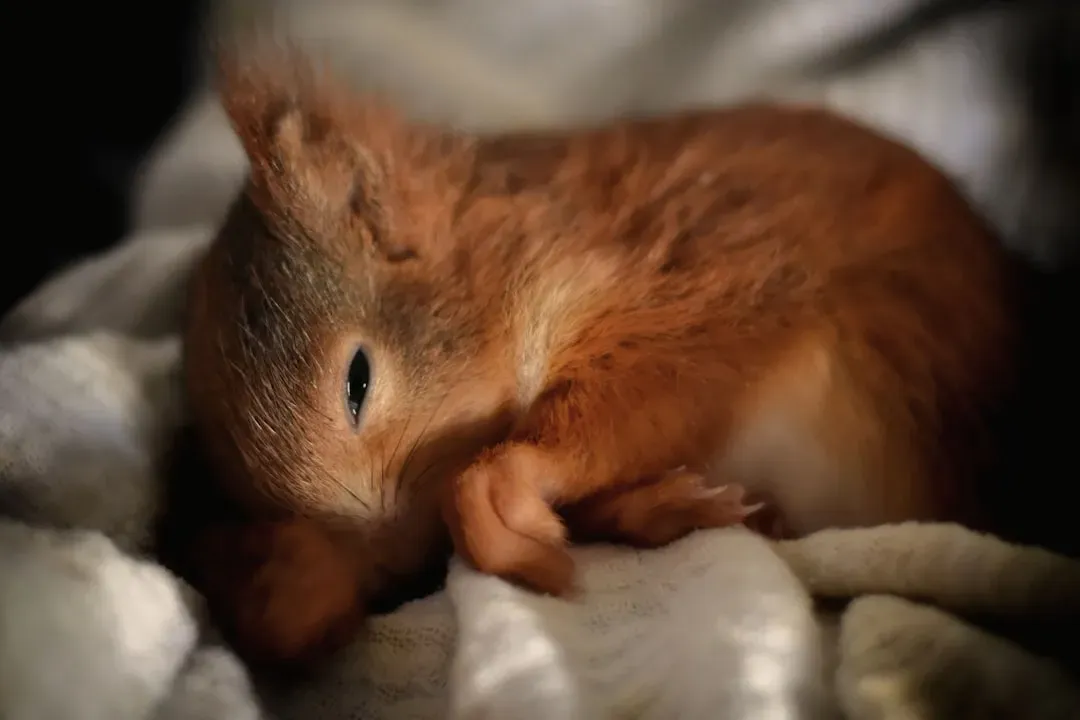
After a 40-day gestation, a female flying squirrel will give birth to three to four young. The babies are naked, blind, and deaf at birth, and wean after six to eight weeks. Even after weaning, the young might stay with their mother for a while longer. It’s a slow, protected start for a creature that will eventually be navigating dark forests at speed.
It is common for a female flying squirrel to maintain multiple nests to ensure a safe place to retreat in case of predators. By five weeks, young squirrels are able to practice gliding skills, so that by ten weeks they are ready to leave the nest. The transition from helpless newborn to competent aerial navigator happens remarkably fast, within a matter of weeks.
#10: Their Eyes Are Specially Engineered for Navigating in Darkness
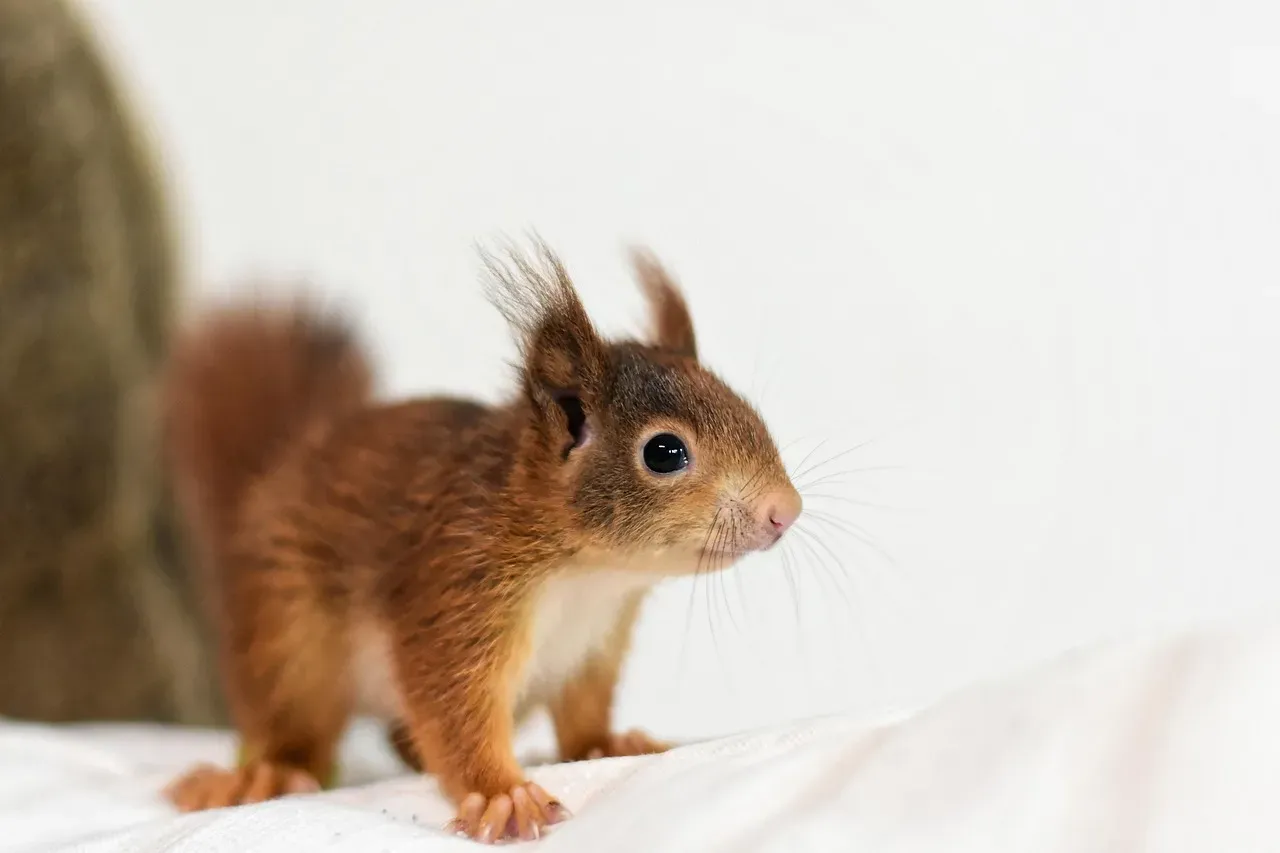
Their large, bulging eyes are a tip-off to the nocturnal behavior of this little-known creature. In proportion to the size of its head, the eyes are huge. Large eyes allow more light-gathering ability in dark conditions. Couple that with the need to judge landing distances while gliding at speed through a branch-cluttered forest at night, and you start to appreciate just how finely tuned the system is.
Their large eyes have outsized pupils making them almost entirely black in appearance, aptly gathering available moon and starlight. Together with extra-long whiskers – the longest of any squirrel species – it is possible for them to glide through the dark forest without crashing into trees or branches. It is believed that they use triangulation to estimate the distance of the landing area, as they often lean out and pivot from side to side before jumping.
#11: Humans Have Been Trying to Copy Their Design for Decades
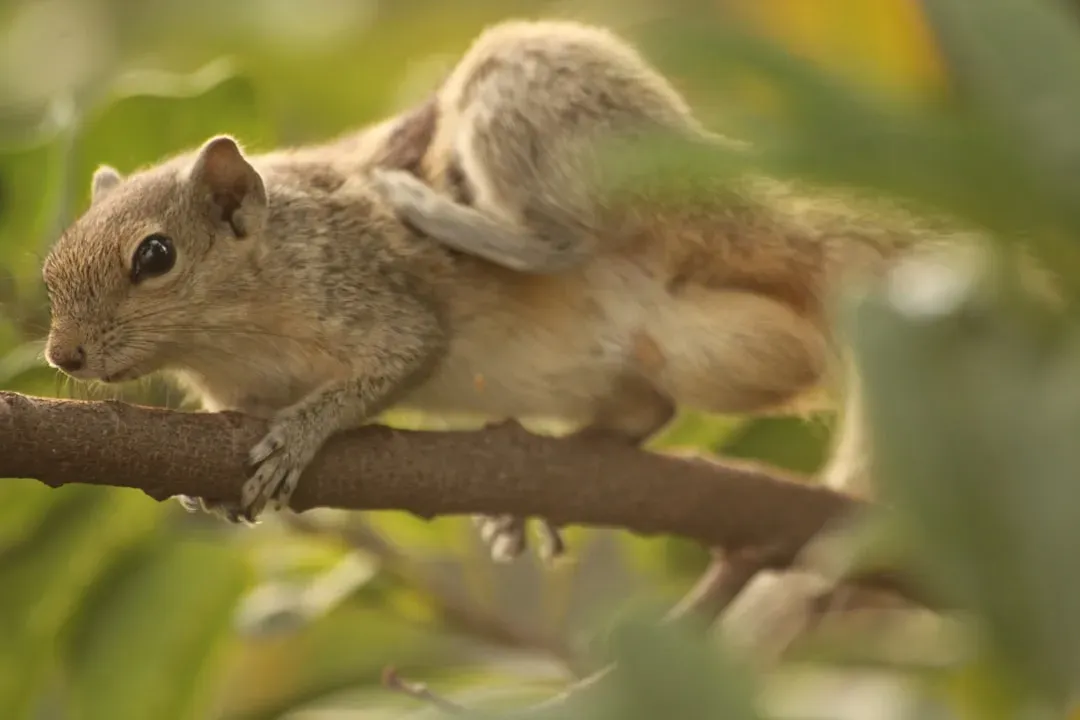
Humans have long sought to replicate the flying squirrel’s gliding abilities. Base jumpers and skydivers have developed a special suit that mimics the flying squirrel. The suit works to slow their descent and allows them to maneuver through the air. The wingsuit, which has become an icon of extreme sports, is essentially a scaled-up version of what evolution produced millions of years ago in an animal smaller than your fist.
Another study has used models of flying squirrels in wind tunnels to see if improvements can be made to control flight or reduce drag on small drones. Molecular studies have shown that flying squirrels originated some 18 to 20 million years ago. That’s a long time to refine a design – and engineers are still working to catch up.
The Quiet Lives of Remarkable Animals
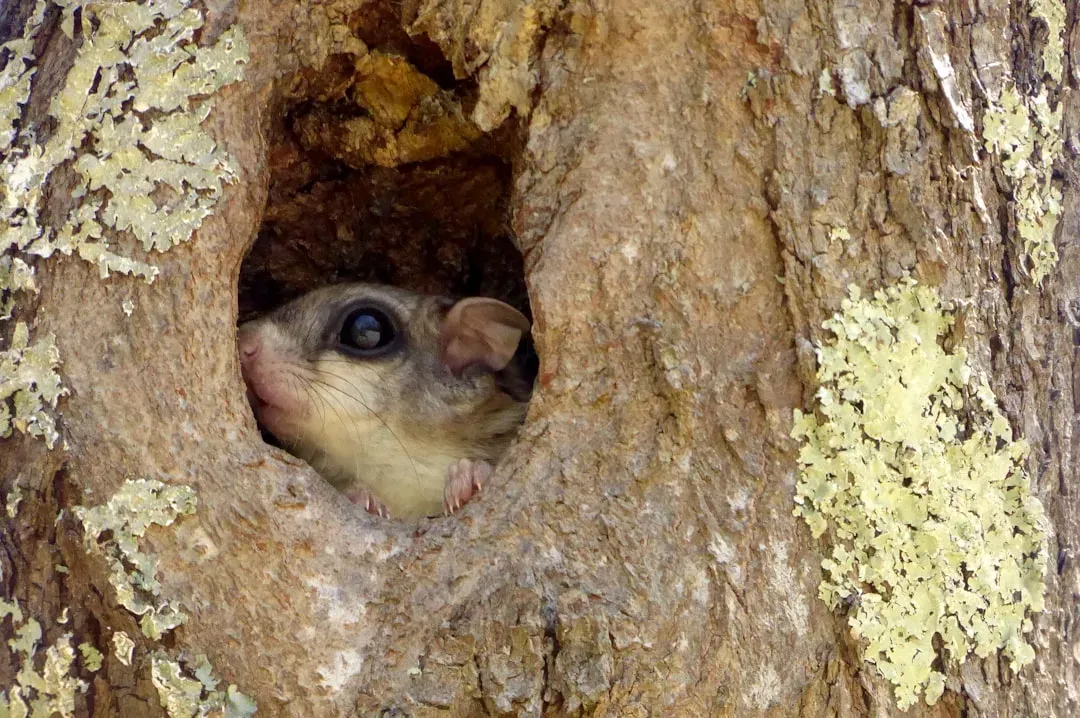
There’s something quietly humbling about an animal this accomplished living just outside our line of sight. Flying squirrels glow in the dark, reshape forests through their droppings, execute aerial maneuvers in pitch blackness, and sometimes share a winter nest with an owl. They’ve been doing all of this for tens of millions of years without much human attention.
The best reason to learn about them might simply be this: the natural world regularly turns out to be more layered and stranger than we expect. Flying squirrels are a good reminder that you don’t have to travel far to find something genuinely surprising. Sometimes it’s already living in the nearest stand of trees, waiting for the lights to go out.

- 14 Signs the Backyard Birds That Left Your Yard Are Quietly Coming Back - July 21, 2026
- 12 Cat Breeds Vets Refuse To Recommend to First Time Owners - July 21, 2026
- 6 US States With the Most Alligators - July 21, 2026