


When venturing into bear country, the ability to quickly distinguish between a black bear and a grizzly bear could be vital to your safety. While both species demand respect, they typically require different human responses during encounters. Despite their names, color isn’t a reliable indicator, as both species can range from blonde to black. This comprehensive guide will equip you with the knowledge to identify these magnificent mammals at a glance, potentially giving you crucial information when seconds count.
Physical Size Differences

One of the most apparent distinctions between black bears and grizzly bears is their size. Grizzly bears (Ursus arctos horribilis) are substantially larger, typically weighing between 400-700 pounds, with males occasionally exceeding 800 pounds. They stand about 3.5 feet at the shoulder when on all fours and can reach 8 feet tall when standing upright.
Black bears (Ursus americanus), while still impressive, are more modest in stature. They typically weigh between 200-300 pounds, with large males occasionally reaching 400 pounds. When standing on their hind legs, black bears generally reach 5-6 feet in height. This size difference can be noticeable even from a distance, providing an initial clue to species identification.
Shoulder Hump Profile

Perhaps the most reliable visual indicator when identifying these bears is the distinctive shoulder hump that grizzly bears possess. This pronounced muscle mass sits between the shoulders and is clearly visible in the bear’s profile, especially when the animal is on all fours. This hump consists of powerful muscles that enable grizzlies to dig and move heavy objects like logs and rocks when foraging or creating dens. Black bears lack this distinctive feature, displaying a relatively straight back profile from head to rump. Even from a distance or in poor lighting conditions, this shoulder silhouette difference can help you quickly identify which species you’re observing.
Facial Features and Head Shape

The facial structure offers several key differences between these bear species. Grizzly bears have a distinct concave or “dished” face profile, with a shorter, more upturned snout. Their eyes appear closer together, contributing to their somewhat fierce appearance. Their ears are also notably rounded and relatively small in proportion to their massive heads.
Black bears, by contrast, have a straighter facial profile that’s often described as similar to a German Shepherd dog. Their muzzle is longer and straighter, and their ears are larger and more pointed relative to their head size. These facial differences, while requiring closer observation than body shape, provide reliable identification features if you get a clear view of the bear’s face.
Claw Characteristics

Though you wouldn’t want to get close enough to examine them in detail, claw differences between these species are significant and sometimes visible even from a distance. Grizzly bears possess impressively long, curved claws that can reach 4 inches in length. These claws are light-colored and often visible in tracks or when the bear is moving. These specialized digging tools help grizzlies unearth roots, bulbs, and small mammals.
Black bears have much shorter, more curved, and darker claws, typically under 2 inches long. Their claws are better adapted for climbing trees, which they do more frequently than grizzlies. If you can spot the claws, they provide an immediate identification clue, though this might not always be practical in a real-world encounter.
Fur Color and Texture Variations

Despite what their names suggest, fur color is among the least reliable ways to differentiate these species. Black bears can be jet black, brown, cinnamon, blonde, or even white (in the case of the Kermode or “spirit” bear in British Columbia). Grizzly bears, named for the “grizzled” or silver-tipped appearance of their fur, range from dark brown to nearly blonde, with their characteristic silver-tipped guard hairs giving them a frosted appearance, especially around the shoulders and back.
The texture differs as well, with grizzlies having shaggier, coarser fur compared to the smoother, more uniform coat of black bears. When observing from a safe distance, look for the silver-tipped appearance in grizzlies rather than focusing solely on the base color.
Track and Paw Print Identification

Bear tracks can provide definitive identification even when the animal isn’t present. Grizzly bear tracks show those long, less curved claws extending well beyond the toe prints, often by 1-2 inches. The claw marks are typically spread apart rather than clustered. The overall paw print is broader and more rounded.
Black bear tracks show smaller claw marks closer to the toe pads, often curved inward. Their tracks appear more elongated and narrow compared to the rounder grizzly prints. Additionally, black bear tracks often show a wider space between the pad and the toes. Learning to identify these tracks can help you determine which species inhabits an area before you ever encounter the animal itself.
Behavioral Differences

While not always visible in a brief encounter, behavioral tendencies differ between these species in ways that might help with identification. When threatened, black bears are more likely to retreat or climb trees to escape perceived danger. They’re typically more skittish and less confrontational. Grizzly bears, particularly females with cubs, are more likely to stand their ground or even charge when they feel threatened.
Grizzlies are also more likely to dig extensively for food, creating noticeable ground disturbances. If you observe a bear climbing a tree with apparent ease, it’s almost certainly a black bear, as adult grizzlies rarely climb due to their weight and claw structure. Behavioral observations can supplement physical characteristics in your identification process.
Habitat Preferences

Geographic location and habitat can provide important context clues for identification. In North America, black bears have a much wider distribution, inhabiting forests across much of the continent. Grizzly bears have a more limited range, primarily found in western Canada, Alaska, Wyoming, Montana, Idaho, and Washington.
Grizzlies prefer open spaces like alpine meadows, avalanche chutes, and berry fields, though they certainly use forests as well. Black bears are more closely associated with dense forest habitats. In places like Yellowstone or Glacier National Park where both species occur, a bear spotted in an open meadow is statistically more likely to be a grizzly, while one deep in dense forest might more often be a black bear. While not definitive, habitat context adds another identification layer.
Response to Human Presence
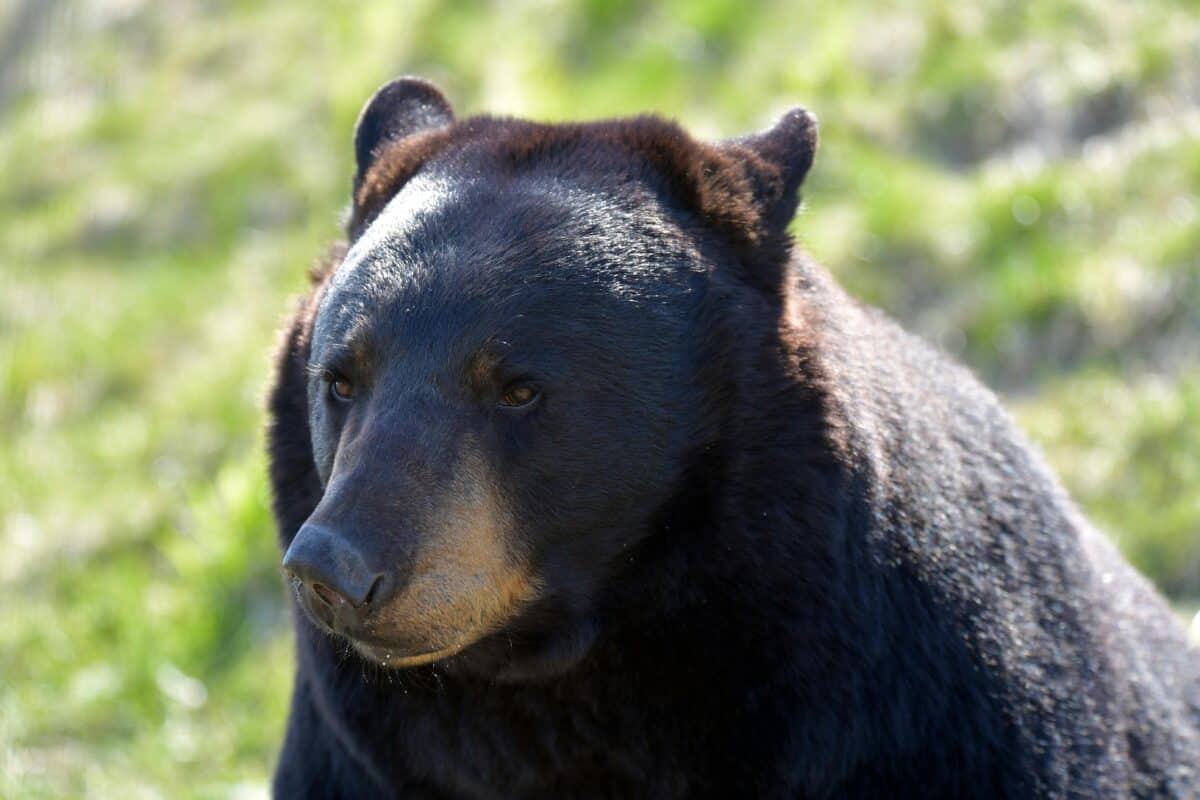
How a bear reacts when it notices you can sometimes help with identification, though this should never be your primary method. Black bears typically show more wariness around humans and often retreat when they detect people. When encountered, they may stand on hind legs briefly—not as a threatening gesture but to better see and smell.
Grizzly bears generally display more confidence and may stand their ground, especially if surprised or if cubs are present. They may also do a “bluff charge” that stops short of actual contact. This is meant to establish dominance and distance. If you encounter a bear that seems particularly bold or protective of its space, especially in grizzly territory, it’s wise to assume it’s a grizzly and respond accordingly with appropriate bear safety protocols.
Regional Variations

Bear characteristics can vary somewhat by region, adding complexity to identification. Coastal grizzlies (often called brown bears when near the coast) accessing salmon runs grow significantly larger than inland grizzlies. Black bears in western regions often display more color variations, with cinnamon and brown phases being common, while eastern black bears are more consistently black.
In Alaska and coastal British Columbia, the size difference between species becomes even more pronounced, with coastal brown bears sometimes reaching twice the weight of interior grizzlies. Understanding regional variations can help refine your identification skills for the specific area you’re visiting. Local nature centers and park information offices often provide region-specific identification guides tailored to local bear populations.
Using Binoculars for Safe Identification

The safest way to identify bears is from a significant distance using quality optics. A good pair of binoculars allows you to observe key features like the shoulder hump, facial profile, and overall body shape without putting yourself at risk. When traveling in bear country, keeping binoculars accessible can facilitate identification before you’ve entered the bear’s comfort zone.
If you’re photographing bears, a telephoto lens serves the dual purpose of getting better images and keeping you at a safe distance. Remember that the recommended minimum safe distance from bears in national parks is 100 yards (300 feet). Using optics not only improves your safety but also reduces stress on the animals by minimizing human disturbance.
Conclusion and Safety Recommendations

Being able to distinguish between black and grizzly bears at a glance is an important skill for anyone venturing into bear country, but identification should always be paired with proper safety protocols. Understanding the key differences—the grizzly’s shoulder hump, dish-shaped face, smaller ears, and larger size versus the black bear’s straight profile, larger ears, and smaller frame—can help you make quick assessments.
Remember that both species deserve distance and respect, regardless of identification. Always carry bear spray in bear habitat, make noise while hiking to avoid surprise encounters, store food properly, and follow local regulations and recommendations. The best bear encounter is one observed from a safe distance, where you can appreciate these magnificent animals while maintaining a margin of safety for both yourself and the bears.

From exploring the marine wonders in the Azores and witnessing the vast savannas of Kenya, to delving deep into the rich biodiversity of South Africa and traversing iconic landscapes in Australia and the US like Yellowstone, Chris's experiences are vast.
With a penchant for diving alongside sharks, the ocean holds a special place in his heart.
Through his academic insights, he champions wildlife conservation, striving with 'Animals Around The Globe' to cultivate a profound connection between humans and animals, enhancing our mutual appreciation.
Connect with him at Feedback@animalsaroundtheglobe.com.
- A Bear Journey Through The USA: 18 Best Bear Photos from 18 US States - July 19, 2026
- Elephant Matriarchs Know Every Waterhole for Miles - July 19, 2026
- Top 10 Dinosaur Relatives Still Roaming Earth Today - July 19, 2026