
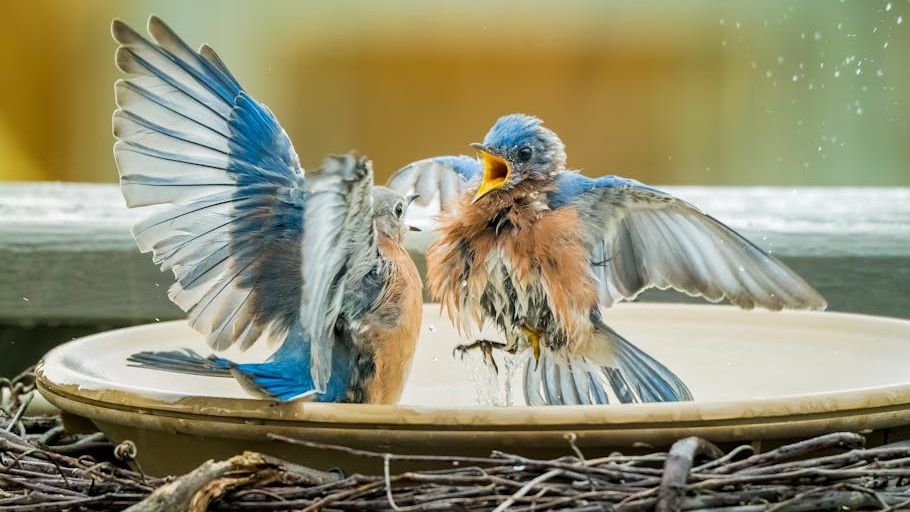
Every spring, something happens in backyards, open fields, and along country fences across America that stops people mid-stride. A flash of intense, almost unreal blue catches the eye, a soft warble drifts through the warming air, and for a moment, winter feels genuinely over. Few creatures carry the emotional weight of a new season quite the way a bluebird does.
The soft whistles of their song are among the earliest sounds of spring in North America. Yet the bluebird’s story goes far deeper than a pleasant seasonal cameo. From ancient Native American mythology to a remarkable conservation comeback, these small birds carry a surprising amount of history on their brilliant blue wings. Here are twelve facts that reveal just how extraordinary they really are.
#1: There Are Three Distinct Bluebird Species Across America
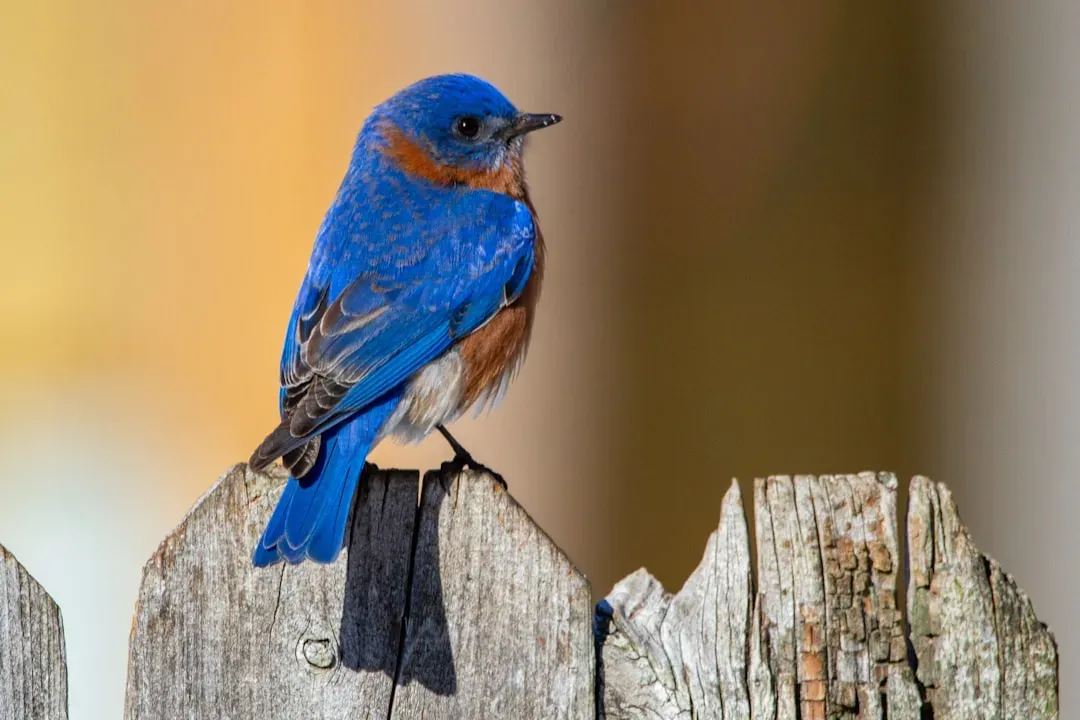
Most people picture one kind of bluebird, but America is actually home to three separate species, each with its own territory and personality. There are three species of bluebirds found in North America, including Eastern, Western and Mountain Bluebirds. Each occupies a different slice of the continent, and together they cover a remarkable range.
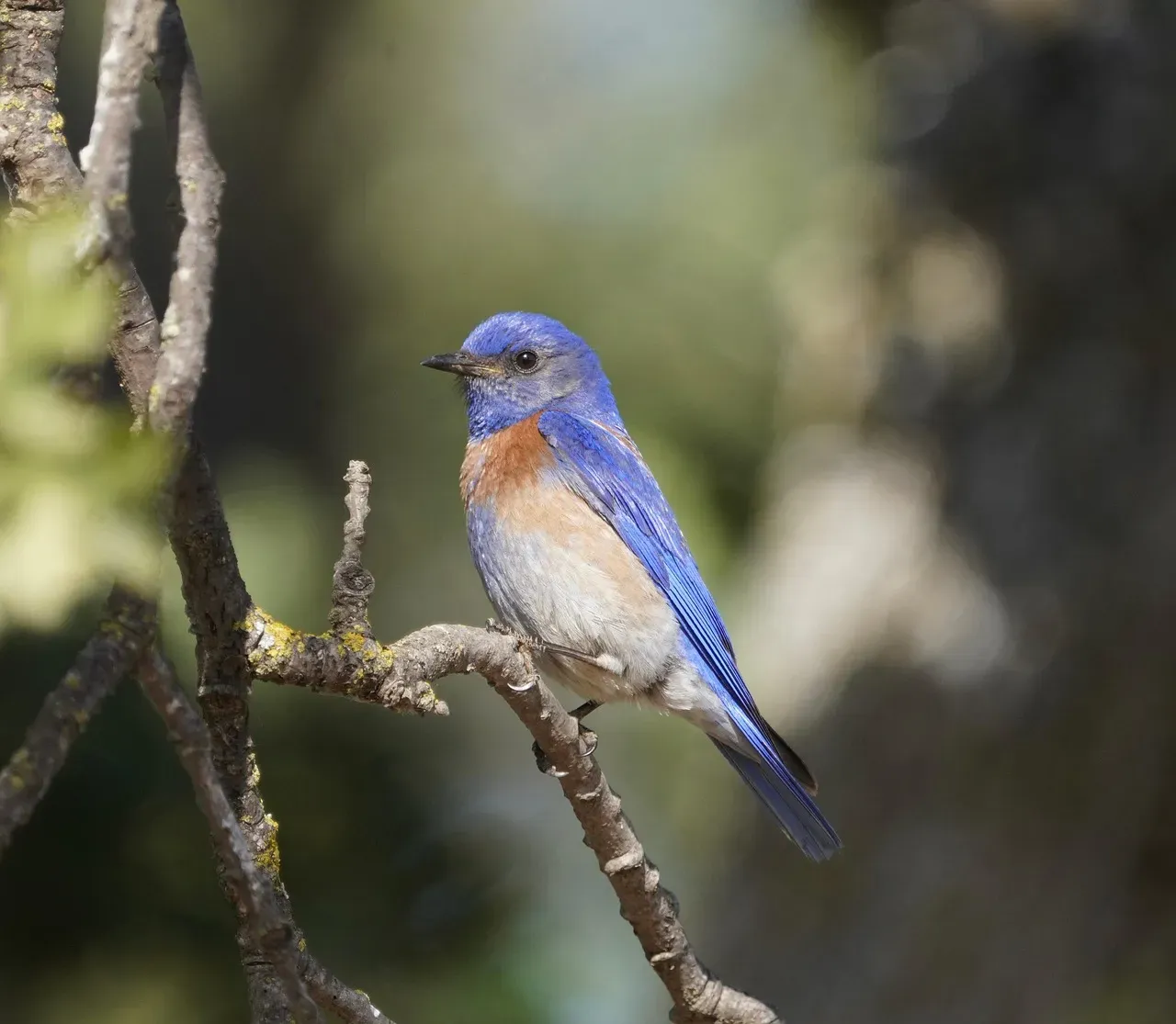
Western bluebirds are found west of the Rocky Mountains from Canada to Mexico, while the Mountain bluebird also inhabits much of western North America, often at elevations above 7,000 feet. The Eastern bluebird, the most widely recognized of the three, blankets the eastern half of the country and has become the face of the species in American culture.
#2: Their Color Is Genuinely Extraordinary
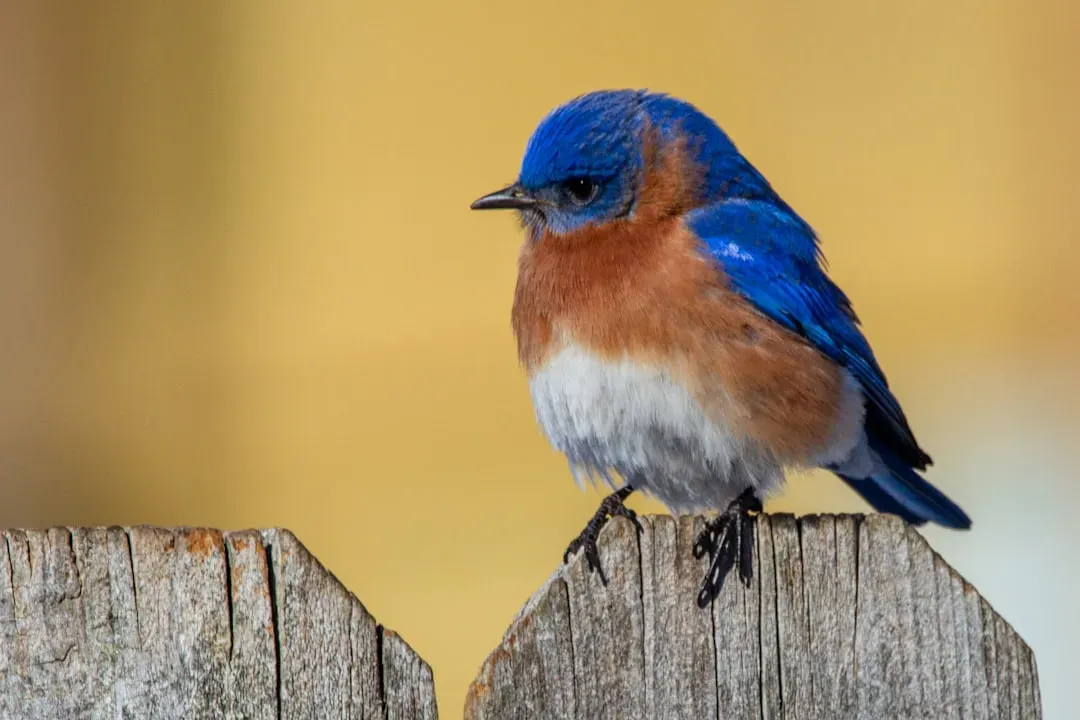
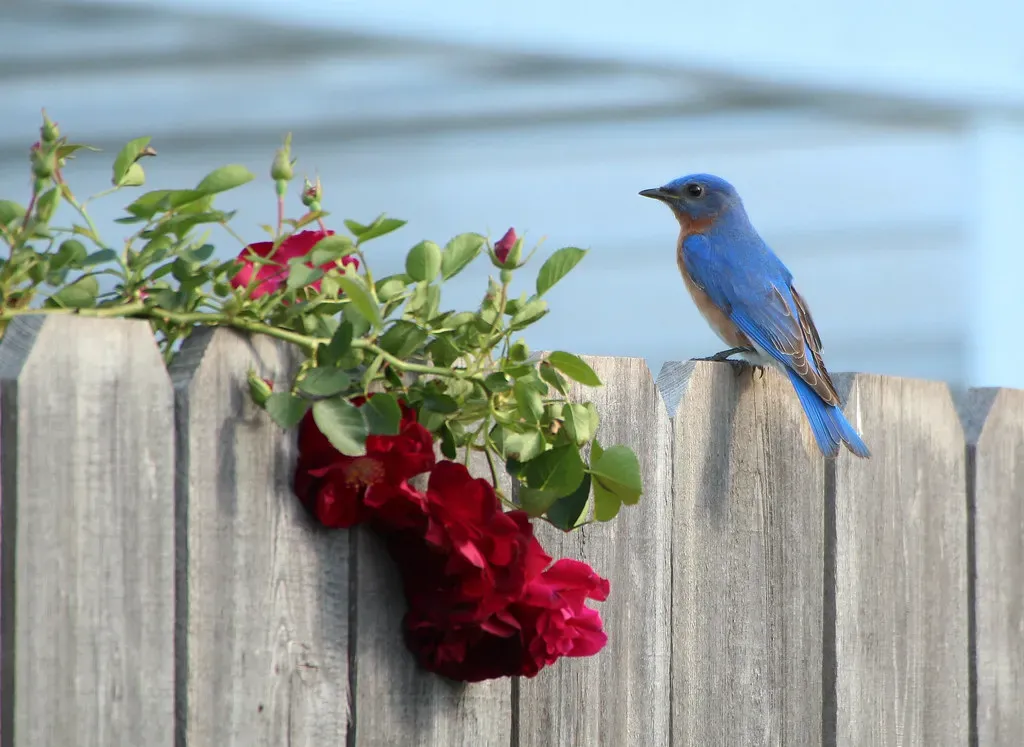
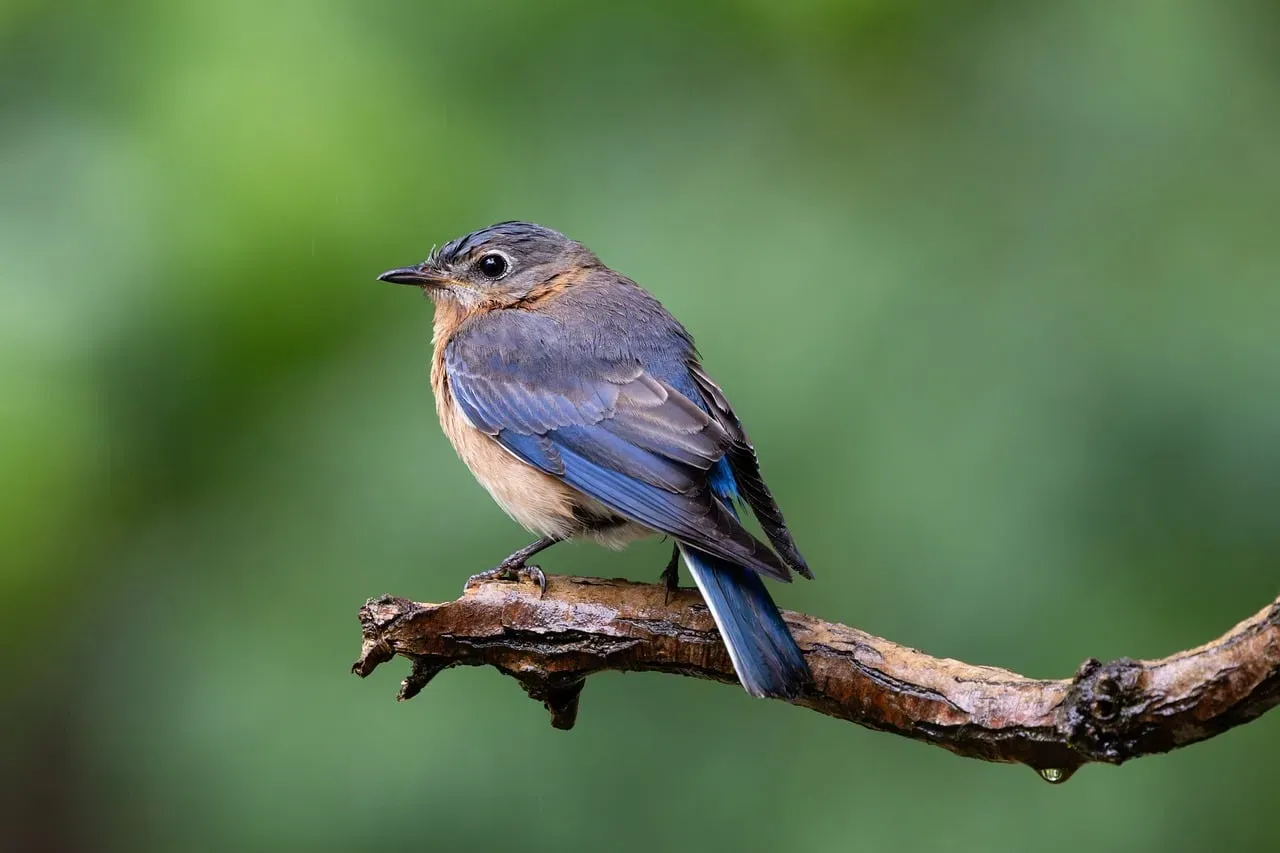
Male Eastern bluebirds are a brilliant royal blue on the back and head, and warm red-brown on the breast, while blue tinges in the wings and tail give the grayer females an elegant look. The contrast between that vivid blue and the rusty-orange breast is striking enough to stop even seasoned birders in their tracks.
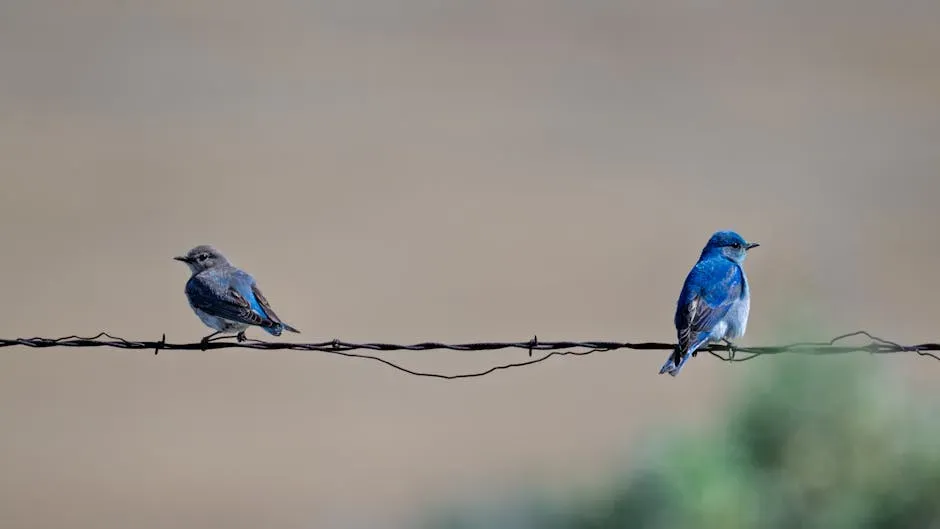
Eastern and Western bluebirds have a reddish brown breast, which contrasts with their predominantly blue plumage, while the male Mountain bluebird is entirely blue. That all-blue mountain species is arguably one of the most visually pure birds on the continent. Seeing one perched against a pale sky can feel almost like a trick of the light.
#3: Bluebird Song Literally Triggers a Spring Brain Response
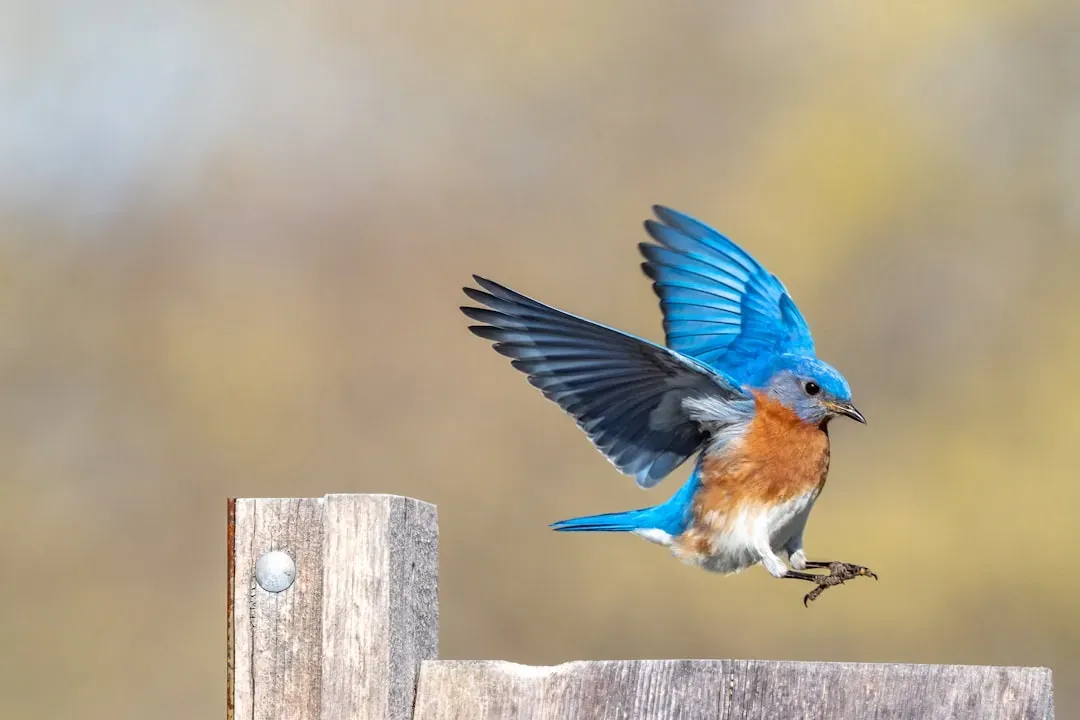
As the days grow longer in the spring, a male bluebird’s brain releases hormones that stimulate the production of testosterone, which in turn stimulates the area of the brain responsible for singing behavior, thus triggering the male to begin its mating song. It’s a biological clock set to the calendar of the season itself.
Unpaired male bluebirds may sing up to 1,000 songs per hour, but average a more reasonable rate of four to five hundred songs per hour. That’s an almost relentless vocal performance, driven purely by the urgency of finding a mate before nesting season peaks. The soft whistles of their song are among the earliest sounds of spring in North America, a fact that has made birders and naturalists listen for them as a seasonal benchmark for centuries.
#4: Their Vision Is Remarkably Sharp
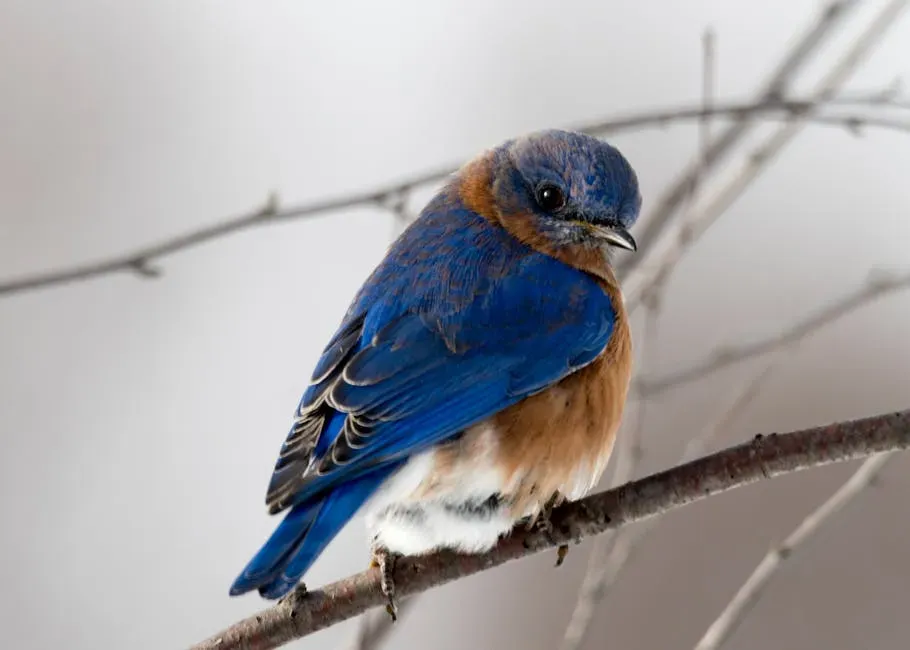
These birds are skilled fliers with incredible vision and can spot an insect on the ground from 60 feet away. To put that in perspective, 60 feet is roughly the distance between a pitcher’s mound and home plate. From that height on a fence post, a bluebird can pinpoint a single caterpillar moving through grass below.
Eastern and Western bluebirds sit on an elevated perch while searching for insects; when one is spotted, they drop to the ground to capture it with their bill. This sit-and-wait technique is called drop-hunting. It’s an efficient, almost meditative hunting style that suits the open meadows and fields they prefer. Patience and precision, it turns out, work just as well for birds as for any seasoned predator.
#5: Native American Traditions Gave Them Extraordinary Spiritual Power
Bluebirds are an important nature spirit in the traditions of many Native American cultures. In particular, the bluebird is a symbol of spring in many tribes. In Iroquois mythology, it is the singing of the bluebird that drives off the destructive demigod Tawiscaron, who represents winter. This wasn’t poetic decoration. It was living cosmology.
In Navajo folklore, the bluebird is associated with the sun and the morning. At Navajo ceremonies, a song is sometimes performed which includes lyrics that connect the bluebird to the break of day. The Pima people associate the bluebird with transformation and humility. These deep cultural threads explain why the bluebird has always meant more to Americans than just a pretty bird on a fence post.
#6: They Almost Vanished Entirely in the 20th Century
By the 1970s, bluebird numbers had declined by estimates ranging to 70% due to unsuccessful competition with house sparrows and starlings, both introduced species, for nesting cavities, coupled with a decline in habitat. That collapse was swift and alarming, and for a time the future of these iconic birds looked genuinely bleak.
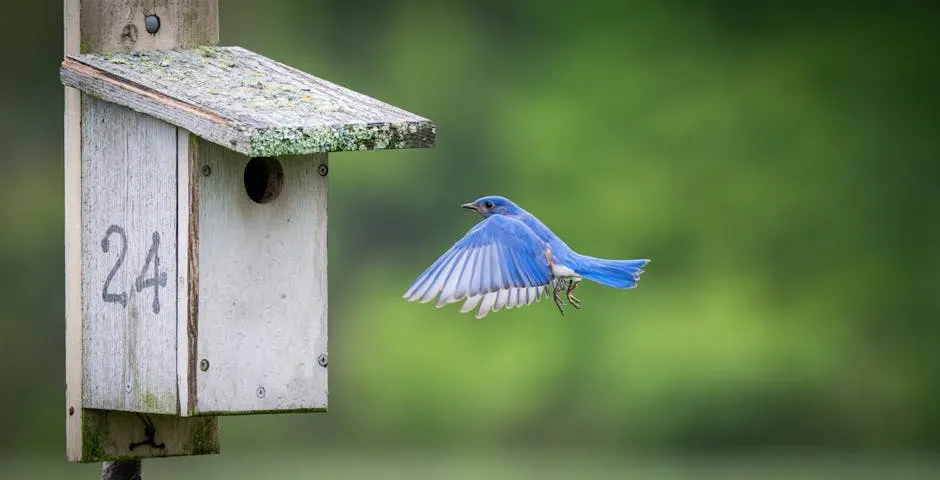
Bluebird populations had seriously declined, in part due to competition for nest sites with Eurasian Starlings and House Sparrows, both introduced species. The bluebird is a cavity nester, raising its young in tree cavities or appropriately-sized bird boxes. House Sparrows can live up to their designation as an invasive species quite literally, by aggressively ousting bluebirds from nest boxes. The story could easily have ended there. Fortunately, it didn’t.
#7: Ordinary People Brought Them Back from the Brink
The bluebird trail movement became one of the most successful grassroots conservation efforts in history. Volunteers installed thousands of properly spaced nest boxes along “trails” that provided safe breeding sites for recovering populations. No federal mandate, no major funding drive. Just people who loved birds enough to act.
Today, Eastern bluebird numbers have rebounded so successfully that they’re actually expanding their range in some areas, according to the North American Bluebird Society. Ordinary people made this recovery happen, not just professional biologists. Weekend warriors, retirees, and bird enthusiasts created and maintained bluebird trails that stretched across entire states. According to the Breeding Bird Survey, Eastern bluebird population estimates show an increase of 2.4% per year since 1966. The Audubon Society’s Christmas Bird Counts from 1980 to 2004 also show a three-fold increase in population.
#8: They Are Remarkably Devoted Parents and Partners
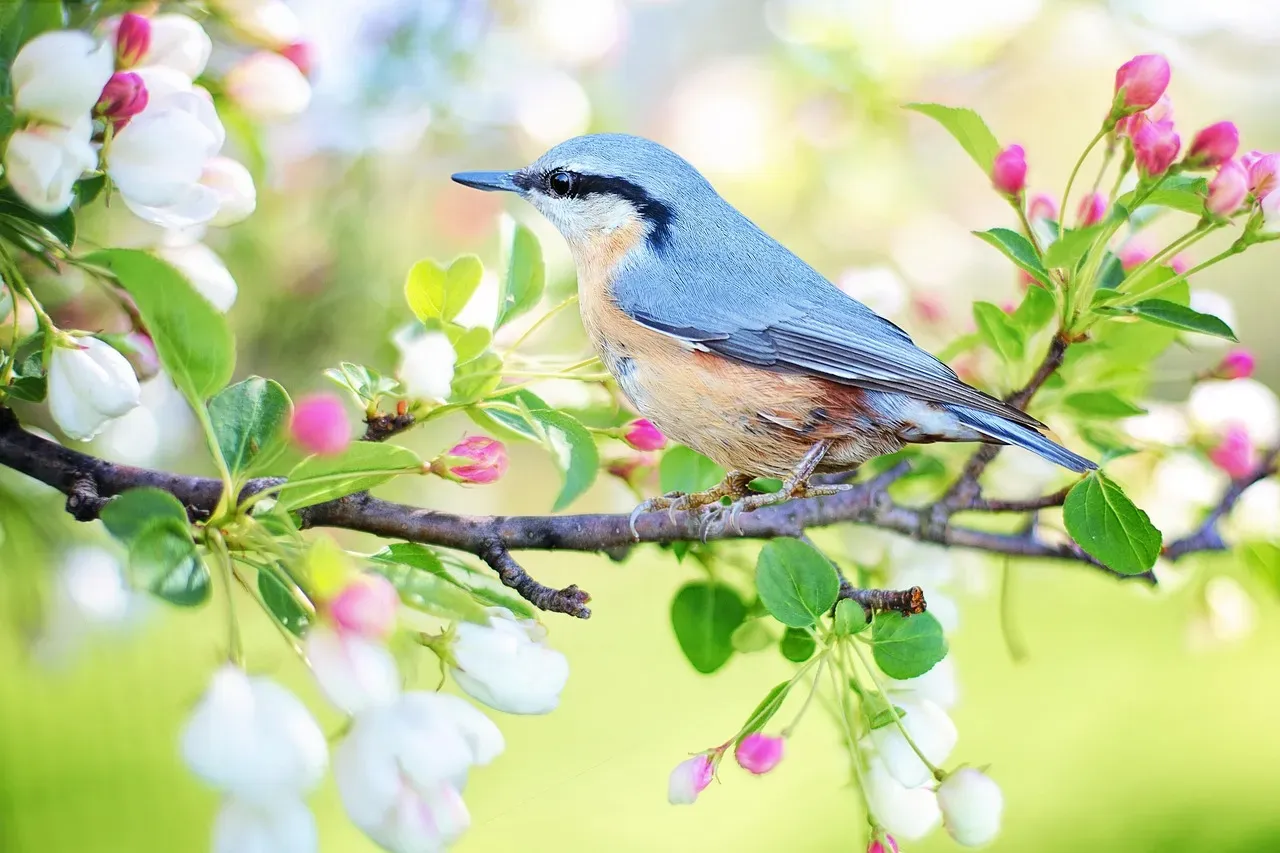
Bluebirds are generally monogamous, staying together throughout the breeding season, and may breed together for more than one season. That kind of pair loyalty is relatively rare in the bird world, and it contributes to the bluebird’s enduring association with love and fidelity across many cultures.
Young remain in the nest, cared for by both parents, for an additional 15 to 20 days. Bluebirds often have two broods in a season. Sometimes, a young bluebird from the first brood will remain in the nest and assist its parents in caring for the second. That last detail is quietly remarkable. First-brood chicks acting as helpers for their younger siblings is a level of family cooperation you might not expect from a bird that weighs less than an ounce.
#9: Nest Box Specifications Matter More Than You’d Think
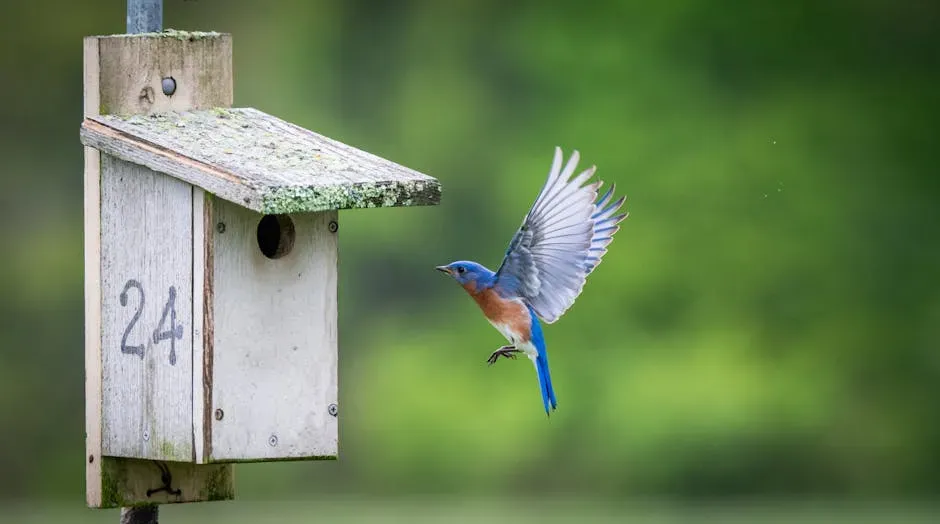
Eastern bluebirds are cavity nesters that originally used natural tree holes created by woodpeckers or decay. Modern bluebirds have adapted to use artificial nest boxes, but they’re surprisingly picky about specifications. The entrance hole must be exactly 1.5 inches in diameter, since too small excludes bluebirds and too large allows larger competitors inside.
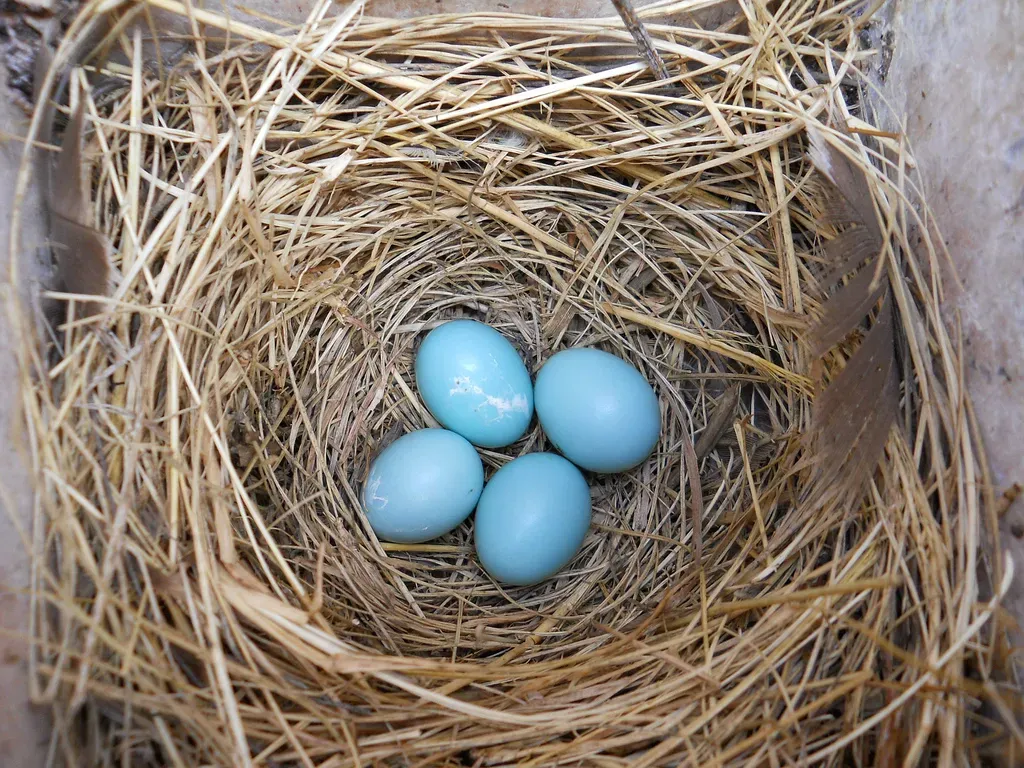
Proper nest box placement requires specific spacing and habitat conditions. Boxes should sit 5 to 6 feet high in open areas with short grass, spaced at least 100 yards apart to prevent territorial conflicts. Only the female incubates the 4 to 6 eggs, which she maintains at a temperature of 98 to 100 degrees Fahrenheit. That precision in both nest construction and incubation temperature speaks to how tightly their reproductive success is tuned.
#10: Their Spring Return Migration Is a Well-Timed Annual Event
Spring return migration usually begins in February, with peak activity occurring in March and April. Wintering grounds extend from the southern United States through Central America. Many Eastern populations spend winter in Florida, Texas, and Mexico, where insect availability remains higher than in northern regions.
Eastern bluebirds use multiple cues for navigation during migration, including magnetic fields, star patterns, and geographic landmarks. Young birds learn migration routes by following experienced adults, creating family traditions that pass down through generations. The idea of generational knowledge being transmitted bird to bird, year after year, adds a dimension to these seasonal arrivals that’s easy to overlook when you’re just watching one perch on a fence post.
#11: The “Bluebird of Happiness” Is a Cultural Thread Running Through American History
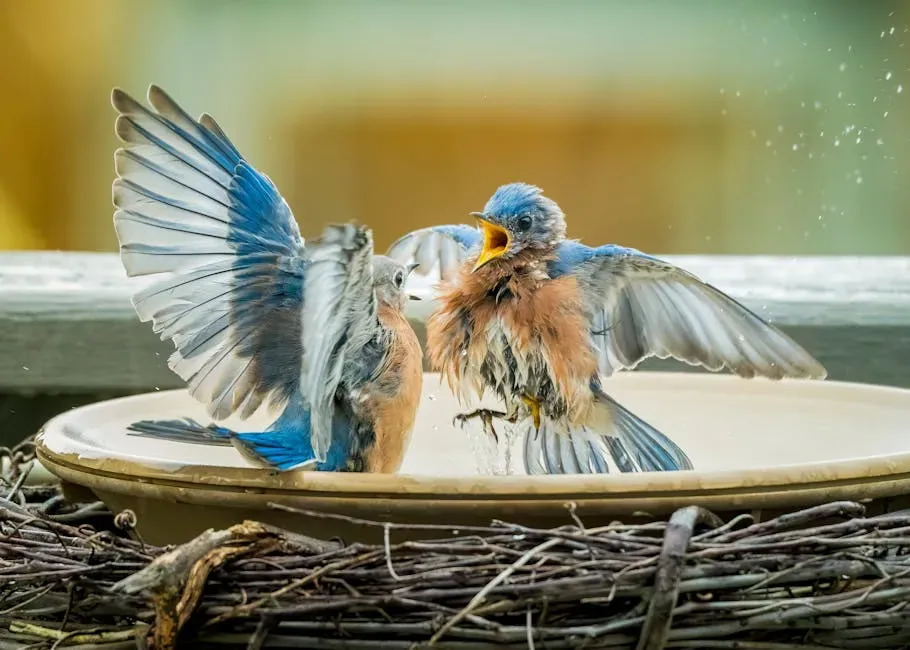
Because of their beauty and cheerful song, bluebirds have come to symbolize happiness, love and renewed hope. That symbolism runs surprisingly deep in American letters. Henry David Thoreau wrote “His soft warble melts the ear, as the snow is melting in the valleys around.” The bluebird made regular appearances in 19th-century American nature writing as a shorthand for something almost too good to name.
In 1934, the composer Sandor Harmati, along with lyricist Edward Heyman, wrote the song “Bluebird of Happiness” for tenor Jan Peerce. A recording in 1945 with the RCA Victor Symphony Orchestra became a worldwide hit for Peerce, and despite many cover versions, is the version most beloved today. The Eastern bluebird is the state bird of both New York and Missouri, two states with very different geographies and identities, yet united in their claim on this one small, vivid bird.
#12: Their Lifespan Is Surprisingly Fragile, but Some Defy the Odds
It is likely that up to 70% of all bluebirds die before reaching their first birthday. Most adult bluebirds live for only a few years, while a small number live up to four or five years. That first year, full of predators, competition, and the challenge of migration, is the critical filter through which few survive.
The oldest recorded Eastern bluebird was at least 10 years and 6 months old. It had been banded in New York in May 1989 and was found dead in South Carolina in November 1999. That bird crossed the landscape for more than a decade, surviving winters and springs that claimed countless others. There’s something quietly moving about that, a creature so closely tied to hope and renewal, living long enough to witness ten complete cycles of the season it represents.
A Final Thought
The bluebird occupies a rare space in American life. It’s simultaneously a biological creature shaped by millions of years of evolution and a cultural symbol shaped by centuries of human longing for warmth, renewal, and better days. The facts and the folklore reinforce each other in ways that are hard to dismiss.
Much like robins and their red breasts, bluebirds are welcome signs of spring. Heralding the completion of wintertime, bluebird sightings often bring relief and positivity into our lives after a long, cold winter. That response, felt by millions of people every March across America, is both ancient and immediate. Some things, it seems, just keep meaning what they’ve always meant.
