

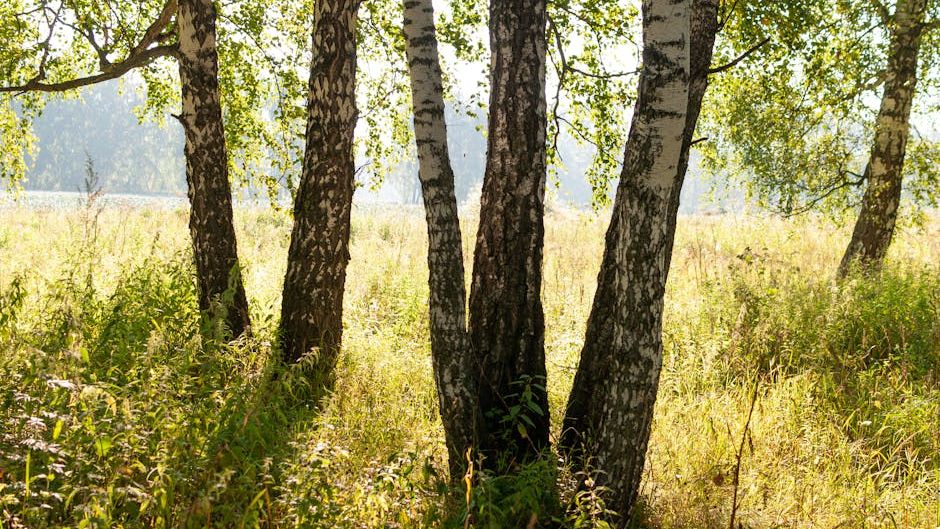
Learn How to Grow and Care for Birch Trees – Image for illustrative purposes only (Image credits: Pexels)
Birch trees add lasting visual interest to home landscapes through features that change with the seasons. Their distinctive bark, fluttering foliage, and autumn color create a dynamic presence that many gardeners value. Different species allow planting in a range of climates, from cooler northern zones to warmer southern areas.
Why Birch Trees Stand Out
The papery texture of the bark on certain birches provides year-round texture even after leaves fall. Delicate leaves move easily in light breezes, bringing subtle motion to otherwise static plantings. Golden fall color appears reliably on many varieties, extending the display into late season.
These traits combine to make birch trees more than simple shade providers. They function as focal points that evolve throughout the year without requiring constant maintenance attention.
Paper Birch for Cooler Settings
Paper birch develops the classic white bark that peels in thin layers, a trait that becomes more pronounced with age. This species performs best in regions with colder winters and moderate summers. Its overall form remains upright and relatively narrow, fitting spaces where broader trees would crowd.
Gardeners in northern climates often select paper birch for its clean appearance against evergreens or darker structures. The bark color contrasts sharply with surrounding vegetation during winter months.
River Birch for Broader Adaptability
River birch tolerates higher summer temperatures and a wider range of soil moisture levels than many other birches. Its bark tends toward cinnamon-brown tones rather than pure white, with less dramatic peeling. This makes the tree suitable for landscapes where heat stress limits other options.
The species maintains good structure while offering the same light leaf movement and fall color seen in cooler-climate birches. Placement near water features or in slightly damper soils often supports stronger growth.
Matching Species to Local Conditions
Selecting the right birch begins with an assessment of average temperatures and seasonal rainfall patterns. Nearly every climate zone supports at least one birch species when site conditions align with the tree’s natural preferences. Proper matching reduces long-term stress and improves overall landscape performance.
Both paper birch and river birch demonstrate how small differences in bark and heat tolerance expand planting possibilities. Gardeners benefit from evaluating these traits before purchase rather than relying on appearance alone.
