


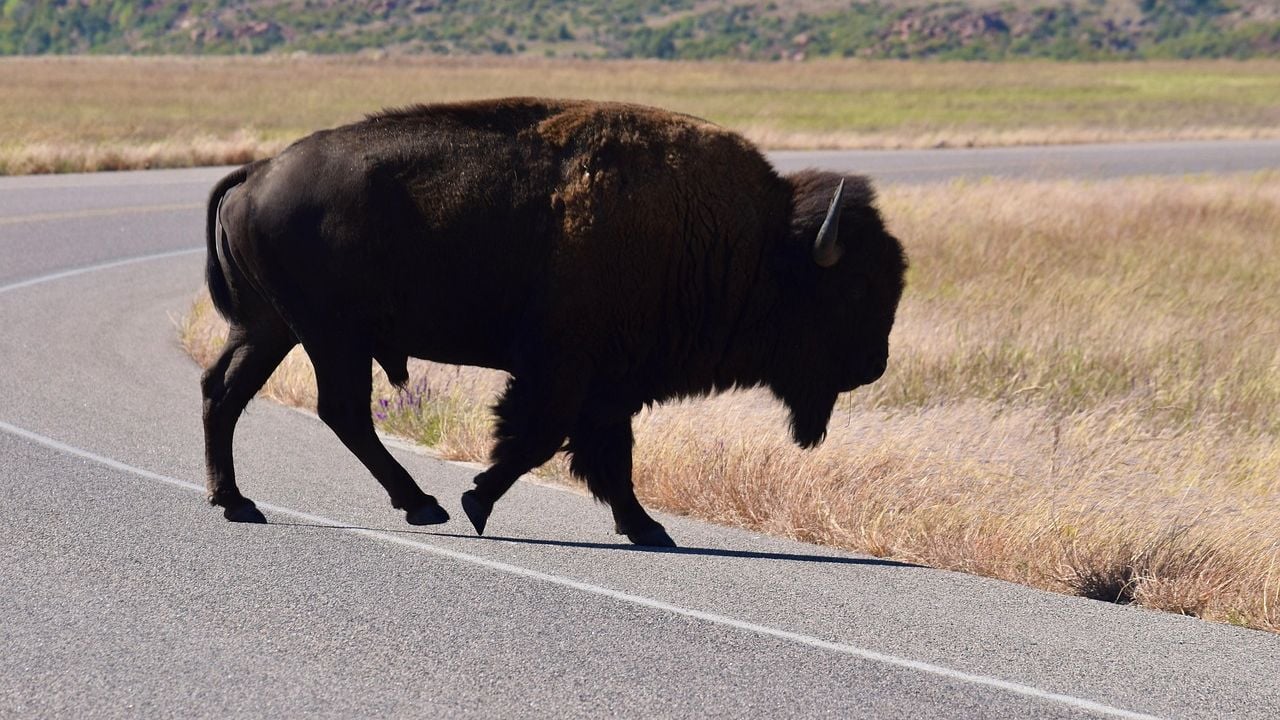
Congress expands support for Tribal wildlife crossing projects – Image for illustrative purposes only (Image credits: Pixabay)
Lawmakers have folded dedicated support for wildlife crossings into a sweeping transportation measure now advancing through the House. The proposal targets long-standing barriers that have limited Tribal participation in federal grant programs. If enacted, the changes would reshape how infrastructure dollars reach projects that protect both wildlife corridors and Indigenous lands.
Core Elements of the Proposed Legislation
The House Transportation and Infrastructure Committee plans to introduce the Building Unrivaled Infrastructure and Long-term Development for America’s 250th, known as the BUILD America 250 Act. The measure would reauthorize the Wildlife Crossings Pilot Program while directing new resources toward roads, bridges, and transit systems nationwide. Sponsors describe the package as a comprehensive update timed to the nation’s semiquincentennial.
Under the bill, the Wildlife Crossings Pilot Program would receive $80 million each year from fiscal 2027 through 2031. Those funds would support construction of crossings that reduce animal-vehicle collisions and maintain habitat connectivity. The legislation also extends eligibility to related efforts such as Aquatic Organism Passage projects.
Changes Aimed at Tribal Governments
A central provision would eliminate the local matching requirement that Tribes currently face when applying for federal transportation grants. Instead, approved projects would receive full federal funding. The adjustment is expected to increase Tribal participation in the Wildlife Crossings Pilot Program as well as in BUILD grants and Aquatic Organism Passage initiatives.
Advocates note that many Tribal communities manage lands with high wildlife activity yet lack the revenue streams needed to cover matching shares. Removing that hurdle could accelerate projects already identified as priorities by Tribal transportation departments. The change applies across multiple grant categories, not only wildlife crossings.
Statements from Key Supporters
Rep. Rick Larsen, ranking member of the committee, framed the broader package in economic terms. “You can’t have a big-league economy with little-league infrastructure,” he said. “The BUILD America 250 Act makes key investments in the nation’s transportation – from restoring aging bridges and repairing crumbling roads to building out safe, accessible transit and bike infrastructure.”
Committee leaders have positioned the bill as a bipartisan effort that balances traditional infrastructure needs with newer priorities such as habitat protection. The measure is scheduled for committee introduction and a House vote in the coming weeks.
What Matters Now
The removal of matching requirements stands to expand access for Tribal nations that have historically been underrepresented in these programs. With annual funding locked in through 2031, project planners gain a clearer multi-year horizon for design and construction. Observers will watch whether the House passage leads to similar provisions in the Senate version of the transportation reauthorization.
Looking Ahead
Passage would mark a measurable shift in how federal infrastructure dollars reach Tribal wildlife projects. The five-year funding window provides stability that many grant programs lack. Stakeholders across transportation, conservation, and Tribal affairs will track implementation details once the bill advances beyond the House.

Tara enjoys writing about marine animals like whales, sharks, dolphins and nudibranchs.
Please send any feedback to feedback@animalsaroundtheglobe.com
- 10 Animals That Mourn and Grieve - July 21, 2026
- Did You Know That Alligators Can Survive Being Frozen? - July 20, 2026
- 45 Incredible Migrations of North American Wildlife - July 20, 2026