
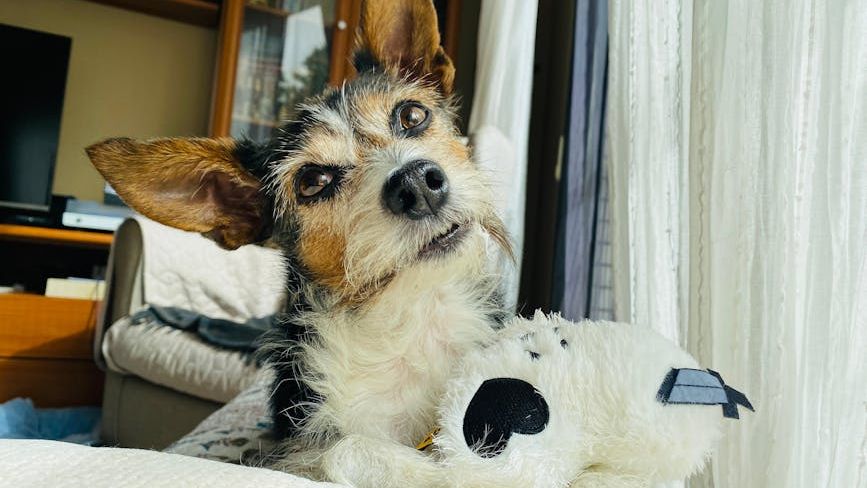
There’s something that happens in the quiet moments before you grab your keys. A shadow moves. A head lifts. Two eyes, impossibly expressive, lock onto yours. Your dog already knows.
Dogs are remarkably attuned to their owners, far more than most people realize. Because dogs are intelligent and perceptive about their environment, they quickly figure out patterns that indicate a human is about to leave, and they clearly communicate feelings of distress when that happens. It’s not magic. It’s a combination of sharp senses, deep memory, and a bond that runs much deeper than a simple pet-and-owner dynamic.
Research suggests that roughly eight out of ten dogs find it hard to cope when left alone, yet nearly half won’t show any obvious signs, making it easy for owners to miss what’s really happening. The behaviors that do appear, though, are often heartbreaking once you understand what they actually mean.
#1. They React to the Sound of Your Keys
It probably starts the moment you reach for your keychain. That familiar jingle, so ordinary to you, is one of the most loaded sounds in your dog’s world. Triggers like the sound of keys or grabbing your scarf can alert your dog that you’re leaving, which means they’re well on their way to a full panic by the time you’re out the door.
Dogs learn these associations through pure repetition. Every time those keys appeared, you left. Eventually, the sound alone becomes a reliable predictor of your absence, and their nervous system responds accordingly. Even with the best of efforts, some dogs will still pick up on cues that the owner is about to depart, and the goal becomes training them to associate these cues with enjoyable, relaxing situations rather than the anxiety of impending departure.
#2. They Follow You From Room to Room
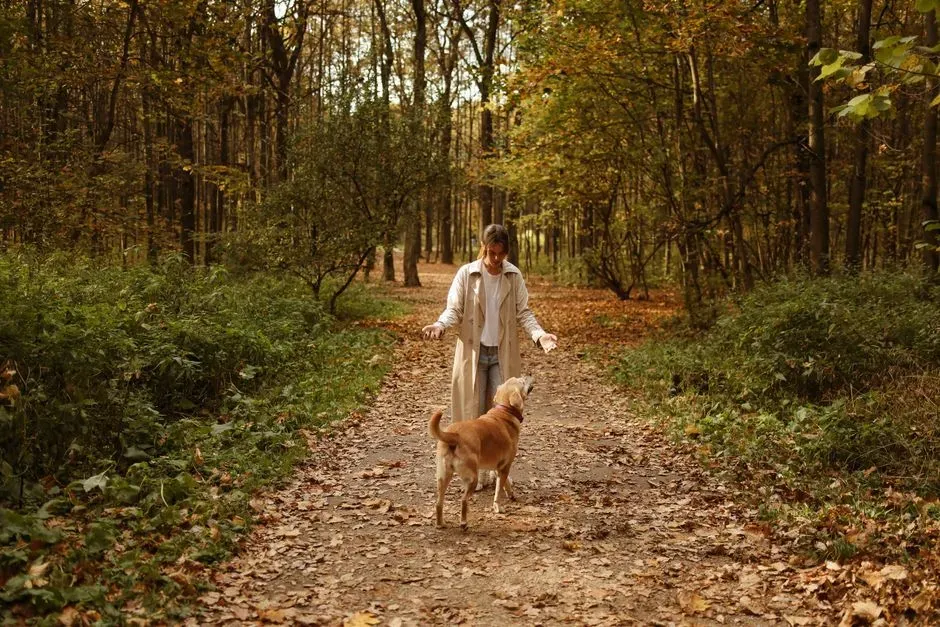
If your dog has started tailing you from the kitchen to the bedroom to the bathroom the moment your routine shifts, that’s not coincidence. Most dogs with separation anxiety try to remain close to their owners, follow them from room to room and rarely spend time outdoors alone, and they often begin to display anxiety as soon as the owners prepare to leave.
The dog goes through immense anxiety due to the prospect of the owner leaving again, so it fears losing visual contact with them even for a brief moment. It nervously follows the owner all around the home, checking whether they’re about to go somewhere, and simply cannot relax and calm down, which exhausts it. That little shadow at your heels isn’t just affection. It’s a quiet, desperate attempt to keep you in sight for as long as possible.
#3. They Start Whining or Softly Vocalizing
Some dogs don’t bark dramatically. They whimper. There’s a low, soft sound that starts somewhere in the back of the throat, almost like an attempt to speak. Dogs pay close attention to what you do, so signs of stress can begin while you’re still at home. A dog recognizes the actions you take when getting ready to leave, and may show unease by whining, pacing, refusing to eat or drink, or seeking your attention.
Dogs with separation anxiety tend to vocalize when they are left alone by barking, whining, or howling. Panting and salivation are also common. These signs can begin before separation if dogs learn to anticipate their owner’s departure. That soft whine is your dog’s version of saying, “Please don’t go.” It’s worth pausing to hear it.
#4. They Tremble or Shiver Visibly

Physical trembling before you’ve even opened the door is one of the more striking signs that your dog’s body is already reacting to anticipated stress. As soon as the dog spots the first signs of the owner leaving, it starts to shiver, salivate, breathe fast, refuse to go to its designated place, and will not even eat anything.
During departures or separations, in addition to vocalization, destruction and elimination, dogs may be restless, shake, shiver, salivate, refuse to eat, or become quiet and withdrawn. This isn’t an act and it isn’t manipulation. It’s a genuine, involuntary stress response, the same way a person might feel their heart race before something daunting. Your dog’s body reacts before their mind has a chance to settle.
#5. They Plant Themselves by the Door
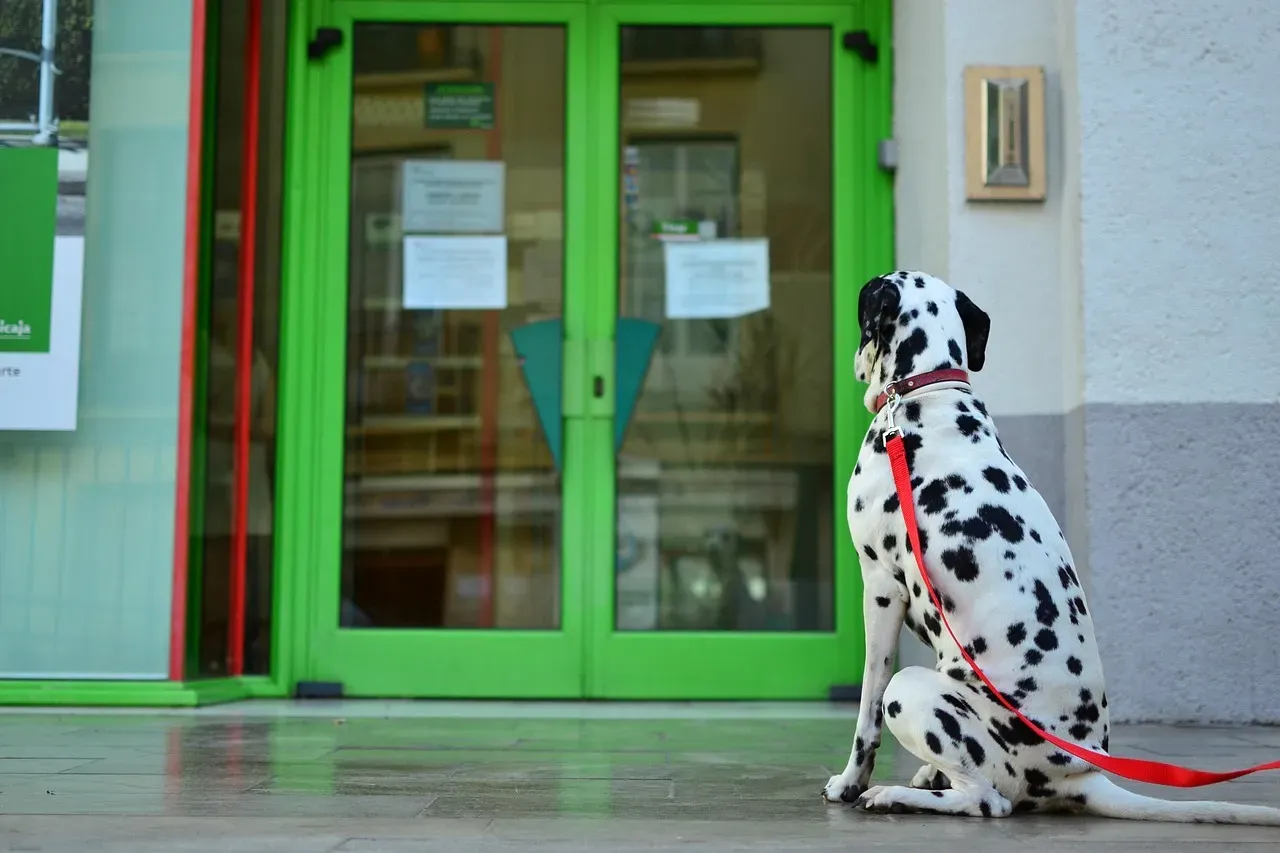
There’s a particular kind of heartbreak in watching a dog position themselves directly in front of the exit, as if they believe their physical presence might actually stop you from going. Waiting for you at the door from the time you leave until you get back is common in many dogs, and while it doesn’t necessarily mean a dog has severe separation anxiety, it’s important to keep an eye on this behavior as a potential sign of distress.
When secretly recorded, dogs who are alone in their homes often spend time at the door where their preferred human left, quite likely hoping they will soon return. For many dogs, this vigil at the door begins before you even leave. They’ve placed themselves at the only point of separation between you and the outside world, silently lobbying for a different outcome.
#6. They Refuse to Eat or Drink
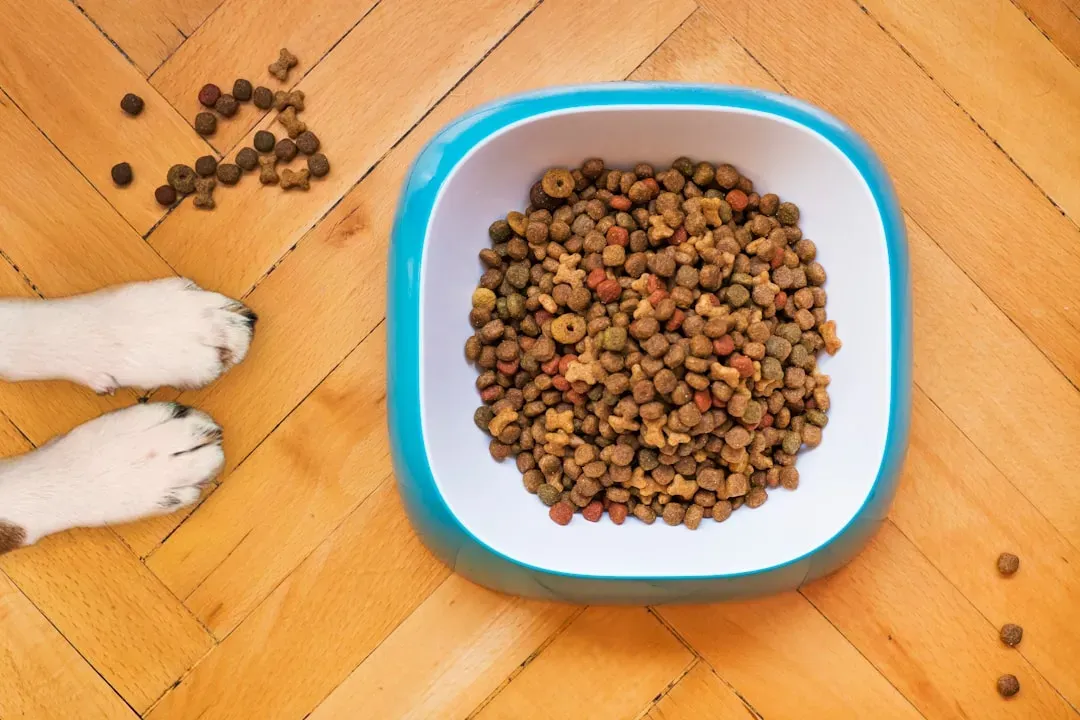
You might notice the food bowl sitting untouched even though it was just filled. Or the water goes ignored. Loss of appetite before a departure is a real and documented response. During departures, dogs may be restless, shake, shiver, salivate, refuse to eat, or become quiet and withdrawn.
Think about what that means in practical terms. A dog motivated by food above almost everything else, suddenly uninterested in their bowl, simply because you’re putting on your coat. A dog with severe anxiety won’t be distracted by even the tastiest treats. The emotional weight of anticipating your absence temporarily overrides one of their most powerful drives. That tells you something real about how deeply your presence matters.
#7. They Pace in Repetitive Patterns
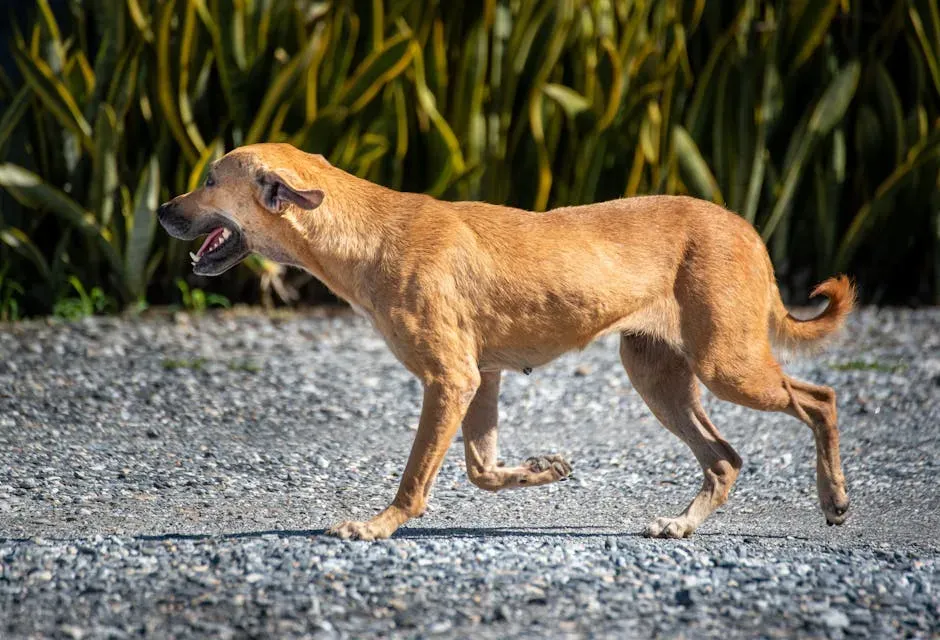
Pacing is one of the clearest outward signs that a dog is caught in a loop of anxiety they can’t break free from. When a dog paces when their owner leaves, this is a common sign that they are suffering from separation anxiety. They will often pace in an identical and obsessive pattern, which signals that they are incredibly nervous about your absence.
Anxious behaviors like pacing, whining, or trembling can occur while you’re gone or as you prepare to leave. The repetitive nature of the pacing is key. It’s not exploratory movement or playful energy. It’s an animal stuck in a state of unresolved distress, their body moving because staying still with that level of anxiety feels impossible. It can be difficult to watch once you understand what it means.
#8. They Bring You Their Favorite Toy
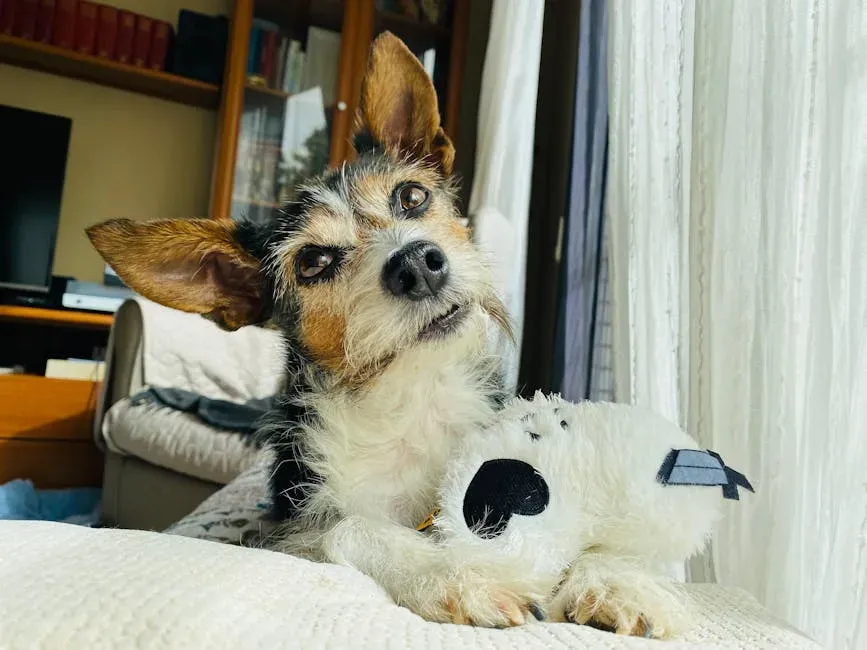
This one catches people off guard because it looks, on the surface, like an invitation to play. Your dog trots over and drops a beloved toy at your feet right as you’re heading toward the door. It may actually be something more nuanced. Dogs sometimes offer objects as a form of social communication, and this gesture in the context of departure can reflect an attempt to engage you, to keep you present just a little longer.
Some dogs will gather items with your scent, like shoes or clothing, bringing them to their resting place, a behavior that demonstrates their desire to maintain connection even in your absence. Whether it’s a toy at your feet before you leave or a cherished item carried to their bed afterward, these small acts reflect a dog trying to hold onto the bond even when the physical presence is slipping away.
#9. They Watch Your Every Move With Fixed Attention
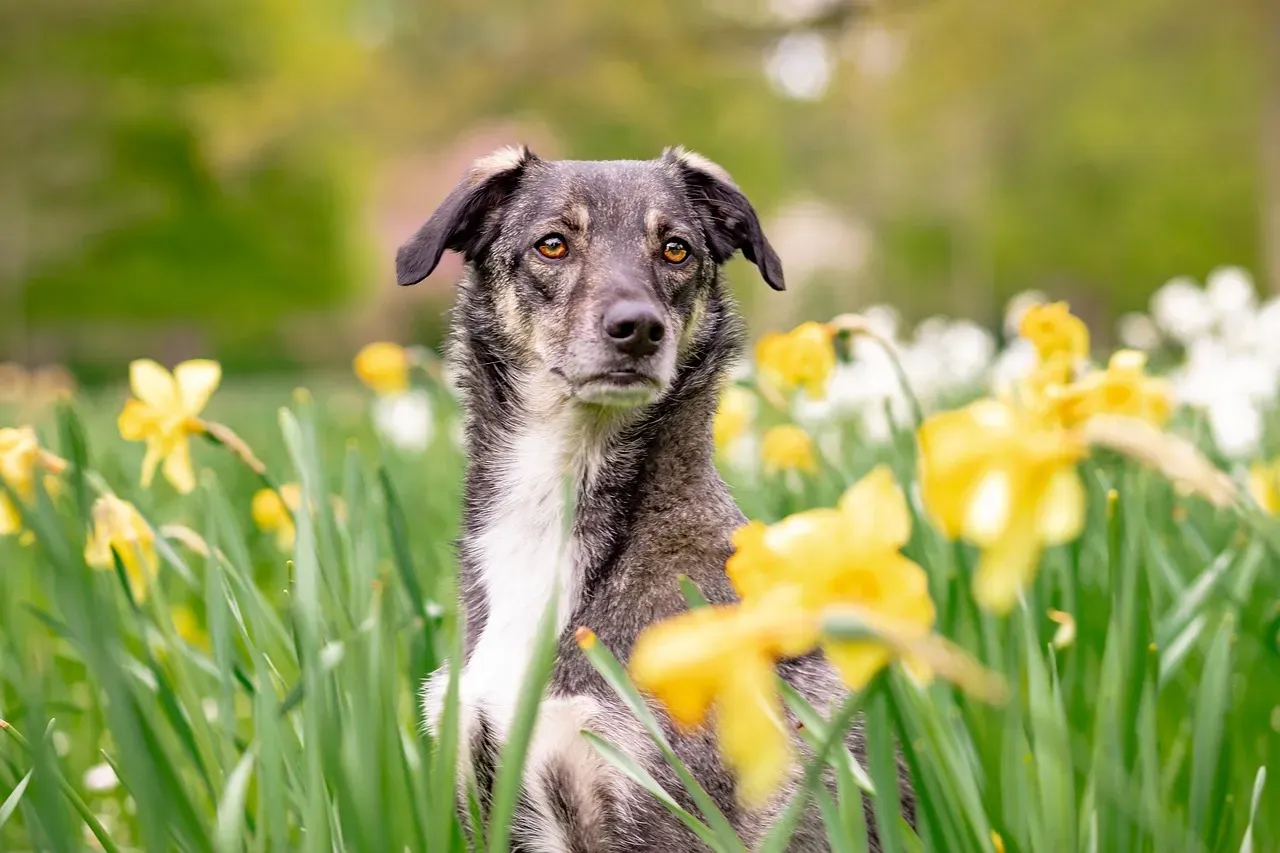
There are different kinds of watching. The casual glance when you walk past, and then there’s the other kind: the unbroken, tracking gaze that follows you from room to room without blinking. That’s the gaze dogs give when they’ve already understood what the routine means. Because dogs are intelligent and perceptive about their environment, they quickly figure out patterns that indicate a human is about to leave.
Some dogs begin to feel anxious while their guardians get ready to leave. A dog might start to pace, pant and whine when they notice their guardian applying makeup, putting on shoes and a coat, and then picking up a bag or car keys. They’re not just watching. They’re reading every signal, cataloguing every clue, hoping one step in the routine will diverge from the usual outcome. It rarely does, and somewhere in their emotional world, they know that too.
#10. They Press Against You or Seek Physical Contact
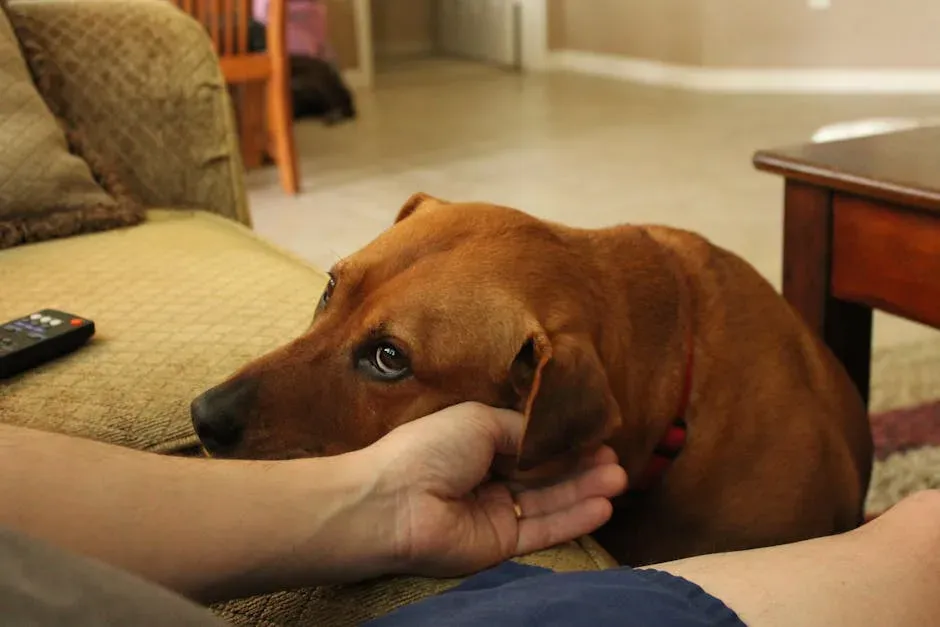
Some dogs become unusually physical when they sense a departure coming. They lean harder into your legs, nudge your hand repeatedly, or press their whole body against yours. Many dogs with separation anxiety crave a great deal of physical contact and attention from their owners, and this need intensifies dramatically in the window before departure.
It’s a form of contact-seeking behavior rooted in attachment, and it peaks precisely when that attachment is about to be temporarily severed. Many but not all of these dogs crave a great deal of physical contact and attention from their owners. That extra lean or the persistent paw on your knee isn’t clinginess for its own sake. It’s a dog trying to absorb as much closeness as possible before the door closes between you.
#11. They Go Quiet and Withdraw
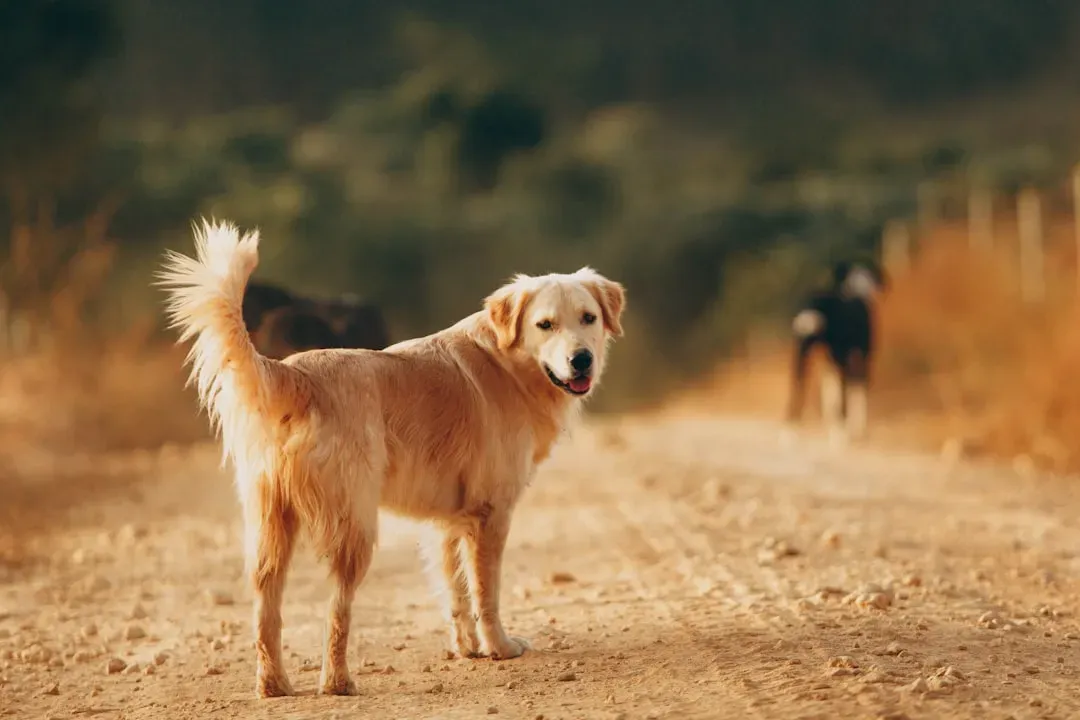
Not every dog becomes louder or more physical before you leave. Some go the other direction entirely. A dog that’s normally bouncy and expressive suddenly becomes still, flat, and distant. During departures or separations, dogs may become quiet and withdrawn, which is a subtler sign that’s often missed precisely because it doesn’t demand attention.
Some dogs sadly learn that calling for their owner to come back doesn’t work, so they learn to suffer in silence. That quiet withdrawal can reflect a learned resignation, a dog who has tried the vocalizing, the following, the pressing, and found that none of it changed the outcome. The stillness isn’t calm. It’s a form of surrender, and in many ways it’s the most heartbreaking version of all.
#12. Their Tail Drops and Their Body Language Shifts Completely
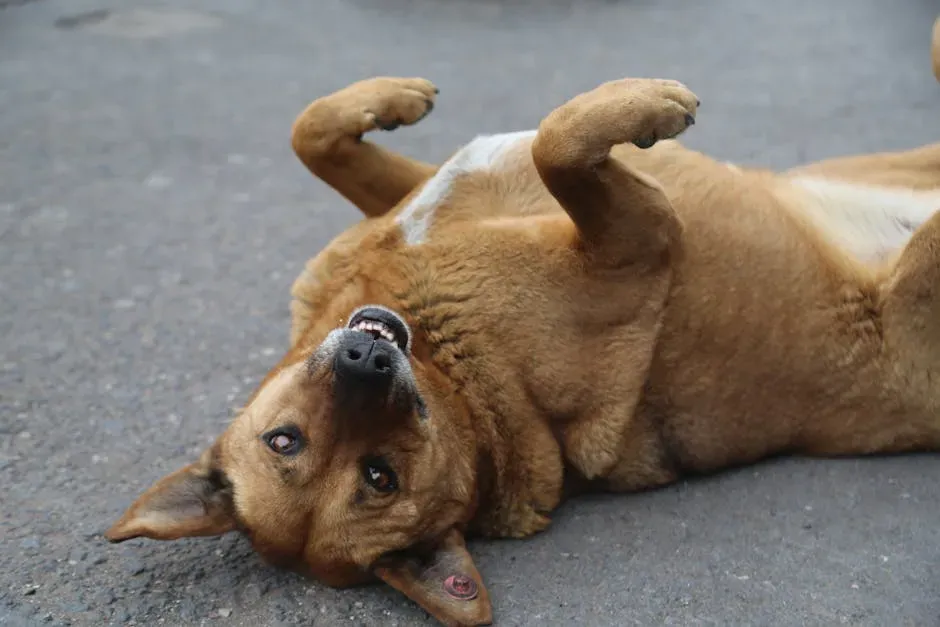
Body language in dogs tells the full story that their vocalizations sometimes don’t. A tail that was wagging moments ago drops low. Ears flatten. The posture shrinks. A dog might start to pace, pant and whine when they notice their guardian preparing to leave, but sometimes the most telling signal is purely physical, a whole-body deflation that happens almost like a slow exhale.
Dogs who’ve been told off may lower their head, put their ears back and put their tail between their legs, and interestingly, this same posture appears as a distress signal in departure scenarios too. The drooping tail, the lowered head, the tucked posture, these aren’t dramatic performances. They’re honest physical expressions of an emotional state that dogs have no other language to communicate. Dogs communicate flexibly by responding to human intentions and emotions, and showing their own. It is widely recognized that dogs have emotions, although we cannot yet directly measure how they subjectively experience them.
What All of This Tells Us
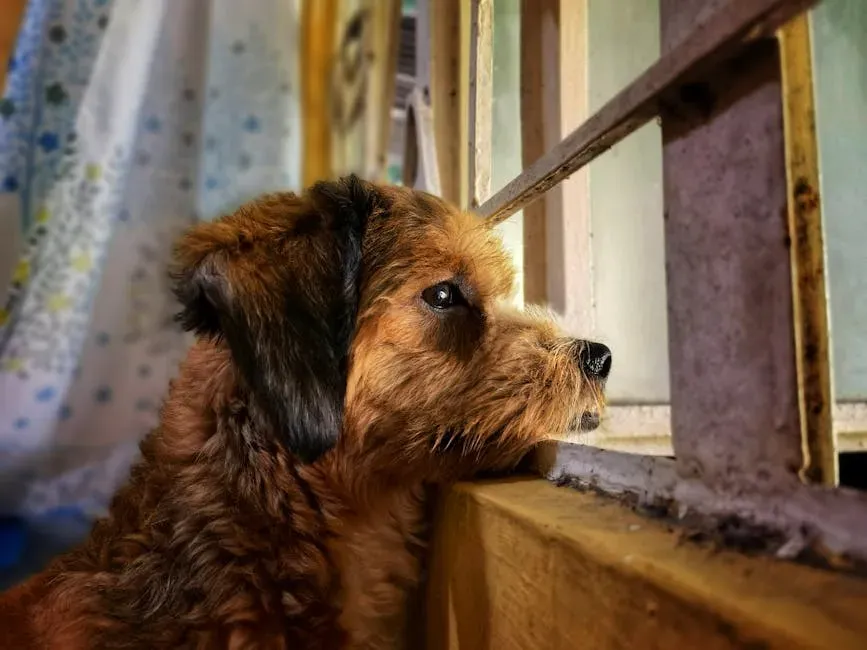
Taken together, these twelve behaviors paint a consistent picture of a creature deeply oriented toward human connection. Separation anxiety is triggered when dogs become upset because of separation from their guardians, the people they’re attached to. The behaviors listed here are not signs of a badly trained dog or a dramatic personality. They’re evidence of a bond.
According to animal behaviorist Patricia McConnell, Ph.D., although we can’t know for sure what’s in a dog’s mind, we can think of separation anxiety as the equivalent of a panic attack. That framing matters. If a person in your life was showing these signs before you walked out the door, you’d take it seriously. The good news is that separation-related behavior is preventable and treatable, and recognizing these signs is the first and most important step.
There’s something quietly profound about an animal who has no concept of “I’ll be back in two hours” watching you leave with everything they feel written plainly across their body. They don’t have the words. They have only the lean, the gaze, the dropped tail, and the wait. Understanding what those signals mean is how you begin to help.

- 10 Emotional Things Cats Remember About Their Favorite Humans - July 19, 2026
- Animal Psychology Says Dogs Who Sleep on Your Pillow While You Are Away Are Not Being Rebellious – They Are Seeking Comfort From Your Scent to Soothe the Separation - July 19, 2026
- The Dog Breed That Mirrors Your Zodiac Sign - July 19, 2026