

Walk into any animal shelter on a busy Saturday, and you’ll notice something quietly devastating. Certain kennels get passed over, again and again. The dogs inside watch visitor after visitor pause briefly, then move on. Some of these animals have been there for months. A few, for years. Shelter staff learn their names, their quirks, their favorite toys. And they dread the moment a new one arrives, because they already know how the story tends to go.
Some dogs sit in shelters longer than others, and it’s not because they lack great qualities. Breed stereotypes, size, or unfair assumptions often push potential adopters to choose other dogs first. Sadly, this leaves many incredible dogs overlooked and waiting far too long for a family. What follows is a look at the 16 breeds that shelter workers know all too well, the ones they fall in love with on intake day, and quietly worry about every day after.
#1. Pit Bull Terrier
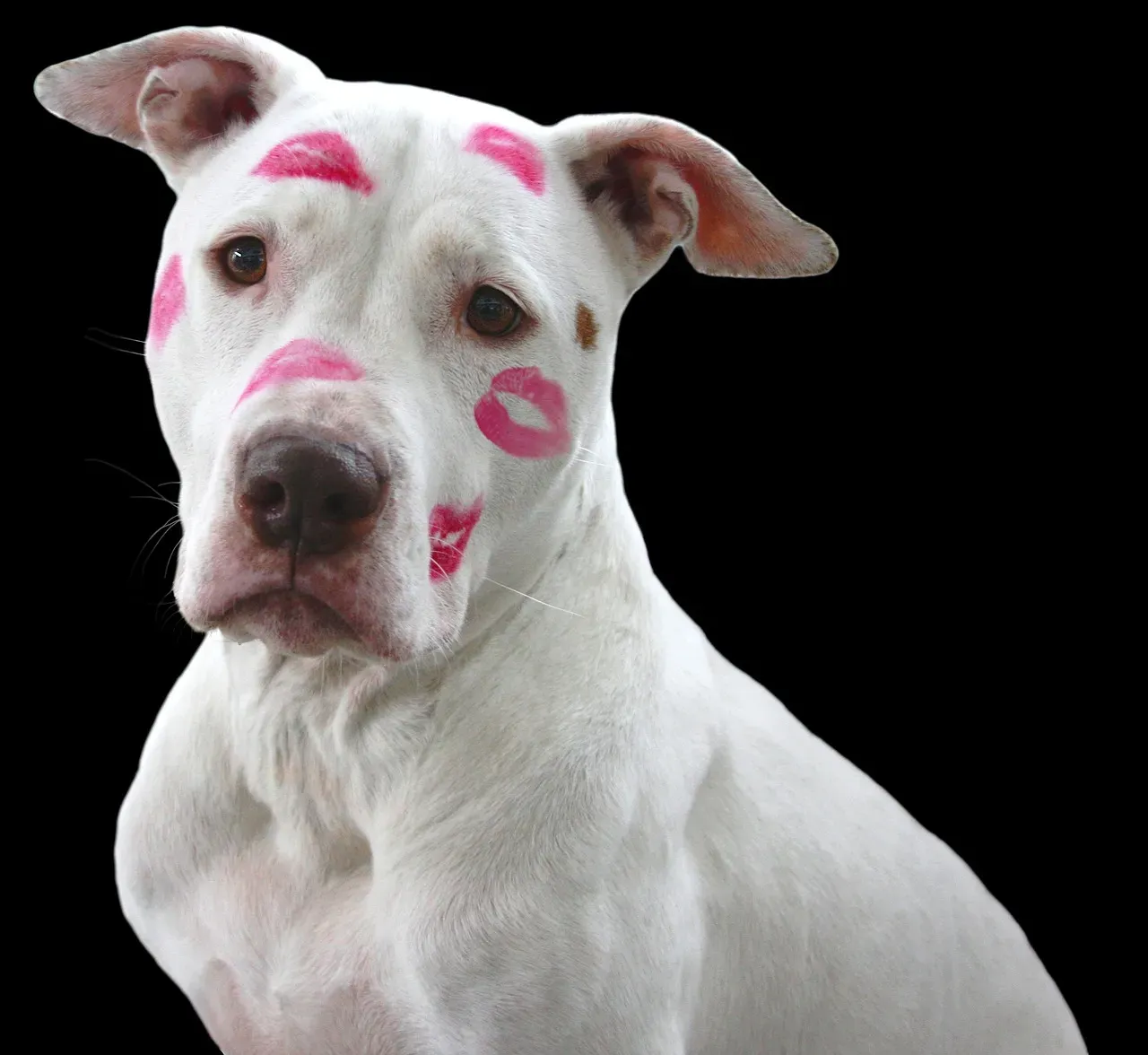
Pit Bull Terriers account for nearly 22% of all dogs listed in shelters and rescues, making them the single most common breed in need of new homes across America’s largest cities. That number alone tells a story. No other breed even comes close, and it reflects a problem that has been building for decades.
Pit bulls are individuals, not a stereotype, yet they remain one of the most at-risk shelter animals. Unfortunately, breed-specific legislation, housing restrictions, and negative stereotypes often work against Pit Bulls, making it harder for families to adopt them. Shelter workers routinely describe them as some of the most affectionate, eager-to-please dogs in the building. The tragedy is that most people never even stop to find out.
#2. American Staffordshire Terrier
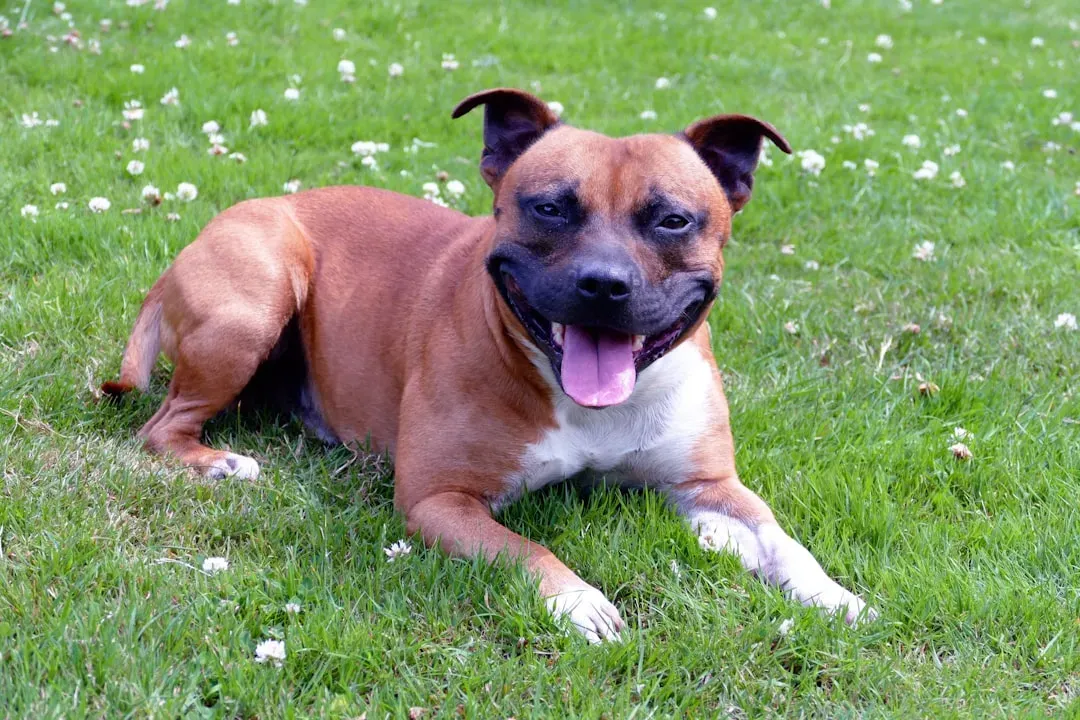
Often mistaken for the American Pit Bull Terrier, the American Staffordshire Terrier (AmStaff) is a breed that faces significant stigma. These dogs are muscular, intelligent, and remarkably loyal. Despite their often misunderstood reputation, AmStaffs are known for their gentle nature with children and their eagerness to please their owners.
The primary reason AmStaffs remain in shelters is the association with aggressive behavior. Yet AmStaffs are highly trainable and thrive on human companionship. Their loyalty is unparalleled, making them excellent family pets. They’re the kind of dog that bonds deeply with a single person or family, which makes it all the more painful when that bond never gets the chance to form.
#3. Staffordshire Bull Terrier
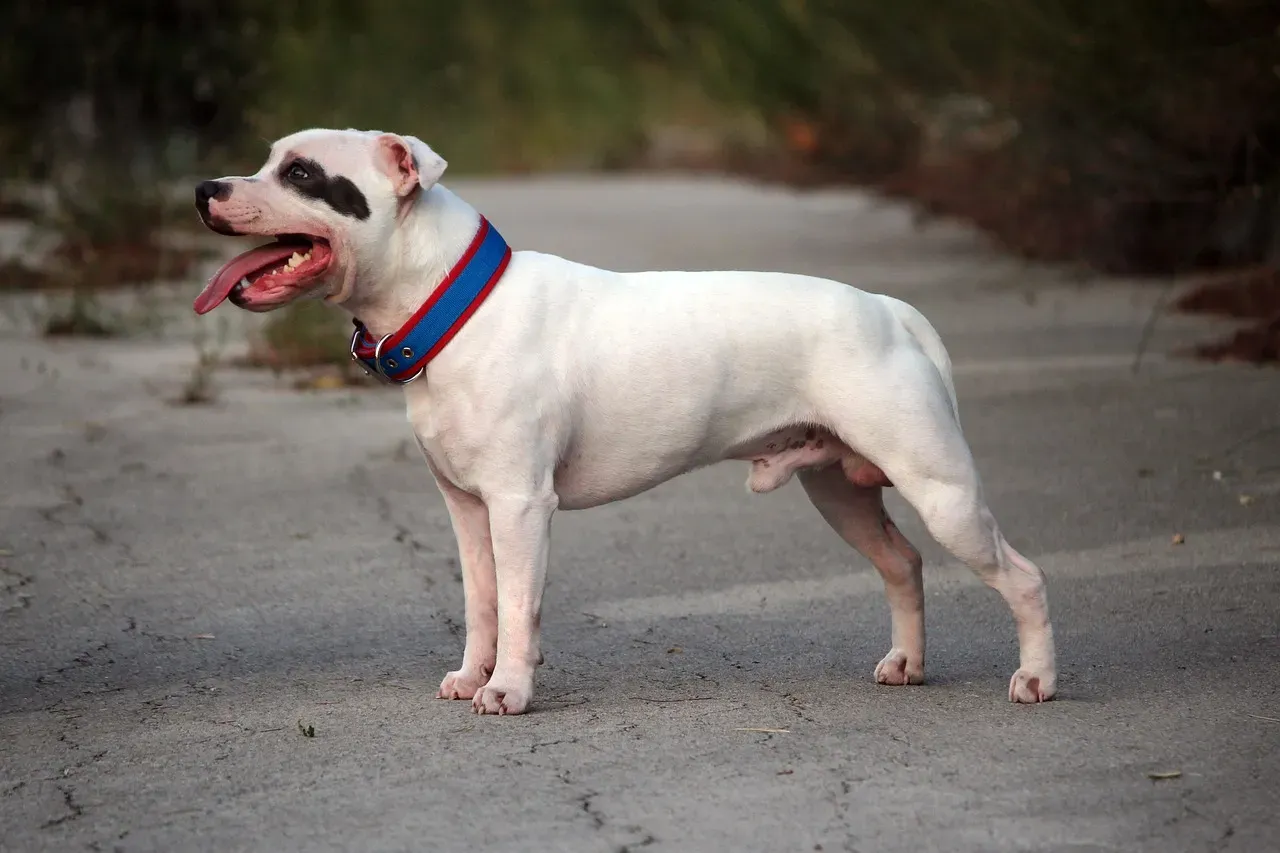
Similar to Pit Bulls, Staffordshire Bull Terriers suffer from negative stereotypes. Despite being small, muscular, and incredibly affectionate, they often face discrimination due to their physical resemblance to bully breeds. People assume they are aggressive, despite being naturally friendly and loving.
The Staffordshire Bull Terrier is a furry face you’re likely to see staring back at you in a local shelter. The Staffordshire Bull Terrier, or “Staffy,” makes a loving and loyal family pet. They are also known to be very gentle and caring with children. What makes their shelter situation especially difficult is that they’re often overlooked by families who would absolutely adore them, simply because of how they look in a kennel photo.
#4. Rottweiler
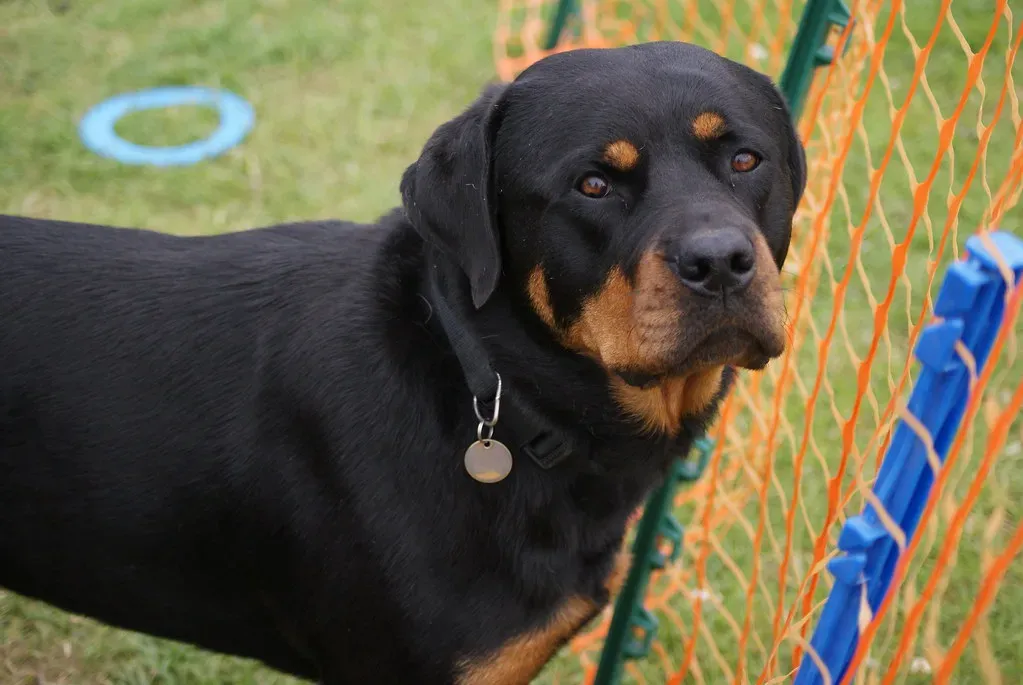
Dogs commonly associated with aggression or negative media portrayals, such as Pit Bulls or Rottweilers, frequently become the “least wanted” in shelter settings. Rottweilers have one of the most unfairly distorted reputations in dogdom. In person, many of them are calm, steady, and deeply devoted to whoever shows them kindness.
Sensationalized stories can paint certain breeds as dangerous, and that image tends to stick in the public’s mind. Rental restrictions in some apartment complexes also forbid specific breeds entirely. That combination of media fear and housing policy creates a near-impossible situation for Rottweilers in shelters, meaning even genuinely gentle individuals can wait months without a single serious inquiry from a potential adopter.
#5. Chow Chow
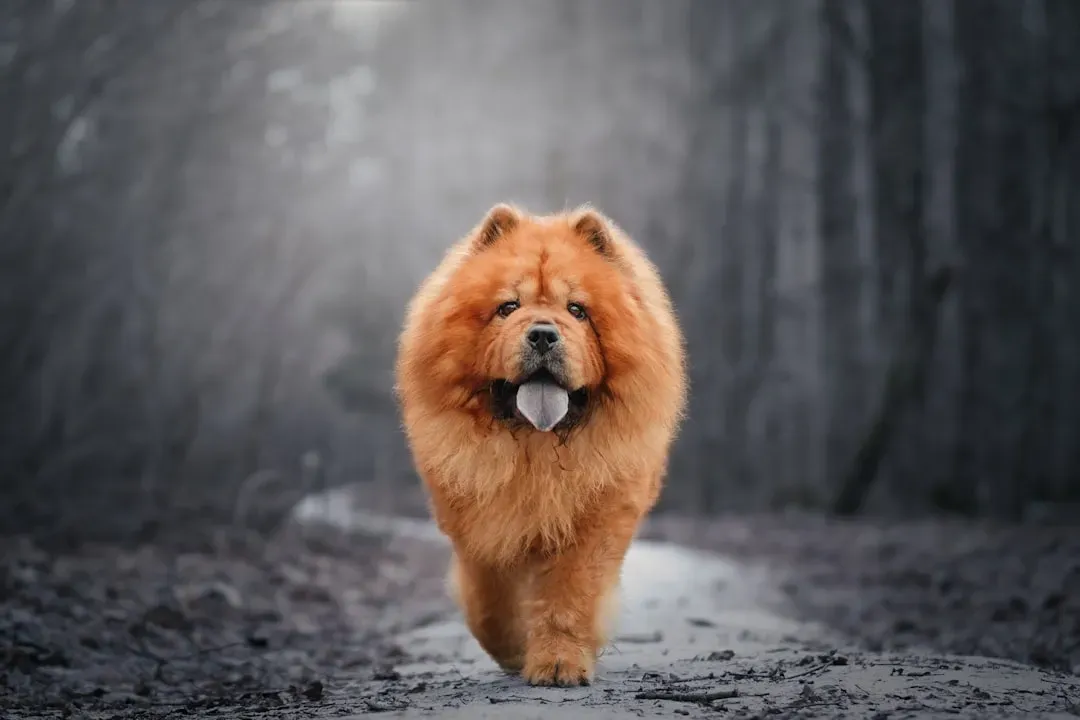
Training a Chow Chow takes a lot of work, as these dogs have independent minds and, as a result, a stubborn personality when it comes to learning new things. This is yet another reason that they don’t match well with first-time dog parents. That independence is often misread as unfriendliness, especially in the stressful environment of a shelter kennel.
The Chow has deep-set eyes which means they have poor peripheral vision, so it’s best to approach them from the front. Shelter workers who understand this breed know that a Chow Chow who seems aloof during a quick visit can become wonderfully devoted in the right home. The problem is that most visitors never stay long enough to see past the initial reserve.
#6. Doberman Pinscher
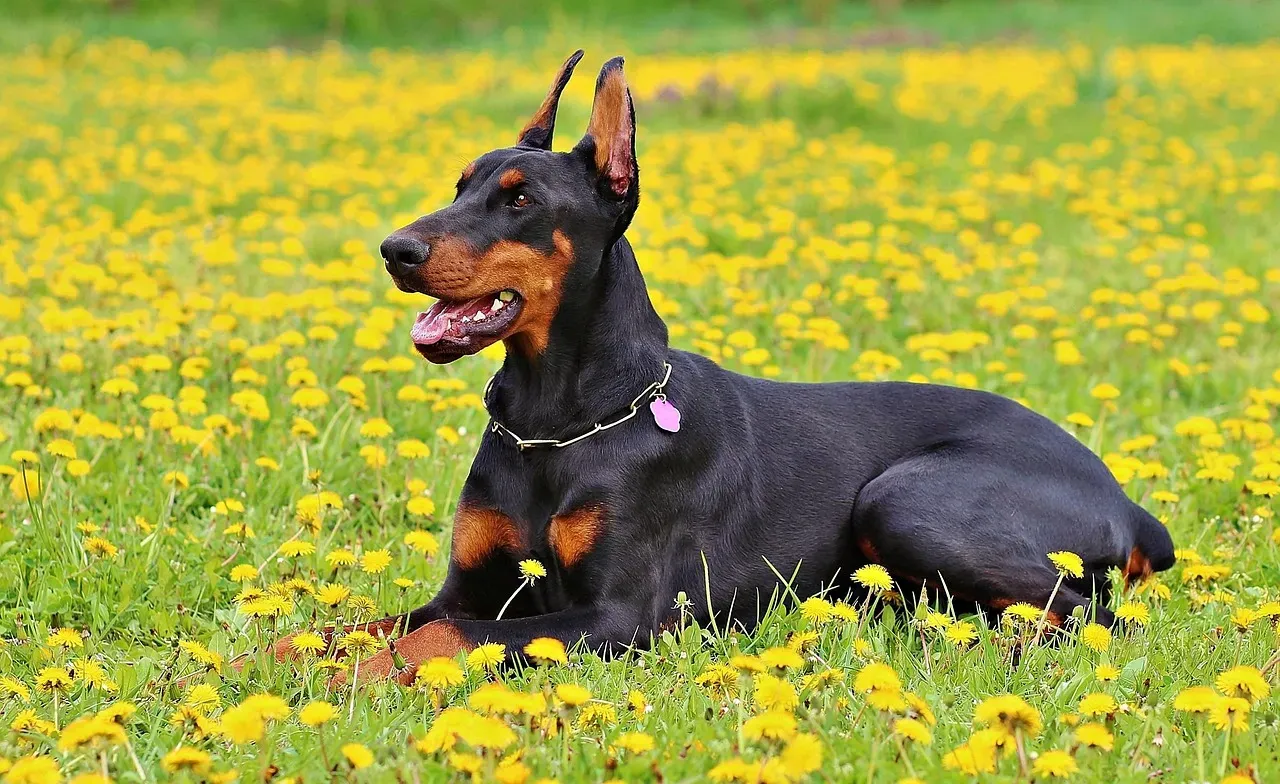
Dobermans are an extremely handsome breed of German origins. Quite often chosen as guard dogs due to their bold, proud, and alert temperament, Dobermans are also very loyal and affectionate when given the right attention and training. Unfortunately, if Dobermans don’t get the right care and their owners don’t learn enough about the traits of the breed and their requirements, they often end up in shelters.
Once in a shelter, a Doberman’s imposing silhouette and intense gaze tend to work against them. Visitors who haven’t spent time with the breed can mistake alertness for aggression. Active breeds that require training or consistent activity might challenge novice dog owners, and that concern alone keeps many potential adopters from taking a second look at these elegant, sensitive dogs.
#7. German Shepherd
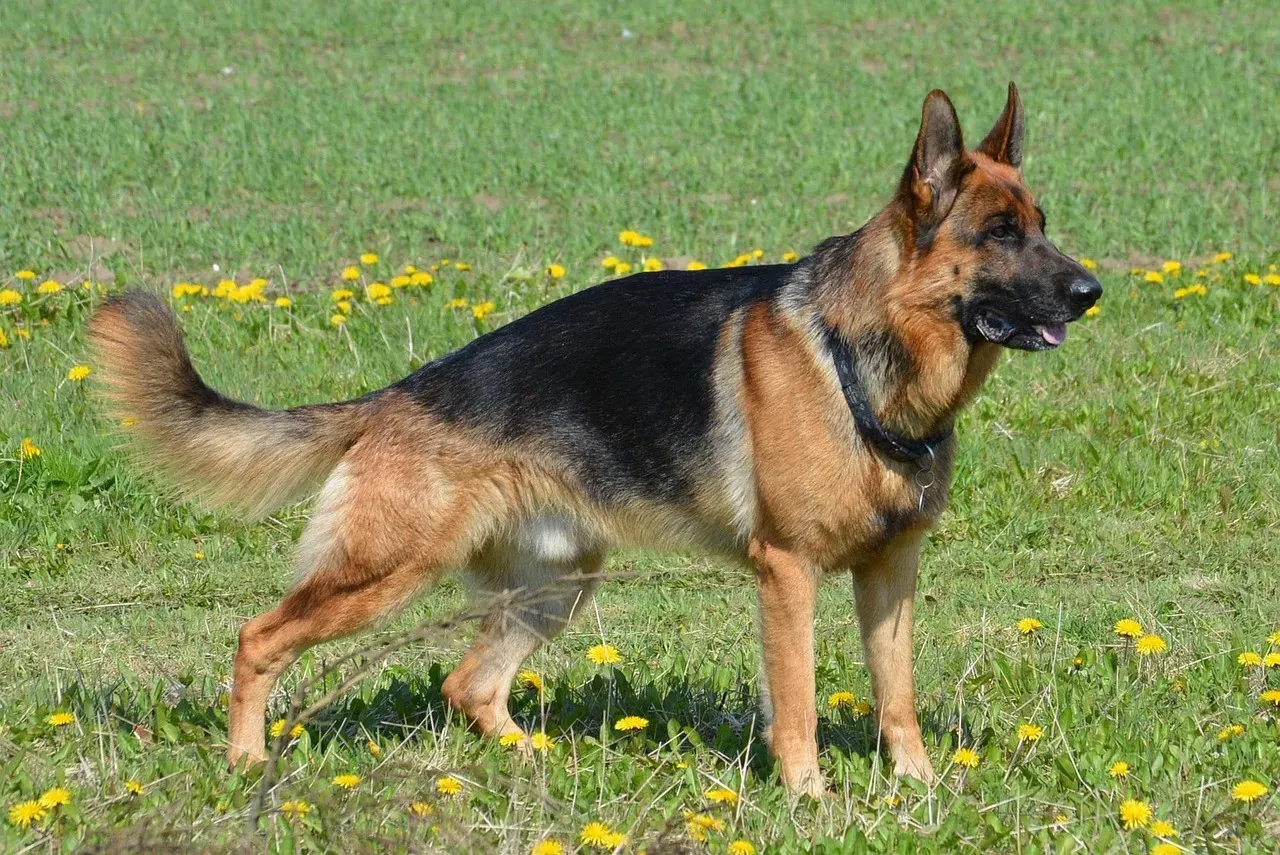
German Shepherds take the number-two spot among the most common shelter dogs, making up over 11% of shelter listings. They are the most common shelter breed in four of the 50 largest U.S. cities analyzed, including Los Angeles, Sacramento, San Diego, and Seattle. For a breed so universally admired, that level of shelter presence is striking.
Well-known for their loyalty and hard-working nature, German Shepherd dogs are often found working alongside the police, military, and private security firms. They’re intelligent, loyal, and protective, making great pets or companions. However, incorrect handling or insufficient training from inexperienced owners can make them difficult to look after. They arrive already bonded to a previous life, and that emotional complexity can make the transition harder than people expect.
#8. Siberian Husky
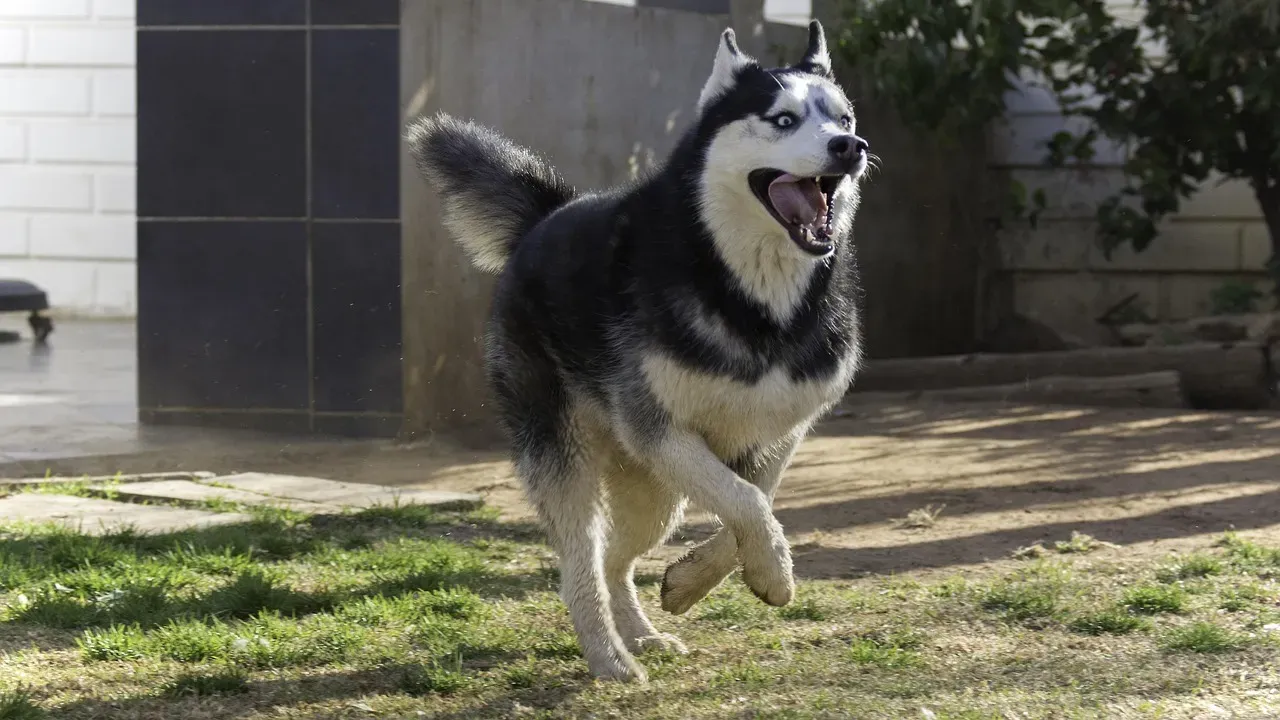
Siberian Huskies show up often in shelters in warmer cities like Los Angeles, Riverside, and Orlando. Their need for constant exercise and thick double coats can make them challenging for first-time dog owners in warmer climates. The gap between how a Husky looks in a social media post and what it actually takes to live with one is, in many cases, enormous.
Many end up in shelters when their owners realize they need a lot of exercise and mental stimulation. They need a lot of space and training. Yet they are loyal, affectionate, and great for active families. Shelter workers often describe watching Huskies become increasingly restless and vocal the longer they wait, which in turn makes them even harder to place. It’s a difficult cycle to break.
#9. Boxer
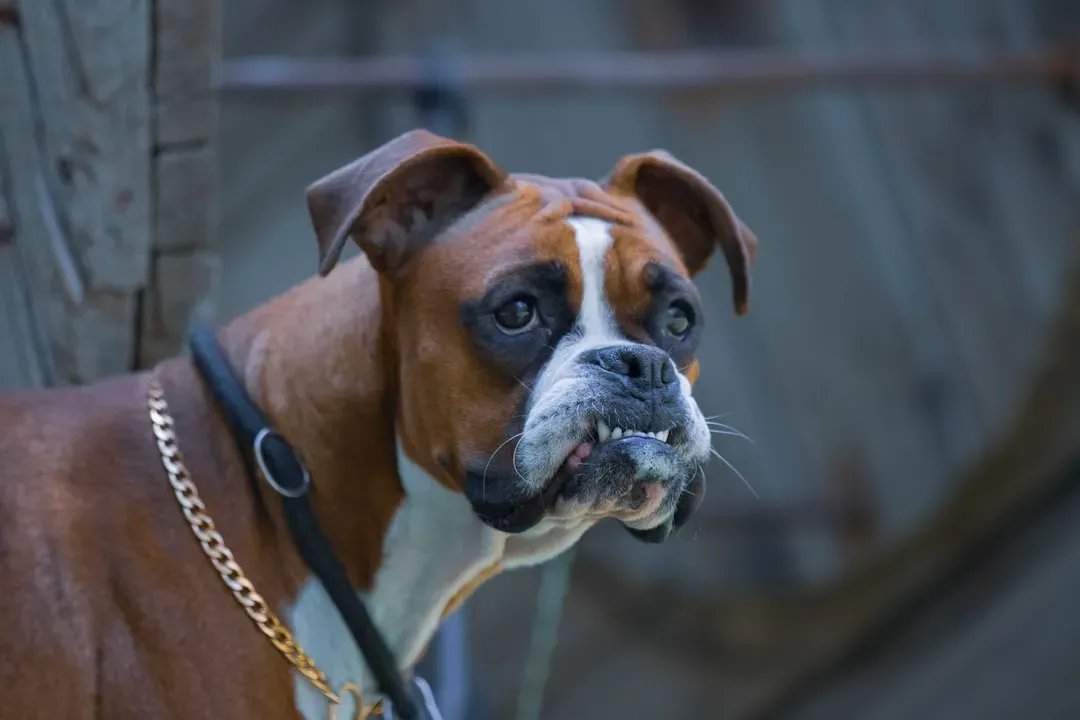
Boxers are energetic, loving dogs, but their high energy levels and strong personalities can make them difficult for first-time dog owners. Many Boxers end up in shelters because owners underestimate their exercise and training needs. They’re not dangerous. They’re just a lot. And in a shelter environment, “a lot” often translates to “last to leave.”
They require a lot of exercise and mental stimulation, but they are playful, affectionate, and great with kids when given the proper training. A Boxer with regular play, structure, and affection is one of the most joyful dogs imaginable. The sad irony is that their exuberance in a kennel, the jumping, the spinning, the excited barking at strangers, is the very thing that keeps families from choosing them.
#10. Greyhound
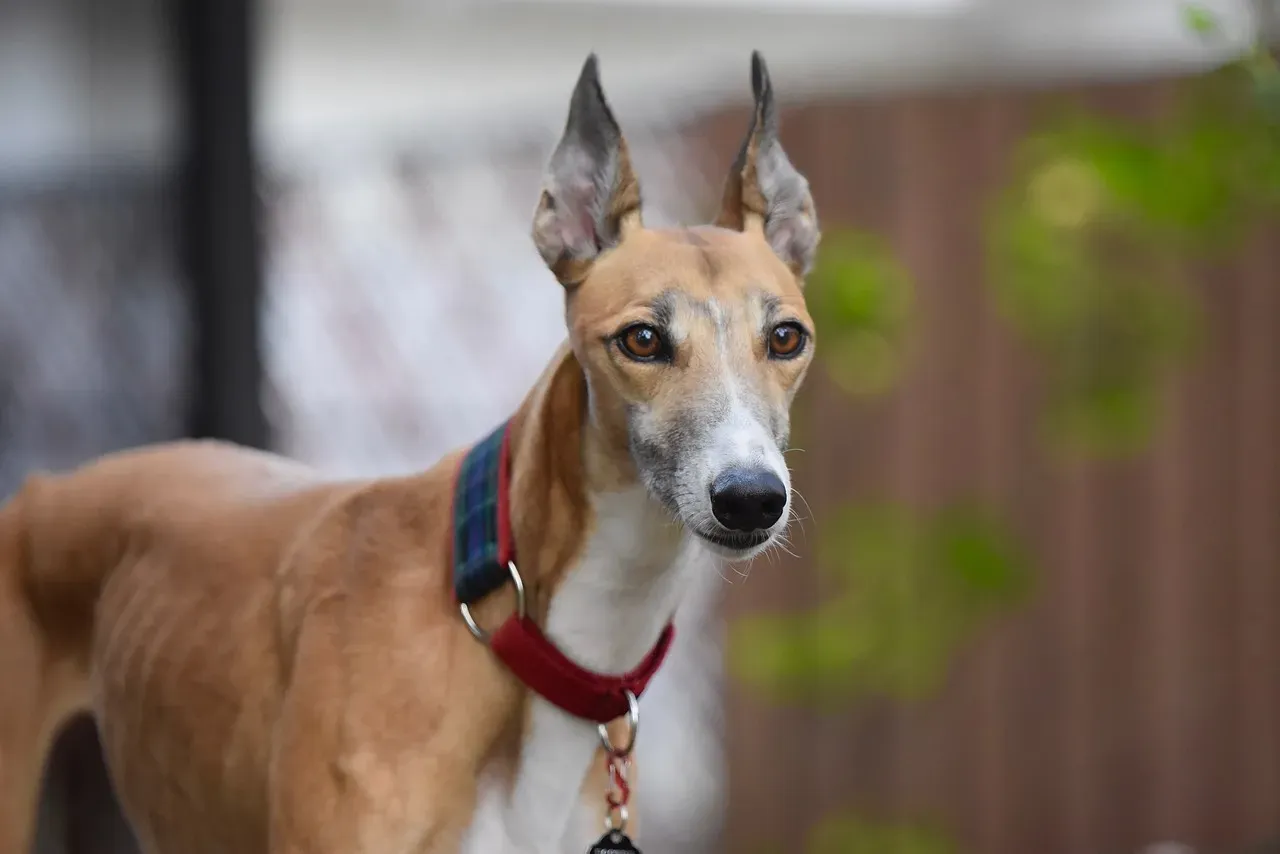
Retired racing Greyhounds often end up in shelters due to the end of their racing careers. Their large size and specific exercise needs can intimidate potential adopters. However, they are gentle, calm, and love lounging around. Despite being bred for speed, Greyhounds are couch potatoes and need less exercise than most people assume.
Despite being known as gentle and affectionate dogs, Greyhounds are one of the least adopted breeds, particularly retired racing Greyhounds. Many people assume they need excessive exercise, when in reality, they are calm and love lounging around. Shelter workers who know them well often say Greyhounds are the best-kept secret in the dog world. They just need someone willing to look past the assumptions.
#11. Beagle
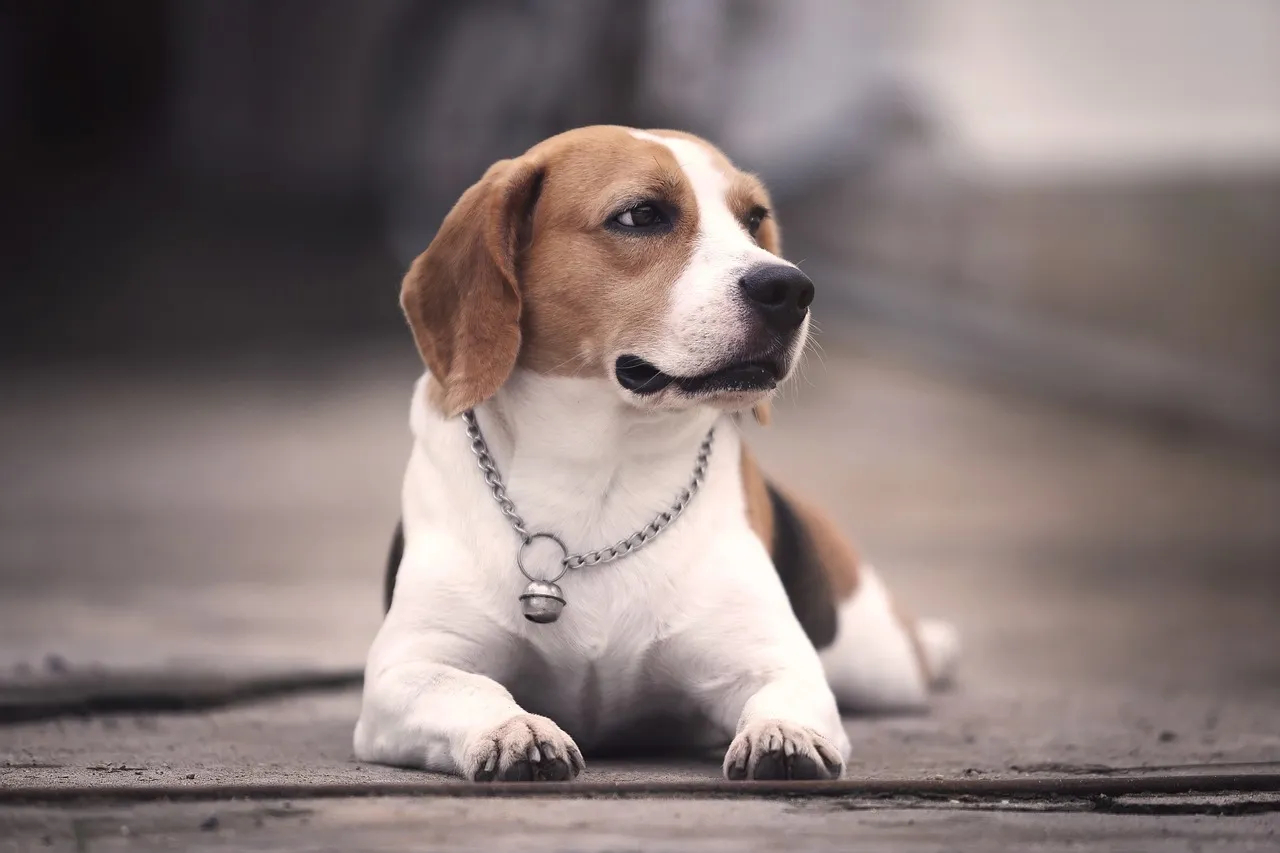
The least adopted dog breeds include Beagles, and other overlooked dogs that can actually be the best pets for some families. Beagles are famously curious and nose-driven, which sounds charming until one escapes under a fence for the third time in a week. That hound instinct, wonderful in purpose, frustrating without structure, is the main reason so many end up surrendered.
Hounds like Coonhounds and Beagles are passed over because of vocal tendencies and hunting instincts. The Beagle’s signature howl, which can fill a small apartment with surprising volume, is a dealbreaker for many renters and neighbors. Shelter workers know these dogs are smart, affectionate, and remarkably food-motivated, meaning training works beautifully when given a fair chance. Still, that baying voice keeps the kennel card on the board far too long.
#12. Coonhound
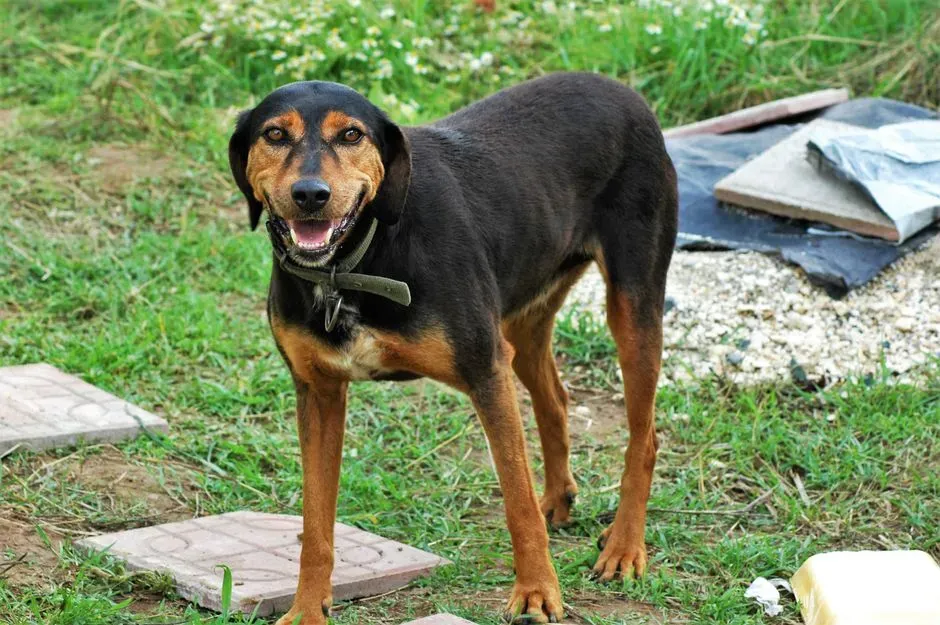
Coonhounds are smart, hardworking hunting dogs, but they are often overlooked in shelters due to their strong prey drive and high energy levels. In their element, these dogs are extraordinary athletes with a nose that can follow a trail for miles. In a kennel, that same drive translates to restlessness and noise that’s hard to overlook.
Treeing Walker Coonhounds are energetic, lovable dogs with a knack for adventure. Their baying bark and high energy mean they’re often passed by in favor of quieter breeds. It takes a specific kind of adopter to truly appreciate a Coonhound, someone who wants a trail companion, an adventure partner, a dog that lives life at full volume. Those people exist. Finding them is the challenge shelter workers face every single week.
#13. Black Labrador Retriever
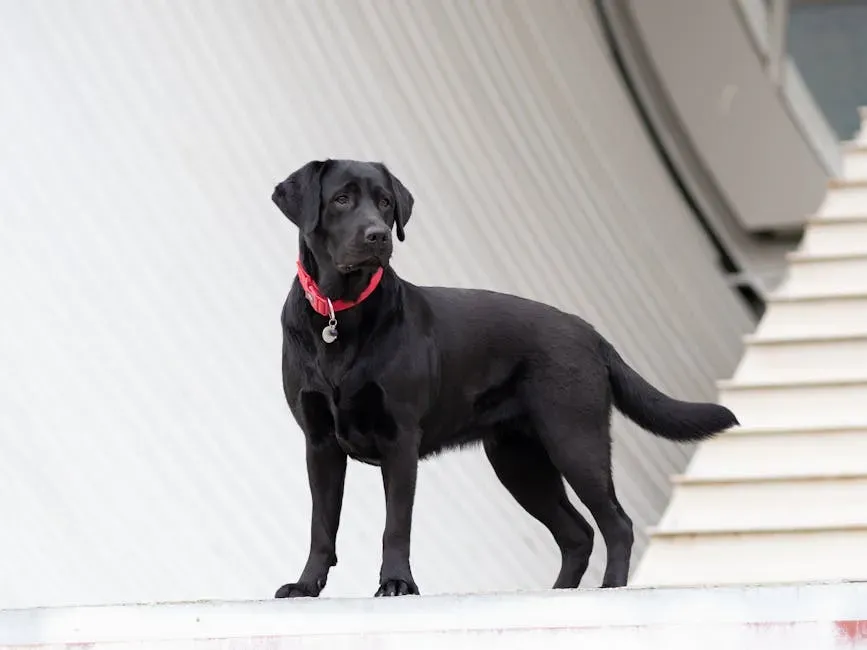
Labradors are one of the most popular breeds, but black-coated Labradors are often overlooked due to “Black Dog Syndrome,” a bias where darker dogs are perceived as less friendly or less photogenic than their lighter-colored counterparts. Many shelters report that black Labs stay in shelters much longer than yellow or chocolate Labs.
Black Dog Syndrome is a documented phenomenon where black-coated dogs are overlooked in favor of lighter-colored ones. This bias is attributed to superstition, the perception that they appear less friendly, and the fact they don’t photograph as well for adoption listings. Despite this, black dogs are just as friendly, playful, and loving as any other dog. The cruelest part is that a black Lab is, by almost every measure, one of the ideal family dogs. The coat color is literally the only variable.
#14. Border Collie
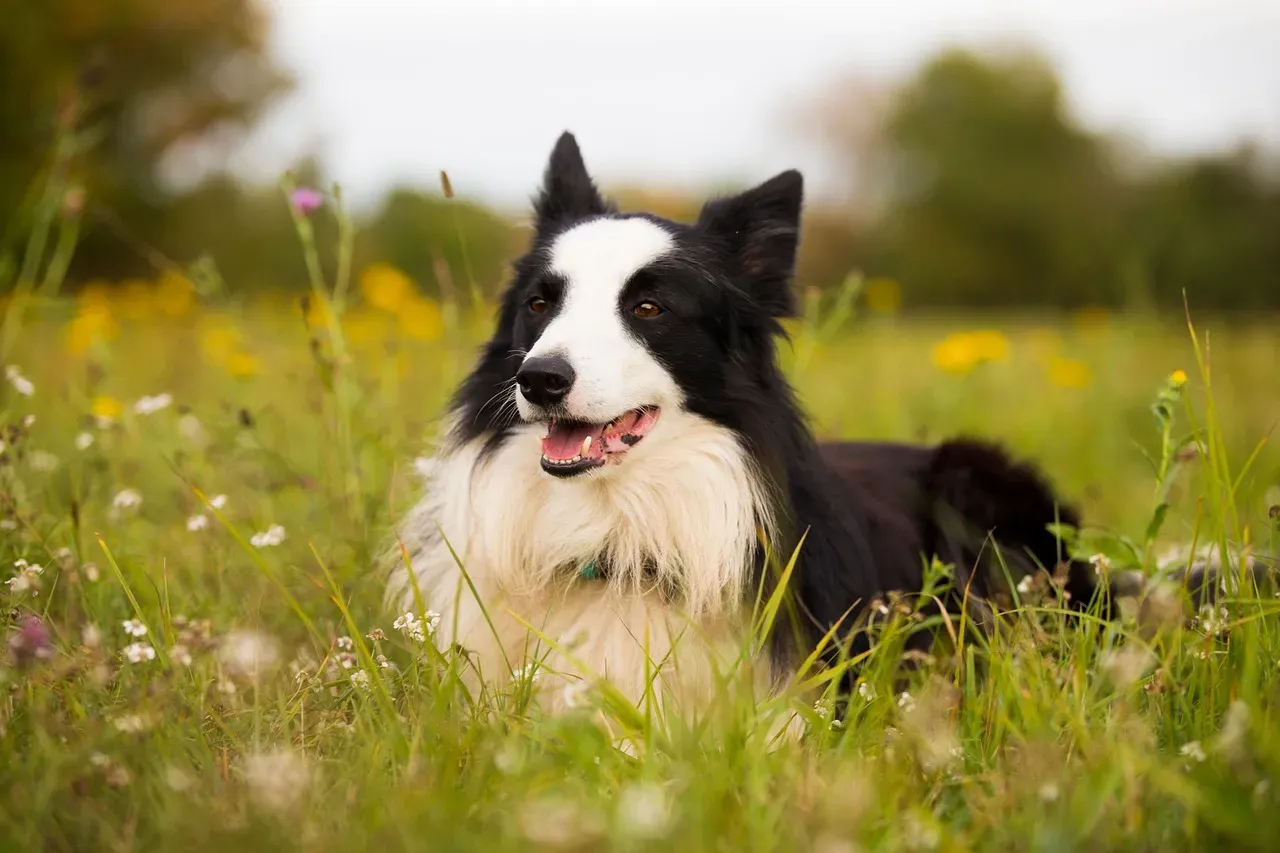
Seen as one of the most intelligent dog breeds, Border Collies are sheepdogs at heart who love nothing more than running. They need lots of exercise and mental stimulation, and in the right hands, they can be extremely easy to train. While this loveable breed may seem like the perfect choice for a family pet, their need for high levels of activity can make them very demanding on owners who aren’t able to give them the right level of exercise.
This is why Border Collies often end up needing to be rescued from shelters. This breed is best adopted by experienced dog owners who can provide the right home for the working dog. A Border Collie without a job doesn’t just get bored. It gets inventive in ways that can be genuinely destructive. Shelter workers know these dogs need more than a walk around the block, and finding the right match takes time that not every shelter has.
#15. Plott Hound
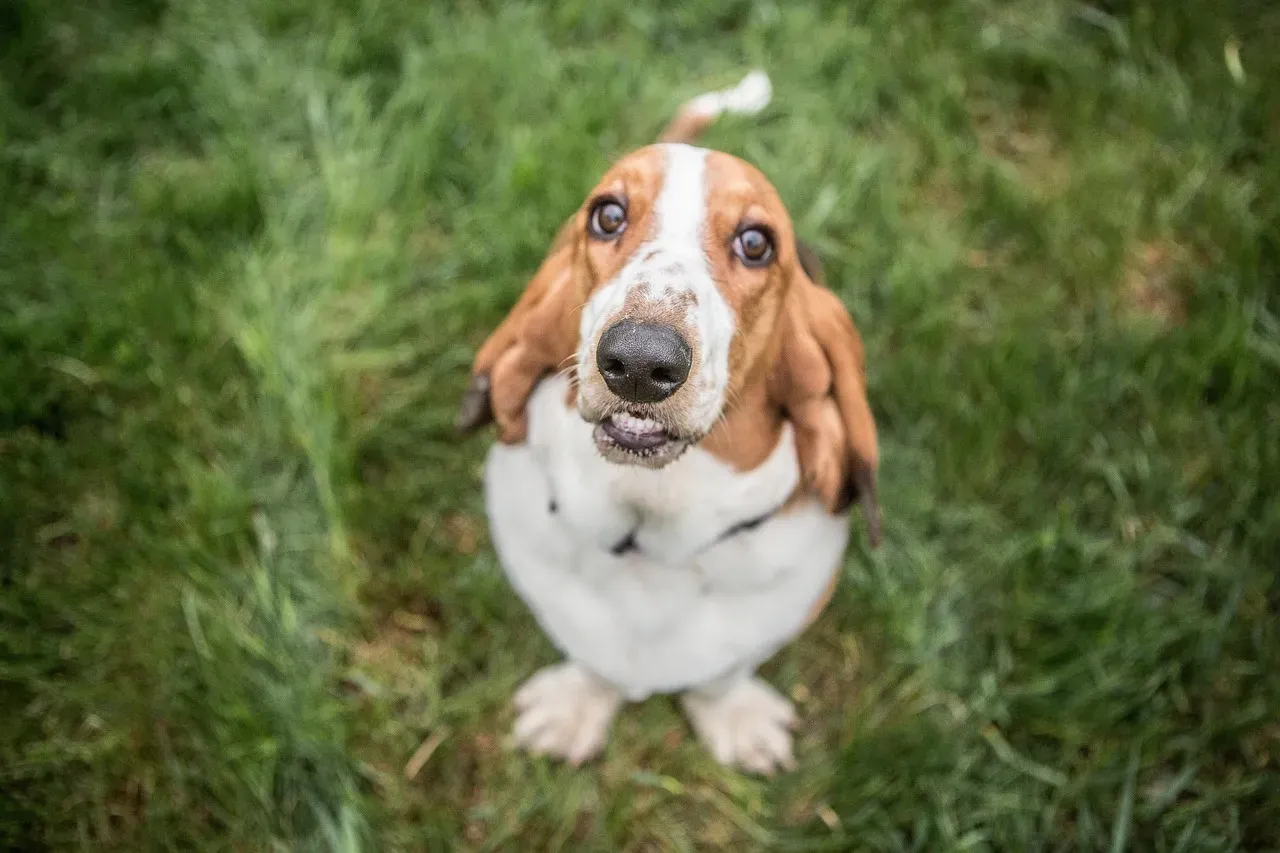
The Plott Hound, North Carolina’s state dog, is striking with its brindle coat and muscular build. Yet it’s often overlooked because not many people know about them. Plott Hounds are intelligent, loyal, and protective, making them excellent family dogs. They have a lot of energy and need regular exercise, which can be a challenge for some.
Despite their hunting heritage, they’re affectionate and thrive on companionship. Their unique look and spirited personality can win over those who take the time to get to know them. It’s a shame these loving dogs don’t get more attention in shelters across the country. Anonymity is the Plott Hound’s biggest enemy. Most people simply walk past without recognizing the breed at all, let alone understanding what a genuinely devoted companion is waiting right there in that kennel.
#16. Akita
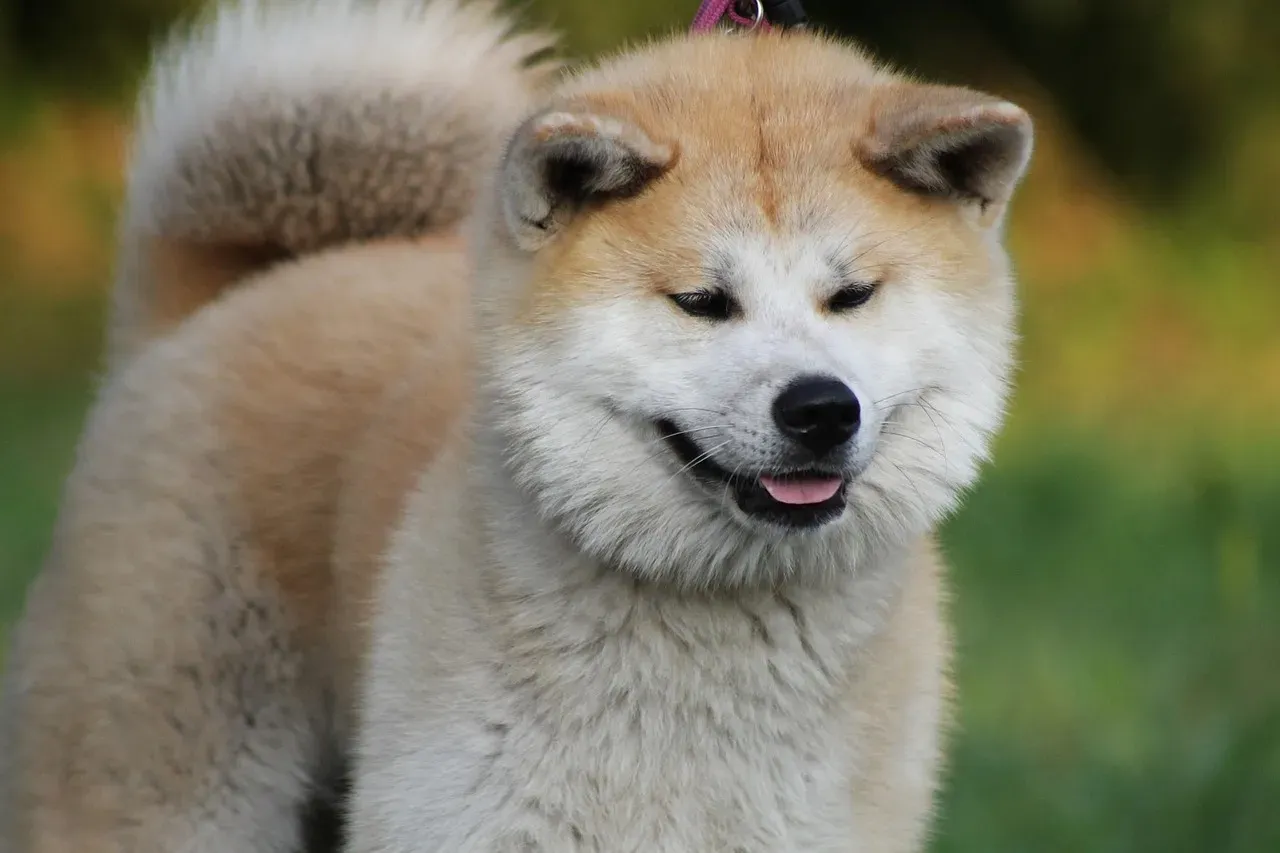
Akitas are powerful, majestic, and full of heart, but their size and strong personality often intimidate potential adopters. Originally from Japan, Akitas are renowned for their loyalty. They require experienced owners who understand their independent streak and need for socialization. Akitas can be reserved with strangers but are deeply affectionate with their families.
Despite their stoic appearance, they’re silly and playful with those they love. It’s a tragedy that such noble dogs are often left waiting in kennels, overlooked by those who don’t know their story. An Akita that finds the right home becomes something rare: a dog of almost mythic loyalty. The problem is that “experienced owner required” is a filter that eliminates most of the walk-in traffic at a typical shelter, leaving these quiet, dignified dogs waiting long past when they should have gone home.
What This All Means
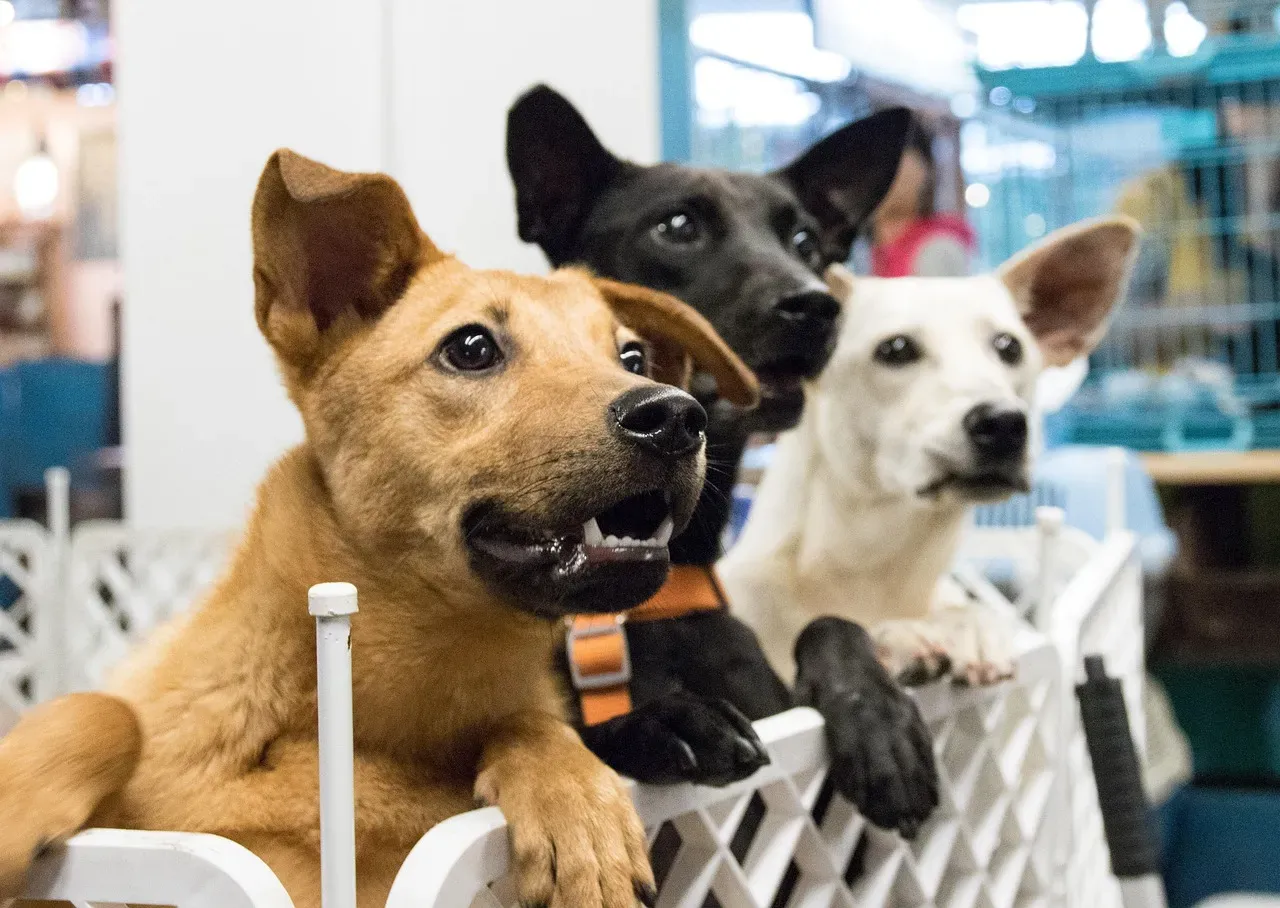
Large dogs in particular are having a hard time finding adoptive homes, now staying in shelters twice as long as they were before the pandemic. Because of this, some shelters are having to make more heartbreaking euthanasia decisions. That context matters. This isn’t a minor inconvenience for these animals. It’s a matter of survival.
These aren’t flawed animals. They’re victims of bias and misinformation. The truth is, these so-called “undesirable” dogs can make some of the best companions when given the chance. Shelter workers know this better than anyone. They spend their days with these dogs, watching them be passed over not because of who they are, but because of what people assume they are.
Giving a less popular dog breed a chance can bring about surprising results. That shy pup hiding at the back of the kennel may warm up immediately once they’re in a quiet home. When they’re away from the loud, chaotic environment of an animal shelter, many dogs feel comfortable enough to start playing and showing their true nature. The dogs on this list aren’t asking for much. They just need someone to stop walking past.

- What Nocturnal Animal Are You According to Your Zodiac Sign - July 19, 2026
- The Fastest Bird in Level Flight Is Not the Peregrine Falcon – That Record Belongs to a Species That Almost No One Can Identify on Sight - July 19, 2026
- 12 Architectural Wonders From The Ancient World That Inspire Us Today - July 18, 2026