

There’s a bird hiding in the shrubs right now, possibly in your own backyard, producing sounds that defy easy explanation. It might sound like a cat. Then a frog. Then a robin. Then something entirely unrecognizable, all woven together into one long, rambling performance that seems to have no pattern and no end. Most people who hear it for the first time stop in their tracks.
That bird is the gray catbird, and its voice is one of the most fascinating in all of North America. Known by its scientific name Dumetella carolinensis, it’s a unique and fascinating songbird commonly found across North America, named for its distinctive cat-like “mew” call. What’s actually happening beneath all that sound, though, involves biology, behavior, and a kind of acoustic intelligence that rewards a closer look.
#1. Their Name Comes From a Sound That Fools People Into Looking for Cats
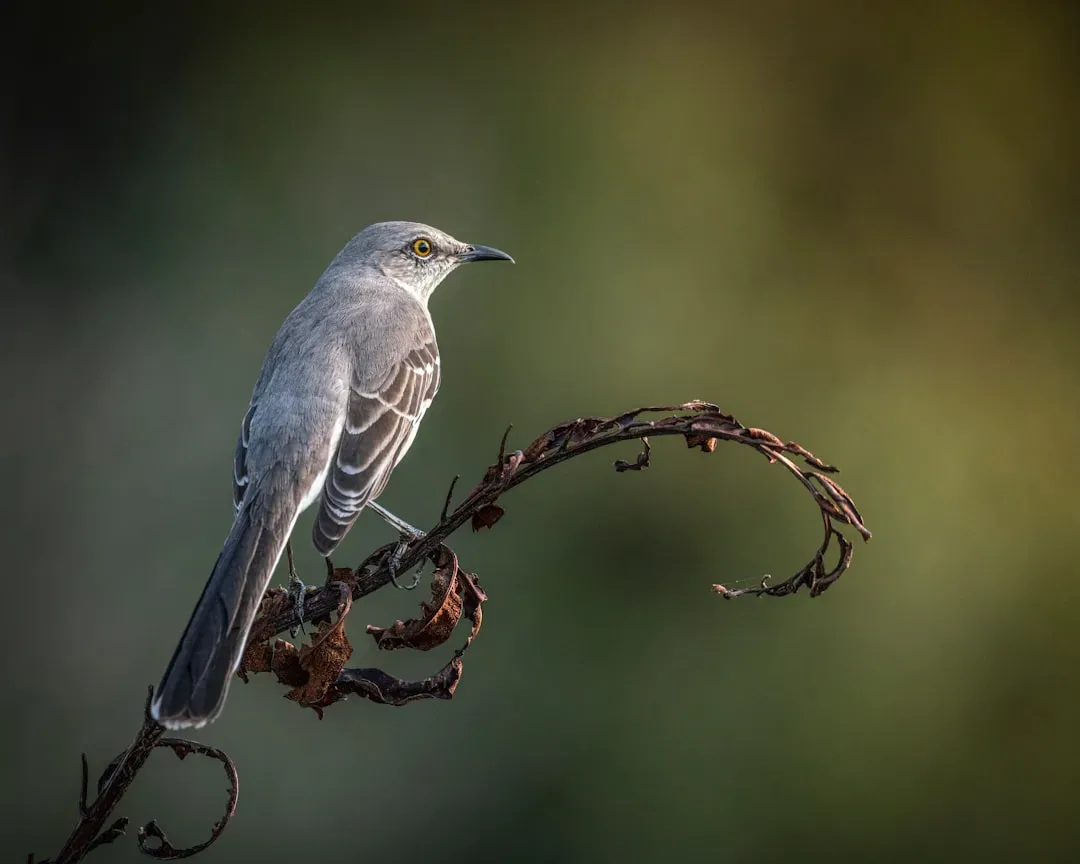
The gray catbird’s most recognizable vocalization sounds remarkably similar to a domestic cat’s meow, earning this species its common name. This nasal “mew” call typically lasts between half a second and two seconds and serves multiple communication functions within catbird communities.
Many a hiker has been fooled into thinking a housecat was on the prowl nearby, only to find a gray catbird meowing in a nearby shrub. The deception is convincing enough that even experienced birdwatchers occasionally do a double take. It’s a call that travels well through dense vegetation and cuts through ambient noise in a way that feels surprisingly feline.
#2. They Have a Built-In Two-Channel Voice Box
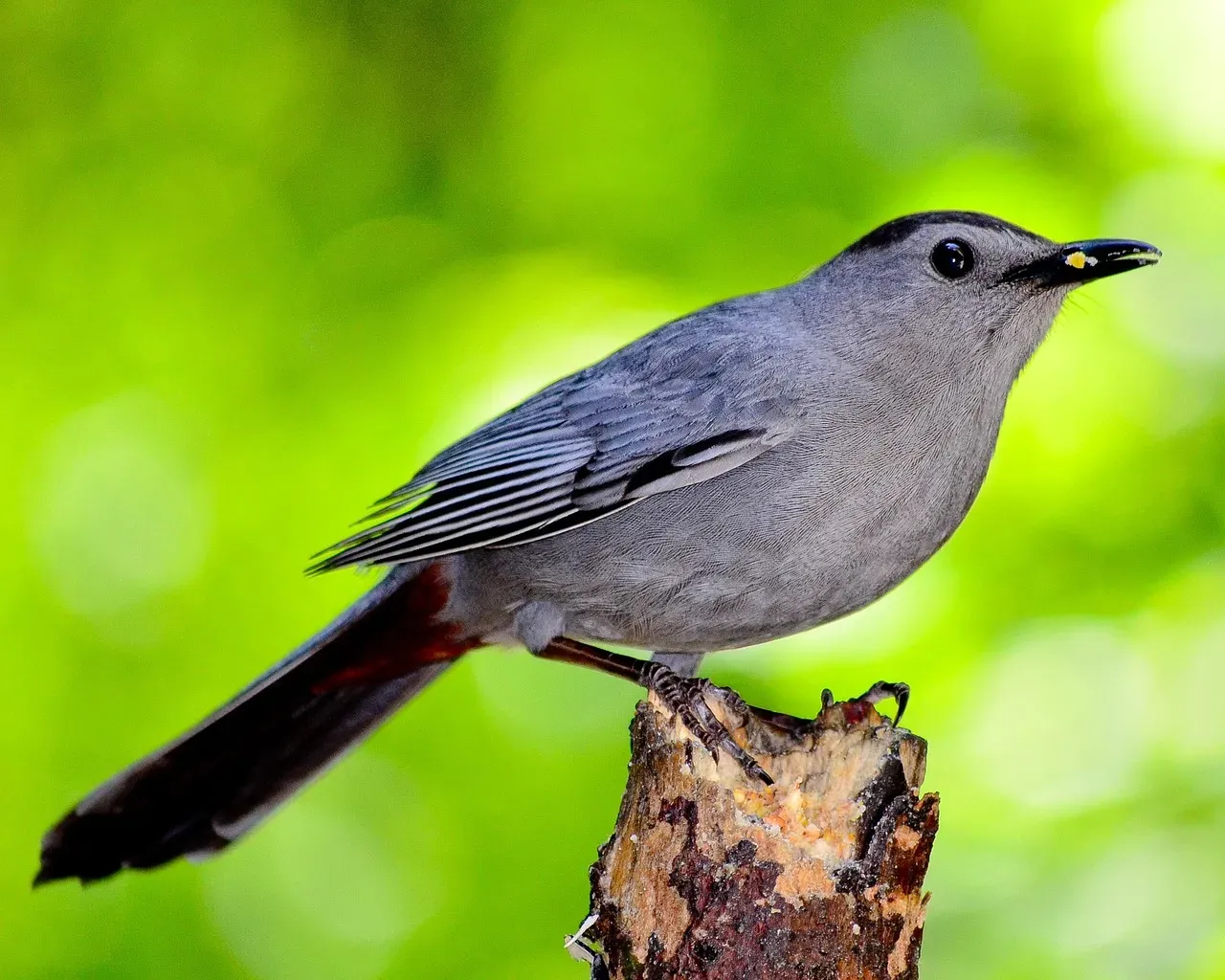
Like many birds in the family Mimidae, the catbird has a large repertoire of songs and calls due to the structure of its syrinx, which is shaped like an upside-down Y located at the base of the trachea where it splits to form the bronchi. Membranes controlled by muscles vibrate to produce sound much the way human vocal cords do. Catbirds can produce sounds from the left and right side of the syrinx simultaneously, or use each side individually.
Because of its well-developed songbird syrinx, it is able to make two sounds at the same time. This dual-channel capability is a key reason catbird songs feel so layered and unusual to human ears. When you hear something that sounds like two instruments playing at once from a single bird, that’s precisely what’s happening, and it’s not a trick of acoustics.
#3. They Mimic Over 40 Different Species
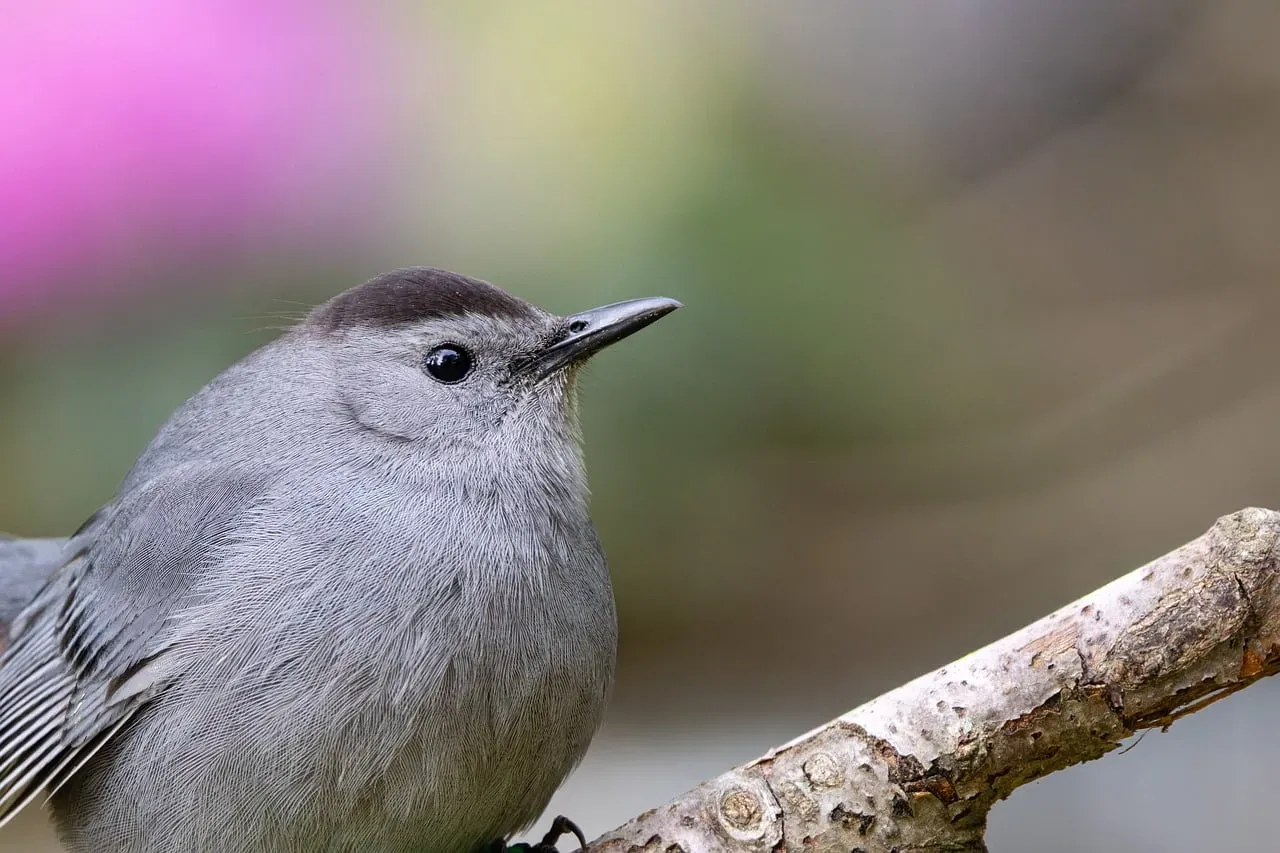
Gray catbirds demonstrate exceptional mimicry skills, incorporating sounds from over 40 different bird species into their vocal repertoire. These talented vocalists can reproduce the calls of robins, cardinals, blue jays, and woodpeckers with remarkable accuracy.
Individual catbirds typically master between 15 and 20 different species’ calls throughout their lifetime. Males showcase their mimicking abilities most prominently during dawn chorus performances, creating continuous song sequences lasting 10 to 15 minutes. Each performance combines original catbird phrases with borrowed elements from other species. The result is a sound that never quite repeats itself, almost like overhearing someone improvise a conversation in multiple languages.
#4. They Also Mimic Frogs, Insects, and Mechanical Sounds
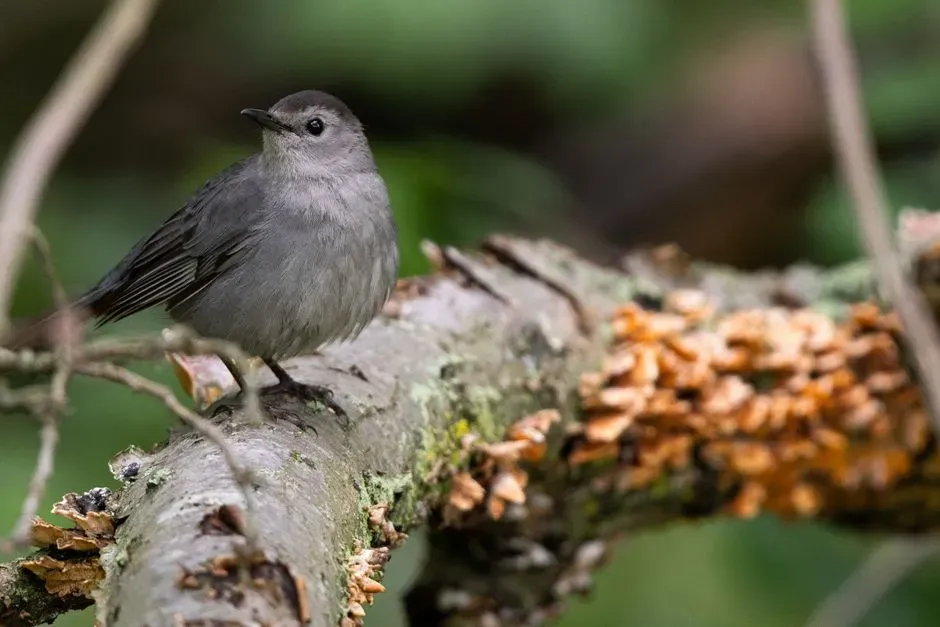
Catbirds are far more than simple imitators. They are masterful mimics, capable of incorporating the songs of other birds, the calls of insects and amphibians, and even human-made sounds into their own vocalizations. They don’t simply copy sounds; they creatively rearrange and combine them, creating unique and complex songs.
The catbird’s repertoire includes its own species’ calls and songs, impersonations of other songbirds, and even imitations of frogs and man-made noises. In 2010, Greg Budney, a former audio curator at Cornell’s Macaulay Library, recorded a catbird in California adeptly copying the sounds of more than a dozen other bird species, as well as a tree frog. That recording became a vivid demonstration of just how far catbird mimicry actually extends beyond other birds.
#5. Their Song Has No Repeats, Which Sets Them Apart From Mockingbirds
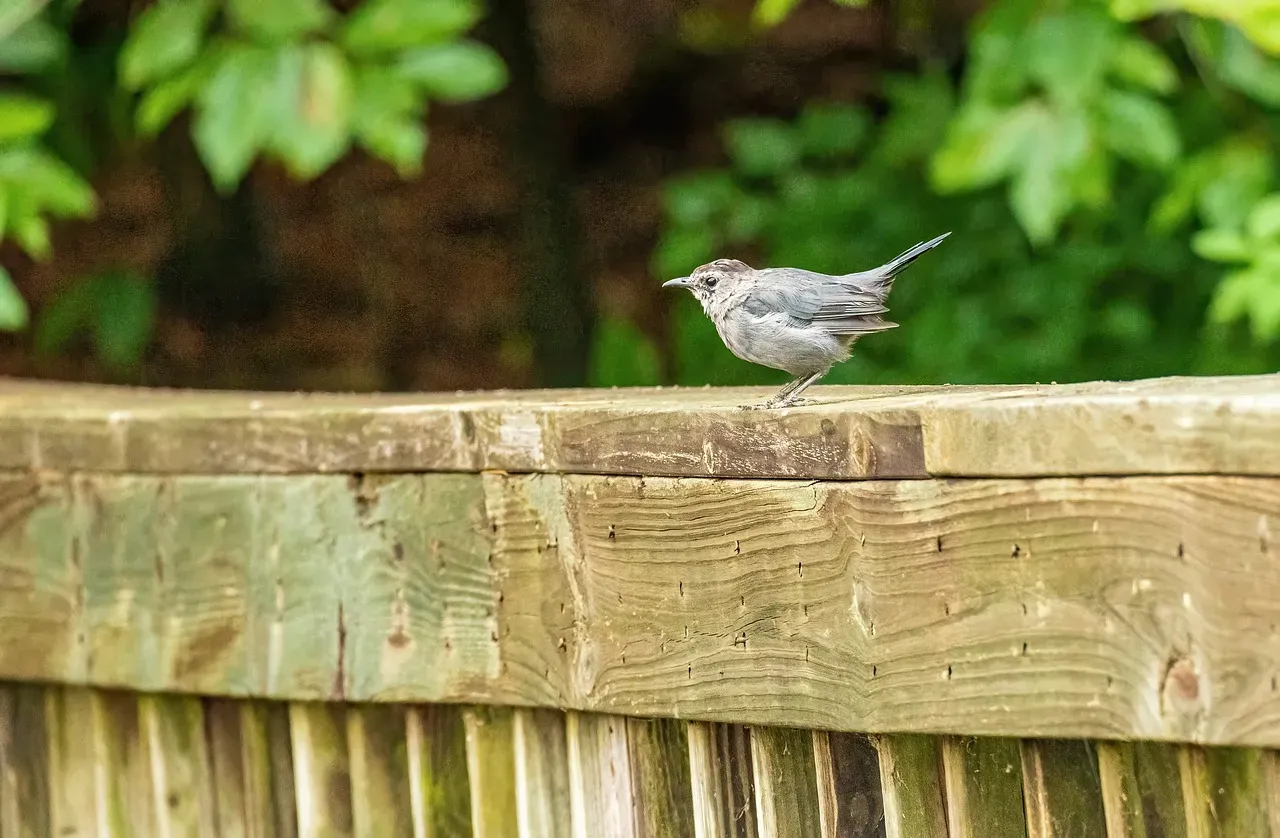
A gray catbird’s song is easily distinguished from that of the northern mockingbird or brown thrasher because the mockingbird repeats its phrases three to four times, the thrasher usually twice, but the catbird sings most phrases only once. The catbird’s song is usually described as more raspy and less musical than that of a mockingbird.
Male gray catbirds sing a long, halting series of short notes collected into phrases, which combine to make a song. One whole song can last many minutes. Sounds include whistles, squeaks, gurgles, whines, and nasal tones. The notes often are imitations of other birds as well as of frogs and mechanical sounds. The series of sounds is random, but certain notes are often repeated. The non-repeating quality gives catbird song a restless, stream-of-consciousness quality that makes it genuinely difficult to predict.
#6. They Keep Learning New Sounds Throughout Their Entire Lives
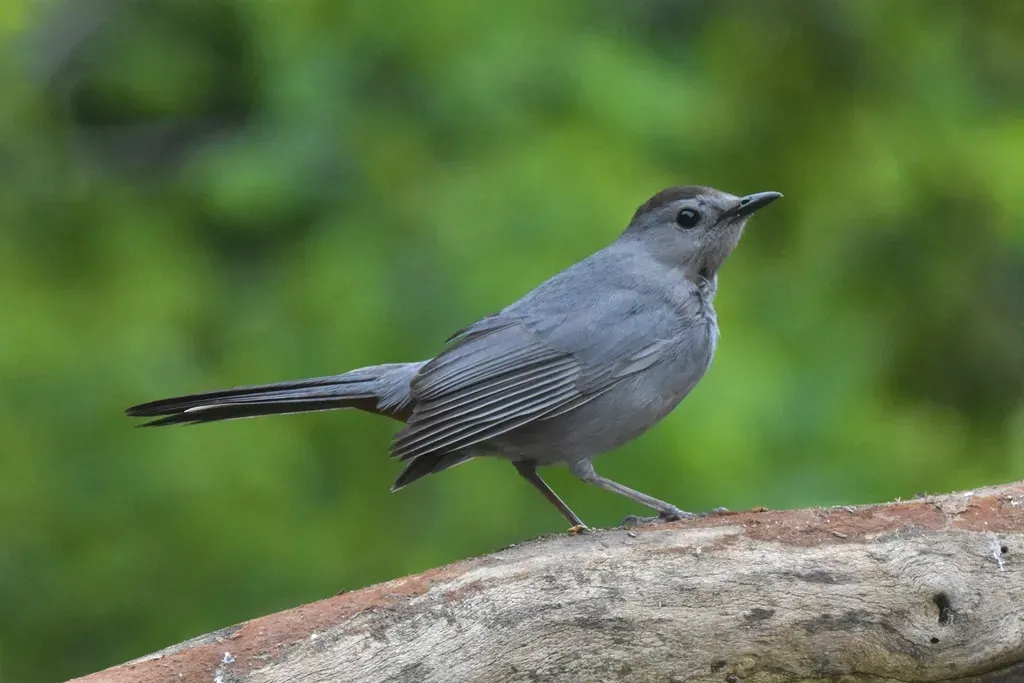
Research shows catbirds learn new sounds throughout their adult lives, unlike many songbird species that only learn during juvenile development. They acquire new mimicked calls by listening to neighboring birds and practicing variations during quiet periods.
This lifelong learning capacity sets catbirds apart from many familiar songbirds, which essentially lock in their vocal repertoire early on. The gray catbird is able to mimic the vocalizations of several other birds, and even other animals. Males with the most variety of sounds may be the most attractive to females because large repertoires demonstrate they have already survived many breeding seasons. In other words, an older male with a richer, more varied song is advertising his survival experience directly through the complexity of his voice.
#7. Vocal Complexity Is Directly Tied to Mating Success
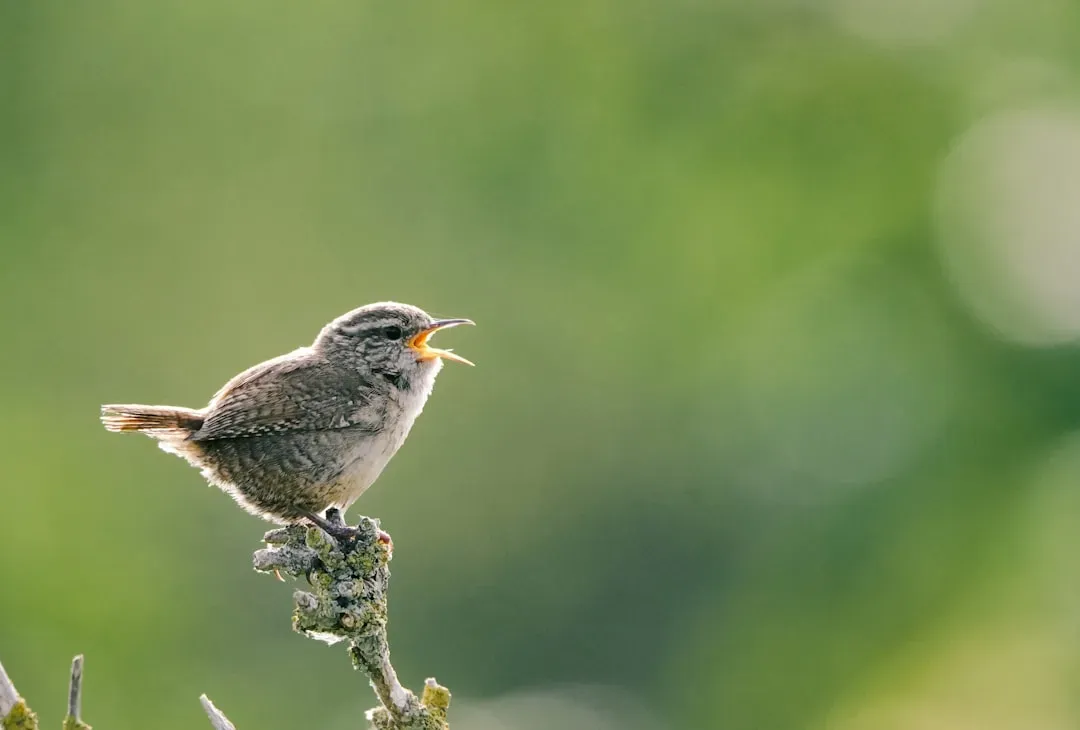
The complexity of a male catbird’s song repertoire directly influences his mating success. Females prefer mates with diverse vocal abilities, as extensive mimicry indicates intelligence, good health, and superior territory quality.
The catbird’s vocal abilities are thought to have evolved through sexual selection, with males using their mimicry to attract mates and demonstrate their fitness. Males are the singing stars, but females can sing too, mirroring back, in quieter tones, what they hear the males belting out. This back-and-forth duet is one of the quieter, less-discussed aspects of catbird communication, and it suggests something more like a genuine exchange than a one-sided performance.
#8. They Have Three Distinct Calls, Each With a Specific Function
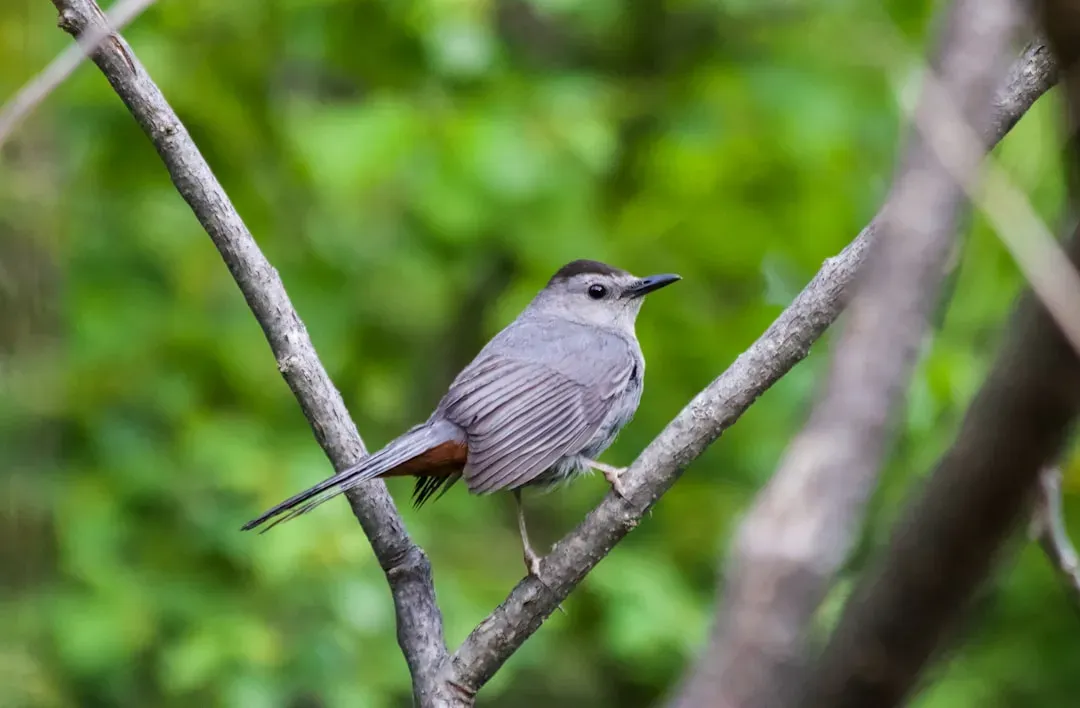
The gray catbird has three distinct call notes: the most common Mew Call, used year round during courtship, nest defense, and territorial chases; the Quirt Call, also used year round, which is a soft, low-pitched quirt, whurt, or quitt used as a low intensity alarm call and in flight during migration; and the Ratchet Call, also used year round, a high intensity alarm call used when chasing predators or intruders from a territory.
The male gray catbird uses his loud song to proclaim his territory. He uses a softer version of the song when near the nest or when a bird intrudes on his territory. The female may sing the quiet song back to the male. The vocal system is far more structured and purposeful than its improvisational sound would suggest. Each call is essentially a tool, deployed in specific social situations.
#9. They Sing Before Dawn and Long After Dusk
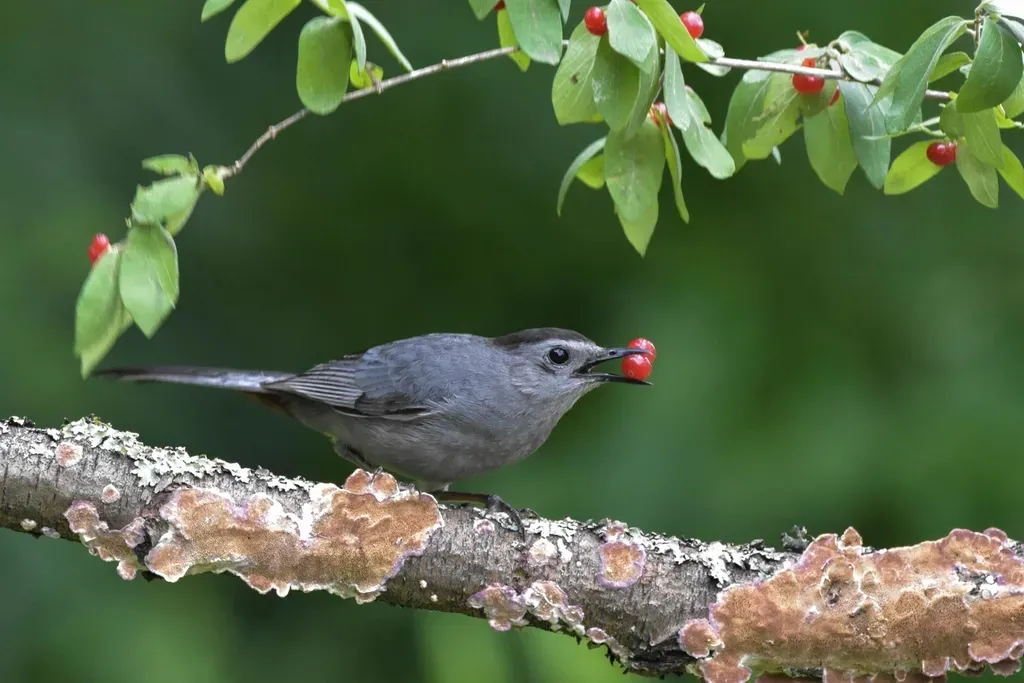
The catbird may start singing before dawn and continue until after dusk, being one of the last birds to settle in for the night. In the morning, the male begins singing 30 minutes or more before civil twilight. This extended vocal day means they’re active singers well outside the standard morning chorus that most backyard observers associate with bird song.
Early in the breeding season, the male gray catbird sings constantly in the morning and evening, sometimes at night. During migration, things get even more communal. During fall migration, gray catbirds often mew in chorus near sunrise and dusk. The image of dozens of catbirds calling together along a migratory stopover is not often discussed, but it’s a genuine acoustic event.
#10. They Hide When They Sing, Which Makes Them Even Harder to Identify
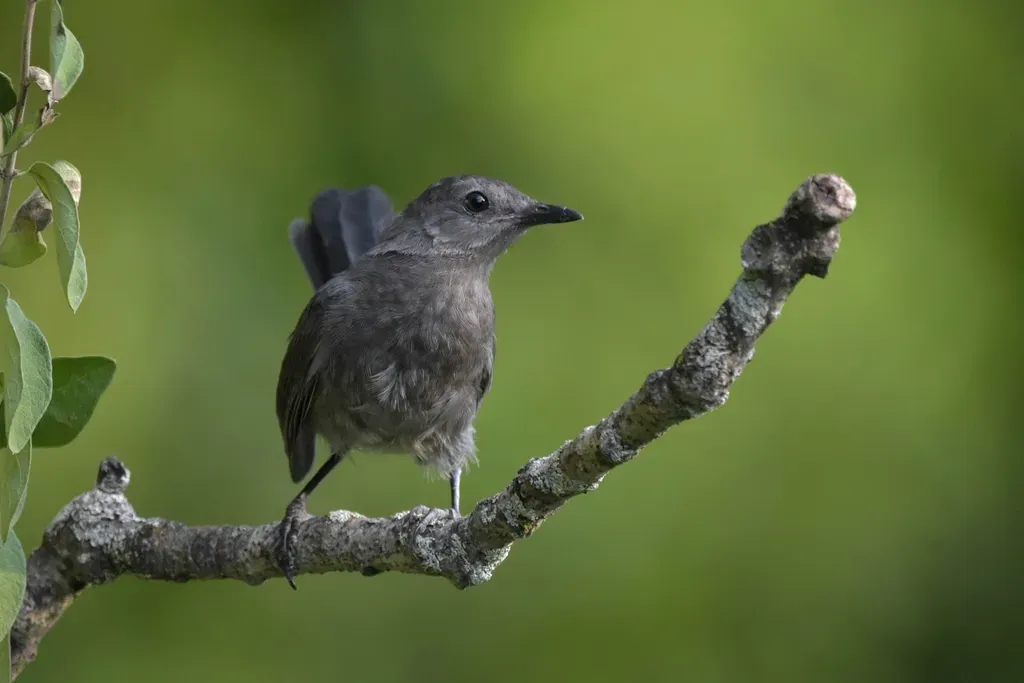
In contrast to the many songbirds that choose a prominent perch from which to sing, the catbird often elects to sing from inside a bush or small tree, where it is obscured from view by the foliage. This habit amplifies the mystery of the sound. You hear a complex, layered vocal performance coming from a shrub, and there’s no visible bird to confirm its source.
Gray catbirds are known for their secretive behavior. They tend to stay hidden within thick vegetation, making them difficult to spot. Their vocal nature often gives away their presence, and birdwatchers frequently hear them before they see them. Their genus name, Dumetella, is Latin for “thorny thicket” and refers to the bird’s propensity for singing in hidden undergrowth. Even the name acknowledges this particular habit.
#11. They Can Recognize and Reject Foreign Eggs, Which Requires Learned Intelligence
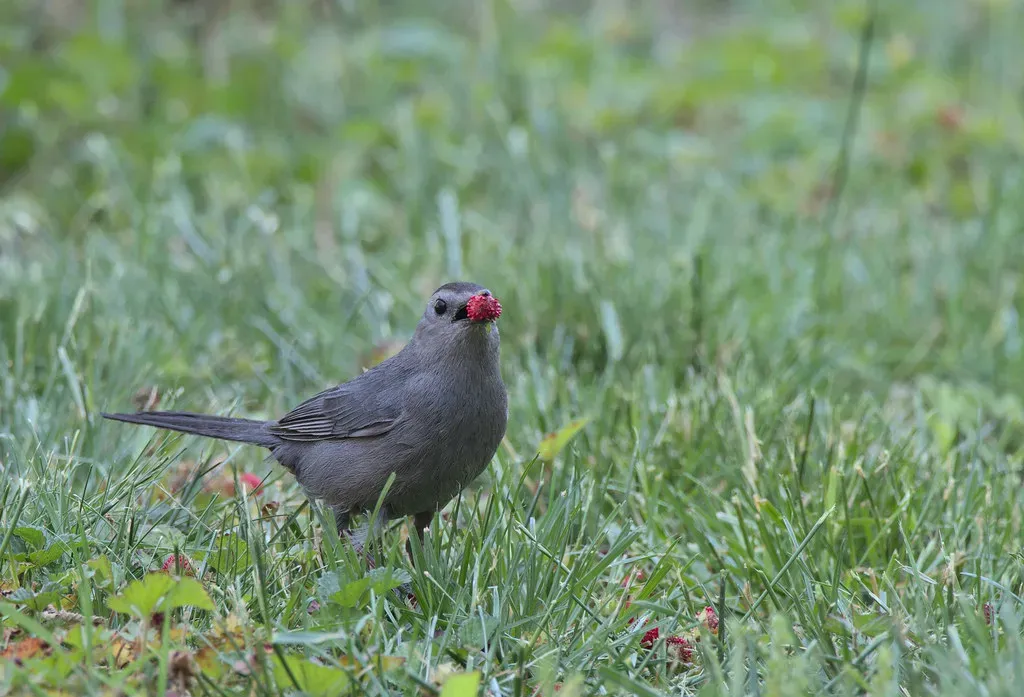
Catbirds have the instinctive ability to learn the look of the first egg in their nests, and to reject any that look different. Naturally, the first egg in a catbird’s nest almost always will be its own. The female, who does all the incubating, will come to recognize her own plain bluish eggs. When a female cowbird manages to slip in furtively and deposit an egg, the female catbird will notice it within the next day or so, and will toss it out of the nest.
Gray catbirds eject over 95 percent of brown-headed cowbird eggs placed into their nests. The gray catbird is one of only about a dozen species that can recognize an alien egg in its nest, an ability that is learned, not innate. This cognitive capacity, which operates alongside their vocal intelligence, points to a bird that’s considerably more observant and adaptive than its drab appearance might initially suggest.
#12. Their Lifespan Is Surprisingly Long for a Small Songbird
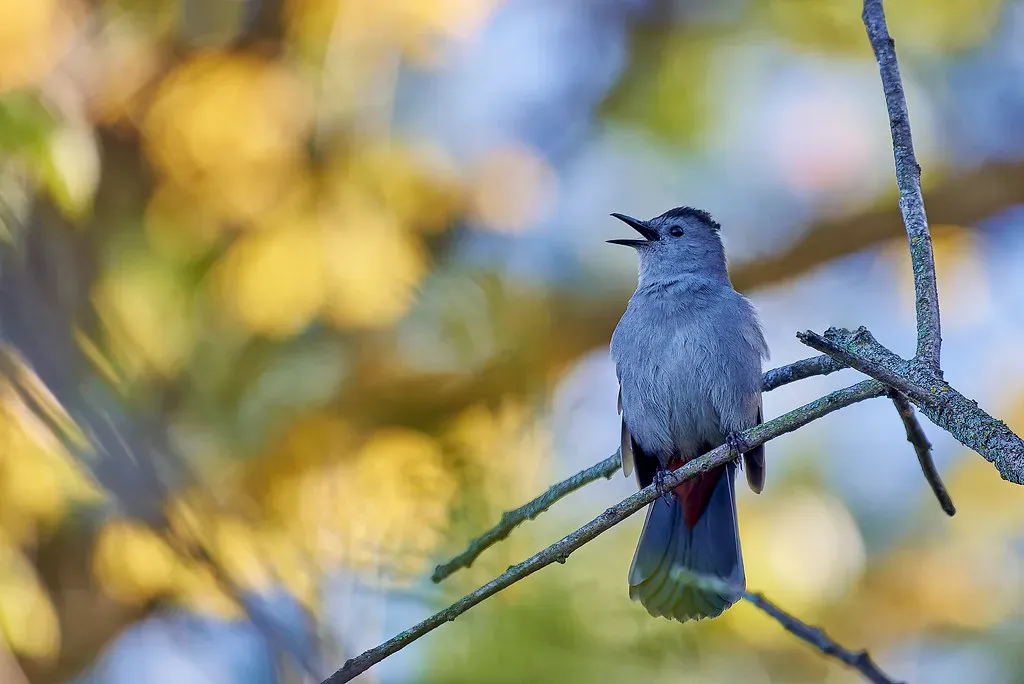
The oldest known gray catbird was at least 17 years and 11 months old when it was recaptured and rereleased during banding operations in New Jersey in 2001. It had been banded in Maryland in 1984. That’s an extraordinary run for a small bird navigating predators, migration, and North American winters.
Males with the most variety of sounds may be the most attractive to females because large repertoires demonstrate they have already survived many breeding seasons. A catbird old enough to have spent nearly 18 years building and refining its vocal library would have produced a song unlike any other. When you consider the lifespan alongside the lifelong learning, the voice of a seasoned catbird isn’t just impressive. It’s a kind of autobiography, encoded in sound.
A Bird Worth Listening For
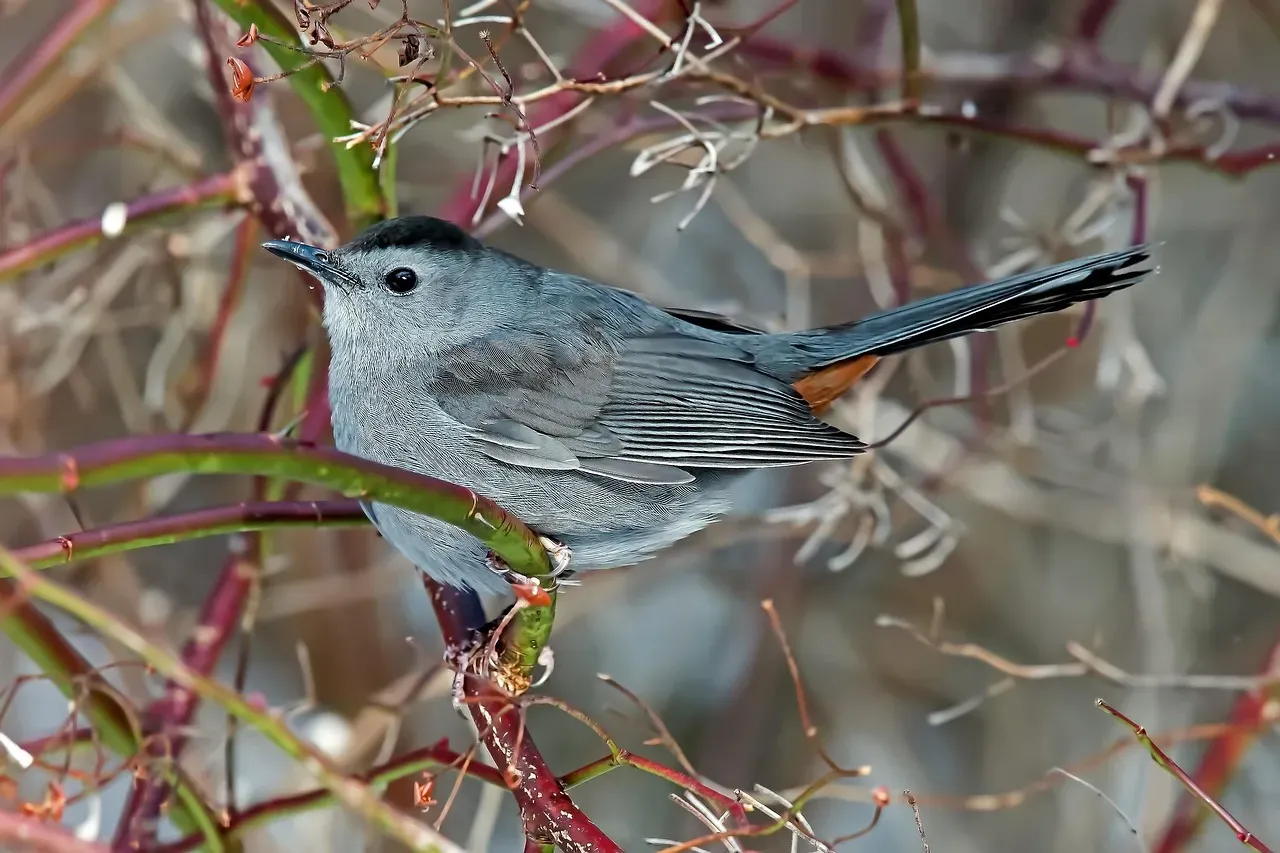
The gray catbird doesn’t ask for attention the way brightly colored birds do. It hides, it improvises, and it fills its corner of a thicket with something that sounds unlike anything else in the woods. Once you know what you’re listening for, it becomes one of the more rewarding sounds to track down.
The science behind the voice, from the dual-channel syrinx to the lifelong accumulation of mimicked sounds, reveals a depth of acoustic capability that most people never suspect is sitting right there in the hedgerow. It’s worth pausing the next time you hear an unusual, rambling song from a dense shrub. There’s a good chance something genuinely remarkable is performing, entirely out of sight, for reasons that go far deeper than just noise.

- 14 Signs the Backyard Birds That Left Your Yard Are Quietly Coming Back - July 21, 2026
- 12 Cat Breeds Vets Refuse To Recommend to First Time Owners - July 21, 2026
- 6 US States With the Most Alligators - July 21, 2026