
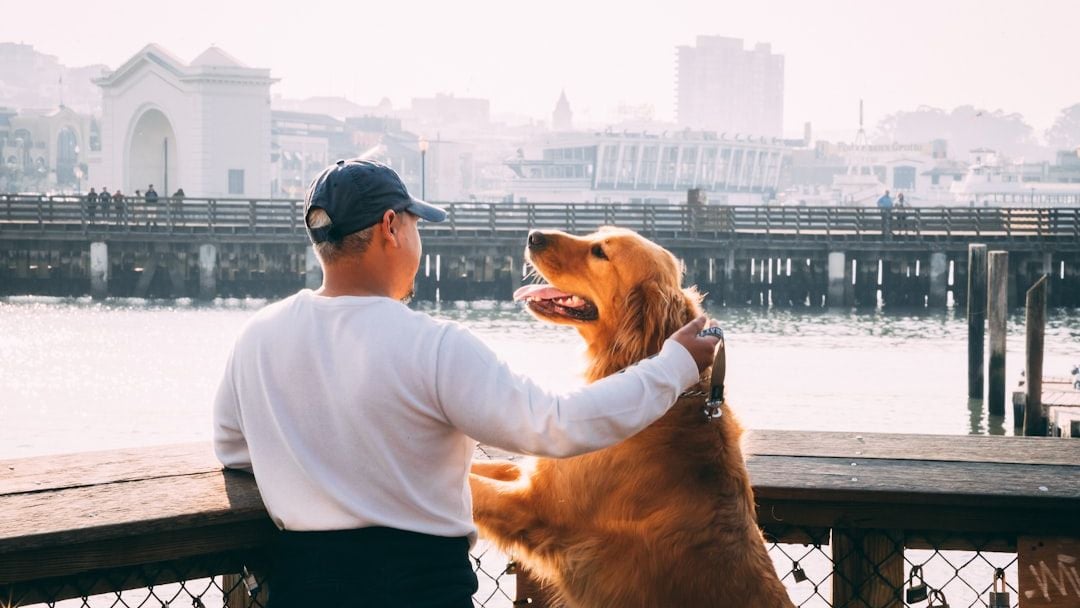
Dogs are remarkably good at reading people. They track your movements, your tone, your energy, and even the small decisions you make without thinking. Most people assume that trust between a dog and its owner is automatic, built in from the moment they bring a puppy home. The reality is a little more unsettling than that.
Dogs are extraordinarily sensitive to patterns, and when those patterns stop making sense, something quietly breaks in the relationship. Most owners don’t lose their dog’s trust through cruelty or neglect. They lose it through ordinary, well-intentioned daily habits that send the wrong message. The tricky part is that these habits feel harmless, sometimes even caring, and that’s exactly why they rarely get corrected.
#1: Being Inconsistent With Rules Every Single Day
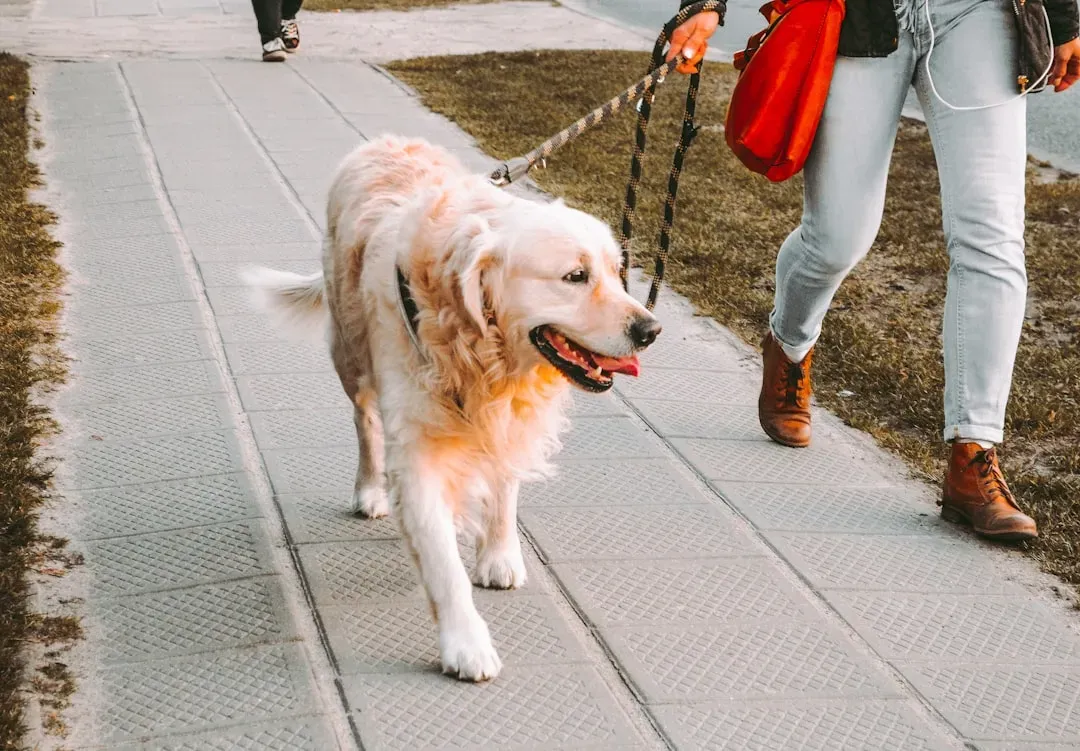
One day the couch is allowed, the next day it earns a scolding. Inconsistency confuses dogs and pushes them to test boundaries again and again. Unclear patterns erode trust because outcomes feel random rather than safe. For a dog trying to understand its world, there is nothing more destabilizing than a set of rules that shifts based on your mood or convenience.
Inconsistent behavior from owners, whether it’s changing the rules, being unpredictable in responses, or failing to maintain clear expectations, can erode a dog’s trust and respect, leading to confusion and anxiety. Inconsistent responses can increase a dog’s confusion and emotional intensity instead of helping them stay calm. Owners are urged to focus on calm, consistent communication that helps dogs feel safe and secure. It seems simple, but the consistency you bring every single day is the actual foundation of your dog’s sense of safety.
#2: Punishing Your Dog After the Fact
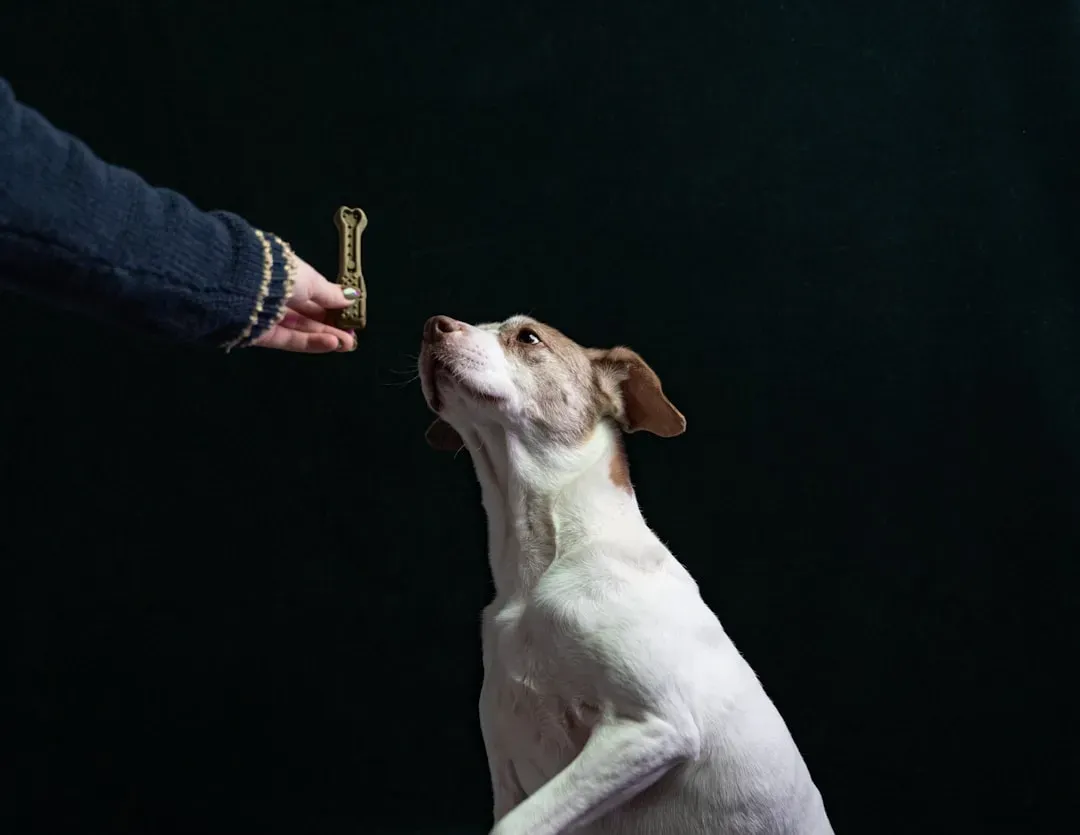
Coming home to a chewed shoe and immediately scolding your dog is one of the most common mistakes in pet ownership, and it genuinely damages trust. Punishing your dog after the fact is a common way that dogs can lose trust in their owners. Dogs normally only associate corrections with what they’re doing at that given moment in time, and most researchers believe that dogs don’t feel complex emotions like guilt.
Correcting a dog hours after he chewed your favorite shoes is most likely going to be perceived by the dog as you suddenly being very angry for a reason he doesn’t understand. He may then see you as unpredictable or unstable. That “guilty look” your dog gives you when you walk in? It’s not guilt. It’s appeasement. Dogs learn incredibly quickly that a certain expression or posture softens your reaction, and they deploy it accordingly. What looks like remorse is actually a dog trying to protect itself from your anger. That distinction matters enormously.
#3: Ignoring or Misreading Your Dog’s Body Language
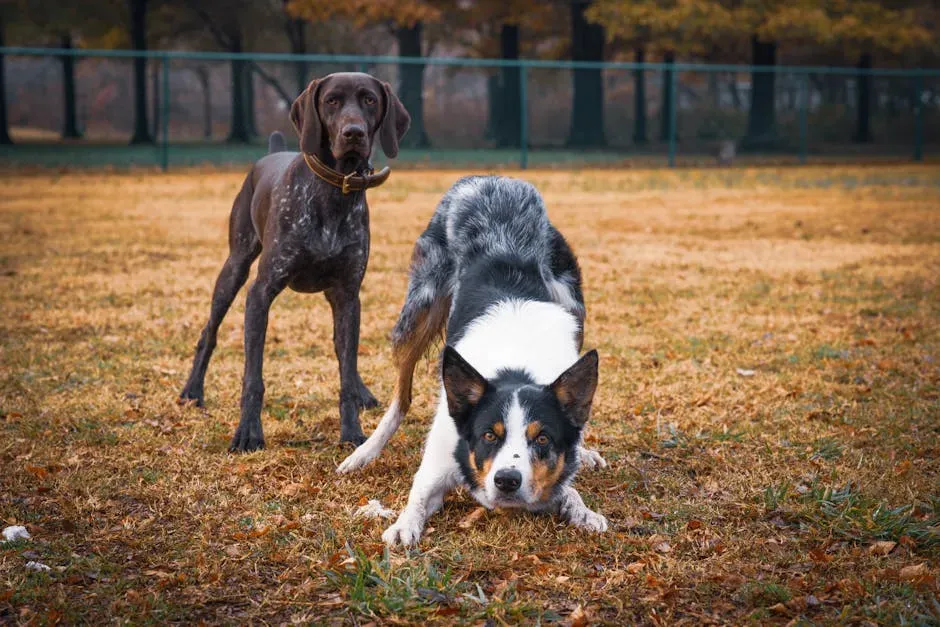
Dogs communicate discomfort through body language, including ears pinned back, tail tucked, lip licking, or avoiding eye contact. Dismissing these signs and pushing them into stressful situations makes them feel unheard and unsafe, leading to long-term trust issues. When a dog feels threatened or stressed, they move through a series of escalating behaviors. At first, dogs may show subtle signs of discomfort, such as yawning, looking away, or licking their nose. If the threat continues, these signals can develop into more serious warnings like growling or snapping.
Your dog learns that subtle honesty does not work, so bigger signals appear. Over time, a dog that is consistently ignored learns to skip the small warnings entirely and go straight to a more intense reaction, which then confuses and frustrates the owner further. Strong reactions in dogs rarely appear out of nowhere. They usually build up over time when earlier signs of discomfort or pressure are overlooked. Dogs often try to express how they feel before reacting, so noticing these changes early helps you handle the situation calmly and avoid risk.
#4: Using Punishment-Based Training Methods
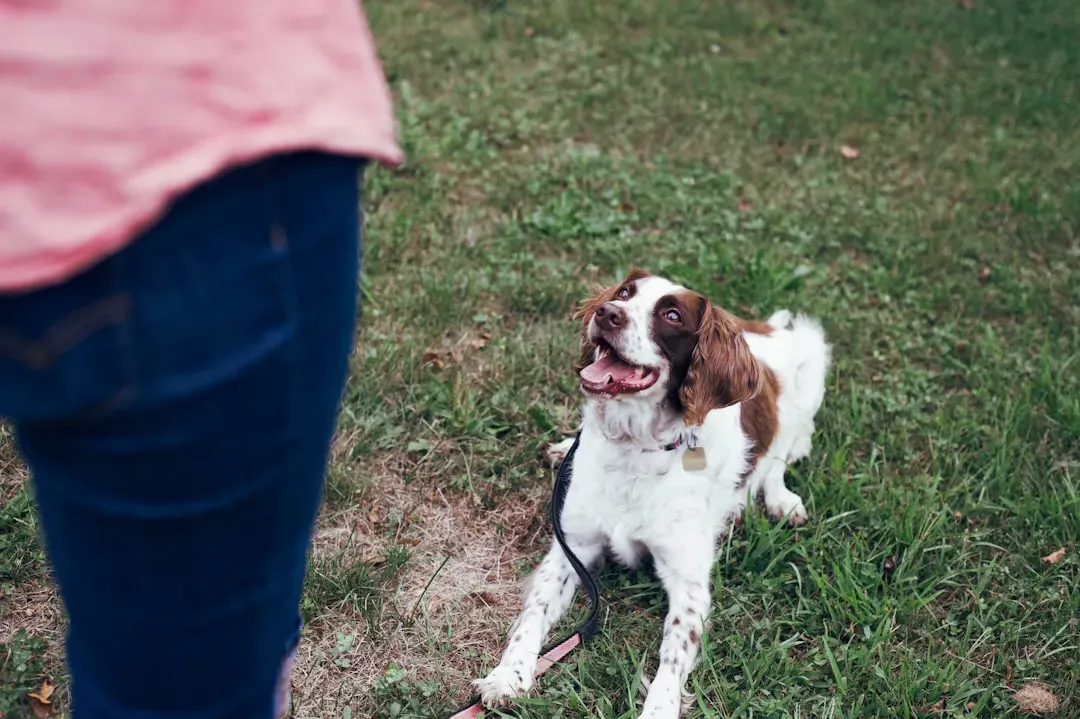
Techniques like physical punishment, shock collars, or prong collars can harm your dog’s trust in you and lead to fear and anxiety. The short-term compliance they sometimes produce comes at a genuine cost to the human-animal bond. Leash pops, alpha rolls, and collar jerks create pain associations, not understanding. Many dogs shut down, others escalate, and trust erodes either way. Fear and confusion do not produce stable manners.
Research has suggested that even using relatively mild punishments, like yelling, can stress dogs out, making them more “pessimistic” than dogs that experience reward-based training. Modern research supports reward-based methods for reliability and welfare. Your dog learns faster when the lesson feels safe and clear. A dog that behaves out of fear is not a confident dog. It is a dog that is surviving its relationship with you rather than thriving in it.
#5: Misleading or Tricking Your Dog
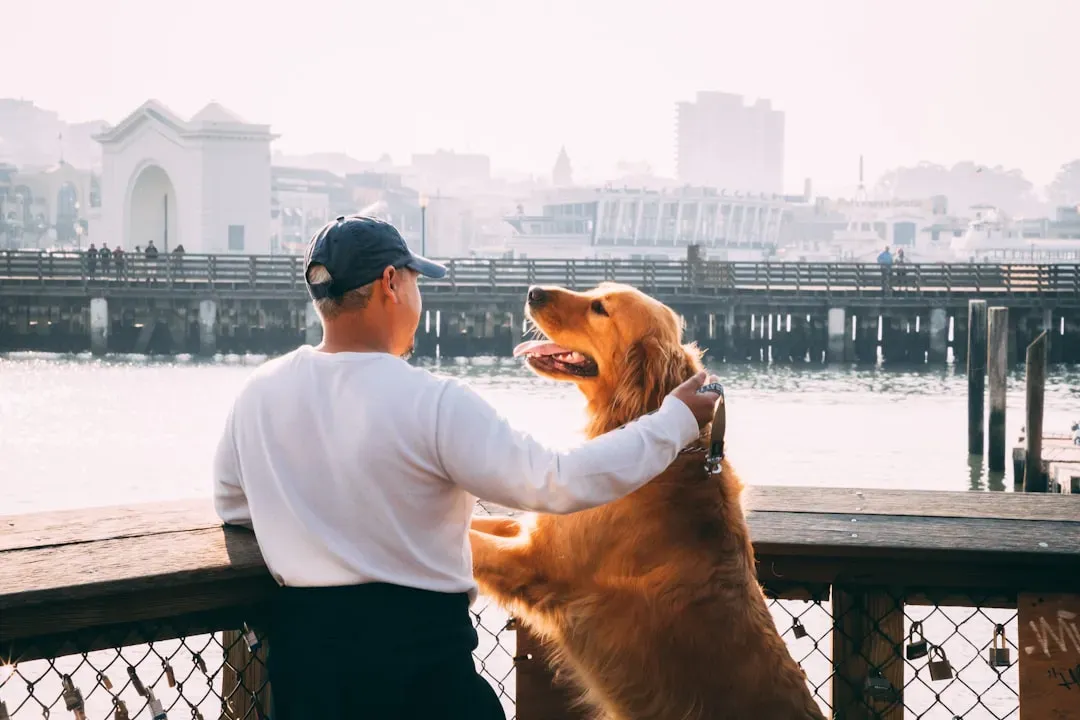
If you frequently mislead dogs, they lose their trust in you and begin to act as if they can no longer rely on the information that you give them. In a pair of studies published in the journal Animal Cognition, a team led by Akiko Takaoka of Kyoto University in Japan showed that dogs will only use information and follow commands from people who have a track record of being trustworthy. This means pretending to throw a ball, faking a treat, or calling your dog over for something they dislike, even once, registers as a broken promise.
This research shows that dogs keep track of whether people lie or tell the truth, and use these memories to determine whether they can trust particular humans and the information they get from them. In other words, if you mislead your dog, he will remember those lies and you will not only lose his trust but may also lose his cooperation. Dogs build trust the same way humans do, through predictability, safety, and consistent experiences over time. For some dogs that process is relatively fast, for others it can take many, many months. Rebuilding what was quietly broken can take far longer than it took to break it.
What Rebuilding That Trust Actually Looks Like
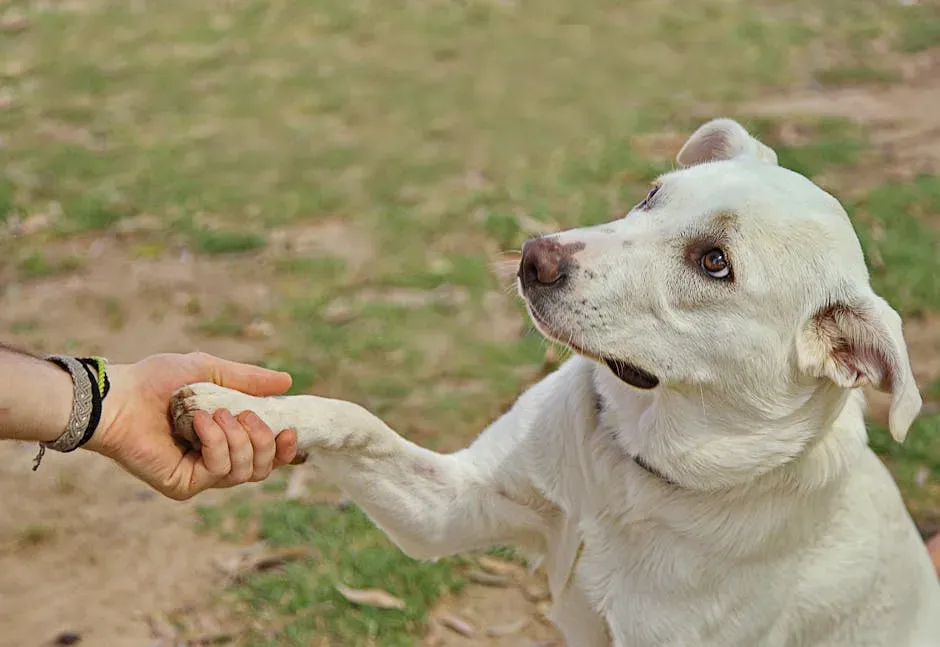
If we remove agency, we remove choice and control, and if we remove those two things, trust will not grow. It may in fact evaporate completely. The path back requires the opposite approach, one that gives dogs more room to make choices, more space to approach on their own terms, and more predictable positive outcomes to anchor their sense of safety.
Tossing treats towards the dog and away from you instead of reaching toward the dog, and letting the dog approach you voluntarily at their pace, are practical starting points for rebuilding confidence. Steady patterns tell your dog the world is workable again. Confidence returns in steps. There’s no shortcut through this process. The most effective thing any owner can do is simply become more reliable, one interaction at a time.
Trust between a person and a dog is not dramatic or obvious when it’s working well. It shows up quietly in how a dog leans against your leg, meets you at the door, or looks to you in uncertain moments. The most worthwhile thing you can do for that relationship is to become the kind of person your dog already believes you are.

- 14 Signs a Dog Near the Rainbow Bridge Is at Peace With Its Person - July 21, 2026
- 15 Ways a Shelter Animal Tells You It Was Always Meant to Be Yours - July 21, 2026
- 14 Ways a Dog Shows You Are the Center of Its Whole World - July 21, 2026