
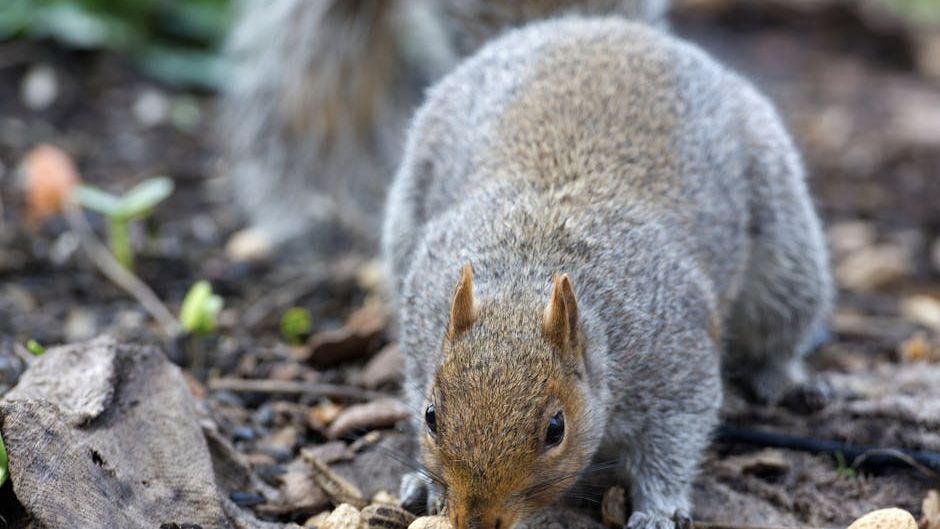
Walk outside on a crisp fall morning and you might spot a familiar sight. A squirrel darts across the lawn, pauses, and starts digging with quick, purposeful paws. Most folks assume it is just another acorn going into the ground. Yet something different is happening in backyards from coast to coast.
Residents are noticing fresh holes, scattered soil, and unexpected seedlings popping up where none grew before. The animals appear to be stashing a wider mix of items than in years past. This quiet activity is reshaping lawns in subtle but noticeable ways.
#1 The Everyday Caching Routine That Never Stops
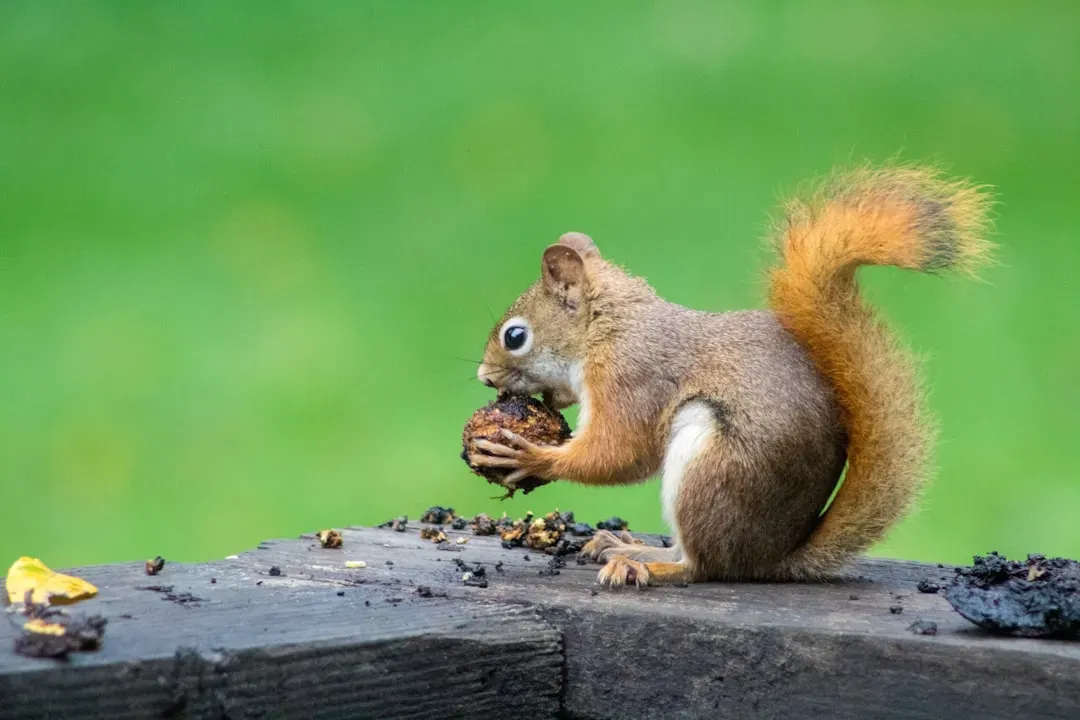
Squirrels treat their surroundings like a living pantry. They gather food throughout the year and tuck portions away for leaner months ahead. Each cache gets buried in a shallow hole, often covered with a quick pat of dirt or leaves to hide the spot.
These creatures do not rely on a single location. Instead they spread dozens or even hundreds of small stores across a neighborhood. The behavior keeps their options open if one spot gets raided by another animal or washed away by rain. It also explains why the same yard can host multiple digging sessions in a single afternoon.
#2 A Broader Menu of Items Going Underground
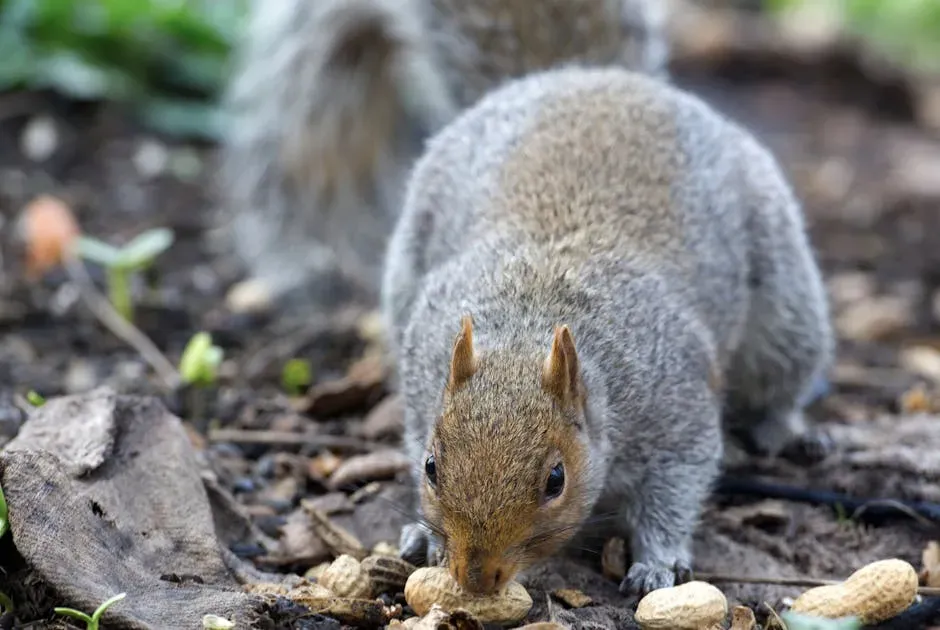
Acorns remain a favorite, yet squirrels now carry a wider selection from bird feeders, gardens, and fallen fruit. Walnuts, hickory nuts, sunflower seeds, and even bits of corn or peanuts make their way into the soil. Some homeowners report finding small piles of mixed seeds near patio edges or under shrubs.
The variety comes from easy access to human provided food sources. Backyard feeders and garden waste give squirrels more choices than they would find in a purely wild setting. As a result the buried items reflect whatever is abundant nearby rather than one type of nut alone.
#3 New Growth Appearing Where It Was Not Expected
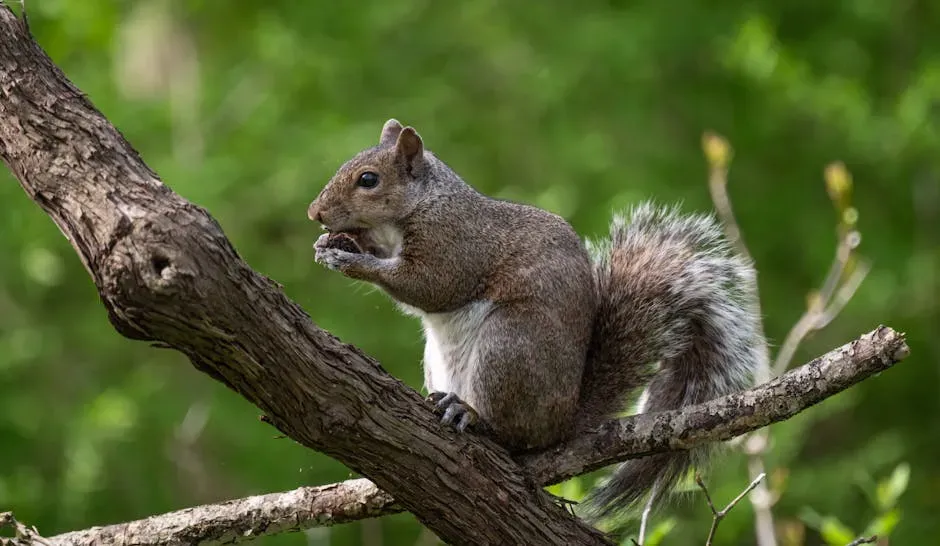
Many of the buried items never get retrieved. Forgotten caches sprout into seedlings the following spring. Oak saplings, walnut trees, and clusters of sunflowers can appear in flower beds or along fence lines without anyone planting them.
This natural seeding adds greenery to yards that might otherwise stay bare. A single squirrel can contribute dozens of potential plants over one season. The process happens quietly, often noticed only when the first green shoots push through the grass.
#4 How Neighborhoods Benefit From the Extra Activity
Scattered caches improve soil aeration as the animals dig and refill holes. The added organic matter from uneaten seeds enriches the ground over time. Birds and other wildlife sometimes benefit from the new plants that emerge.
Property owners gain small patches of habitat without extra effort. The activity also serves as a reminder of how connected backyard spaces remain to local ecosystems. Even modest yards play a role in supporting tree and plant diversity.
#5 A Quiet Reminder Worth Noticing
These small acts of burying add up across thousands of yards. They turn ordinary lawns into places where nature continues its work without fanfare. Homeowners who pause to watch the process often feel a bit more connected to the rhythms outside their windows.
The next time you see fresh soil turned over, consider what might grow there later. It is a simple, ongoing exchange between the animals and the land we share. That alone makes the daily digging worth a second look.
