
Walk into any large-animal vet clinic and ask the staff which breeds show up most in their emergency rotation. The answers might surprise you – because they’re almost never the horses people imagine when they picture a “difficult” animal. They’re the beautiful ones. The romantic ones. The breeds plastered across Pinterest boards and Instagram reels that new owners fall in love with before they’ve ever sat in a saddle.
Vets aren’t cruel for having opinions on this. They’re just the ones holding the lead rope at 2 a.m. when something goes wrong. The breeds on this list aren’t bad horses – but in the wrong hands, with the wrong experience level, several of them turn into a financial nightmare, an emotional breakdown, or worse. If you’re considering your first horse, read every single entry before you make a decision you can’t take back.
#1 – Thoroughbred
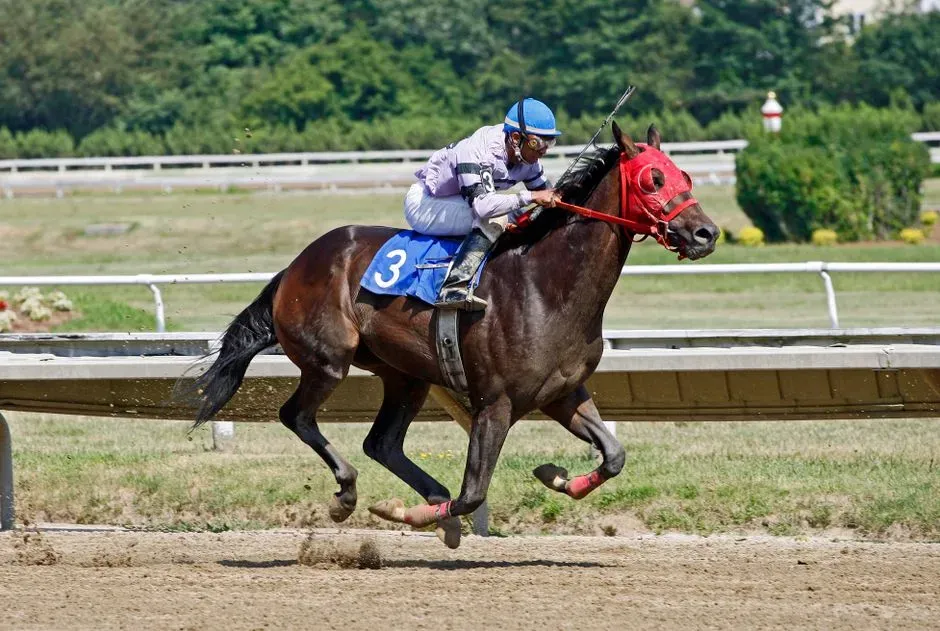
The retired racehorse fantasy is one of the most seductive stories in the horse world. You rescue a beautiful animal from the track, give it a second life, and ride off into the sunset together. It sounds perfect – and vets see the aftermath of that fantasy more than almost any other scenario they deal with.
Thoroughbreds were engineered over centuries for one purpose: explosive speed triggered by the lightest cue. That wiring doesn’t disappear when the racing plates come off. A minor spook that a Quarter Horse shrugs off becomes a full bolt with a Thoroughbred, and a beginner’s instinct to grab the reins only escalates the panic. Their thin skin, sensitive legs, and stress-prone digestive systems also mean higher rates of colic and chronic lameness in inexperienced barns – and the vet bills arrive fast.
#2 – Arabian
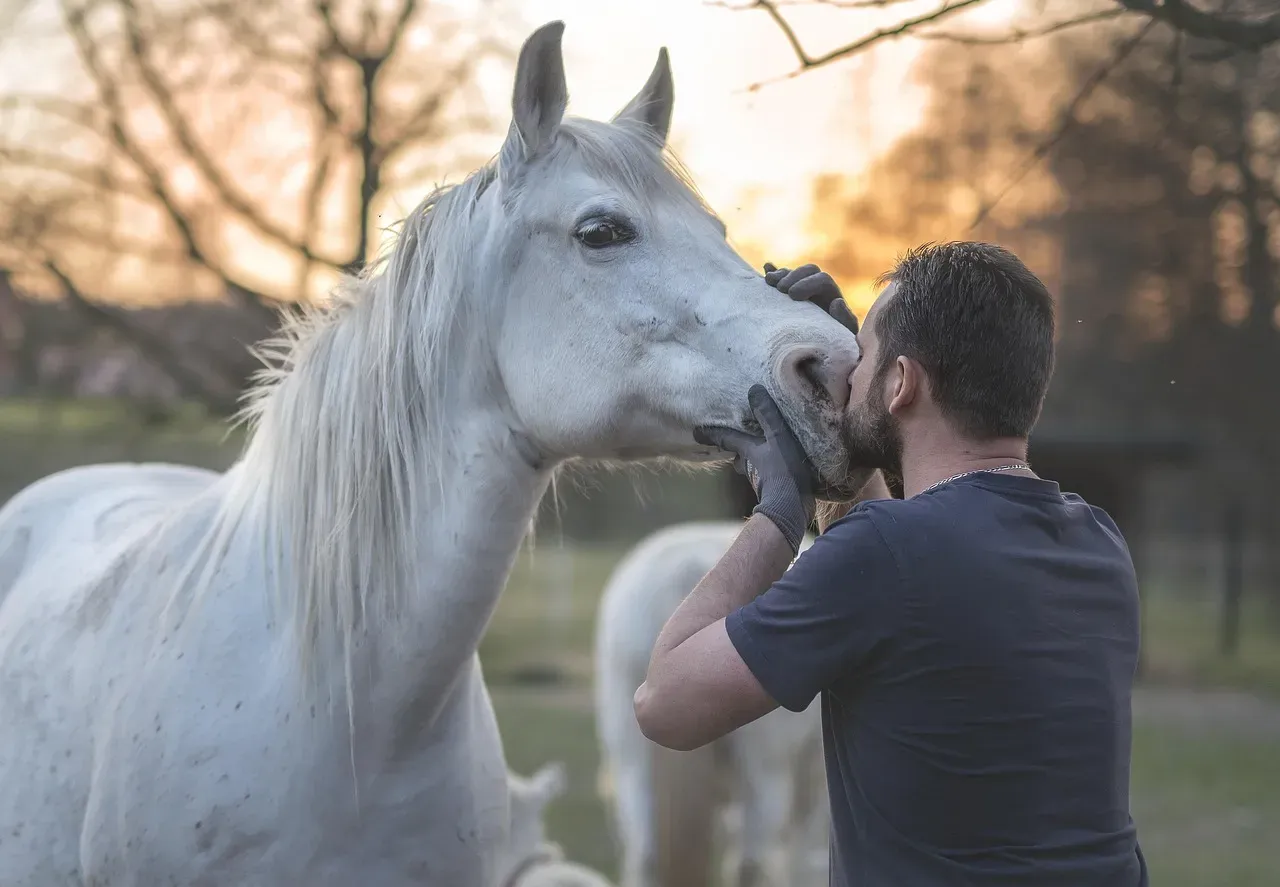
Few breeds carry as much mystique as the Arabian. The dished face, the floating trot, the endurance legend – it’s all real. What the breed promotional material leaves out is that this is one of the most intellectually demanding horses on the planet, and intelligence in a horse is only a gift when the handler is smarter than the horse on any given day.
Arabians read every signal their rider sends, including the nervous ones. Hesitation, inconsistency, and unclear aids get filed away and exploited – with spins, refusals, or sudden sideways launches that catch beginners completely off guard. Vets see more bite wounds, saddle-fit disasters, and back issues in this breed from novice hands than almost any other hot-blood. Some lines are genuinely calmer, but betting your first horse experience on finding one of those lines is a gamble most new owners lose.
#3 – Friesian
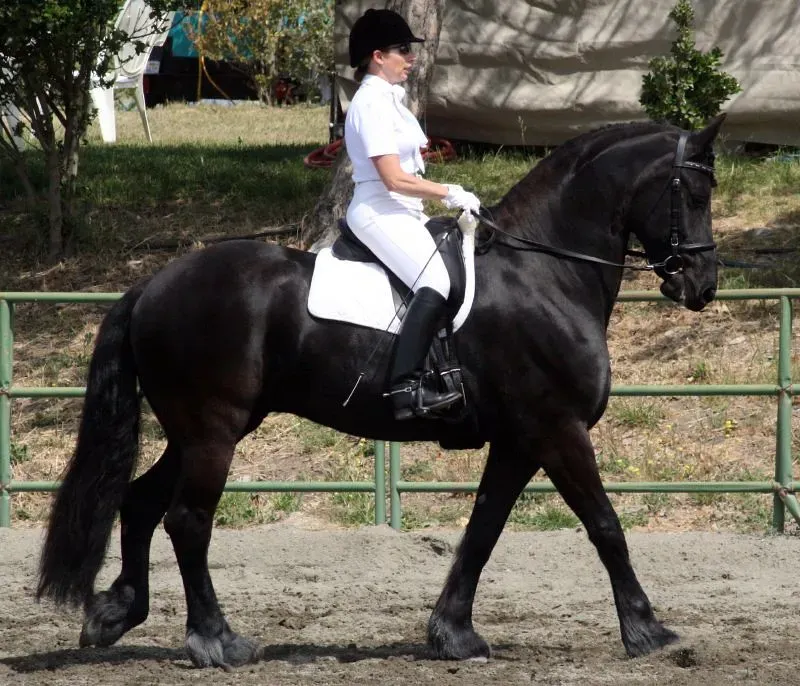
No breed on this list gets chosen more purely on appearance than the Friesian, and no breed breaks more first-time hearts faster. The dramatic black coat, the arched neck, the feathered legs moving in slow motion – it photographs like a fairy tale. The genetic reality hiding underneath that beauty is what vets lose sleep over.
Friesians carry a well-documented predisposition to PSSM, megaesophagus, and dwarfism, and many owners face expensive diagnoses before the horse even turns five. The feathering that looks so stunning in photos traps moisture against the skin and invites chronic scratches and pastern dermatitis – conditions that require daily attention that new owners rarely know to provide. Their average lifespan runs shorter than most other breeds, and the rehoming rate within two years of novice purchase is something vets quietly cite as one of the highest they see.
#4 – Mustang
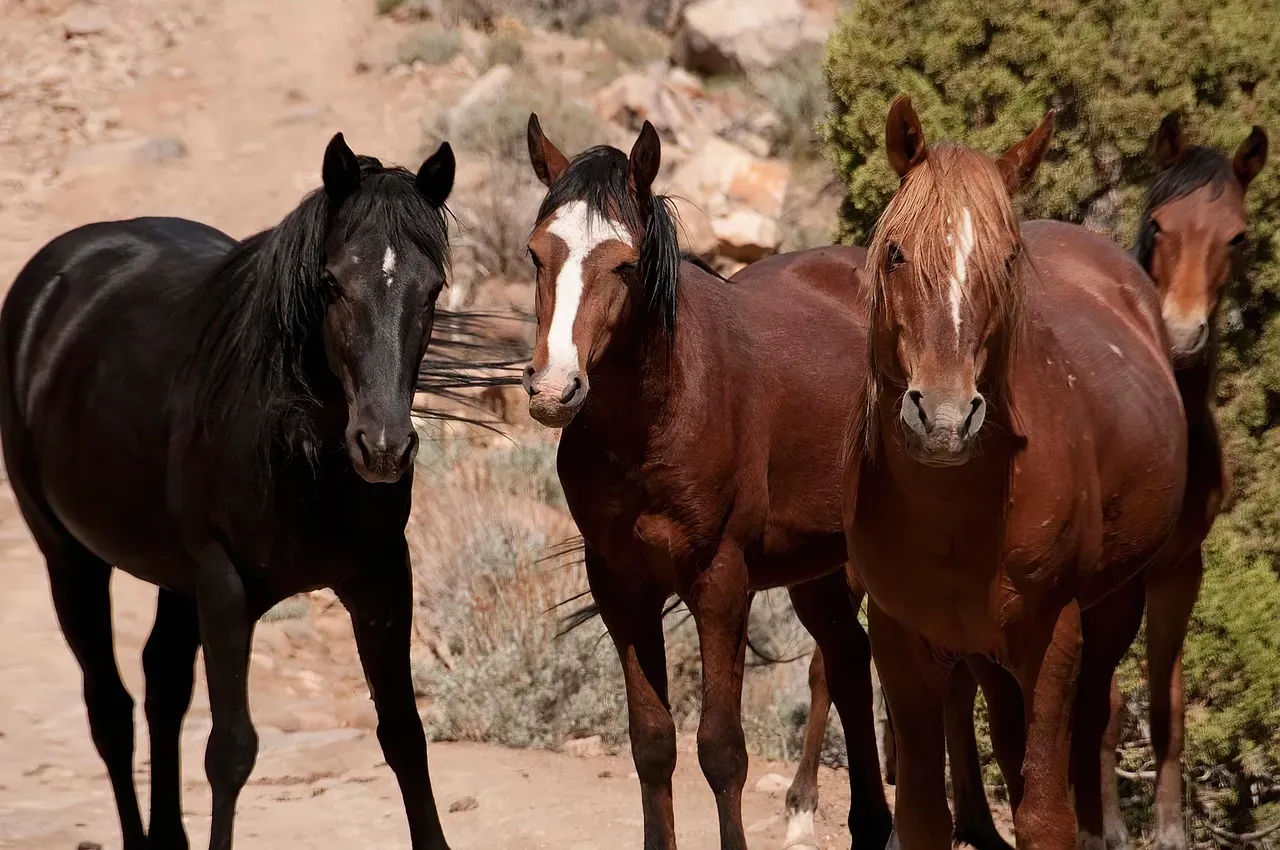
The Mustang’s origin story – wild, free, unbroken – is the kind of thing that makes people feel heroic for choosing one. The adoption programs are real, the transformation videos online are genuinely inspiring, and the horses themselves can become extraordinary partners. With the right person. After years of patient, skilled work. Not for a beginner’s first horse.
Even a “gentled” Mustang carries survival wiring that doesn’t fully switch off under pressure. Trailer-loading crises, pasture escapes, and sudden reversions under stress are patterns vets and trainers track consistently in this breed with novice owners. Their variable conformation also means lameness issues that an experienced eye might catch early go unnoticed until they become serious. The romance of the wild horse is real – but so is the wreckage when someone who isn’t ready takes one home.
[article_quiz]#5 – Akhal-Teke
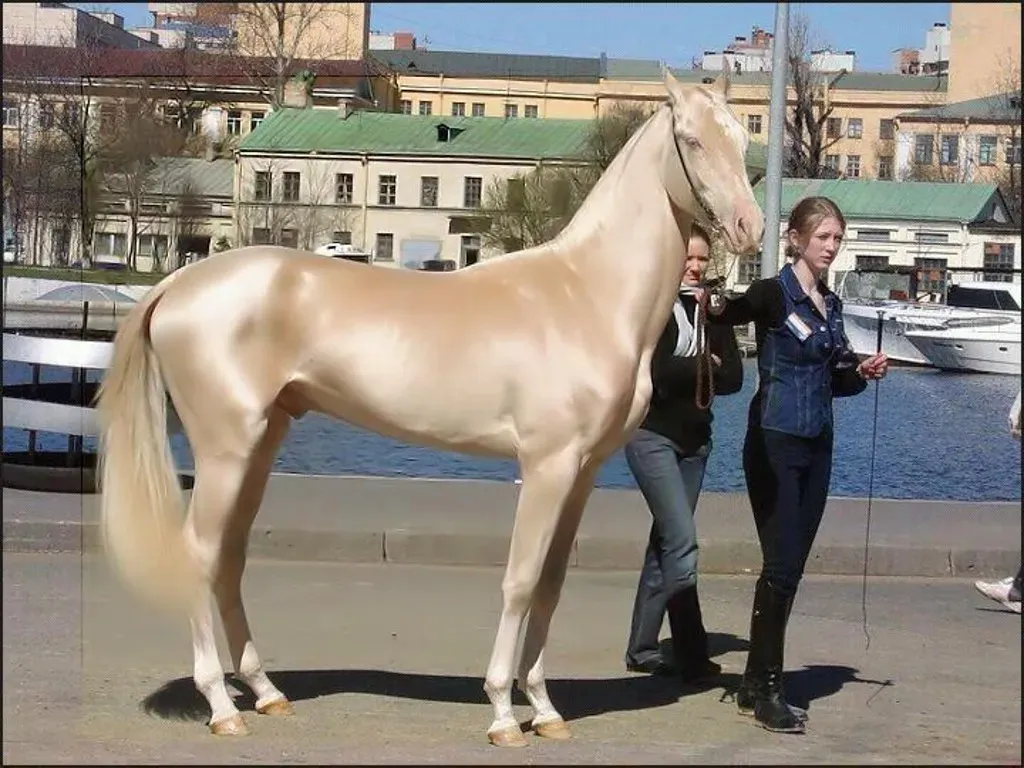
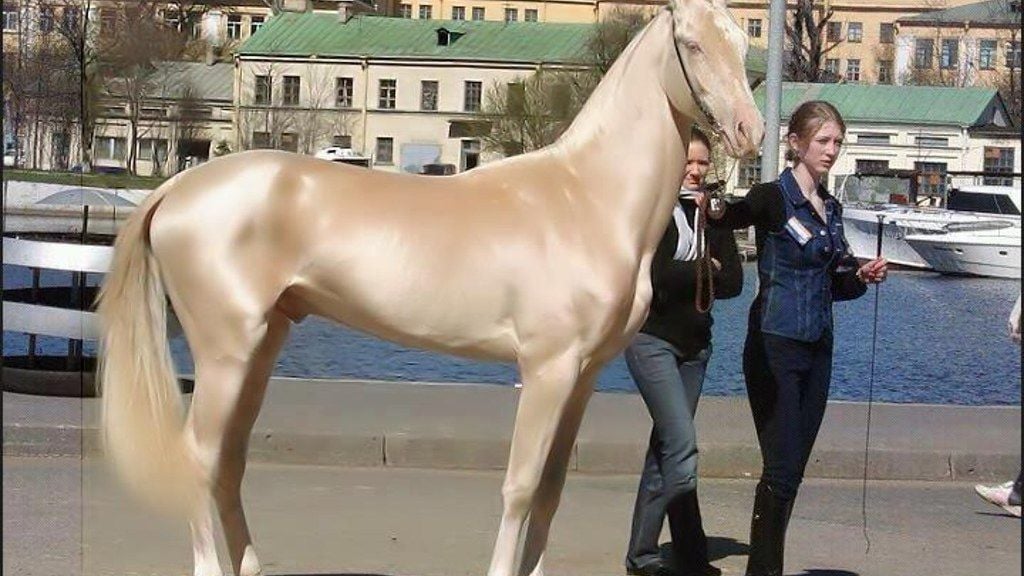
If you’ve ever seen an Akhal-Teke in person, you understand why people become obsessed. The metallic sheen on their coat looks less like an animal and more like a sculpture cast in gold or silver. They are genuinely one of the most visually arresting creatures on earth, and that visual impact is exactly why they end up in first-time barns where they absolutely should not be.
Their thin skin sunburns and reacts to flies with an intensity that calmer breeds simply don’t share, and even minor tack changes or fit issues that a stockier breed would tolerate can send an Akhal-Teke into dramatic protest. Vets note that beginners routinely misread their signals right up until a sudden buck or refusal makes the miscommunication impossible to ignore. Proper care when health issues surface is also expensive and requires specialized knowledge that’s genuinely hard to find outside performance circles.
#6 – Andalusian
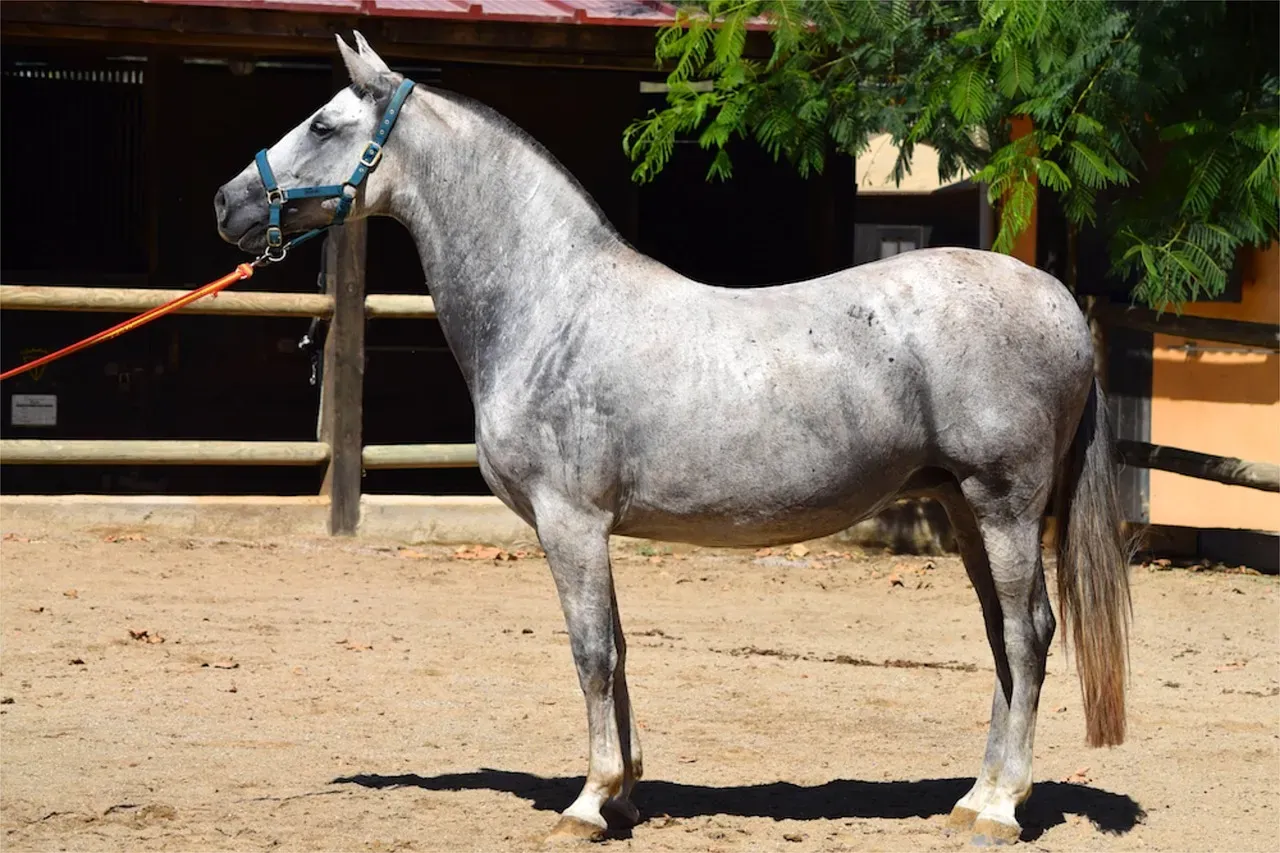
Andalusians project something almost mythological – the crested neck, the powerful haunches, the naturally collected movement that makes lesser horses look like they’re just going through the motions. Experienced riders who can communicate through precise, subtle aids find them breathtaking. Beginners find them exhausting in ways they didn’t anticipate.
The same sensitivity that creates that spectacular movement means the horse feels every imprecise cue, every moment of tension, every miscommunication – and responds with resistance or stiffness that the novice rider can’t diagnose or correct. Vets report more back and hock issues in Andalusians under amateur riding because novices unknowingly load these athletic frames incorrectly before the horse is properly conditioned. They rarely forgive the learning curve the way a forgiving trail horse would.
#7 – Clydesdale
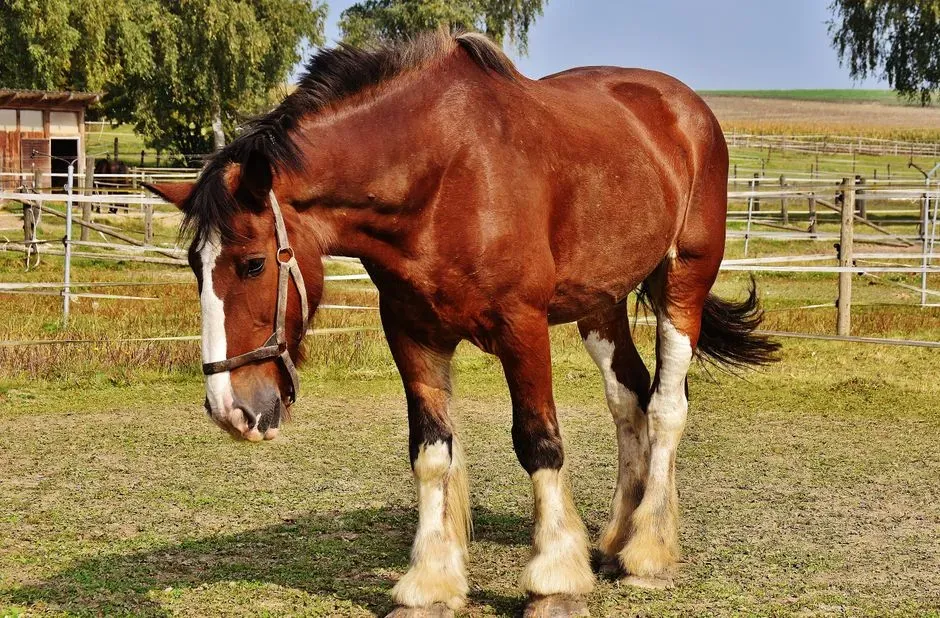
The gentle giant reputation of the Clydesdale is not entirely unearned – many are genuinely kind, patient animals with wonderful temperaments. But “gentle” gets interpreted by beginners as “easy,” and those two words describe completely different horses. The Budweiser ads have a lot to answer for in terms of public expectations around this breed.
The sheer weight and hoof mass of a Clydesdale means that any foot or joint issue escalates faster and costs more than with lighter breeds. The feathering requires the same daily attention as a Friesian’s – moisture, skin infections, and mites hide under those beautiful leg feathers and go unnoticed until they’re serious. Vets report frequent farrier emergencies tied to these horses in novice setups, and leading or grooming a horse that outweighs you by fifteen hundred pounds requires handling skills that take time to develop.
#8 – Shire
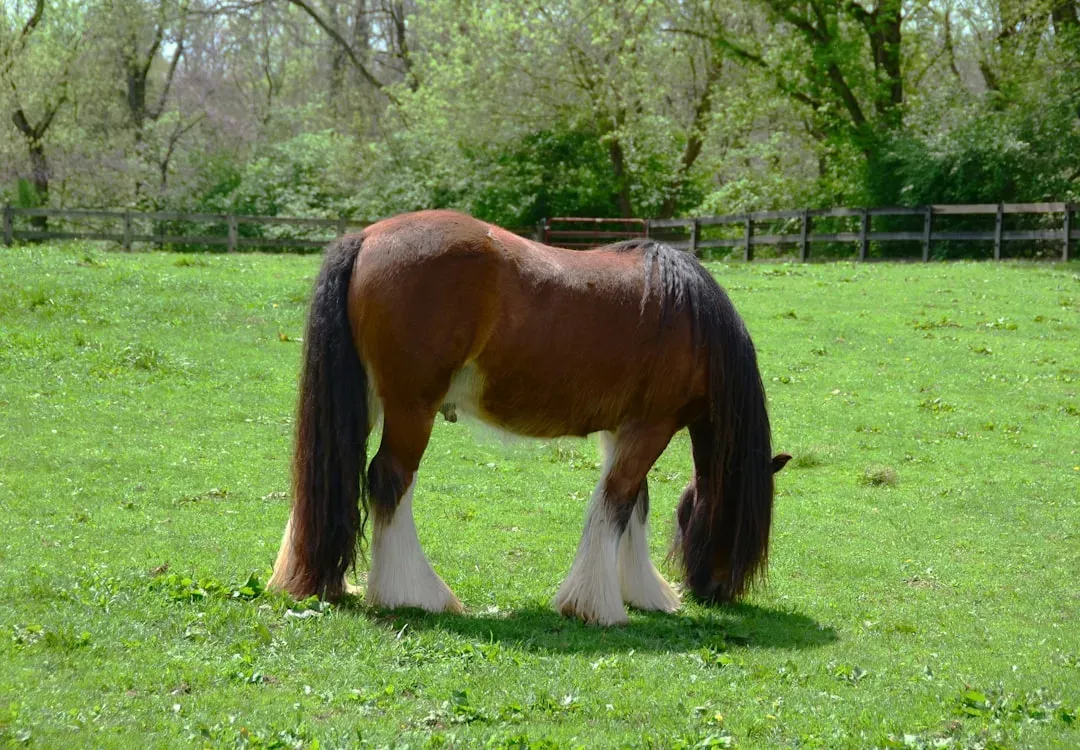
Everything said about Clydesdales applies to Shires, with one additional wrinkle that vets flag consistently: Shires have a slower metabolism that makes them exceptionally easy to overfeed. And beginners, charmed by the horse’s size and apparent calm, tend to love them with treats. That love has consequences.
Obesity in a heavy horse cascades quickly into laminitis, a painful and sometimes career-ending hoof condition that requires expensive long-term management once it sets in. Add the space requirements, the feed bills, the daily feather care, and the sheer physical strength needed to manage one safely during routine handling, and you have a horse that demands experienced ownership even when it’s being its most docile self.
#9 – Percheron
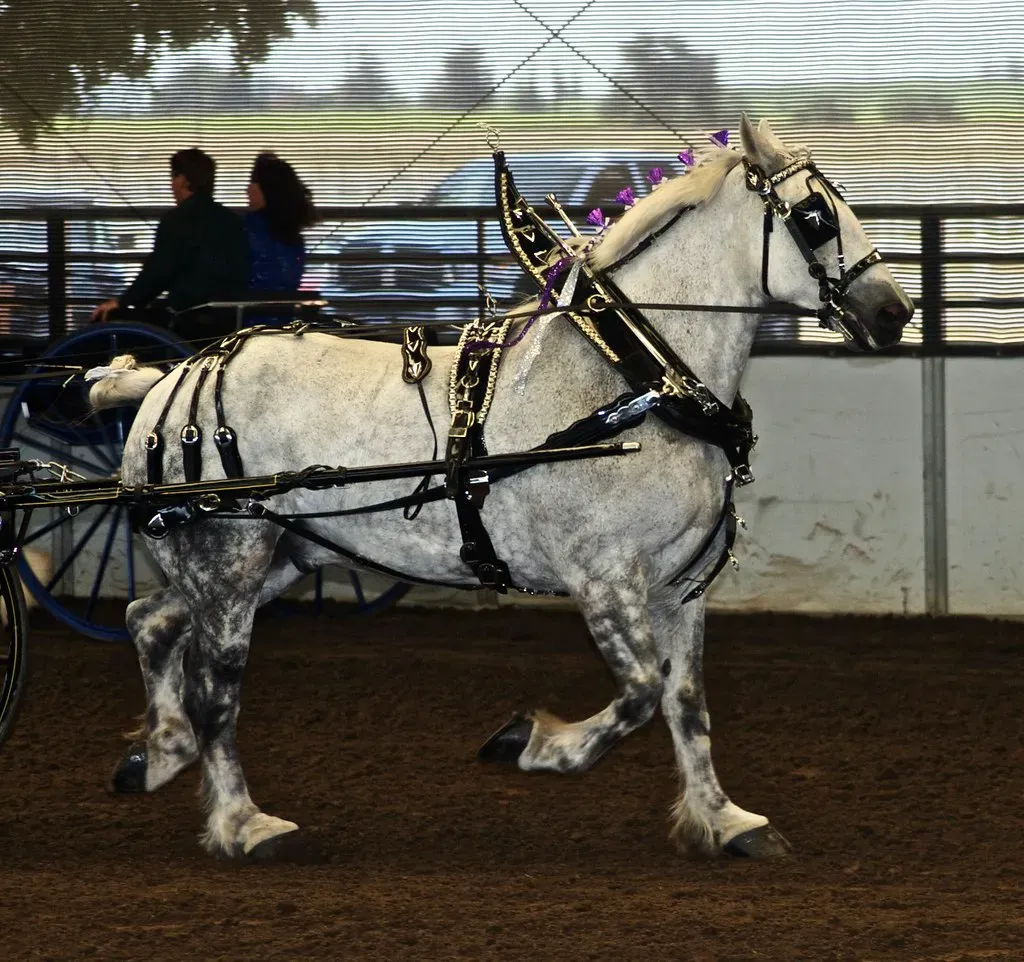
Percherons get some credit for being slightly more athletic and manageable than other draft breeds, and that relative reputation leads beginners to assume they’ve found a safer heavy horse. That assumption holds – right up until the handling becomes inconsistent, which it almost always does with new owners still learning the basics.
A Percheron’s calm exterior can mask a stubborn streak that emerges gradually under unclear leadership. Vets flag higher rates of respiratory issues tied to their build and common barn environments, along with skin conditions that mirror what other heavy feathered breeds develop. The horse that seemed easygoing in the seller’s well-managed barn often presents very differently six months into a beginner’s care routine.
#10 – Saddlebred
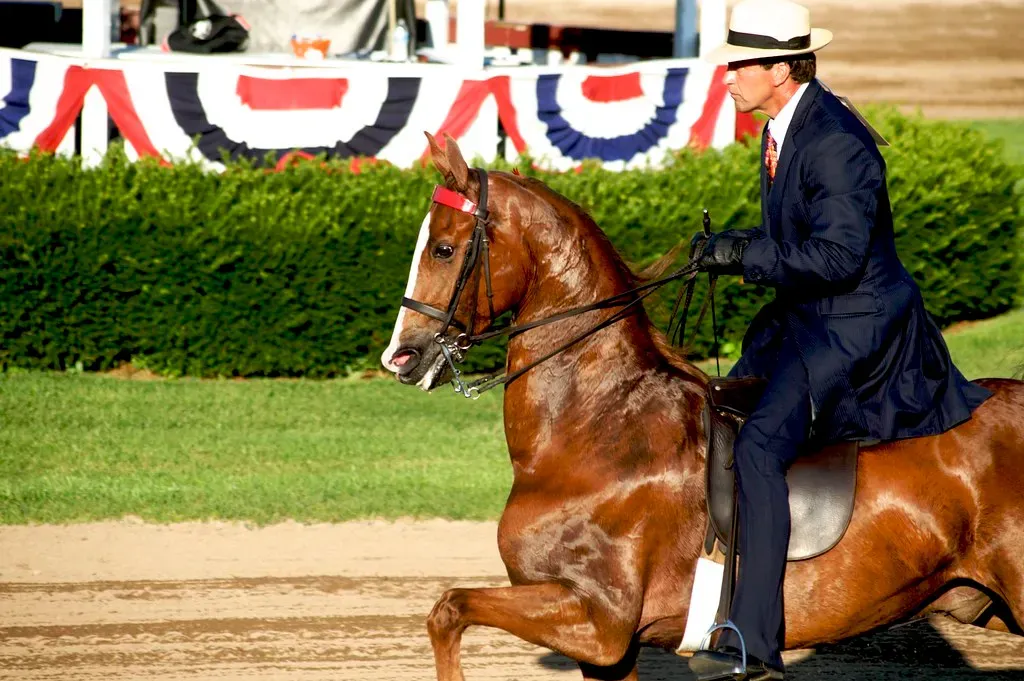
The American Saddlebred’s high-stepping action is one of the most theatrical sights in the show ring – big movement, arched neck, electric presence. That theatrical quality comes from breeding and training that creates a horse tuned to perform, not a horse wired to be patient with someone still learning where to put their legs.
Many Saddlebreds arrive at new homes carrying the physical and mental tension of show careers, and the exaggerated movement that looks impressive demands constant balance corrections from the rider to maintain. Beginners can’t consistently deliver those corrections, which leads to more chiropractic complaints, soundness issues, and frustration on both ends of the lead rope than you’d see with breeds built for steadiness rather than spectacle.
#11 – Tennessee Walking Horse
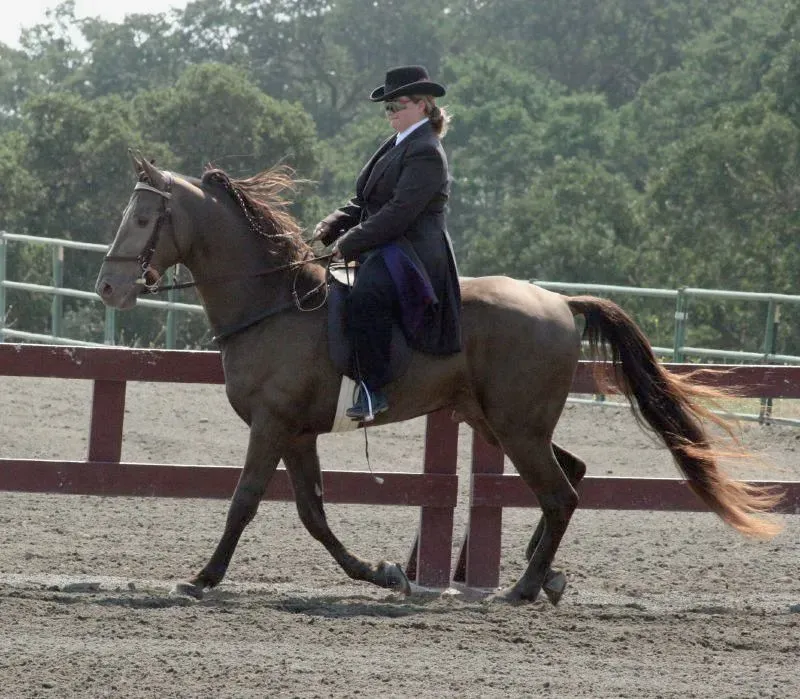
The gaited appeal of the Tennessee Walking Horse draws in riders who want smooth, comfortable movement without the posting trot – a completely reasonable desire, especially for older beginners or those with joint issues. The problem isn’t the gait. The problem is the history of how some of those gaits were produced, and what that history left behind in the horses.
The industry’s well-documented history of “soring” – using chemical and mechanical irritants to exaggerate the gait – has left many horses with deep-seated behavioral anxiety and physical sensitivity that surfaces unpredictably under novice pressure. Even horses from cleaner bloodlines carry hoof and leg stress from exaggerated movement when riders lack the timing to support them properly. Vets who’ve seen both the physical and psychological fallout from this breed’s darker history tend to steer first-timers firmly in another direction.
#12 – Appaloosa
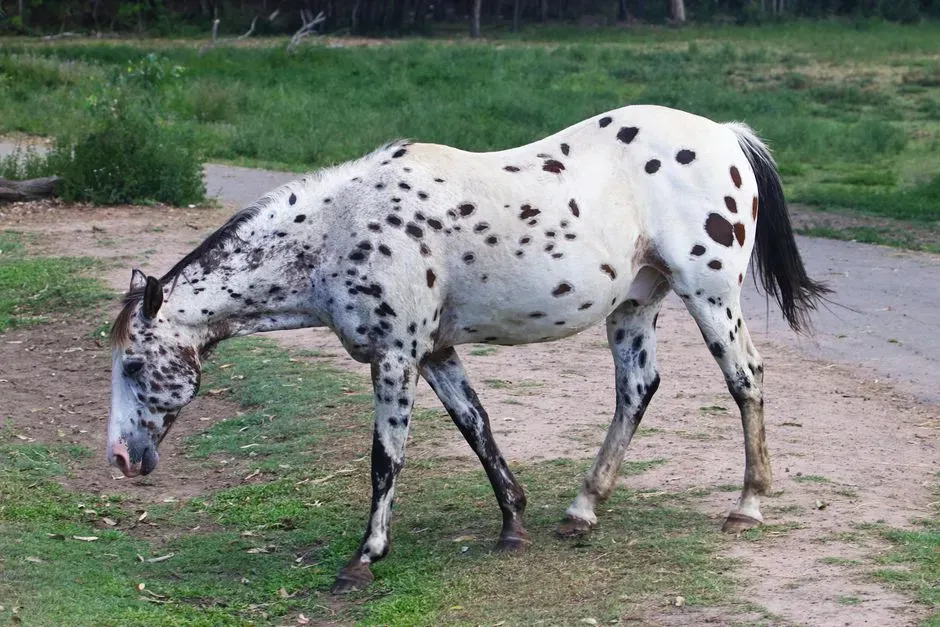
The spotted coat of the Appaloosa is genuinely one of the most visually striking patterns in the horse world, and the breed has a solid working history that gives it real credibility. The issue for beginners isn’t primarily temperament – it’s the genetic lottery hiding underneath those beautiful spots that too many new owners don’t know to ask about.
Appaloosas carry a higher rate of Equine Recurrent Uveitis (ERU) than most other breeds – a painful, progressive eye condition that can lead to blindness and requires ongoing veterinary management. Some bloodlines also show more variable temperament than the breed’s working reputation suggests, ranging from genuinely bombproof to surprisingly reactive, leaving beginners unsure which horse they actually bought until they’ve already brought it home.
#13 – American Paint Horse
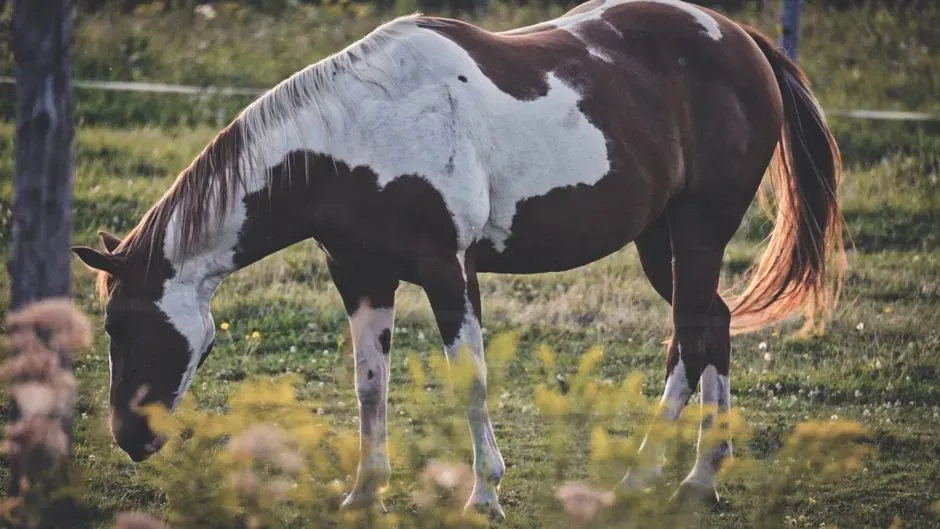
Paint Horses share much of the Quarter Horse’s versatility and work ethic, which makes them look like a smart, colorful choice for a beginner. And many of them are solid horses. But the breed’s flashy overo patterns carry a genetic risk that doesn’t always come up in casual sales conversations: the overo lethal white syndrome gene.
Beyond the breeding risk, the same flashy markings that drive purchase decisions also correlate in some lines with higher rates of deafness or subtle neurological quirks that complicate training in ways a new owner won’t recognize for months. The breed produces wonderful horses – but it also produces more unpredictable outcomes than a beginner should have to navigate while they’re still figuring out how to post a trot.
#14 – Lipizzaner
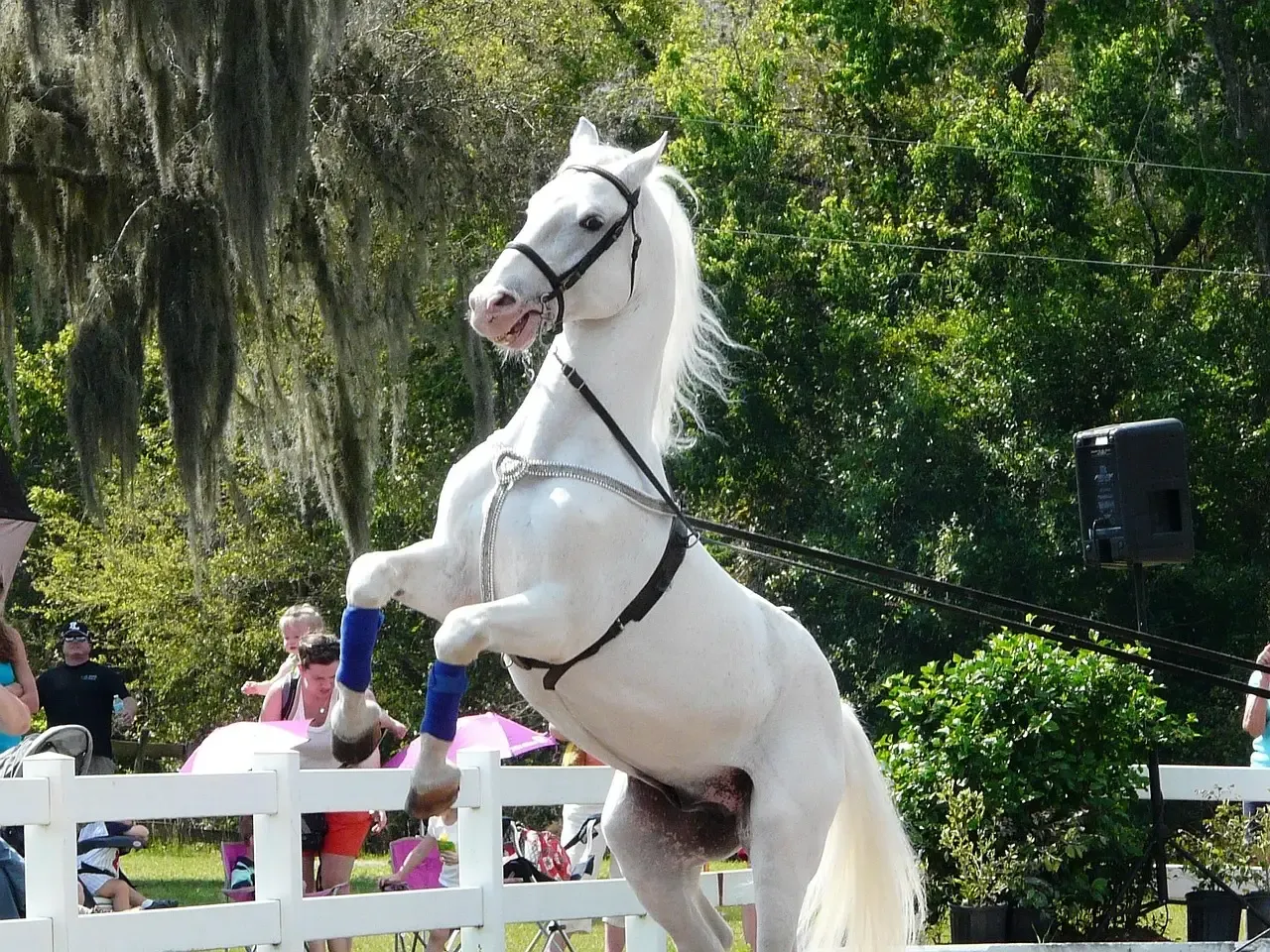
The Lipizzaner carries more cultural weight than almost any other breed – the Spanish Riding School, the Airs Above the Ground, the famous slow transformation from dark foal to white adult. That prestige creates a romantic pull that occasionally lands one of these horses in a first-time barn, and it rarely ends well for anyone involved.
These are horses built for classical haute école work that takes professional riders years to master. Their powerful hindquarters and collected movement require precise, educated aids to channel correctly – and under inconsistent or unbalanced riding, that power becomes tension that expresses itself physically. Vets report more tension-related injuries in this breed under amateur riding than in forgiving stock breeds that were purpose-built to tolerate human error.
#15 – Warmblood
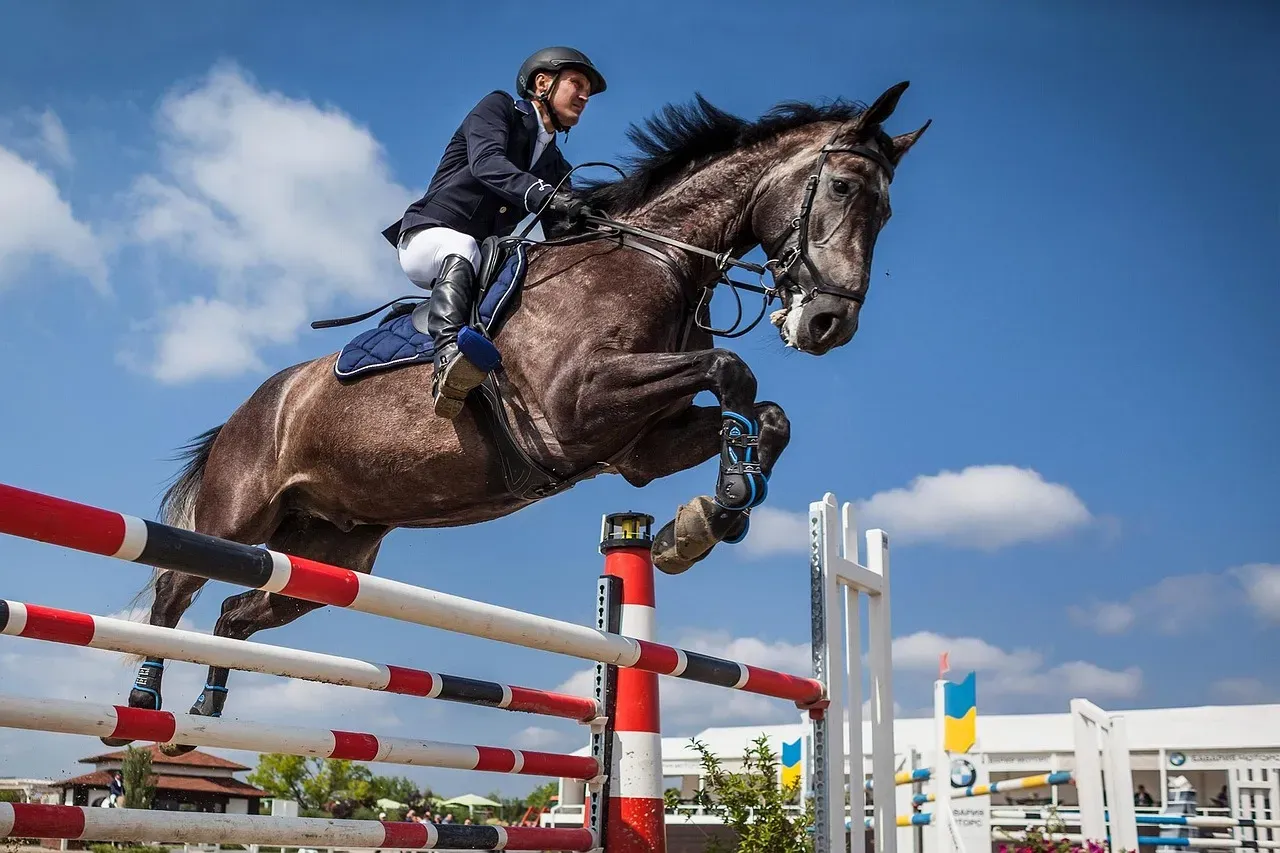
Warmbloods dominate Olympic sport horse competition for a reason: they are exceptional athletes with size, power, scope, and sensitivity that allow elite riders to perform feats that other breeds simply can’t match at that level. That Olympic prestige filters down into the broader market, where buyers associate the breed with success and quality – and bring one home without the skill to match the horse’s demands.
A sport horse Warmblood under inconsistent amateur riding develops lameness and behavioral issues faster than most people expect. These horses reward precision and punish hesitation – not out of malice, but because their entire breeding architecture is calibrated for a level of riding that beginners haven’t yet developed. The combination of size, athleticism, and sensitivity creates a feedback loop that overwhelms first-timers before they even realize what’s happening.
[article_quiz]#16 – Friesian Cross
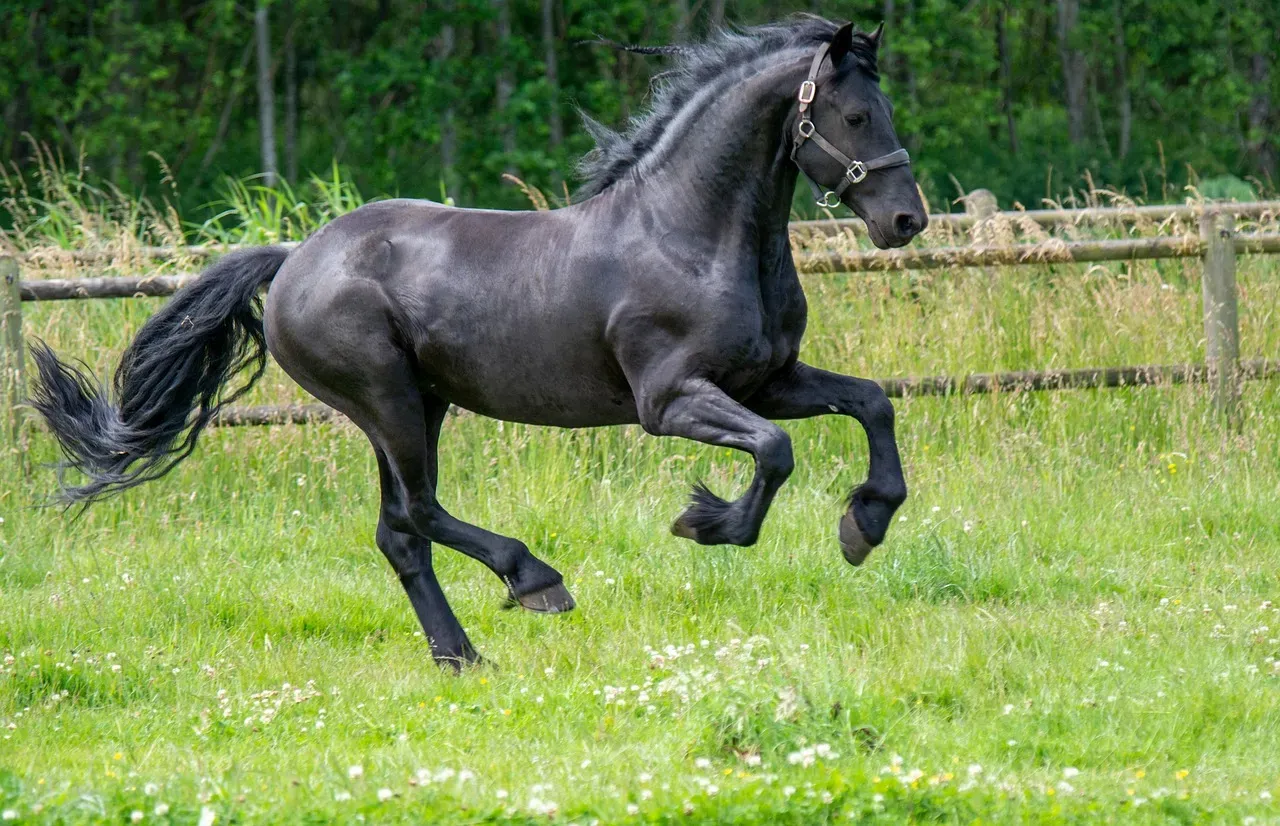
If the purebred Friesian is the horse vets wish beginners would stop choosing, the Friesian cross has quietly become the version that worries them even more – because it’s marketed as the “safer” compromise. The thinking goes: you get the looks without the extreme genetics. In practice, the results are far less predictable than that sales pitch suggests.
Friesian crosses inherit a wildly variable combination of traits depending on the other parent breed, and buyers rarely know which characteristics dominated until they’re deep into ownership. The grooming demands, the sensitivity, and in some lines the health predispositions carry over more often than buyers expect – while the cross’s unknown temperament background adds a second layer of unpredictability on top. Vets see these horses arrive in first-time barns with even less owner preparation than the purebreds, because the “cross” label created a false sense of security that the horse itself never agreed to.
The pattern vets describe is almost always the same: a beautiful horse, a dazzled first-time buyer, a seller who emphasized the positives, and a reality that arrived six months later in the form of a vet bill, a behavioral crisis, or a rehoming listing that reads “needs experienced home.” That phrase – “needs experienced home” – is the quiet eulogy for a match that never should have happened.
None of these breeds are villains. Every single one of them, in the right hands, is capable of being a magnificent partner. But the right hands matter enormously in this sport, and the cost of getting it wrong isn’t just financial – it’s paid by the horse too. First-time owners who do the unglamorous work of choosing a forgiving, well-started stock horse or a proven lesson-program veteran almost always come out the other side still loving horses. The ones who bought the dream breed first tend to come out the other side wondering what went wrong. Vets already know what went wrong. They’re just too polite to say it at the time.
