
Most dog owners assume that if their pup is friendly and leash-trained, any professional walker will happily take them on. That assumption is costing some owners their spots on waiting lists – and costing some walkers their sanity, their insurance, and in a few cases, their clients’ dogs. Behind the cheerful Instagram photos of pack walks and happy tails, there’s a much quieter conversation happening among professionals who have simply stopped accepting certain breeds altogether.
It’s not always about temperament. Sometimes it’s insurance. Sometimes it’s physiology. Sometimes it’s one unforgettable incident that rewired a walker’s entire policy. The 15 breeds below didn’t land on this list by accident – they landed here because experienced, well-meaning professionals kept running into the same walls. Some of what they’ve learned will surprise you. A few entries near the top might genuinely change how you see your own dog.
#1 – Belgian Malinois: The Ultimate Professional-Only Breed
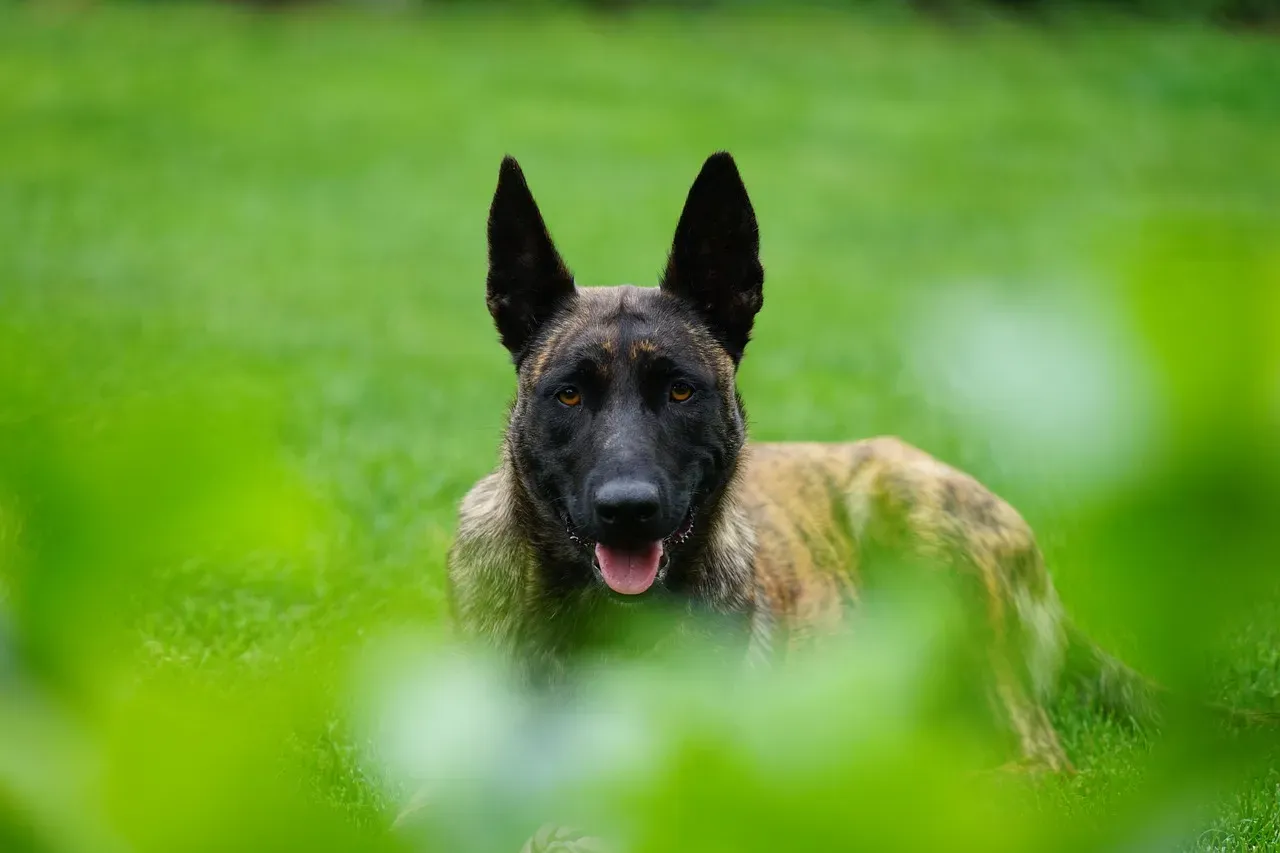
Belgian Malinois aren’t just high-energy – they are operating on a completely different frequency than virtually every other domestic dog. These are the animals the military and law enforcement deploy for a reason: their drive, focus, and intensity are almost unmatched in the canine world. Where other dogs go for a walk, a Malinois goes on a mission. The moment a walker hesitates, loses focus, or shows any uncertainty, the dog catalogs it and recalibrates. Experienced handlers describe the experience as mentally exhausting in a way that a standard paid walk simply cannot accommodate.
The most revealing detail professionals share is this: a single Malinois client was enough to change their entire policy on working breeds. Not because anything necessarily went wrong – but because the sheer level of alertness, reactivity, and physical demand the dog required made every other walk feel underprepared by comparison. Owners who bring these dogs home expecting a loyal, athletic companion often discover they’ve adopted something closer to a full-time job with teeth. Walkers who figure that out on someone else’s payroll rarely make the same mistake twice.
Fast Facts
- Belgian Malinois make up an estimated 72% of active police K9 units in the United States.
- The U.S. Department of Defense runs its own dedicated breeding program producing only Belgian Malinois for military service.
- A Malinois puppy from a reputable breeder typically costs between $1,500 and $4,000 – yet the breed is not recommended for inexperienced owners.
- Famous Mal “Cairo” served with Navy SEAL Team 6 during the 2011 Osama bin Laden raid – and had previously been shot on another operation and returned to duty.
- Without proper socialization, Malinois typically bond with only one or two people and remain deeply wary of everyone else.
#2 – German Shepherds: Working Dogs Dressed Up as Family Pets
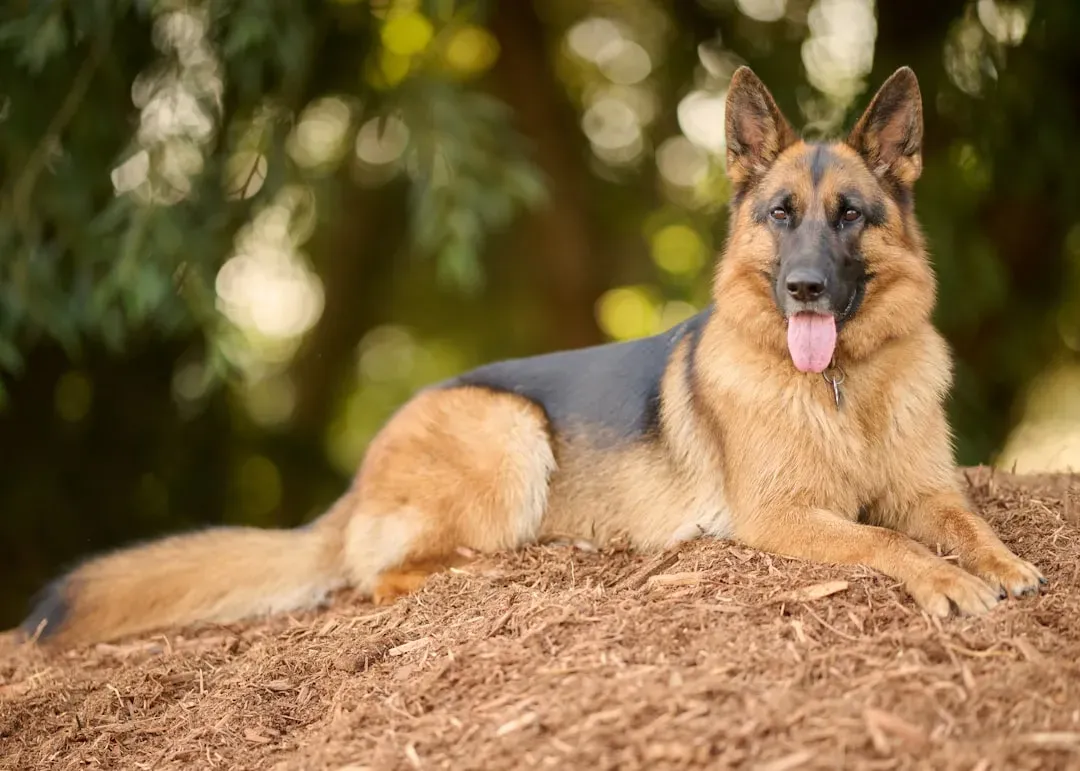
German Shepherds are one of the most popular breeds in the country, and that popularity is exactly part of the problem. Because they look so familiar – so manageable, so well-represented in movies and neighborhoods – owners frequently underestimate how much structured work they need to stay emotionally balanced. These dogs were engineered for protection, herding, and complex task work. A 30-minute leash walk doesn’t scratch the surface of what their nervous systems are asking for, and frustration in a high-drive dog rarely stays quiet.
Professional walkers who have phased them out aren’t saying German Shepherds are bad dogs – they’re saying they’re the wrong dog for a casual service relationship. Without a handler who trains consistently, provides clear leadership, and understands the breed’s protective instincts, Shepherds can become reactive around strangers, territorial on routes, or anxious in ways that escalate fast. Insiders put it plainly: these dogs deserve owners who work with them daily, not walkers who see them twice a week and hope for the best.
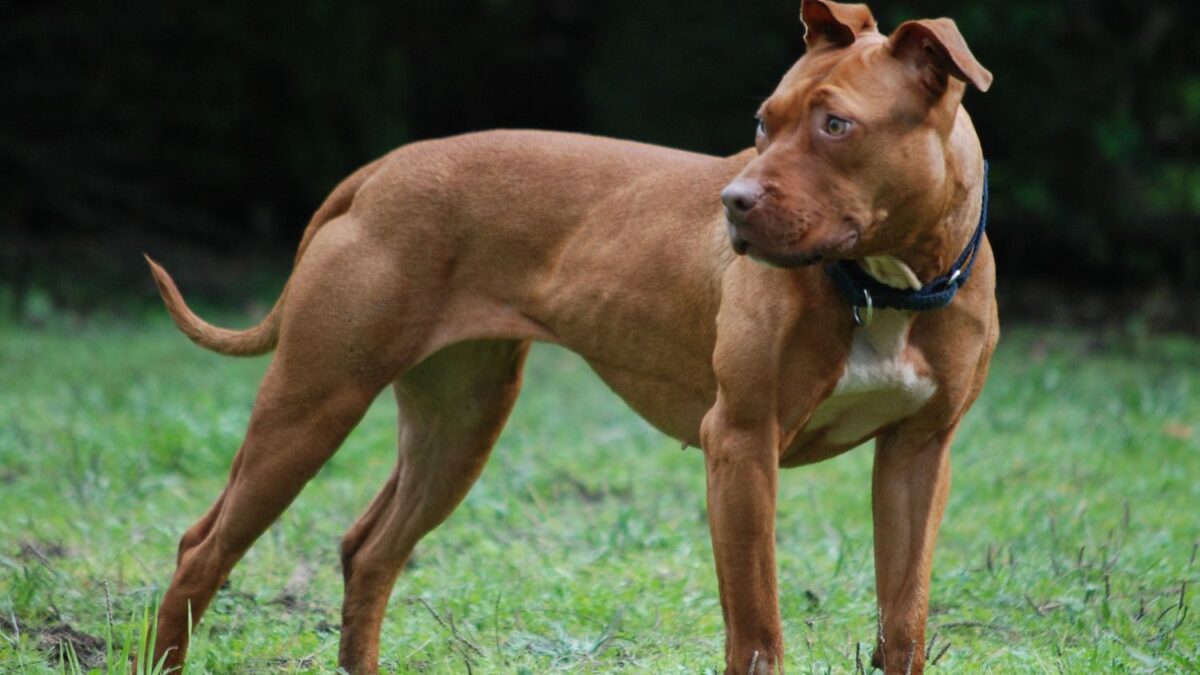
#3 – American Pit Bull Terriers: Where Strength Meets Stigma
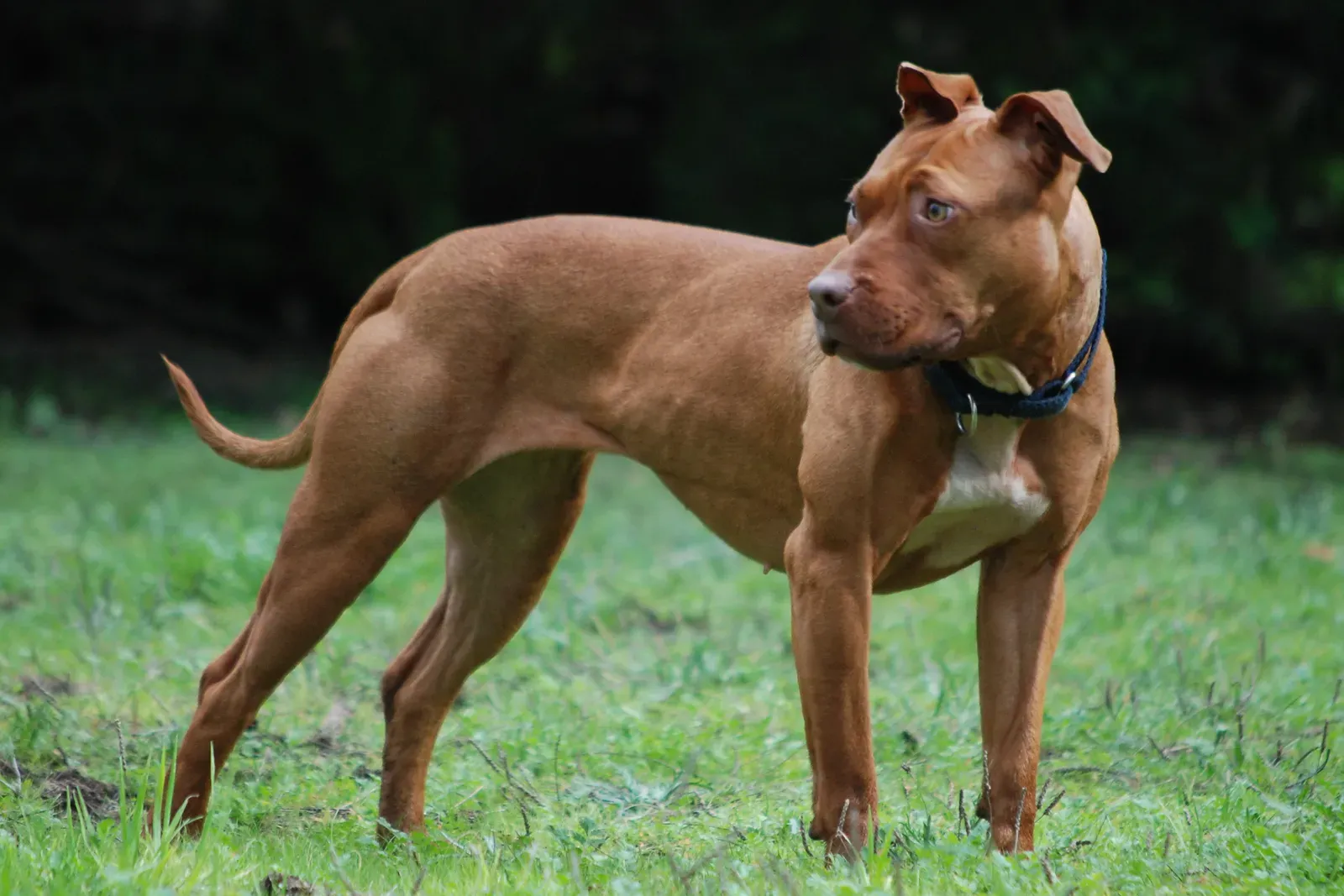
This one is genuinely complicated, and professionals know it. Many pit bulls and bully-type breeds are affectionate, well-mannered dogs that their owners adore – and those owners are often blindsided when walkers quietly decline to take them on. The reasons are layered. There’s the physical reality of the breed’s strength and jaw power, which demands specialized equipment and near-constant situational awareness. There’s also the insurance reality: many professional liability policies either exclude bully breeds by name or charge premiums that make the math unworkable for a small walking business.
The controversial truth that most walkers won’t say out loud is that individual temperament often becomes secondary to business survival. Breed-specific legislation in certain cities, client fears during group walks, and the asymmetric consequence of one incident – even a minor one – tip the scale toward refusal. It isn’t fair to every individual dog. Most walkers will admit that privately. But protecting their livelihood, their other clients, and their own liability is a calculation that consistently overrides good intentions, and that tension says something real about how far we still have to go in how society handles this breed.
Worth Knowing
- Many standard dog walker insurance policies explicitly exclude pit bulls and Rottweilers by name – not by individual bite history.
- Dog walkers pay an average of $500 per year for general liability insurance, but breed type and previous bite claims directly affect that rate.
- Standard policy limits typically run $1 million per occurrence and $2 million annually – but a single serious incident with a high-risk breed can exhaust that coverage entirely.
- Some insurers will cancel or non-renew a policy entirely if they discover an owner keeps a “blacklisted” breed – even if that dog has never bitten anyone.
#4 – Chow Chows: The Lion-Dog Attitude Problem
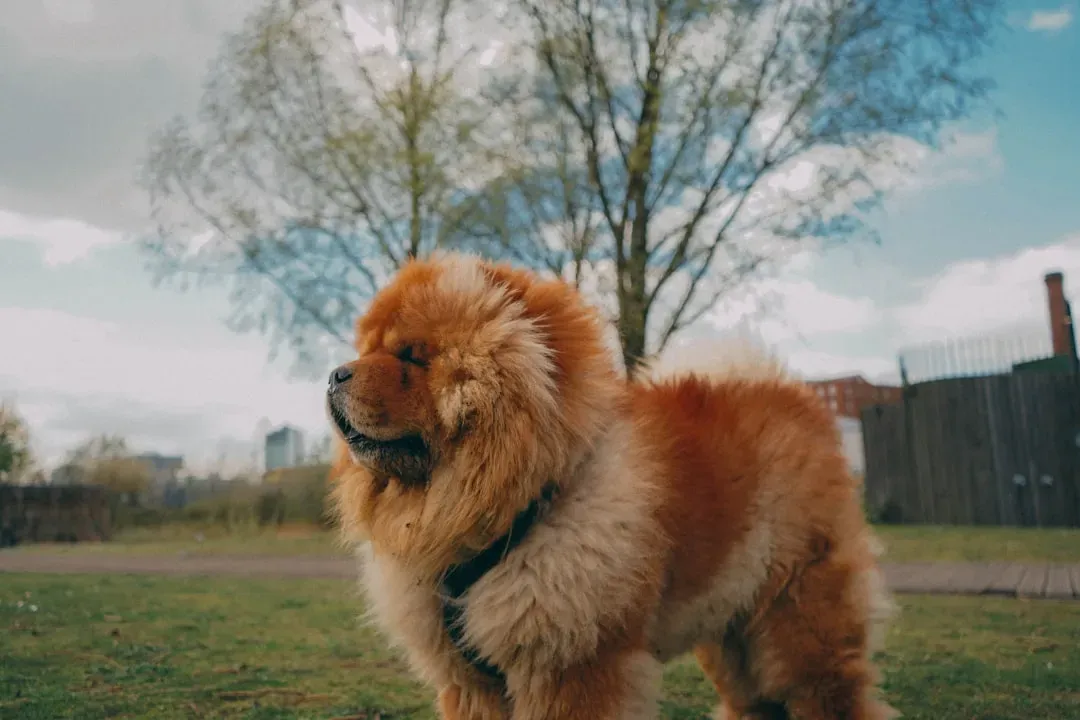
Chow Chows are striking animals – that dense mane, the famously blue-black tongue, the regal, almost feline indifference. But what reads as dignity in photos reads as something else entirely on a leash with a stranger. Chows are profoundly bonded to their own people and deeply skeptical of everyone else, and that skepticism doesn’t soften just because a walk is scheduled. Walkers describe a recurring scenario: arriving at the door, the dog tolerates the leash, makes it half a block, and then simply stops – stares – and refuses. Or worse, turns.
Many walkers share stories of Chows that showed teeth at the first sign of pressure, not aggression exactly, but a very clear communication that this arrangement was not agreed to. The breed’s independent streak turns what should be a paid service into a standoff that no one wins. Owners are often surprised because their Chow is perfectly sweet at home. That’s the thing about this breed – they choose their people with incredible loyalty and treat everyone else as an unwelcome guest. Professional walkers are, by definition, not their people.
[article_quiz]#5 – Akitas: One-Person Dogs Who Mean It
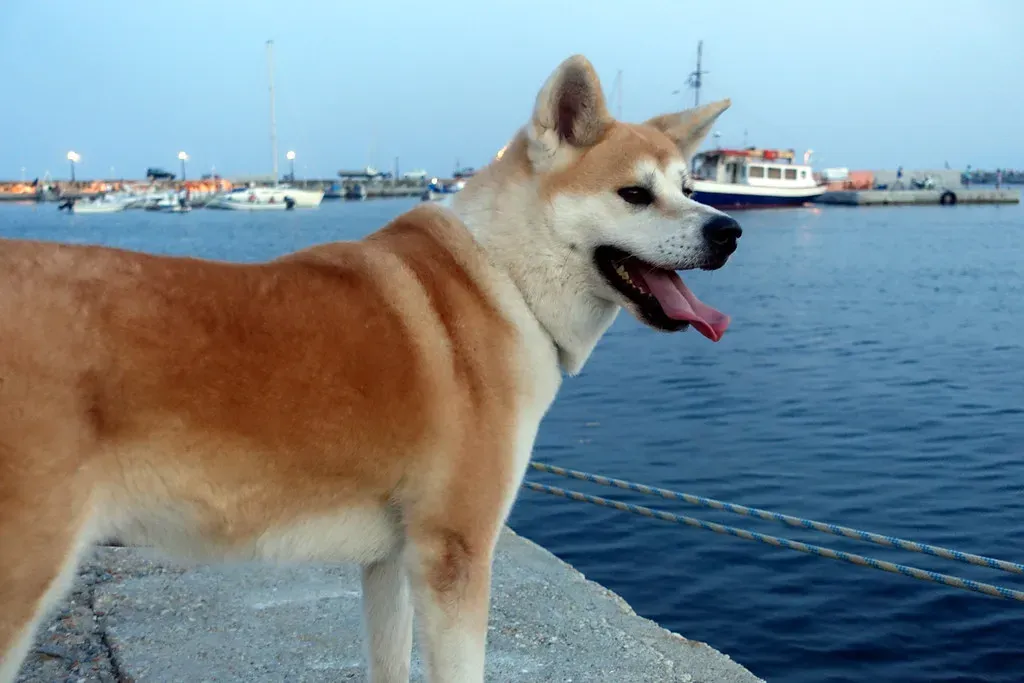
Akitas are not aggressive by nature – but they are deeply selective, and that distinction matters enormously in a professional walking context. These dogs form powerful bonds with their primary handlers and tolerate outsiders on a spectrum ranging from polite indifference to outright refusal. They don’t perform for strangers, and they don’t warm up quickly. Walkers who take on Akitas often find that weeks into the relationship, the dog still treats them as an intrusion rather than a welcome presence – and a dog that size carrying that attitude is a real management challenge on a busy street.
The complications stack up fast. Akitas carry a strong same-sex aggression tendency that makes group walks genuinely dangerous. Their thick double coats – a legacy of the cold, mountainous Japanese terrain they were bred for – create serious overheating risk in warm climates, adding a physiological layer on top of the temperament one. Professionals who’ve worked with the breed describe the experience as walking a dog that has silently decided you’re on probation, and the terms of that probation were never shared with you. Most walkers decide the uncertainty isn’t worth the liability.
#6 – Cane Corsos: Too Much Dog for Most City Routes
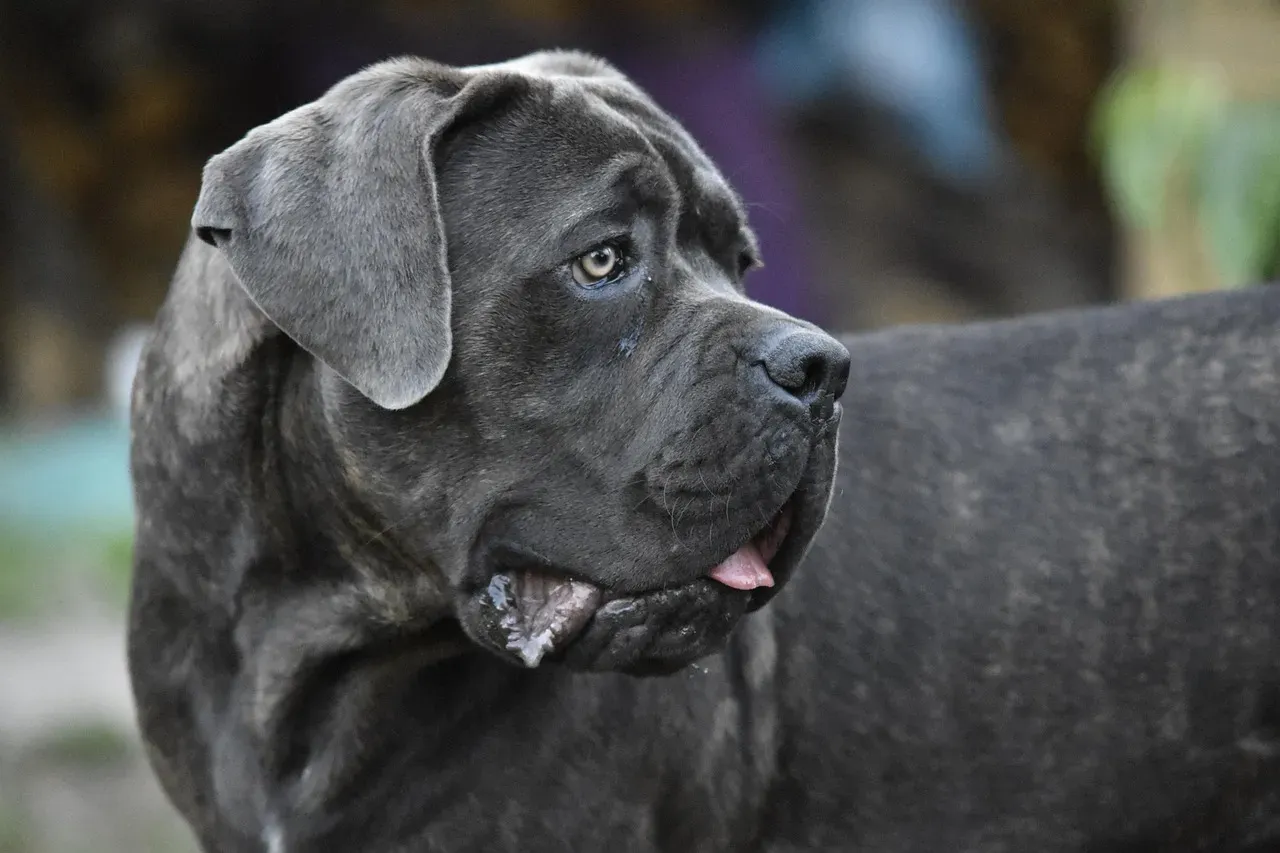
A Cane Corso on a quiet rural property with an experienced handler is a genuinely impressive animal – loyal, calm, deeply intelligent. A Cane Corso on a city sidewalk with a paid walker who hasn’t built real rapport with the dog is a different situation entirely. These dogs were bred as estate guardians. Their threshold for perceived threats is set much lower than a typical pet breed, and what triggers that threshold – a bicycle, an unfamiliar dog, a child running – is not always predictable until it happens.
The real issue insiders keep coming back to is the gap between how a Corso appears and what it’s actually processing. They move calmly, carry themselves with quiet authority, and can seem perfectly relaxed right up until they aren’t. That calm exterior hides a reactive capacity that, once crossed, demands handling skills most casual walkers simply haven’t developed. Many professionals who’ve tried and struggled with the breed don’t describe a dramatic incident – they describe a slow realization that they were never fully in control of the situation, and that realization was enough.
At a Glance: The “Estate Guardian” Problem on City Streets
- Cane Corsos, Rottweilers, and Akitas share a common trait: they were purpose-bred to assess threats independently – a quality that becomes unpredictable without a deeply trusted handler.
- Group walks are particularly risky for guardian breeds; a single reactive moment from a 100+ lb dog can injure other dogs, other walkers, and bystanders simultaneously.
- Walkers describe the gap between a Corso’s calm appearance and its reactive capacity as the breed’s most dangerous quality in an urban environment.
- Many professional walkers require a solo meet-and-greet trial before accepting any large guardian breed – and that trial alone often settles the question.
#7 – Doberman Pinschers: Elegant, Intelligent, and Relentlessly Perceptive
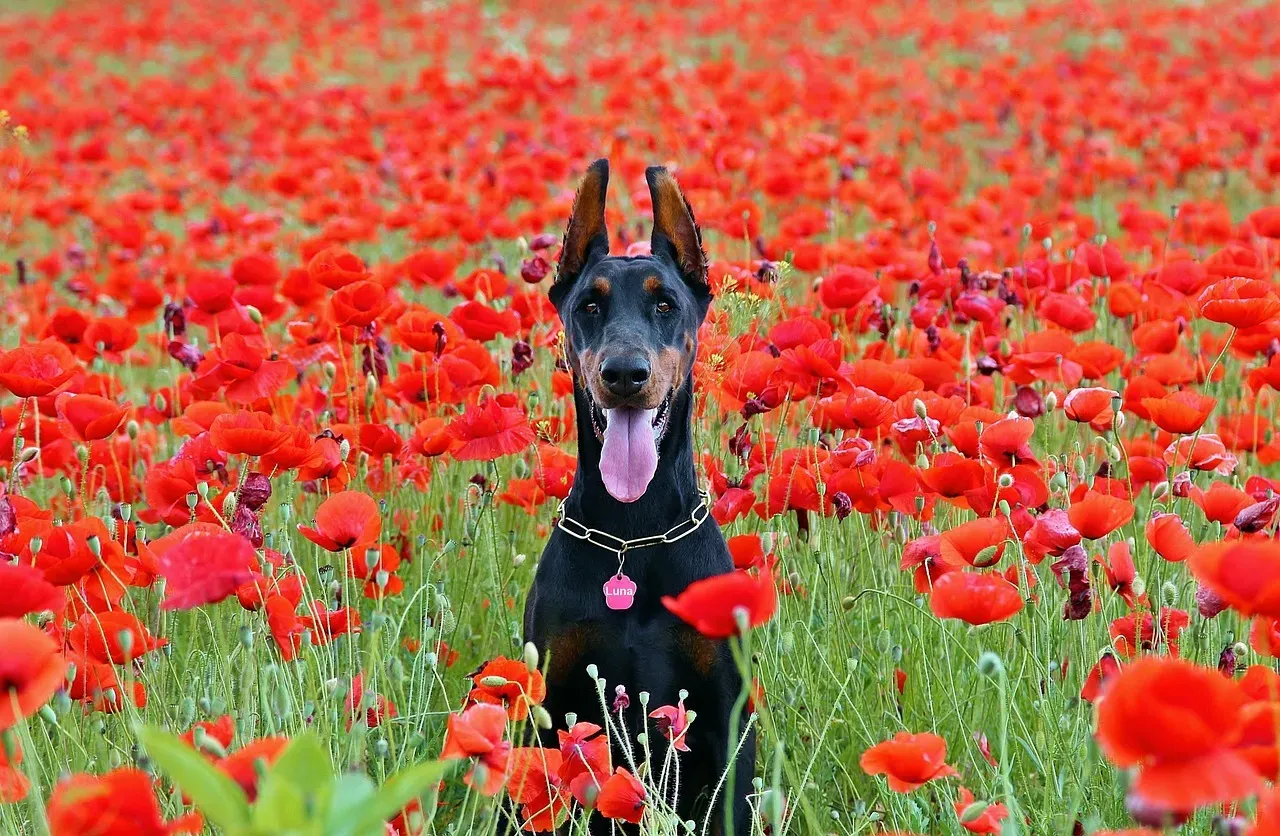
Dobermans are one of the most misunderstood breeds on this list, because the same qualities that make them remarkable companions are the exact qualities that make them difficult for casual walkers. Their intelligence isn’t background noise – it’s active and directed. They read body language, tone, and energy with startling accuracy, and they are constantly making assessments about whether the person holding their leash actually belongs there. A confident, experienced handler earns respect quickly. Someone uncertain gets tested, and Dobermans test with precision.
Walkers describe a specific kind of unease that comes with Dobermans – not fear exactly, but the feeling of being evaluated in real time by an animal that is smarter than the situation requires. Without consistent leadership and clear structure, these dogs can become protective, anxious, or simply non-compliant in ways that make a standard walk genuinely stressful. Their needs aren’t unreasonable – they just exceed what a twice-weekly paid service can deliver. Most professionals who’ve quietly stopped accepting them don’t hold it against the breed. They just know they’re not the right person for the job.
#8 – Rottweilers: Strength, Loyalty, and the Insurance Problem
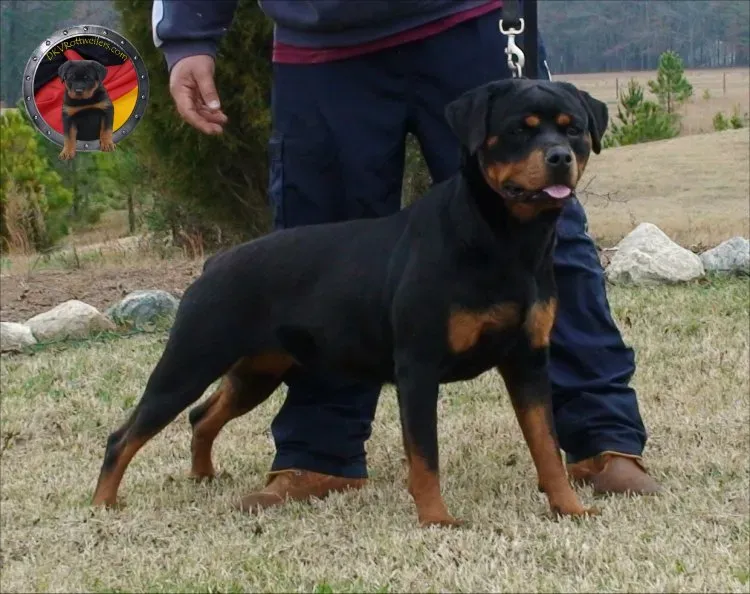
Rottweilers are, by nearly every measure that matters, good dogs. They are loyal, emotionally intelligent, and deeply bonded to their families. But “good dog” and “low-risk professional liability” are two different categories, and Rottweilers frequently fail the second test regardless of how they perform on the first. Their size and physical power mean that even a minor incident – a stumble, a lunge toward another dog, a stranger reacting badly to their appearance – can turn into a serious situation fast. Walkers know this and prepare accordingly, but preparation has a cost.
The uncomfortable reality professionals now factor in before accepting Rottweiler clients is simple: lawsuits follow breeds, not individual dogs. Insurance companies know which breeds generate claims, and Rottweilers are consistently on that list regardless of individual temperament. Walkers who take them on need specialized equipment, heightened situational awareness, and policies that many small businesses can’t afford to maintain. The loyalty and gentleness these dogs show their owners is real and worth respecting – it just doesn’t always translate into a viable professional service relationship, and most walkers have quietly made their peace with that math.
#9 – Australian Cattle Dogs: Compact, Stubborn, and Running Their Own Agenda
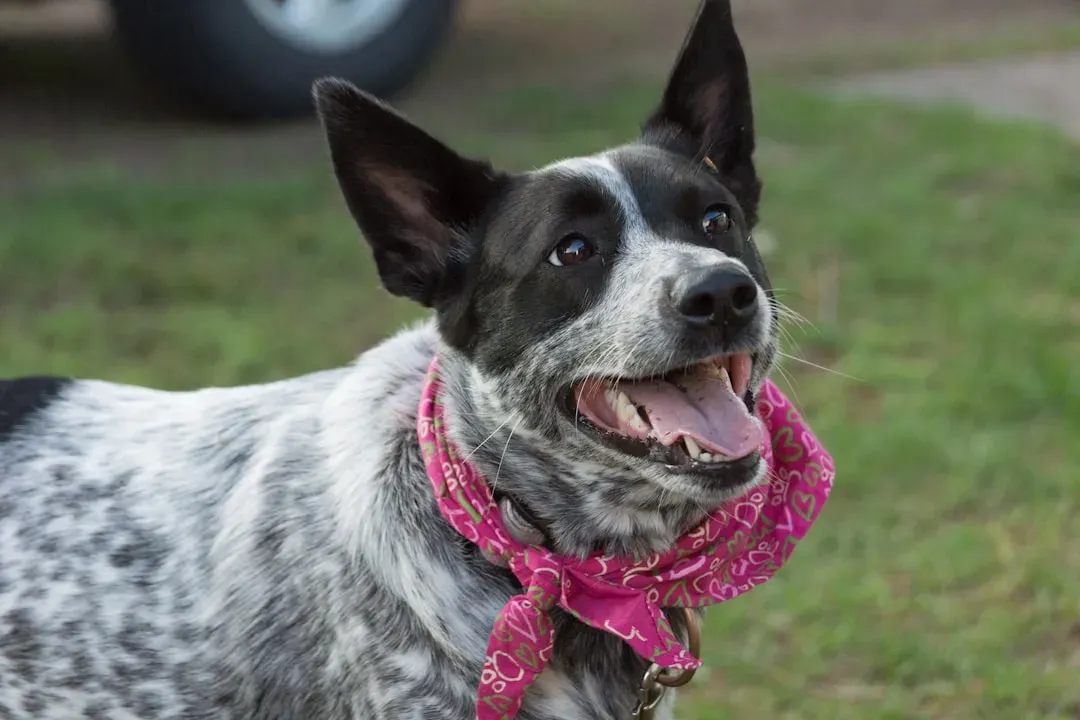
Don’t let the size fool you. Australian Cattle Dogs – Blue Heelers, Red Heelers – are among the most mentally tough, physically resilient, and independently-minded animals in the herding group. They were designed to manage livestock across vast, rugged terrain by thinking for themselves when the situation demanded it. That self-reliance is extraordinary in the right context. On a leash with a professional walker in a suburban neighborhood, it translates into a dog that has already decided it knows better than you and is waiting to prove it.
Walkers who’ve worked with Cattle Dogs describe a pattern of testing that feels almost strategic – probing for the edge of authority, going still and refusing to move, or redirecting in ways that border on a nip when pressure is applied. Their pain tolerance is high, their stamina is nearly endless, and their threshold for boredom is very low. What owners experience as a spirited, clever companion, professionals experience as a dog that requires constant active management just to complete a basic route. Most walkers reach the same conclusion eventually: this breed needs a working relationship, not a walking service.
Quick Compare: Herding Breeds vs. Standard Walking Expectations
- Border Collie: Hyper-intelligent, needs cognitive tasks; standard walks offer almost zero mental stimulation for a dog wired to make hundreds of micro-decisions per hour.
- Australian Cattle Dog: Bred for independence and endurance; will test handler authority repeatedly, especially when bored.
- German Shepherd: Needs structured work and clear leadership; casual walks without consistent training tend to increase anxiety, not reduce it.
- All three: Appear manageable to owners who know them – and reveal their real demands to strangers holding a leash for the first time.
#10 – Border Collies: The Smartest Dog in the Room, and It Knows It
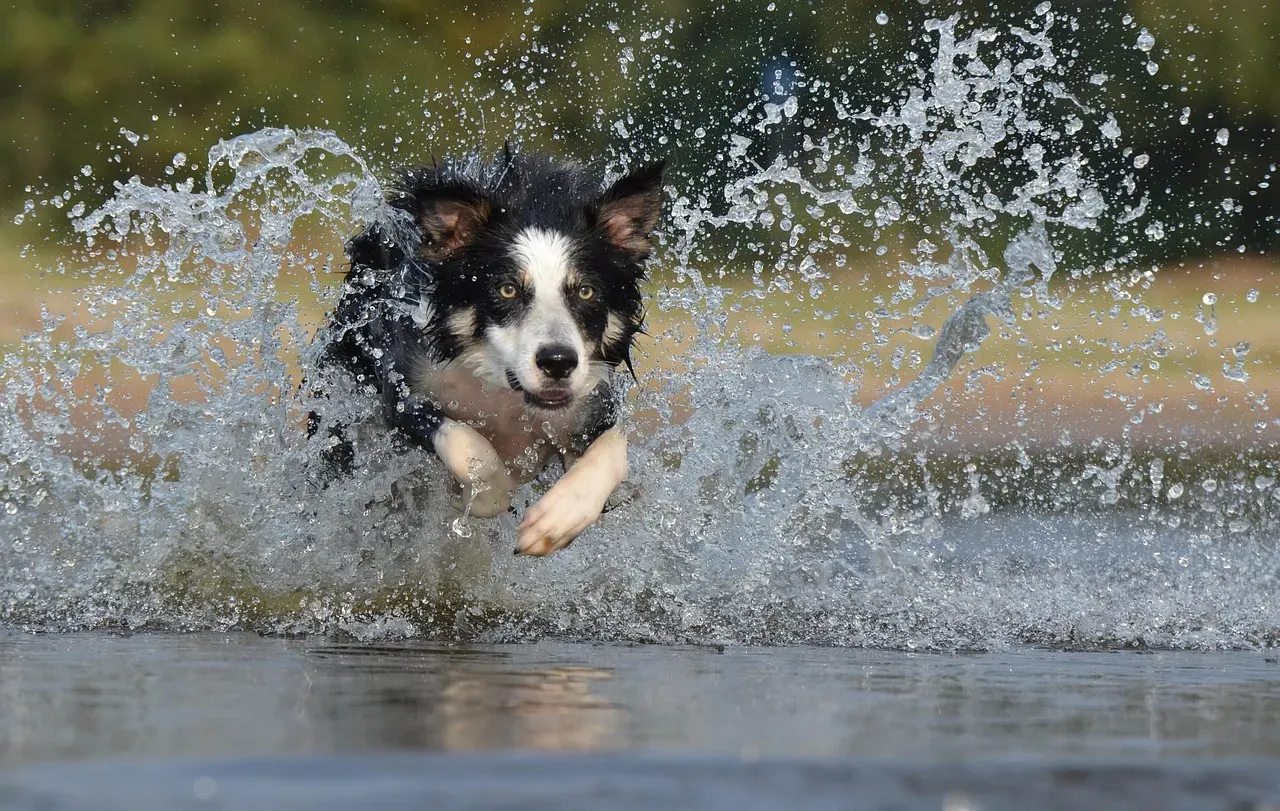
Border Collies are widely considered the most intelligent domestic dog breed, and that intelligence is the exact source of the problem. A typical walk offers almost no cognitive stimulation for a dog wired to make hundreds of micro-decisions per hour while managing a moving flock. Without that outlet, Border Collies redirect their focus onto everything available – other dogs, cyclists, children, pigeons, shadows. What looks like hyperactivity to an observer is actually a brilliantly capable animal running on fumes, trying to find a job in an environment that doesn’t offer one.
Walkers report that Border Collies become reactive, anxious, or obsessive on standard routes in ways that are difficult to manage safely in public. They fixate. They stare down other dogs. They attempt to herd joggers. Their “smart” reputation leads owners to believe training will smooth everything out – and it can, under the right conditions – but those conditions require more than a leash and a 45-minute loop through the park. Most professionals who’ve quietly stopped accepting them will tell you the same thing: they didn’t stop because the dog was dangerous. They stopped because the dog was miserable, and managing that misery in public became unsustainable.
#11 – Alaskan Malamutes: Built for the Tundra, Not the Sidewalk
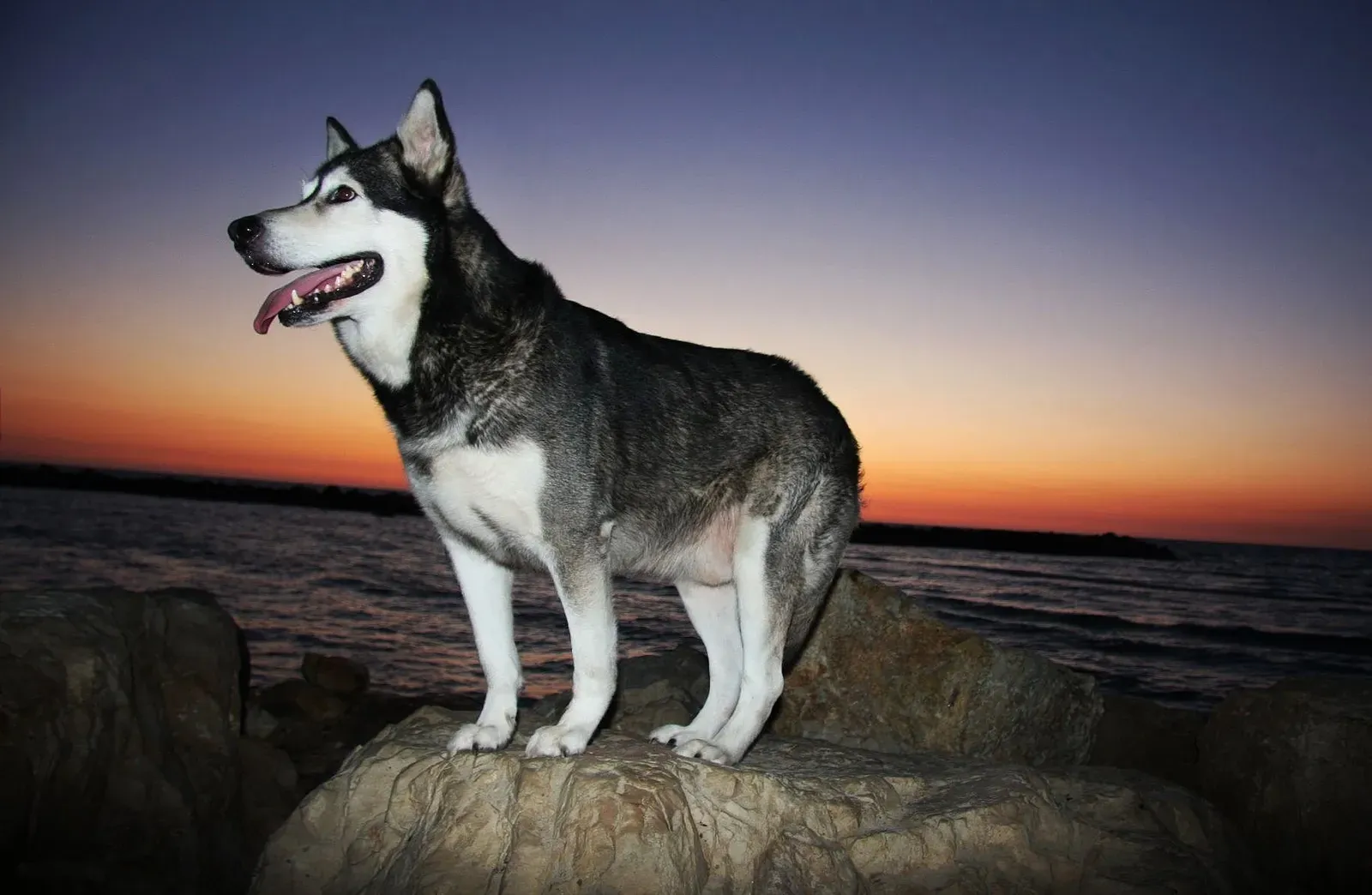
Malamutes are breathtaking animals – heavy-boned, thick-coated, built like something that belongs in a Jack London novel. They are also sled dogs in the most literal sense, meaning their bodies and instincts are calibrated for sustained, powerful forward movement with minimal direction from above. When a Malamute decides to pull, it is not being difficult – it is doing the thing it was bred across generations to do. A single walker on the other end of that leash is, in biomechanical terms, not adequately equipped for the disagreement.
What makes Malamutes particularly challenging compared to Huskies is the sheer scale of the force combined with a pack mentality that can generate dominance displays toward other dogs that are genuinely difficult to interrupt. Many experienced walkers describe one bad Malamute experience as career-defining in the wrong direction – not because the dog was vicious, but because the incident revealed how quickly size and drive can outpace even competent handling. Their coats also create serious heat management challenges in warmer months. Most professionals who decline them do so with respect. It’s just too much dog for a standard walking arrangement.
#12 – Siberian Huskies: The Escape Artists That Keep Professionals Up at Night
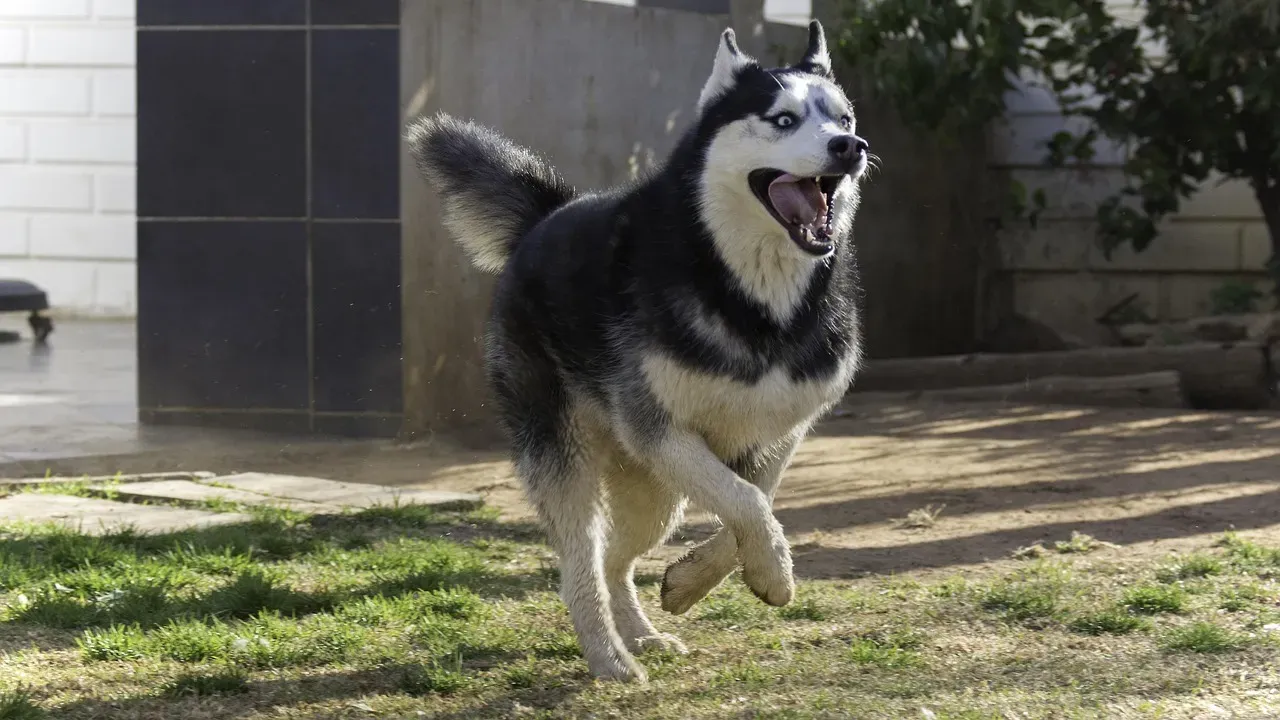
Siberian Huskies might be the breed that generates the most anxiety among professional walkers who’ve had a close call – because “close call” with a Husky usually means a dog that was there and then, suddenly, wasn’t. Their prey drive is explosive and nearly instant. Squirrel, bird, cat, distant movement – the trigger doesn’t need to be significant. What matters is that the moment it fires, every bit of training, every recall command, every leash management strategy becomes secondary to the pursuit. These dogs were bred to run enormous distances across open terrain. A city block is not a meaningful obstacle.
Insiders openly acknowledge that multiple walkers have lost clients’ dogs mid-walk because the Husky found the gap in the equipment or the moment of inattention. The breed’s legendary independence means they don’t look to humans for permission the way many other breeds do – they assess, decide, and move. Owners who’ve never walked their Husky in a high-stimulation environment sometimes can’t understand why their perfectly sweet dog is on the declined list. The answer is that sweet and safely manageable in public are different things, and with Huskies, the gap between those two qualities has cost too many walkers too much.
Why It Stands Out: The Husky Escape Risk
- Huskies were bred to run 100+ miles per day across open arctic terrain – urban leash walks are an almost trivially small physical outlet for that instinct.
- Their prey drive can activate in under a second, faster than most handlers can tighten grip or brace.
- Unlike many breeds, Huskies have low recall reliability once prey drive is engaged – training helps, but does not eliminate the risk.
- Professional walker insurance covers injuries to third parties, but losing a client’s dog mid-walk opens a separate, costly liability claim category entirely.
- Huskies are also notorious escape artists at home – fence height, latch security, and gate gaps that work for other breeds often don’t hold a determined Husky.
#13 – Boxers: Lovable, Loud, and Completely Exhausting
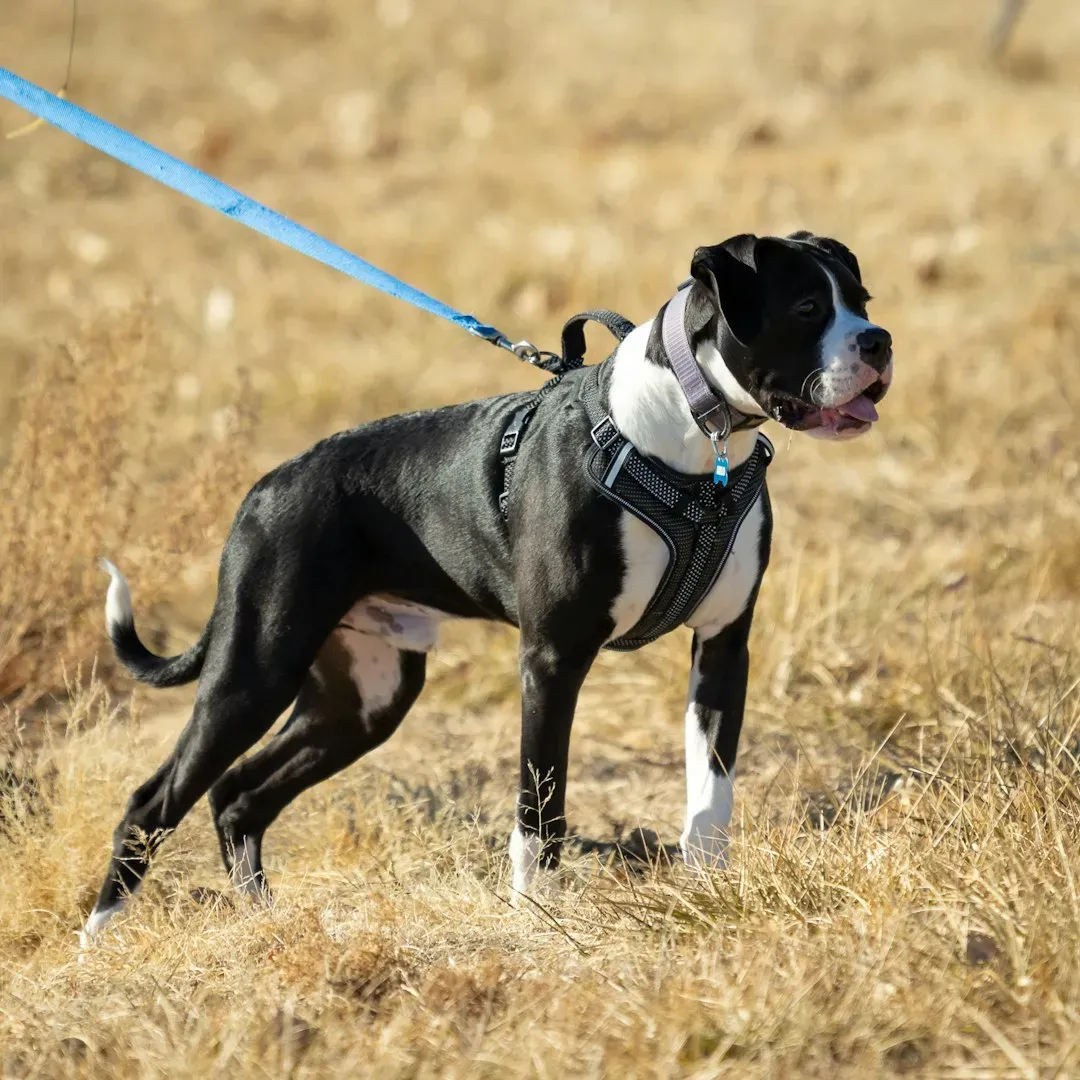
Boxers have an almost infectious energy that makes them beloved family dogs – and that exact quality is what burns professional walkers out. These are not calm dogs that happen to enjoy activity. They are perpetual motion machines that treat every walk like an event, every stranger like a potential best friend, and every other dog as an invitation to something chaotic. The drooling is real and abundant. The pulling is constant. The emotional need for engagement means a Boxer on a leash is essentially a 60-pound toddler who has consumed an entire bag of Halloween candy and needs you to keep up.
Walkers describe them affectionately but exhaustedly as “attention hogs” who turn a 30-minute job into an hour of active redirection. Their reputation for friendliness masks a stubborn streak that emerges the moment they decide the walk should go a different direction – literally. Group walks become particularly chaotic because Boxers don’t naturally attune to pack rhythm; they generate their own rhythm and expect everyone else to follow. Most professionals who stop taking them on don’t dislike the breed at all. They just know that one Boxer in a group sets a pace that’s unsustainable for a normal working day.
#14 – Pugs: The Charm That Can’t Outrun the Biology
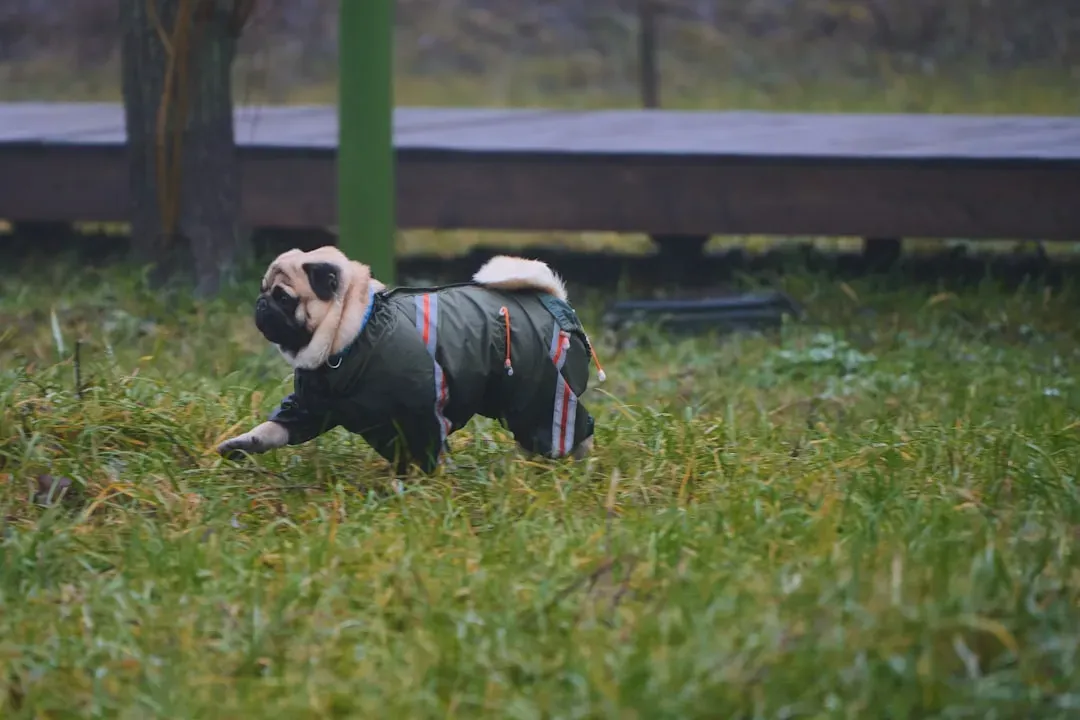
Pugs are genuinely delightful dogs in the right circumstances – comedic, affectionate, deeply devoted to their people. But those circumstances don’t include extended outdoor walks, particularly in warm weather, and professional walkers have learned this the hard way. The brachycephalic – flat-faced – anatomy that makes Pugs look permanently surprised also fundamentally compromises their ability to move air efficiently. On a mild day, a healthy adult Pug can go from playful and engaged to labored, stressed, and dangerously overheated within a single walk. On a warm day, the window is narrower than most owners realize.
What’s particularly striking is how many walkers now cite insurance and liability concerns as the primary reason they decline Pug clients, not just the physical risk itself. The possibility of a heat emergency mid-walk, the cost of emergency veterinary care, and the question of who is responsible when a dog with a known structural vulnerability ends up in distress on someone else’s watch – that math has quietly pushed this breed off a lot of accepted lists. Owners keep booking them, often because their Pug seems enthusiastic about going out. But enthusiasm and physical capacity are two different things, and in a flat-faced dog, they regularly diverge at the worst possible moment.
[article_quiz]#15 – French Bulldogs: The Most Popular Dog in America Has a Serious Problem
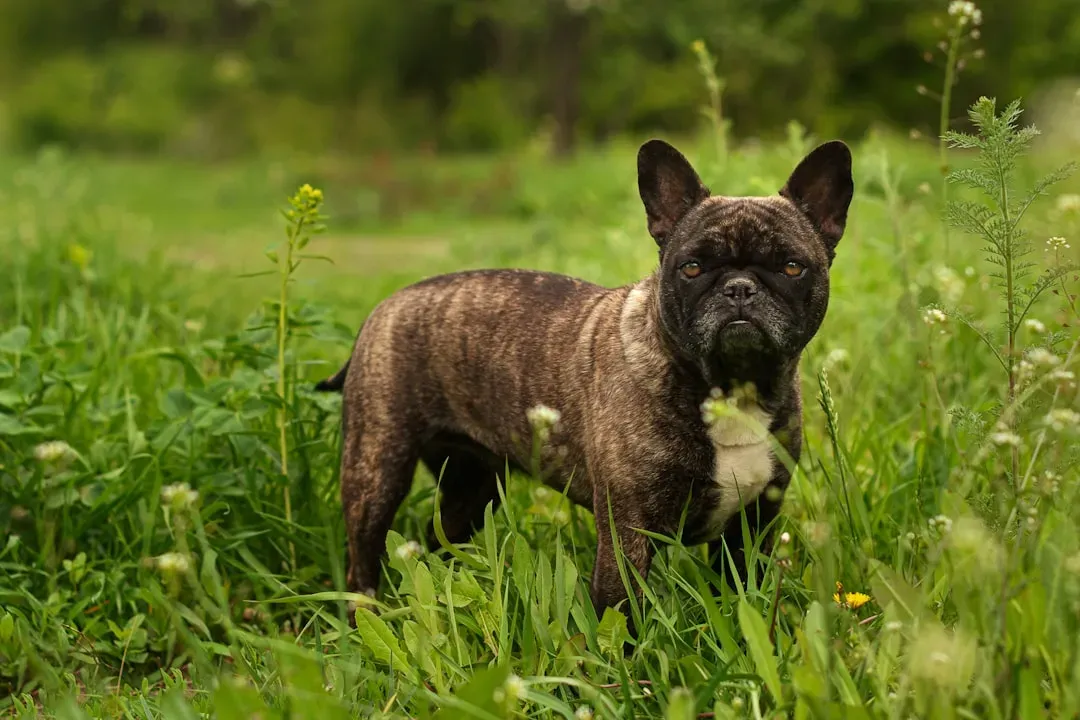
French Bulldogs claimed the top spot on the American Kennel Club’s most popular breeds list for years running, and that popularity has put professional walkers in an incredibly awkward position. Frenchies are everywhere, owners adore them, and the demand for walking services for them is enormous. But the breed’s brachycephalic structure – that flat, pushed-in face and compressed airway – means that a standard walk in any temperature above mild is a genuine medical risk. Walkers who’ve experienced a French Bulldog collapse mid-walk describe the moment with vivid clarity: the dog just goes down, struggling to breathe, with no dramatic warning beforehand.
The breed’s surge in popularity has made the conversation harder, not easier. Owners are emotionally invested, walkers feel the pressure to accommodate, and the result is a quiet industry-wide drift toward politely declining rather than explaining the real reason. What walkers know – and what many owners haven’t fully internalized – is that the Frenchie’s exercise tolerance is shockingly low compared to what their enthusiasm suggests. They want to go. Their body simply cannot always back that want up safely. The professionals who’ve stopped taking them aren’t being difficult. They’re being honest about a biological reality that the breed’s enormous popularity has made commercially inconvenient to acknowledge.
At a Glance: The Flat-Face Heat Risk by the Numbers
- French Bulldogs are 6 times more likely to suffer heat-related illness than Labrador Retrievers, according to a large-scale UK veterinary study of over 900,000 dogs.
- Chow Chows top the same study’s risk chart at 17x the Labrador baseline – making them one of the most heat-vulnerable breeds walked on any given summer day.
- Brachycephalic dogs can begin overheating at ambient temperatures as low as 70°F (21°C) – a temperature most people would consider comfortable.
- One in seven dogs treated for heatstroke in the study died as a result – a mortality rate that reframes a “quick walk” as a genuine medical risk decision.
- Boxers, Pugs, French Bulldogs, and English Bulldogs all appear on multiple independent heat-risk studies across the U.S., UK, and Australia.
What This List Actually Tells Us
Step back from the individual breeds and a clear pattern emerges: every dog on this list was built for something specific – endurance running, estate guarding, livestock management, high-stakes protection work – and modern pet ownership asked them to be something else entirely. The walks that get declined aren’t failing because walkers lack skill. They’re failing because the gap between what these dogs were bred to do and what a leash and a 45-minute loop can offer is genuinely unbridgeable without a deeper commitment from the owner.
That’s the uncomfortable truth underneath this list. It isn’t really about the walkers. It’s about the mismatch between breed design and lifestyle, and the professional walkers who’ve quietly drawn their lines are simply the ones close enough to see that mismatch play out in real time. If your dog is on this list, the question worth sitting with isn’t “why won’t anyone walk my dog” – it’s “am I giving this animal what it was actually built to need?” The walkers already know the answer. Now you do too.
“Dogs don’t fail their owners. Owners fail to understand what they signed up for when they chose the breed.”
Common sentiment among professional dog handlers and trainers
