

The Science Behind Canine Emotional Detection
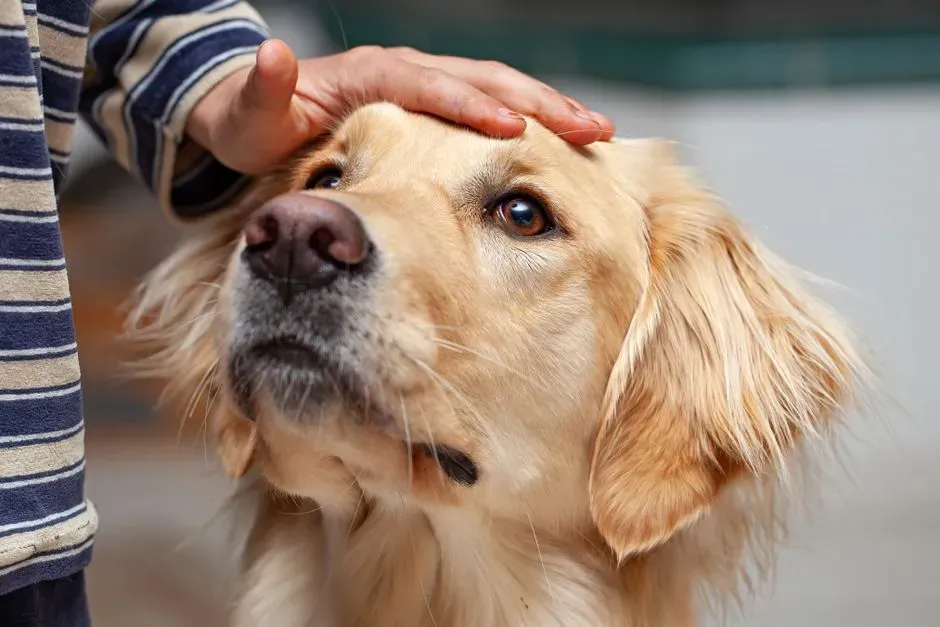
Dogs have lived alongside humans for thousands of years, which gave them plenty of time to develop sharp skills at reading us. Research shows they pick up on facial expressions, tone shifts, and even tiny changes in posture that signal different moods. These abilities go beyond simple observation and extend into physiological cues that humans often overlook.
Studies confirm dogs can distinguish between happy and angry faces, and they adjust their own behavior accordingly. When an owner tries to hide frustration, the dog still registers the mismatch between words and body signals. This sensitivity likely helped early dogs survive by staying alert to group tension.
The Invisible Signals of Suppressed Rage

Anger that stays bottled up still produces real changes inside the body. Cortisol levels rise, breathing patterns shift slightly, and sweat carries distinct chemical markers. Dogs detect these through their powerful sense of smell even when the person maintains a neutral face and calm voice.
Unlike an open outburst, suppressed rage creates an inconsistent signal that can confuse or unsettle a dog. The animal senses something is off without a clear action to respond to. This uncertainty often leads to heightened vigilance or restless behavior as the dog tries to figure out the situation.
Why Dogs React Strongly to Internal Conflict

Emotional contagion plays a big role here. When an owner feels rage but holds it in, the dog can mirror that internal state through shared stress hormones. Multiple studies have documented how a person’s anxiety or anger transfers to their pet, raising the dog’s own cortisol.
Suppressed emotions lack the release that comes with expression, so the tension lingers in the shared space. Dogs, being highly social, pick up on this sustained pressure more readily than on brief, resolved outbursts. The result is often a pet that seems on edge without an apparent cause.
Common Ways Dogs Might Act Out in Response

Owners frequently report increased barking, destructive chewing, or sudden withdrawal when they themselves feel simmering anger. Some dogs become clingy or overly alert, following their person from room to room. Others show signs of anxiety like panting or pacing even during quiet evenings at home.
These reactions stem from the dog’s attempt to manage the unclear emotional atmosphere. Without a direct outlet or explanation, the pet may redirect its unease into familiar behaviors. Over time, repeated exposure can make such acting out more frequent.
The Impact on the Human Dog Bond Over Time
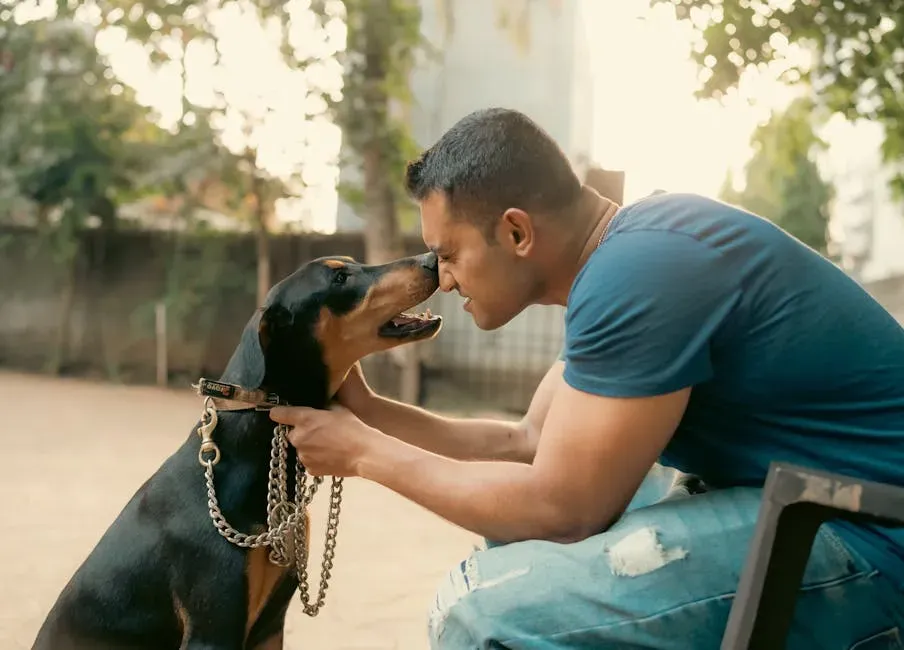
Chronic exposure to an owner’s hidden stress can strain the relationship in subtle ways. Dogs that regularly sense unresolved tension may develop lasting anxiety patterns or become less trusting during interactions. Hair cortisol studies have linked owner stress levels directly to similar markers in their pets.
Yet the same sensitivity that causes problems also strengthens the bond when emotions are handled openly. Dogs thrive on consistency and clear signals, which helps them feel secure. Addressing personal emotional patterns often improves daily life for both sides.
Steps to Become More Aware of Your Emotions

Simple practices like pausing to notice physical signs of rising anger can make a difference. Paying attention to clenched jaws or shallow breathing gives owners a chance to release tension before it builds. Short walks or breathing exercises benefit the human and send calmer signals to the dog.
Creating routines that include calm shared time also helps. Playing gentle games or offering quiet petting sessions reinforces positive connections. These habits reduce the chance that suppressed feelings will spill over into the pet’s behavior.
Reflecting on the Human Canine Connection
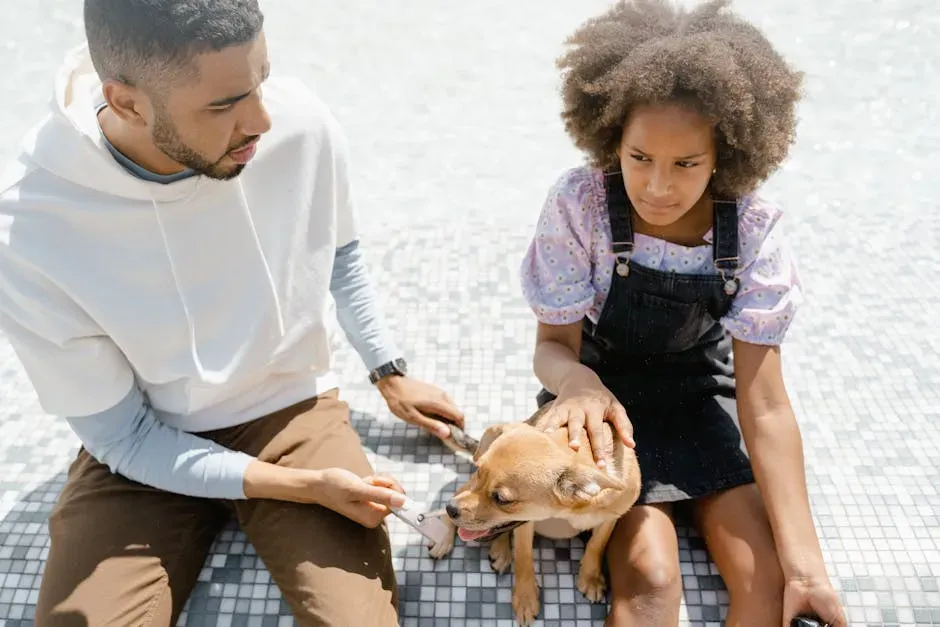
Dogs do not judge our emotions the way people sometimes do. They simply respond to what they sense, which makes honest emotional awareness a practical kindness toward them. Choosing to process anger rather than suppress it often leads to calmer homes and more relaxed pets.
In the end, the deep bond we share with dogs invites us to treat our own inner states with care. When we manage what we feel, our companions benefit in quiet, meaningful ways that strengthen the partnership for years ahead.

- 6 Exotic Bird Species You Can Spot in U.S. National Parks - July 19, 2026
- 11 Iconic American Birds Facing New Challenges and How You Can Help - July 19, 2026
- 10 Friendliest Animals in the World - July 19, 2026