
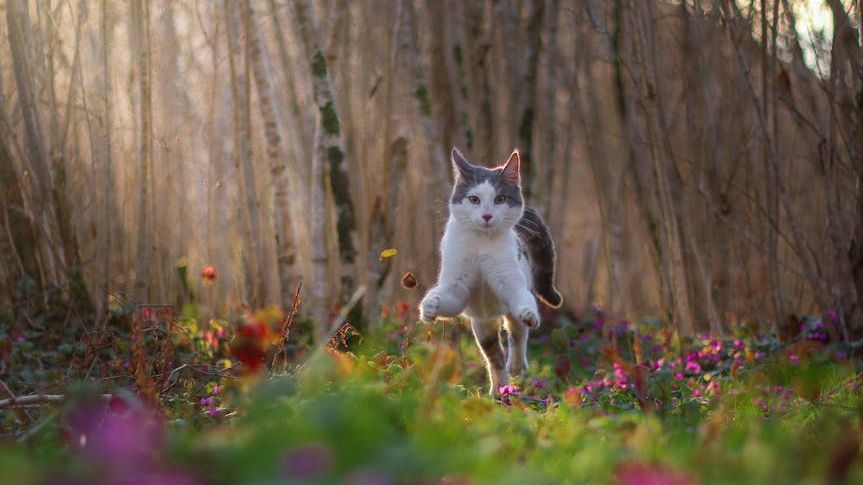
Most cat owners have experienced it. The house is quiet, sleep feels close, and then a sudden burst of paws thundering across the floor jolts everything awake. These late night sprints, often called zoomies, leave people wondering what on earth triggers such unpredictable energy at the worst possible hour.
The behavior feels random at first glance. Yet it ties into deeper patterns in how cats move through their days and nights. Understanding the roots can turn frustration into something closer to appreciation for the way these animals operate.
The Real Triggers Behind Sudden Bursts of Speed
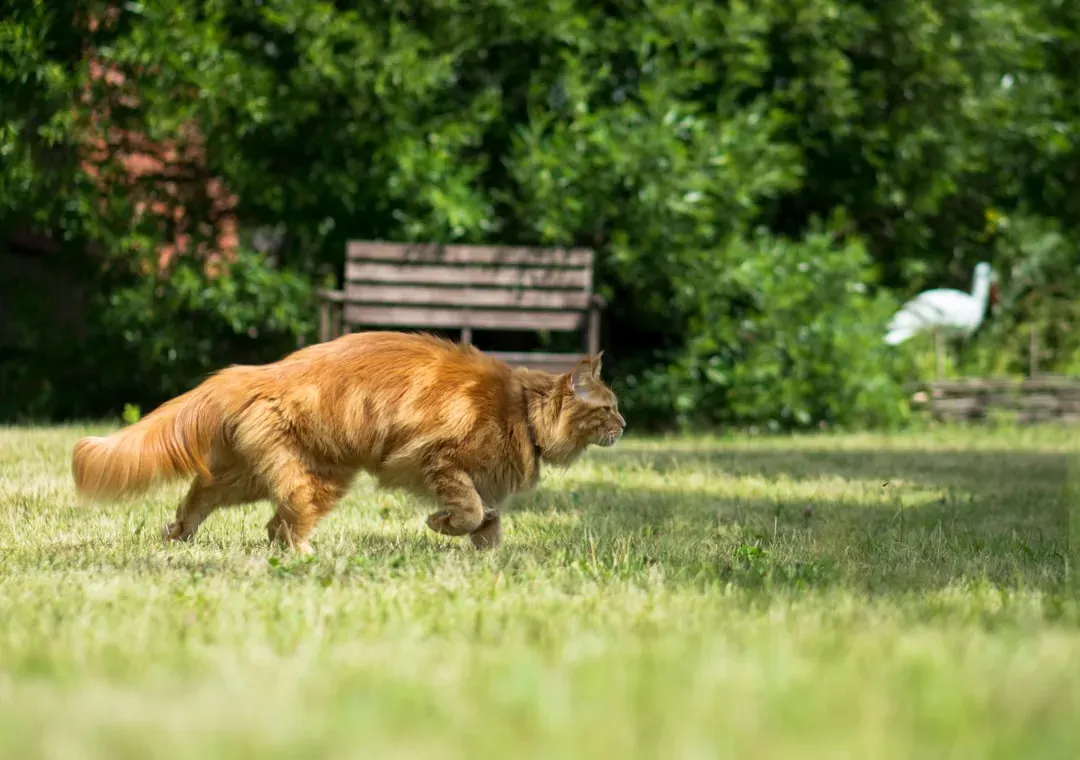
Cats often store up energy during long daytime rests. When that reserve releases all at once, the result is a frantic dash that can last several minutes. The timing at three in the morning aligns with their natural activity peaks rather than any deliberate choice to disrupt sleep.
These episodes frequently follow periods of stillness. A cat might lounge for hours and then explode into motion as if chasing invisible prey. The pattern repeats because it matches the way their bodies regulate activity and rest cycles throughout the day.
How Natural Rhythms Shape Nighttime Activity
Domestic cats retain instincts from their wild relatives who hunted at dawn and dusk. This crepuscular tendency means energy levels rise when the world grows quiet. Three AM simply falls into one of those windows when the body signals it is time to move.
Light changes and household quiet play a part too. Without daytime distractions, the cat notices subtle sounds or movements that spark a chase response. The zoomies serve as an outlet for that built in alertness rather than a sign of distress.
Daily Routines That Fuel the Midnight Sprints
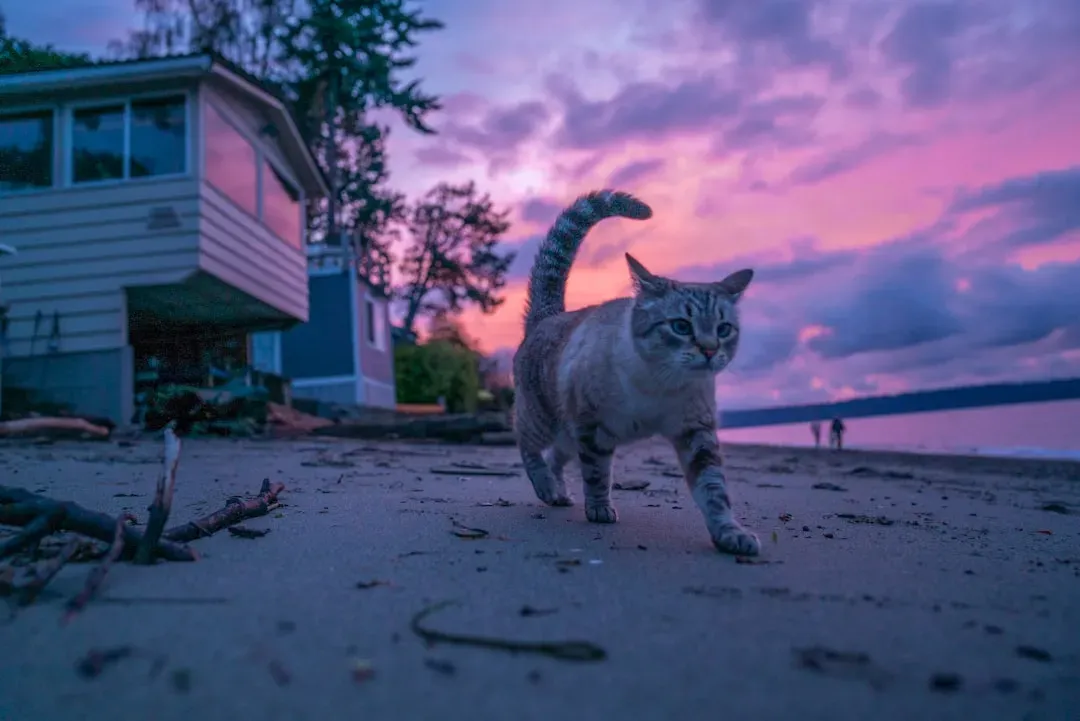
Many cats nap extensively while their people are at work or busy elsewhere. Those extended rest periods leave plenty of unused energy by evening. When the home settles down, the cat finally has space to release what accumulated earlier.
Feeding schedules can influence the timing as well. A meal several hours before bedtime provides fuel that the body processes during sleep hours. The combination of rest and available calories often leads to the sudden need for physical release around the same time each night.
Instincts Carried Over From Wild Ancestors
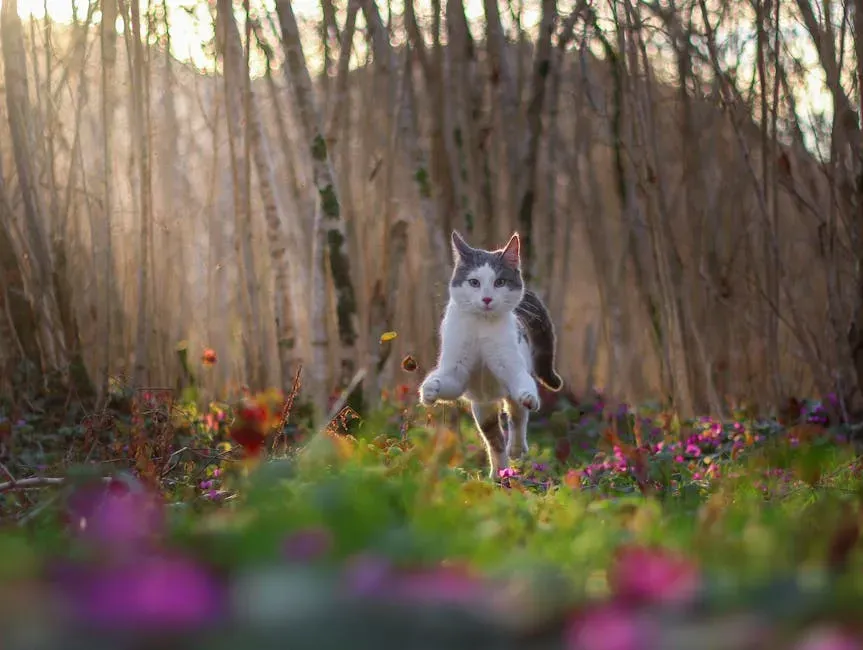
Zoomies echo the hunting sequences cats would perform in the wild. Short intense bursts allow them to practice stalking, chasing, and pouncing even when no real target exists. The behavior keeps muscles and reflexes sharp without requiring actual prey.
Indoor life removes many natural outlets for these drives. Without trees to climb or rodents to pursue, the cat redirects the energy into whatever space is available. The three AM timing simply reflects when the environment feels safest for such practice sessions.
The Role of Diet and Exercise in Timing
High carbohydrate meals or treats late in the day can contribute to restless periods later. The body converts that energy into movement once digestion settles. Owners who notice consistent patterns often trace them back to what and when the cat last ate.
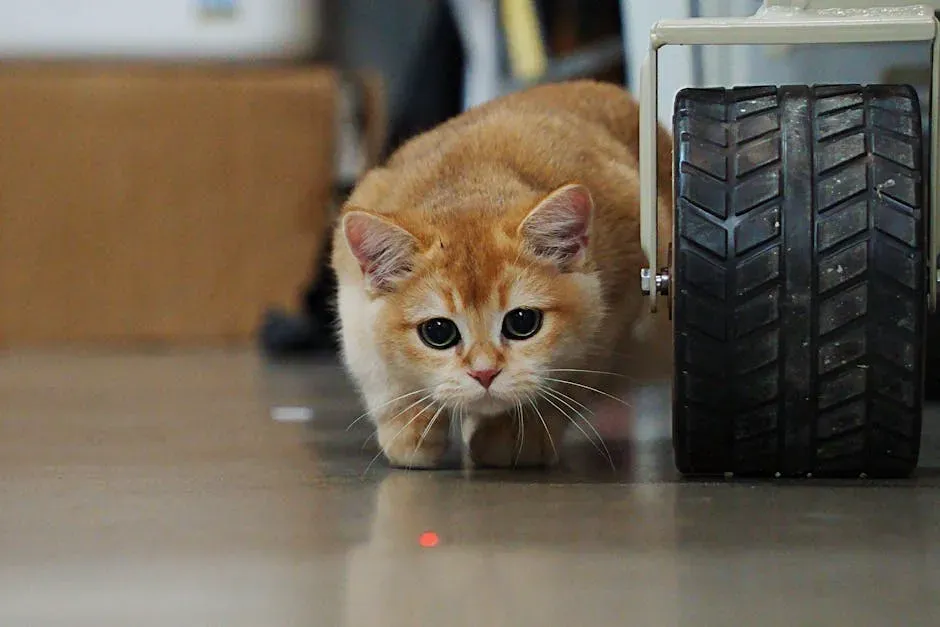
Play sessions during the evening help drain excess energy before bedtime. A focused game with a wand toy or laser pointer mimics hunting and tires the cat in a controlled way. Without that outlet, the stored drive finds its own release at inconvenient hours.
Signs That Point to Normal Behavior Versus Concern
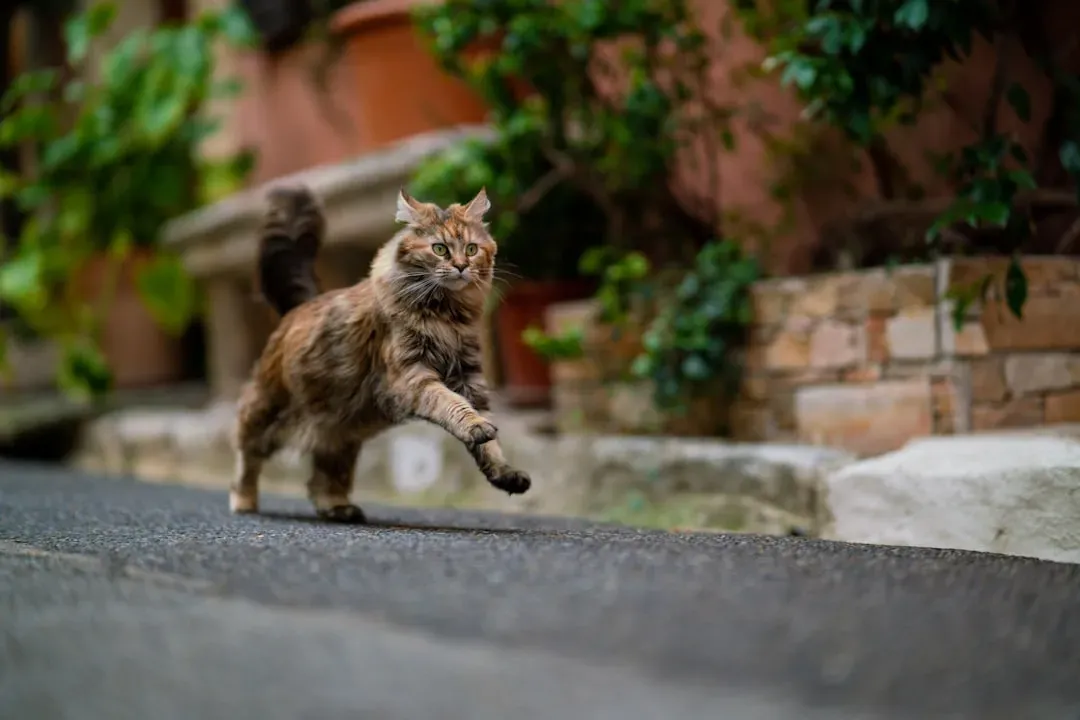
Occasional zoomies represent a healthy expression of energy and curiosity. The cat remains alert afterward and returns to normal routines without issue. Most cases require no intervention beyond understanding the underlying rhythm.
Persistent or frantic episodes paired with other changes deserve attention. Weight fluctuations, appetite shifts, or signs of discomfort can indicate something else at work. Routine veterinary checks help separate typical behavior from any underlying health factors.
Practical Steps to Ease the Nighttime Disruptions
Adjusting playtime to later evening hours often reduces the intensity of early morning bursts. Short interactive sessions before bed give the cat a chance to expend energy on its own terms. Consistent routines help the body anticipate when activity is welcome.
Creating vertical spaces and puzzle feeders during the day spreads out mental and physical stimulation. These additions prevent the full buildup that leads to concentrated releases at night. Small consistent changes tend to smooth the overall pattern without eliminating the behavior entirely.
Why These Moments Reveal More Than Just Playfulness
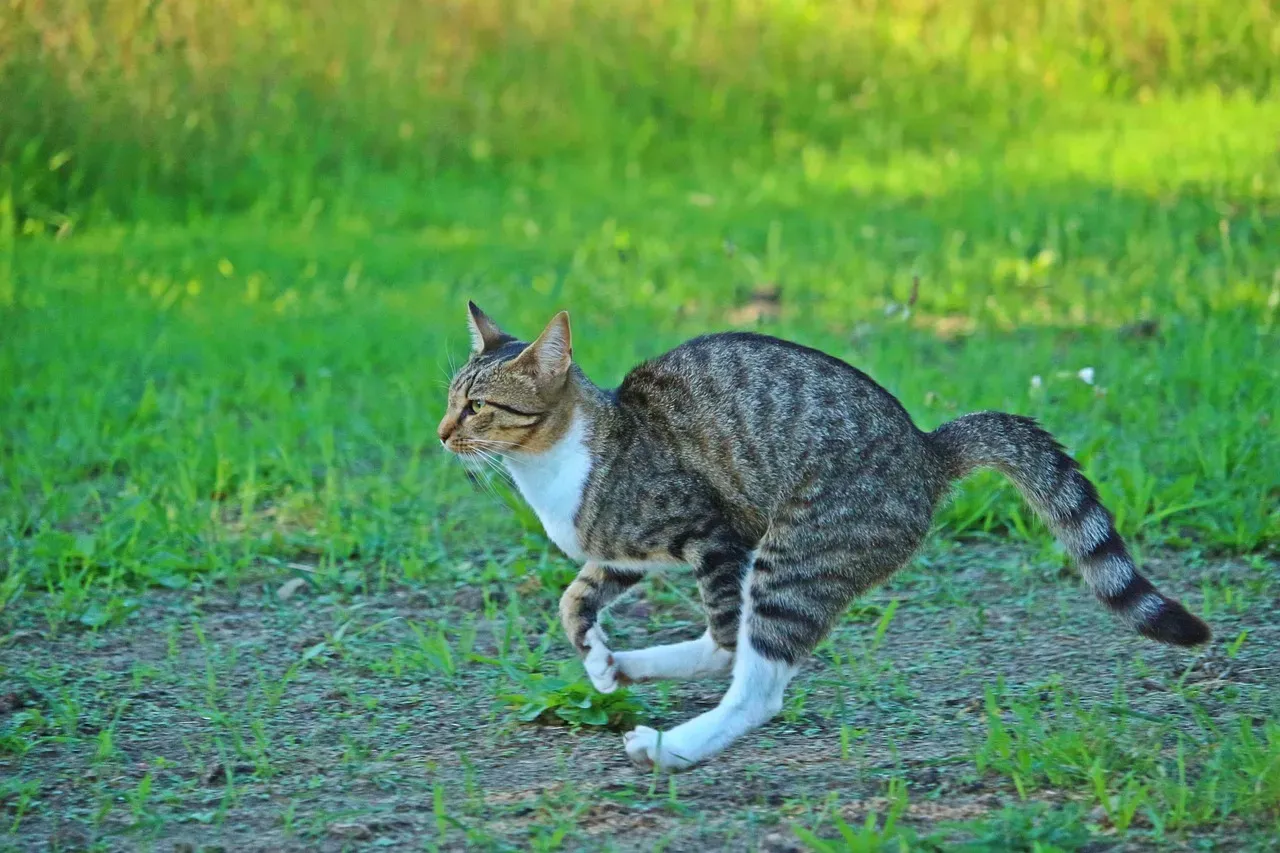
Zoomies highlight how cats balance rest and action in ways that differ from human schedules. The three AM timing feels disruptive only because it clashes with typical household rhythms. Accepting the pattern as normal allows owners to appreciate the cat’s natural drive rather than fight it.
Over time the episodes become less surprising and more predictable. They serve as reminders that cats operate on their own internal clocks shaped by evolution and daily life. The so called shocking truth turns out to be straightforward biology at work in a domestic setting.

- 14 Bizarre Hummingbird Behaviours in Your Garden That Mean Something Completely Different to What You Think - June 13, 2026
- 11 Strange Things Hummingbirds Do Every Summer That Experienced Gardeners Finally Understand - June 12, 2026
- 15 Weird Things Hummingbirds Actually Want From Your Garden – Most People Never Think to Try - June 12, 2026