
They Follow You From Room to Room
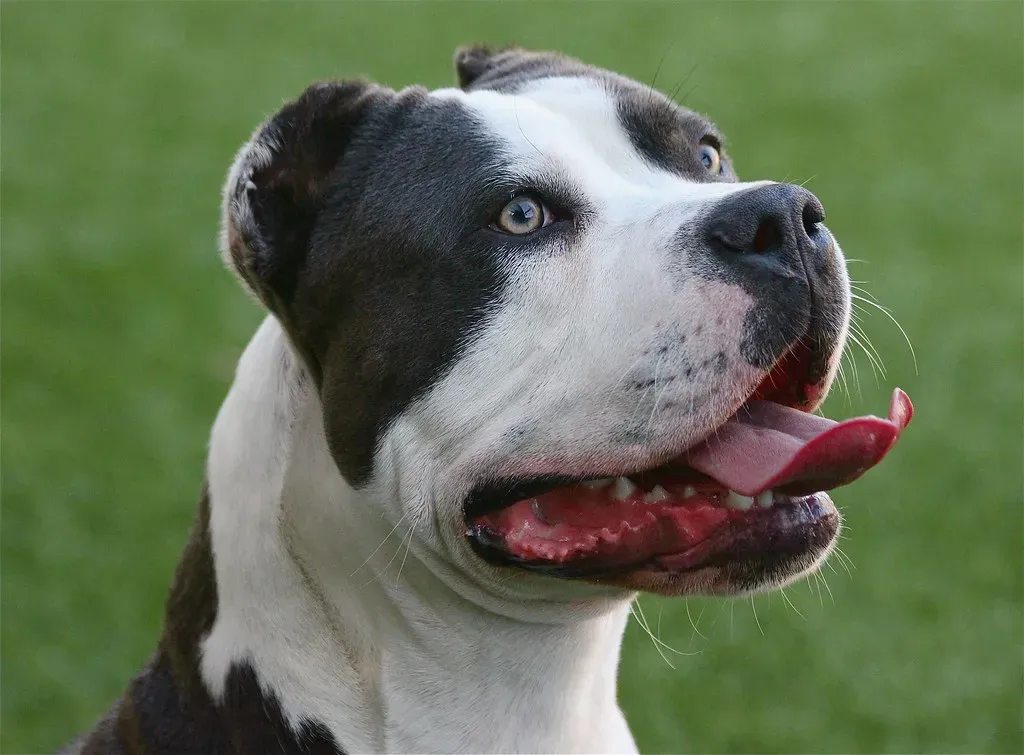
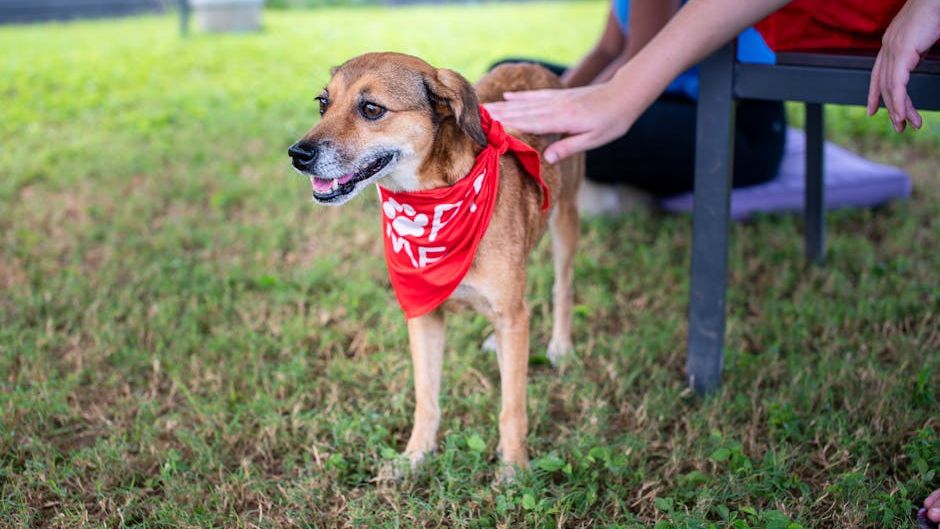
Rescued dogs that stick close by often do so because your presence signals safety after uncertain times. They trail you to the kitchen, the couch, or even the bathroom without making a fuss. This steady companionship reflects trust built over weeks or months of consistent care.
Unlike dogs who wander independently, these companions check in frequently with a quick glance or gentle nudge. The habit shows they value your nearness as a source of calm. Over time the pattern becomes part of daily life rather than a dramatic display.
Their Tail Wags With a Full Body Wiggle
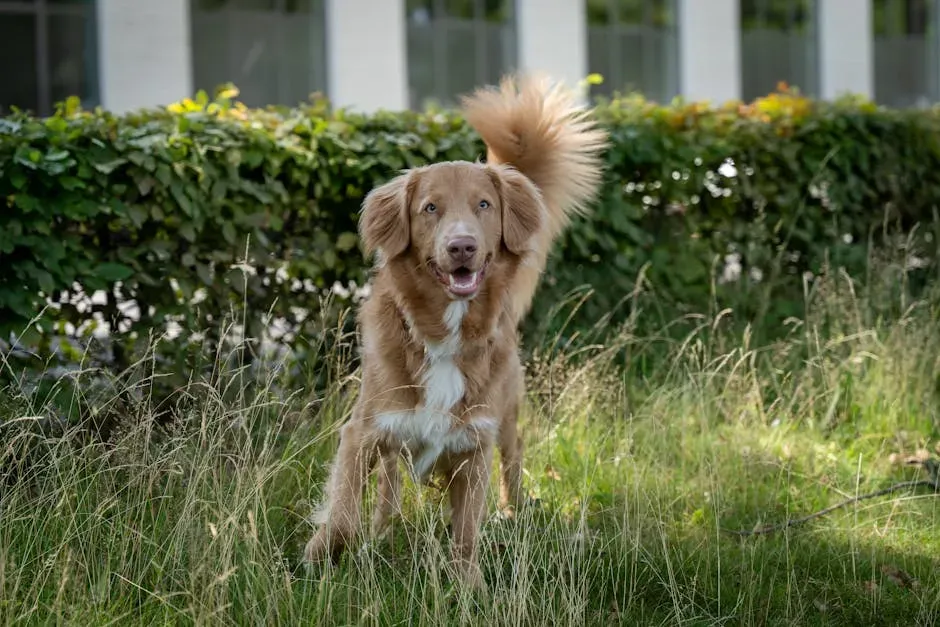
A rescued dog whose whole rear end moves with each wag communicates genuine excitement at your arrival. The movement starts low and rises into a loose, relaxed rhythm instead of stiff or cautious motions. This physical response tends to appear more often once the dog has learned your routines.
Observers note that the tail stays at a mid height rather than tucked or held high in alert. The accompanying loose posture and soft ears add to the picture of contentment. Such displays grow more frequent as the bond strengthens through shared meals and walks.
They Hold Soft Eye Contact With You
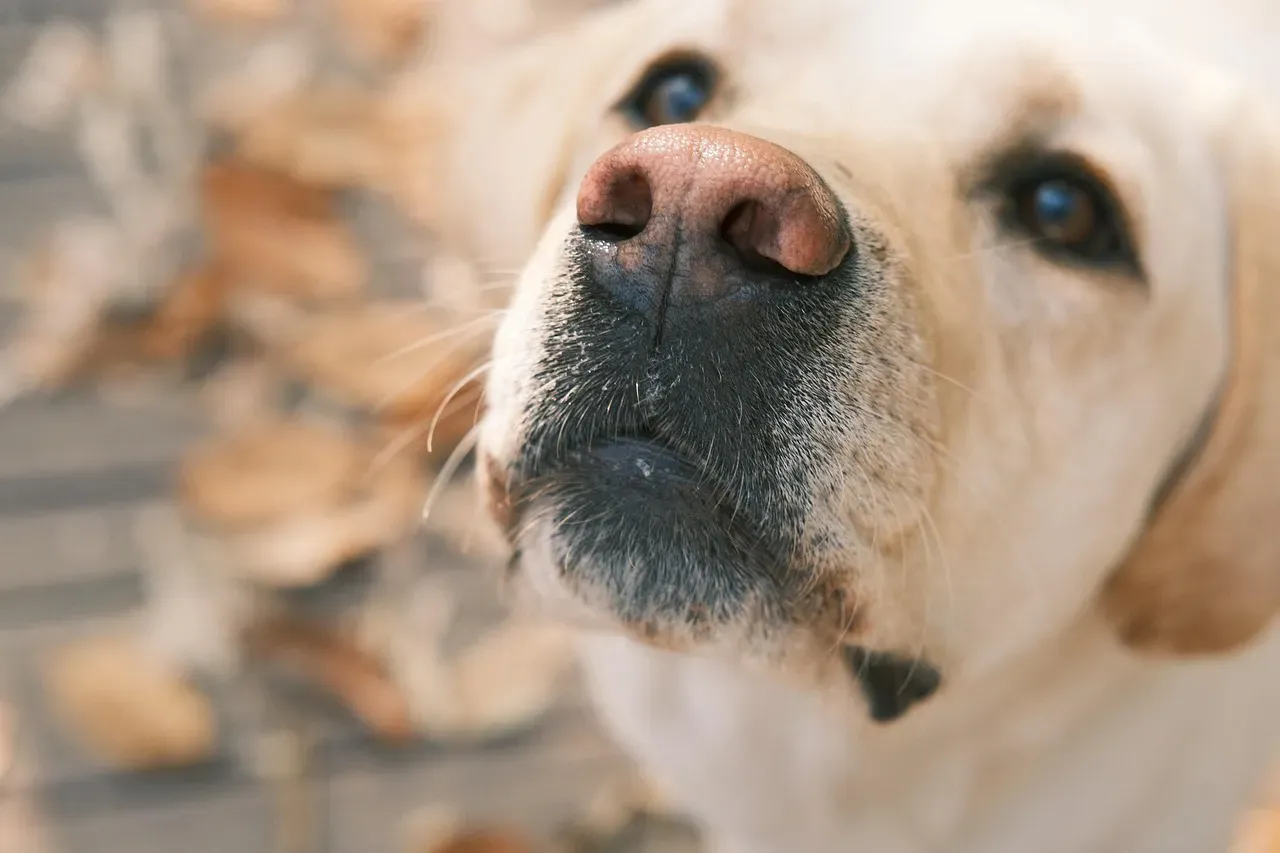
Many rescued dogs avoid direct stares early on because past experiences taught them to look away. When one begins to meet your eyes with a relaxed, half lidded expression it marks a clear step forward. The gaze lasts several seconds and often comes with a slow blink that researchers link to affection in canines.
Watching this shift can feel unexpectedly moving because it replaces wariness with quiet connection. The dog may sit nearby and simply look at you during quiet evenings or while you read. Over repeated instances the behavior becomes a reliable sign that the animal now associates you with comfort rather than threat.
They Bring You Toys or Small Objects
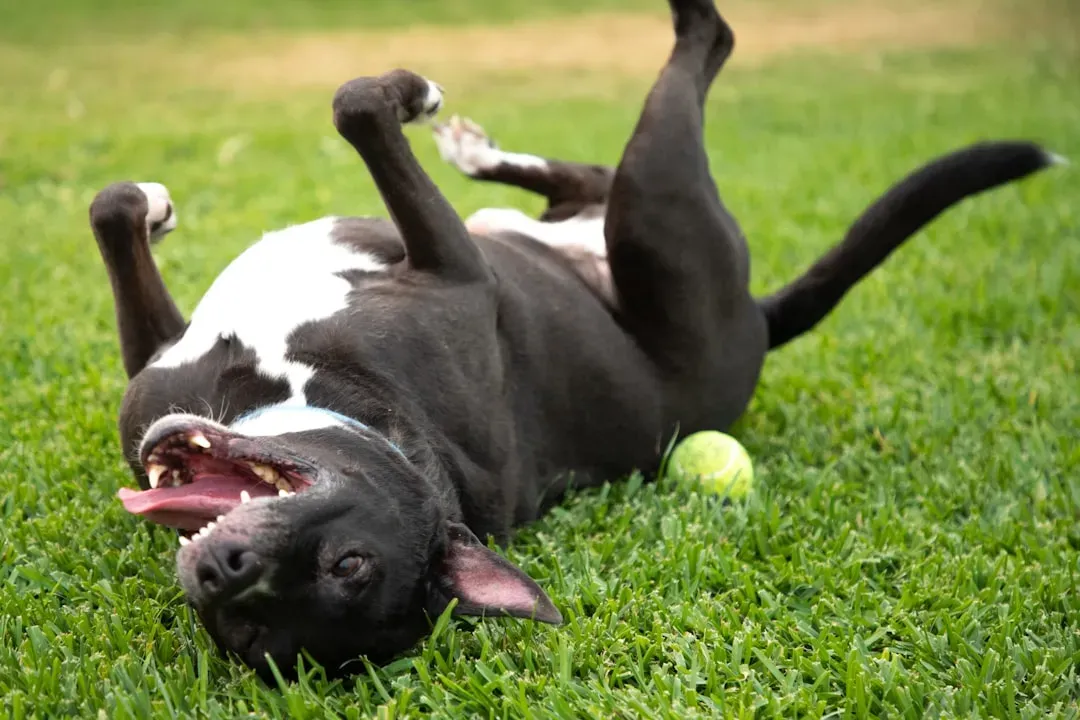
A rescued dog that drops a favorite ball or chewed rope at your feet extends an invitation to play. The gesture usually appears after the dog feels confident enough to share prized items instead of guarding them. Location matters too, as the offerings often happen in spaces where you spend the most time together.
Handlers report that the dog waits expectantly for a response rather than immediately retrieving the item again. The action repeats across different days and settings, showing it stems from positive association rather than random habit. Such sharing reflects growing security in the relationship.
They Choose to Sleep Near You

Rescued dogs that settle on the floor beside the bed or curl up on a nearby rug demonstrate preference for proximity during vulnerable rest periods. The choice of spot stays consistent night after night once routines feel predictable. Breathing slows noticeably and muscles relax fully in these locations.
Some dogs start at a distance and gradually move closer as weeks pass. The final position often aligns with your movements, such as shifting when you turn over. This nighttime closeness indicates the dog now views your presence as protective rather than unpredictable.
They Lean Into You During Petting Sessions
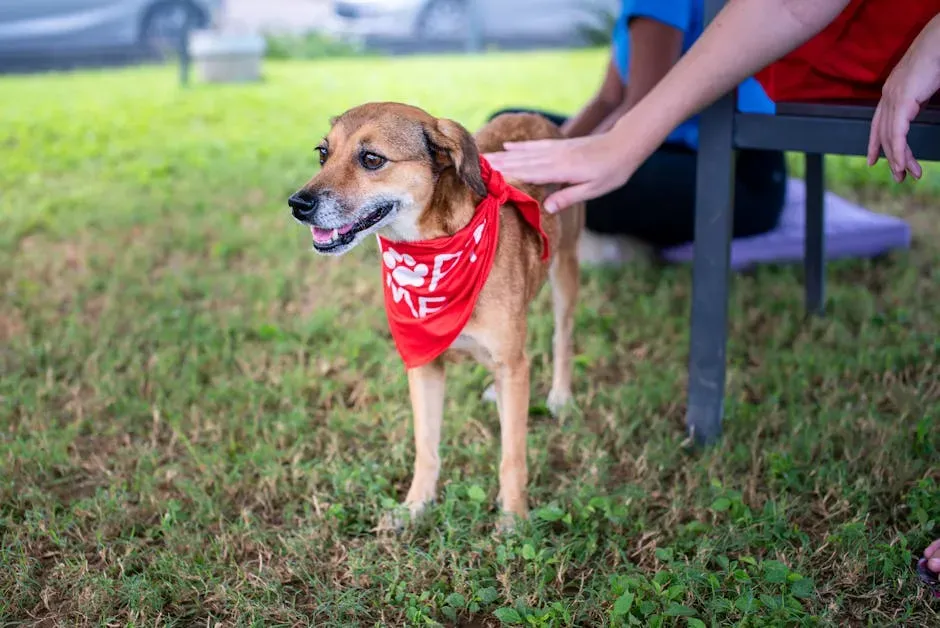
Pressure from a rescued dog that presses its side or shoulder against your leg while being stroked shows active enjoyment. The lean remains steady rather than fleeting and often pairs with a lowered head or closed eyes. Duration increases as the dog learns that touch from you stays gentle and welcome.
Handlers notice the behavior occurs even when no food or toys are involved, pointing to social reward. The dog may initiate contact by walking into the space beside you on the couch. Repetition across different times of day reinforces that the interaction feels rewarding on its own.
They Alert You to Household Sounds With Calm Body Language
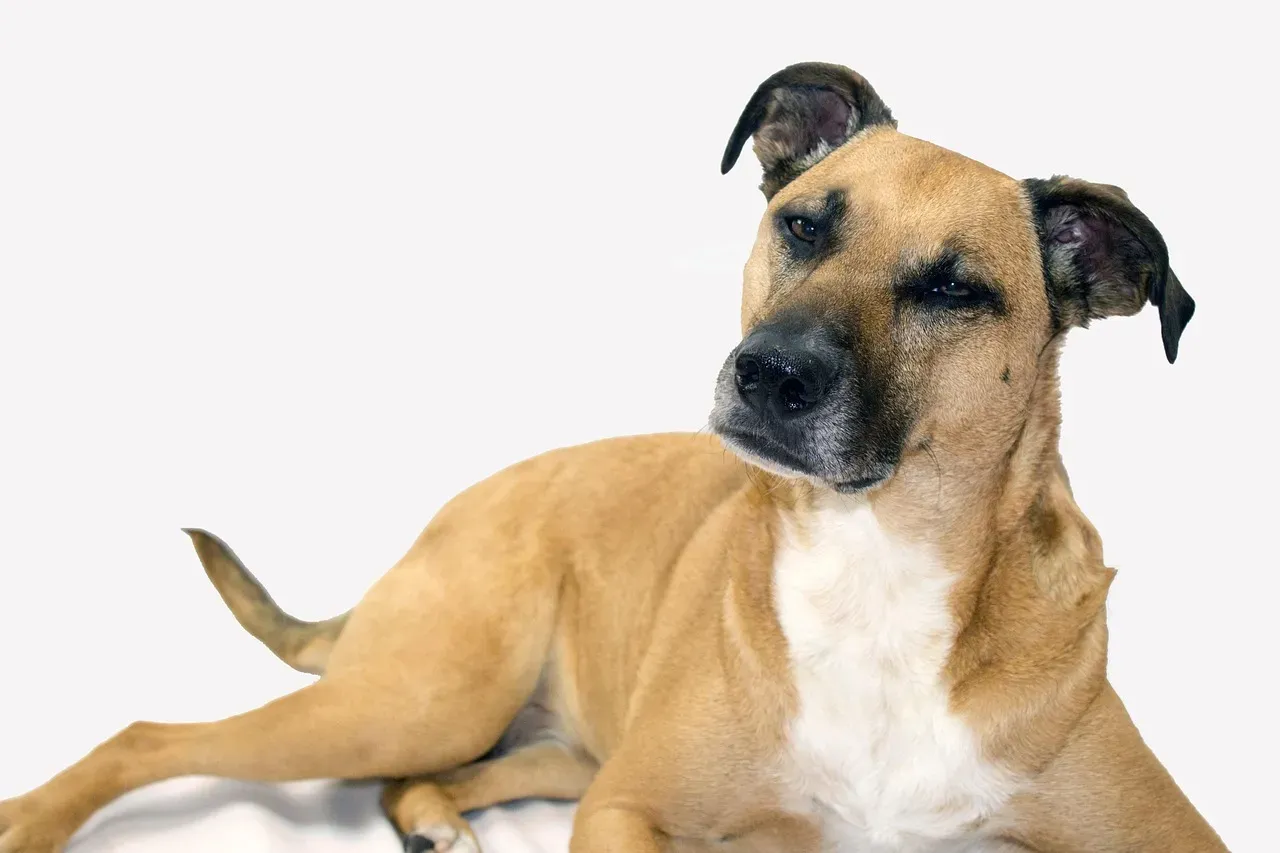
A rescued dog that pauses and orients toward a new noise before looking back at you for guidance shows reliance on your judgment. The posture stays loose with ears forward but no raised hackles or barking unless truly warranted. This measured response replaces earlier startle reactions once safety feels established.
The dog often returns to relaxed activities quickly after checking in with you. Such behavior appears more consistently in homes where daily patterns remain steady. It reflects an understanding that you handle unexpected events together rather than alone.
Adopting a rescue dog rarely delivers instant transformation, yet the gradual appearance of these quiet signals builds a lasting sense of mutual reliance. Each small change adds up to evidence that the animal now experiences security where uncertainty once lived. The real reward lies in noticing these shifts without forcing them, allowing the relationship to unfold at its own pace.