
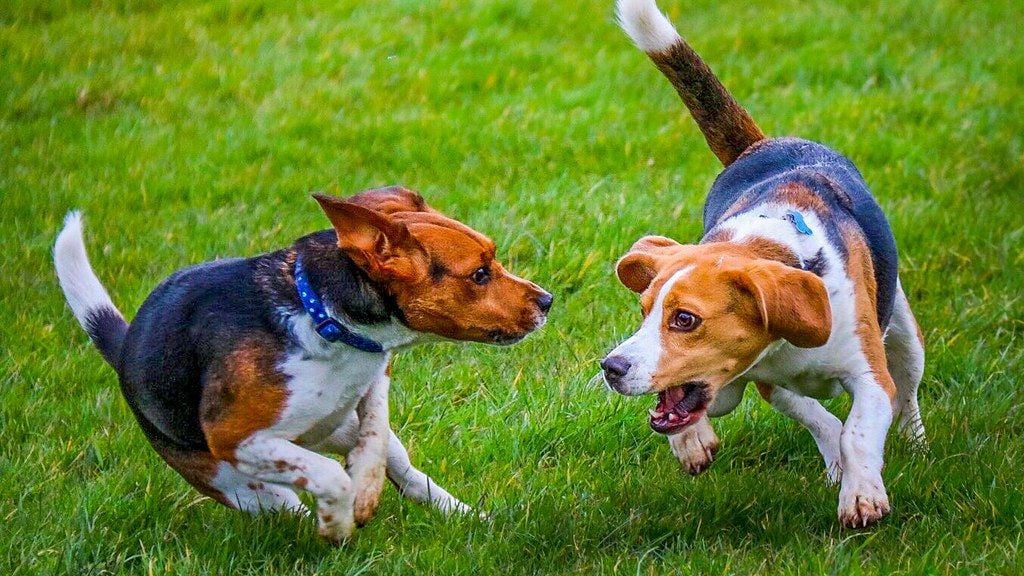
Dogs form attachments that run deeper than many people realize. When a companion or family member is gone, the surviving dog often shows clear signs of missing that presence. The length of that adjustment varies widely from one animal to the next. Some dogs bounce back within weeks. Others carry the change for months or longer, with a few appearing altered in small but lasting ways. Breed tendencies toward loyalty and routine can play a role in how noticeable the shift becomes.
Golden Retriever
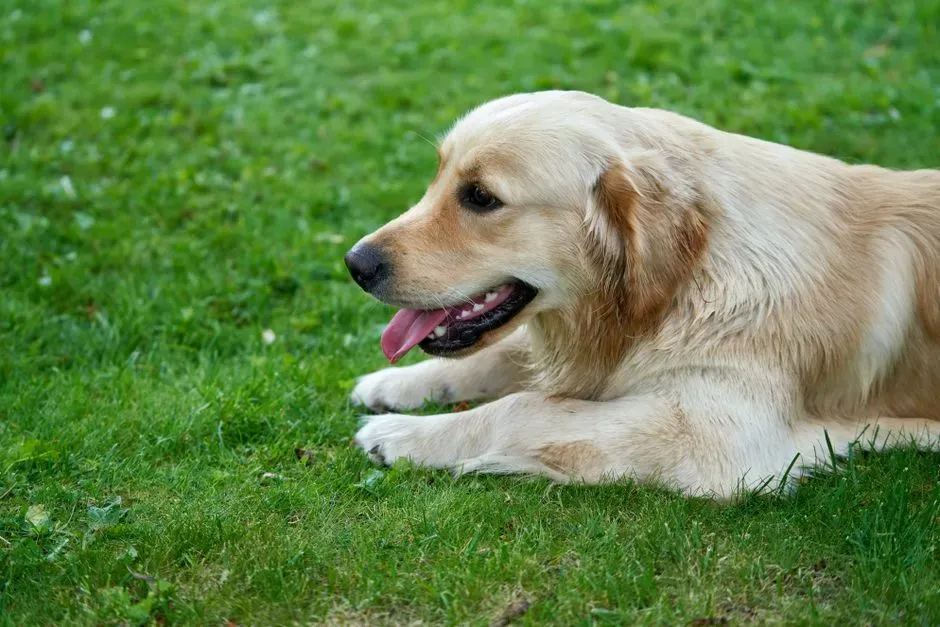
Golden Retrievers are known for their steady, affectionate nature and their habit of staying close to the people and animals they know best. When a household member disappears, many owners notice the dog lingering near favorite spots or showing less interest in play for an extended stretch. Their sociable temperament means the absence registers strongly, and the return to normal energy levels can unfold gradually over several months.
These dogs often thrive on predictable daily patterns, so a sudden gap in the routine leaves a noticeable mark. Handlers frequently describe a period of quiet withdrawal followed by a slow reengagement with toys or walks. The breed’s deep capacity for connection helps explain why the process sometimes stretches beyond the average timeline reported in general studies of canine loss.
Labrador Retriever
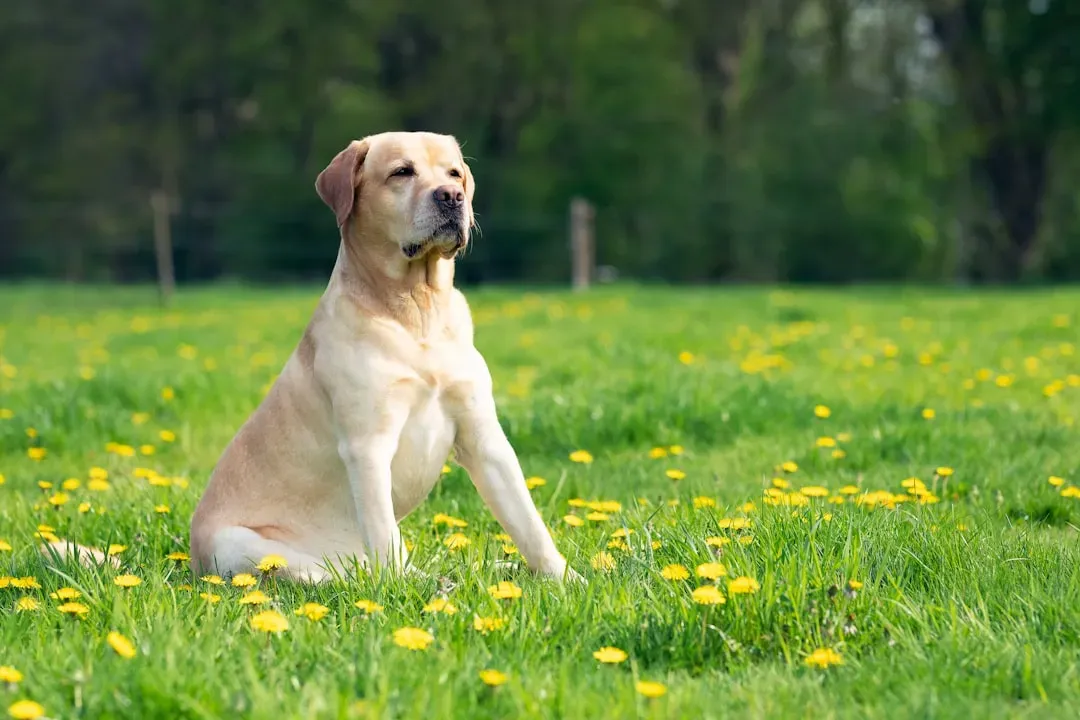
Labrador Retrievers bring an eager, people-focused energy to daily life and tend to form tight bonds with both humans and other pets. After a loss, some Labs show reduced appetite or spend more time resting in one place, behaviors that can persist while they readjust. Their working heritage gives them a strong sense of partnership, which makes the missing piece feel significant for quite a while.
Owners commonly report that Labs continue to check familiar doorways or beds long after the initial weeks have passed. The breed’s generally optimistic outlook eventually helps most individuals move forward, yet the transition is rarely instantaneous. Individual personality and the strength of the prior relationship shape how long the quieter phase lasts.
German Shepherd
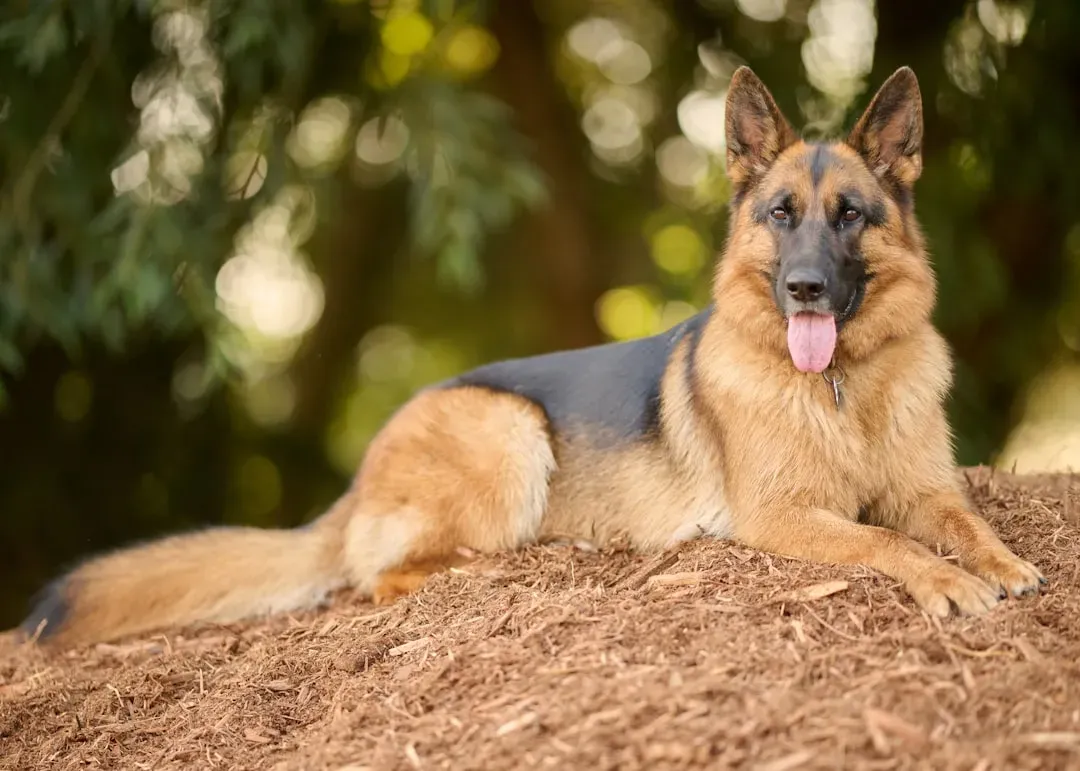
German Shepherds are protective and attentive by nature, qualities that often translate into intense loyalty within the home. When a companion is no longer there, these dogs may become more vigilant or display subtle changes in sleep and activity patterns. Their intelligence allows them to notice small shifts in the household, which can prolong the period of observation and adjustment.
Many Shepherds maintain a watchful presence near the places their lost friend once occupied. The breed’s working drive means they benefit from continued structure and gentle encouragement during this time. While most eventually settle into a new rhythm, the depth of their attachment can make the process feel drawn out compared with less bonded dogs.
Beagle
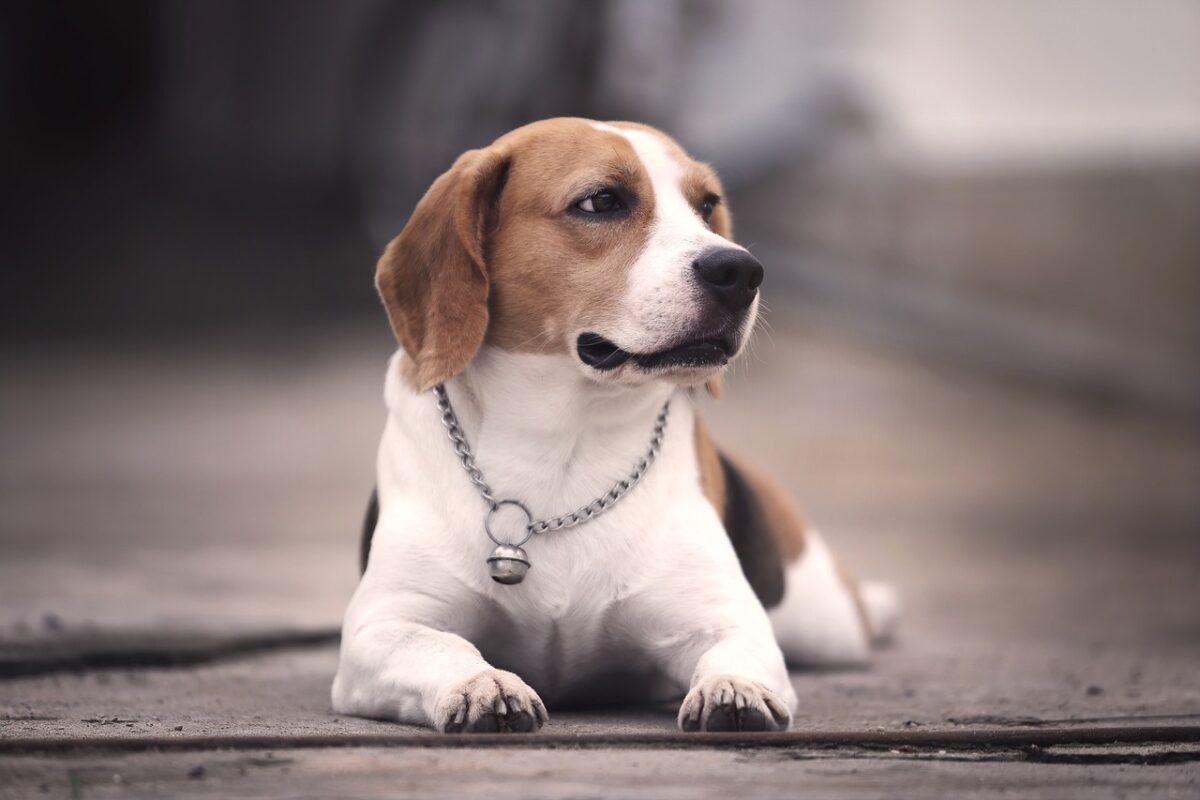
Beagles live by their noses and their pack instincts, making them highly attuned to the presence of other animals in the home. A missing pack member can lead to increased vocalization or a search for familiar scents that no longer appear. Their curious, food-motivated personality sometimes masks the underlying change, yet owners still observe a slower return to full enthusiasm.
These hounds often spend extra time investigating corners or beds associated with the lost companion. The breed’s social wiring means the absence registers as a disruption worth monitoring for an extended period. Gradual reintroduction to normal activities usually helps, though the timeline remains personal to each dog.
Border Collie
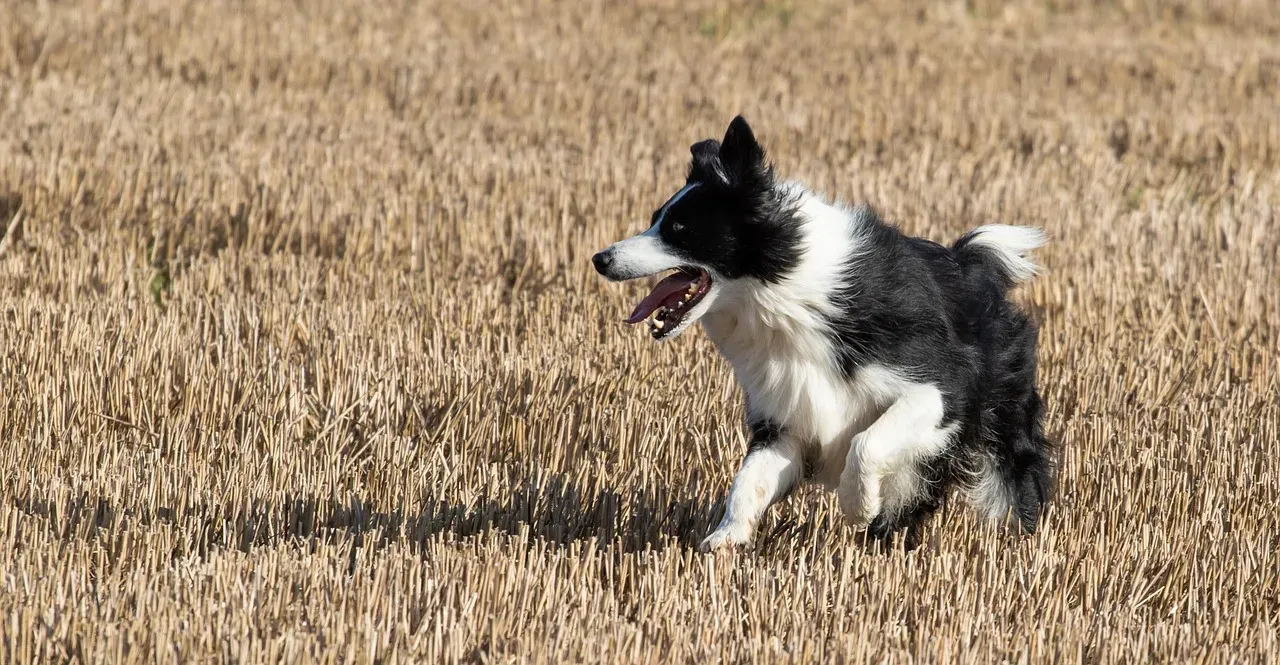
Border Collies possess remarkable focus and a strong need for mental engagement, which extends to their relationships. After a loss, some become less interested in herding games or training sessions while they process the change. Their high sensitivity to routine makes any alteration in the household feel pronounced and worth extended attention.
Handlers note that these dogs may shadow remaining family members more closely or show hesitation during previously enjoyed outings. The breed’s intelligence supports eventual adaptation, yet the initial period of reduced drive can last longer than expected. Consistent, calm interaction tends to support a steady recovery.
Poodle
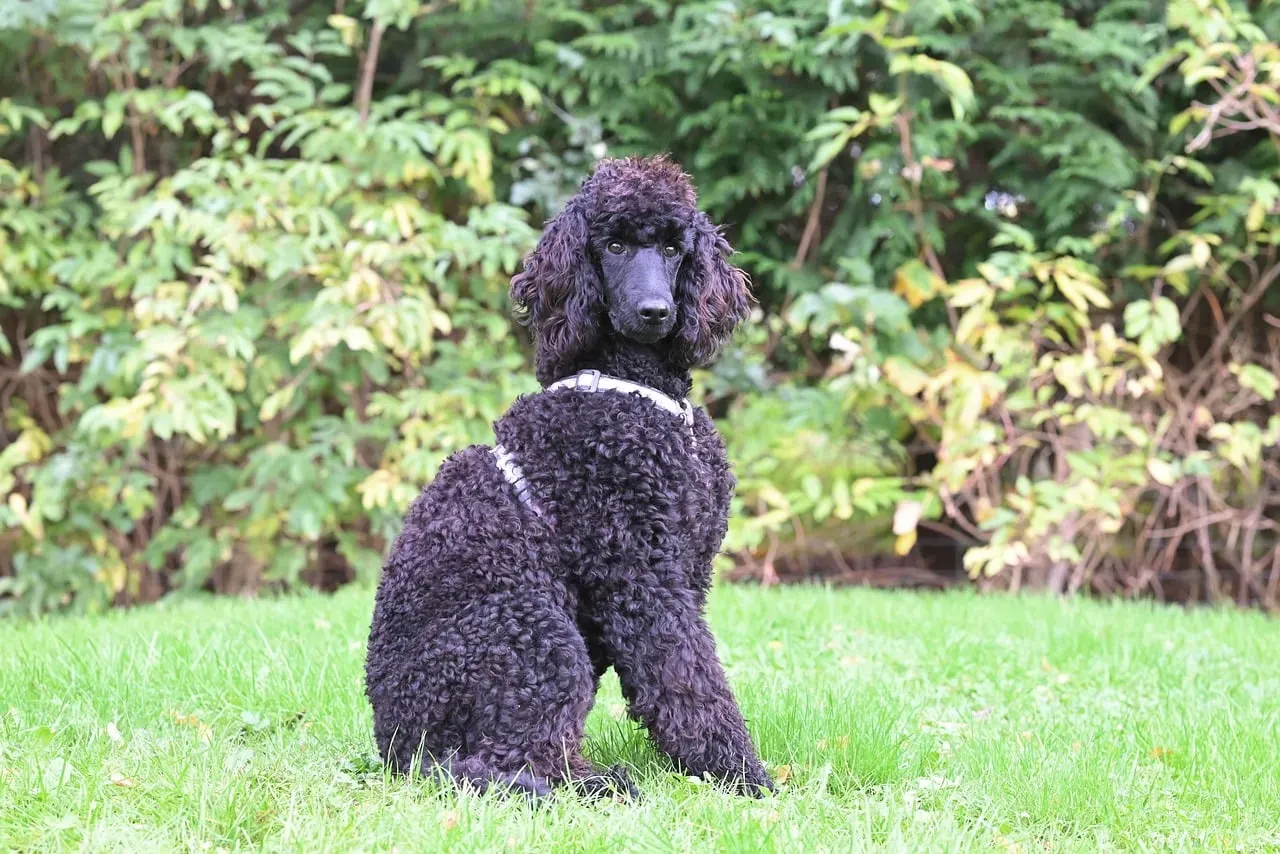
Poodles combine intelligence with a close attachment to their people and household companions. When someone is gone, many display quieter behavior or seek extra reassurance through physical closeness. Their alert nature means they register absences quickly and may take additional time to reestablish a sense of security.
Owners often see Poodles lingering near familiar items or showing a temporary dip in their usual playfulness. The breed’s adaptability ultimately aids most individuals in moving ahead, but the emotional bond can stretch the adjustment phase. Gentle routines and familiar comforts help ease the transition.
Bulldog
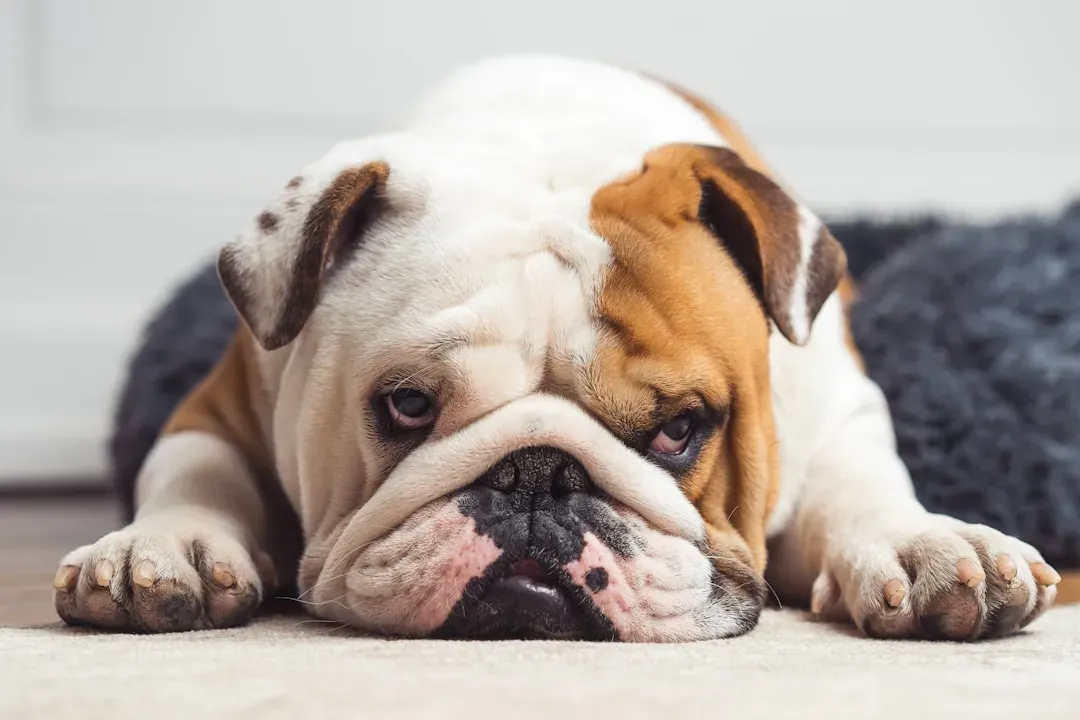
Bulldogs form steady, low-key attachments that run deep despite their laid-back appearance. After a loss, some become even more sedentary or show less interest in short walks and favorite resting spots. Their calm demeanor can make the change less obvious at first, yet the underlying shift in comfort level often lingers.
These dogs frequently continue to check the places their companion once occupied, even months later. The breed’s loyal streak means the household feels incomplete for a noticeable stretch. Most Bulldogs gradually resume normal habits with patient support, though a few retain a quieter presence long term.
Yorkshire Terrier
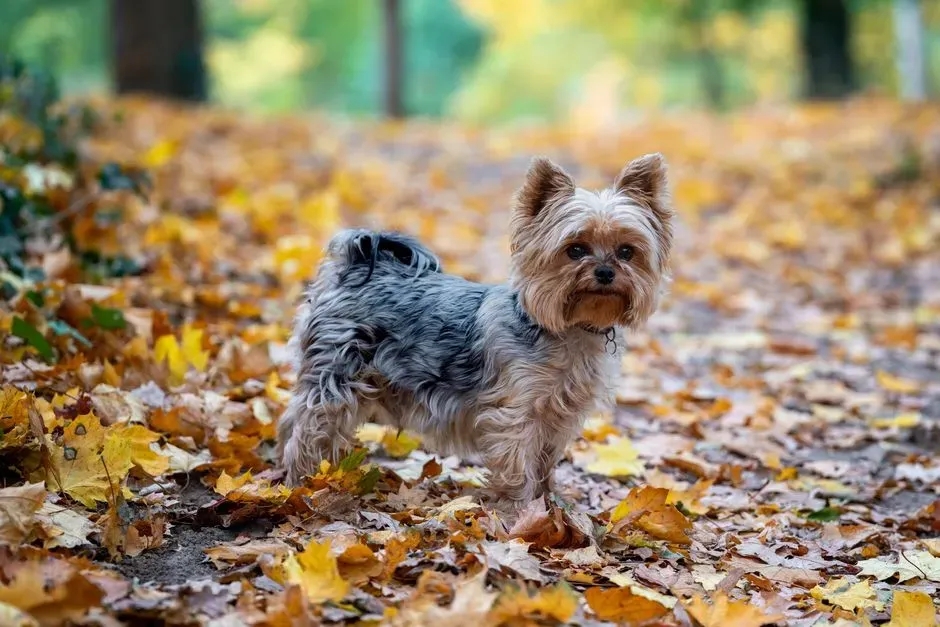
Yorkshire Terriers pack a big personality into a small frame and often bond intensely with their immediate circle. A missing companion can lead to increased following of remaining family members or a temporary drop in their usual spunk. Their alert, terrier energy makes the absence register as a clear change worth extended notice.
Owners report that Yorkies may spend more time in laps or near beds associated with the lost friend. The breed’s size and sensitivity mean they benefit from extra reassurance during the readjustment. While most return to their lively selves, the process can unfold more slowly than with less attached dogs. A dog’s grief is shaped far more by the quality of the bond than by any single breed trait. Still, the eight breeds above frequently appear in owner accounts of longer adjustment periods, likely because of their well-documented tendencies toward loyalty and routine. Every dog remains an individual, and supportive care makes the greatest difference in how the process unfolds. Some animals carry a quieter version of themselves forward, a quiet reminder that love leaves a lasting imprint even after the visible signs fade.
