
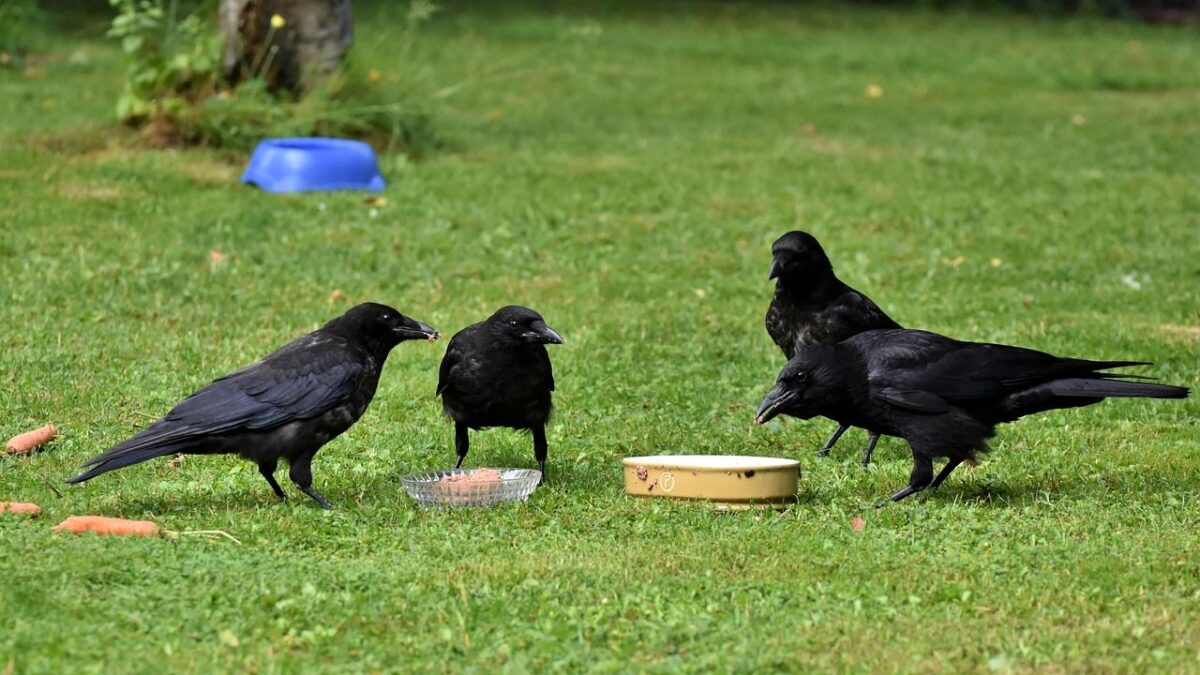
Picture this. You step outside early one morning and notice a dozen or more crows perched along your fence line and in the trees overhead. Their calls fill the air as the sun rises, and the whole scene feels deliberate rather than random.
Wildlife biologists have studied these gatherings for years. The behavior often ties into the birds daily routines and social needs rather than any single dramatic event.
The Dawn Departure from Communal Roosts
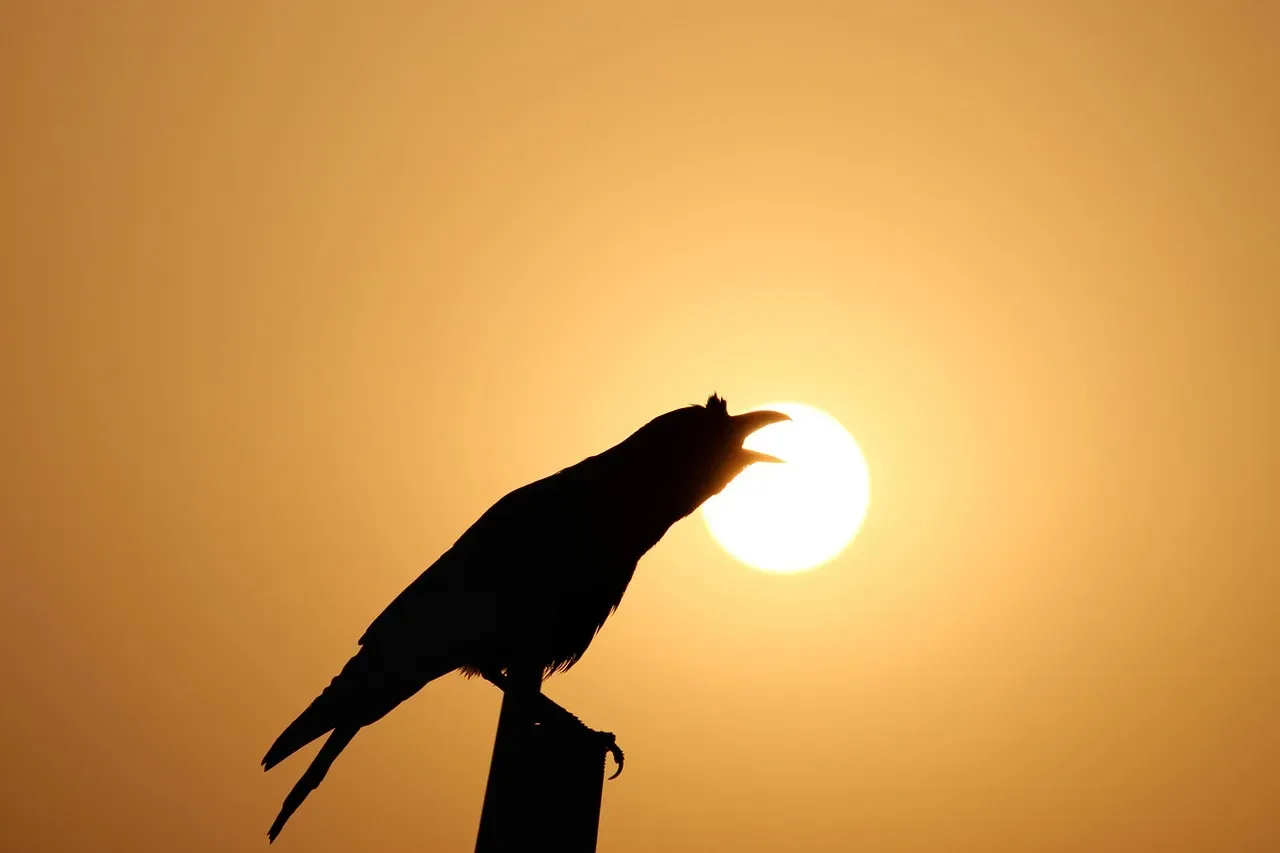
Crows typically spend nights in large communal roosts that can number in the hundreds or even thousands. At first light they begin to break away in smaller groups to head toward feeding areas. Your yard might sit along one of those regular flight paths or offer a convenient stopping point.
Biologists note that this dispersal helps the birds spread out efficiently across the landscape. The timing aligns closely with sunrise because visibility improves and insect activity picks up. It is a practical rhythm shaped by energy conservation and safety.
Social Bonds and Family Groups
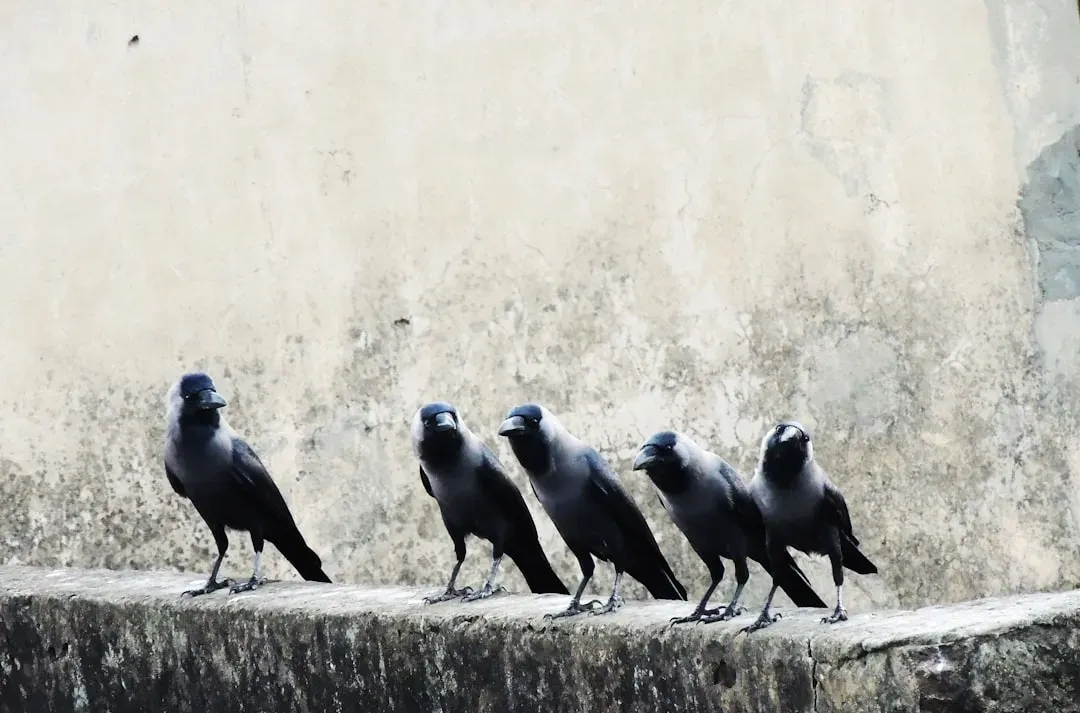
Many of the crows you see belong to extended family units that stay together year round. These groups use the early morning hours to reinforce connections through calls and shared perches. Young birds learn from older ones during these relaxed moments before the day becomes busier.
Researchers have observed that such interactions strengthen cooperation later when the group faces challenges like finding food or avoiding threats. The yard provides a neutral space where different families can mingle without immediate competition. This social layer adds depth to what might otherwise look like simple flocking.
Scouting for Food Opportunities
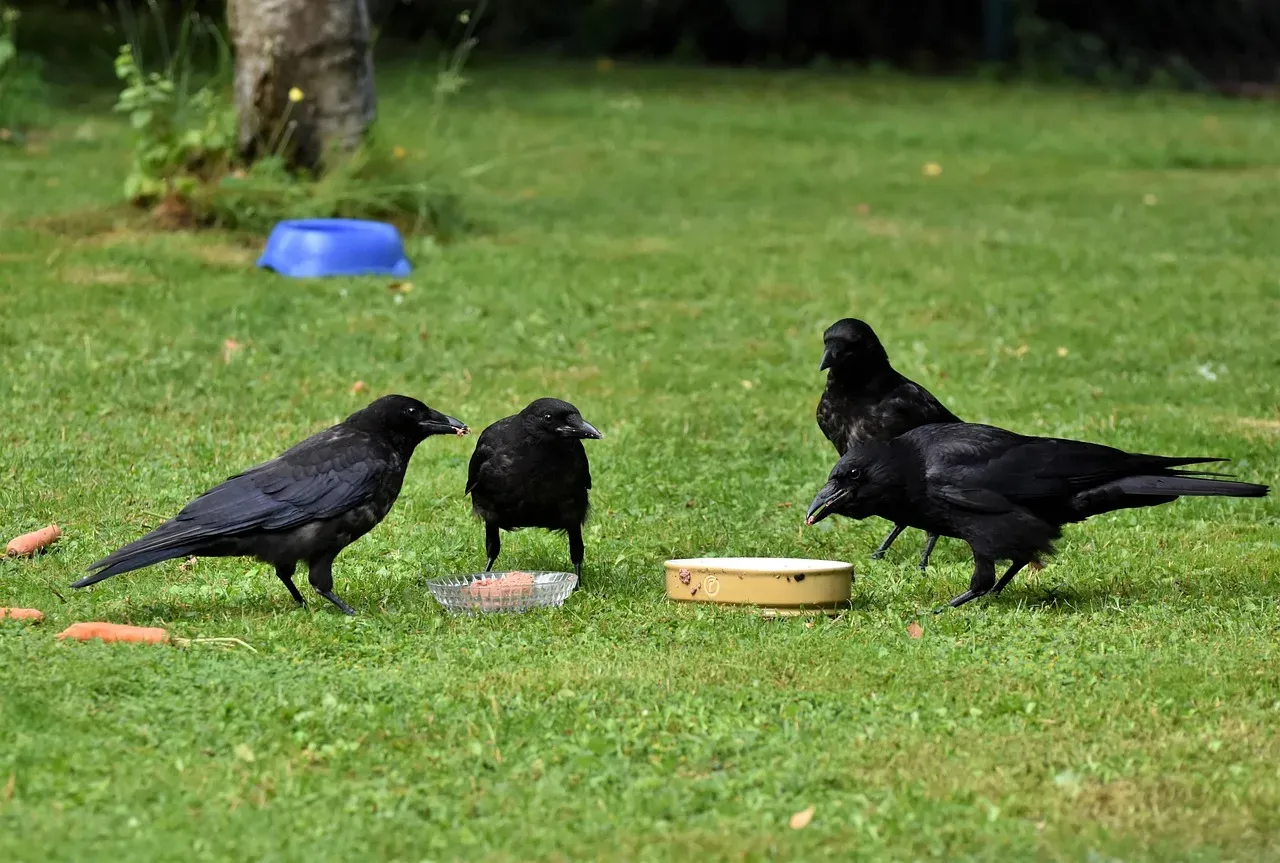
Crows are opportunistic feeders that check reliable spots each morning. Lawns and gardens often hold insects, seeds, or overlooked scraps from the previous day. A gathering can signal that several birds have found something worth investigating together.
Biologists point out that crows remember productive locations and return to them regularly. Your yard might offer easy access to earthworms after rain or berries still clinging to shrubs. The group presence increases the chance of spotting and claiming resources before other animals arrive.
Responding to Environmental Cues
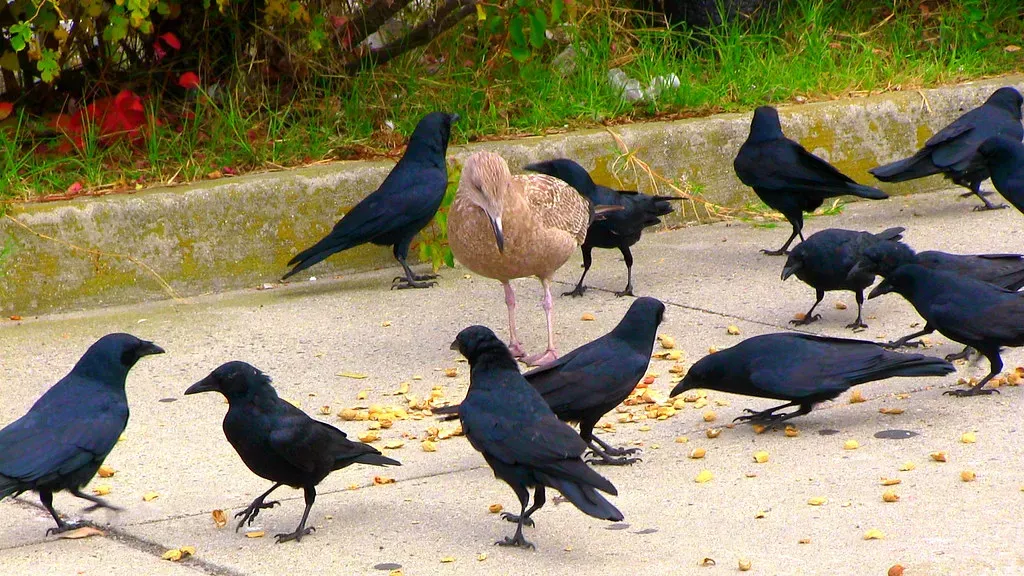
Changes in weather, light, or even distant sounds can prompt crows to cluster at dawn. Cooler mornings sometimes delay their movement while they wait for warmer air currents. Nearby construction or unusual activity might also draw them in as they assess the situation.
Studies show these birds possess sharp senses that help them read subtle shifts in their surroundings. A yard with open sight lines and a few tall trees becomes an ideal vantage point. The gathering reflects their constant monitoring rather than any fixed schedule.
Safety Through Numbers
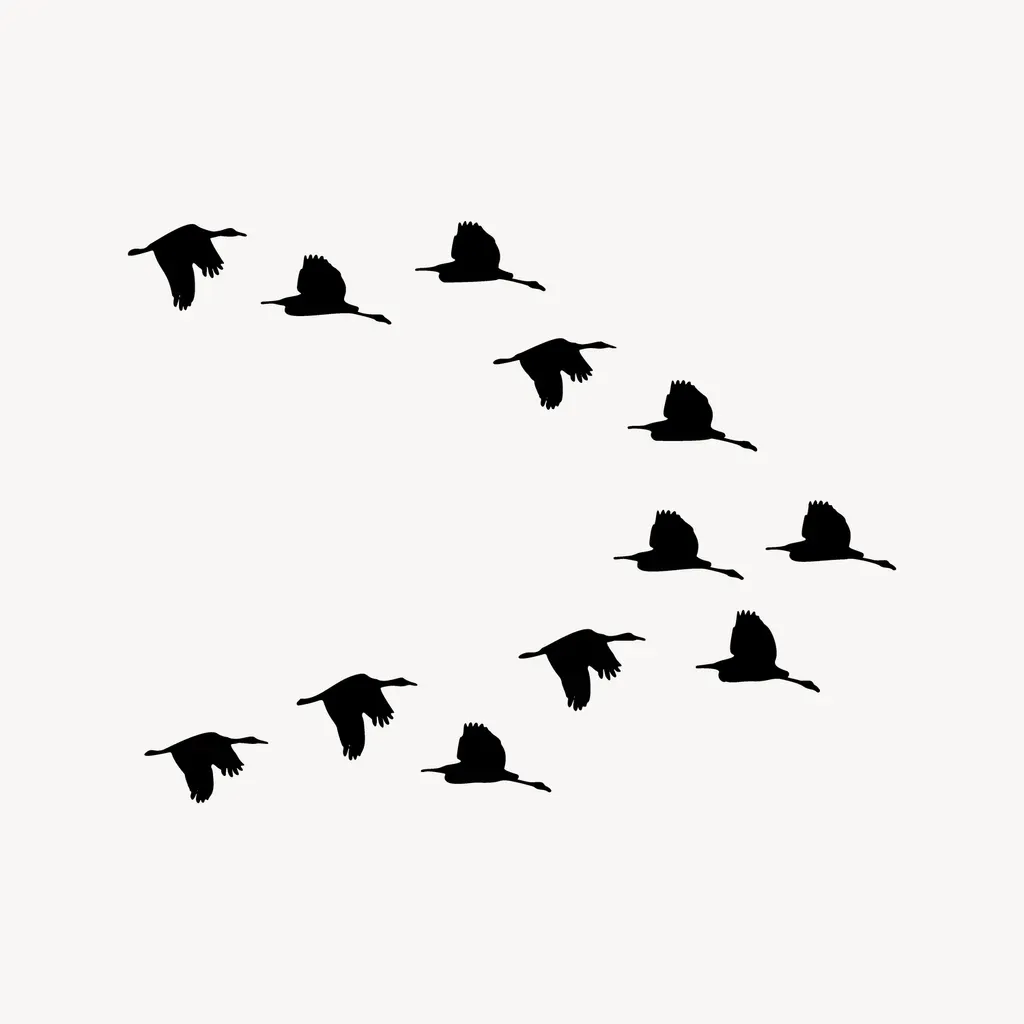
Traveling and pausing in groups offers protection against predators such as hawks or owls that remain active at twilight. More eyes mean faster detection of danger and a stronger collective response. Your yard may simply serve as a temporary safe harbor during this vulnerable transition time.
Wildlife experts emphasize that this strategy has evolved over generations. Even in suburban settings the principle holds. The birds balance the need to forage with the instinct to stay vigilant.
Seasonal Variations in Behavior
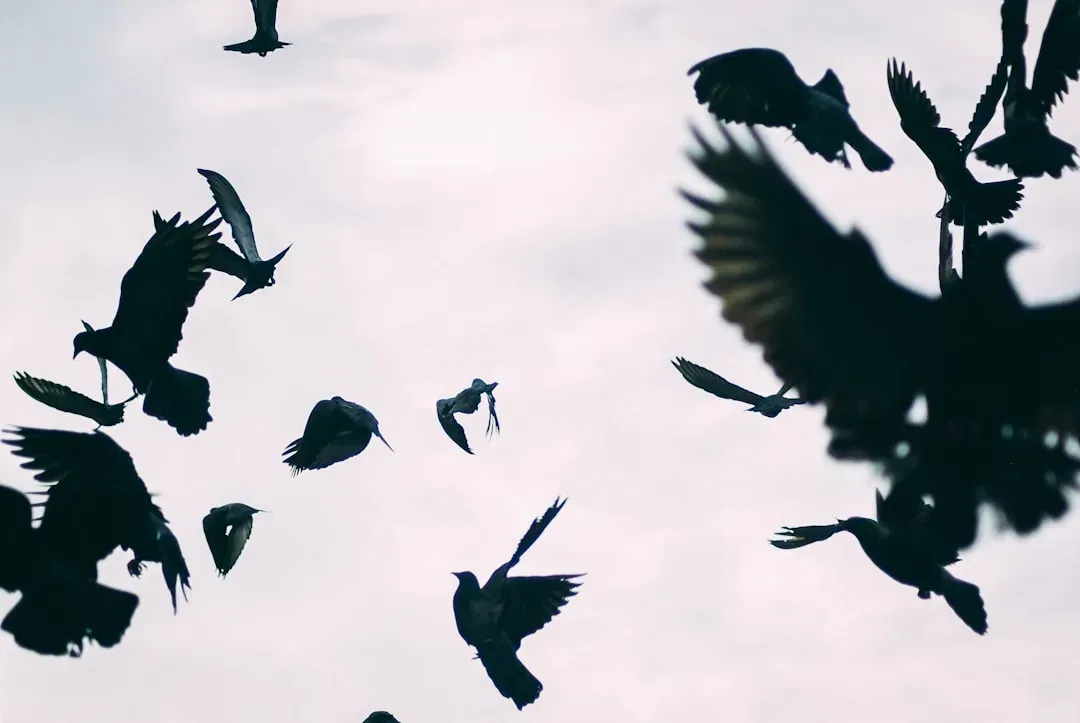
During breeding season the gatherings tend to be smaller and more focused on nesting territories. In fall and winter larger numbers often appear as family groups merge for warmth and shared information about food sources. Dawn meetings can shift in size depending on these cycles.
Biologists track how daylight length and temperature influence movement patterns. A sudden increase in your yard might coincide with migration stopovers or local food shortages elsewhere. These fluctuations keep the behavior dynamic rather than predictable.
Implications for Your Local Ecosystem

Crows play a role in controlling insect populations and dispersing seeds across neighborhoods. Their presence at dawn can indicate a balanced environment where both predators and prey coexist. Yards that attract them often support a wider range of wildlife overall.
Observers sometimes notice that regular gatherings coincide with healthy soil and plant diversity. The birds contribute to natural processes even as they go about their routines. Paying attention to these patterns offers a quiet window into the neighborhood ecology.
In the end, a dawn gathering of crows usually points to ordinary yet remarkable adaptations that help the species thrive. It reminds us that even familiar birds carry layers of strategy shaped by millions of years of evolution. Watching them can turn an ordinary morning into a small lesson in resilience and connection.

- What Your Dog Is Really Trying to Tell You: A Complete Guide to Understanding, Caring For, and Deeply Connecting With Your Dog - July 21, 2026
- 12 Common US Birds You Never Knew Were Migrating Right Through Your Backyard - July 21, 2026
- 12 Amazing Dog Breeds Known for Their Unwavering Loyalty to Their Owners - July 21, 2026