
You spot one high up on a branch, body rigid and eyes locked on yours. The moment feels oddly personal, as if the animal has singled you out for some reason only it understands.
That stare often lasts just long enough to make you wonder what is really going through its mind before it darts away or resumes its business.
Why the Sudden Stillness
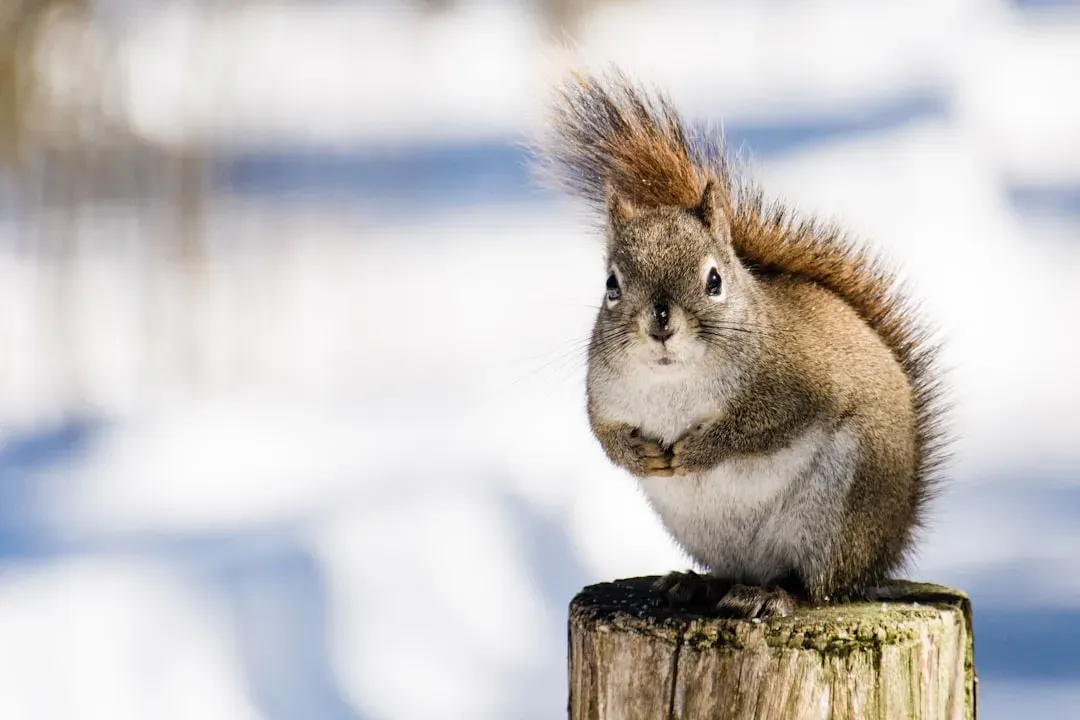
Squirrels rely on freezing as a basic survival tactic when something unfamiliar enters their space. By holding still they reduce the chance of drawing attention from predators that key in on movement.
The pause also gives them time to gather more information through sight and sound without committing to flight or fight. In open areas like parks this behavior shows up often because the animals have learned that quick motion can trigger a chase they would rather avoid.
Reading Your Movements
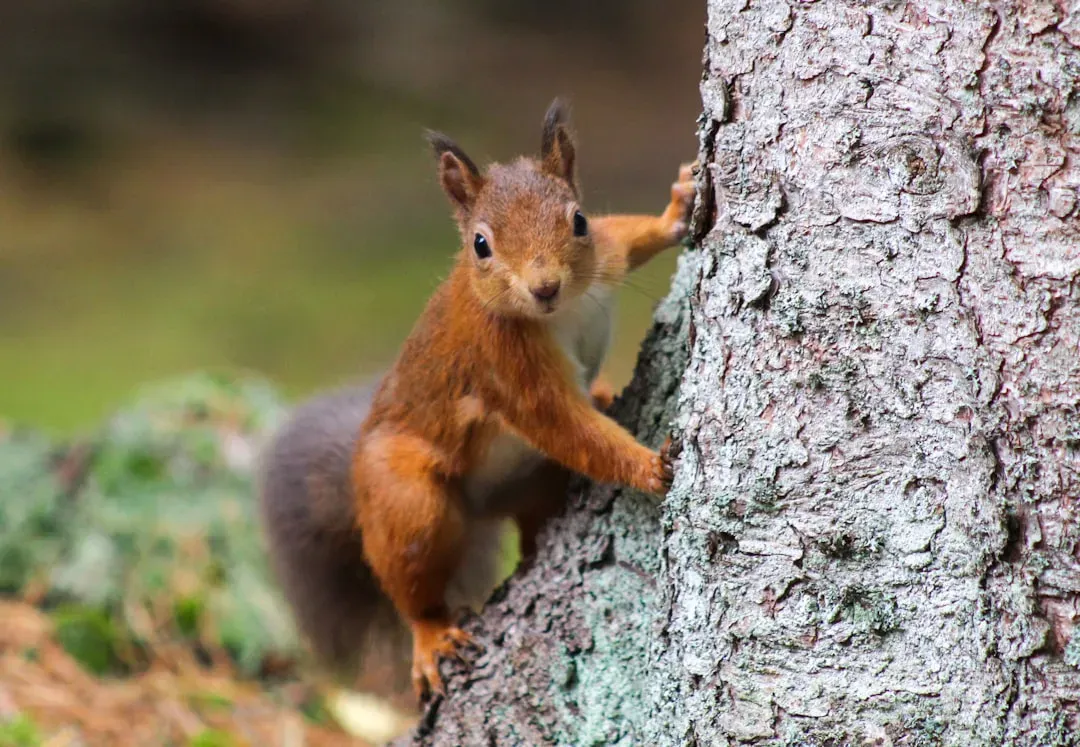
Those steady eyes track small changes in your posture or direction to decide whether you pose any real risk. A slow approach might keep the squirrel watching longer while a sudden step forward often ends the stare in a quick retreat.
This visual assessment helps them conserve energy by only reacting when necessary. Over time the same squirrels in busy spots grow used to certain patterns of human traffic and adjust their watchfulness accordingly.
A Form of Silent Warning
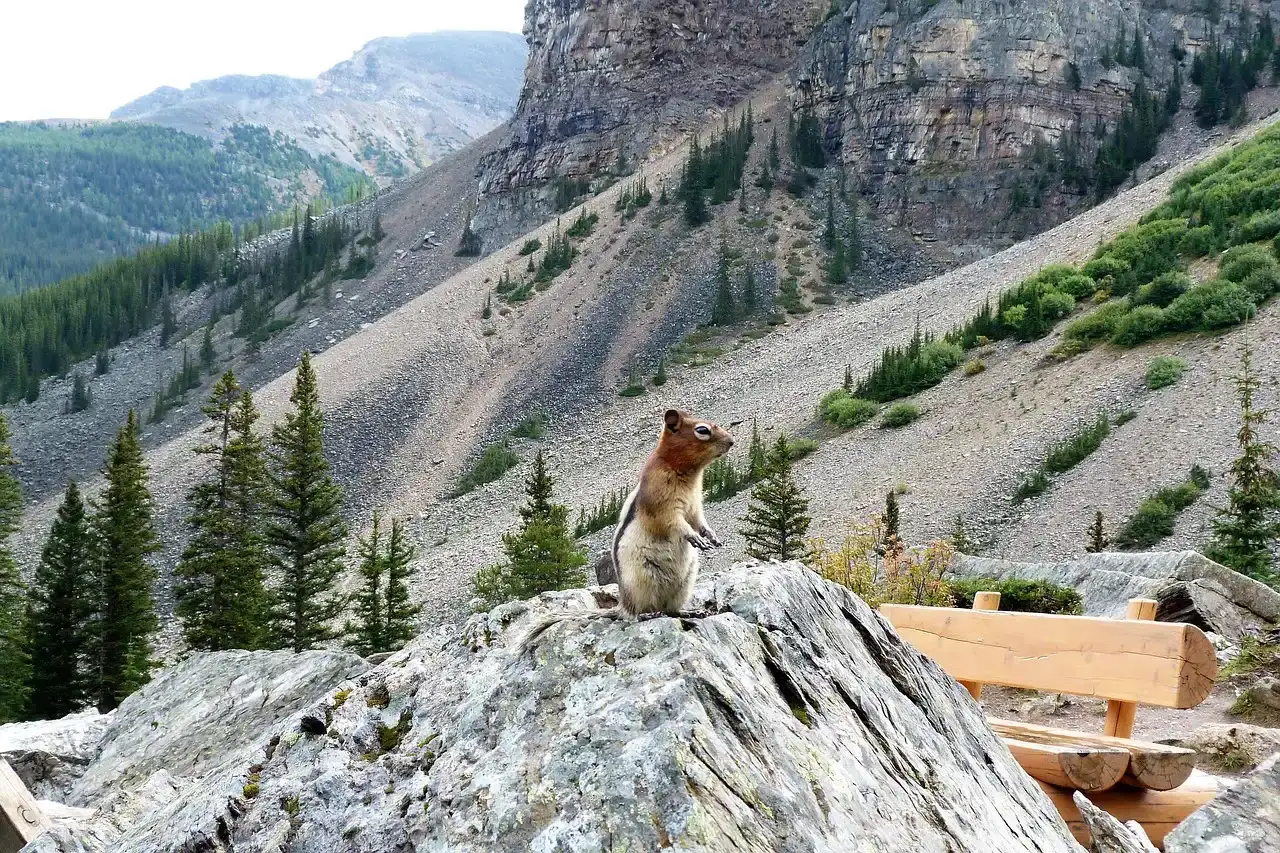
The stare can serve as an early alert to nearby squirrels or family members that something new has appeared below. Other animals in the area may pick up on the tension and stay hidden until the all clear.
It functions like a quiet heads up rather than an aggressive display. In groups this shared vigilance helps everyone stay safer without unnecessary noise or movement that could attract bigger threats.
Simple Curiosity in Action
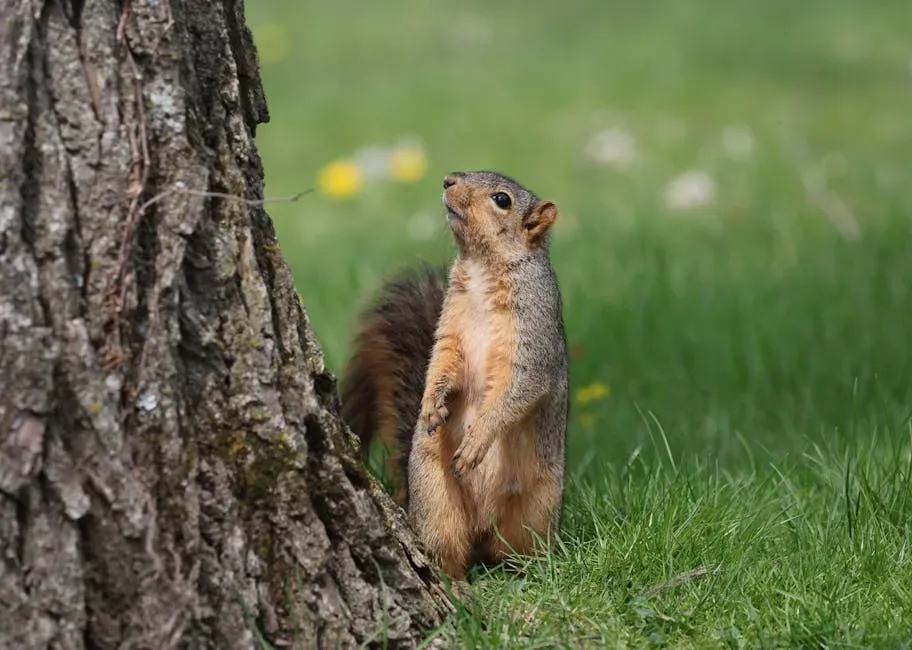
Squirrels possess sharp eyesight that lets them study objects and people from a safe distance. What looks like intense focus sometimes comes down to plain interest in an unusual shape or sound.
Younger squirrels in particular tend to linger longer on new faces or objects before deciding the scene is ordinary. This habit supports their constant need to learn about the environment they navigate every day.
Looking for Handouts
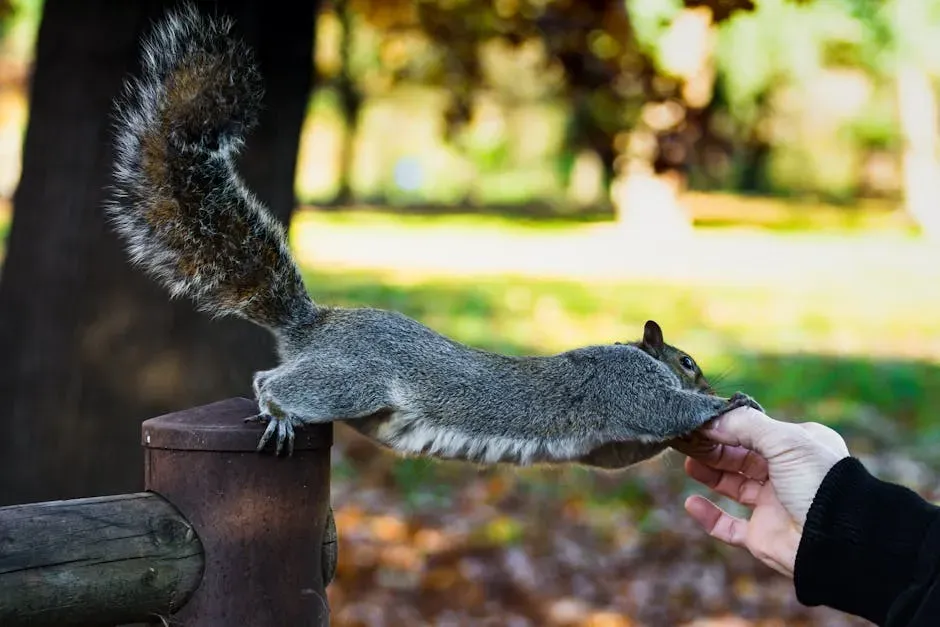
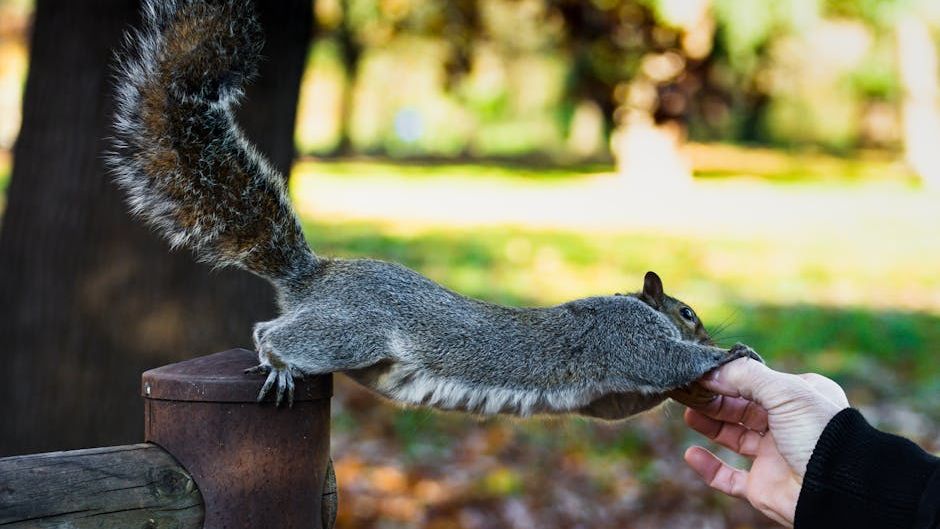
In places where people regularly offer food the stare often signals expectation rather than alarm. The squirrel has connected human presence with possible snacks and waits to see if anything appears.
That learned association turns a neutral glance into something more purposeful. Over repeated visits the behavior becomes routine and the animals grow bolder about holding their ground until the interaction plays out.
Protecting Their Patch
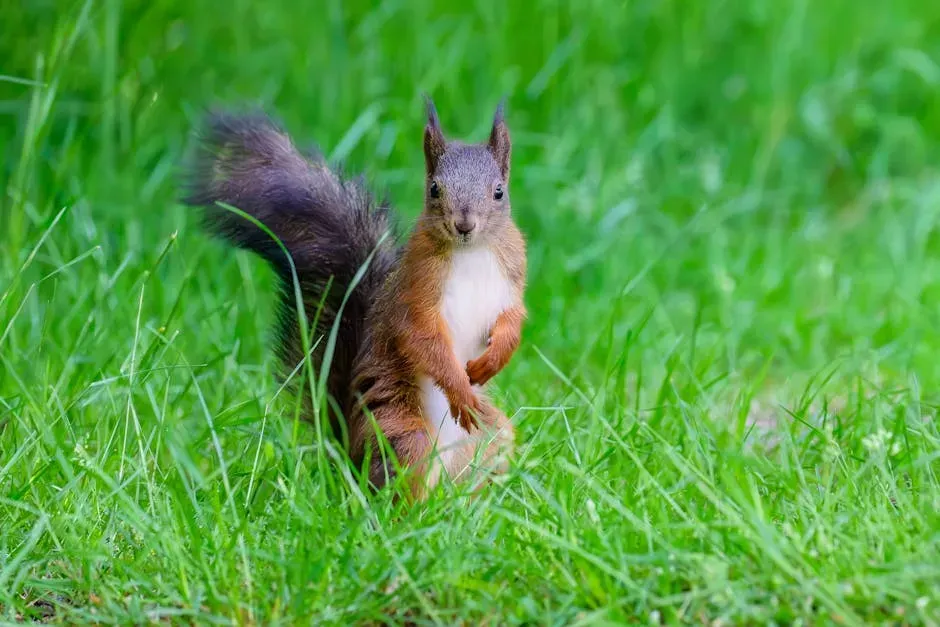
A direct stare can mark the boundary of a squirrel’s familiar territory when an outsider lingers too long. The animal monitors the situation to ensure nothing disrupts its stored food or nesting area.
This protective watch keeps competitors or curious visitors at a respectful distance without escalating into chases. It reflects the practical side of living in a shared space where resources stay limited.
The Takeaway From Those Glances
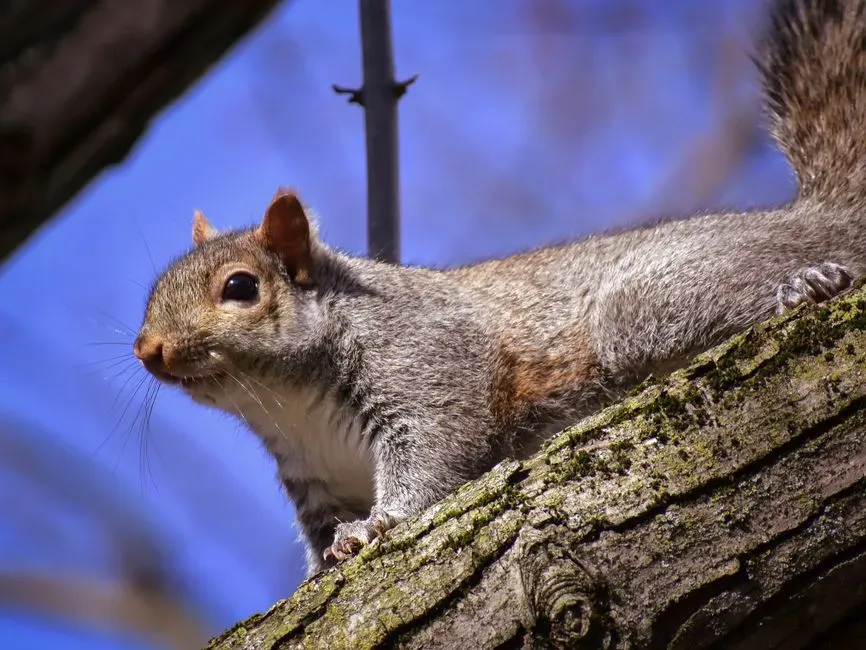
Most of the time the stare reflects a mix of caution and routine rather than any deep personal connection. Understanding that helps turn an odd moment into something ordinary and even a little endearing.
Next time it happens you might simply pause, give the squirrel its space, and appreciate how these small creatures manage life right alongside us. The exchange stays brief yet reminds us that the urban wild still operates on its own quiet terms.
