

They Shadow Your Every Step
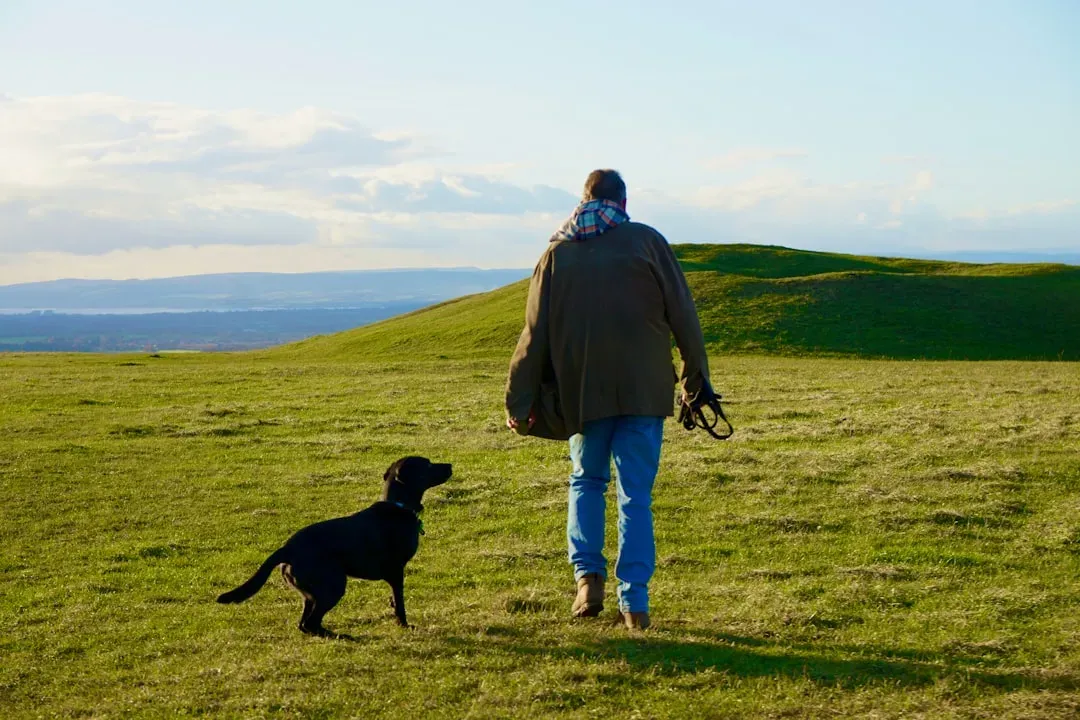
Dogs often trail behind their owners with quiet persistence when departure feels imminent. This shadowing can start the moment routine cues appear, like reaching for a bag or jacket. The behavior reflects a strong desire to stay close rather than any attempt to block the exit.
Owners frequently notice this pattern repeating across different times of day. It serves as an early signal that the dog has picked up on subtle preparations. Watching this unfold can feel like a gentle reminder of how attuned pets become to household rhythms.
Soft Whining Escapes Without Warning

A low whine might surface as you move toward the door, carrying a tone that differs from excited greetings. This vocalization tends to emerge gradually and can linger even after you pause. It often pairs with a lowered head or averted gaze that adds to the quiet weight of the moment.
Many dogs repeat this sound in short bursts rather than continuous complaints. The pattern suggests an internal conflict between wanting to express unease and maintaining calm. Listeners sometimes describe it as one of the more understated yet persistent signs.
They Offer Their Favorite Toy

Bringing a cherished toy to your feet represents an attempt to redirect attention or create a shared activity. The gesture usually happens right as routines accelerate toward leaving. Dogs may drop the item nearby and wait expectantly for engagement that rarely comes.
This action draws from learned associations where play once delayed departures in the past. It highlights how pets adapt their strategies based on previous outcomes. The sight of a well-worn toy placed deliberately can linger in memory long after the door closes.
Pacing Begins Near Common Exit Points

Restless movement along hallways or by the front door often marks the transition into departure mode. The pace stays measured rather than frantic, circling familiar spots with purpose. This activity can continue steadily until the owner actually steps outside.
Owners report that the pattern intensifies with repeated exposure to the same cues. It serves as a physical outlet for the anticipation building inside. Observing the loop can underscore how deeply daily schedules shape a dog’s expectations.
Those Big Eyes Follow You Closely
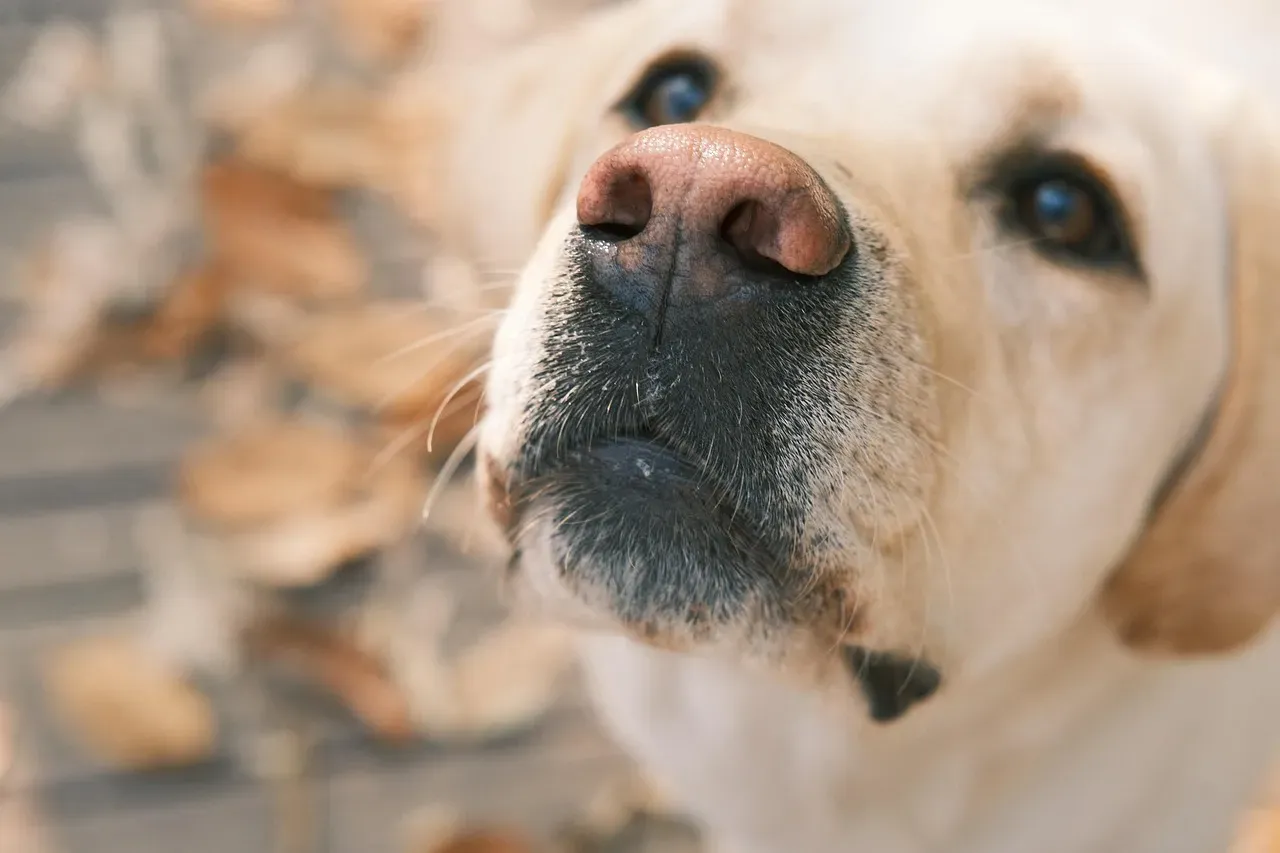
Direct, lingering eye contact often replaces the usual casual glances once leaving preparations start. The look carries a softness that feels heavier than typical curiosity. Dogs hold this gaze while keeping their body still, creating a focused connection.
The behavior tends to appear consistently across different household members. It functions as a silent appeal that many find difficult to ignore. Such moments frequently stand out as particularly memorable parts of the routine.
Excessive Yawning Appears Out of Context
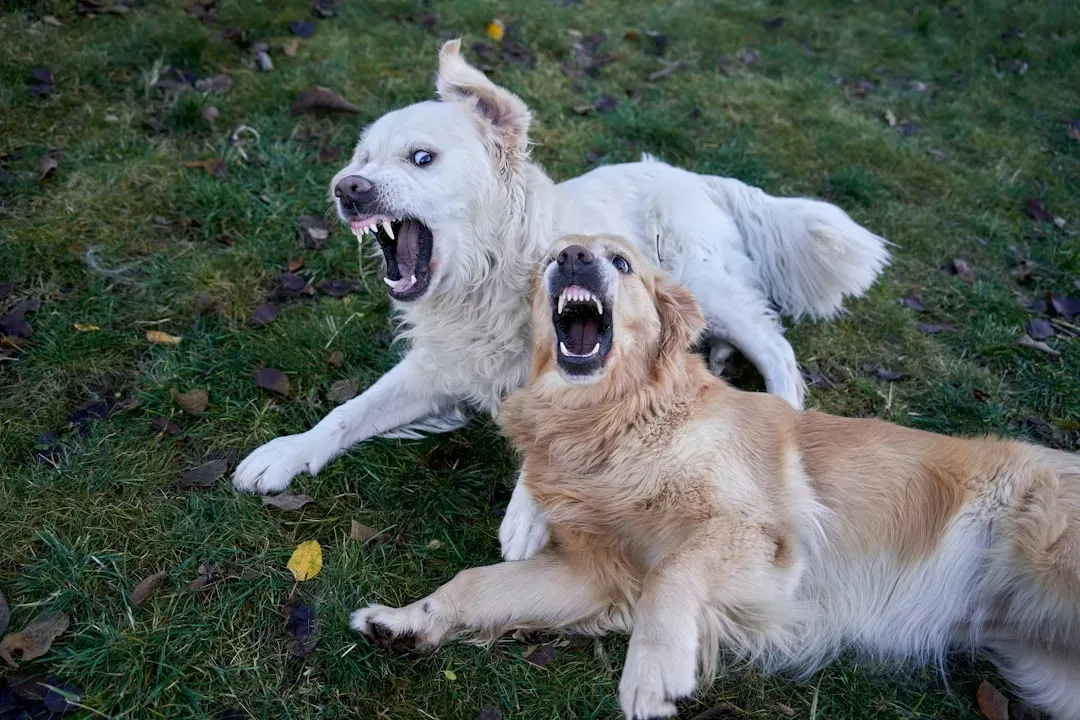
Yawns surface at odd intervals during the pre-departure window, unrelated to tiredness. These yawns serve as displacement signals that help dogs manage rising tension. The action repeats several times in succession before settling again.
Owners notice the yawns cluster around key triggers like picking up a phone or checking the time. The pattern aligns with other stress indicators that emerge together. Recognizing this cluster helps explain why the overall atmosphere feels charged.
Lip Licking Becomes Noticeably Frequent

Quick tongue flicks across the nose or lips occur more often as the exit draws nearer. This calming signal appears in brief, repeated motions rather than isolated instances. It often coincides with other subtle body adjustments like shifting weight.
The frequency increases when the dog remains in the same room as the departing person. It reflects an internal effort to self-soothe amid changing conditions. Spotting these small gestures adds another layer to understanding the full picture.
They Seek Out a Quiet Hiding Spot

Retreating under furniture or into a corner can mark a shift toward withdrawal. The chosen spot usually offers partial cover while still allowing a view of the main activity. This choice happens without fanfare and lasts until the departure sequence advances.
Dogs may alternate between hiding and reappearing briefly to check progress. The behavior provides a buffer against the emotional buildup of separation. It stands in contrast to more outgoing responses seen at other times.
Extra Clinginess Shows Through Leaning
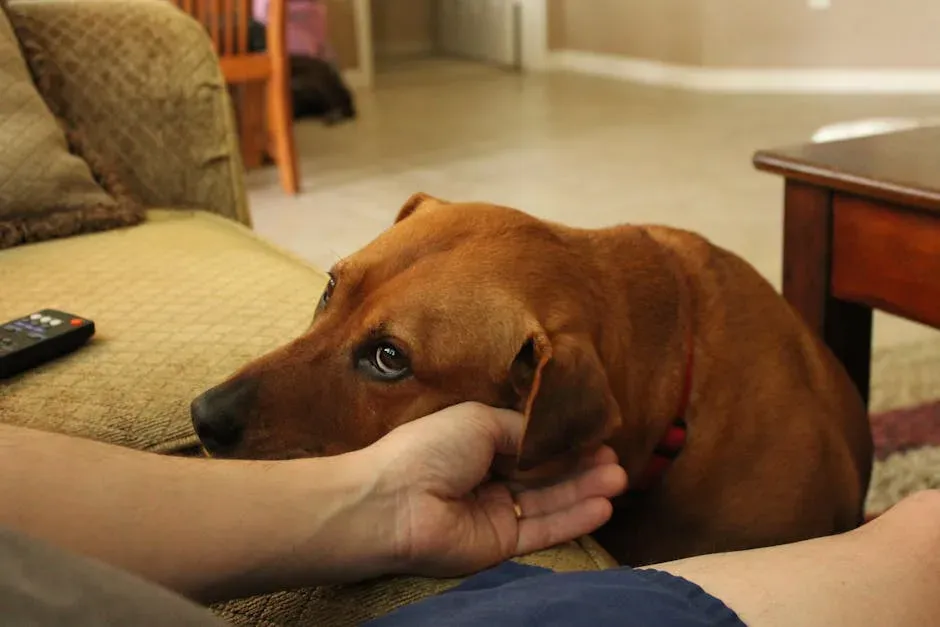
Pressing against legs or resting a head on a lap intensifies right before the final steps out. The contact feels deliberate and sustained rather than casual affection. Dogs maintain this position even as movement continues around them.
The leaning often follows other earlier signals and builds in intensity. It represents a physical bid for continued proximity. Many owners describe the weight of that contact as particularly noticeable during rushed mornings.
A Heavy Sigh Escapes at Key Moments

Deep exhales punctuate the quiet stretches between actions as departure nears. These sighs carry a resigned quality that differs from relaxed breathing. They tend to occur when the dog settles briefly after following or pacing.
The sound repeats at intervals that align with routine milestones like locking windows. It adds an audible dimension to the otherwise visual cues. Listeners often register the sigh as one of the quieter yet telling elements.
Tail Position Drops Lower Than Usual
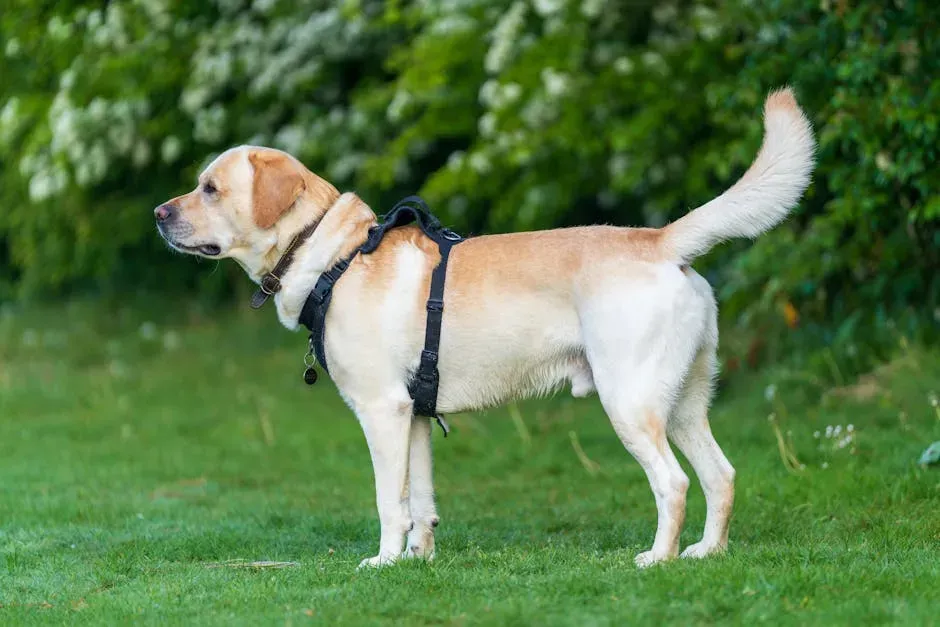
The tail tucks or hangs lower during the final minutes before exit. This posture shift happens gradually and stays consistent until the door opens. It contrasts with the higher carriage seen during greetings or play.
Dogs hold the lowered position while continuing other behaviors like watching or moving. The change reflects an overall dampening of energy levels. Noticing this detail completes a fuller view of the pre-departure sequence.
These behaviors weave together into a familiar tapestry that many households experience daily. They speak to the depth of connection dogs form with their people, even when the moments feel routine. Paying attention to the patterns can open small windows into how pets navigate the rhythms of shared life. Over time, such observations encourage thoughtful adjustments that honor both sides of the bond.