
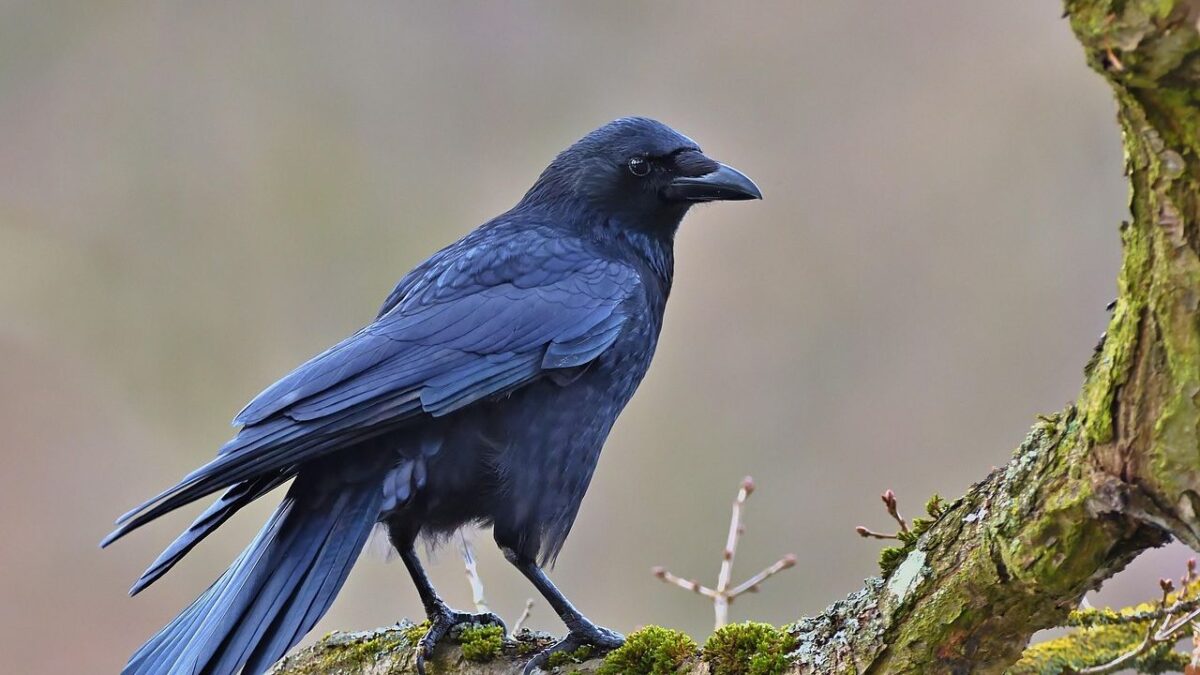
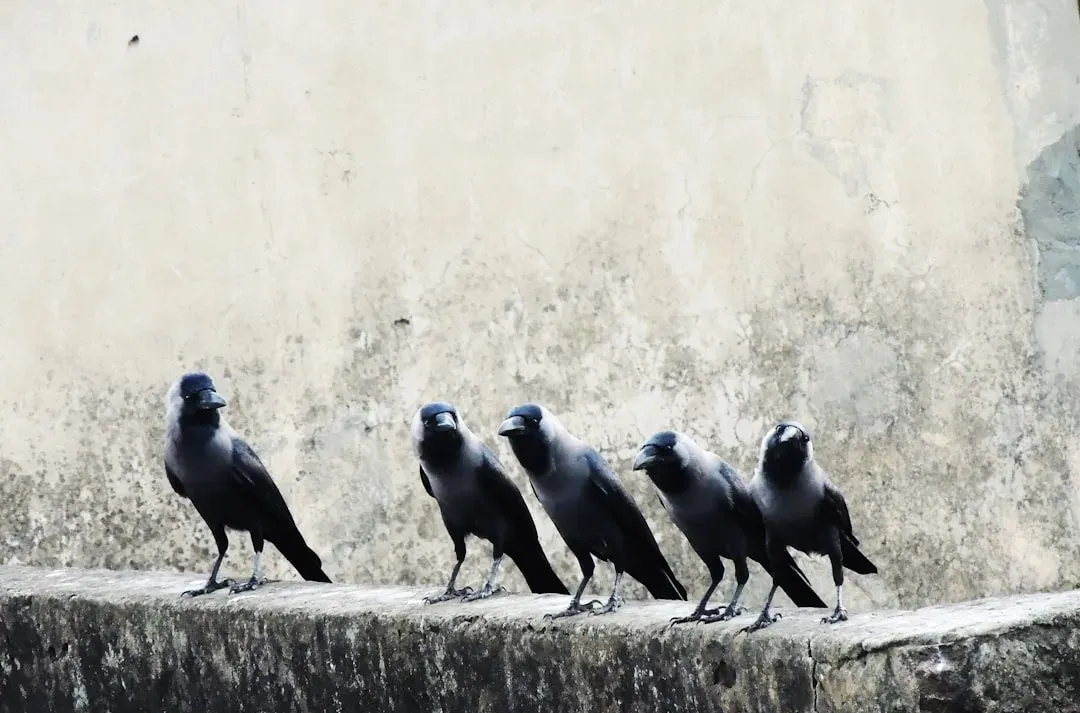
Stepping outside just as the sky lightens can bring an unexpected sight. A cluster of crows settles on fences, rooftops, and branches, their calls carrying through the quiet air. Many people notice the scene and wonder what draws the birds together at that hour.
The gathering often signals more than random chance. Research into corvid behavior points to patterns that reflect careful coordination and awareness. Those early morning meetings invite a closer look at how these birds navigate their world.
The Timing of Dawn Assemblies
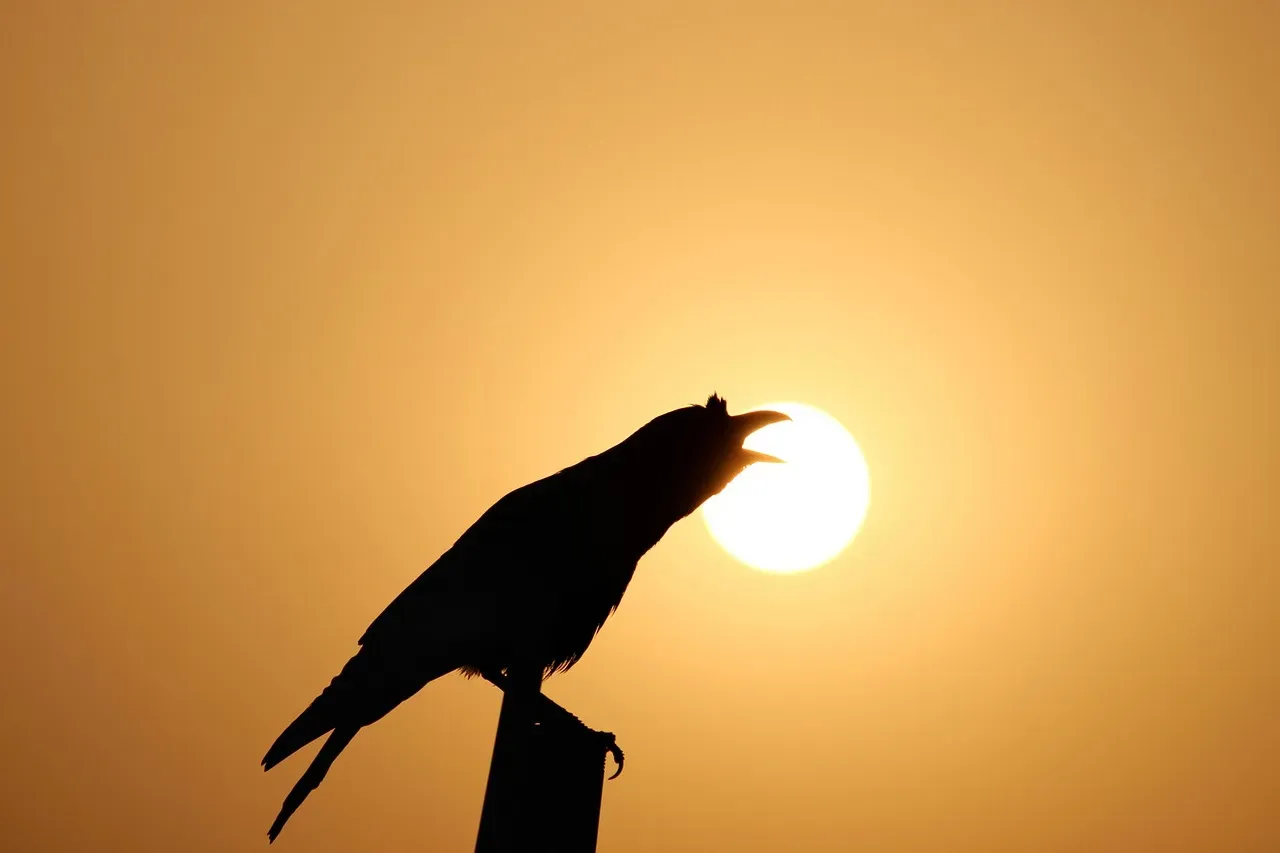
Crows frequently converge at first light because the low light offers safety from predators while still allowing enough visibility for group coordination. This window lets them exchange information about food sources found the previous day without drawing too much attention from larger threats. Observers note that the birds arrive in small groups that merge into larger ones, suggesting a deliberate buildup rather than coincidence.
The choice of dawn also aligns with cooler temperatures that conserve energy before the day heats up. In suburban yards the open space provides clear sightlines, which helps the flock monitor surroundings collectively. Such timing reflects an adaptation shaped by generations of survival pressures rather than simple habit.
Brain Size and Cognitive Capacity
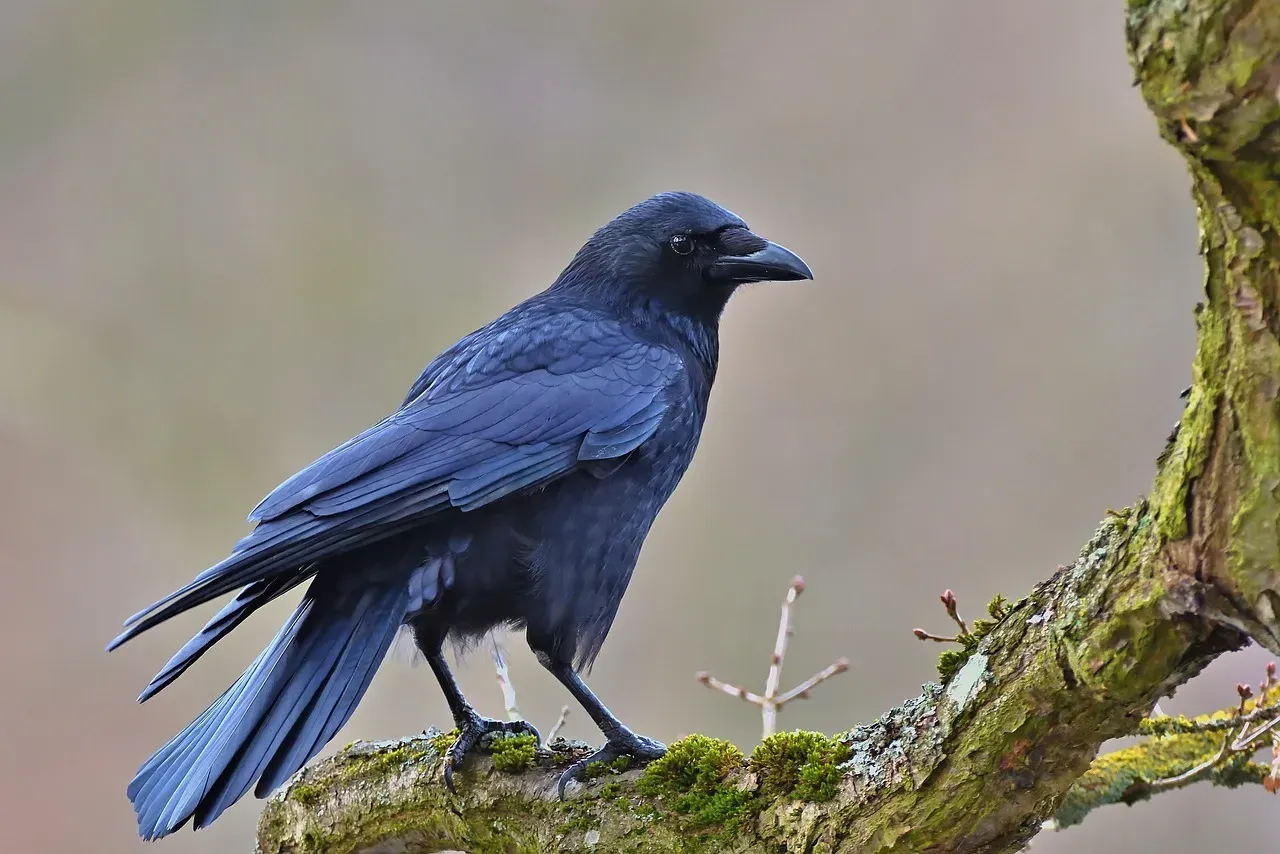
Crows possess a brain to body ratio that rivals some primates, supporting advanced problem solving and planning. Neuroimaging studies show dense neural connections in areas linked to memory and decision making. This hardware allows them to remember specific human faces for years and adjust their behavior accordingly.
Experiments demonstrate crows can solve multi step puzzles that require understanding cause and effect. They bend wires into hooks or stack objects to reach food, actions once thought limited to great apes. These feats emerge from flexible thinking rather than rote instinct alone.
Layered Social Networks
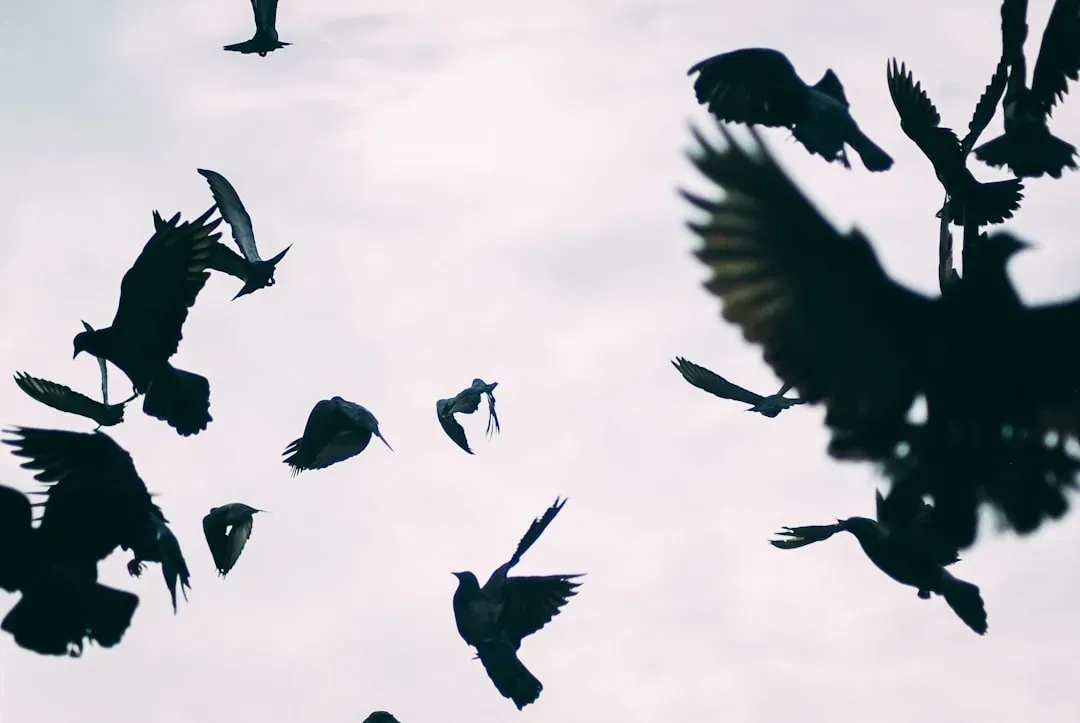
Within a crow flock individuals maintain distinct roles that shift based on age, experience, and alliances. Younger birds often learn from elders through observation and trial, creating a form of cultural transmission across generations. Dominance displays remain subtle yet effective, preserving group stability without constant conflict.
Family units stay together for extended periods, with offspring sometimes assisting parents in raising the next brood. This cooperative breeding strengthens overall survival rates in changing environments. The structure resembles small human communities more than simple animal packs.
Problem Solving in Everyday Settings
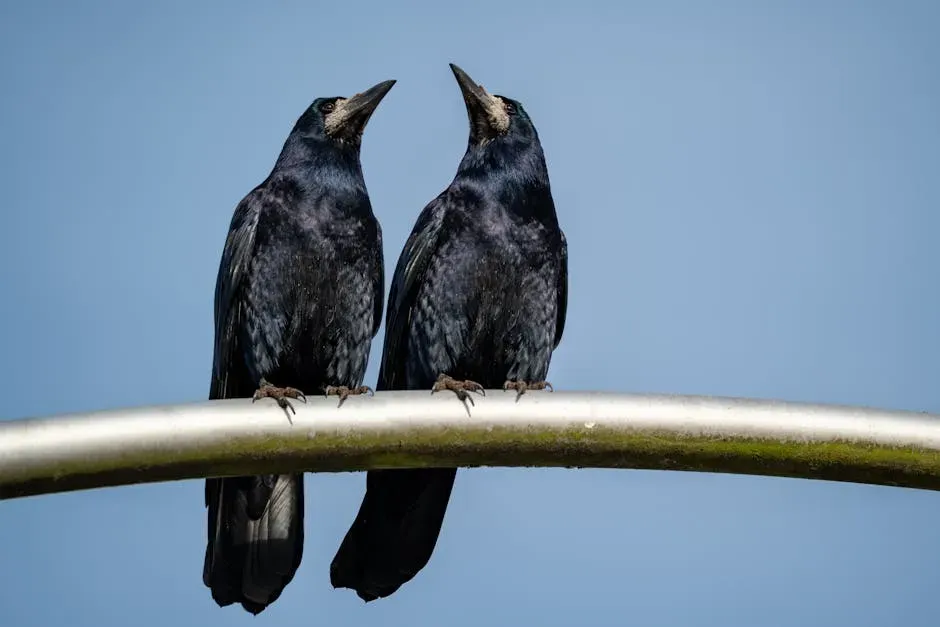
Crows quickly adapt to new obstacles such as trash bins or garden feeders by testing different approaches until one succeeds. They drop nuts onto roads for cars to crack and then retrieve the contents during traffic pauses. These tactics show foresight and an ability to exploit human made features.
Groups sometimes divide tasks, with some birds acting as lookouts while others forage. Success rates improve when multiple individuals contribute observations, highlighting the value of shared knowledge. Such division of labor appears consistently across urban and rural populations.
Memory and Individual Recognition
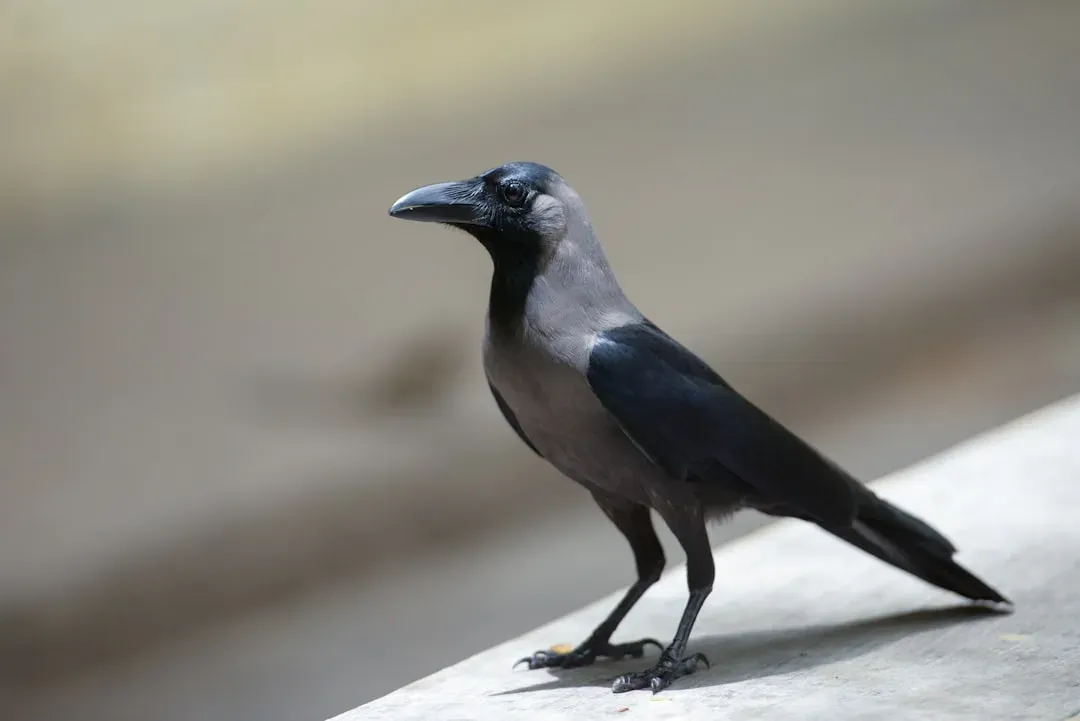
Crows distinguish between threatening and neutral humans with remarkable accuracy, avoiding those who previously harmed them while approaching others for food. This selective memory extends to locations where dangers or rewards occurred months earlier. The skill helps them navigate risky neighborhoods efficiently.
They also track the movements of neighboring flocks and adjust their own routes to avoid competition. Long term tracking studies reveal that these birds update mental maps regularly based on new experiences. The capacity supports both individual survival and group coordination.
Emotional Expressions and Responses
When a crow dies, others gather around the body and produce distinct calls that differ from routine communication. This behavior suggests a form of recognition or response to loss rather than simple curiosity. Similar gatherings occur near injured flock members, where birds linger and vocalize softly.
Playful interactions among juveniles include aerial chases and object manipulation that serve no immediate survival purpose. These moments indicate an inner life that includes curiosity and social bonding. Such observations challenge older views that limited emotions to mammals alone.
Shifting Perspectives on Animal Minds
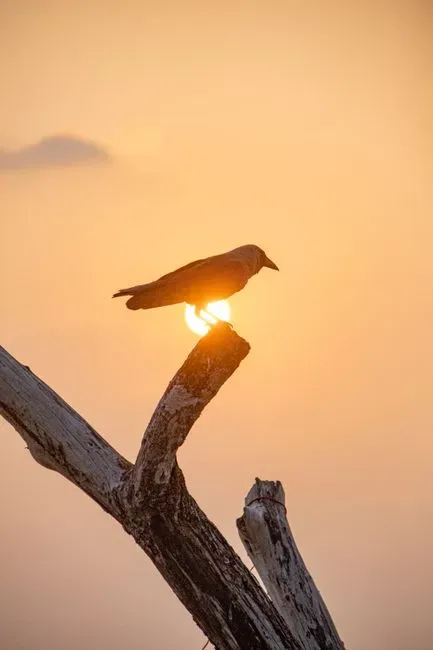
Witnessing these dawn gatherings encourages a broader appreciation for intelligence that exists outside human frameworks. The behaviors observed in crows demonstrate planning, cooperation, and adaptation that parallel traits once reserved for a narrow set of species. This recognition invites quieter respect for the creatures sharing our spaces.
Ultimately the presence of a large crow assembly at sunrise serves as a reminder that complex minds operate all around us in forms we are still learning to read. Paying attention to these patterns enriches daily life without requiring dramatic conclusions. It simply asks for notice and a willingness to see more than meets the eye at first glance.

- 13 Reasons Goldfinches Stopped Coming to Your Yard – And the Simple Fix Most Gardeners Miss - June 13, 2026
- 14 Bizarre Hummingbird Behaviours in Your Garden That Mean Something Completely Different to What You Think - June 13, 2026
- How the Navajo Nation Built One of the Most Enduring Cultures in North America - June 13, 2026