Many cat owners focus on the big, obvious changes when their pet slows down. Yet the final hours often bring quieter shifts that slip by unnoticed until it is too late to offer extra comfort. These small behaviors can reveal how a cat is feeling in those last moments, giving owners a chance to stay close and ease the transition. **
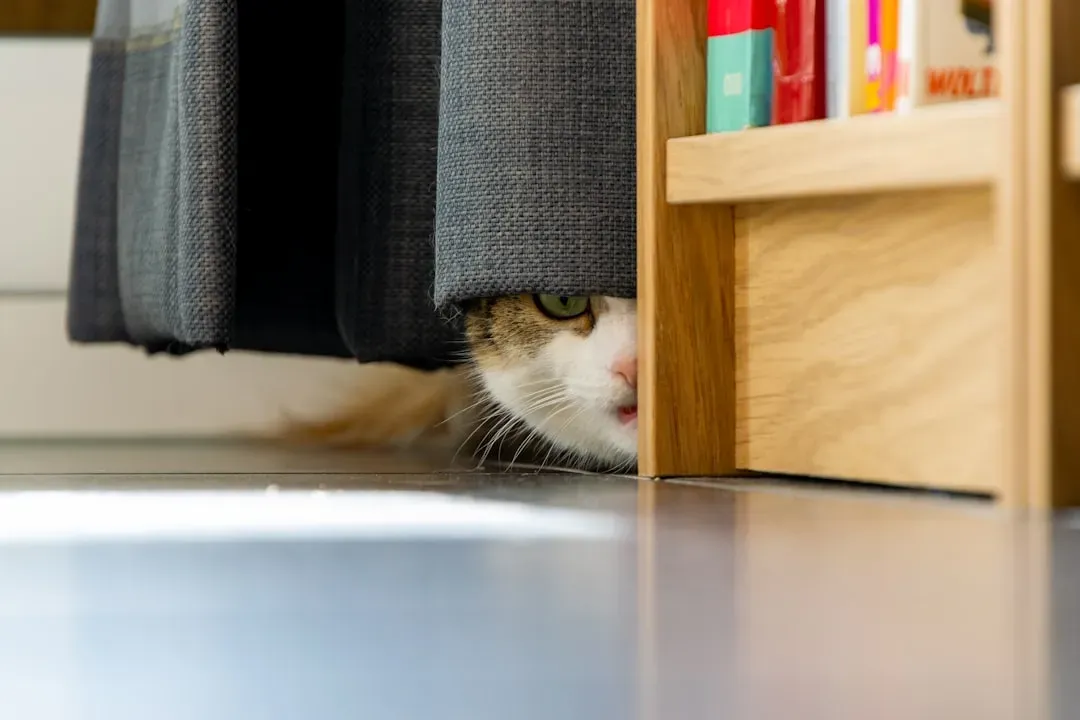
They Choose Unexpected Hiding Spots
They Choose Unexpected Hiding Spots (Image Credits: Unsplash)
** Cats often pick out new, tucked away places in the final hours. A favorite under the bed spot might give way to the back of a closet or behind furniture they usually ignore. This move feels instinctive, a way to feel secure as energy fades. Owners sometimes assume the cat is just napping somewhere different. In reality, the shift can happen quite suddenly and signal the body preparing for rest. Watching for these quiet relocations helps catch the moment early. **
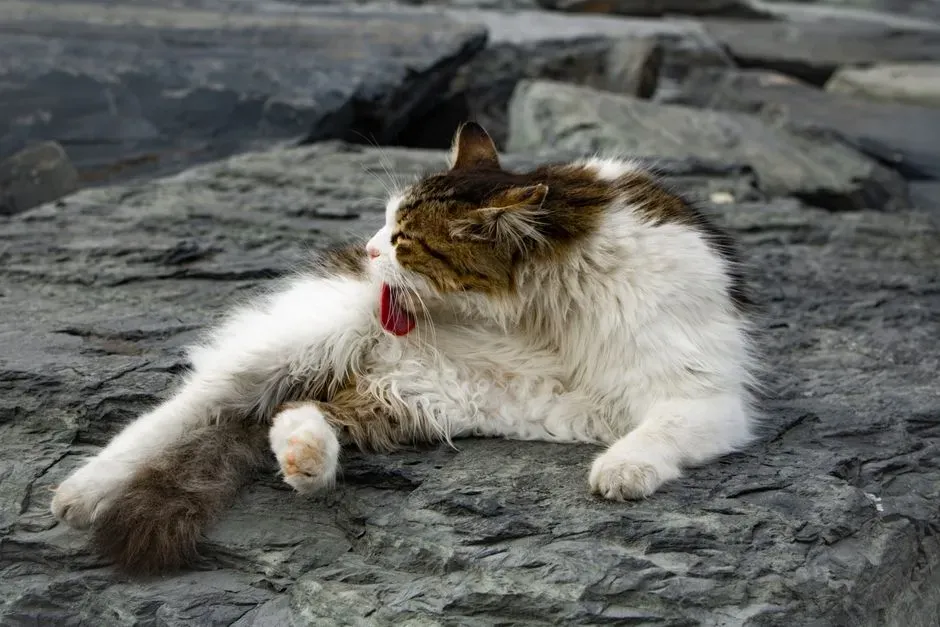
They Groom Less but in Odd Patterns
They Groom Less but in Odd Patterns (Image Credits: Pexels)
** A cat nearing the end may skip the usual full grooming session yet still lick one small area repeatedly. The coat starts to look a bit dull or matted in spots that were always neat before. These tiny lapses stand out only if someone pays close attention to daily habits. The change stems from simple fatigue rather than any sudden dislike of cleanliness. Many owners chalk it up to normal aging until the pattern becomes clear. Spotting it allows for gentle brushing that brings comfort without stress. **
They Grow Quieter or More Vocal in Subtle Ways
They Grow Quieter or More Vocal in Subtle Ways (Image Credits: Pixabay)
** Some cats stop their usual chatter entirely while others add soft, infrequent meows that sound different from normal requests. The volume stays low, almost like an afterthought. These vocal shifts often go unnoticed amid household noise. The behavior reflects discomfort or a need for reassurance rather than any demand for food or attention. Families who listen carefully during quiet evenings tend to notice first. Responding with calm presence can ease whatever the cat is trying to express. **
They Seek Out Warmth in New Places
They Seek Out Warmth in New Places (Image Credits: Unsplash)
** A cat may suddenly curl up against a heater vent or under a blanket they previously avoided. Body temperature begins to drop, so the search for extra warmth becomes noticeable in the last hours. The choice of location often differs from their regular sunny window spot. Owners might think the cat is simply enjoying a cozy moment. Yet the persistence and new preference point to a physical need. Providing a safe heating pad nearby can make those final hours more comfortable. **
They Show Brief Moments of Disorientation
They Show Brief Moments of Disorientation (Image Credits: Unsplash)
** A familiar room might suddenly seem confusing for a few seconds. The cat pauses mid stride or stares at a wall as if unsure of the next step. These episodes last only moments and resolve quickly, which makes them easy to overlook. The lapses come from the body slowing down and affecting coordination. They rarely look dramatic, so busy households often miss the pattern. Gentle guidance back to a familiar resting place helps the cat feel secure again. **
They Alter How They Interact With People
They Alter How They Interact With People (Image Credits: Pexels)
** A normally independent cat might follow a person from room to room without demanding attention. Or a social cat may sit just out of reach, watching quietly instead of jumping onto laps. These small adjustments in closeness feel minor at first glance. The shift reflects changing energy levels and a desire for company without the effort of full engagement. Families who notice the new rhythm can adjust their own routines to stay nearby. The result is often a calmer final stretch for everyone. **
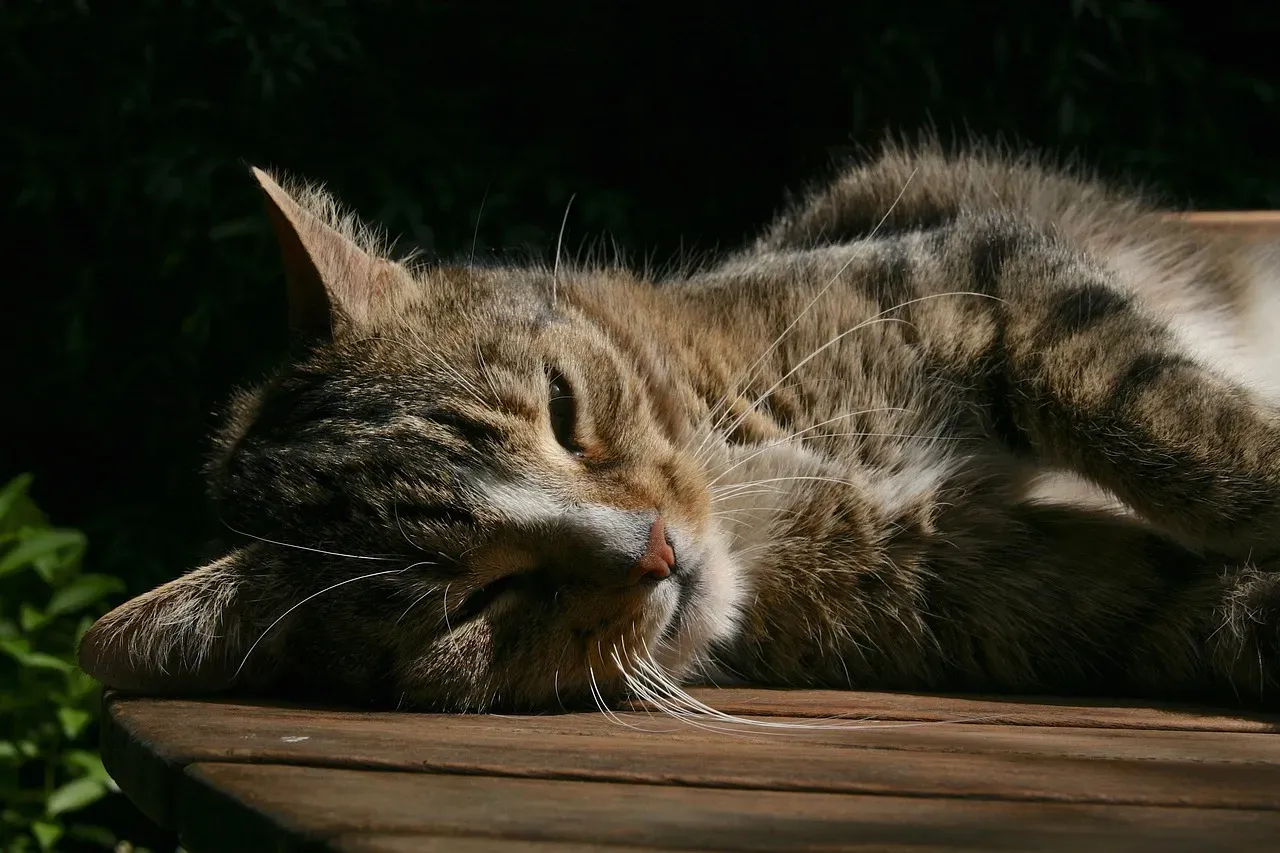
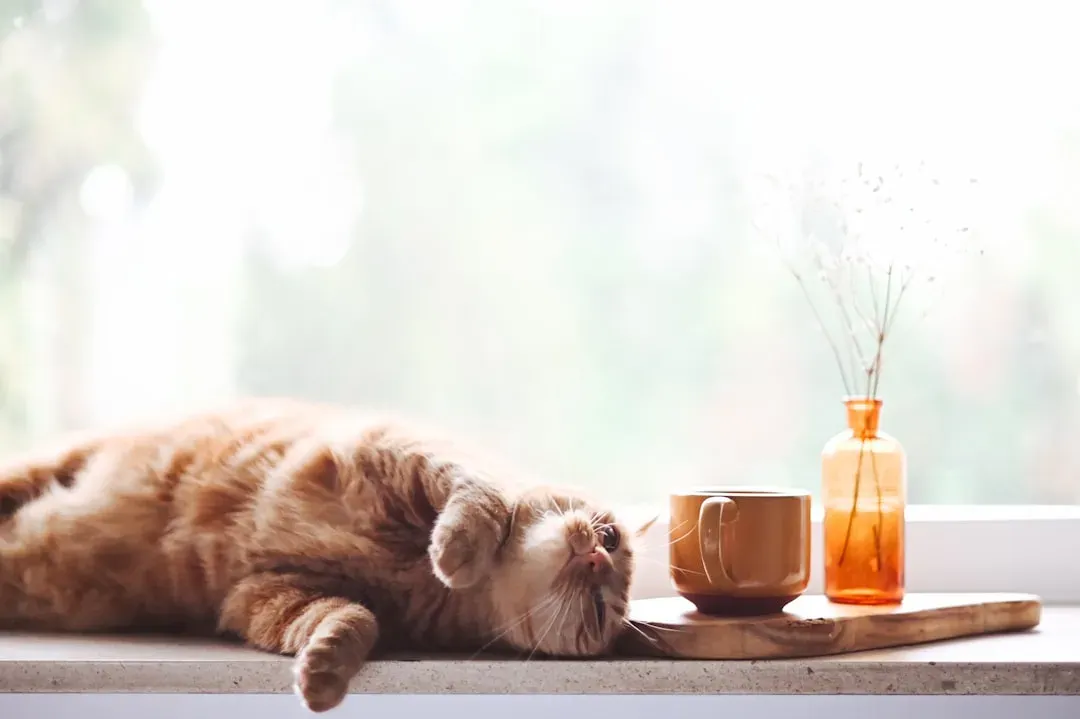
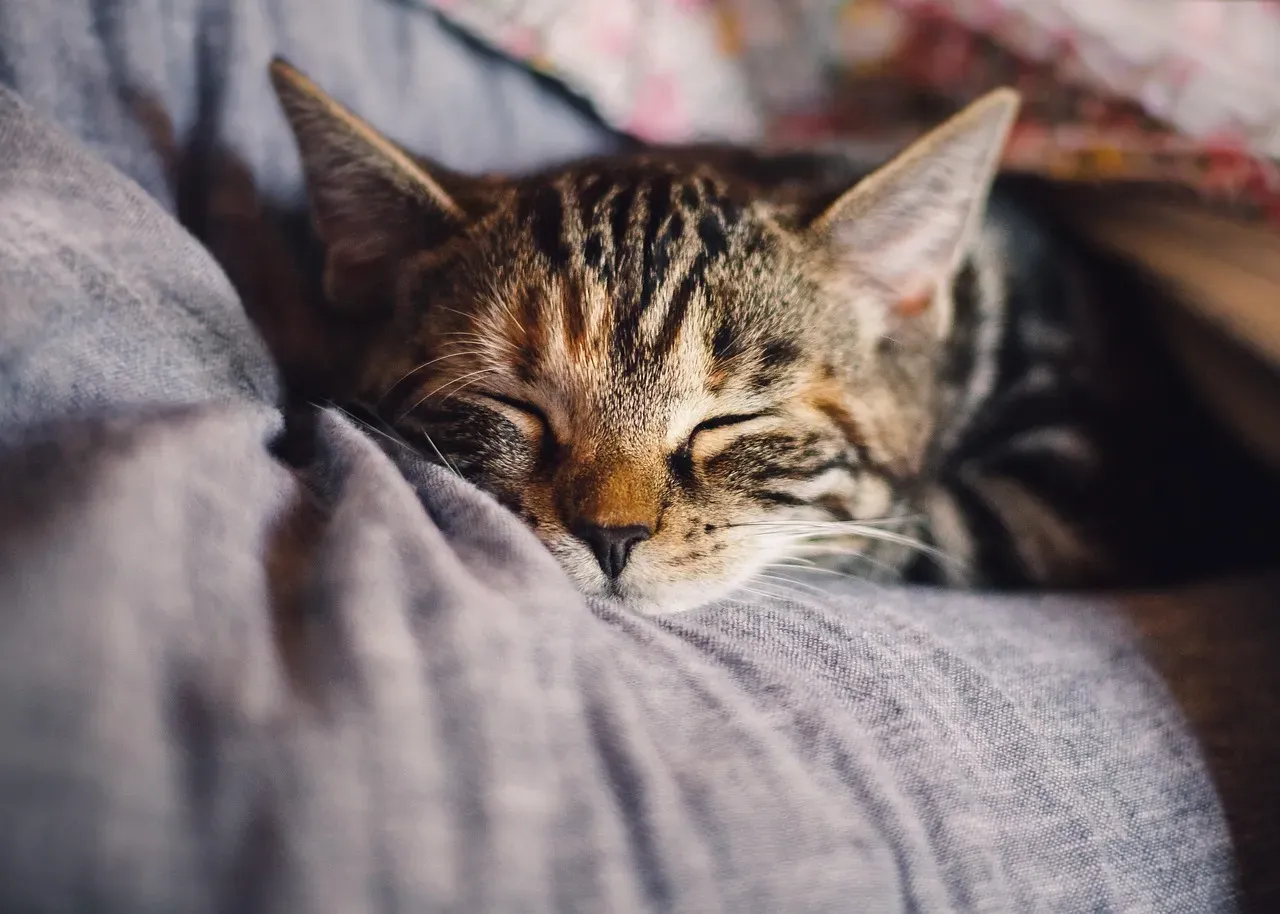
They Rest in Slightly Different Positions
They Rest in Slightly Different Positions (Image Credits: Pixabay)
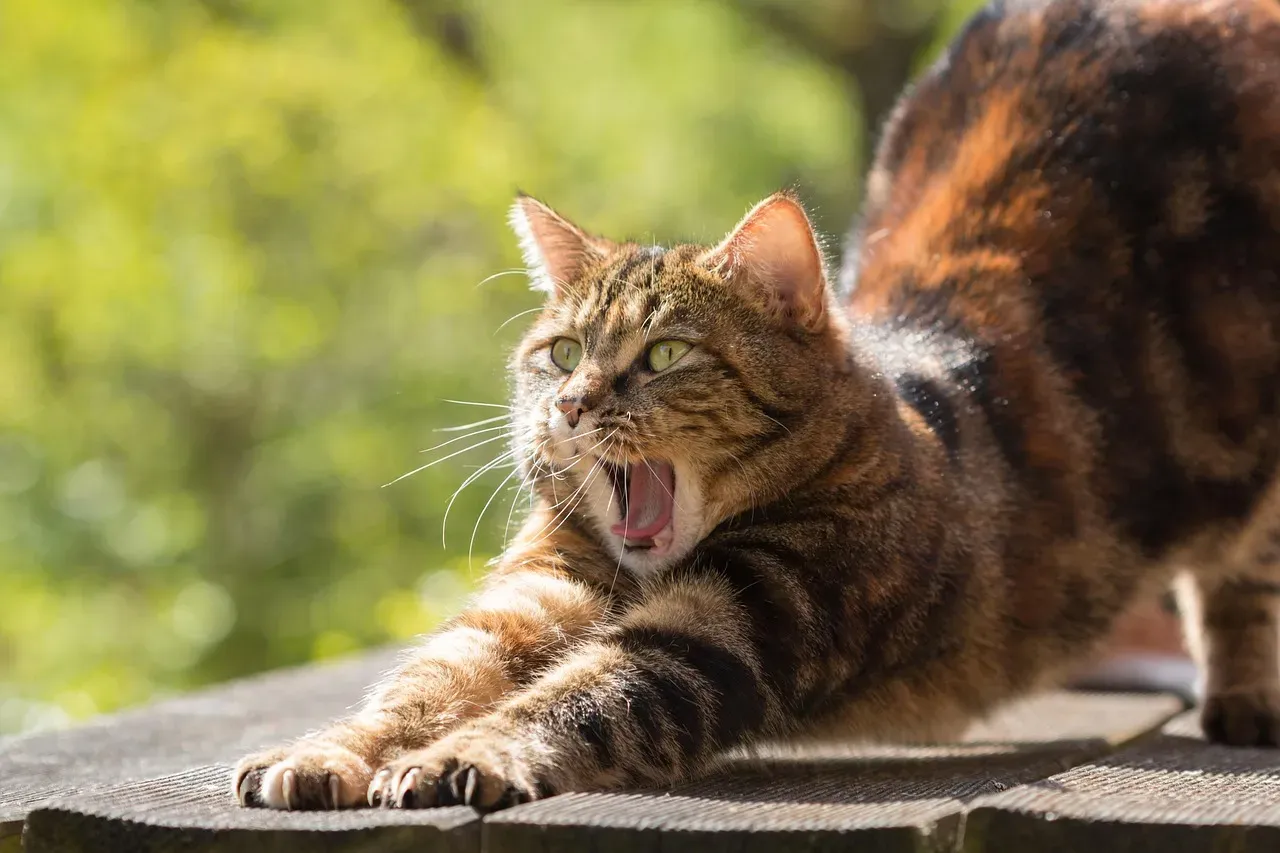
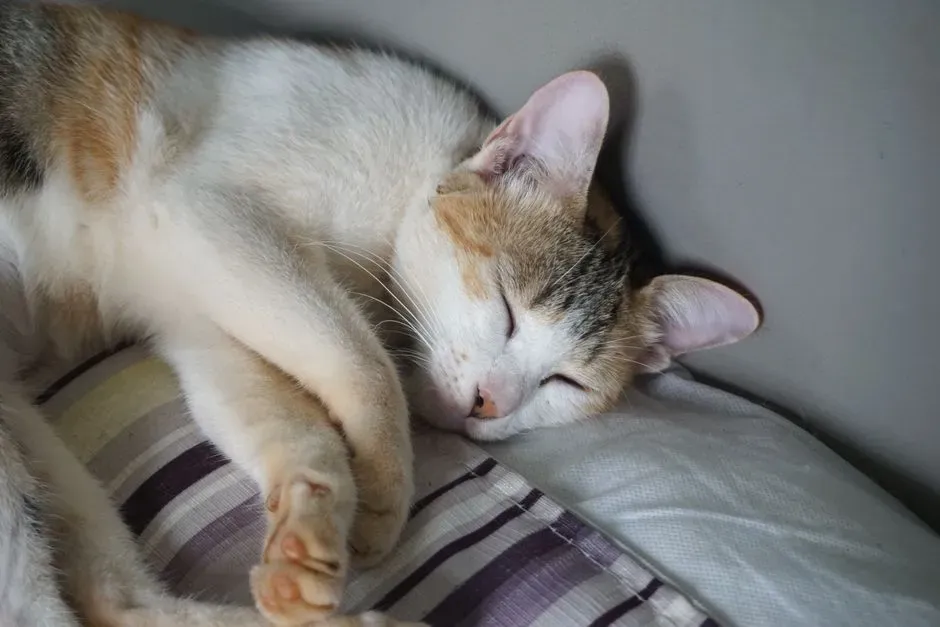
** A cat may stretch out more than usual or tuck paws tightly under the body in ways that differ from normal sleep poses. The positions look relaxed yet somehow off, as if comfort is harder to find. These details emerge only when someone observes the cat at rest for longer periods. The change ties directly to muscle weakness and the need to conserve strength. Many owners assume the cat is simply tired from age. Recognizing the pattern lets them offer extra soft bedding without disturbing the cat. **
They Respond Less to Everyday Sounds
They Respond Less to Everyday Sounds (Image Credits: Pixabay)
** Familiar noises like a can opener or a family member entering the room draw little reaction. The cat may open its eyes briefly then settle again without the usual head turn or ear twitch. The reduced alertness happens gradually over a few hours. This quiet withdrawal stems from the body prioritizing rest over curiosity. Households with multiple pets or busy schedules often miss the absence of response. Sitting nearby and speaking softly can still provide reassurance even without obvious acknowledgment. **
They Show Subtle Breathing Changes
They Show Subtle Breathing Changes (Image Credits: Pexels)
** Breaths may become slightly slower or include an occasional deeper sigh that stands out against normal rhythm. The pattern stays mostly steady, so it rarely alarms anyone at first. Only close observation during quiet moments reveals the difference. The shift signals the body conserving energy as systems wind down. Owners who check on the cat during evening calm often catch it earliest. A peaceful environment helps keep breathing as comfortable as possible. **
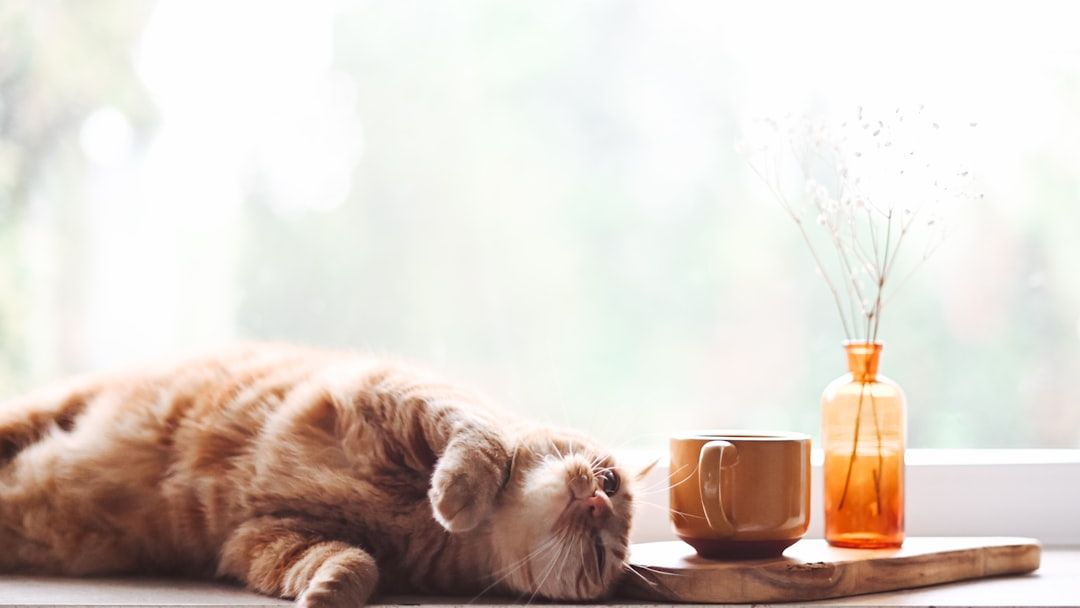
They Lose Interest in Small Routines
They Lose Interest in Small Routines (Image Credits: Pexels)
** A cat that always watched birds from the window may stop turning its head toward the glass. Treats left nearby go untouched even though the cat remains awake. These tiny breaks in habit accumulate quietly over the final hours. The loss of interest reflects overall decline rather than any sudden dislike. Families who track daily rituals notice the pattern before bigger changes appear. Adjusting expectations around those small moments allows for more focused time together. Spending those last hours with a cat brings a quiet kind of peace that stays with owners long after. Noticing these small signals turns the experience into one of gentle presence rather than sudden surprise. Every cat leaves its own quiet story, and paying attention honors the bond that shaped it.
Did you find this helpful? Share it with a friend who’d love it too!
Gargi is an MA in History and a B.Ed graduate from India, with a deep passion for animals and wildlife awareness. As an article writer and editor at Animals Around The Globe, she combines her love for storytelling with her dedication to educating readers about animals, conservation, and responsible pet care. A devoted dog lover, Gargi enjoys creating engaging and informative content that inspires compassion and awareness toward the natural world.