
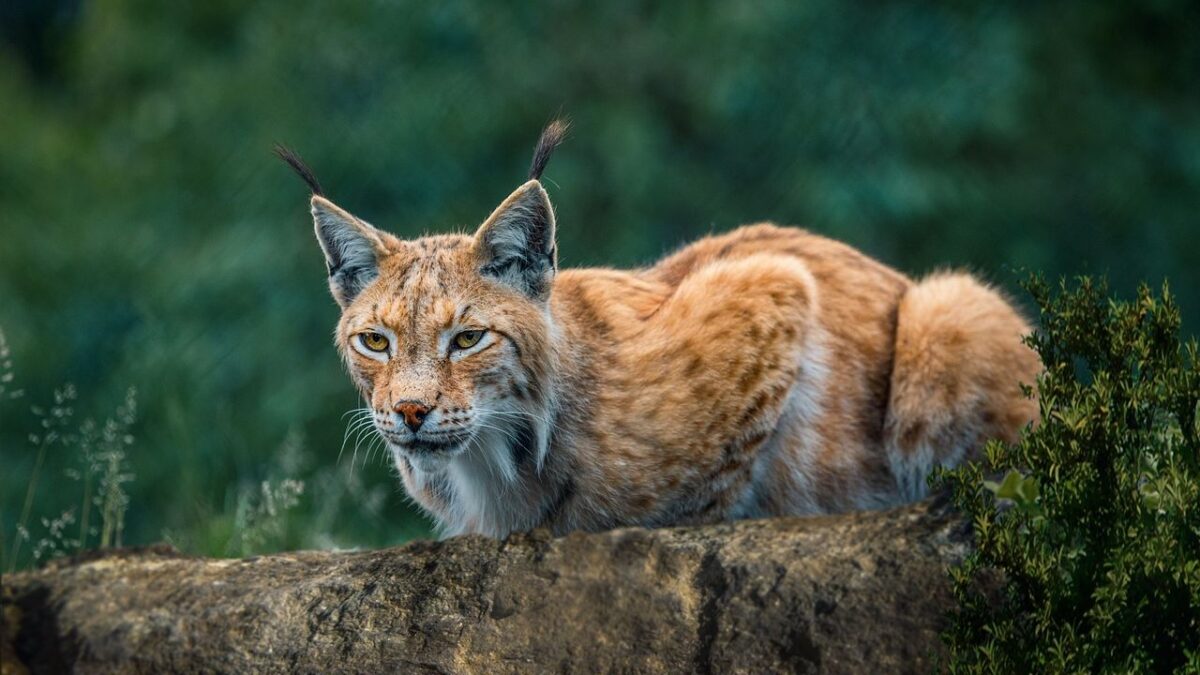
Bobcats move like shadows across forests, deserts, and even suburban edges, their tufted ears and spotted coats blending into the scenery. Their numbers have rebounded in recent decades across much of the country, yet some places stand out for supporting larger populations than others. What draws these elusive cats to certain states in greater numbers remains a quiet puzzle shaped by habitat, prey, and human activity.
Estimates of bobcat numbers rely on surveys, harvest data, and field studies that vary by region and year. Still, patterns emerge from available information that point to a handful of states where these wildcats appear especially at home.
California Offers Prime Territory
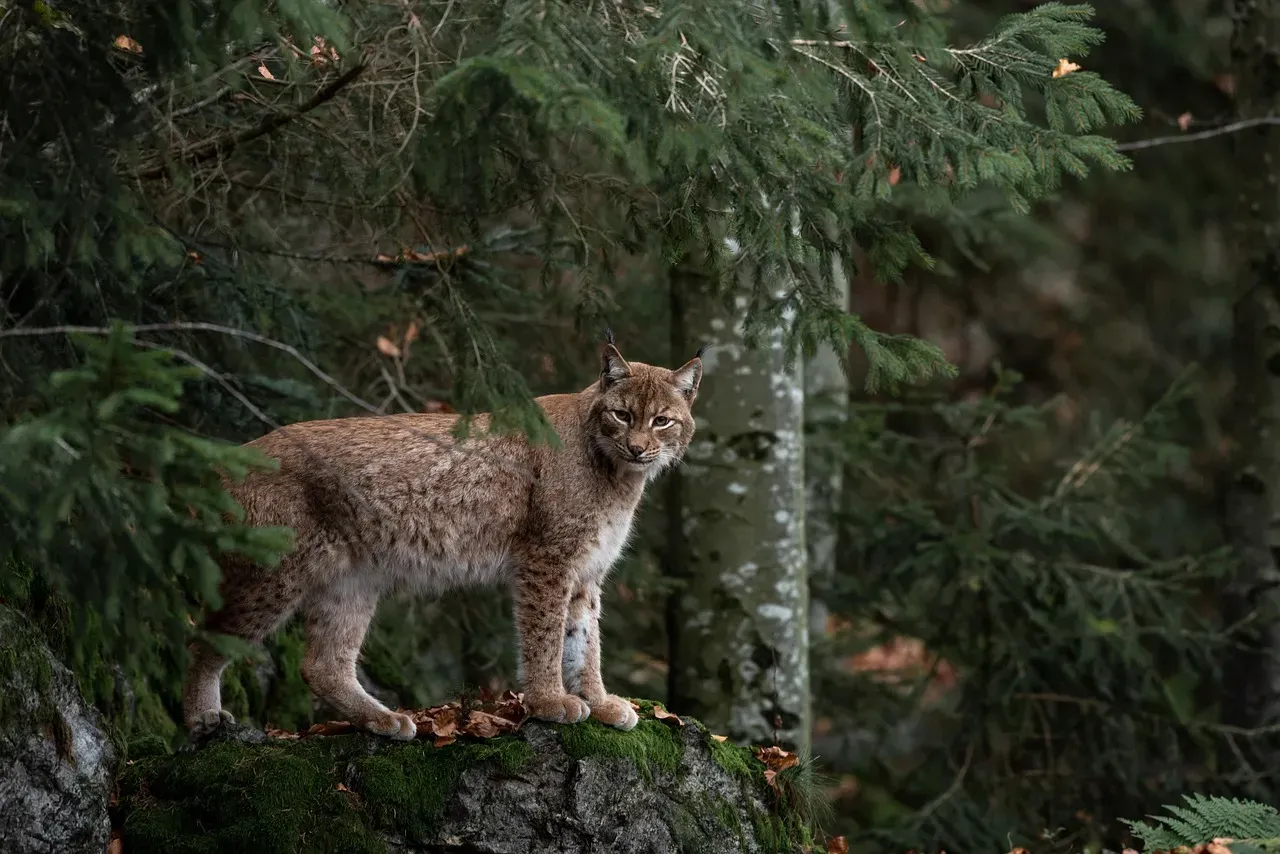
California supports one of the largest bobcat populations in the nation, with estimates ranging from thirty thousand to fifty thousand animals. Vast stretches of varied terrain, from coastal mountains to inland deserts, provide ample cover and hunting grounds. The state also limits certain trapping practices, which helps maintain steady numbers over time.
Bobcats here adapt well to both remote wilderness and areas near human development. They find plenty of rabbits, rodents, and other small prey to sustain themselves. This combination of space and resources keeps the population robust compared with more fragmented landscapes elsewhere.
Wisconsin Supports Strong Numbers
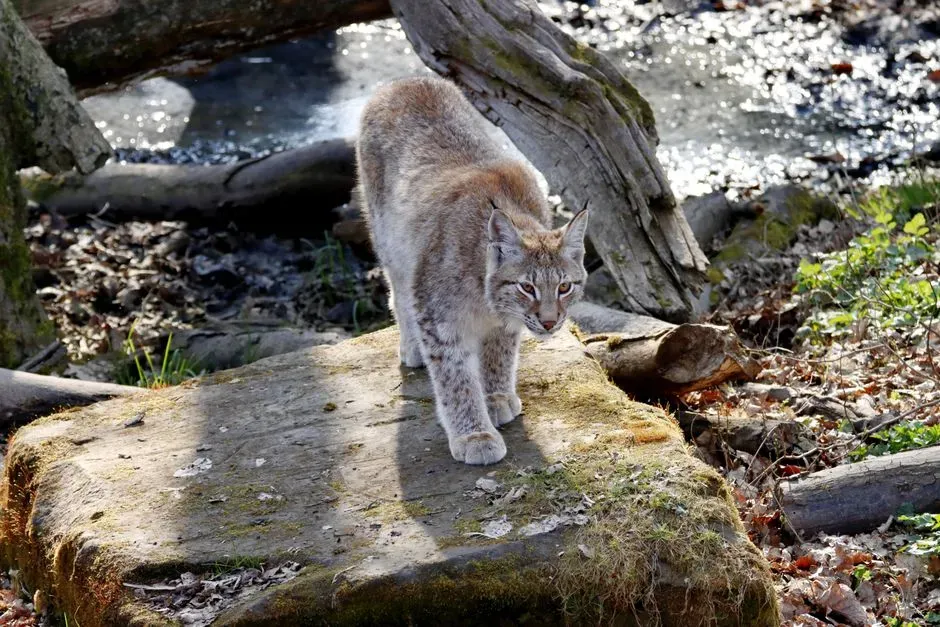
Wisconsin ranks near the top with roughly forty six thousand bobcats according to recent compilations of state data. Its mix of forests, wetlands, and farmland creates ideal conditions for these cats to thrive. Prey species remain abundant, supporting reproduction and survival across seasons.
The state has seen bobcats expand into new areas as habitat recovers from earlier pressures. Sightings and harvest records reflect a stable presence that wildlife managers monitor closely. This balance allows the population to hold steady without dramatic swings.
North Carolina Provides Suitable Habitat
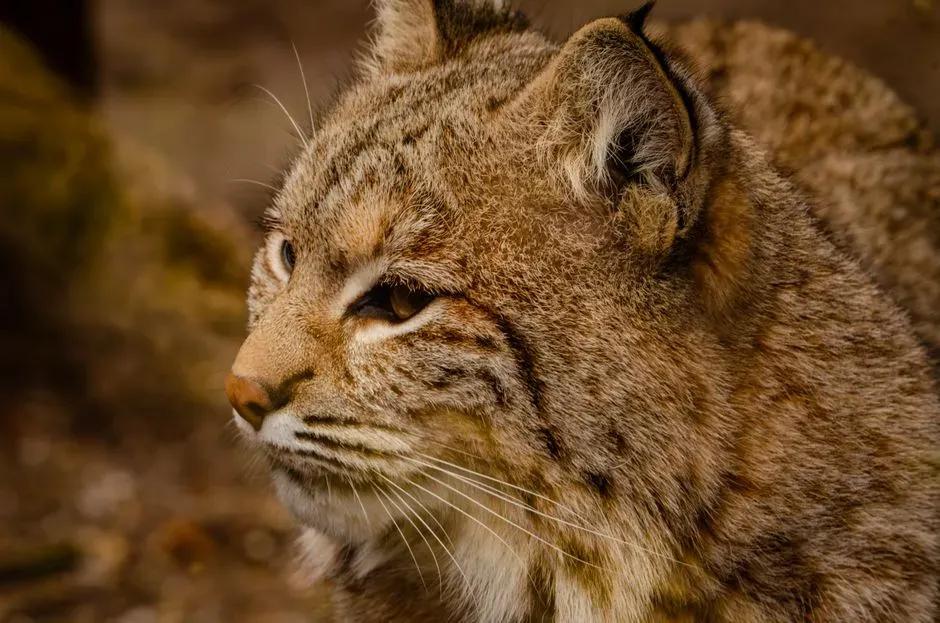
North Carolina hosts an estimated twenty thousand bobcats spread across its diverse regions. Mountain forests, coastal plains, and everything in between offer varied niches for the cats. Milder climates in parts of the state support year round activity and consistent food sources.
These animals benefit from protected lands and corridors that connect different habitats. Roadkill data and observation reports show they occupy much of the available range. The result is a solid population that contributes to the broader eastern recovery of the species.
Colorado Maintains Steady Presence
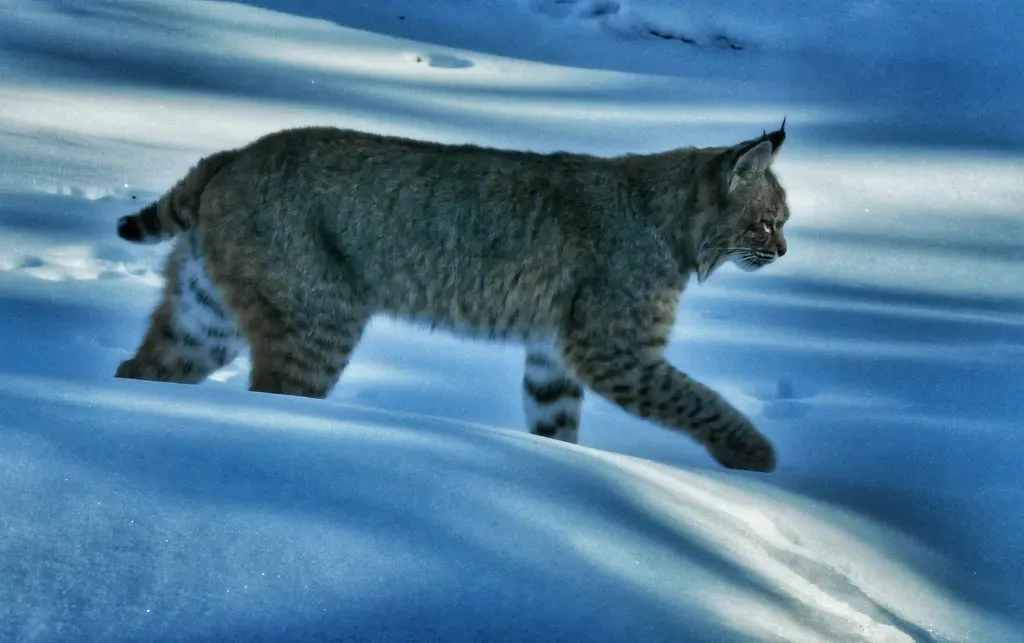
Colorado holds around twelve thousand bobcats, concentrated in its rugged mountains and foothills. The terrain offers plenty of rocky outcrops and canyons where the cats can hide and hunt. Abundant small mammals keep the population supported even in harsher winters.
Wildlife agencies track these animals through various methods to understand trends. Bobcats here tend to avoid dense human areas but still appear in rural zones. This adaptability helps maintain their numbers amid changing land use patterns.
Arizona Features High Densities
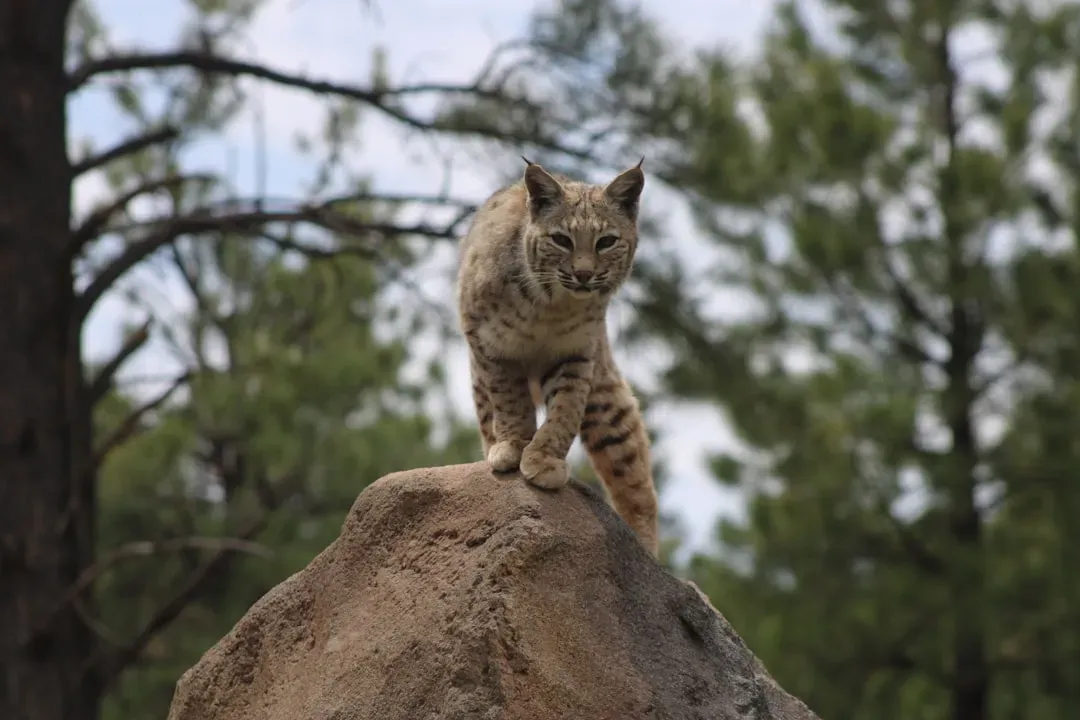
Arizona stands out for bobcat densities in certain zones, with older statewide estimates around sixty thousand. Desert scrub, canyons, and mountain ranges create pockets of excellent habitat. Prey availability in these arid environments supports concentrated groups of cats.
Studies have noted some of the highest local densities in the western states within Arizona borders. The animals navigate both remote backcountry and edges of growing communities. This flexibility contributes to their ongoing success in the region.
Texas Covers Extensive Range
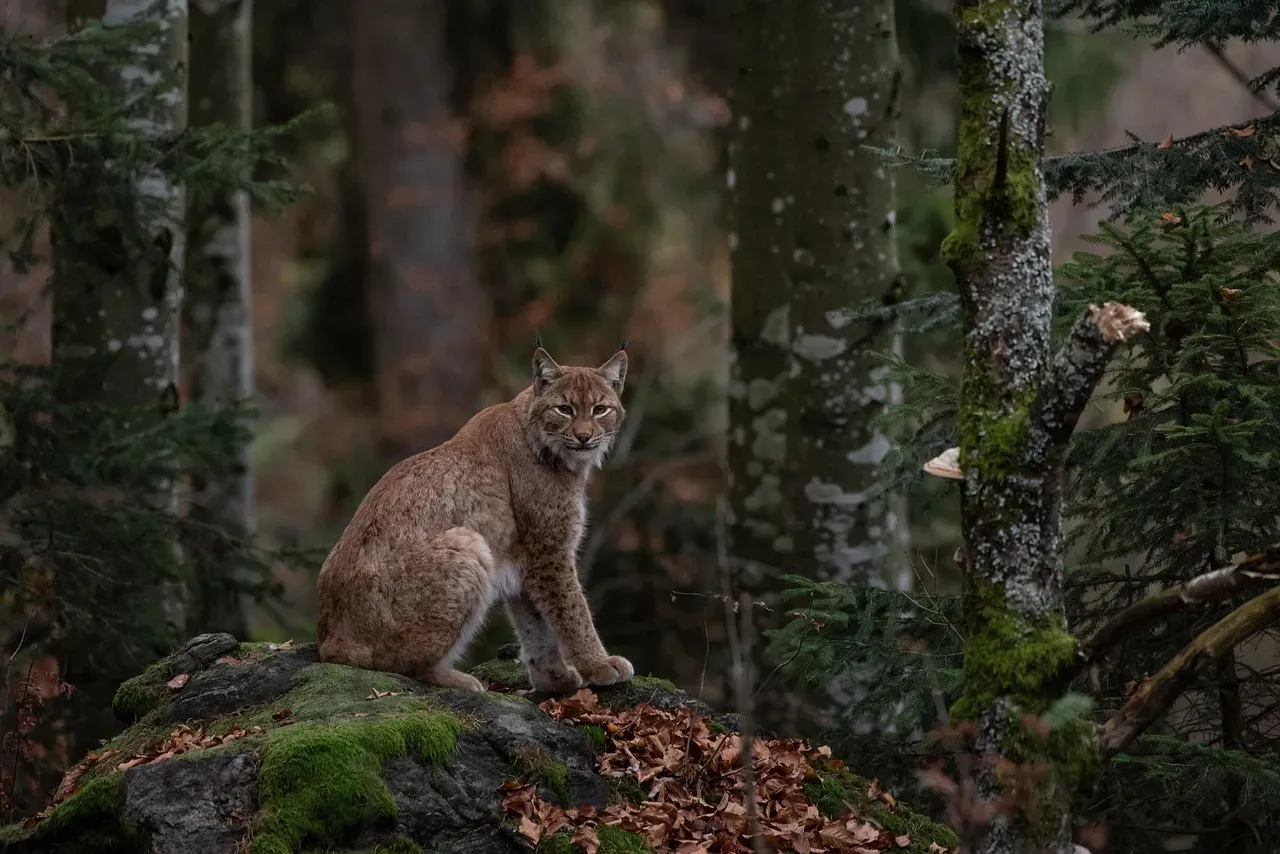
Texas provides habitat across a huge area that supports a sizable bobcat population. Varied ecosystems from piney woods to brush country allow the cats to spread out widely. Estimates from past surveys suggest substantial numbers, though exact figures fluctuate with conditions.
The sheer size of the state plays a role in accommodating more animals overall. Bobcats here benefit from diverse prey and relatively low human interference in many zones. Ongoing monitoring helps track how populations respond to environmental shifts.
Georgia Shows Population Growth
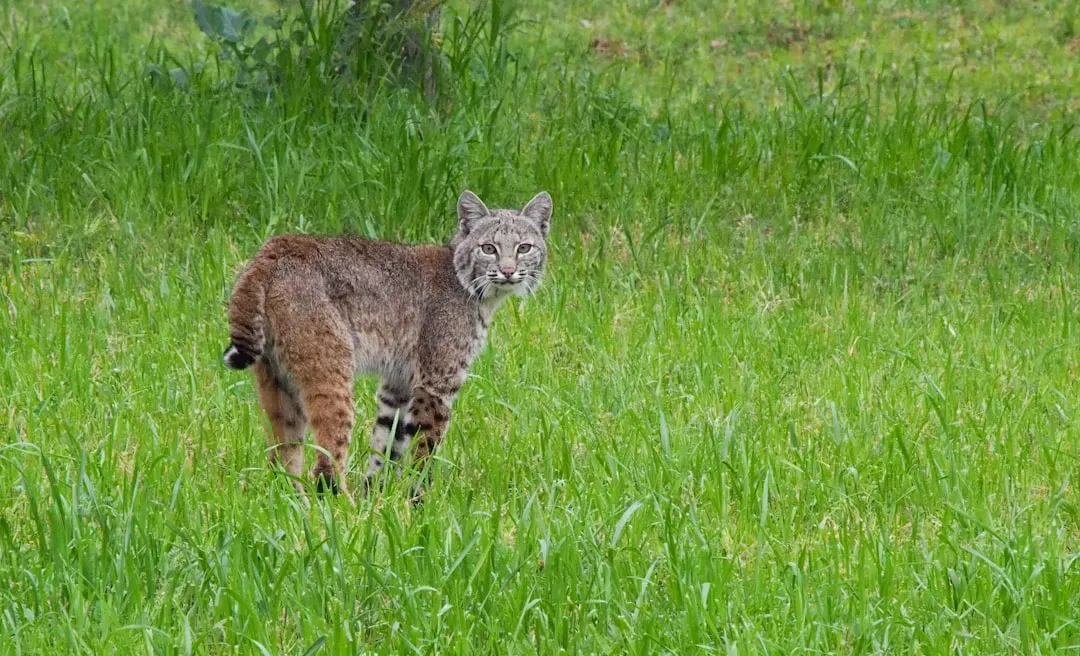
Georgia has experienced notable increases in bobcat numbers over recent years. Forests and rural landscapes across the state offer suitable cover and hunting opportunities. Earlier estimates placed the population in the hundreds of thousands during peak periods, reflecting strong recovery.
These cats have moved into areas where they were once scarce. Observation trends and management reports indicate continued expansion. The result is a vibrant presence that adds to the southeastern stronghold for the species.
Looking Ahead for Bobcats
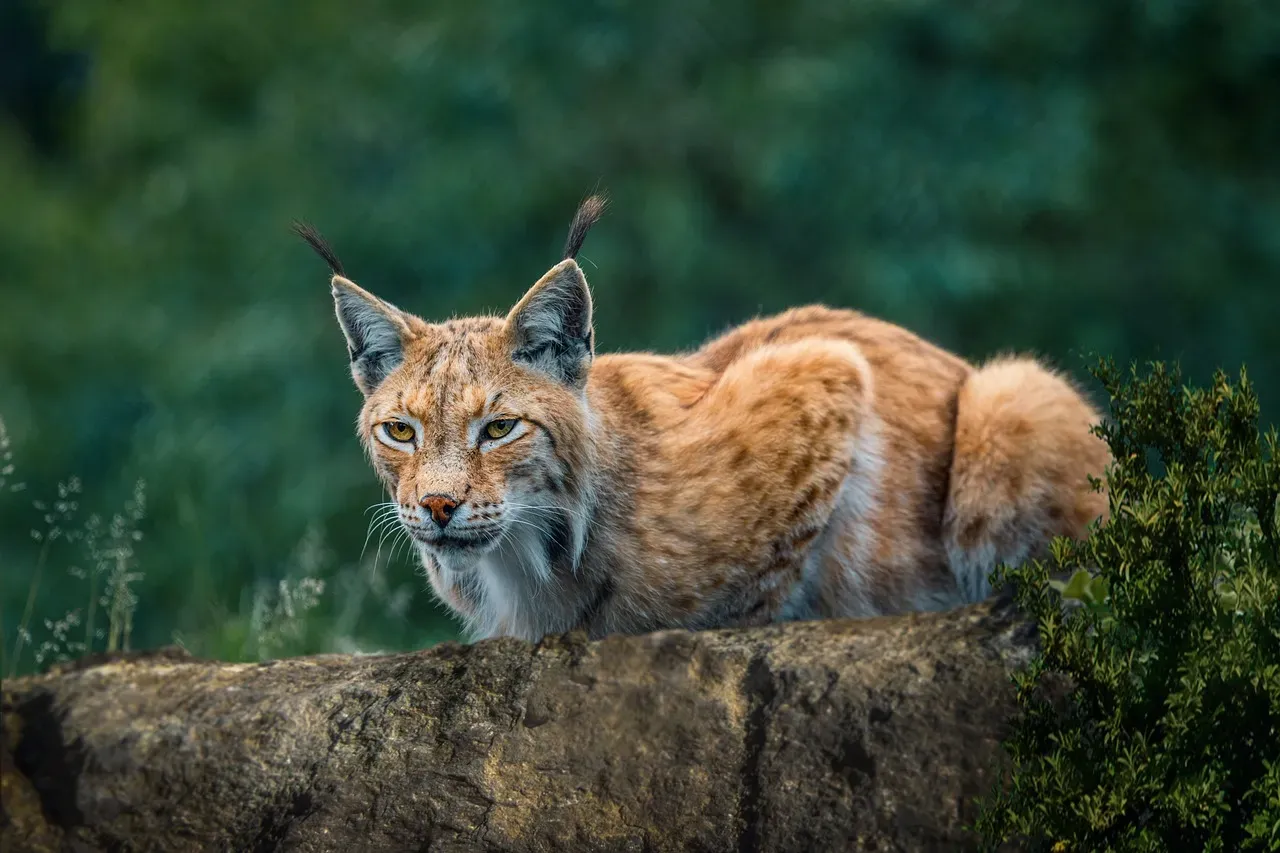
Bobcats demonstrate remarkable resilience as they navigate a changing world. Their ability to adapt across so many states highlights the value of connected habitats and thoughtful management. Continued attention to these factors will shape how their populations fare in the years ahead.
In the end, the remind us that wild spaces still hold room for these quiet predators. Protecting that balance benefits both the animals and the ecosystems they inhabit. Their story continues quietly, one pawprint at a time.
