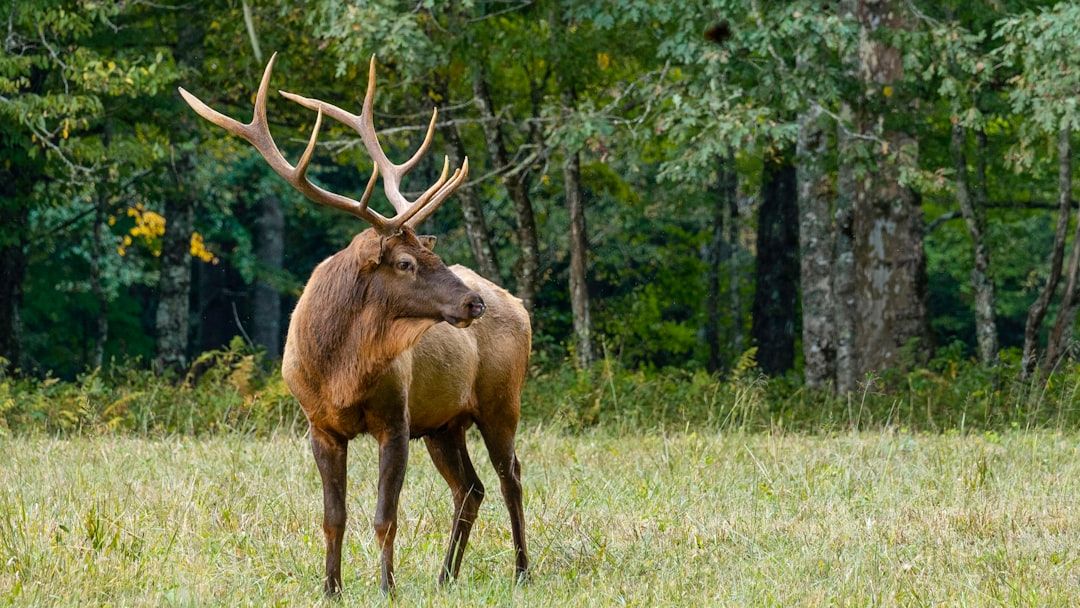
Elk roam across much of the American West in numbers that surprise even longtime wildlife watchers. Their presence shapes landscapes, supports local economies, and draws hunters and photographers year after year. Yet the distribution of these herds is far from even, with a handful of states holding the bulk of the population while others see only scattered groups. **
Colorado
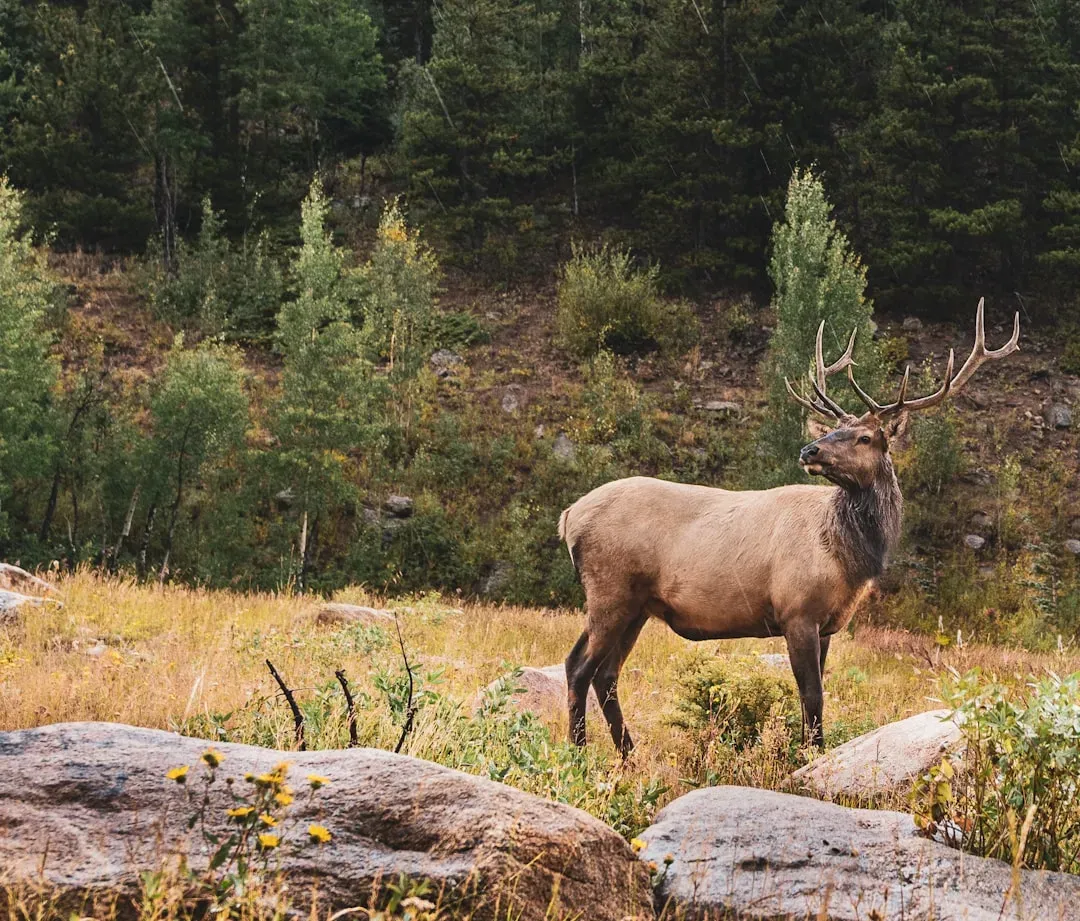
Colorado (Image Credits: Unsplash)
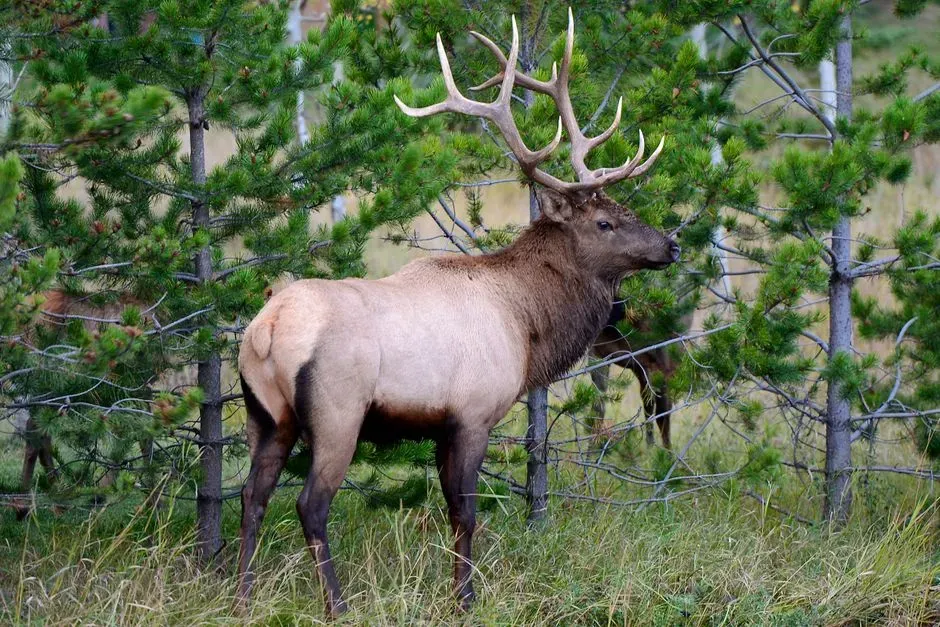
** Colorado stands out with the largest elk herd in the country. Recent estimates place the population near 290,000 animals spread across its mountains and forests. The state offers vast public lands that give these herds room to thrive through different seasons.[1] Habitat management and careful hunting regulations have helped maintain these numbers over decades. Elk here migrate between high summer ranges and lower winter grounds, creating dynamic viewing opportunities for visitors. The sheer scale of the population makes Colorado a benchmark for other states managing similar wildlife. **
Montana
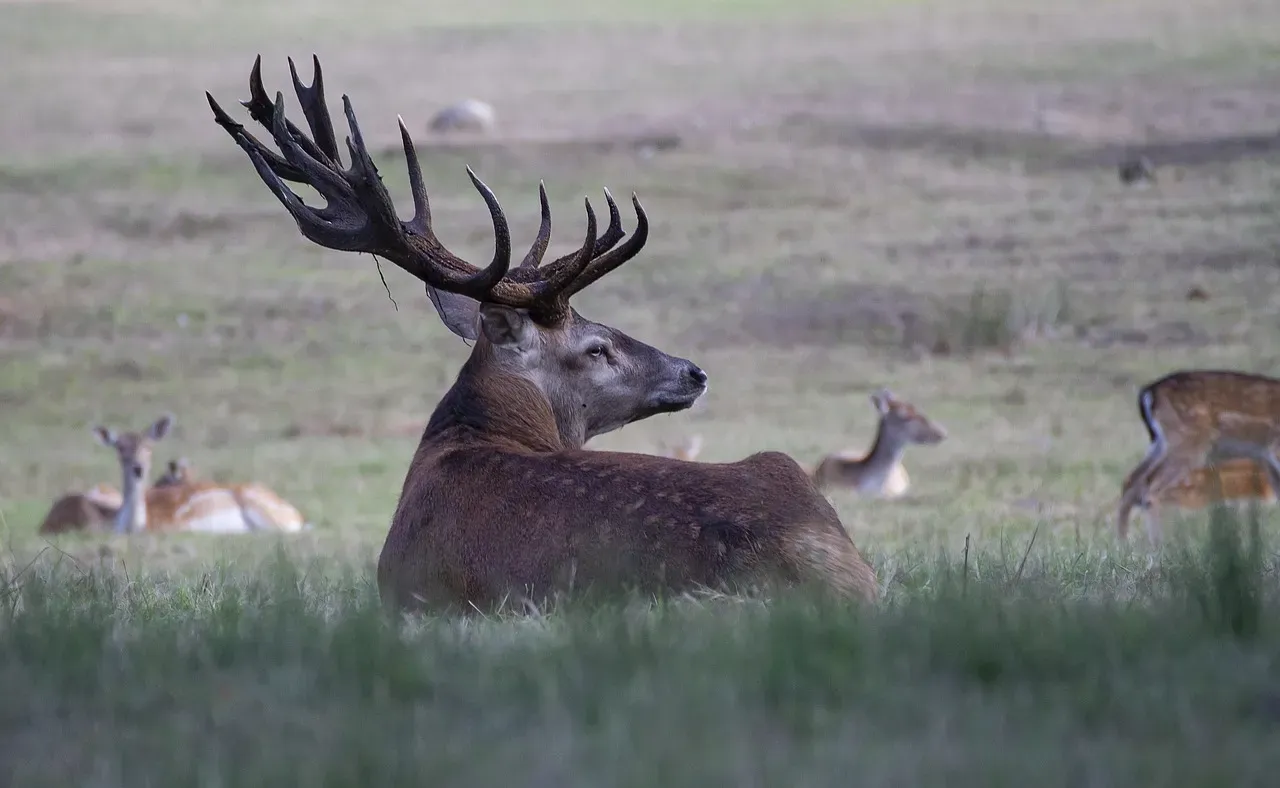
Montana (Image Credits: Pixabay)
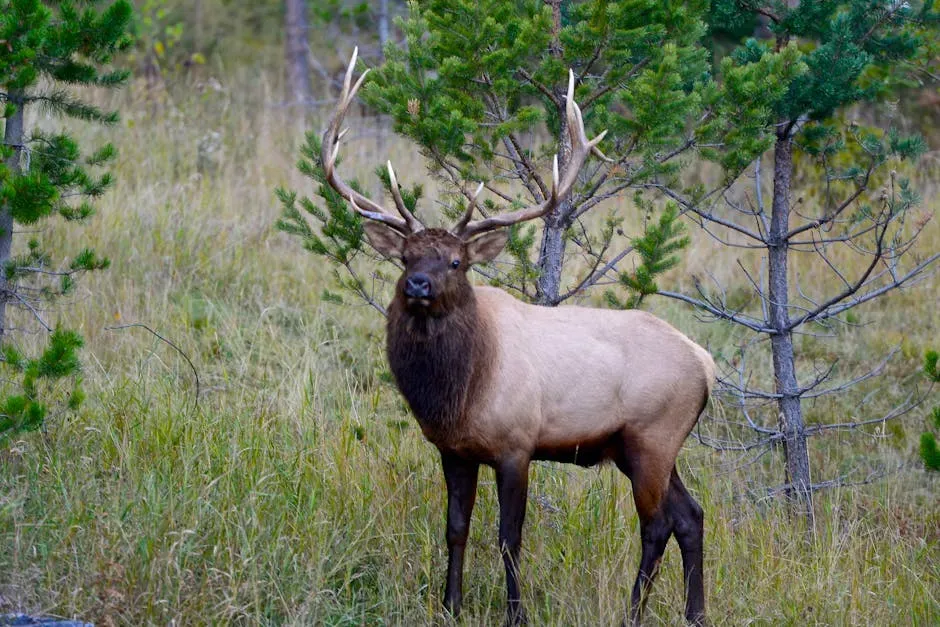
** Montana supports roughly 135,000 elk across its diverse terrain. Open prairies transition into rugged mountains that provide both forage and cover. This mix allows herds to maintain healthy sizes even as conditions shift with weather patterns.[1] Wildlife agencies track these animals closely to balance hunting opportunities with long term stability. Residents and visitors alike encounter elk in places ranging from national forests to private ranches. The state’s size and lower human density contribute to the sense of wild space these animals need. **
Oregon
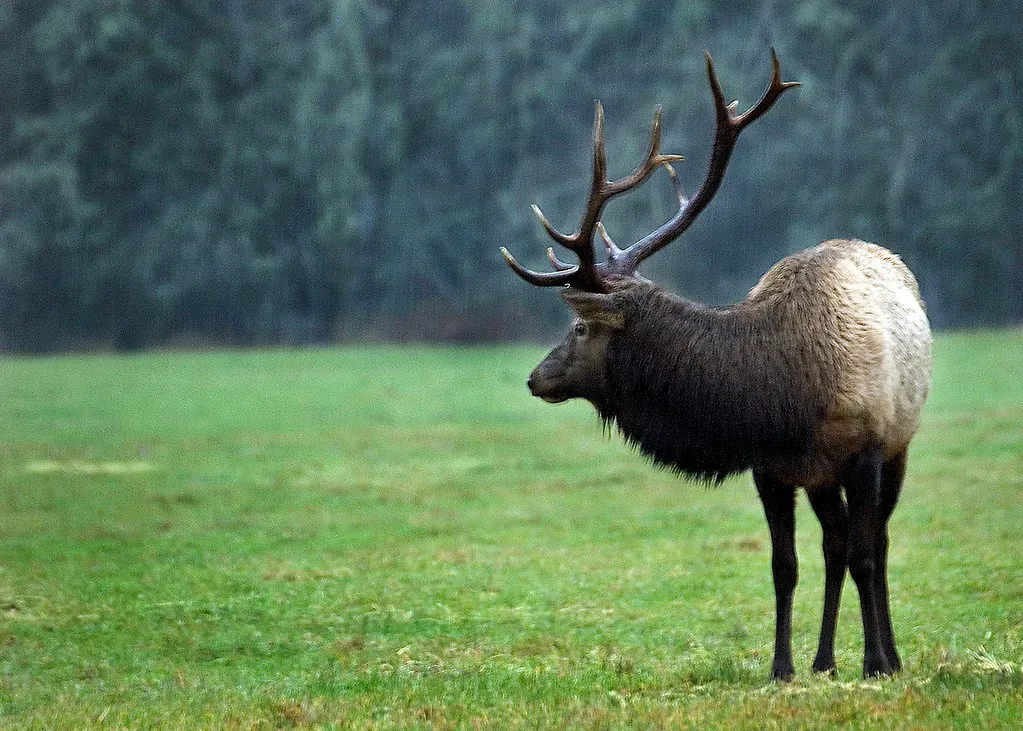
Oregon (Oregon Department of Fish & Wildlife, Flickr, CC BY-SA 2.0)
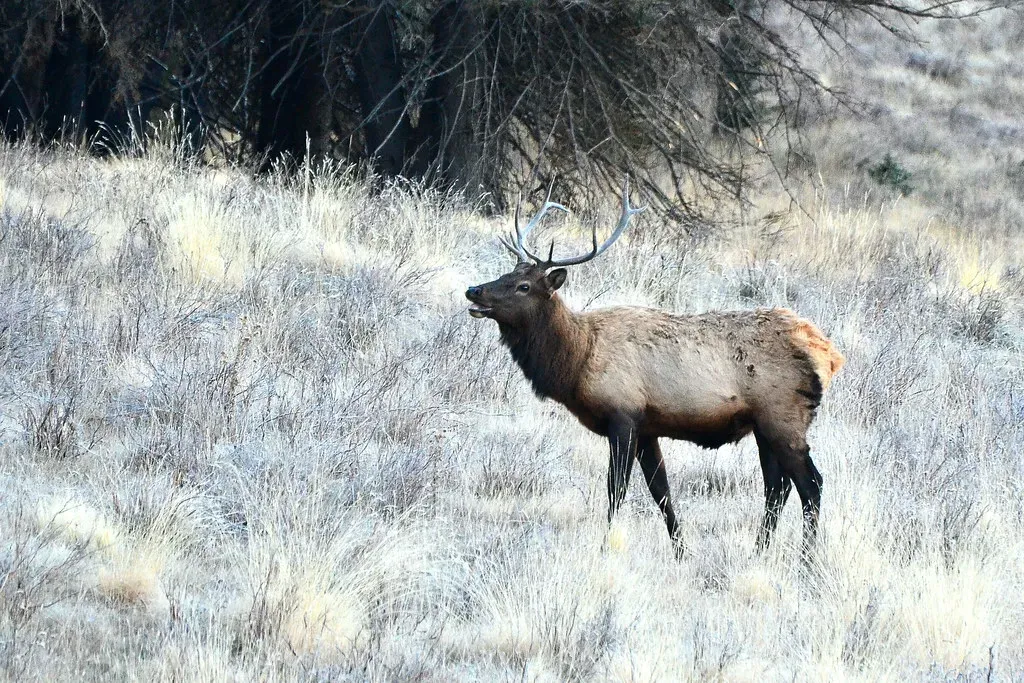
** Oregon holds an estimated 133,000 elk that range from coastal areas into the Cascade Mountains. The varied ecosystems support different subspecies and behaviors within the same state borders. Forest management practices play a key role in sustaining forage for these large herbivores.[1] Hunters and wildlife enthusiasts find opportunities throughout the year in designated zones. Population surveys help adjust seasons and limits to keep herds robust. Oregon’s approach shows how coastal and inland environments can both sustain substantial numbers when protected. **
Idaho
Idaho (Image Credits: Pexels)
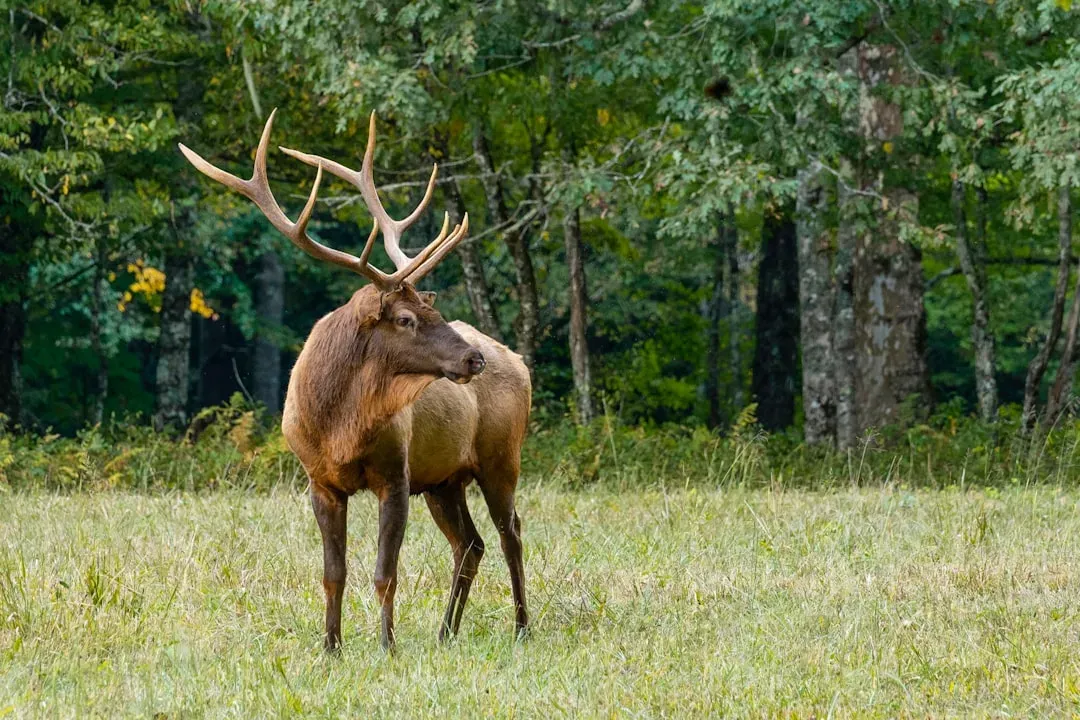
** Idaho is home to around 120,000 elk that benefit from extensive wilderness areas. The state’s remote backcountry offers ideal conditions for breeding and raising young. Public land access remains a major factor in keeping these populations accessible yet stable.[2] Seasonal movements take herds across state lines at times, requiring coordination with neighboring wildlife managers. Local communities often see elk as part of daily life in rural areas. This integration supports both conservation efforts and recreational activities. **
Wyoming
Wyoming (Image Credits: Pexels)
** Wyoming maintains approximately 113,000 elk in its wide open spaces. Iconic landscapes like Yellowstone influence herd movements and provide critical winter range. The state’s focus on habitat connectivity helps these animals navigate changing conditions.[2] Hunting traditions run deep here, with regulations designed to support both residents and nonresidents. Elk viewing draws tourists who contribute to local economies without direct harvest. Balanced management keeps the population steady across multiple decades of data. **
New Mexico
New Mexico (Larry Lamsa, Flickr, CC BY 2.0)
** New Mexico supports roughly 80,000 elk in its southern and northern mountain ranges. The arid climate creates unique challenges that the herds have adapted to over time. Targeted conservation projects have helped expand suitable habitat in recent years.[3] These animals often share space with other big game species, adding complexity to land use planning. State agencies monitor trends closely to respond to drought or other pressures. The result is a resilient population that continues to draw attention from across the region. **
Utah
Utah (Image Credits: Unsplash)
** Utah rounds out the leading states with an estimated 74,000 elk. Its mix of high plateaus and canyons creates pockets of excellent habitat. Careful water management and vegetation restoration support these numbers in a drier environment.[3] Recreational demand remains high, prompting ongoing adjustments to access and seasons. Elk here contribute to the state’s reputation for quality wildlife experiences. Continued attention to migration corridors helps ensure future generations can enjoy the same sights. Elk populations reflect a long history of recovery and thoughtful stewardship across the West. The concentration in these seven states highlights both natural advantages and human efforts that keep herds thriving. As conditions evolve, the focus on habitat and balanced use will determine how these numbers hold in the years ahead.
Did you find this helpful? Share it with a friend who’d love it too!
Gargi is an MA in History and a B.Ed graduate from India, with a deep passion for animals and wildlife awareness. As an article writer and editor at Animals Around The Globe, she combines her love for storytelling with her dedication to educating readers about animals, conservation, and responsible pet care. A devoted dog lover, Gargi enjoys creating engaging and informative content that inspires compassion and awareness toward the natural world.