
Unmatched Olfactory Abilities
Dogs possess roughly 300 million scent receptors compared with the roughly six million found in humans. This hardware lets them register tiny shifts in airborne molecules that escape human notice entirely. Their brains devote far more space to processing smells, turning everyday air into a detailed map of recent events and emotional states.
That sensitivity extends to the subtle chemistry of human skin and breath. When emotions rise or fall, the body releases different compounds that dogs can isolate with precision. The result is an early warning system tuned to changes people often overlook until later.
Detecting Cortisol and Other Hormones

Cortisol levels climb quickly during stress, and dogs can smell the resulting changes in sweat and breath. Studies show these chemical markers appear well before a person labels the feeling as anxiety or pressure. Oxytocin and other compounds tied to calm or connection also produce distinct scents that dogs track over time.
Because these signals travel through the air, a dog can register them from across a room or even through clothing. The nose works faster than conscious thought, giving the animal a head start on reading the room. Owners frequently notice the dog reacting first, then realize their own mood has shifted only after the fact.
Insights from Controlled Studies
Researchers at the University of Bristol exposed dogs to sweat samples collected from people under stress and from the same people when relaxed. The dogs that smelled the stress samples later approached uncertain situations with more hesitation, suggesting the odor itself influenced their outlook.[1]
Separate work has documented dogs distinguishing between baseline and stressed human odors in blind tests. These experiments remove visual and sound cues, leaving scent as the only variable. The consistent results point to a reliable biological mechanism rather than coincidence or training alone.
Behavioral Responses in Dogs

When dogs detect these changes, they often move closer, offer gentle contact, or simply stay nearby without prompting. Some become more vigilant or restless, mirroring the tension they have picked up. Others grow calmer themselves, as if trying to balance the emotional temperature in the space.
These reactions happen without any spoken command or obvious trigger visible to the owner. The dog responds to information carried in the air, not to dramatic displays. Over repeated observations, many people learn to trust the dog’s early signals as a useful cue about their own state.
Synchronization of Stress Levels

Long term measurements reveal that dogs and their owners often show matching patterns in cortisol over weeks and months. The dog’s stress hormone profile tracks closely with the human’s, even when daily routines differ. This alignment suggests ongoing exchange of emotional information through scent and presence.
Personality traits in the owner, such as higher neuroticism, also correlate with elevated cortisol in the dog. The connection runs both ways, yet the data indicate dogs frequently mirror the human side of the equation. Shared living spaces amplify these subtle exchanges over time.
Implications for Therapy and Support
Service dogs already use scent detection for conditions like seizures or low blood sugar, proving the nose can flag physiological shifts reliably. Extending that skill to emotional monitoring opens possibilities for mental health support roles. Early alerts could help people intervene before stress escalates into something harder to manage.
Therapy programs increasingly incorporate dogs precisely because of this sensitivity. The animals provide a living barometer that responds in real time. Their presence alone can lower human cortisol while the same interaction raises oxytocin in both species.
The Deeper Bond This Reveals
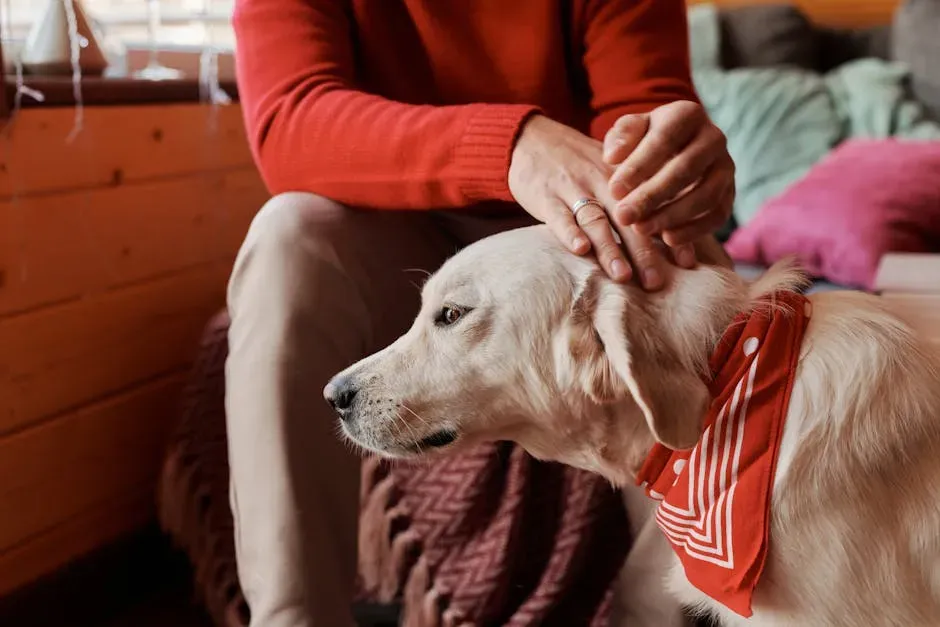
Living with a dog means sharing an unspoken channel of information that runs beneath words and gestures. The ability to sense emotional shifts first adds a layer of quiet partnership that feels almost protective. It turns ordinary days into a continuous, low key conversation conducted through scent and attention.
Recognizing this capacity invites people to pay closer attention when the dog behaves differently. That small pause can become a useful check in on personal well being. In the end, the relationship grows richer because both sides bring distinct strengths to the same shared life.

- Why You Should Never Feed Bears in Campgrounds - July 23, 2026
- 14 Signs Vets Say Mean Your Older Cat Still Has a Lot of Life Ahead - July 23, 2026
- 15 Tender Things an Old Dog Does in the Season Before It Lets Go - July 23, 2026