
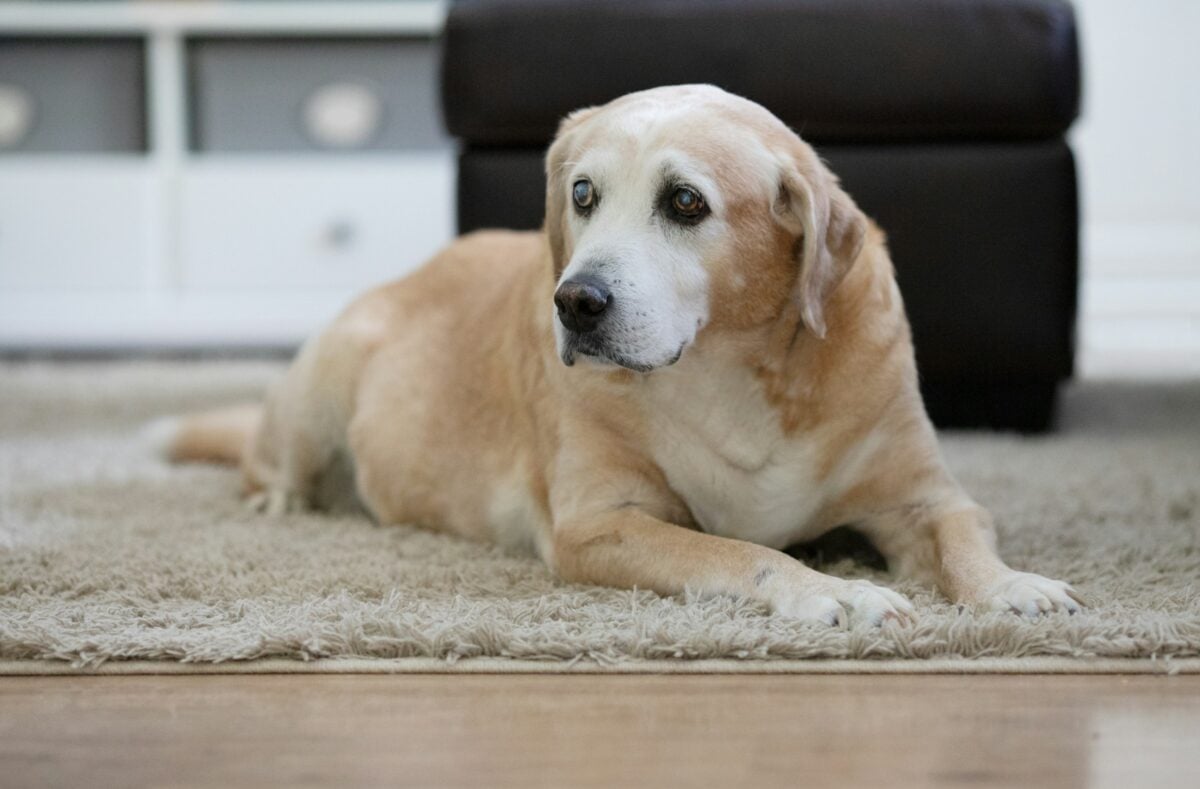
Most dog owners believe the end comes suddenly, like a switch flipping overnight. Veterinarians who spend their careers caring for aging pets say that’s rarely true. There’s a season before the end, quiet and easy to miss, where an old dog starts saying goodbye in ways most owners never learn to read.
The strange part is how consistent these signs are, whether the dog is a Labrador who’s slept beside you for twelve years or a scrappy rescue you’ve only had for two. Fifteen small behaviors keep showing up in hospice-care notes and in the stories of long-time owners alike. Once you see the pattern, you won’t look at your dog’s quiet moments the same way again.
#1 – They Suddenly Want to Be Touching You, Always
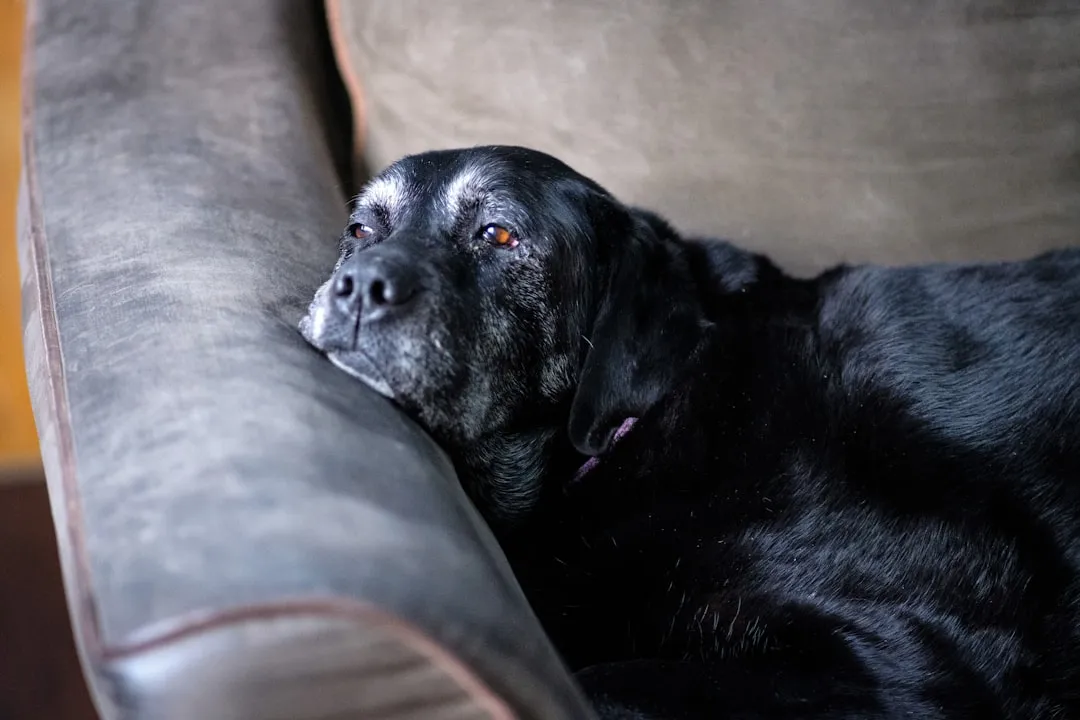
An old dog who once slept across the room starts pressing their body against your leg, your foot, your side of the bed. This isn’t neediness, it’s comfort-seeking behavior tied to declining senses. As hearing and eyesight fade, physical contact becomes their primary way of tracking you.
Many owners describe this stage as the dog “shadowing” them from room to room, unwilling to let a door close between them. It’s not separation anxiety in the traditional sense. It’s closer to reassurance-seeking, the same way a person might hold a hand tighter in an unfamiliar hospital room. The touch tells them everything is still okay. Settle in, though, because #2 turns something almost invisible into one of the most moving signs on this list.
#2 – Old Toys and Blankets Suddenly Matter Again
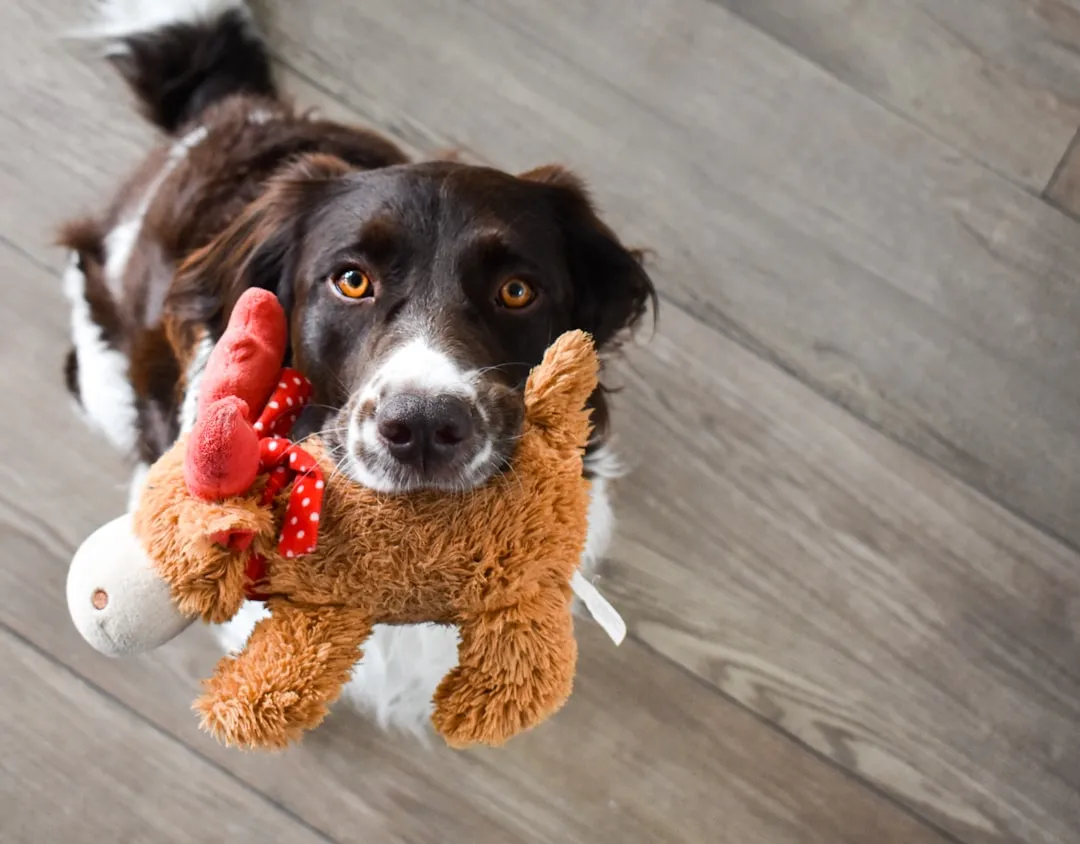
A dog that ignored its favorite stuffed toy for years will suddenly drag it out and lie beside it for hours. Familiar objects, worn blankets, an old collar, a specific spot on the rug, take on new importance in this final chapter.
Behaviorists link this to a nesting-like instinct, a pull toward comfort and predictability as the body starts feeling less reliable. The scent of something familiar can be more soothing to a declining dog than any new toy you buy them. It’s a small, quiet signal that their world is shrinking to what feels safest. Still, nothing quite prepares you for the strange energy hiding in #3.
#3 – Sudden Bursts of Puppy-Like Energy
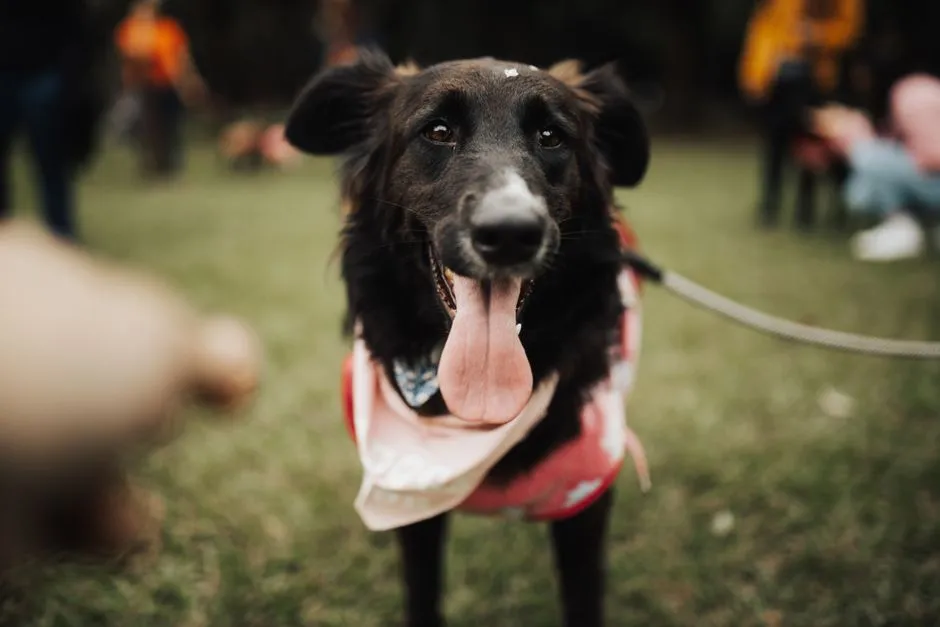
Just when families start preparing for the worst, an old dog will have a day, sometimes several, where they seem to bounce back completely. They trot instead of limp. They play with a toy. They bark at the mail carrier like they’re two years old again.
Veterinary hospice specialists call this a “rally,” and it’s common in the final weeks of many terminal conditions. It’s not a sign of recovery, and this is where many owners get it painfully wrong. A rally can feel like a miracle, but it’s often the body’s temporary surge before decline resumes. Enjoy it, but don’t mistake it for a turnaround. Wait until #4, because it flips everything you think you know about comfort.
Fast Facts
- A “rally” is a temporary surge in energy and appetite, often seen in the final weeks of chronic or terminal illness.
- These bursts can last anywhere from a few hours to several days before fatigue returns.
- Many caregivers use rally days for gentle walks, favorite treats, or extra time outdoors rather than assuming full recovery.
- A rally does not reverse the underlying condition, even when the improvement looks convincing.
#4 – They Start Sleeping in Places They Never Used To
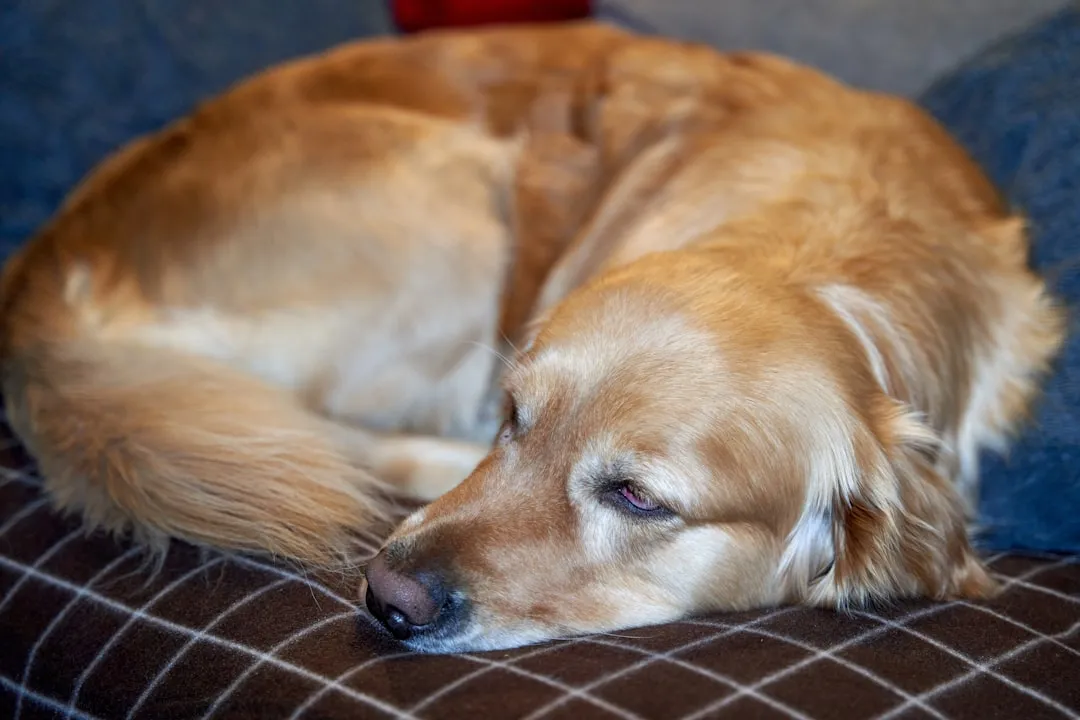
An old dog who always slept upstairs may suddenly choose the cool tile floor in the bathroom, or a hidden corner of the closet. This shift in sleeping location is one of the most consistent signs mentioned by long-time hosts of senior and hospice dogs.
Some of this is physical, joints ache less on cool, hard surfaces than soft dog beds that trap heat. But some of it is instinctual. Dogs in the wild seek quiet, hidden spaces when they’re vulnerable, and that instinct doesn’t disappear with domestication. It’s not rejection of you or your home. It’s an old, buried survival habit resurfacing. That’s just the start, though. #5 is where things get genuinely confusing for most owners.
#5 – Their Appetite Becomes Unpredictable, Then Selective
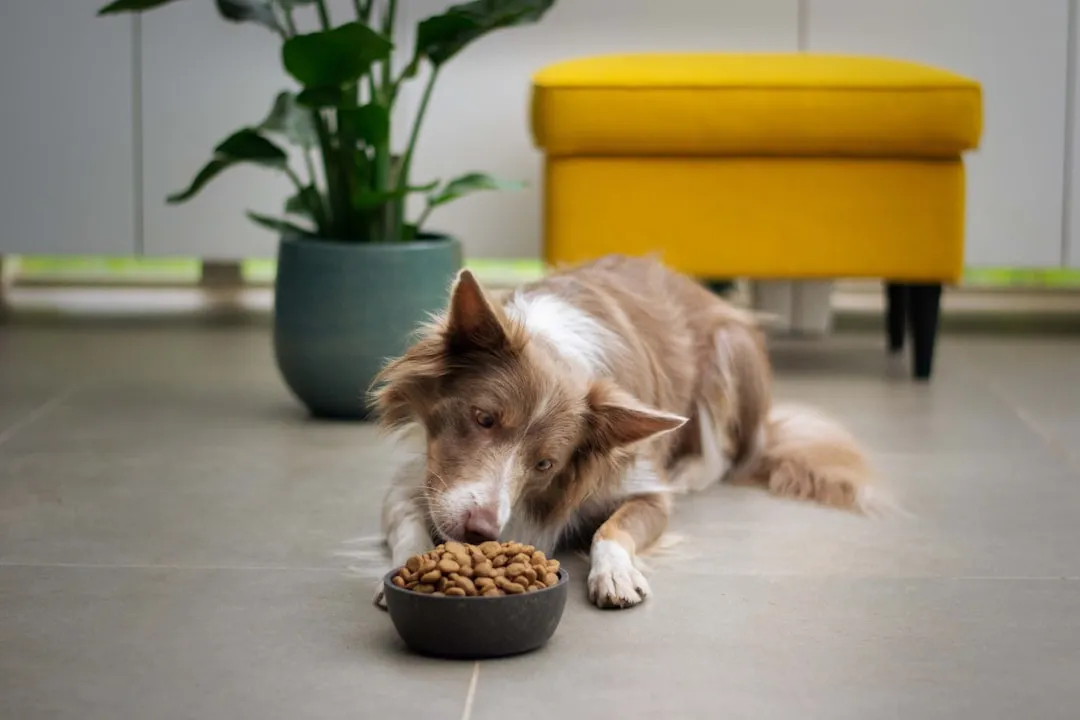
Food that once triggered instant excitement gets sniffed and ignored. Then, days later, the same dog devours a random treat like nothing changed. This inconsistency confuses owners more than steady decline would.
A senior dog’s appetite in this season often becomes more about smell and texture than hunger itself. Warmed food, softer textures, or stronger-smelling proteins may briefly reignite interest. Vets frequently recommend smaller, more frequent offerings rather than forcing full meals, since appetite loss here is rarely about stubbornness. It’s about a body that’s slowly recalibrating what it can still process. And if you think that’s subtle, #6 might be the hardest one to sit with.
#6 – Long, Silent Stares Become Their New Language
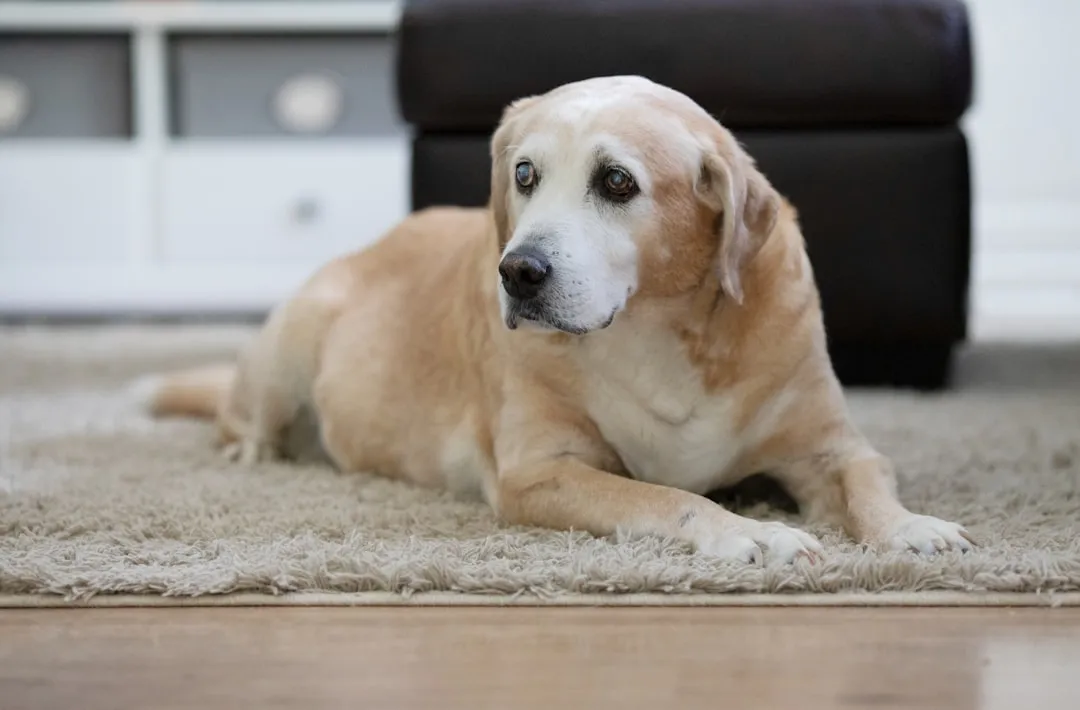
Owners often describe an old dog fixing them with a long, steady gaze, not a request for food or a walk, just a look that lingers. Many say it feels different from any stare that came before it.
Behavior experts suggest this may relate to increased reliance on visual connection as other senses dull, alongside a general slowing of activity that makes stillness more common. Dogs communicate primarily through body language, and in this stage, sustained eye contact often becomes their clearest way of saying “I know you’re there.” It’s uncomfortable for some owners, moving for others. Either way, it’s rarely random. It only gets more personal from here, and #7 shows up in almost every home with an aging dog.
#7 – They Start Avoiding Stairs, Cars, and Once-Loved Routines
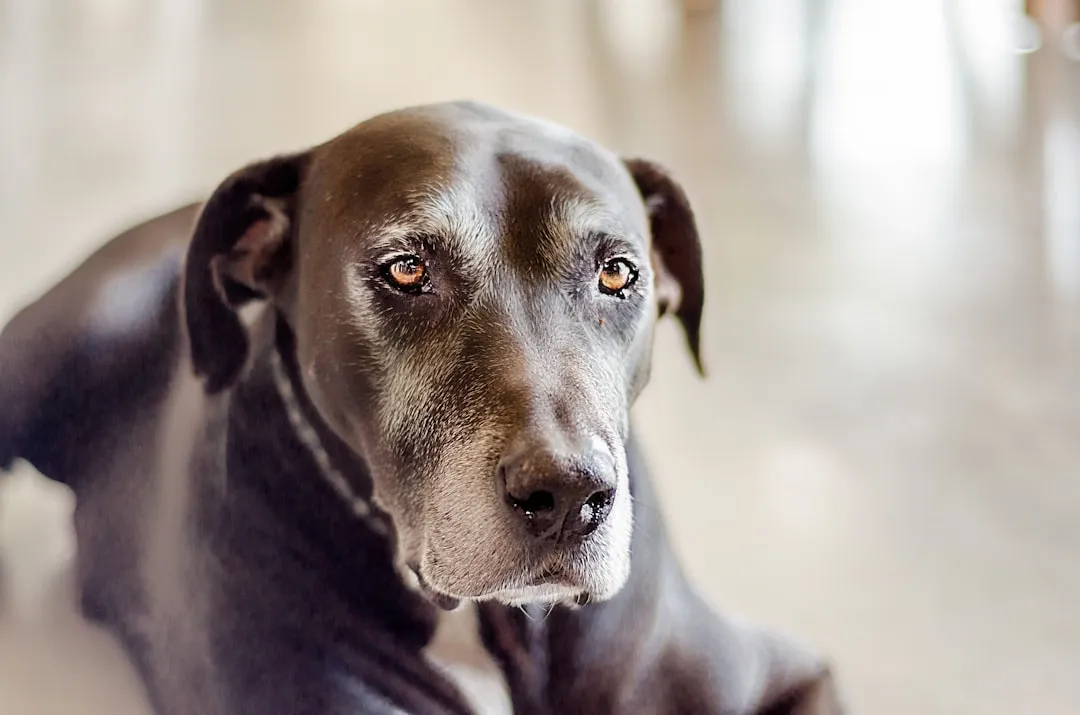
A dog that used to launch into the back of the car now hesitates at the door. Stairs they climbed daily become a slow, careful negotiation, or get avoided entirely.
This is mostly physical, arthritis, muscle loss, and balance changes all worsen with age, and hospice-stage dogs often have multiple issues layered together. What looks like stubbornness is almost always pain management in disguise. Forcing the old routine can cause more harm than skipping it. Adjusting your home instead of demanding the old habits continue is one of the kindest shifts an owner can make here. But #8 catches owners off guard in the middle of the night, literally.
Worth Knowing
- Non-slip rugs or mats on hardwood and tile can reduce slipping near stairs and slick floors.
- Ramps or portable steps help dogs avoid jumping in and out of cars or onto furniture.
- Shorter, more frequent walks are often easier on aging joints than one long outing.
- Beds with raised or padded sides can ease the strain of standing up from a lying position.
#8 – Their Bark or Whine Changes in Tone and Timing
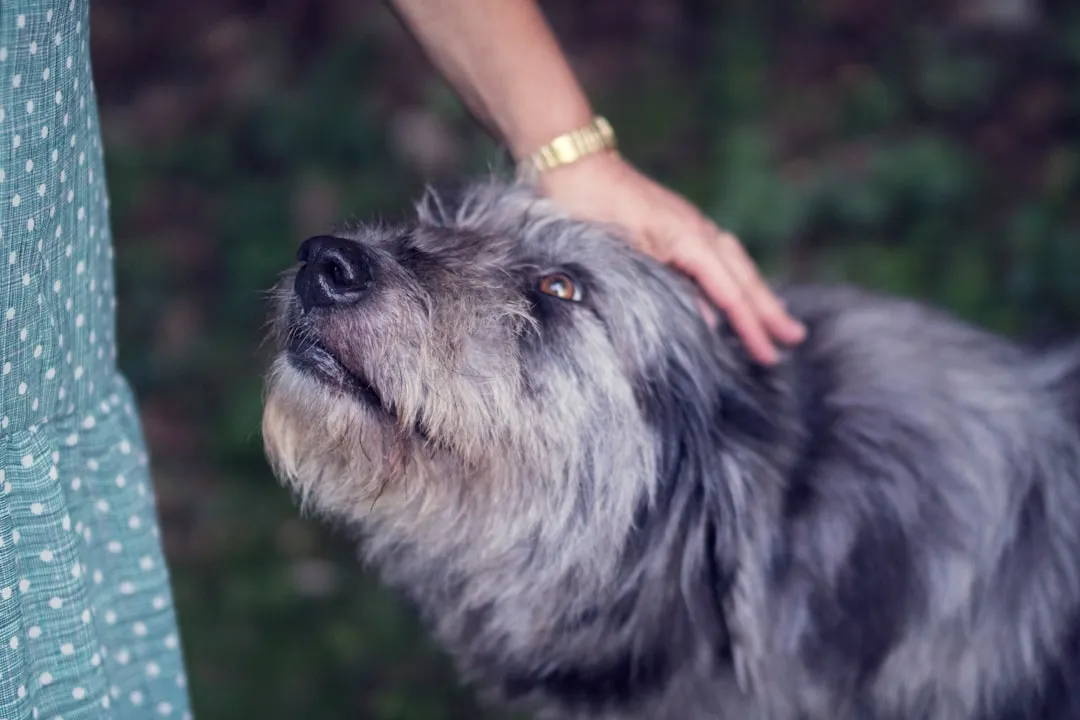
Long-time owners often notice a shift in vocal sounds, a quieter bark, a new whine at night, or vocalizing at times that never used to trigger noise before. It can be unsettling because it feels unfamiliar.
Changes here are frequently tied to disorientation, mild cognitive decline, or discomfort that the dog can’t otherwise express. Nighttime vocalization in particular is one of the most reported changes in aging and hospice dogs, often linked to confusion once daylight fades. It’s not misbehavior. It’s communication with a vocabulary that’s changing along with the body producing it. Keep going, because #9 explains something owners often mistake for pure coincidence.
#9 – They Seek Out Sunlight and Warmth Constantly
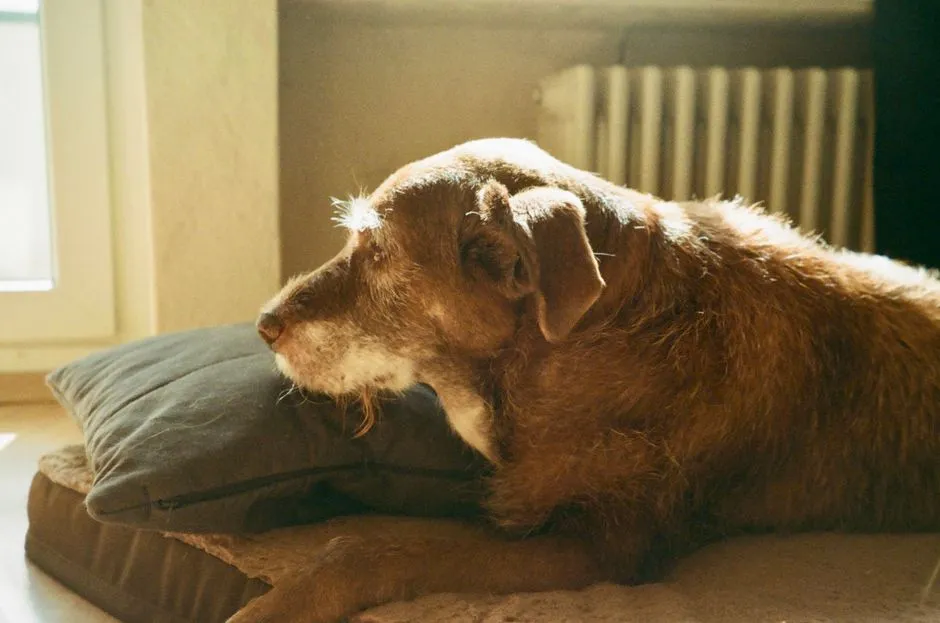
An old dog that once avoided direct sun will now chase every patch of light across the floor throughout the day, repositioning themselves as the sun moves.
This is largely circulatory and physical. Aging bodies regulate temperature less efficiently, making warmth not just comforting but genuinely necessary for aching joints and slowing systems. Heated beds, warm blankets, and sunny spots aren’t indulgences at this stage; they’re a form of physical relief. Many hospice-care guides for pets specifically recommend prioritizing warmth access as one of the simplest quality-of-life improvements available. Still, #10 might be the one that worries people the most, for good reason.
#10 – Grooming Habits Shift, Sometimes Dramatically
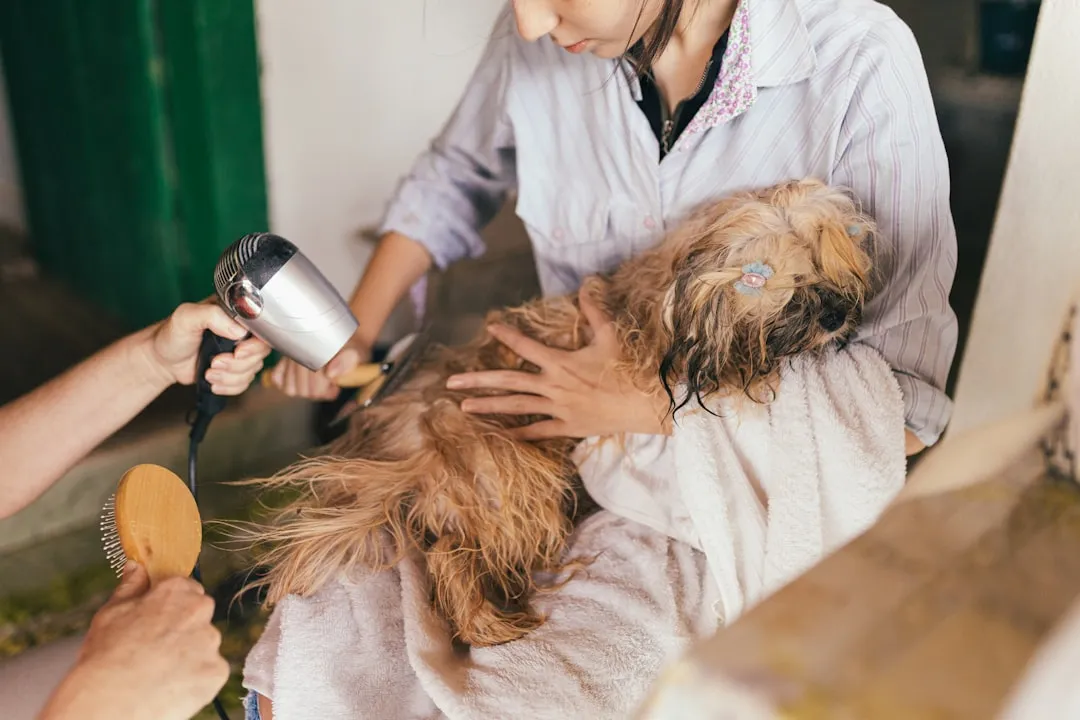
A dog that always kept itself impeccably clean may stop self-grooming almost entirely. Alternatively, some dogs suddenly over-groom one spot repeatedly, licking a paw or leg far more than usual.
Both directions point to the same root cause: the dog’s body is spending its remaining energy on survival functions, not maintenance ones. Reduced grooming often reflects fatigue or joint pain that makes twisting and reaching difficult. Over-grooming, on the other hand, can signal anxiety, discomfort, or an attempt to self-soothe. Either shift is worth mentioning to a vet, since both are common in dogs entering their final season. Then there’s #11, small enough to miss, but impossible to forget once you notice it.
Quick Compare
- Reduced grooming: often tied to joint pain, fatigue, or trouble reaching certain spots.
- Over-grooming: often tied to anxiety, discomfort, or a self-soothing response to stress.
- Either pattern: worth flagging to a vet, especially alongside a new bald patch, sore, or odor.
#11 – Their Tail Wags Become Slower, But More Deliberate
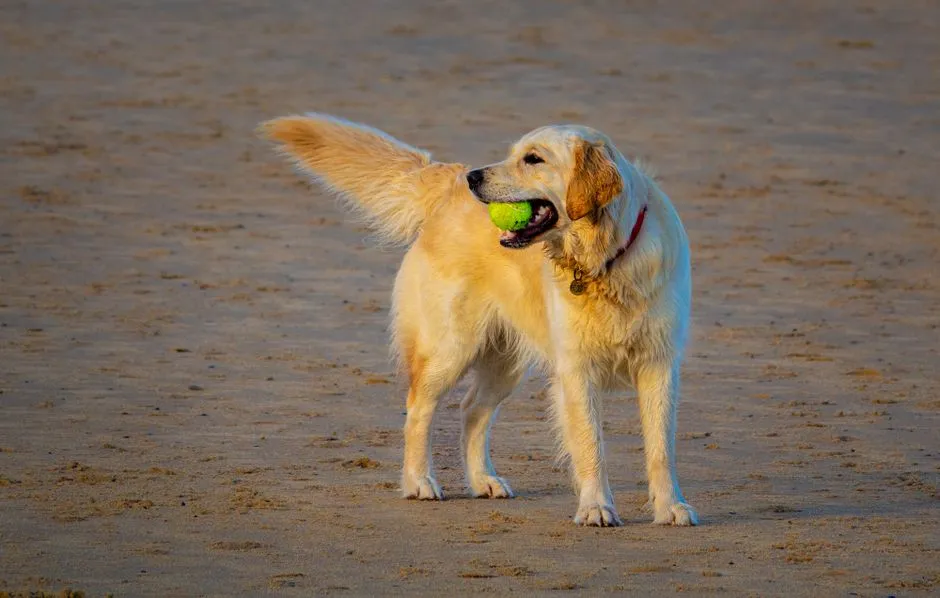
The tail doesn’t wag as fast or as often anymore, but when it does move, it’s slow, sustained, and clearly directed at something specific, usually you.
This subtle change is frequently overlooked, yet it’s one of the more emotionally striking shifts owners report. A slow, sustained wag in a declining dog is often described as more meaningful than the rapid, reflexive wagging of a younger dog, because it appears more intentional and less automatic. It’s less about excitement now and more about acknowledgment. Some describe it as the dog’s way of still saying hello, even when everything else has slowed down. #12 looks like distance. It’s actually the opposite.
#12 – They Choose Solitude for Short Windows, Then Return
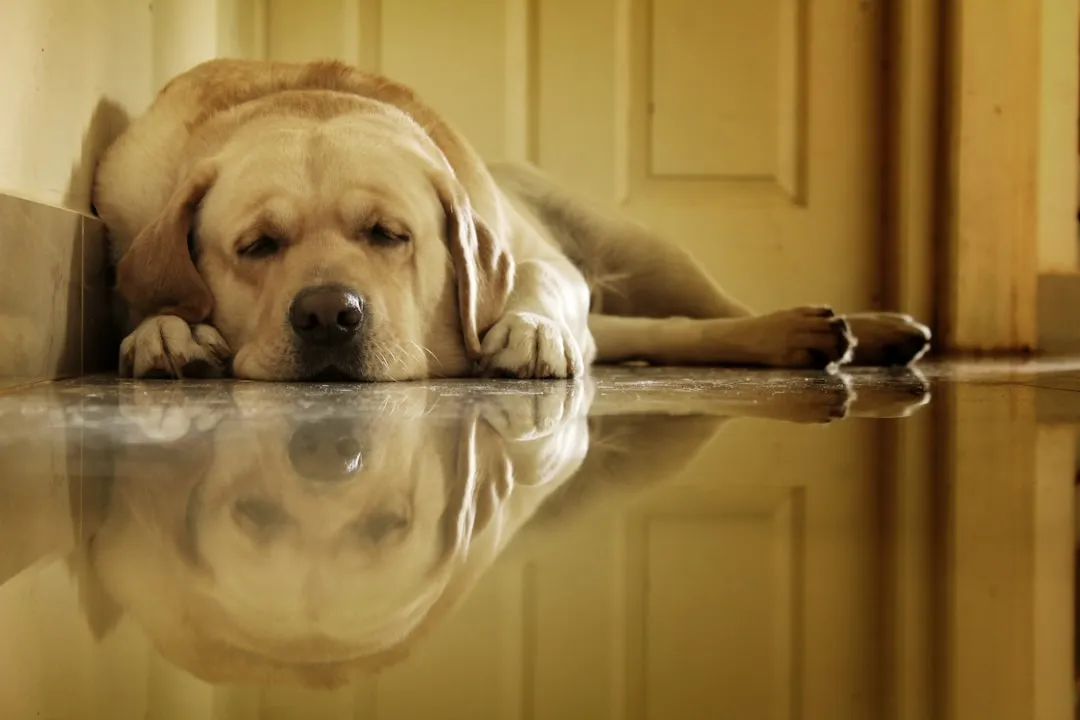
Occasionally, an old dog will retreat to a quiet room alone, staying there for an hour or more, before reappearing as if nothing happened. This on-and-off need for solitude is different from full withdrawal.
Many vets link this pattern to a dog managing pain or fatigue privately, then returning once they feel able to engage again. This isn’t rejection. It’s energy conservation, a body budgeting what little stamina remains between necessary rest and the pull to still be near the people it loves. Respecting these windows, rather than constantly coaxing the dog out, often reduces stress for both sides. #13 is the one nobody wants to talk about, but almost every owner faces it.
#13 – Accidents Increase, and Shame Often Follows
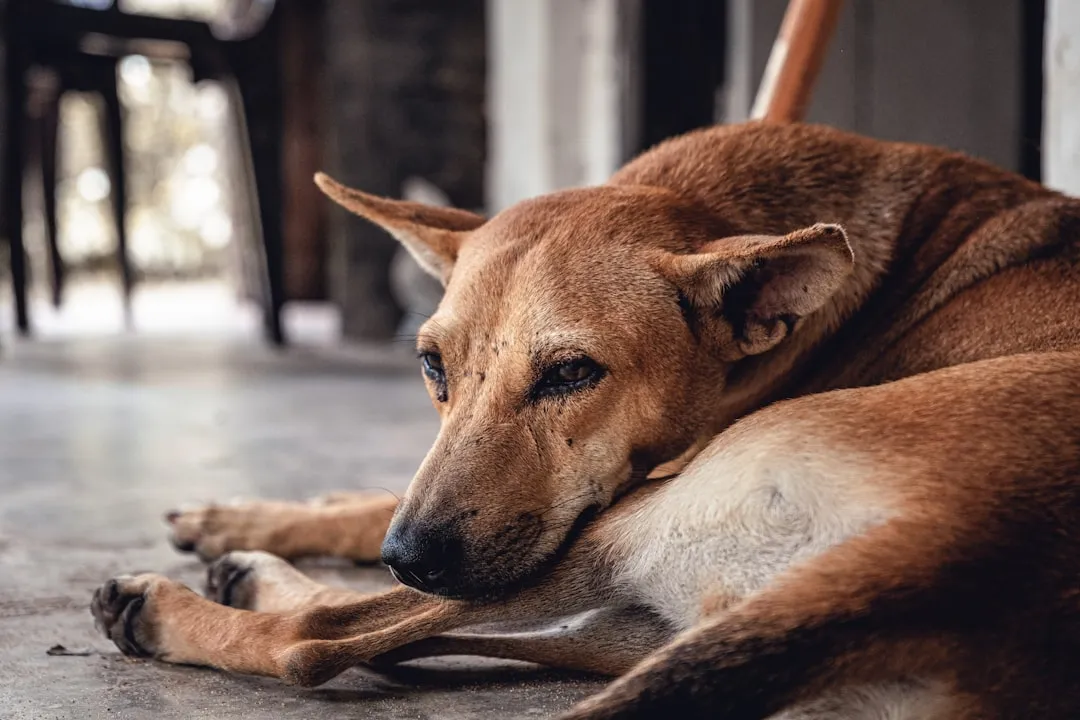
Housetraining that held steady for a decade starts slipping. Accidents happen indoors, sometimes paired with a visibly embarrassed or anxious reaction from the dog afterward.
This is almost always physical, weakening bladder control, mobility issues preventing timely outdoor trips, or cognitive decline affecting awareness. Many owners mistakenly interpret this stage as regression or misbehavior, when it’s actually one of the clearest physical signs of advanced age. A calm, blame-free response matters here more than correction ever did. Piddle pads, more frequent outdoor breaks, and patience become the new normal, not punishment. By #14, the world around your dog starts shrinking in a very specific way.
At a Glance
- Waterproof mattress covers and washable pads can protect furniture without adding stress to the routine.
- Shorter, more frequent bathroom breaks often help more than one or two long walks a day.
- Belly bands or doggie diapers can offer dignity and easier cleanup for dogs with limited bladder control.
- A calm, neutral tone after accidents helps avoid adding anxiety to a dog that may already sense something is wrong.
#14 – Their Interest in Other Animals or Strangers Fades
A dog that used to greet every visitor or chase every squirrel becomes indifferent to both. Other pets in the household get a passing sniff instead of the enthusiastic engagement of before.
Experts describe this narrowing of social interest as energy prioritization: the dog is conserving what remains for the relationships and routines that matter most, usually centered entirely on their primary caregiver. It’s not a loss of personality so much as a filtering of it. The world gets smaller, quieter, and far more focused on the handful of people and moments that still feel worth the effort. Nothing on this list compares to what happens right before #15.
#15 – They Seek You Out Right Before Resting, Every Single Time
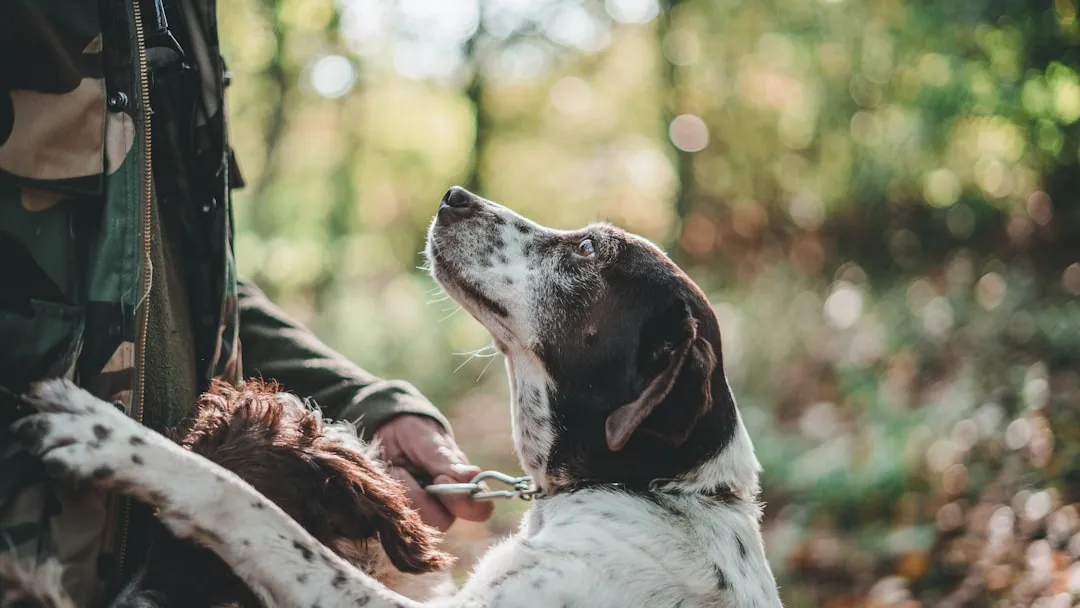
In the final stretch, many owners report a pattern that feels almost ritualistic: the dog seeks them out, leans in, or makes eye contact right before settling down to sleep or rest, every time, without fail.
This consistent, deliberate check-in is one of the most emotionally significant patterns described by hospice-care professionals working with aging pets. It’s widely interpreted as the dog’s way of confirming safety before letting their guard down completely, a final act of trust repeated again and again. Owners who notice this pattern often describe it as the moment they understood their dog was communicating something real, even without words. It’s the clearest, gentlest signal of the bond still holding strong until the very end.
The Bottom Line
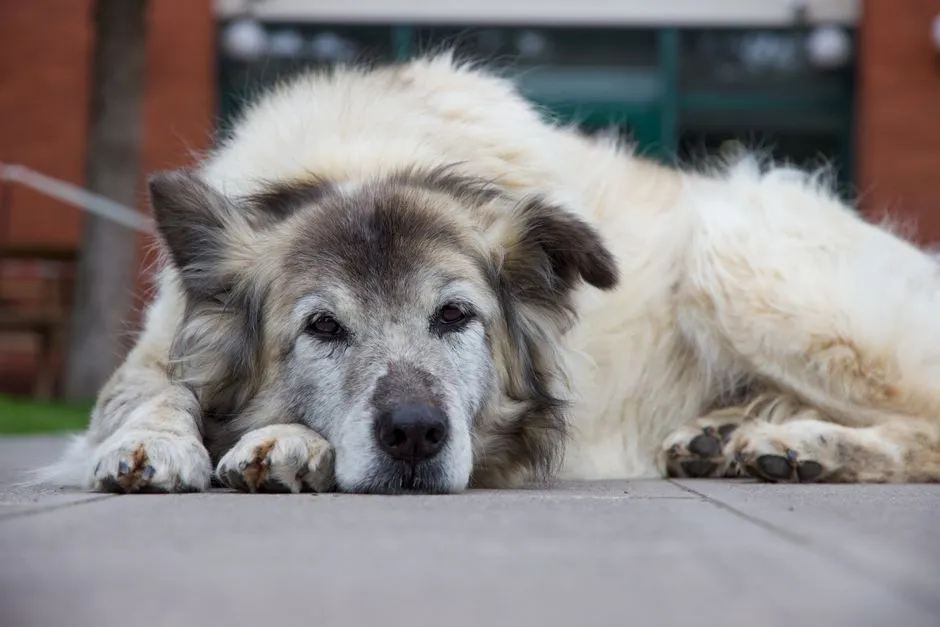
Here’s the uncomfortable truth: most owners miss these signs because they’re looking for one big moment instead of fifteen small ones. The final season of an old dog’s life isn’t a decline story, it’s a communication story, told through touch, stillness, and small rituals most people never learn to read.
Owners who pay attention to these shifts often say they felt more connected to their dog in these final months than almost any other point in their life together. That’s the part worth sitting with. Not the sadness of an ending, but the clarity of finally understanding a language your dog had been speaking the whole time.
