
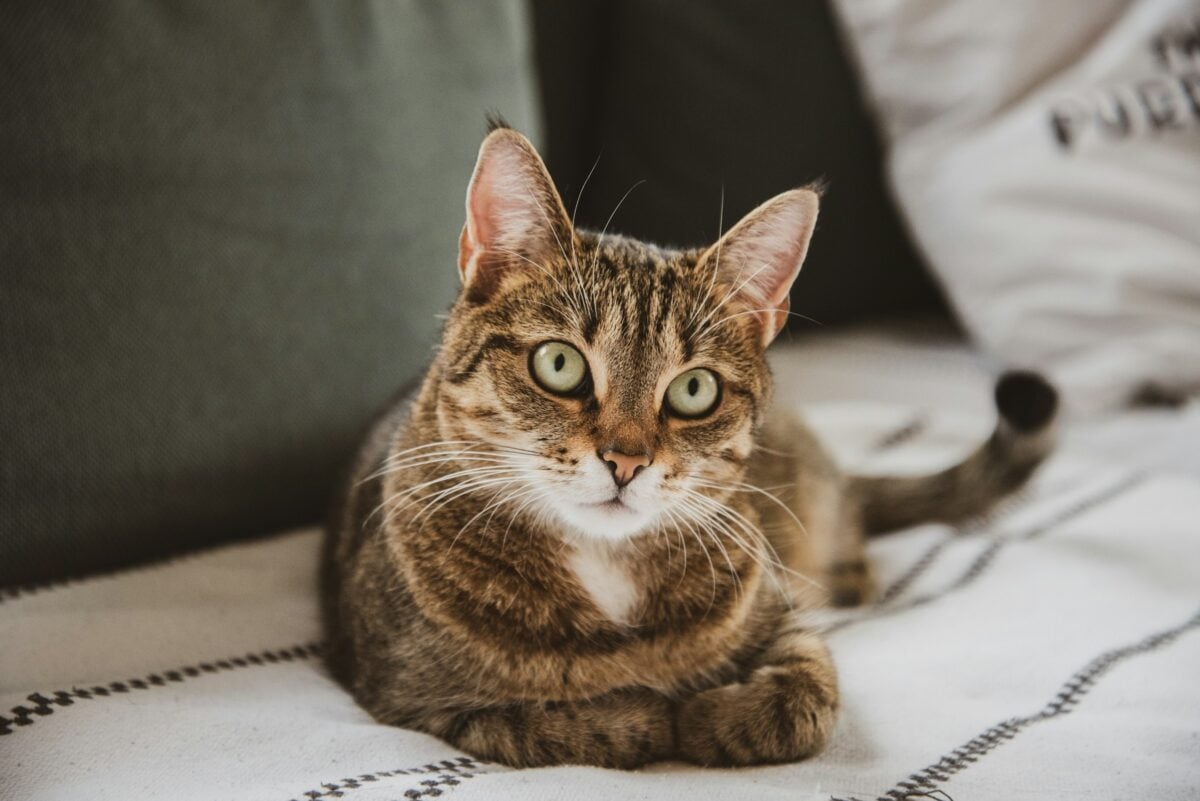
Most cat owners see the gray muzzle, the slower stairs, the extra naps, and quietly start grieving a cat who isn’t actually dying – she’s just aging. Vets say that assumption is backwards, and it causes people to miss the real warning signs while panicking over completely harmless ones.
The truth is, a handful of ordinary, unglamorous habits are the clearest proof a senior cat still has plenty of good years left. The tricky part is knowing which everyday behaviors actually mean something – and vets have a very specific list of what to watch for.
#1 – She Still Chases the Sunbeam Across the Floor
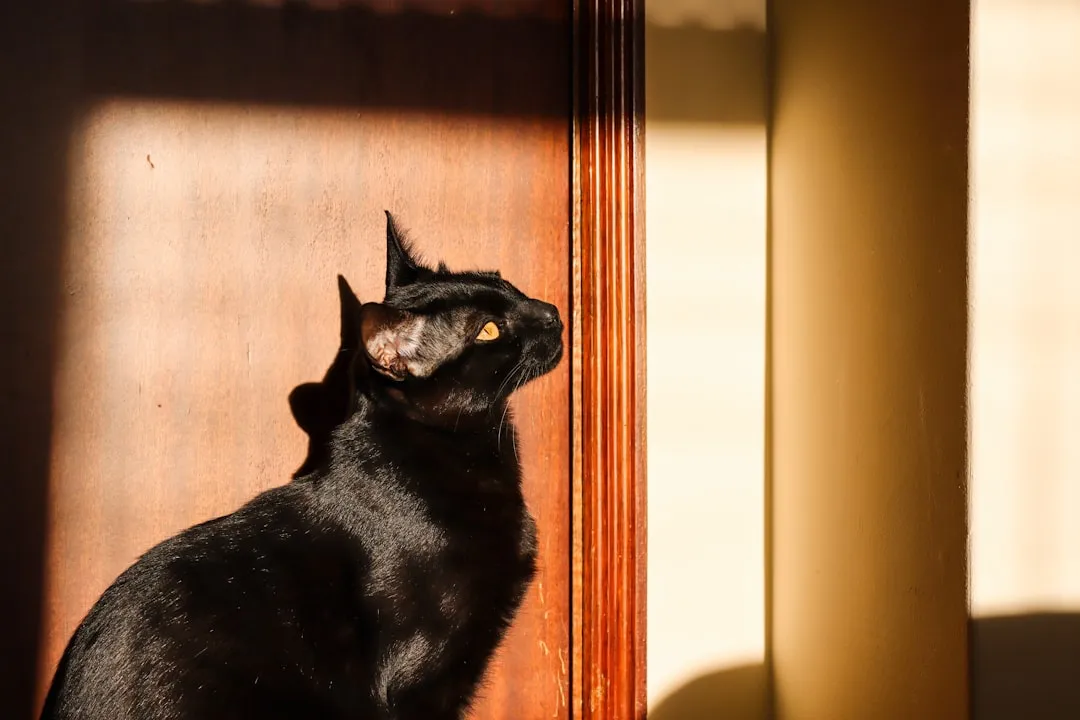
A senior cat who still hunts down the warmest patch of sunlight in the house every single day is telling you something important about her comfort level. Vets have long noted this instinct doesn’t fade with age – if anything, it sharpens. Cats gravitate toward warmth their whole lives, and owners are told to keep an older cat’s favorite bed away from drafty corners of the home.
This isn’t just a cute habit. A cat who’s actively relocating room to room to chase warmth is showing mobility, motivation, and body awareness – three things that vanish fast in a cat who’s truly struggling. A cat too sick to bother would simply stay put, so if your senior is still chasing sun spots, her joints and her drive are both doing exactly what they should.
#2 – Her Coat Still Feels Smooth, Not Matted
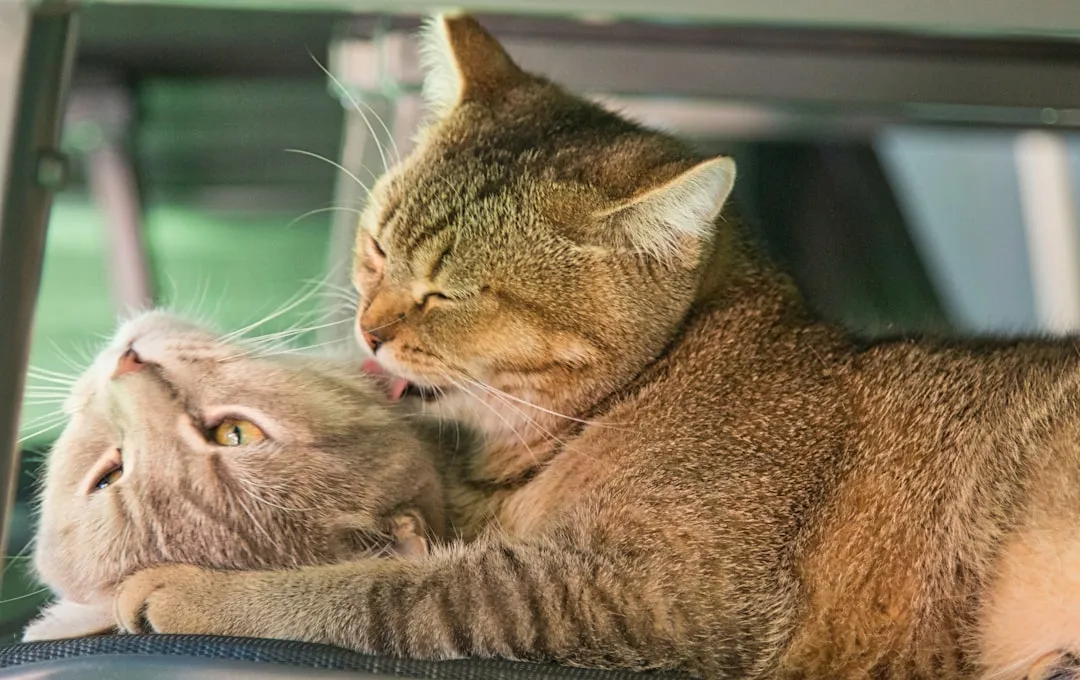
A shiny, smooth coat on an older cat is one of the most underrated signs of good health, and most owners never think to actually check for it. Run your hand over your cat during normal petting – a healthy senior’s coat should still feel smooth. If it turns matted, dull, or coarse, that’s often a sign of pain or an underlying illness, not just “getting old.”
Grooming takes flexibility, energy, and a functioning sense of self-care, all things that quietly disappear when a cat feels bad. A cat who still keeps herself groomed is basically self-reporting that she feels fine. Owners tend to write off a duller coat as inevitable aging, but vets say it’s rarely automatic – it’s a clue worth paying attention to.
Fast Facts
- A healthy senior coat should look smooth and slightly glossy, not dull or brittle.
- Grooming trouble often shows up first around the hips, tail base, and back legs, where stiff joints make reaching hardest.
- Sudden matting in a cat who groomed herself fine last month is worth mentioning at the next vet visit.
- Gentle brushing two to three times a week can help stiff or arthritic seniors keep their coat in good shape.
#3 – He Still Shows Up Hungry, Right on Schedule
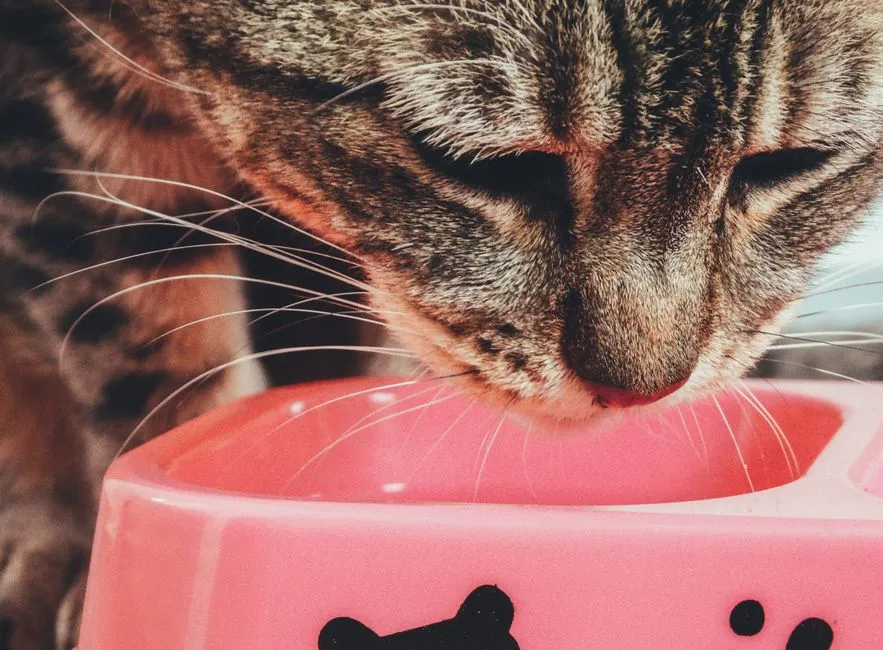
An older cat who still gets excited for mealtime instead of needing to be coaxed is quietly winning at senior health. It’s true that appetite can dip with age as taste and smell diminish, but a cat who still shows up eager and on schedule is bucking that trend in the best possible way.
Appetite is one of the fastest things to slip when something’s wrong internally, which is why vets treat sudden disinterest in food as an urgent red flag rather than a normal aging quirk. A cat who’s still food-motivated is telling you her organs, her senses, and her drive are all intact – and a steady, enthusiastic eater is one of the clearest green lights a senior cat can give you.
#4 – Her Gums Are Still a Healthy Pink
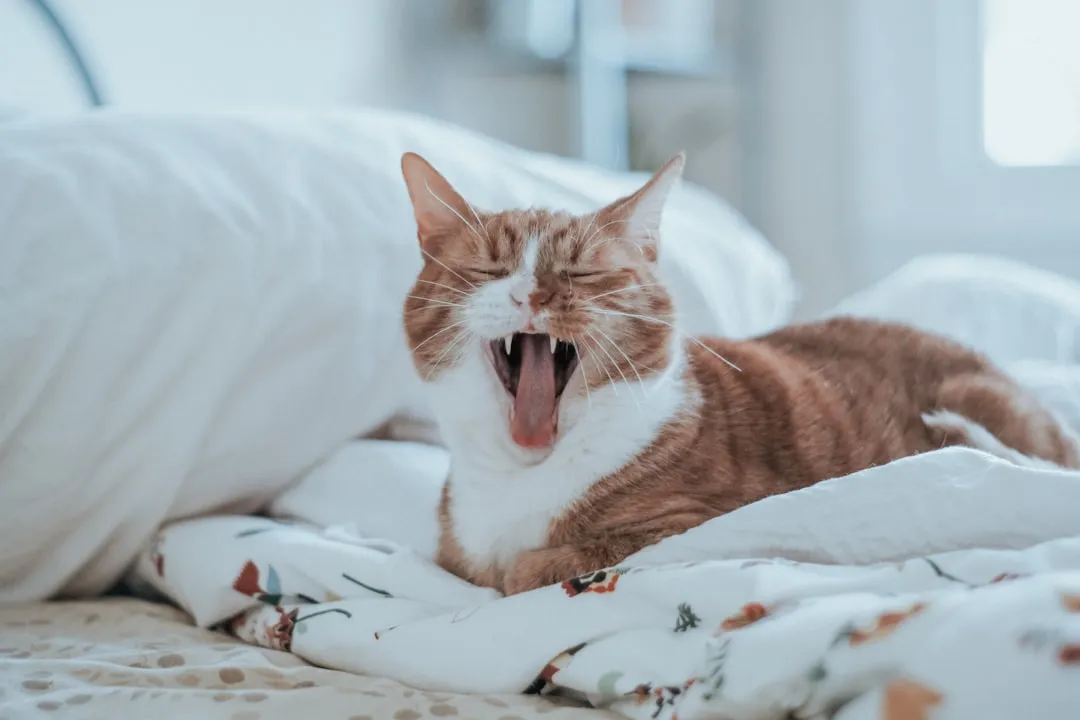
Nobody checks their cat’s gums for fun, but vets say this ten-second habit reveals more about long-term health than almost anything else you can look at home. Gently lift the lip during a normal petting session – healthy gums should be pink, while pale or unusual coloring can signal anemia or circulation problems.
Pink gums mean good blood flow and good oxygenation, and a cardiovascular system that’s still doing its job efficiently even deep into a cat’s senior years. Making this a casual habit means catching a problem long before your cat shows obvious symptoms – a consistently pink gum line is a quiet, ongoing vote of confidence in her overall health.
#5 – His Breathing Stays Quiet and Easy at Rest
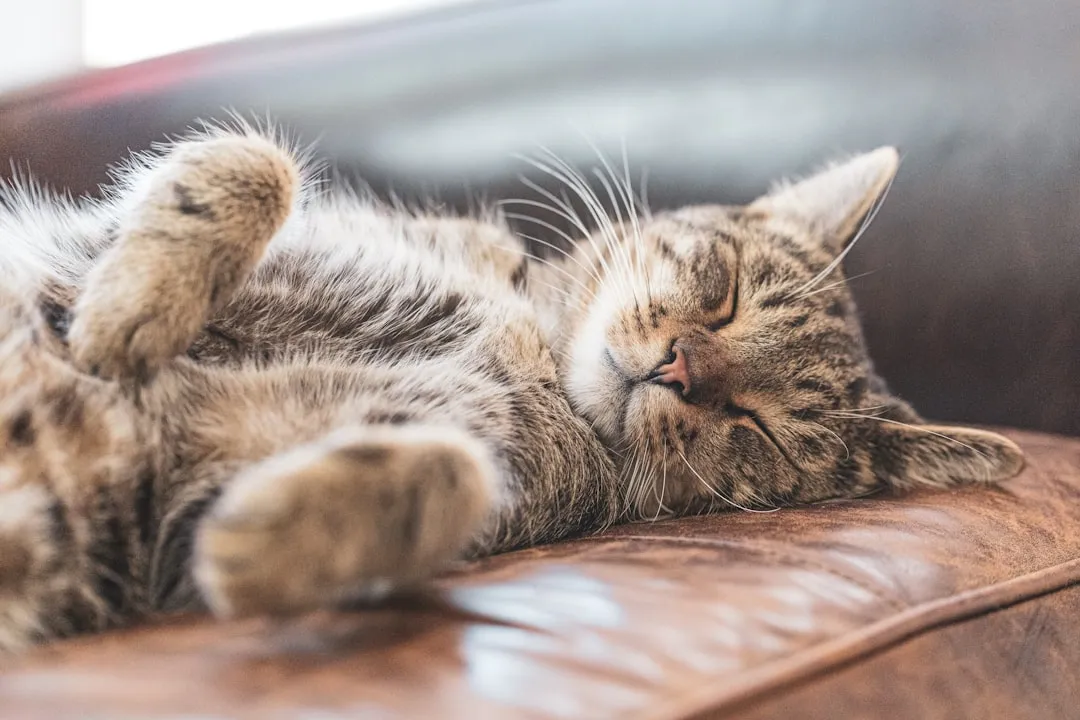
Most owners never actually watch their cat breathe, but vets say it’s one of the simplest ways to track a senior cat’s internal health without a single test. Watch your cat while she rests – breaths should be quiet and unlabored, with the chest moving naturally.
A cat whose breathing stays calm and even through a long nap is showing that her heart and lungs are handling the aging process well. Tracking a senior cat’s resting respiratory rate is genuinely useful information for a vet evaluating heart or lung disease – and it’s one of the few “vitals checks” you can do from the couch, no clinic required.
#6 – She Still Makes the Jump (Even If She Pauses First)
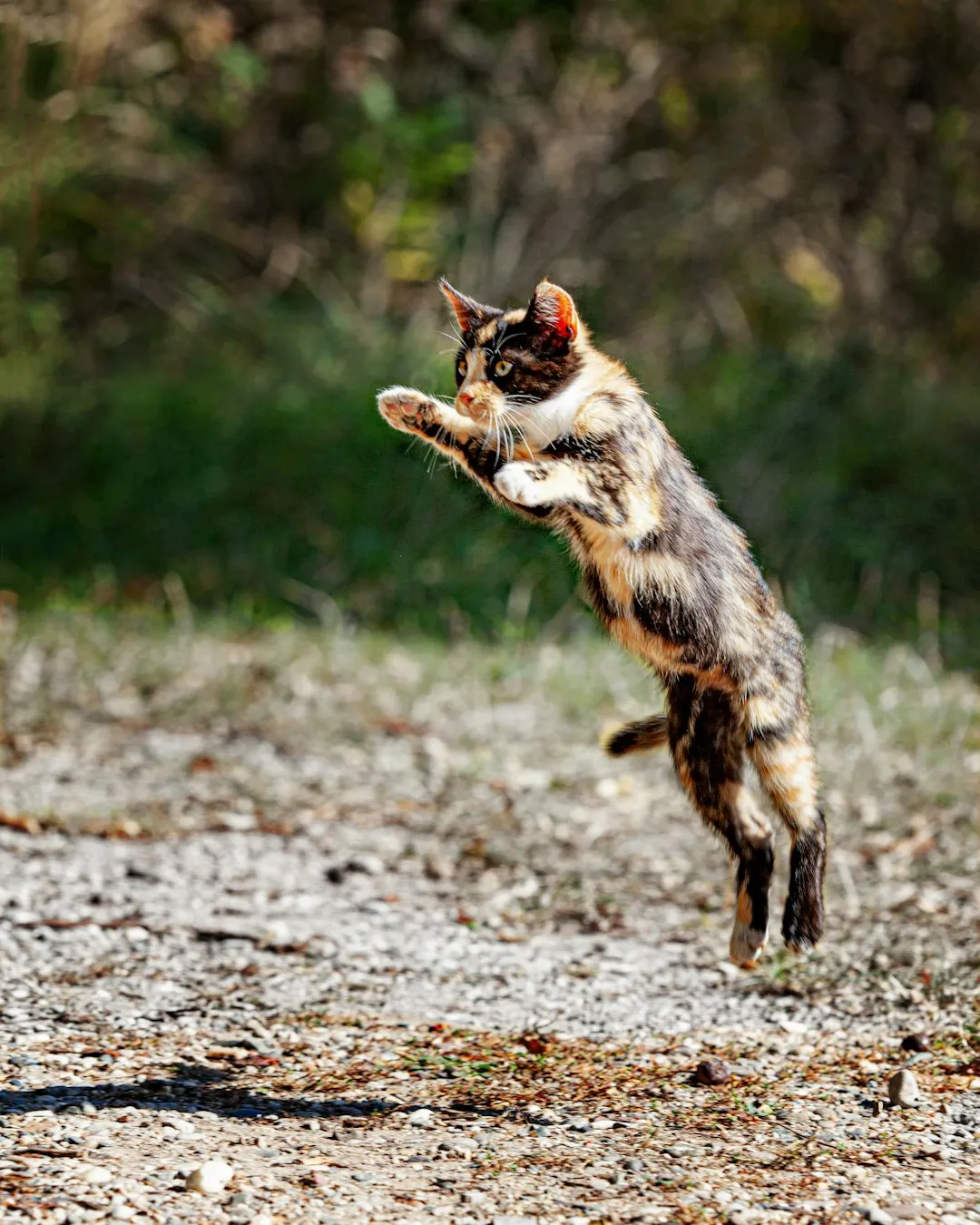
A senior cat who still attempts – and lands – jumps onto the couch or windowsill is holding onto something a lot of aging cats lose first: confidence in her own body. If a cat seems stiff getting up or struggles with jumps or stairs, vets say that’s worth a conversation, since underlying health conditions are often the real cause.
But a cat who still makes the leap, even with a brief hesitation beforehand, is showing her joints, muscles, and balance are still cooperating. Plenty of owners assume any pause before a jump means arthritis has already set in – vets disagree. A brief pause is often just caution, not pain, especially if the cat still completes the movement smoothly. It’s the cats who stop attempting jumps altogether who need the urgent vet visit.
#7 – He Still Goes Nuts for a Toy Once in a While
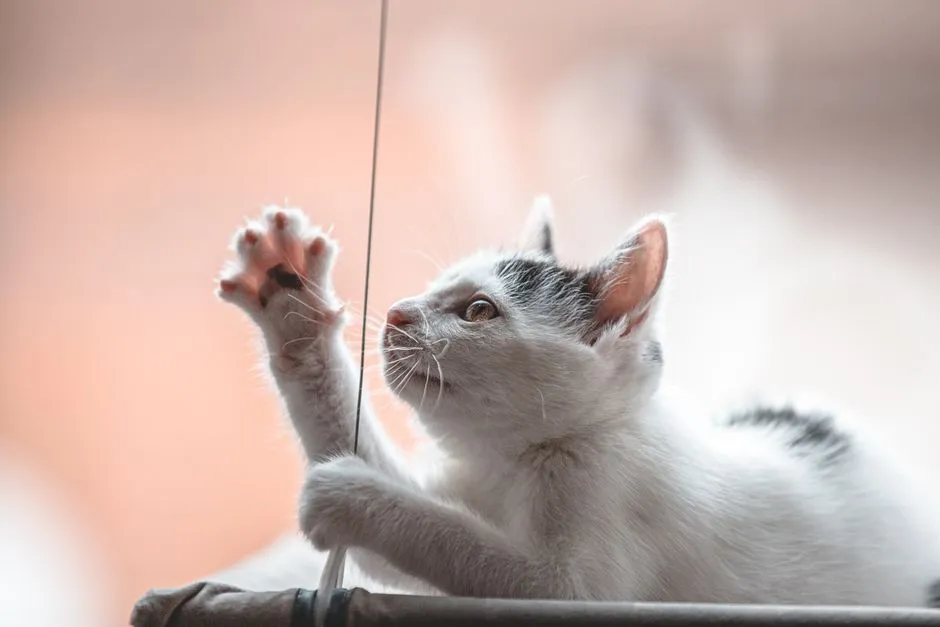
A senior cat who still pounces on a feather wand or bats at a crinkly ball, even for thirty seconds, is showing you that his prey drive and joints are still functioning as a team. Vets remind owners not to stop playing with a cat as he ages – mental and physical stimulation stays genuinely beneficial for well-being at every stage of life.
Play requires coordination, eyesight, and a willingness to move – three things that decline together when a cat is truly struggling. Most owners write off decreased play as simply “he’s just an old cat now,” but a cat with zero interest in any stimulation at all is often signaling something deeper than age. A senior who occasionally still goes wild for five minutes still has real spark left.
#8 – She Still Knows Exactly Where the Food Bowl Is
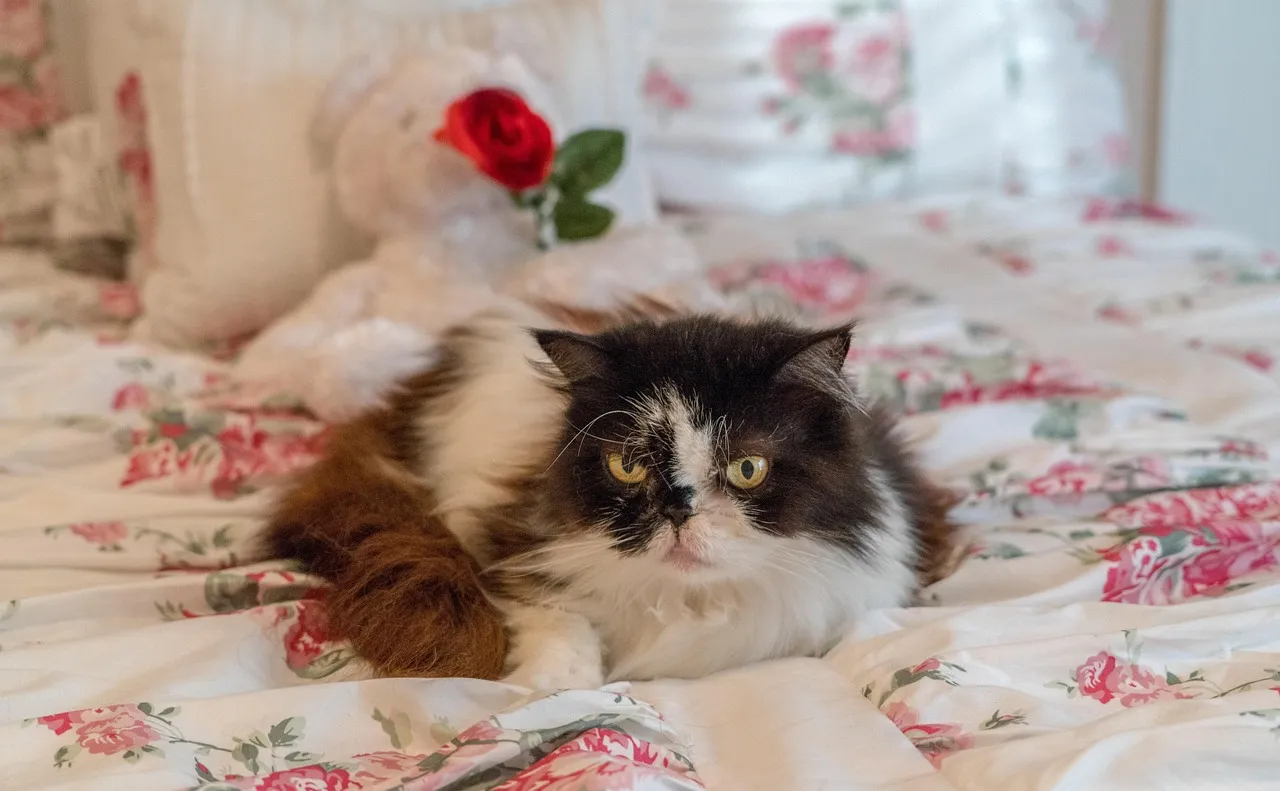
It sounds almost too simple, but a senior cat who still confidently navigates her daily routine – food, water, litter box – without confusion is dodging one of the biggest concerns vets have about aging cats. If a cat starts seeming confused by everyday tasks or objects, that can point to memory or cognitive issues rather than simple aging.
This matters more than most owners realize – cognitive dysfunction affects roughly 80% of cats by age 15, with signs including disorientation, nighttime vocalizing, house accidents, hiding, and sleeping more than usual. A cat who moves through her routine smoothly, day after day, is showing that her brain is aging gracefully right alongside her body, and “ordinary” is exactly the goal here.
Worth Knowing
- Cognitive dysfunction affects an estimated 80% of cats by age 15, and many cases go undiagnosed for months.
- Common warning signs include disorientation, nighttime yowling, house-soiling, and staring blankly at walls or corners.
- Symptoms usually creep in slowly, which is exactly why a boring, predictable routine is such a good sign.
- Diet changes, environmental enrichment, and sometimes medication can meaningfully slow cognitive decline when caught early.
#9 – His Litter Box Habits Haven’t Changed
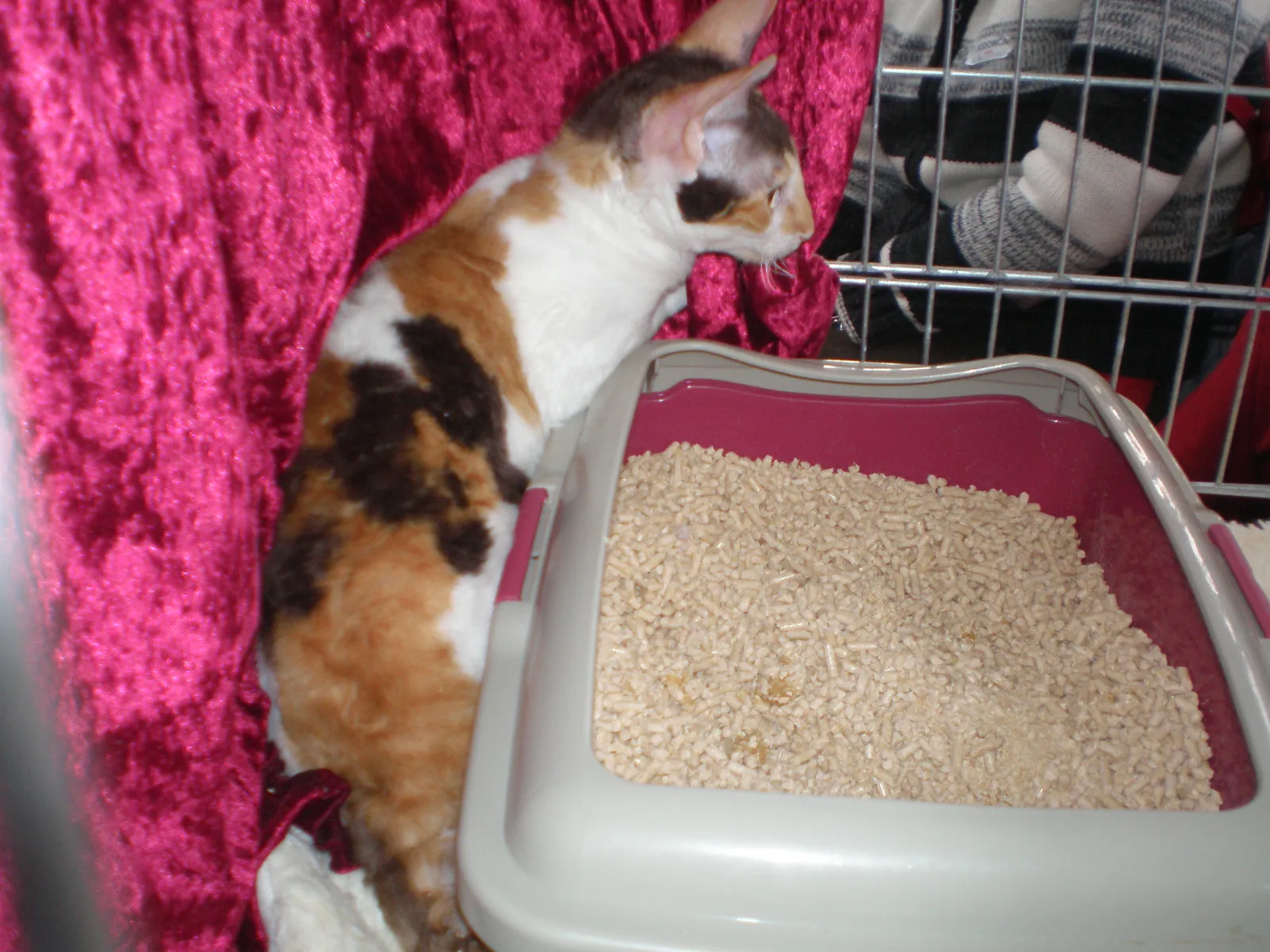
Consistent, predictable litter box use in a senior cat is one of the strongest silent signals that his internal organs are still functioning the way they should. Kidney disease, hyperthyroidism, and diabetes are major conditions in older cats, and they often show up first as changes in urination, thirst, or weight.
A cat whose bathroom habits stay steady – same frequency, same consistency, no accidents outside the box – is quietly ruling out several of the most common senior cat diseases without a single blood test. Plenty of owners assume occasional litter box misses are just old-age clumsiness, but vets push back hard on that. A sudden change is one of the fastest ways to catch kidney or thyroid disease early, and no change at all is genuinely, boringly reassuring.
#10 – She Still Chirps and Meows to Say Hello
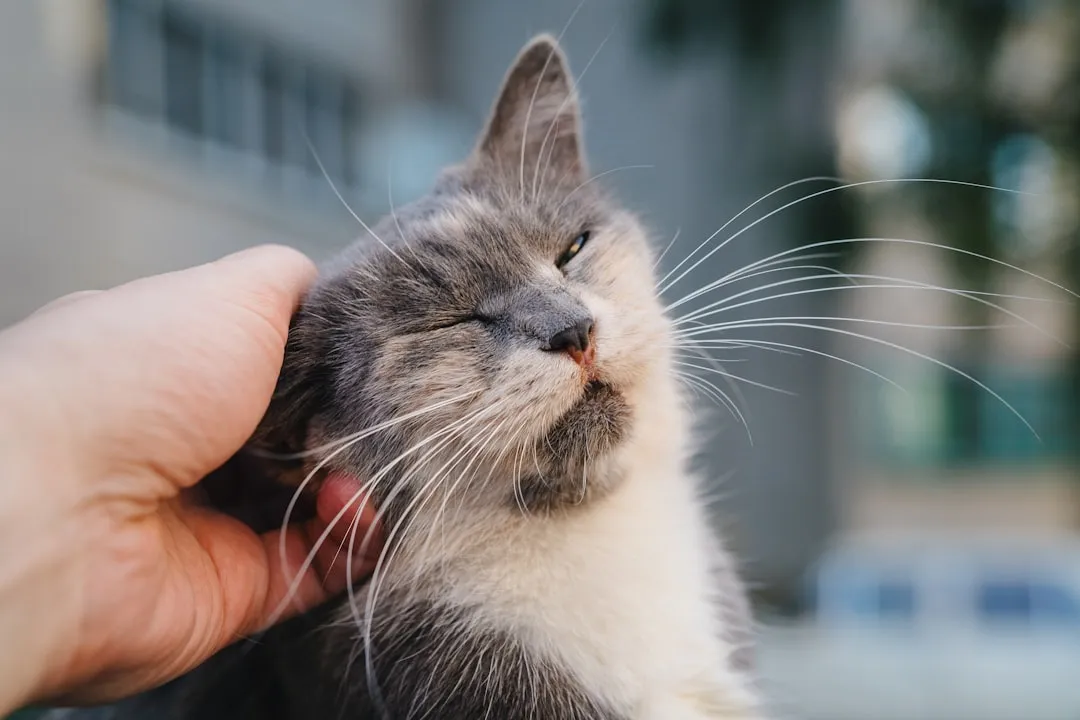
A senior cat who still greets you at the door with her usual chirp or meow – not an unfamiliar, excessive, or nighttime yowl – is showing vets exactly what they want to see behaviorally. Litterbox avoidance, human avoidance, wandering, excessive meowing, and disorientation are all potential signs of mental confusion worth examining.
The key word is “excessive” or “new.” A cat sticking to her lifelong vocal personality, chatty or quiet, is showing consistency that matters more than volume. Vocal changes that appear out of nowhere, especially at night, are the real concern – a senior who still “sounds like herself” is one of the more reassuring, and most overlooked, signs on this entire list.
#11 – His Weight Has Barely Budged in Months
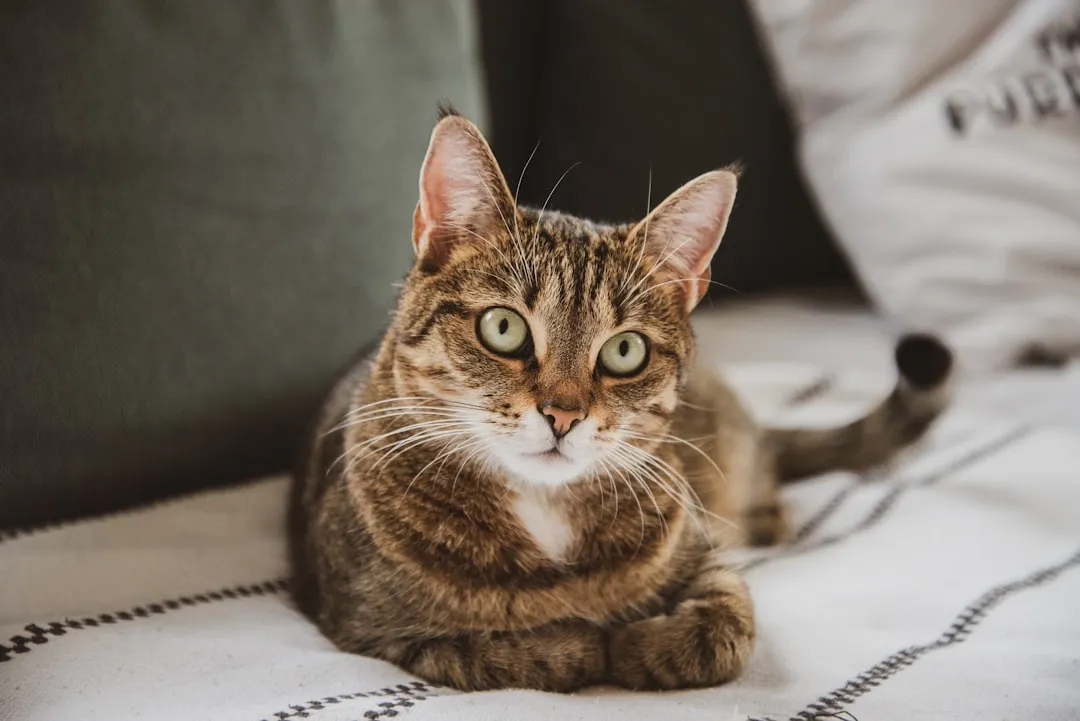
A senior cat holding a steady weight, checked regularly, is dodging one of the single biggest red flags vets watch for in aging cats. Unexplained weight loss is one of the most common signs of trouble and often the very first clue that something metabolic has shifted internally.
Around age 11, vets typically recommend switching to a diet made specifically for senior cats, since older bodies need fewer calories but higher-quality protein. A cat maintaining stable weight on the right diet is showing that her metabolism, appetite, and organ function are all still cooperating – and tracking that weight at home, not just once a year at the vet, is exactly the habit vets wish more owners had.
At a Glance
- Most vets recommend transitioning to a senior-formula diet around age 11.
- Senior diets prioritize easily digestible, high-quality protein over raw calorie count.
- Fresh water access, ideally from multiple bowls around the house, helps aging kidneys stay ahead of decline.
- Monthly at-home weigh-ins catch subtle weight loss long before it becomes visible to the eye.
#12 – She Still Wants to Be Near You
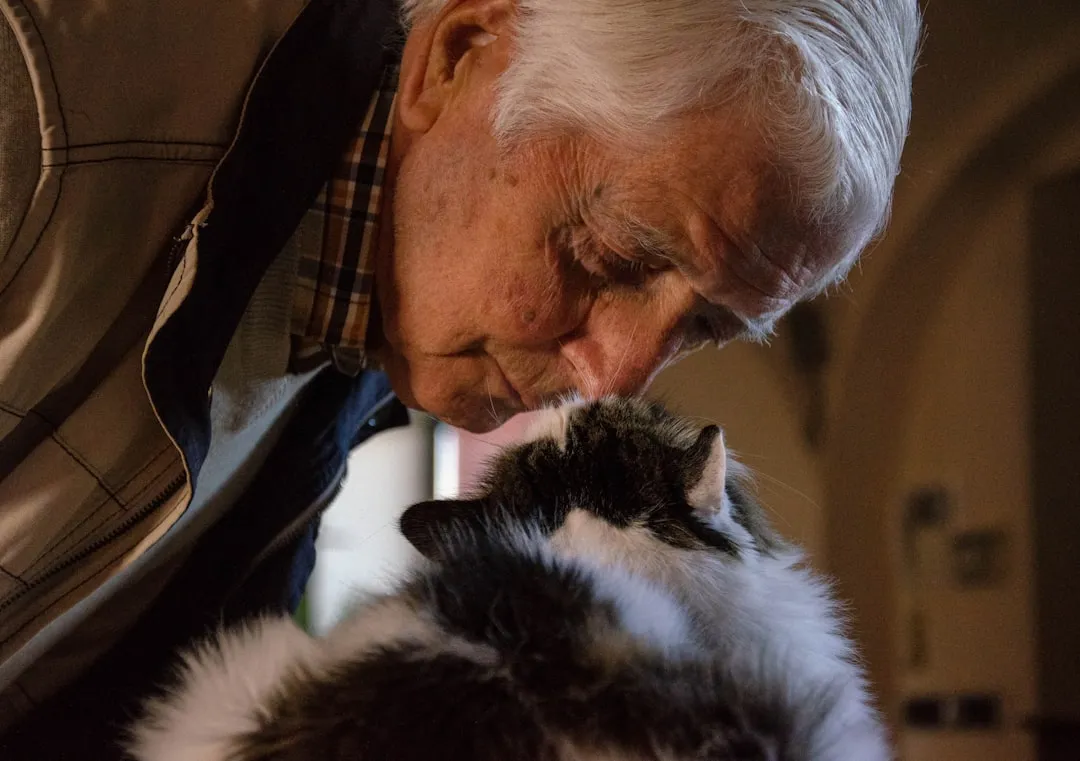
A senior cat who still seeks out your lap, your side of the bed, or a spot near your feet in the kitchen is showing an emotional resilience that vets say matters just as much as physical health. Cats with declining quality of life often become withdrawn and stop displaying normal behaviors like grooming or play.
Quality of life isn’t always easy to assess without a vet’s guidance – but a cat still choosing closeness is telling you plenty on her own.
Common veterinary guidance on senior cat care
A cat still choosing closeness, still initiating affection, is signaling that she’s comfortable and engaged rather than retreating into isolation. Some owners assume a more distant cat is simply “aging into her personality” – vets caution that a sudden pullback from normal affection is far more often a red flag than a personality shift.
#13 – He Still Reacts Fast to Sounds and Movement
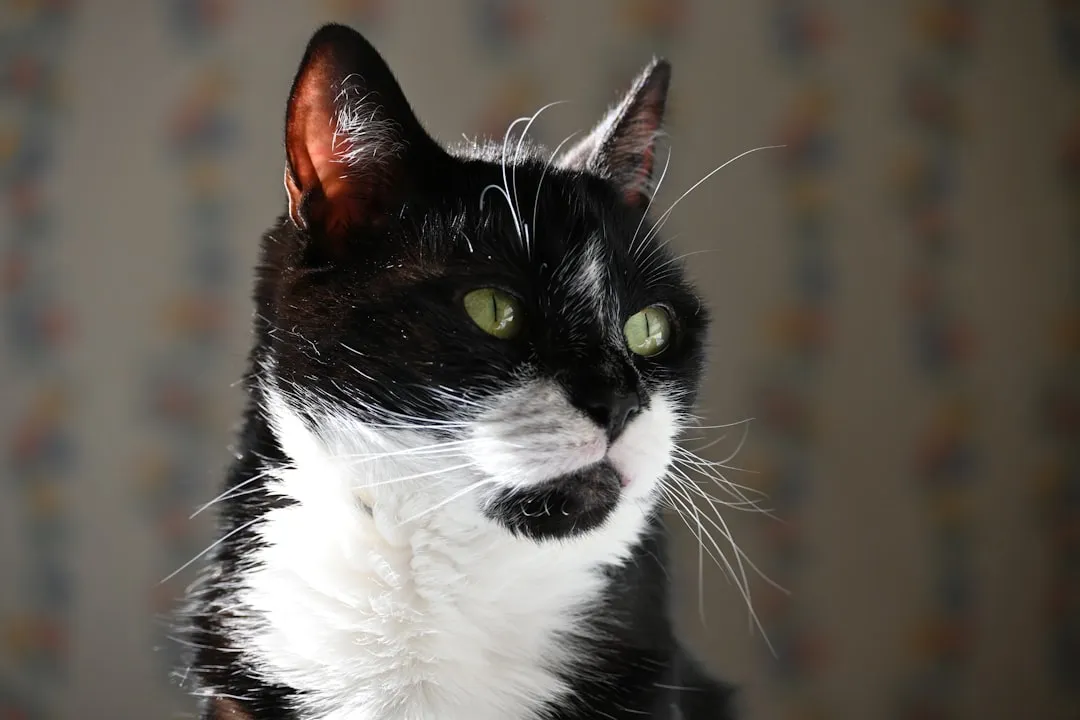
A senior cat whose ears still swivel toward a sound, or who still tracks a bird outside the window with sharp focus, is holding onto sensory sharpness that many cats lose much earlier. Hearing loss is common in senior cats, and any suspected decline is worth a vet exam.
A cat who’s still visibly alert – startling at a dropped object, perking up at a can opener – is proving his sensory pathways are firing quickly and accurately. Owners often assume a slower-moving senior must also have dulled senses, but that assumption is wrong far more often than people think. Plenty of cats keep sharp hearing and eyesight well into their late teens.
#14 – Her Sleep Pattern Still Makes Sense
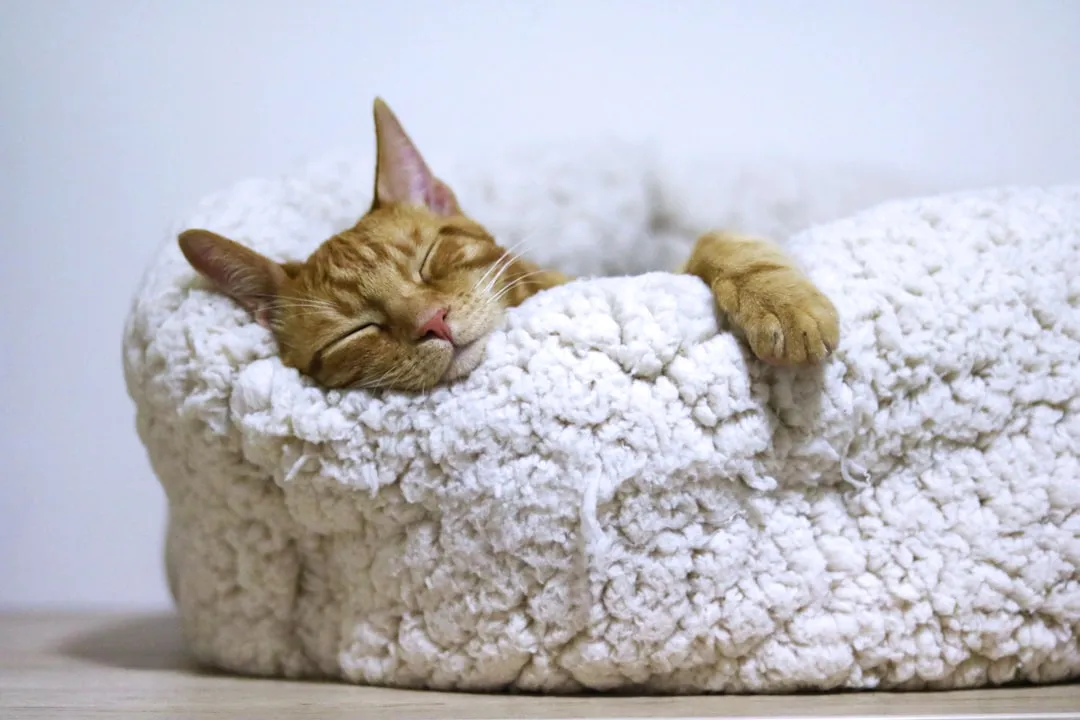
The single strongest sign vets point to for a thriving senior cat is boring, predictable sleep – long stretches of daytime rest with no confusion about when it’s day or night. Older cats often sleep up to 20 hours a day, and that increase alone is perfectly normal.
The real concern isn’t sleeping more, it’s sleeping wrong. Sleeping heavily during the day while becoming restless at night is linked to cognitive decline, not normal aging. A senior cat who naps hard but still wakes clear-headed, eats on schedule, and settles again at night is showing that her internal clock and her brain are still in sync – and that’s the difference that actually matters.
Quick Compare
- Normal: Long daytime naps, easy to rouse, alert and clear-headed right after waking.
- Normal: Consistent bedtime routine, settles down again once night falls.
- Concerning: Restless pacing, crying, or wandering after dark.
- Concerning: Grogginess or disorientation that lingers well after waking up.
The Bottom Line
Here’s the truth most cat owners never hear directly from their vet: age alone isn’t the enemy – silence is. Old age isn’t a disease, and just because a cat is old doesn’t mean she has to live with pain or discomfort. Her age should inform her care, not determine her quality of life.
The cats who thrive longest aren’t the ones who never change. They’re the ones whose owners actually notice the small, boring, everyday signs, good and bad, instead of blaming everything on “just getting old.” A cat still eating, still greeting you, still landing that jump, and still sleeping normally is a cat with real life left to live. So – how many of these 14 signs does your senior cat check off? Drop the number in the comments.
